
Salary negotiation is one of the most important conversations a professional will ever have, yet most people walk into it underprepared and undersell themselves as a result. Small missteps can cost thousands of dollars annually and shape the entire trajectory of a career. Understanding what to avoid is just as powerful as knowing what to do right. These are the twenty most damaging mistakes to eliminate from any salary negotiation strategy.
Desperation

Letting urgency or financial pressure show during a negotiation shifts the power balance immediately and dramatically. Hiring managers and HR professionals are trained to detect emotional vulnerability and will use it to anchor offers at the lowest acceptable range. Maintaining a composed and confident tone signals that you have options and know your worth. Preparation and practice before the conversation are the most effective tools for keeping composure under pressure.
Anchoring Low

Offering a number first that sits below market value instantly sets a ceiling that is very difficult to raise during the same conversation. Research consistently shows that the first number spoken in a negotiation has an outsized influence on the final outcome. Professionals who name a figure below their actual target tend to receive offers that fall even further below that point. Always anchor high within a well-researched and justifiable range to preserve room for movement.
Apologizing

Beginning a salary request with phrases like “I’m sorry to ask” or “I hope this isn’t too much” immediately undermines the credibility of the request itself. Apologies signal discomfort with the topic and suggest that the candidate does not fully believe their own ask is reasonable. This language pattern is especially common among early-career professionals and women re-entering the workforce after a break. Confident and direct language produces measurably better outcomes in compensation conversations.
Lying

Fabricating a competing offer or inflating a previous salary is a high-risk tactic that can result in immediate disqualification or termination after hiring. Background checks and reference calls are standard practice in most industries and discrepancies are frequently uncovered. The reputational damage from being caught in a salary lie can follow a professional for years within a specific industry or city. Honest negotiation grounded in real market data is always the more durable strategy.
Ignoring Benefits

Focusing exclusively on base salary while ignoring the total compensation package means leaving significant value on the table. Equity grants stock options retirement contributions healthcare premiums and remote work flexibility all carry real monetary worth that varies widely between employers. A lower base salary at one company may represent a far superior package when bonuses and equity are factored in. Every element of compensation should be evaluated and negotiated with the same energy as the headline number.
Silence

Accepting the first offer without any response or counter is one of the most common and costly mistakes professionals make. Employers almost universally expect negotiation and often build buffer into initial offers specifically to accommodate it. Staying silent after an offer is presented can be interpreted as either eagerness or a lack of self-advocacy. A calm and prepared counteroffer is a professional norm and rarely puts an accepted offer at risk.
Ultimatums

Issuing hard ultimatums early in a negotiation creates unnecessary confrontation and can cause an otherwise productive conversation to collapse entirely. Phrases like “I won’t accept anything below X” delivered aggressively remove the collaborative tone that leads to creative solutions. Most successful negotiations involve movement on both sides and a willingness to explore the full range of what is possible. Firm positions are most effective when communicated calmly and with clear reasoning rather than as threats.
Undersearching

Walking into a negotiation without thorough knowledge of current market rates for the specific role level and geography is a critical preparation failure. Professionals who rely on intuition or outdated data consistently receive lower offers than those armed with current benchmarks. Industry salary surveys professional associations and anonymous reporting platforms all provide data that strengthens a negotiating position. The candidate who knows the numbers commands the conversation.
Oversharing

Volunteering personal financial details such as debt levels rent costs or lifestyle pressures has no place in a professional salary conversation. Personal circumstances are irrelevant to market value and sharing them shifts the framing from professional worth to personal need. Employers set compensation based on role requirements budget and market competitiveness rather than an individual’s personal situation. Keep all reasoning anchored to professional value and external data.
Rushing

Feeling pressured to accept or counter an offer on the spot without adequate time to evaluate it is a situation that can always be managed. It is entirely professional and widely accepted to ask for 24 to 48 hours to review an offer before responding. Rushed decisions in salary negotiations almost always favor the employer rather than the candidate. Taking time to assess the full package against personal goals and market data leads to better long-term outcomes.
Winging It

Entering a salary negotiation without rehearsing specific responses to likely scenarios leaves professionals vulnerable to being caught off guard. Practicing out loud with a trusted colleague or career coach builds the kind of muscle memory that reduces anxiety in the moment. Research shows that candidates who rehearse negotiation conversations achieve higher final offers on average than those who improvise. Preparation is not optional when the stakes involve years of compounding income.
Gossiping

Referencing what colleagues or coworkers earn as the basis for a salary request introduces unnecessary interpersonal tension into what should be a professional conversation. While pay transparency has value in broader workplace equity discussions using a peer’s salary as a bargaining chip can damage professional relationships and create awkward dynamics. Market data is a far more defensible and credible foundation for a compensation argument. External benchmarks carry more persuasive weight than internal comparisons.
Early Disclosure

Revealing a current or previous salary before receiving an offer hands the employer a powerful anchor point that can cap the entire negotiation before it begins. Many jurisdictions have enacted salary history ban laws precisely because this dynamic suppresses wage growth particularly for historically underpaid groups. When asked about current earnings it is appropriate in most regions to decline and redirect to expected compensation instead. Protecting this information preserves the broadest possible negotiating range.
Narrow Focus

Negotiating only the starting salary without discussing performance review timelines signing bonuses or title accuracy leaves multiple levers untouched. Many employers who cannot move on base salary have flexibility in other areas including equity start date remote work stipends or professional development budgets. Treating negotiation as a single-variable conversation reduces the total potential outcome significantly. Skilled negotiators identify every dimension of an offer and prioritize accordingly.
Misreading Culture

Applying an aggressive negotiation style to a company or industry where collaborative and understated communication is the norm can create a poor first impression before day one. Reading cues from the recruiter’s communication style the industry norms and the company’s stated values helps calibrate the appropriate tone. A startup environment and a government agency require very different approaches to the same conversation. Adaptability in tone and style is itself a professional skill worth deploying deliberately.
Caving Quickly

Abandoning a well-researched counteroffer at the first sign of hesitation or pushback from a recruiter is a pattern that consistently produces suboptimal results. Recruiters are trained negotiators and mild resistance is a standard tactic rather than a genuine signal that the conversation is over. Holding a reasonable position for at least one full exchange before conceding demonstrates confidence and often results in movement. Persistence within a respectful tone is almost always rewarded.
Poor Timing

Initiating a detailed compensation negotiation before receiving a formal offer or during an early screening call signals poor professional judgment. The optimal moment to negotiate is after an offer has been extended and before it has been formally accepted in writing. Raising salary expectations too early in the process can cause a candidate to be screened out before their full qualifications have been evaluated. Patience in timing is a strategic asset.
Tunnel Vision

Focusing entirely on winning the negotiation without considering the long-term relationship with the hiring manager or HR team is a short-sighted approach. The person across the table will likely become a direct manager colleague or professional reference in the years ahead. Negotiations that end with both parties feeling respected create a stronger foundation for future conversations about raises promotions and expanded responsibilities. The relationship outlasts the negotiation.
Written Neglect
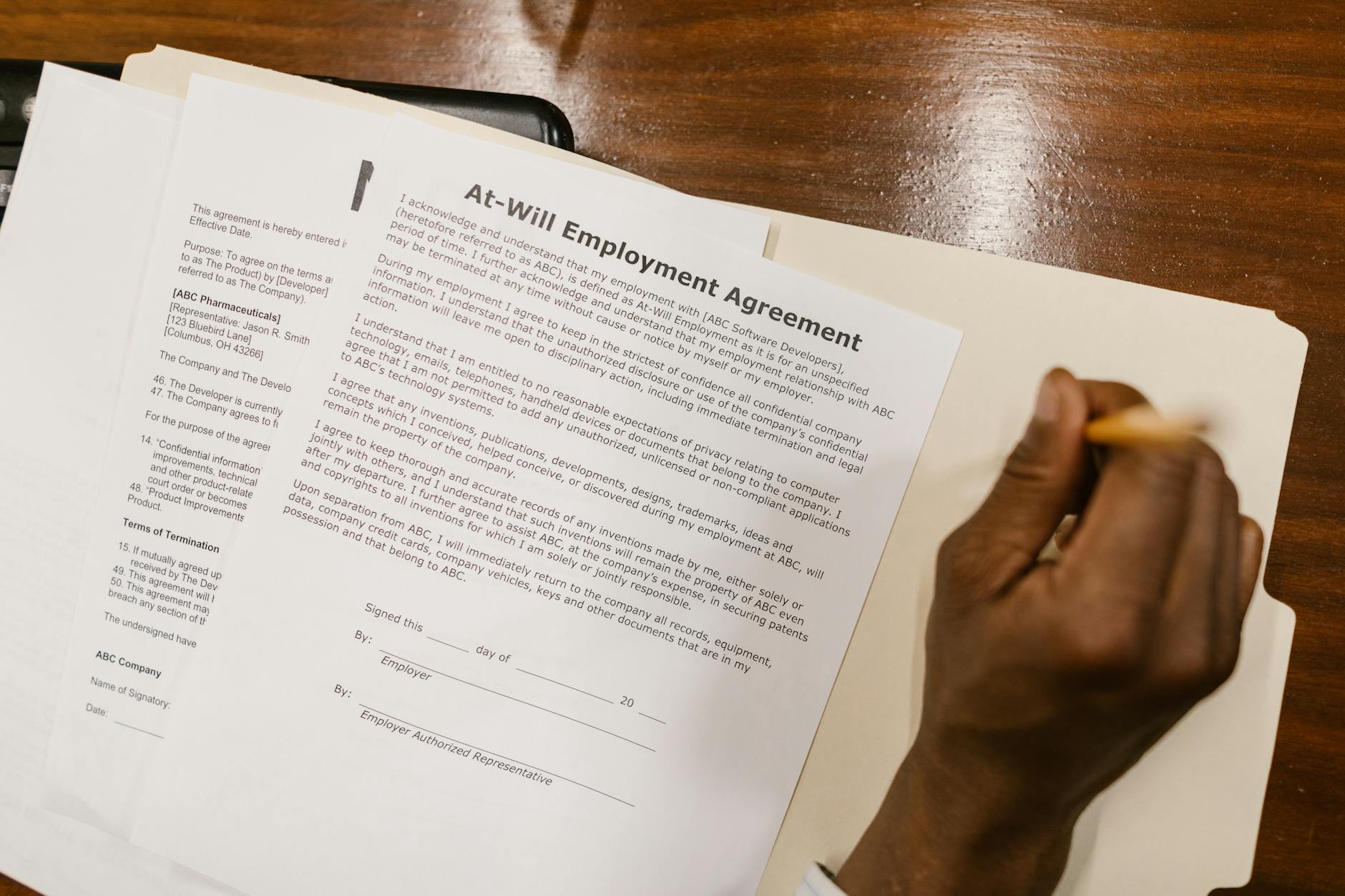
Failing to confirm the final agreed compensation package in writing before a start date or resignation from a current role creates significant risk. Verbal agreements in hiring processes are not legally binding in most jurisdictions and details can shift between a handshake and a formal contract. Requesting written confirmation of base salary bonus structure equity grants and benefits is a standard and professional step. Never proceed on memory or goodwill alone when documentation is available.
Silence After Accepting

Treating the accepted offer as the permanent ceiling rather than the starting point of an ongoing compensation conversation is the most sustained and costly mistake of all. Strong performers who document their contributions and revisit compensation at regular intervals consistently earn more over a career than those who negotiate only at the point of hire. Understanding internal promotion cycles annual review processes and the criteria for advancement transforms a single negotiation into a long-term strategy. Compensation growth is a career-long conversation not a one-time event.
Share your own salary negotiation experiences and the lessons you learned from them in the comments.




