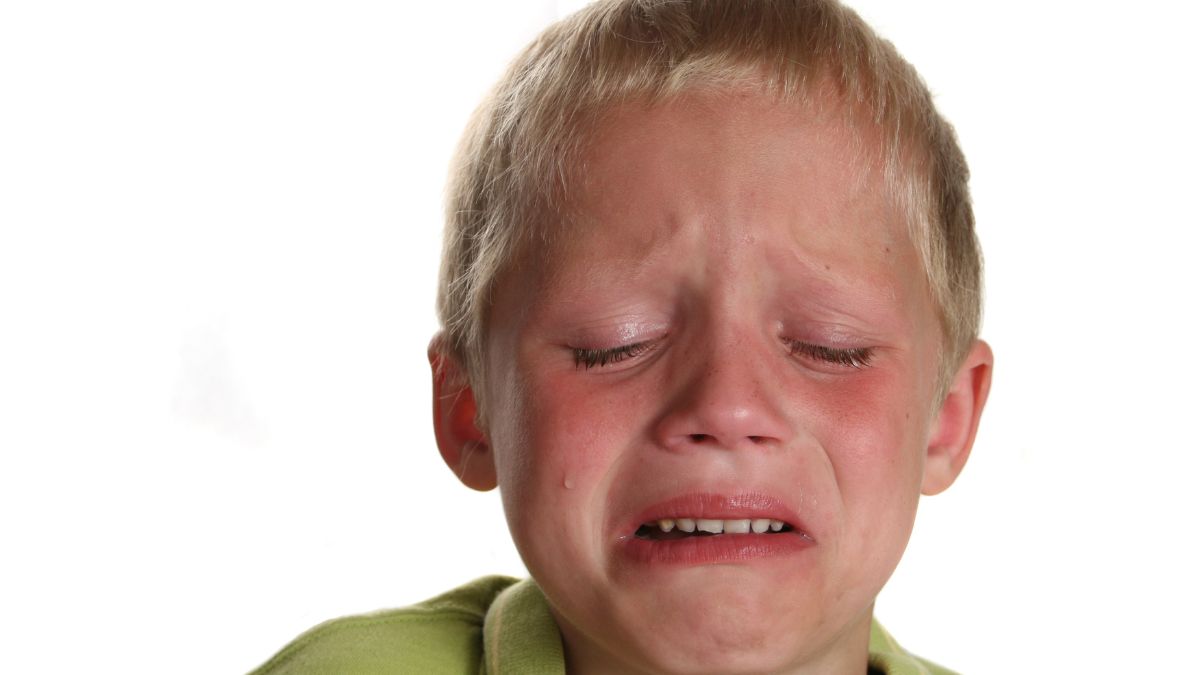
Every parent has been there: a child who refuses to listen, throws a fit, cries over seemingly nothing, or shuts down completely. The instinct is often to assume defiance, but experts caution that what looks like misbehavior is frequently something far simpler. Many children, especially young ones, have not yet developed the language skills to tell their caregivers they are exhausted. According to child development specialists, fatigue in children very commonly presents as behavioral issues that can easily be mistaken for intentional disobedience.
The reason for this lies in how tiredness affects the developing brain. When a child is overtired, their ability to regulate emotions and control impulses drops significantly. The prefrontal cortex, which is responsible for self-control and rational thinking, is still maturing in children and becomes even less effective when sleep-deprived. This means that a child who seems to be acting out on purpose may simply be a child whose brain does not have the resources to cope in that moment.
One of the most reliable warning signs is a sudden and dramatic shift in mood. A child who was perfectly cheerful just an hour earlier may abruptly become tearful, irritable, or hypersensitive to even small frustrations. Tantrums are especially common in toddlers and preschool-aged children who experience this kind of rapid emotional collapse when overtired. Parents who notice that these emotional swings seem to come out of nowhere, rather than in response to any specific trigger, should consider exhaustion as a likely explanation.
Difficulty focusing is another telltale sign that tends to get misread. A tired child may seem like they are deliberately ignoring instructions, but in reality they are struggling to concentrate and process what is being asked of them. They may start an activity and quickly abandon it, or simply stare blankly when a parent speaks to them. This is not stubbornness but rather a cognitive slowdown caused by insufficient rest, and responding with stricter discipline in these moments often makes things worse rather than better.
Physical cues also offer useful information, though they are not always obvious. Yawning, rubbing the eyes, slowing down physically, and having a glazed or unfocused gaze are all classic signs of fatigue. However, some children respond to being overtired in the opposite way, becoming hyperactive, unusually loud, or unable to sit still. This counterintuitive reaction happens because the body releases stress hormones like cortisol and adrenaline when it is fighting off sleep, which can temporarily mask tiredness and make a child appear wired rather than worn out.
Pay close attention to timing when trying to figure out what is going on. If the most difficult behavioral moments consistently happen in the late afternoon, the evening, or after a particularly full and stimulating day, that is a strong indicator that fatigue is the culprit. A tired child also tends to become much clingier than usual, seeking out hugs, wanting to be held, or insisting on a parent’s constant physical presence. These needs are entirely normal and reflect a child reaching for comfort when their internal resources are running low.
The takeaway for parents is that recognizing these patterns can genuinely shift the approach to discipline. A child who needs rest does not need a timeout or a lecture, they need a calm environment, reduced stimulation, and the chance to sleep. Consistently good sleep hygiene goes a long way in preventing these difficult cycles from forming in the first place. Building predictable routines around naps and bedtime helps children’s nervous systems regulate more effectively throughout the day.
From a broader developmental perspective, children’s sleep needs vary considerably by age. Newborns typically require between 14 and 17 hours of sleep per day, while toddlers between the ages of one and two need about 11 to 14 hours including naps. Preschoolers between three and five years old generally need 10 to 13 hours, and school-age children between six and twelve need around 9 to 12 hours each night. The American Academy of Sleep Medicine and the American Academy of Pediatrics both emphasize that insufficient sleep in children is linked to difficulties with attention, learning, emotional regulation, and behavior, all of which can easily resemble the kind of defiance that frustrates parents on a daily basis. Chronic sleep deprivation in early childhood has also been associated with longer-term developmental challenges, which is why establishing healthy sleep habits early is considered one of the most impactful things a parent can do for a child’s overall well-being.
If you have noticed any of these signs in your own child, feel free to share your experiences and thoughts in the comments.




