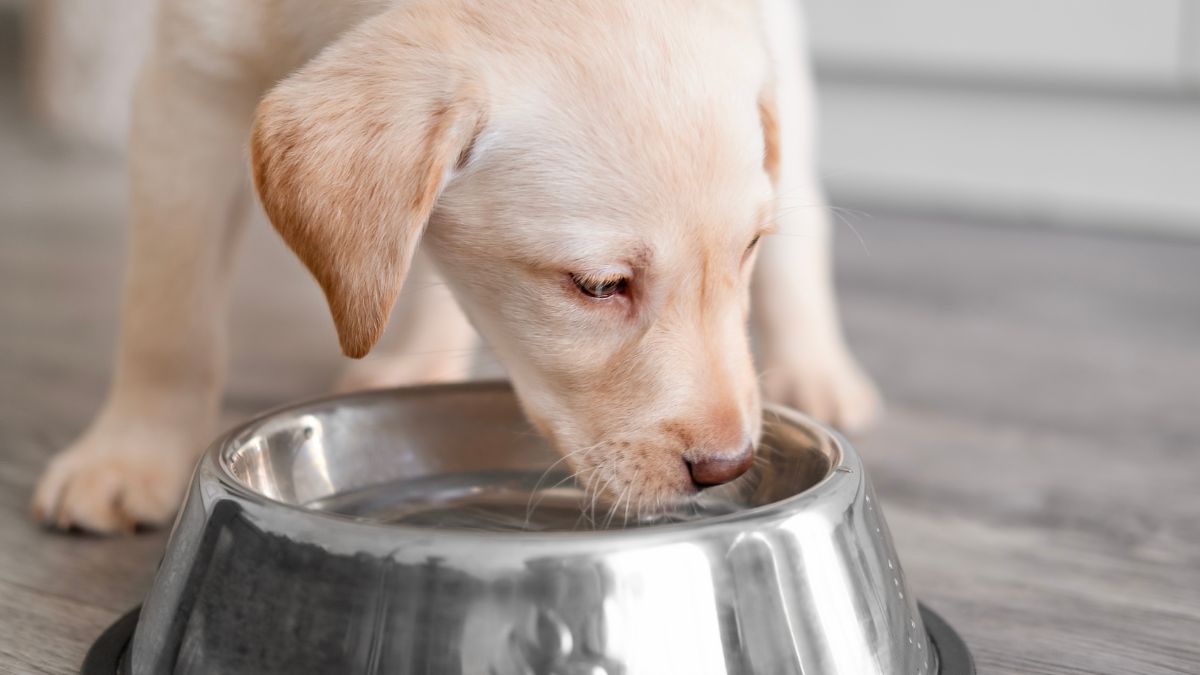
Water is one of the most critical components of a pet’s overall health, yet it is something many owners overlook until a problem arises. Just like humans, dogs and cats depend on consistent, adequate hydration for their organs to function properly, their body temperature to stay regulated, and their digestive and circulatory systems to run smoothly. Veterinarians warn that insufficient water intake often goes unnoticed until dehydration symptoms appear, and by that point, the situation can already be serious. Paying close attention to your pet’s daily drinking habits is one of the simplest and most effective ways to safeguard their long-term wellbeing.
The amount of water a pet needs varies depending on their size, activity level, diet, and the surrounding temperature. For dogs, the general veterinary guideline is roughly half an ounce to one ounce of water per pound of body weight per day. That means a 22-pound dog should be drinking somewhere between 11 and 22 fluid ounces, or about one and a half to nearly three cups, daily. Cats require approximately the same proportional intake, with a 9-pound cat needing around seven fluid ounces of water each day. These are guidelines rather than hard rules, and individual needs will shift based on health conditions and lifestyle.
Diet also plays a significant role in how much water your pet needs to drink from their bowl. Wet food for cats contains somewhere between 70 and 80 percent water, which means cats eating a primarily wet diet are already getting a substantial portion of their hydration from meals alone. Pets on dry kibble diets, by contrast, need to compensate by drinking considerably more throughout the day. Owners who switch their pets between wet and dry food without adjusting water availability may inadvertently set their animals up for dehydration without realizing it.
Knowing what to look for when a pet is not drinking enough is just as important as knowing how much they should consume. One of the earliest warning signs is dryness around the gums and nose. In a healthy, well-hydrated pet, the gums should appear pink and feel slightly moist to the touch. If they seem sticky, pale, or dry, that is worth taking seriously. Sunken or dull-looking eyes and an unusual lack of energy are also red flags that something may be off.
A simple test veterinarians often recommend is sometimes called the skin tent test. Gently pinch the loose skin at the back of the pet’s neck or between the shoulder blades, then release it. In a properly hydrated animal, the skin snaps back almost instantly. If it takes a moment to return to its original position, or if it stays slightly raised, the animal may be dehydrated. This is not a diagnostic tool on its own, but it can be a helpful first indicator before consulting a vet. Excessive panting in dogs, a sudden drop in appetite, or a general reluctance to engage in play or activity are other behavioral signs worth monitoring.
Tracking your pet’s water bowl over the course of a day is one of the most practical ways to gauge their intake. If the bowl barely looks touched, or if it is consistently drained within a short period of time and your pet seems frantic for more, both scenarios can point to underlying issues. Significant changes in how much a pet drinks, whether a sharp increase or a sudden decrease, are often among the first signs owners notice when something more serious is developing. Sudden excessive thirst, in particular, can indicate conditions ranging from kidney disease to diabetes and should prompt a vet visit.
Making it easier for pets to drink consistently can have a surprisingly big impact on their daily intake. Placing multiple water stations throughout the home encourages pets to drink more often simply because water is always nearby. Many cats, in particular, strongly prefer running water over water sitting in a bowl, which is why drinking fountains designed for pets have become increasingly popular. Keeping water fresh and bowls clean also matters more than many owners assume, since pets can be remarkably sensitive to taste and smell.
At its core, water supports nearly every process inside an animal’s body, from delivering nutrients to cells to maintaining the balance of electrolytes that keeps the heart and muscles functioning. When fluid levels drop too low, circulation suffers and vital organs begin to receive less oxygen than they need to operate correctly. The good news is that with consistent observation and a few small adjustments to your home setup, keeping your pet properly hydrated is entirely manageable.
Cats actually evolved as desert-adapted hunters, which means their instinct to seek out water is naturally weaker than dogs, and their kidneys are designed to produce very concentrated urine to conserve moisture. A dog’s nose contains mucus glands that help them absorb scent molecules, and when those glands dry out, a dry nose can sometimes be one of the first outward hints that hydration is flagging. Wild cats historically got the vast majority of their daily fluid intake directly from the prey they consumed, not from standing water sources, which is why so many house cats instinctively ignore a still water bowl.
If you have tips for keeping your pet well-hydrated or have noticed warning signs of dehydration in your own dog or cat, share your experience in the comments.




