
Many taxpayers leave money on the table each year simply because they are unaware of the deductions available to them. A wide range of everyday purchases can qualify as legitimate tax write-offs when they are tied to work, health, or business activity. Understanding these overlooked deductions can make a meaningful difference in what you owe at the end of the year. The key is knowing which expenses qualify and keeping thorough records to support each claim. These 22 purchases may already be part of your routine spending and could be working harder for you come tax season.
Home Office

A dedicated workspace inside a home can qualify for a deduction based on the square footage used exclusively for business. This applies to renters and homeowners alike, making it one of the most widely accessible deductions available. The space must be used regularly and solely for work-related activity to meet eligibility requirements. Utilities and maintenance costs proportional to the office space may also be included in the calculation. Freelancers, remote employees, and self-employed individuals are among those who benefit most from this deduction.
Cell Phone

A personal cell phone used for work purposes can be partially written off based on the percentage of business use. This includes calls, emails, and any apps or tools accessed for professional tasks throughout the day. Keeping a log of business versus personal use strengthens the claim and simplifies the calculation. Even a modest percentage of a monthly phone bill adds up to a notable deduction over the course of a year. Both the monthly service cost and the cost of the device itself may be eligible.
Internet Service
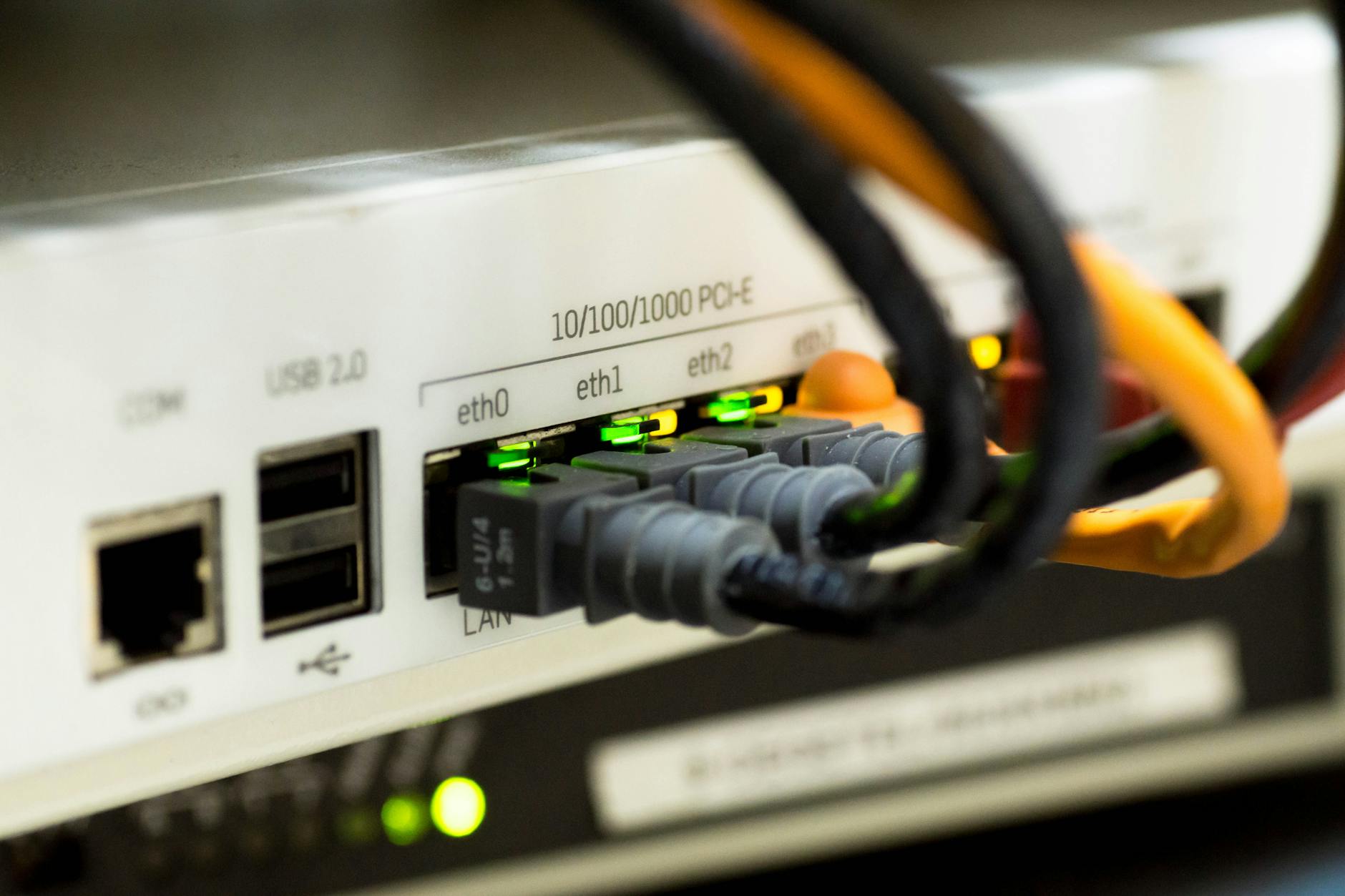
Home internet is one of the most commonly overlooked deductions for remote workers and self-employed individuals. Because the connection supports business activity on a daily basis, a portion of the monthly bill can be claimed as a work expense. The deductible amount is calculated based on how much of the internet use is directly tied to professional tasks. Upgrading to a faster plan to support video calls or large file transfers may also factor into the claim. Billing statements serve as straightforward documentation for this type of expense.
Office Supplies

Everyday items such as notebooks, pens, printer ink, and paper qualify as deductible business expenses when purchased for work use. These small purchases are easy to overlook but can accumulate into a meaningful deduction by year end. Both physical and digital tools used to organize and manage work tasks may fall under this category. Receipts from office supply stores or online retailers provide clear documentation for these purchases. The deduction applies to freelancers, small business owners, and anyone who works from home.
Subscriptions

Professional subscriptions to industry publications, software platforms, and productivity tools are fully deductible business expenses. Monthly or annual fees for services used to complete work tasks qualify when they serve a clear professional purpose. This includes project management apps, cloud storage services, and creative software licenses used in daily workflows. Keeping a record of which subscriptions are tied to business activity makes it straightforward to include them in a tax return. Even streaming services that provide content for professional research or inspiration may qualify under certain circumstances.
Work Uniforms

Clothing required specifically for work and not suitable for everyday wear qualifies as a deductible expense. This includes uniforms, protective gear, and branded apparel that cannot reasonably be worn outside of a professional setting. The cost of purchasing and maintaining these items can be claimed, including dry cleaning and alterations. Standard business attire worn in ordinary social settings generally does not qualify for this deduction. Documentation of the employer’s uniform requirements supports the claim effectively.
Professional Courses

Courses, certifications, and training programs taken to maintain or improve skills in a current profession are tax deductible. This applies to in-person classes, online courses, workshops, and professional development seminars. The education must be relevant to an existing career rather than qualifying a person for an entirely new one. Tuition fees, course materials, and enrollment costs all count toward the deduction. Lifelong learners who invest regularly in their professional growth often find this to be one of their most valuable deductions.
Books

Business-related books, guides, and reference materials purchased for professional purposes can be written off as an education or business expense. This includes physical books, e-books, and audiobooks directly related to a current job or industry. Titles focused on leadership, finance, marketing, or technical skills relevant to a person’s field are commonly claimed. The deduction extends to subscriptions for digital reading platforms when professional titles are a primary use. Keeping purchase records organized by category makes it easy to include these costs at tax time.
Health Insurance

Self-employed individuals can deduct the full cost of health insurance premiums paid for themselves and their families. This is one of the most significant deductions available to freelancers and small business owners who do not have employer-sponsored coverage. The deduction applies to medical, dental, and vision insurance premiums paid out of pocket throughout the year. It does not require itemizing deductions and can be claimed directly on the main tax form. This write-off can substantially reduce taxable income for those who carry their own coverage.
Gym Membership

A gym membership may qualify as a medical deduction when a physician prescribes physical activity to treat a specific health condition. In these cases, the cost of the membership is treated as a medical expense subject to standard thresholds. Individuals in physically demanding professions may also have grounds to claim fitness expenses as a work-related cost. Documentation from a healthcare provider strengthens the validity of the deduction. While not universally applicable, this write-off is worth exploring for those who meet the eligibility criteria.
Mileage

Driving for work-related purposes outside of a regular commute qualifies for a mileage deduction calculated at the standard IRS rate. This includes travel to client meetings, business appointments, job sites, and work-related errands. Keeping a mileage log with dates, destinations, and purposes is essential for substantiating the claim. The deduction covers personal vehicles used for business activity and can be calculated using actual costs or the standard rate. Over the course of a year, business mileage adds up quickly and can result in a substantial write-off.
Business Meals

Meals shared with clients, colleagues, or business partners for the purpose of conducting work can be partially deducted as a business expense. The discussion must have a clear professional purpose and the meal must not be lavish or extravagant to qualify. Receipts should note the names of attendees and the business purpose of the meeting. Typically fifty percent of the eligible meal cost can be deducted from business income. This deduction applies to both dining out and meals prepared for work-related gatherings.
Home Security
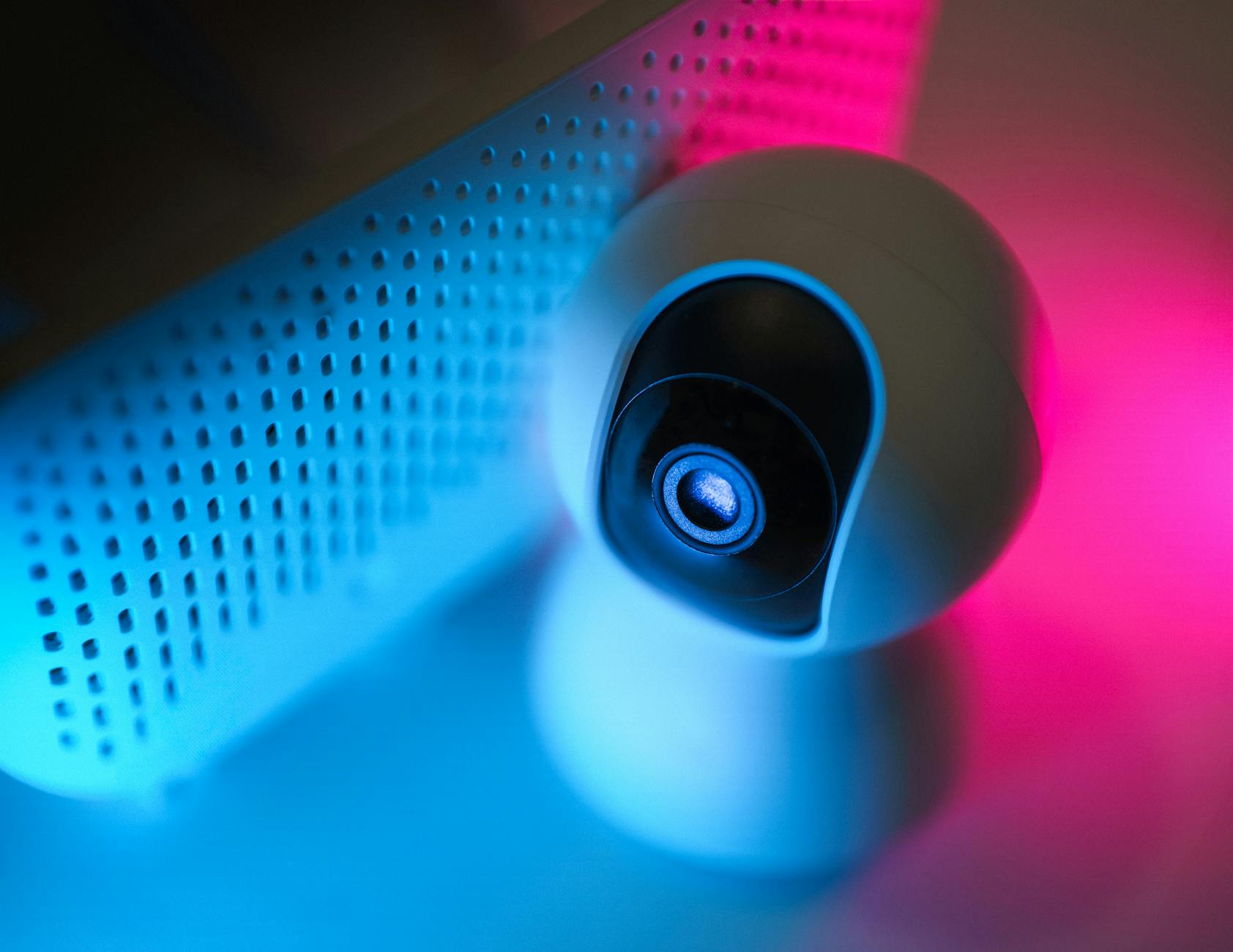
A home security system can be partially deducted when it protects a space that includes a qualifying home office. The portion of the expense attributed to securing the business area of the home is treated as a legitimate deduction. This includes monthly monitoring fees and the initial cost of equipment installation. Homeowners and renters alike may be eligible as long as the security system covers the dedicated workspace. Keeping invoices and noting which portion of the property the system protects supports accurate documentation.
Tax Software

The cost of purchasing or subscribing to tax preparation software is itself a deductible expense in the year it is used. This applies to both personal and business-focused tax tools used to file annual returns. Fees paid to tax professionals for preparation services are also fully deductible. For self-employed individuals and small business owners, these costs are treated as ordinary business expenses. Deducting the cost of filing taxes is one of the most straightforward write-offs available.
Sunscreen

Outdoor workers such as landscapers, construction professionals, and photographers may deduct sunscreen as a work-related medical or safety expense. The product must be used specifically to protect against sun exposure encountered during professional duties. This deduction is supported by IRS guidance recognizing sun protection as a legitimate occupational health cost. Keeping receipts and noting the professional context in which the product is used establishes the claim. While modest in size, this deduction reflects the broader principle that health-related work expenses are recoverable.
Charitable Donations

Cash and non-cash donations made to qualifying nonprofit organizations are deductible when a taxpayer itemizes rather than takes the standard deduction. This includes clothing, household goods, and other items donated to registered charities throughout the year. The fair market value of donated goods must be documented at the time of contribution. Written acknowledgment from the receiving organization is required for donations above a certain threshold. Regular donors who give generously each year often find charitable deductions to be one of their most impactful write-offs.
Medical Expenses

Out-of-pocket medical costs exceeding a set percentage of adjusted gross income are deductible as an itemized expense. This includes payments for prescriptions, doctor visits, dental work, vision care, and medical equipment. Expenses paid for dependents and spouses may also be included in the total. Transportation costs associated with medical appointments such as mileage and parking fees are part of the allowable calculation. Organizing medical receipts throughout the year makes it far easier to assess eligibility at tax time.
Student Loan Interest

Interest paid on student loans throughout the year can be deducted directly from taxable income without itemizing. The deduction applies to loans taken out for qualified higher education expenses for the taxpayer, a spouse, or a dependent. Income limits apply and phase out the deduction at higher earnings levels. Up to a set annual maximum of interest paid can be written off regardless of whether the loan is federal or private. For recent graduates still in repayment, this deduction provides meaningful relief during the early years of their careers.
Photography Equipment

Cameras, lenses, lighting gear, and editing software purchased for professional use are fully deductible business expenses for photographers and content creators. This applies to equipment used in freelance work, commercial photography, and any income-generating creative activity. The full cost may be deducted in the year of purchase under certain expensing provisions or depreciated over time. Memory cards, tripods, and carrying cases used in professional settings also qualify. Keeping purchase records and noting the professional purpose of each item simplifies the deduction process considerably.
Banking Fees

Monthly maintenance fees, transaction charges, and other costs associated with a business bank account are deductible as ordinary business expenses. Even fees charged on personal accounts can be partially deducted when the account is used for work-related transactions. Safe deposit box rental fees used to store business documents or valuables may also qualify. These charges are easy to document using standard bank statements available at any time. Though individually small, banking fees claimed consistently year after year contribute to a lower overall tax burden.
Pet Expenses

Expenses related to a pet may qualify for a deduction in specific professional circumstances. Guard dogs used to protect a business property or inventory are the most commonly cited example in this category. In these cases, food, veterinary care, and training costs associated with the animal’s work function can be claimed. Performing animals used in entertainment or content creation may also meet the threshold for a business expense. The animal’s role must be demonstrably tied to generating income in order for related costs to be considered deductible.
Ergonomic Furniture
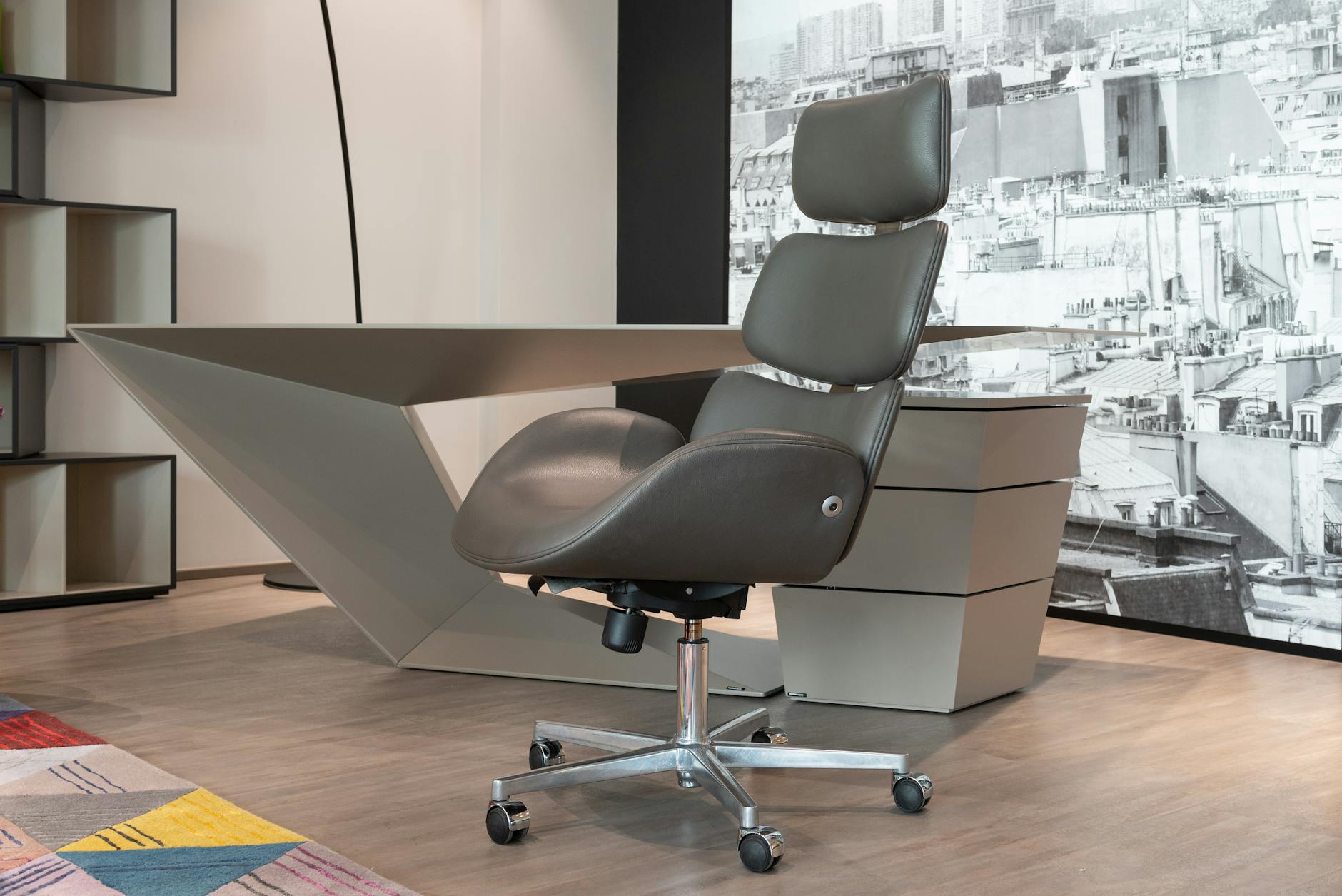
Desks, chairs, monitor stands, and other ergonomic equipment purchased for a home office are deductible business expenses. Items that support physical health and work productivity in a dedicated workspace fall squarely within allowable deductions. The full cost or a depreciated portion may be claimed depending on the nature and duration of use. This category has grown significantly in relevance as more professionals work remotely on a permanent basis. Investing in quality ergonomic furniture benefits both daily comfort and end-of-year tax positioning.
If any of these deductions are new to you, share which ones surprised you most in the comments.




