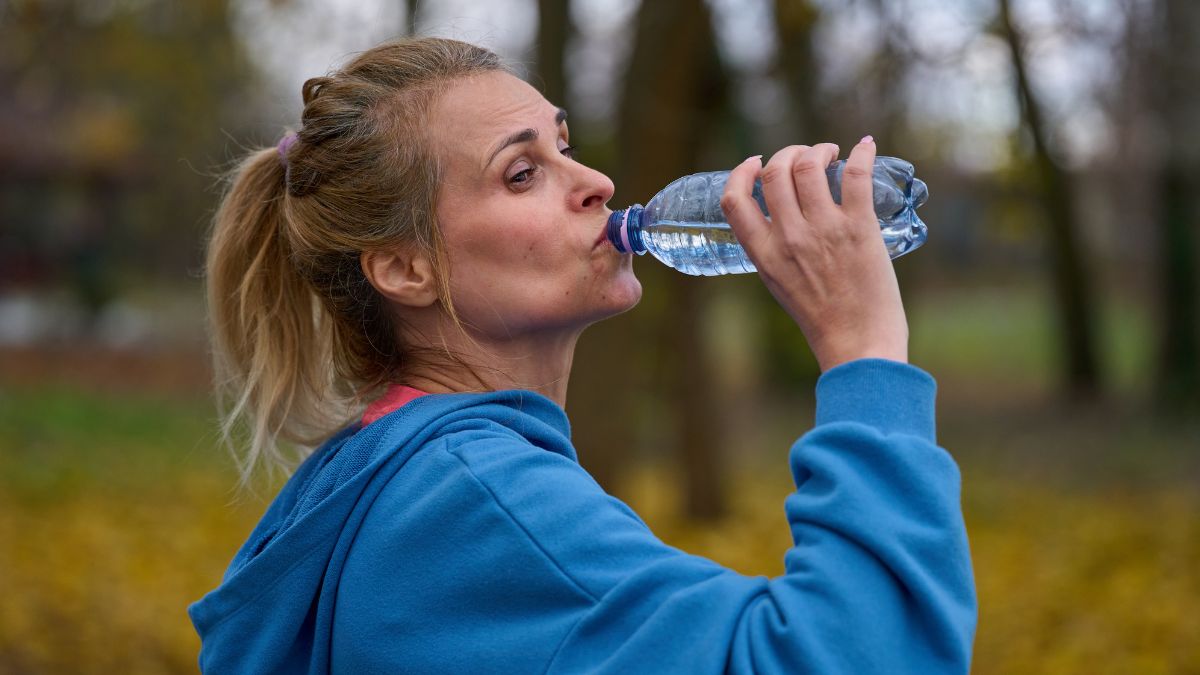
Dehydration is far more common than most people realize, and its warning signs are often dismissed as unrelated everyday complaints. The body sends out quiet distress signals long before thirst becomes noticeable, making it easy to overlook a growing fluid deficit. Understanding these subtle cues can make a significant difference in overall health and energy levels. Recognizing what the body is communicating is the first step toward staying properly hydrated every single day.
Dark Urine

One of the earliest and most reliable indicators of dehydration is the color of urine, which shifts from pale yellow to a deep amber or brownish tone. When the kidneys conserve water, they concentrate waste products more heavily, resulting in a noticeably darker output. Many people see this change and attribute it to vitamins or certain foods without considering fluid intake. Checking urine color regularly is a simple and effective way to monitor hydration status throughout the day. A return to a light straw color is generally a sign that fluid levels are back on track.
Brain Fog
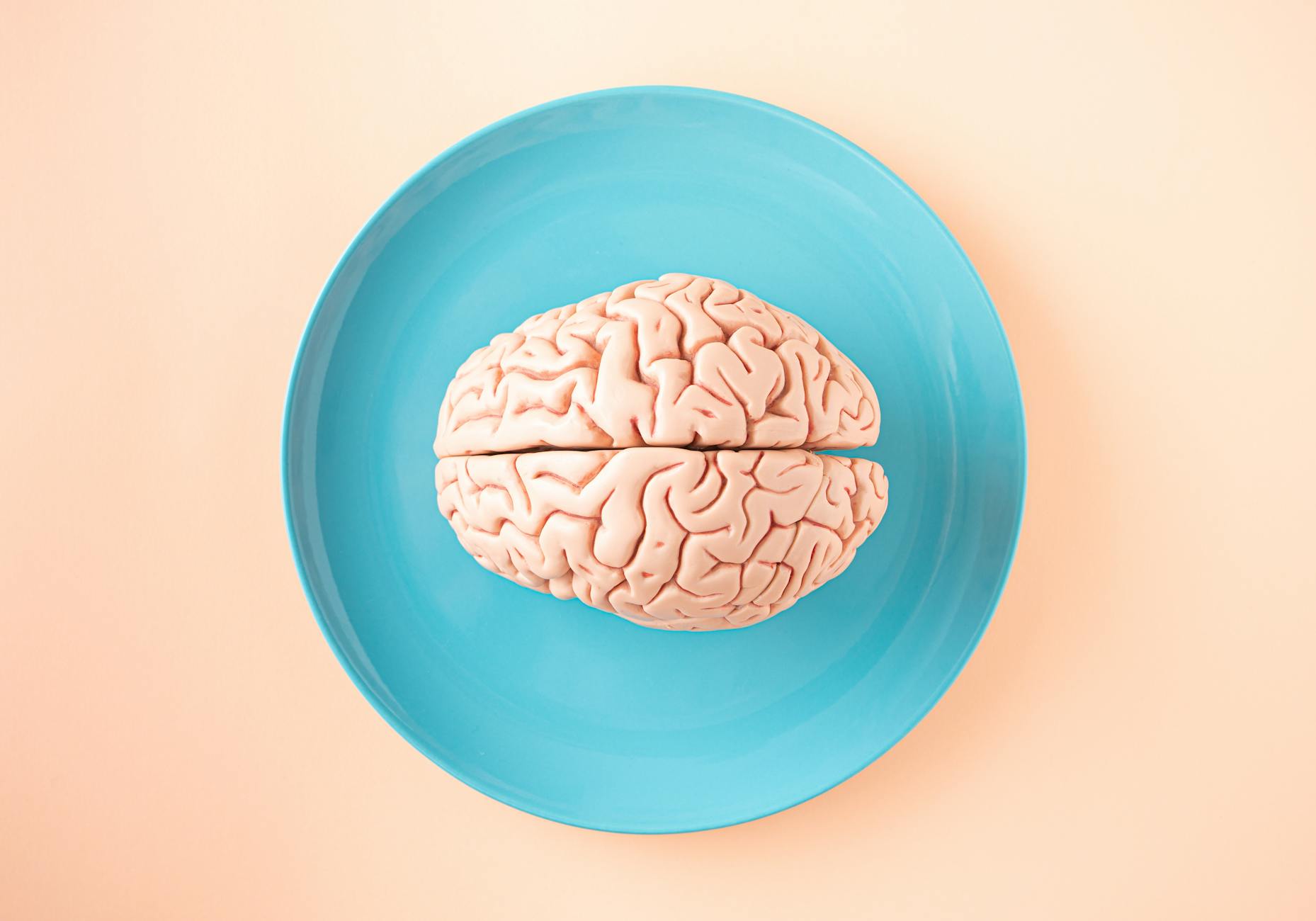
Difficulty concentrating, forgetting simple words, or feeling mentally sluggish are frequently linked to inadequate hydration rather than stress or poor sleep. The brain is composed of roughly 75 percent water, making it highly sensitive to even mild fluid loss. Cognitive tasks become harder to complete and reaction times slow down noticeably when the body is running low on fluids. Many people reach for a second cup of coffee when a large glass of water would actually be more effective. Rehydrating consistently throughout the morning has been shown to improve focus and mental clarity within a short period.
Dry Mouth
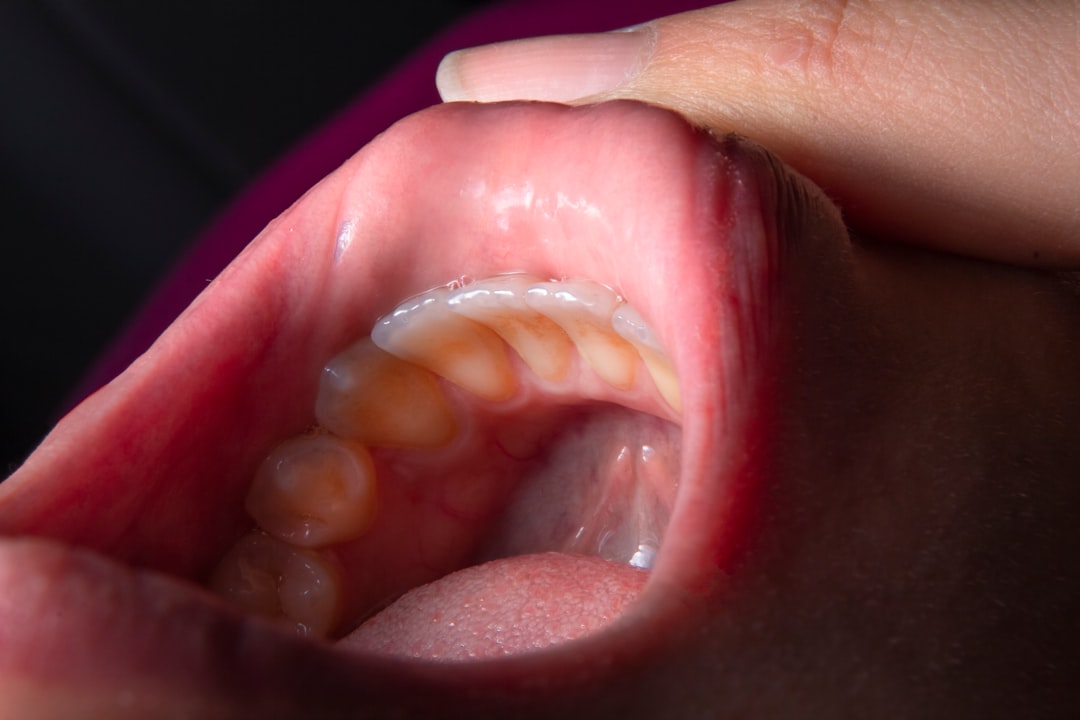
A persistent dryness in the mouth or a sticky feeling on the tongue is a signal that saliva production has decreased due to low fluid levels. Saliva plays a crucial role in digestion, oral health, and keeping bacteria in check, so a reduction has consequences beyond simple discomfort. Many people mistake this sensation for the aftermath of salty food or mouth breathing during sleep. When dry mouth occurs frequently throughout the day, it is often a sign of chronic mild dehydration rather than a temporary condition. Drinking water consistently rather than in large occasional quantities helps maintain adequate saliva flow.
Headaches
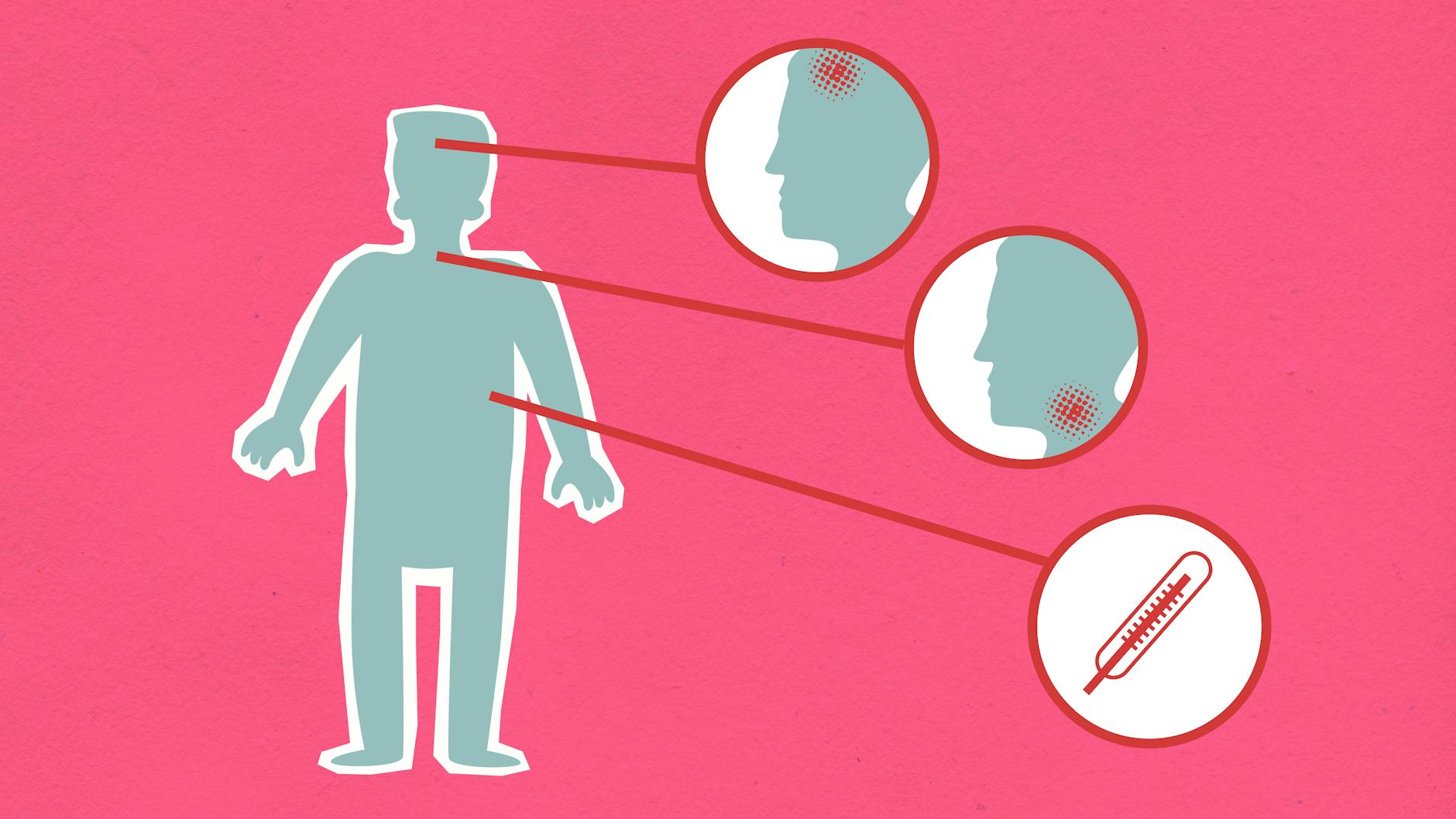
Dehydration-related headaches occur when the brain temporarily contracts due to fluid loss, pulling slightly away from the skull and triggering pain receptors. These headaches can range from a dull pressure behind the eyes to a more intense throbbing sensation across the forehead or temples. Many people immediately reach for pain relievers without first attempting to address the potential hydration deficit. Drinking one to two glasses of water and resting in a cool environment can resolve a mild dehydration headache within 30 to 60 minutes. Tracking headache frequency alongside water intake can reveal a clear and telling pattern over time.
Muscle Cramps

Sudden cramping in the legs, feet, or hands during or after physical activity is often caused by fluid and electrolyte imbalances rather than overexertion alone. Water helps transport essential minerals like sodium, potassium, and magnesium to muscle tissue, and a deficit disrupts this process significantly. Many athletes and active individuals experience cramping and assume it is purely a sign of pushing too hard during exercise. Nocturnal leg cramps that wake people from sleep are also frequently tied to going to bed in a mildly dehydrated state. Increasing water intake alongside electrolyte-rich foods can dramatically reduce the frequency of these episodes.
Hunger Pangs

The hypothalamus, which governs both hunger and thirst signals, can easily confuse the two sensations and send out hunger cues when the body actually needs water. This mix-up leads many people to eat unnecessarily when a glass of water would have satisfied the sensation entirely. Feeling hungry shortly after a full meal is one of the more counterintuitive signs of mild dehydration. People who struggle with overeating or unexplained snacking between meals may find that increasing fluid intake helps regulate appetite more effectively. Drinking a glass of water before reaching for a snack is a simple habit that can help the body distinguish between the two needs.
Dry Skin
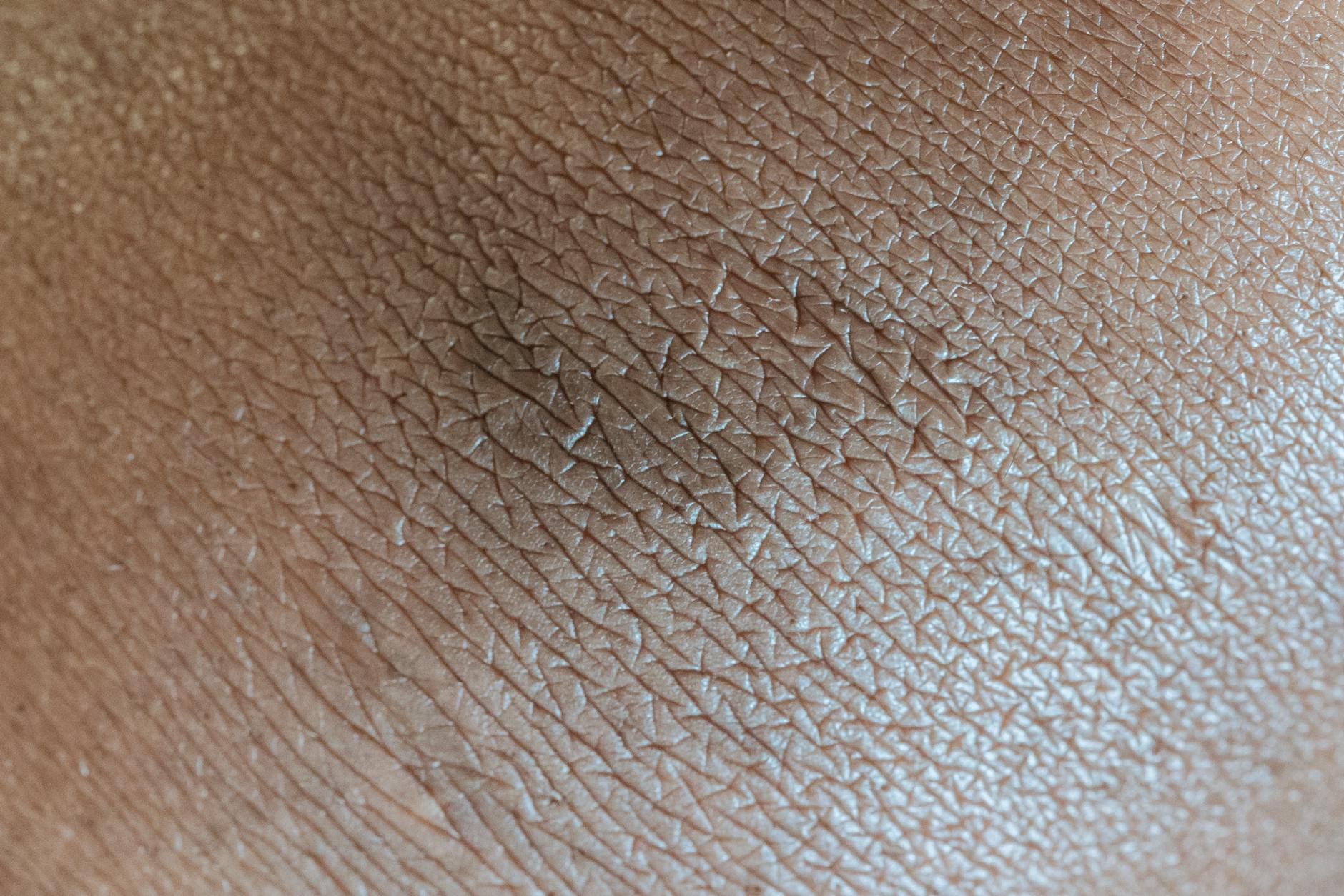
Skin that appears dull, feels tight after cleansing, or shows fine lines more prominently than usual may be reflecting internal dehydration rather than just surface-level dryness. The skin is the body’s largest organ and one of the last to receive water when supplies are running low, as the body prioritizes vital internal functions first. Topical moisturizers can provide temporary relief but do not address the underlying fluid deficit causing the condition. People who notice persistent dryness despite a consistent skincare routine may benefit significantly from increasing their daily water consumption. Well-hydrated skin tends to appear more plump, even-toned, and resilient against environmental stressors.
Rapid Heartbeat

An elevated or irregular heartbeat at rest can be a more serious sign that dehydration has progressed beyond its early stages. When blood volume drops due to fluid loss, the heart compensates by beating faster in order to maintain adequate circulation throughout the body. This symptom is frequently mistaken for anxiety, caffeine sensitivity, or a cardiovascular issue when hydration is actually the primary factor. Feeling a fluttering or pounding sensation in the chest after spending time outdoors in the heat should prompt immediate fluid replenishment. Persistent rapid heart rate despite rehydrating warrants medical attention to rule out more serious underlying causes.
Bad Breath

Chronic bad breath that persists despite good oral hygiene is often linked to reduced saliva production caused by insufficient fluid intake. Saliva acts as a natural antibacterial rinse in the mouth, and when it decreases, odor-causing bacteria multiply at a faster rate. Many people respond to this problem with mints or mouthwash without addressing the hydration issue that is driving it. Halitosis that is worse in the morning and improves after drinking water is a strong indicator of overnight dehydration. Increasing water intake throughout the day and before bed can noticeably reduce the occurrence of dehydration-related bad breath.
Sunken Eyes

A subtle hollowness around the eyes or a more pronounced appearance of dark circles can indicate that the body’s tissues are losing turgor due to low fluid levels. The delicate skin and fat pads around the eyes are among the first areas to visibly reflect dehydration because they contain a high proportion of water. Many people attribute this appearance to fatigue or aging without considering that their fluid intake may be insufficient. The eyes themselves may also feel dry, scratchy, or difficult to focus with during periods of dehydration. Addressing hydration levels alongside sleep quality can produce a noticeable improvement in the overall appearance of the eye area.
Low Blood Pressure
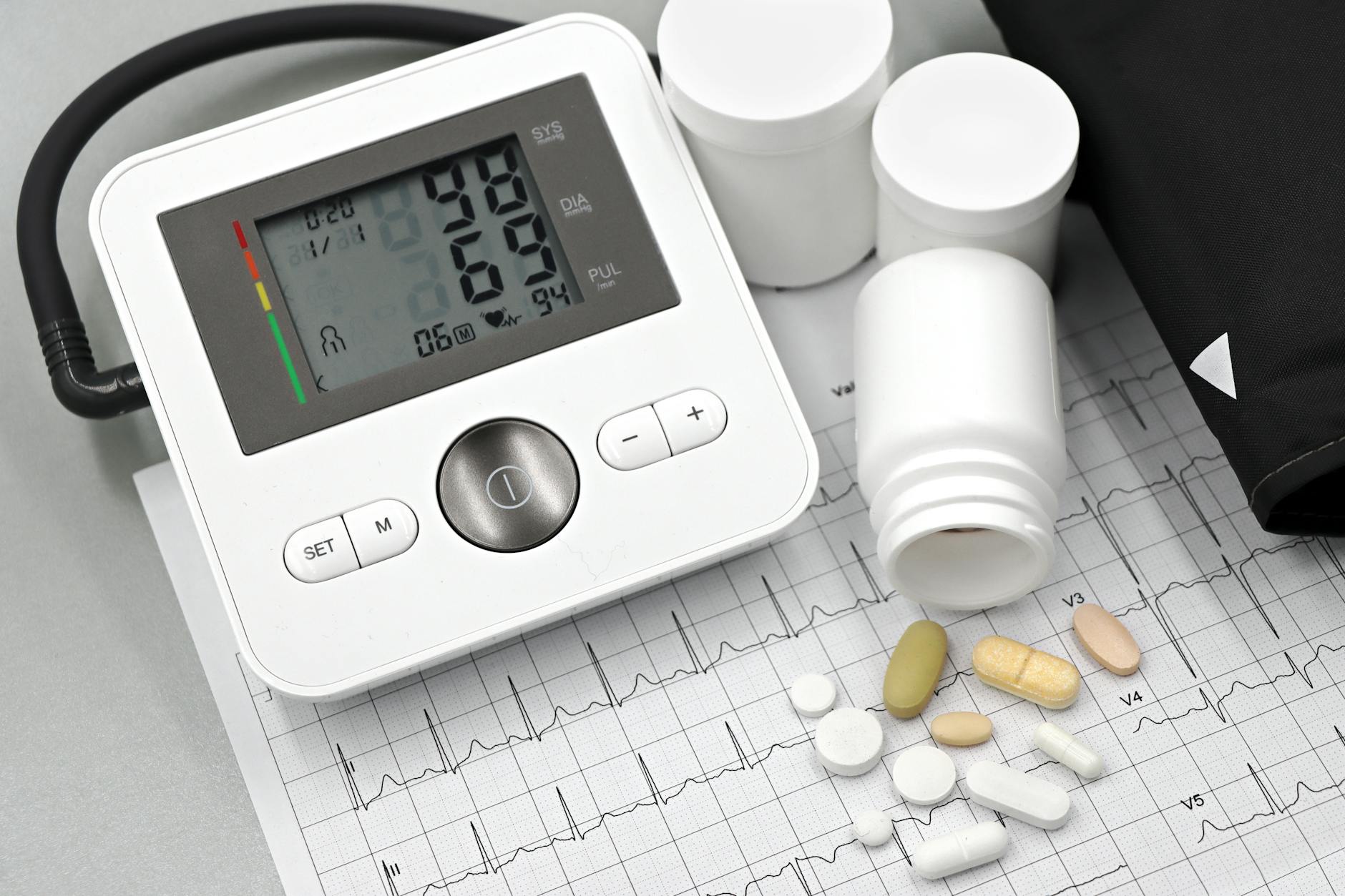
Feeling lightheaded or dizzy when standing up quickly is a common experience during dehydration and is caused by a drop in blood pressure as fluid volume decreases. This phenomenon is known as orthostatic hypotension and can become more pronounced in hot weather or after physical activity. Many people dismiss these dizzy spells as a natural part of aging or a side effect of skipping breakfast. When this sensation occurs repeatedly throughout the day, it is worth evaluating daily fluid intake as a primary contributing factor. Drinking adequate amounts of water helps maintain blood volume and keeps blood pressure within a stable and healthy range.
Infrequent Urination

Urinating fewer than four times per day is a reliable sign that the body is conserving water and that fluid intake needs to increase. Healthy hydration typically results in urination every two to four hours throughout the waking day. Many people go long stretches without using the bathroom and interpret this as normal without recognizing it as a warning sign. The kidneys prioritize retaining water during periods of deficit, which means output reduces significantly before other symptoms become obvious. Monitoring bathroom frequency is one of the simplest and most overlooked tools for assessing daily hydration status.
Joint Pain
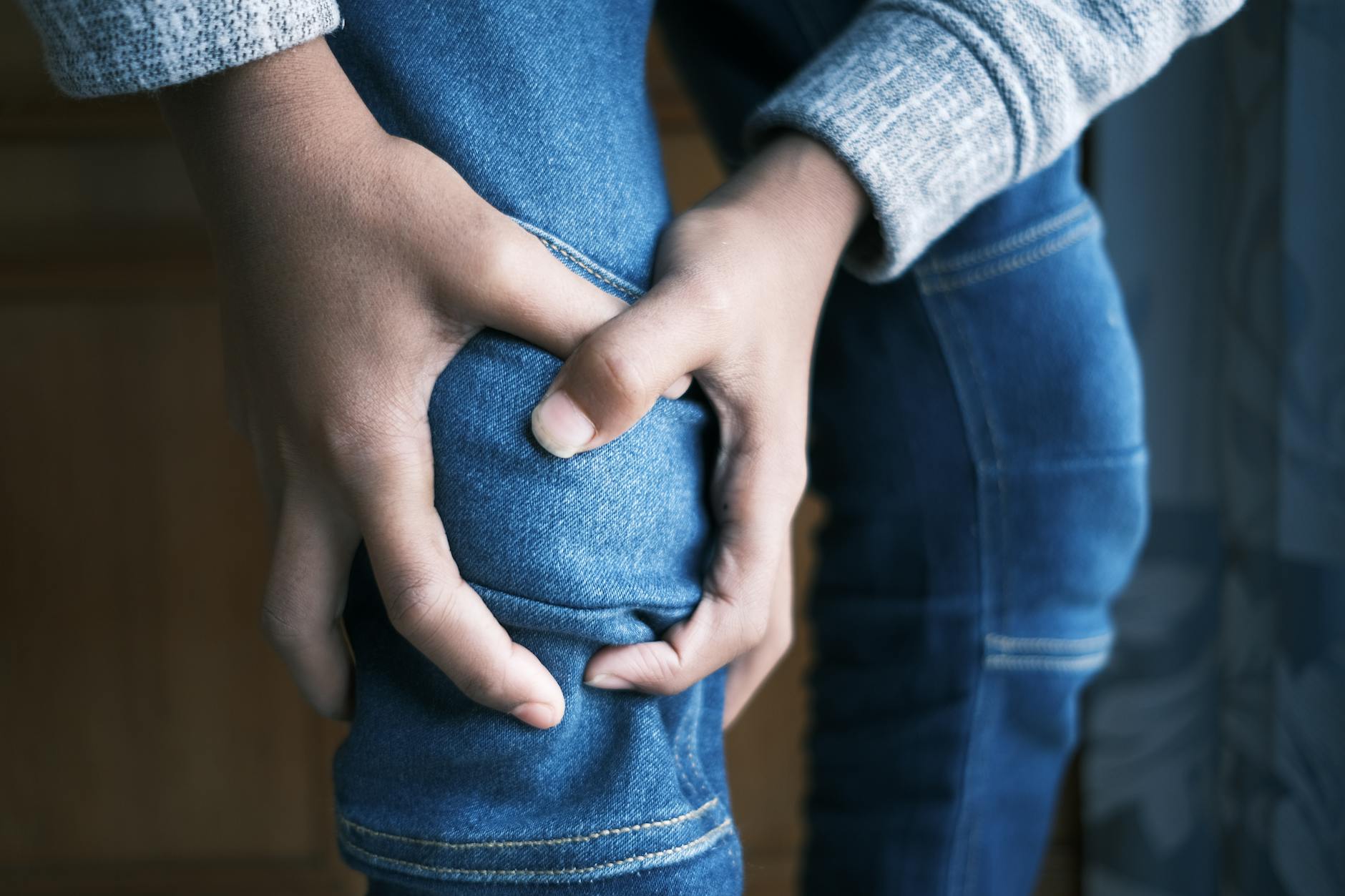
Cartilage in the joints is approximately 80 percent water, and when the body is dehydrated, this cushioning material loses some of its ability to protect bones from impact and friction. People who experience increased joint stiffness or aching during periods of lower water intake may be noticing a direct connection between hydration and joint health. This symptom is often attributed solely to aging, arthritis, or physical strain without fluid intake being evaluated. The spine is particularly vulnerable, as the discs between vertebrae rely on water to maintain their height and shock-absorbing capacity. Consistent hydration supports joint lubrication and can contribute to noticeably reduced discomfort over time.
Constipation

The large intestine absorbs water from digested food before waste is excreted, and when the body is dehydrated, it pulls even more fluid from the colon to compensate. This results in harder, drier stools that are more difficult to pass and can lead to discomfort, bloating, and irregular bowel movements. Many people increase fiber intake to address constipation without realizing that insufficient water is the primary obstacle to improvement. Fiber requires adequate hydration to move efficiently through the digestive system, making the two factors deeply interconnected. Drinking water consistently throughout the day, particularly in the morning, helps keep the digestive system functioning smoothly and regularly.
Fatigue
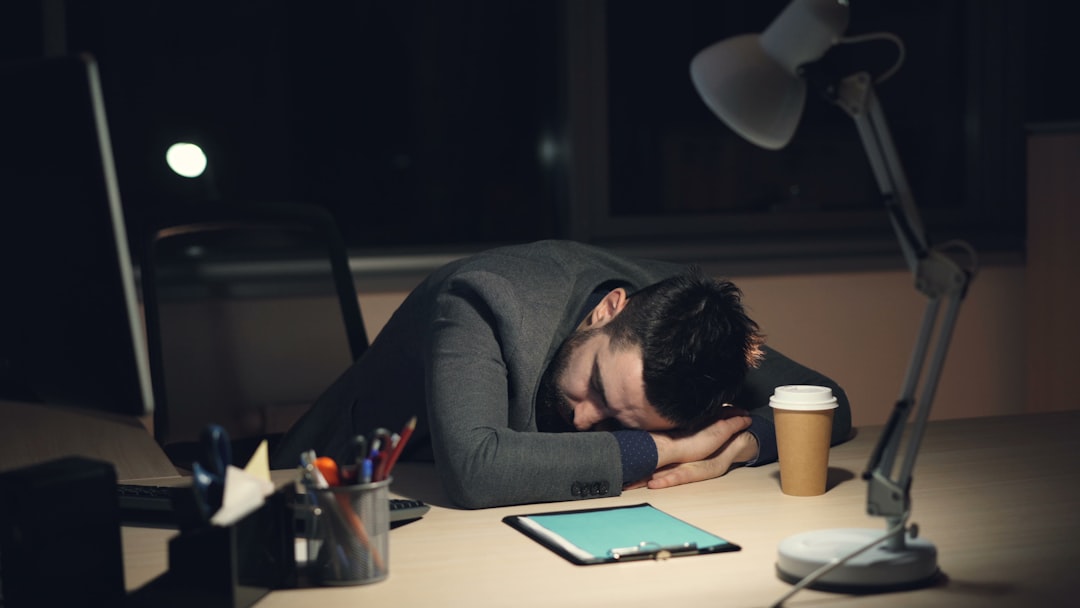
Persistent tiredness that does not improve with rest or sleep is one of the most widely overlooked symptoms of chronic mild dehydration. When fluid levels fall, blood becomes thicker and the heart must work harder to circulate oxygen and nutrients to cells throughout the body. Energy production at the cellular level slows down when dehydration is present, leaving the body feeling sluggish and unmotivated without a clear explanation. Many people respond to this kind of fatigue with caffeine, which can actually worsen dehydration by increasing fluid loss. Making hydration a consistent daily priority, rather than an afterthought, is one of the most impactful and accessible ways to support sustained energy levels.
Have you noticed any of these signs in your own daily life? Share your experiences and hydration habits in the comments.




