
Traveling the world is one of life’s greatest adventures, but stepping off the plane without knowing local laws can lead to some seriously unexpected trouble. Every country has its own legal code shaped by history, culture, and tradition, and some of those rules might seem completely baffling to outsiders. What is perfectly normal behavior at home can land a visitor in front of a judge abroad. These are 25 of the most surprising laws still on the books around the world that travelers and curious minds should know about.
Chewing Gum

Singapore enforces one of the most well-known quirky bans in the world by prohibiting the import, sale, and possession of chewing gum. The law was introduced in 1992 after gum was found repeatedly stuck to subway doors and public surfaces, causing operational disruptions. Violations can result in fines or even imprisonment depending on the quantity involved. Medical gum prescribed by a doctor is the only exception permitted under the law. The rule reflects Singapore’s broader commitment to cleanliness and public order.
Winnie the Pooh

Poland has officially banned Winnie the Pooh from appearing on children’s playgrounds and school materials in certain municipalities. Local officials cited concerns over the character’s ambiguous gender and lack of proper clothing as reasons for the restriction. The debate sparked widespread international media attention and considerable public ridicule. Despite the controversy, some local councils have upheld the decision in the name of protecting community standards. The beloved honey-loving bear remains a surprisingly polarizing figure in parts of Polish civic life.
High Heels

Greece prohibits visitors from wearing high-heeled shoes at several of its most treasured ancient monuments and archaeological sites. The law exists to protect the irreplaceable stone surfaces and structures that have survived for thousands of years. Stiletto heels concentrate body weight into a tiny point that can chip and erode delicate historic stonework over time. Signs at sites like the Acropolis remind tourists to wear flat or soft-soled footwear before entering. Violating this rule can result in being turned away from the site or facing a fine.
Feeding Pigeons

Venice has outlawed the feeding of pigeons in Piazza San Marco and across much of the historic city center. The ban was introduced to reduce the enormous pigeon population that was causing significant damage to the city’s centuries-old architecture and monuments. Tourists caught tossing bread or seed to the birds can receive on-the-spot fines from local authorities. The law marked a dramatic shift from earlier decades when vendors openly sold pigeon feed in the famous square. Keeping the pigeon population under control remains an ongoing conservation priority for the city.
Dying

The small Norwegian town of Longyearbyen on the Svalbard archipelago technically prohibits its residents from dying within town limits. The rule stems from the fact that the permafrost prevents bodies from decomposing properly, creating potential public health concerns. Any resident who becomes terminally ill is transported to the mainland to spend their final days. The town’s tiny cemetery stopped accepting new burials in 1950 after it became clear the ground could not accommodate them safely. The law has become one of the most frequently shared examples of strange legislation from around the globe.
Frowning

The city of Milan in Italy has an old municipal law still technically on the books that requires citizens to smile at all times in public. Exceptions are made for funerals and hospital visits, where solemnity is naturally expected. The law dates back to a historical era when civic morale and public decorum were enforced through unusual local ordinances. Smiling in public spaces is seen as a reflection of community harmony and social responsibility in the spirit of the rule. While enforcement is essentially nonexistent today, the law has never been formally repealed.
Silly String

In Southington, Connecticut in the United States, Silly String is officially banned in public spaces. The town passed the ordinance after the foam-based spray became a recurring nuisance at public events and celebrations. Anyone caught using or possessing Silly String in a public area can face a fine under the local bylaw. The product was seen as a cleanup hazard and a potential hazard to drainage systems when used in large quantities. The ban remains one of the more peculiar examples of hyperlocal American legislation.
Running Out of Gas

Germany prohibits drivers from stopping unnecessarily on the Autobahn, and running out of fuel is explicitly considered an avoidable and therefore illegal act on the motorway. Drivers who coast to a stop due to an empty tank can be fined for failing to maintain their vehicle in a roadworthy condition. Walking along the Autobahn to find a petrol station is also illegal and can result in an additional citation. The law reflects Germany’s strict approach to highway safety and personal responsibility behind the wheel. Travelers renting cars in Germany are strongly advised to monitor fuel levels carefully before entering the motorway.
Reincarnation

China requires Buddhist monks to obtain government permission before reincarnating. The law was introduced in 2007 and was widely interpreted as a political measure to control the selection of future Tibetan religious leaders. Under the regulation, reincarnations of living Buddhas must be approved by the State Administration for Religious Affairs. The rule has drawn significant international criticism from human rights organizations and religious freedom advocates. It remains one of the most philosophically unusual laws ever enacted by a modern government.
Naming a Pig Napoleon

In France, it is illegal to name a pig Napoleon. The law is rooted in the country’s deep protections against insulting the head of state, and by extension historical French leadership figures. Calling a barnyard animal by the name of the famous emperor is considered a form of public mockery under centuries-old statutes. The rule is rarely enforced in modern times but technically remains part of the French legal framework. It serves as a colorful reminder of how deeply national pride is woven into French civic culture.
Yellow Clothing

In Malaysia, it is illegal to wear yellow clothing in certain public contexts, particularly during politically sensitive periods. The color yellow has become associated with opposition protest movements, and the government has at various times cracked down on its public display. Authorities have arrested individuals wearing yellow shirts at public gatherings under public assembly and security laws. The restriction has drawn criticism from civil liberties organizations both within the country and internationally. The law highlights the way in which something as simple as a clothing color can carry profound political meaning.
Loud Shoes

In Capri, Italy, wearing noisy shoes or sandals that produce loud clacking sounds in public is officially against the law. The ordinance was introduced to preserve the tranquil and peaceful atmosphere of the famously scenic island. Tourists wearing wooden-soled sandals or particularly clattering footwear have been stopped and fined by local officials. The rule is part of a broader set of noise-related ordinances designed to protect the quality of life for residents. Capri takes its reputation as a serene luxury destination extremely seriously.
Flushing After 10 PM

In Switzerland, it is considered illegal in some apartment buildings to flush the toilet after 10 PM under local noise ordinances. The rule is part of the country’s broader cultural framework around respecting neighbors and maintaining nighttime quiet. While it is not a nationwide law, certain Swiss municipalities and residential bylaws specifically prohibit it. Violations can technically be reported to building management or local authorities. The rule reflects the exceptionally high standard for civic consideration that Switzerland is internationally known for.
Ketchup in Schools

France banned ketchup from being served as a condiment in school cafeterias in 2011 in an effort to preserve traditional French culinary culture. The regulation limits ketchup to being offered only alongside French fries and restricts its appearance on menus to once per week. The government introduced the measure as part of a broader initiative to promote nutritional awareness and respect for French gastronomy. The rule sparked considerable debate both within France and internationally about food culture and government overreach. It remains one of the most flavorful examples of legislative protection for national cuisine.
Sandcastles

In Eraclea, a coastal town near Venice in Italy, building sandcastles on the beach is formally prohibited. The ban is part of a series of ordinances designed to keep the beachfront clean and accessible to all visitors. Authorities argue that large sandcastles block pathways and create obstacles along shared public beach space. Violators can receive fines from local beach wardens who patrol the shoreline during peak tourist season. The rule has made Eraclea something of a symbol in international discussions about overly restrictive municipal legislation.
Bikinis Inland

In Barcelona, Spain, it is illegal to wear a bikini or swimwear outside of designated beach or pool areas. The ordinance specifically bans beachgoers from wandering into shops, restaurants, or city streets in swimwear. Violators can be fined up to several hundred euros for being caught in beachwear in non-beach zones. The law was introduced to balance tourist freedoms with the dignity and comfort of local residents. Several other Spanish coastal cities have introduced similar rules in response to the pressures of mass tourism.
Humming
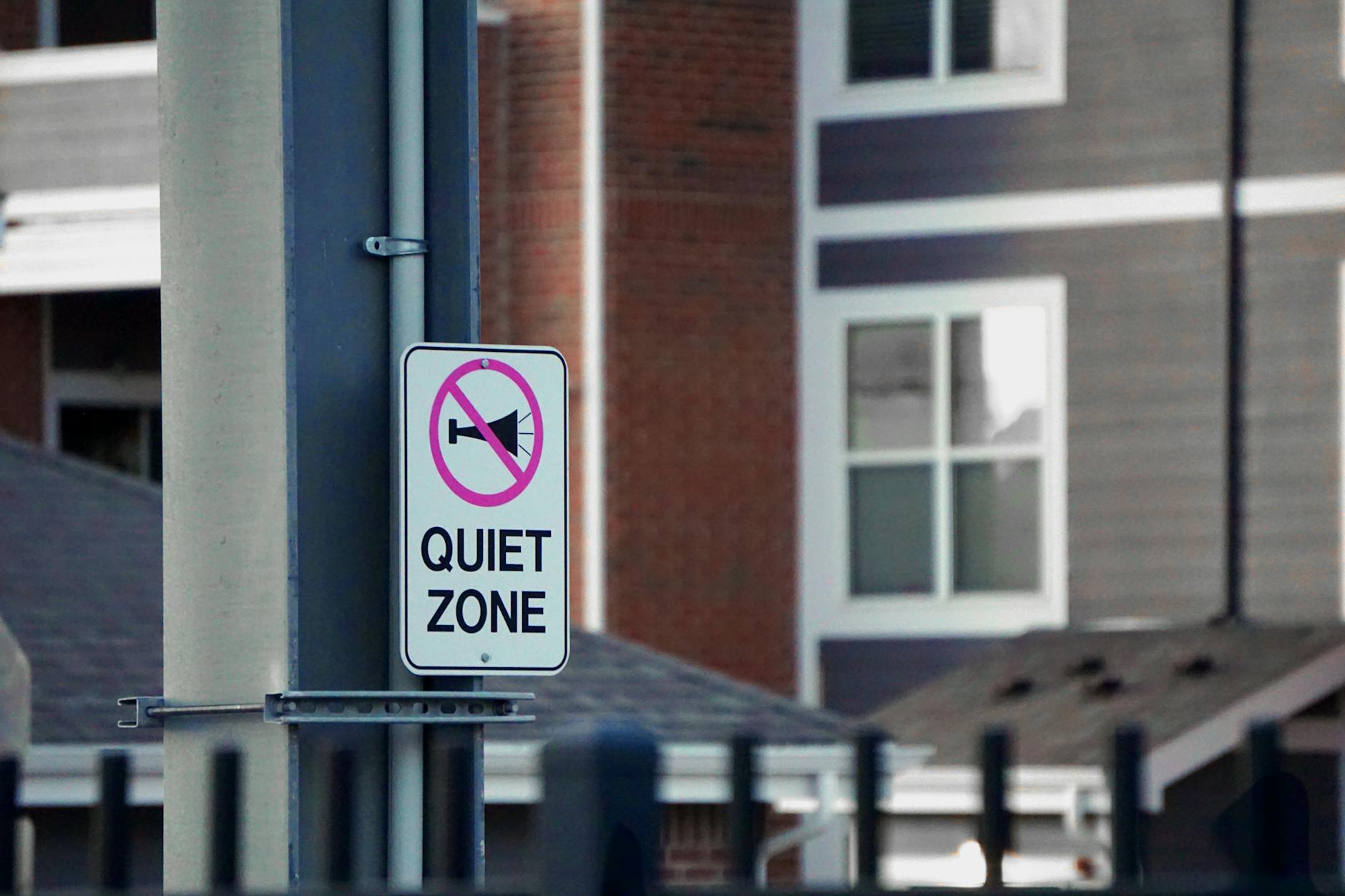
In Earls Court in the United Kingdom, there is an archaic local ordinance that prohibits humming or singing in public. The rule dates back to a time when public noise was more strictly regulated in residential urban areas. While the law is essentially unenforced in modern Britain, it technically remains on the municipal books. It sits alongside dozens of other outdated British laws that Parliament has never gotten around to formally abolishing. Legal historians often cite such ordinances as entertaining evidence of how different life was in earlier centuries.
Spitting

In Singapore, spitting in public is a fineable offense under the country’s public health legislation. The law applies to streets, sidewalks, public transport, and any shared civic space across the island. Fines can reach significant sums and repeat offenders may face escalating penalties under the enforcement framework. The rule is actively enforced by municipal officers and is taken seriously as part of the country’s broader public hygiene standards. Singapore consistently ranks among the cleanest cities in the world, and strict laws like this one are credited as contributing factors.
Windsurfing

In Iran, windsurfing is banned for women under laws governing female participation in certain public sporting activities. The restriction is part of a broader legal framework that limits which sports women are permitted to practice in public spaces. International sports organizations have repeatedly raised concerns about gender-based sporting restrictions in the country. The law has been a point of contention between Iranian civil society advocates and the government for many years. It remains one of several sports-related gender restrictions that continue to draw global attention.
Valentine’s Day

In Saudi Arabia, the public celebration of Valentine’s Day was officially banned for many years under religious and cultural regulations. Shops were prohibited from selling red roses, heart-shaped items, and other romantic merchandise in the days leading up to February 14. The ban was enforced by the religious police who monitored markets and retail establishments. The restriction was relaxed significantly as part of broader social reform initiatives introduced after 2017. The evolution of this law is often cited as one of the most visible signs of the country’s shifting cultural policies.
Baby Names

In Denmark, parents must choose their child’s name from a government-approved list of roughly 7,000 options. Names not on the list require special approval from church authorities and government officials before they can be registered. The law was introduced to protect children from names considered potentially harmful or embarrassing. Applications for unusual names are reviewed on a case-by-case basis, and many are rejected each year. The regulation reflects a distinctly Scandinavian approach to balancing individual freedom with collective social responsibility.
High Heels in Acropolis

While Greece broadly restricts heeled shoes at ancient sites, the Acropolis of Athens enforces this rule with particular rigor due to the irreplaceable nature of its marble surfaces. Archaeological authorities have repeatedly warned that the concentrated pressure of narrow heels causes micro-fractures in ancient stonework that accumulates into serious structural damage over time. Guards stationed at entry points are empowered to turn away visitors wearing inappropriate footwear before they reach the monuments. The rule applies equally to tourists and local visitors regardless of the occasion for their visit. Preservation of the 2,500-year-old site is considered a matter of national and global cultural heritage.
Haggis

Scotland’s national dish, haggis, is banned in the United States due to a long-standing prohibition on food products containing sheep lung. The US Department of Agriculture classifies livestock lungs as unfit for human consumption and therefore bars their import or sale. Traditional Scottish haggis recipes call specifically for sheep’s heart, liver, and lungs combined with oatmeal and spices. American versions of the dish are produced using alternative ingredients to comply with federal food safety regulations. The ban has become a point of gentle frustration for Scottish expatriates and Scottish-American communities around the country.
Camouflage Clothing

In several Caribbean nations including Barbados, Trinidad and Tobago, and Jamaica, civilians are prohibited from wearing camouflage clothing in public. The ban exists to prevent civilians from being mistaken for military personnel and to preserve the exclusivity of the official uniform. Tourists who arrive wearing camouflage shorts or jackets can be stopped by authorities at the airport or in public spaces. Confiscation of the clothing and fines are the most common consequences for unknowing visitors. Travel advisories for these destinations routinely remind tourists to leave camouflage garments at home.
Duct Tape

In the European Union, a directive restricting the use of certain chemical-based adhesives in public infrastructure projects effectively limits specific types of industrial-grade duct tape from being sold to general consumers in some member states. The regulation stems from environmental and chemical safety concerns about adhesive compounds that can leach into soil and waterways. While ordinary household tape remains widely available, industrial varieties containing restricted substances are subject to the ban. Manufacturers have largely reformulated their products to comply with EU chemical standards. The directive is one of thousands of technical regulations that shape consumer product availability across the European single market.
Have you encountered any bizarre laws on your travels? Share your most surprising experiences in the comments.




