
The brain is a remarkably adaptable organ, but that adaptability works in both directions, meaning the small choices made each day can quietly diminish its structure and function over time. Neurological research has consistently shown that certain everyday behaviors accelerate cognitive decline, reduce gray matter volume, and impair memory far earlier than most people expect. Many of these habits feel completely innocuous and are even socially normalized, making them particularly difficult to identify and address. Understanding the hidden neurological cost of these routines is the first step toward protecting long-term brain health. The habits listed here are among the most common and most underestimated threats to a sharp, resilient mind.
Breakfast Skipping

The brain consumes roughly twenty percent of the body’s total energy and relies heavily on a steady supply of glucose to function optimally. Skipping the morning meal forces the brain to operate in a mild state of fuel deprivation during the hours when cognitive demands are typically highest. Studies have linked habitual breakfast skipping to reduced attention span, slower memory recall, and diminished problem-solving performance. Children and adults who regularly forgo breakfast show measurable reductions in hippocampal activity, the region most associated with learning and memory formation. Over years, this pattern of morning deprivation may contribute to accelerated cognitive aging.
Multitasking

Multitasking is widely celebrated as a productivity skill, but neuroscience consistently frames it as a form of repeated cognitive stress. When the brain rapidly switches between tasks, it consumes significantly more glucose and oxygen than it would during focused single-task work. Chronic multitaskers show reduced density in the anterior cingulate cortex, a region responsible for impulse control and emotional regulation. Research from Stanford University found that heavy multitaskers performed worse on tests of attention, memory, and task-switching compared to those who focused on one thing at a time. The cumulative effect of this mental fragmentation is a gradual erosion of the brain’s capacity for deep, sustained thought.
GPS Navigation

Relying exclusively on GPS navigation deactivates a critical neural system that humans have depended on throughout evolutionary history. The hippocampus, which plays a central role in spatial memory and general cognition, only activates meaningfully when a person navigates using their own mental map. A landmark study involving London taxi drivers demonstrated that active spatial navigation physically enlarges relevant areas of the hippocampus over time. Passive GPS reliance effectively outsources this cognitive work, preventing the hippocampus from receiving the stimulation it needs to maintain and grow neural connections. Regular navigation without digital assistance is one of the simplest ways to preserve hippocampal volume across the lifespan.
Sleep Deprivation

Sleep is the period during which the brain performs its most essential maintenance, consolidating memories and clearing toxic waste products through the glymphatic system. Even a single night of poor sleep measurably impairs prefrontal cortex function, reducing judgment, attention, and emotional control. Chronic sleep restriction has been shown to cause a measurable reduction in gray matter volume, particularly in regions governing higher-order thinking. The buildup of amyloid beta, a protein strongly associated with Alzheimer’s disease, accelerates significantly in individuals who consistently sleep fewer than seven hours per night. Long-term sleep debt is now considered one of the most potent modifiable risk factors for cognitive decline.
Social Isolation

The human brain evolved in a deeply social context, and regular meaningful interaction is not a luxury but a neurological necessity. Persistent loneliness and social withdrawal are associated with elevated cortisol levels, which over time damage the hippocampus and impair memory consolidation. Studies have found that socially isolated adults experience cognitive decline at a rate two to three times faster than those who maintain active social lives. The absence of conversation, debate, and shared emotional experience deprives the brain of the complex stimulation it requires to maintain neural density. Social connection functions as a form of ongoing cognitive exercise that cannot easily be replaced by solitary activities.
Prolonged Sitting

Extended periods of sitting reduce blood flow to the prefrontal cortex, one of the most metabolically demanding and cognitively critical areas of the brain. Research using MRI imaging has demonstrated that individuals who sit for more than ten hours per day show measurable thinning of the medial temporal lobe, a region essential for memory. Physical inactivity also suppresses the production of brain-derived neurotrophic factor, a protein that supports the growth and maintenance of neurons. The damage accumulates even in people who exercise regularly if the rest of their day is spent seated for prolonged uninterrupted stretches. Breaking up sitting with brief movement every thirty to sixty minutes has been shown to meaningfully restore cerebral blood flow.
Screen Time

Excessive passive screen consumption engages the brain in a shallow, low-demand state that provides stimulation without genuine cognitive challenge. Research has linked high daily screen time to reduced cortical thickness in areas responsible for executive function, impulse control, and decision-making. The constant novelty delivered by digital content floods the brain’s dopamine system, gradually reducing its baseline sensitivity and impairing motivation for deeper forms of thinking. Children exposed to more than two hours of recreational screen time per day show significantly lower cognitive test scores compared to those with more restricted usage. For adults, the neurological effects are subtler but accumulate steadily across years of habitual overconsumption.
Exercise Avoidance

Aerobic exercise is one of the most powerful evidence-based interventions for preserving and even expanding brain volume. Physical activity triggers the release of brain-derived neurotrophic factor, which promotes the formation of new neurons in the hippocampus and strengthens existing neural pathways. Sedentary adults lose hippocampal volume at a rate roughly double that of those who engage in regular moderate exercise. Even thirty minutes of brisk walking three times per week has been shown in clinical trials to increase hippocampal size and improve memory performance in older adults. The brain’s structural health is deeply intertwined with the physical health of the cardiovascular system that supplies it with oxygen and nutrients.
Excess Sugar

Diets high in refined sugar interfere with the brain’s ability to form and retain new memories by disrupting the function of the hippocampus. High glucose consumption promotes chronic inflammation and oxidative stress throughout the body, both of which accelerate neuronal damage and reduce synaptic plasticity. Research has shown that insulin resistance, which is strongly driven by excess sugar intake, impairs the brain’s use of glucose as fuel and is a recognized risk factor for Alzheimer’s disease. Regular consumption of sugar-sweetened beverages is independently associated with smaller total brain volume and poorer episodic memory. Reducing refined sugar intake is one of the most direct dietary interventions available for protecting long-term cognitive function.
Chronic Stress

The stress hormone cortisol, when chronically elevated, is directly toxic to neurons in the hippocampus and prefrontal cortex. Long-term psychological stress physically shrinks the hippocampus, leading to impairments in both short-term memory and spatial navigation. Chronic stress also weakens the connections between the prefrontal cortex and the amygdala, making it harder to regulate emotional responses and make rational decisions. The damaging effects of prolonged stress on brain structure can begin to manifest within months and become increasingly difficult to reverse over time. Managing stress through consistent evidence-based practices is considered essential for maintaining neural architecture across the lifespan.
Dehydration

The brain is approximately seventy-five percent water, and even mild dehydration produces measurable changes in cognitive performance and neural efficiency. A fluid deficit of just one to two percent of body weight is sufficient to impair attention, working memory, and psychomotor speed. Neuroimaging studies have shown that dehydrated brains require greater neural effort to complete the same tasks as adequately hydrated brains, suggesting reduced efficiency at the cellular level. Chronic low-level dehydration is particularly common in older adults, whose thirst mechanisms become less reliable with age, accelerating cognitive vulnerability. Consistent daily hydration supports the delivery of nutrients to neurons and the efficient removal of metabolic waste.
Binge Watching

Extended passive television viewing keeps the brain in a state of low arousal that discourages the formation of new synaptic connections. Unlike reading or active learning, passive video consumption requires minimal cognitive processing and produces little to no measurable neural growth. Studies have found that adults who watch more than three hours of television per day experience significantly faster cognitive decline in language and memory over a five-year period. The sedentary posture associated with prolonged viewing compounds the neurological impact by reducing cerebral blood flow. Replacing even one hour of daily passive viewing with a mentally engaging activity meaningfully alters the brain’s long-term trajectory.
Loud Headphones

Hearing loss and brain health are far more closely connected than most people realize. The brain dedicates substantial cognitive resources to processing auditory information, and when hearing becomes impaired, those resources are rerouted, degrading memory and executive function over time. Noise-induced hearing damage from regular high-volume headphone use accelerates the onset of age-related hearing loss by decades in some individuals. Research has established that untreated hearing loss is one of the most significant modifiable risk factors for dementia, increasing the risk by as much as ninety percent compared to those with normal hearing. Keeping listening volumes below eighty-five decibels and taking regular quiet breaks protects both the auditory system and the broader neural architecture it supports.
Rumination

Habitual rumination, the tendency to repetitively replay negative thoughts and scenarios, physically alters the structure of the brain over time. Chronic ruminative thinking is associated with reduced gray matter volume in the prefrontal cortex and with suppressed activity in regions responsible for flexible thinking. The persistent activation of the brain’s default mode network during rumination crowds out the cognitive resources needed for focused attention and creative problem-solving. Research has shown that individuals who ruminate frequently are significantly more likely to develop depression and anxiety, both of which independently accelerate cognitive decline. Interrupting rumination cycles through behavioral and mindfulness-based strategies is a clinically supported method for protecting prefrontal function.
Reading Avoidance

The sustained mental engagement required by reading activates and strengthens a broader network of neural circuits than almost any other common leisure activity. Individuals who read regularly show higher scores on measures of fluid intelligence, verbal comprehension, and working memory compared to those who rarely read. Longitudinal research has demonstrated that consistent reading across the lifespan directly delays the onset of cognitive decline and can reduce dementia risk by up to thirty-two percent. The absence of regular reading allows the neural pathways associated with deep language processing and sustained concentration to weaken through disuse. Even thirty minutes of daily reading has been shown to produce measurable improvements in memory, empathy, and critical thinking over time.
Alcohol

Regular alcohol consumption, even at levels considered moderate by conventional standards, has a measurable negative impact on brain structure. Alcohol is neurotoxic and preferentially damages the hippocampus, the frontal lobes, and the white matter that connects brain regions and enables rapid information processing. A large-scale study published in the British Medical Journal found that individuals who consumed between one and two drinks per day showed significantly greater hippocampal atrophy over thirty years compared to abstainers. Alcohol also disrupts the deep sleep stages during which the brain clears neurotoxic waste, compounding its direct cellular damage. Reducing or eliminating alcohol consumption remains one of the most impactful lifestyle changes available for long-term brain preservation.
Sun Avoidance

Vitamin D, primarily synthesized through sun exposure, plays a critical role in regulating neural growth, reducing brain inflammation, and protecting against cognitive decline. Vitamin D deficiency is prevalent in modern populations and has been consistently linked to increased risk of dementia, depression, and impaired executive function. Neurological receptors for vitamin D are distributed throughout the brain, including in areas heavily involved in memory and learning. Research has found that individuals with severely deficient vitamin D levels perform significantly worse on tests of memory, attention, and information processing speed. Regular moderate sun exposure or supplementation where sun exposure is limited is an important and often overlooked component of brain health maintenance.
Junk Food

Ultra-processed foods high in trans fats, artificial additives, and refined carbohydrates promote systemic inflammation, which is a known driver of neurological damage. Diets dominated by fast food and packaged snacks are associated with reduced volume in the hippocampus and lower overall cognitive test performance. The gut-brain axis, the bidirectional communication network linking the digestive system to the central nervous system, is profoundly disrupted by poor dietary quality, altering mood, cognition, and stress response. Studies comparing Western dietary patterns to Mediterranean-style diets have found significantly faster cognitive decline in those consuming more processed foods. The cumulative neurological toll of a poor diet rivals many pharmacological risk factors in its long-term impact.
Mouth Breathing

Habitual mouth breathing alters the biochemistry of oxygenation in ways that directly affect brain function. Breathing through the nose filters, humidifies, and warms air more efficiently and activates the production of nitric oxide, a compound that dilates blood vessels and improves oxygen delivery to the brain. Mouth breathers experience lower oxygen saturation during sleep, increasing their risk of sleep apnea, which is independently associated with hippocampal shrinkage and cognitive impairment. Research has also shown that nasal breathing is linked to stronger memory consolidation, partly because airflow through the nose stimulates the olfactory cortex and its connections to the hippocampus. Addressing structural or habitual mouth breathing through professional intervention can meaningfully improve neurological health outcomes.
Hearing Loss
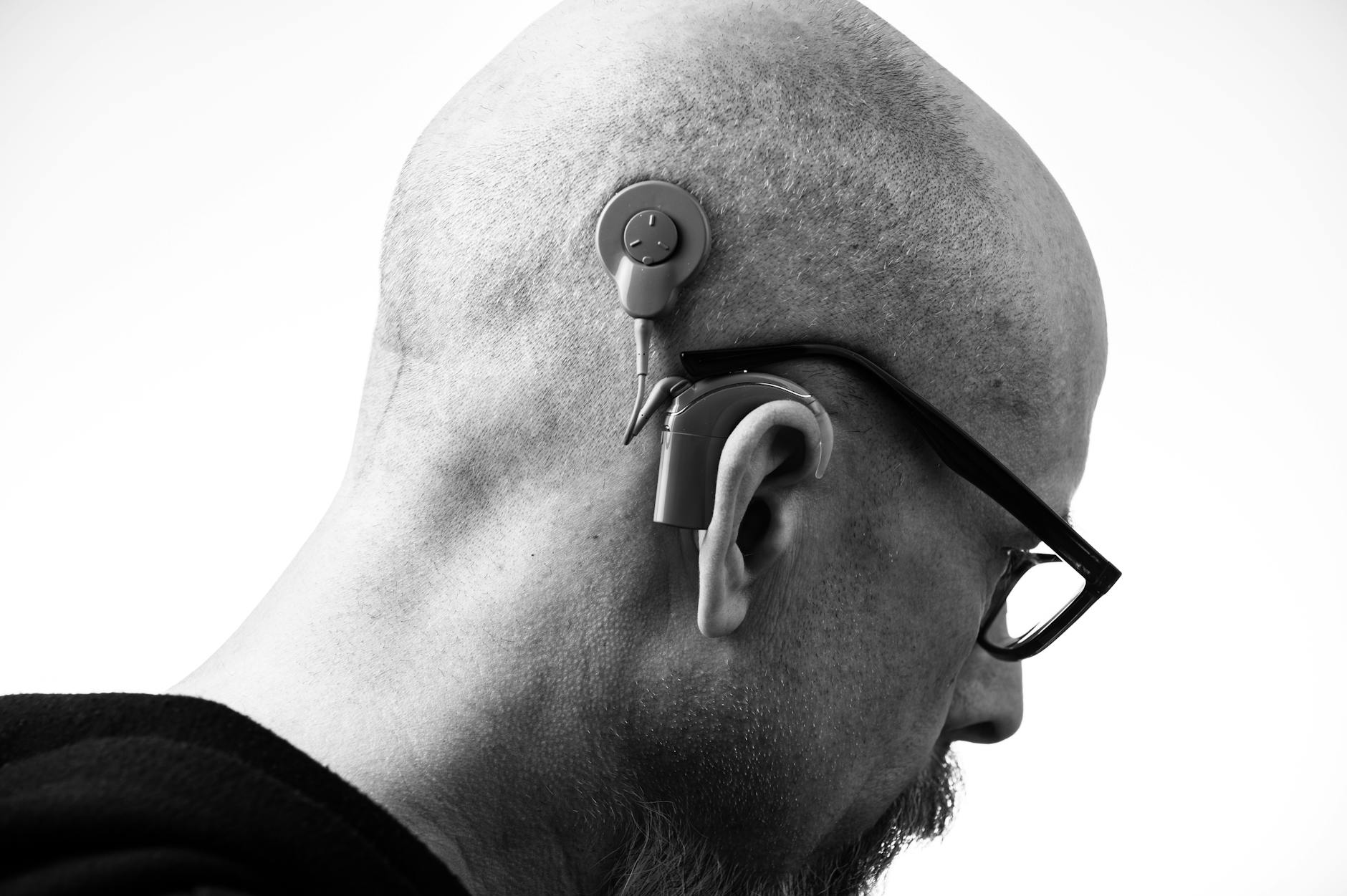
Untreated hearing loss imposes a significant and ongoing cognitive burden that accelerates brain aging in multiple intersecting ways. As the brain struggles to decode degraded auditory signals, it diverts resources away from memory storage and attention regulation, leading to measurable deficits over time. The social withdrawal that often accompanies hearing loss compounds its neurological impact by reducing the stimulating social interaction the brain depends on to maintain connectivity. Neuroimaging studies have confirmed that individuals with untreated hearing loss show faster rates of brain volume reduction across the entire cortex compared to those who address their hearing impairment. Early audiological intervention, including hearing aids when appropriate, has been shown to significantly slow cognitive decline in affected individuals.
Poor Posture

Chronic forward head posture, particularly the forward neck tilt associated with prolonged device use, compresses blood vessels and reduces cerebral blood flow. Research has found that for every inch the head moves forward from its neutral alignment, the effective load on the cervical spine increases dramatically, straining the muscles and vessels that supply blood to the brain. Reduced cerebral perfusion impairs memory, processing speed, and executive function over time, particularly in older adults. Poor posture also contributes to chronic muscle tension and pain, which elevates cortisol levels and compounds the neurological stress on the brain. Correcting posture through targeted exercise and ergonomic awareness is an accessible and underappreciated strategy for maintaining optimal brain circulation.
Doom Scrolling

The compulsive consumption of negative news and distressing social media content activates the brain’s threat-detection system in a state of near-constant low-level alarm. Chronic activation of the amygdala through doom scrolling suppresses prefrontal cortex activity, gradually weakening the neural circuits responsible for rational thinking and emotional regulation. This pattern rewires the brain’s threat sensitivity over time, making it harder to feel calm or focused even in the absence of a screen. The information overload associated with doom scrolling also overwhelms working memory and reduces the brain’s capacity for deep concentration and meaningful creative thought. Digital boundaries and intentional news consumption habits are among the most evidence-supported behavioral interventions for protecting prefrontal integrity.
Dim Lighting

The brain’s alertness and cognitive processing are strongly regulated by light exposure, which directly influences the circadian timing system and neurotransmitter production. Working or studying in consistently dim lighting forces the visual cortex to work harder, consuming additional cognitive resources that would otherwise support memory and attention. Insufficient daytime light exposure suppresses serotonin production, impairing mood, focus, and the brain’s ability to consolidate learning during sleep. Research has found that employees working in environments with natural or bright artificial light score significantly higher on alertness and memory tests than those working in dim conditions. Prioritizing adequate light exposure during waking hours is a simple and often overlooked strategy for maintaining daily cognitive performance.
Mental Stagnation

The brain maintains its structural integrity in part through a mechanism known as cognitive reserve, which is built by consistently engaging in novel and challenging mental activities. When a person stops learning new skills, exploring unfamiliar ideas, or subjecting themselves to cognitive challenge, the brain begins to prune underutilized neural pathways in a process called synaptic pruning. Neurological research has repeatedly demonstrated that individuals who engage in lifelong learning show significantly greater resilience to age-related brain changes and dementia. Sticking exclusively to familiar routines and comfortable mental tasks denies the brain the new growth signals it requires to maintain density and connectivity. Seeking out unfamiliar skills, languages, musical instruments, or intellectual challenges is one of the most effective long-term investments in brain health.
Negative Self-Talk

The brain does not readily distinguish between external threats and the psychological threat generated by persistent negative internal dialogue. Habitual negative self-talk maintains chronic activation of the hypothalamic-pituitary-adrenal axis, flooding the brain with cortisol and suppressing hippocampal neurogenesis. Longitudinal studies have found that individuals with predominantly negative internal narratives show accelerated gray matter loss in regions governing memory, emotional regulation, and social cognition. The phenomenon of learned helplessness, which emerges from sustained negative self-perception, is neurologically linked to reduced dopamine activity and diminished motivation to engage in the cognitively stimulating behaviors that protect the brain. Cognitive behavioral interventions that systematically challenge and replace negative self-talk patterns have demonstrated measurable improvements in both mental health outcomes and cognitive performance.
Which of these habits surprised you most? Share your thoughts in the comments.




