
Your brain is remarkably skilled at protecting you from discomfort, but this same instinct quietly works against long-term financial success. Cognitive shortcuts and emotional reflexes that once helped humans survive now interfere with saving, investing, and spending wisely. Neuroscience and behavioral economics have identified specific mental patterns that derail even the most motivated savers. Understanding these hidden mechanisms is the first step toward overriding them and building lasting financial resilience.
Present Bias

The human brain assigns far greater emotional weight to rewards available right now than to benefits that arrive in the future. This wiring made perfect sense for early humans but creates a powerful pull toward immediate spending over long-term saving. A person might fully intend to invest next month yet consistently choose present comfort when the moment arrives. Awareness of this tendency allows for the use of automation tools that remove the decision from the moment entirely.
Loss Aversion

Research consistently shows that the pain of losing money feels roughly twice as intense as the pleasure of gaining the same amount. This imbalance causes people to hold onto losing investments far longer than is rational in the hope of simply breaking even. It also pushes individuals to avoid market participation altogether out of fear of potential loss. Reframing financial decisions around long-term patterns rather than short-term fluctuations helps counteract this deeply wired response.
Mental Accounting

The brain naturally sorts money into imaginary categories that are treated as entirely separate pools of funds. A windfall like a tax refund is often spent freely while the same amount sitting in a savings account would never be touched. This psychological separation distorts rational financial decision-making and leads to inconsistent behavior with equal sums of money. Treating all money as part of one unified financial picture produces far more coherent and goal-aligned outcomes.
Optimism Bias

Most people genuinely believe they are less likely than average to experience financial hardship, job loss, or unexpected medical expenses. This cognitive distortion leads to chronically underfunded emergency savings and insufficient insurance coverage. The brain essentially discounts the probability of negative events when they feel distant or abstract. Building financial systems that assume uncertainty rather than counting on smooth sailing provides a much stronger foundation.
Herd Mentality

The brain is socially wired and registers exclusion from a group as a genuine threat to survival. This translates into financial behavior where people buy assets because others are buying them and sell when others are panicking. Speculative bubbles throughout financial history have been fueled largely by this deeply social cognitive pattern. Developing a written personal investment strategy before market noise begins helps anchor decisions in logic rather than social pressure.
Decision Fatigue

The brain has a finite capacity for making high-quality decisions within any given day before its performance degrades significantly. Financial choices made late in the day or after a long series of other decisions are measurably worse than those made in the morning. This explains impulsive online purchases made late at night and poor budgeting choices during stressful periods. Scheduling financial reviews and important money decisions during peak mental hours dramatically improves their quality.
Anchoring Effect

When the brain encounters any numerical reference point it tends to use that figure as the baseline for all subsequent judgments. A product marked down from a high original price feels like a bargain regardless of whether the sale price represents genuine value. In salary negotiations people anchor to the first number introduced rather than independently assessing fair market value. Researching objective benchmarks before entering any financial negotiation or major purchase prevents arbitrary anchors from distorting judgment.
Sunk Cost Fallacy

The brain struggles to categorize money already spent as permanently gone and continues factoring it into future decisions where it is no longer relevant. This causes people to continue funding failing businesses, bad investments, or unused subscriptions simply because they have already committed resources to them. Economists define this as irrational behavior because past costs cannot be recovered regardless of future action. Evaluating every financial decision purely on its future potential rather than past investment leads to far better outcomes.
Availability Heuristic
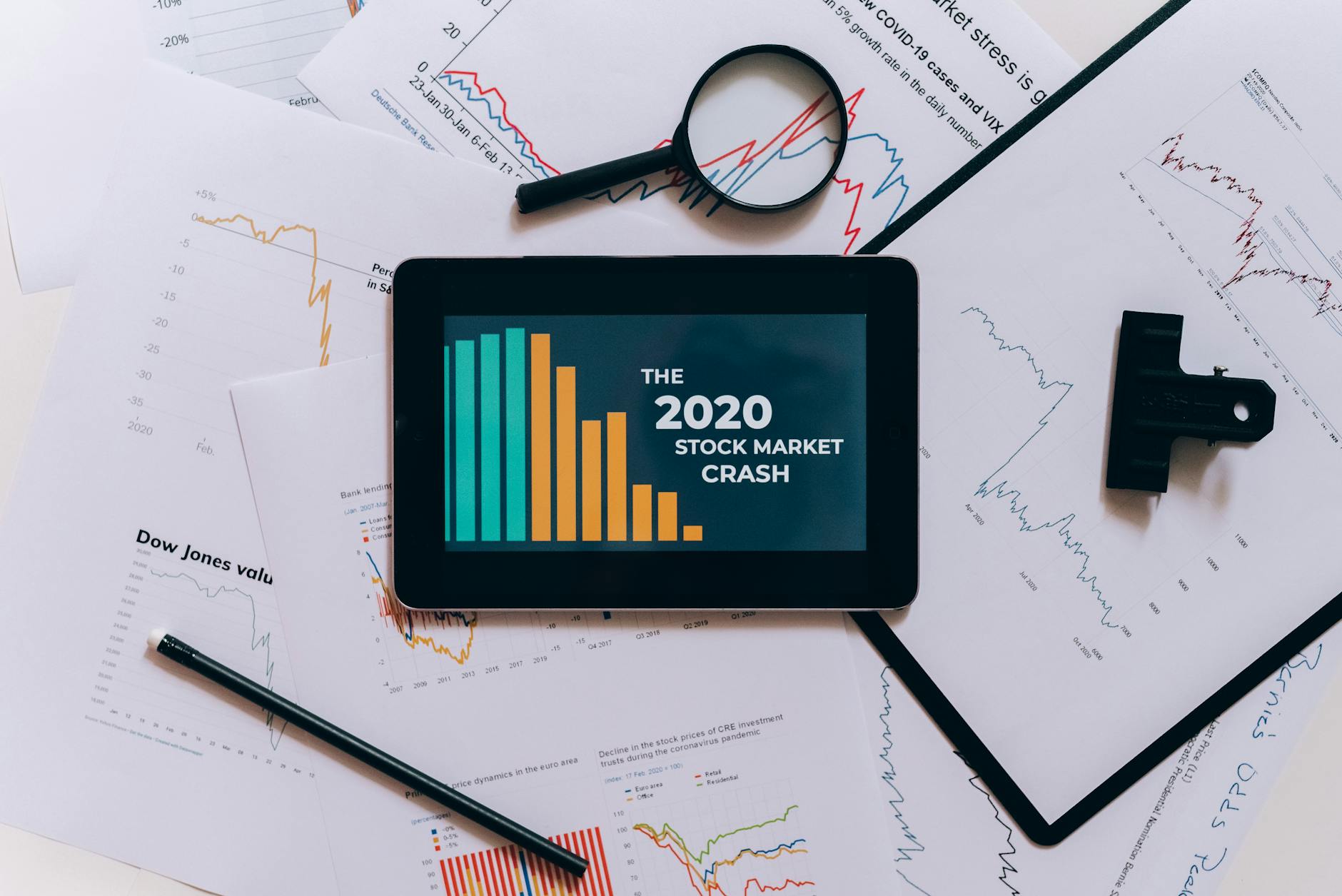
The brain judges the likelihood of future events based on how easily vivid examples come to mind rather than on actual statistical probability. Someone who recently experienced a stock market crash will dramatically overestimate the risk of another one occurring soon. Conversely a person surrounded by stories of overnight investment success may underestimate real financial risk. Grounding financial planning in long-term data and historical averages rather than memorable recent events produces more accurate risk assessment.
Hyperbolic Discounting

Beyond simple present bias the brain specifically devalues future rewards at an accelerating rate the further away they appear. The gap between saving today and retiring in thirty years feels so vast that the future reward registers as nearly meaningless to the emotional brain. This creates a pattern where retirement contributions are perpetually delayed in favor of present spending that feels more tangible. Target-date investment funds and automatic escalation features in retirement accounts are specifically designed to work around this cognitive limitation.
Overconfidence Effect

Studies across financial populations consistently show that people overestimate their own ability to predict markets, time investments, and manage money. This inflated self-assessment leads to excessive trading, under-diversification, and failure to seek professional financial guidance. Men in particular have been shown in research to trade more frequently as a result of overconfidence and to earn lower risk-adjusted returns as a consequence. Benchmarking personal financial performance against objective data rather than gut feeling provides a much-needed reality check.
Status Quo Bias

The brain experiences any deviation from the current situation as a potential loss and therefore resists change even when change would clearly be beneficial. This explains why people stay in low-interest savings accounts for years without switching to superior options that would cost them nothing to adopt. It also underlies the failure to rebalance investment portfolios or renegotiate bills despite the obvious financial upside. Scheduling regular forced reviews of financial products and accounts counteracts the inertia that status quo bias produces.
Emotional Spending

The brain releases dopamine during the act of purchasing as a response to stress, boredom, sadness, or social comparison. This neurological reward makes spending an effective short-term emotional regulation tool even when it directly undermines financial goals. Retail therapy and impulse buying spikes during periods of anxiety or low mood for well-documented neurological reasons. Identifying personal emotional spending triggers and establishing competing coping strategies interrupts this cycle before it affects the bank account.
Scarcity Mindset

When the brain perceives any form of resource scarcity it narrows cognitive bandwidth and focuses almost entirely on the immediate shortage. Research has shown that financial stress literally reduces measurable cognitive capacity in ways that lead to worse financial decisions at exactly the moment good decisions matter most. This creates a cruel cycle where financial pressure produces the impaired thinking that deepens financial problems. Addressing the psychological and emotional dimensions of money alongside the practical ones is essential to breaking this pattern.
Dunning-Kruger Effect

People with limited financial knowledge consistently overestimate their understanding of investing, taxation, and wealth-building principles. This gap between perceived and actual competence leads to poorly informed decisions made with unwarranted confidence and without adequate research. The effect also discourages seeking expert help because the individual genuinely does not recognize the limits of their own knowledge. Committing to ongoing financial education and regularly consulting qualified professionals is the most effective safeguard against this blind spot.
Share which of these mental patterns you recognize in your own financial life in the comments.




