
Aging carries a quiet power that popular culture rarely celebrates, yet those who have moved through decades often speak of a richness that youth simply cannot manufacture. The body and mind undergo remarkable shifts that bring unexpected gifts, from sharper instincts to deeper satisfaction in everyday moments. Science continues to uncover fascinating advantages that accumulate with age, reshaping how people think, feel, and connect. These twenty benefits reveal why growing older is far more rewarding than the world tends to admit.
Emotional Regulation
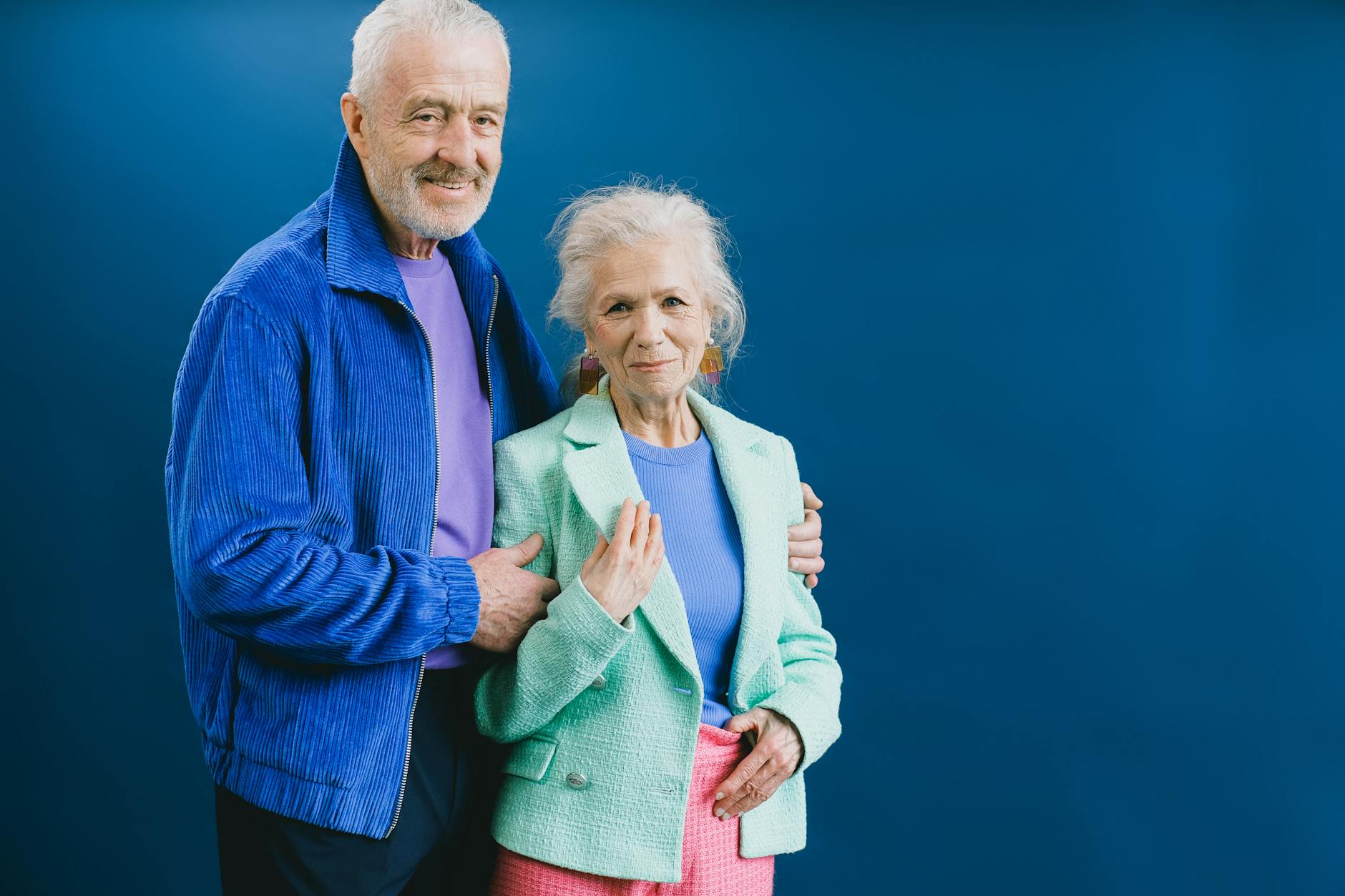
The brain becomes measurably better at managing stress and difficult emotions as the decades pass. Older adults show reduced activity in the amygdala during emotionally charged situations, meaning reactive responses naturally soften over time. This neurological shift allows for calmer decision-making even under pressure. Research consistently shows that emotional wellbeing tends to peak in later life rather than early adulthood. The result is a steadier inner life that younger people often work hard to achieve through therapy or meditation.
Perspective

Years of lived experience create an almost automatic ability to distinguish between problems that matter and those that do not. Trivial frustrations lose their grip when a person has navigated genuine hardship and come through the other side. This long view transforms how challenges are interpreted and dramatically reduces everyday anxiety. People who have lived through multiple decades of change develop a mental framework that buffers against catastrophising. That capacity to zoom out is one of the most quietly powerful tools a person can carry.
Vocabulary
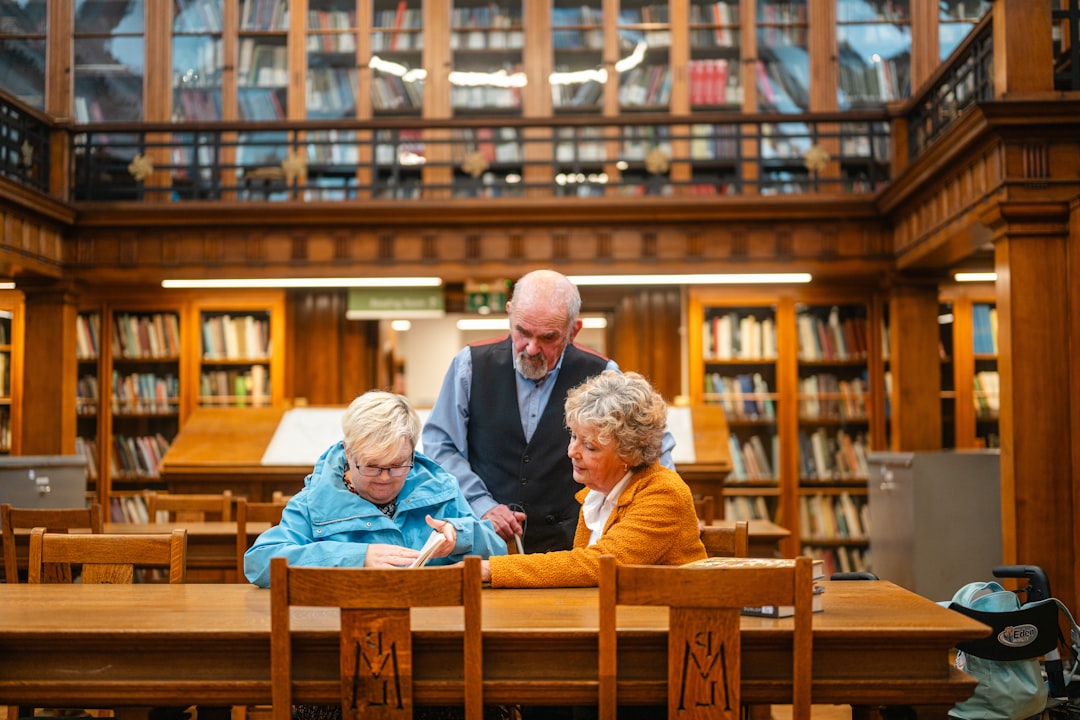
The human vocabulary continues expanding well into the seventies and beyond, unlike many other cognitive functions. Older adults consistently outperform younger ones on tests measuring word knowledge and verbal reasoning. This growth reflects decades of reading, conversation, and exposure to language across varied contexts. Richer vocabulary supports clearer communication, stronger writing, and more persuasive thinking. It is one of the most tangible ways the aging brain demonstrably improves rather than declines.
Self-Knowledge

The accumulation of experience produces an unusually clear picture of personal values, limits, and genuine preferences. Older adults report far less confusion about who they are and what they want compared to younger counterparts. This clarity reduces the energy wasted on people-pleasing, identity performance, and social comparison. Knowing oneself deeply also makes it easier to set boundaries and pursue goals that are genuinely meaningful. It is a form of inner wealth that cannot be rushed or shortcut.
Pattern Recognition

Decades of observing human behaviour and world events train the brain to detect patterns that younger observers routinely miss. This ability manifests in professional settings as seemingly intuitive judgment and in personal life as reliable foresight. Researchers studying expertise consistently find that experienced older individuals process complex situations more efficiently than novices. The pattern-recognising mind requires less conscious effort to arrive at sound conclusions. This cognitive advantage is sometimes mistaken for wisdom but is equally grounded in measurable brain development.
Friendship Quality

Social circles typically shrink with age but the friendships that remain tend to become significantly deeper and more reciprocal. Older adults are more selective about where they invest emotional energy, which elevates the quality of every close relationship. Research in social psychology shows that mature friendships are characterised by higher levels of trust and lower levels of conflict. The energy previously spent maintaining superficial connections becomes available for genuinely nourishing ones. Fewer but stronger friendships consistently correlate with better mental and even physical health outcomes.
Immune Memory

The immune system builds a vast library of pathogen responses over a lifetime of exposure to viruses and bacteria. This accumulated memory means the body can mount faster and more targeted defences against familiar threats. While aspects of immune function do change with age, this reservoir of immunological knowledge is a genuine biological asset. Older individuals often recover more efficiently from illnesses they have previously encountered in some form. Scientists studying immunosenescence note that this memory component is one of the most underappreciated aspects of mature immune function.
Decision Making
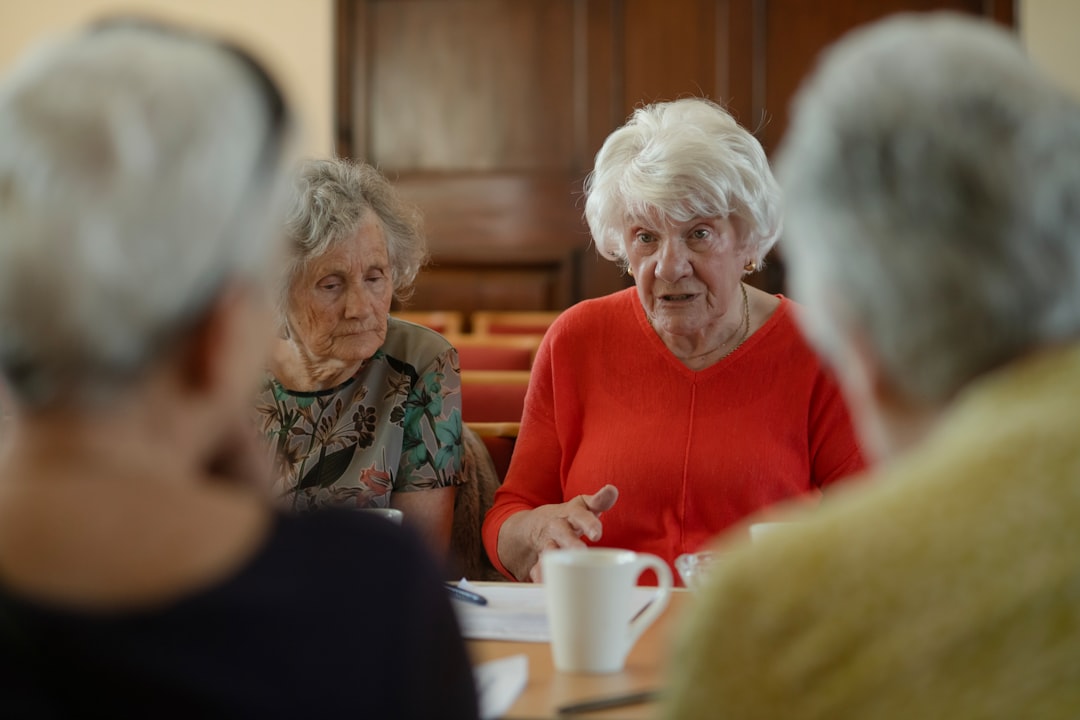
Older adults consistently make more stable and satisfying decisions partly because they rely less on fleeting emotional states. Research in behavioural economics shows that mature decision-makers are less susceptible to framing effects and cognitive traps like panic buying or loss aversion. Experience provides a mental reference library of past choices and their consequences that younger people simply lack. This translates into fewer impulsive financial decisions and more consistent long-term planning. The compound effect of better decisions across decades is one of the most significant and least discussed advantages of age.
Gratitude
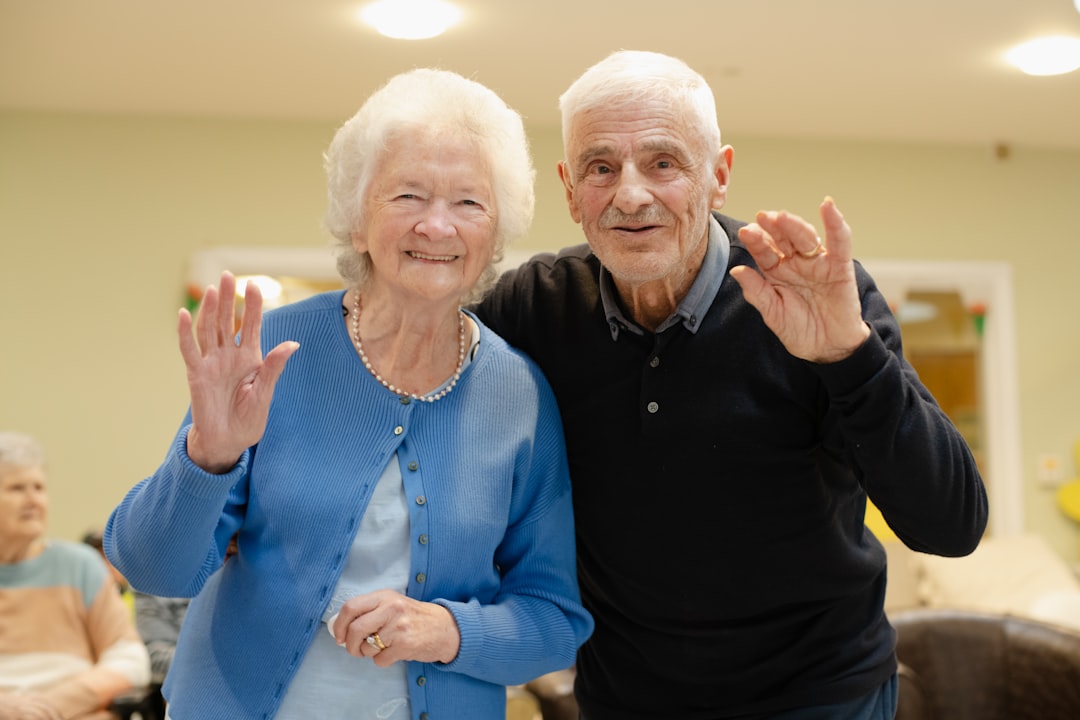
A natural shift toward appreciating what is present rather than mourning what is absent tends to emerge with age. Psychological research on this phenomenon links it to an increasing awareness of time as a finite and precious resource. This is not a passive resignation but an active reorientation toward the meaningful and the immediate. Older adults in studies consistently report higher levels of daily satisfaction even when facing objective health or financial challenges. Gratitude at this depth functions as a genuine psychological buffer against depression and dissatisfaction.
Conflict Resolution
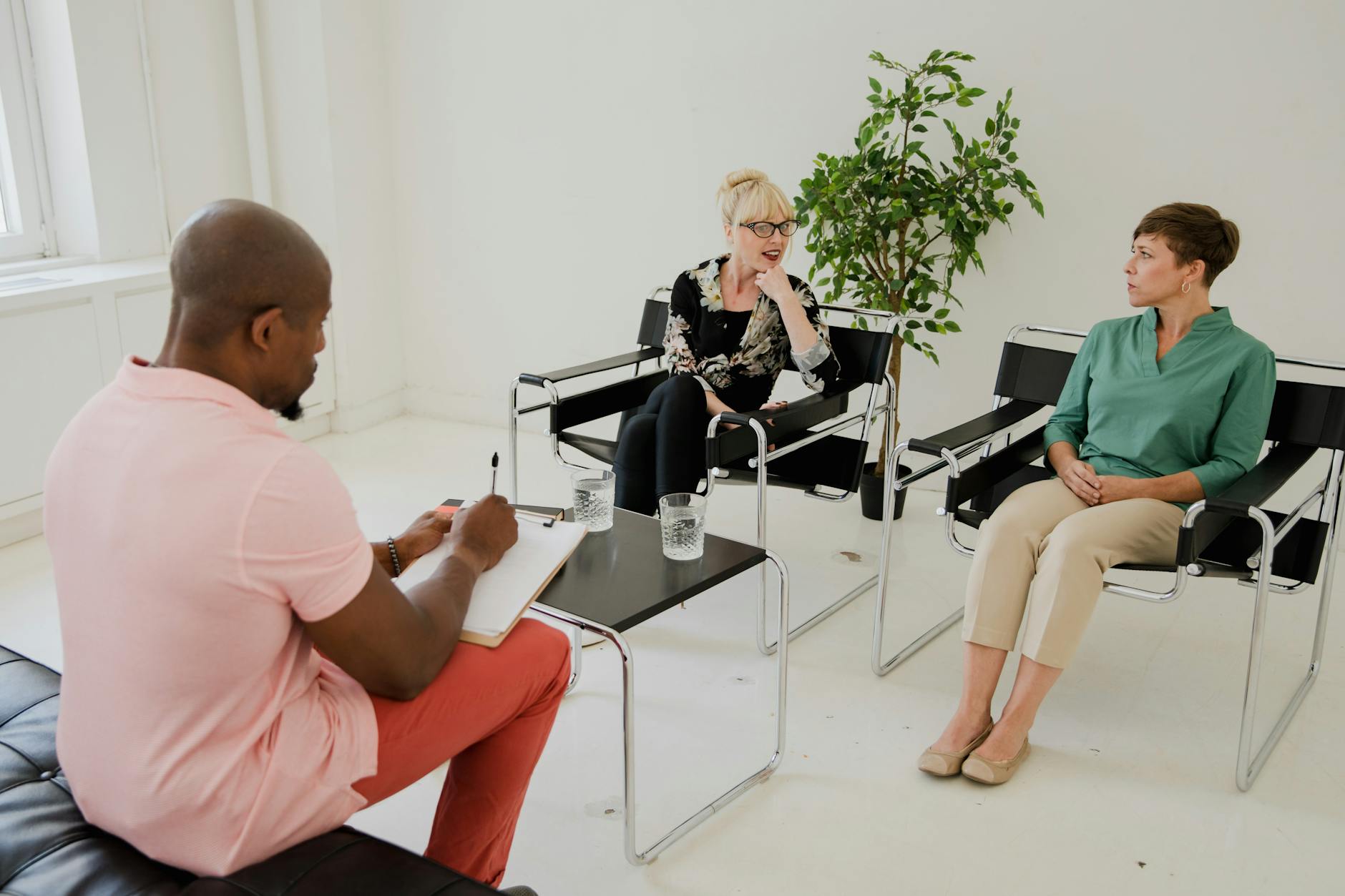
Years of navigating disagreements in families, workplaces, and communities build sophisticated interpersonal skills that younger people are still developing. Older adults tend to approach conflict with more patience and a clearer focus on resolution rather than victory. They are statistically more likely to seek compromise and less likely to escalate disagreements unnecessarily. This skill set is enormously valuable in leadership, parenting, and community life. The ability to de-escalate tension is something that experience teaches in ways that no course or book can fully replicate.
Risk Assessment

Experience creates a finely calibrated internal model for evaluating genuine risk versus perceived risk. Older adults are better at distinguishing between situations that require caution and those that only appear threatening. This is not the same as risk aversion but rather a more accurate and evidence-based assessment of probability. Studies in cognitive science show that this ability directly reduces unnecessary worry and improves resource allocation. The seasoned mind wastes less energy on threats that are unlikely to materialise.
Creativity

Creativity in older adults shifts from the rapid generative style of youth toward a more integrative and conceptual form. This type of creativity draws on the vast store of cross-domain knowledge accumulated over decades. Many artists, writers, architects, and composers have produced their most celebrated and complex work in their later years. The brain’s ability to connect seemingly unrelated ideas strengthens with the breadth of experience available to it. Late-life creativity is a distinct and valuable form that deserves far greater cultural recognition.
Authenticity

Social pressure to conform to group identities or trends tends to diminish significantly with age. Older adults report feeling freer to express genuine opinions, dress according to personal taste, and pursue unconventional interests without social anxiety. Psychologists link this shift to a decline in the dominance-seeking behaviour that drives so much social performance in younger years. The result is a more honest and consistent public self that others often find refreshing and even magnetic. Authenticity of this kind is deeply tied to the confidence that only time and experience can build.
Sleep Depth

While overall sleep patterns do change with age, the deep slow-wave sleep that older adults do experience tends to be highly restorative and efficient. The brain becomes better at consolidating memory and clearing metabolic waste during sleep as it accumulates more practised sleep cycles. Afternoon napping, which becomes more socially acceptable and common in later life, provides additional cognitive and cardiovascular benefits. Research into sleep across the lifespan notes that older adults who maintain good sleep hygiene often experience excellent cognitive function as a result. The relationship between age and sleep is far more nuanced than the conventional narrative of simple deterioration suggests.
Financial Judgment

Older adults consistently demonstrate superior financial judgment compared to younger cohorts across a range of studies. Decades of managing budgets, surviving economic cycles, and observing the long-term outcomes of financial decisions creates a deeply practical financial intelligence. This experience-based wisdom is distinct from formal financial education and often more reliable in real-world conditions. The tendency toward impulsive spending decreases significantly with age while the ability to evaluate long-term value improves. Financial maturity of this kind represents one of the most directly livable advantages that accumulate with age.
Tolerance for Ambiguity

Living through multiple decades of unresolved questions and unpredictable outcomes builds a genuine capacity to function well without certainty. Younger adults frequently experience significant anxiety when facing ambiguous situations or open-ended outcomes. Older individuals have accumulated evidence from their own lives that uncertainty is survivable and often precedes positive change. This tolerance is not indifference but a hard-won confidence in the ability to adapt. It is one of the psychological advantages of age that is most relevant in a world of constant and rapid change.
Mentorship Ability

The depth of accumulated knowledge and life experience creates a natural and highly effective foundation for mentoring others. Older adults possess not only professional expertise but the interpersonal skills and patience required to transfer that knowledge meaningfully. Research in organisational psychology highlights experienced older mentors as disproportionately valuable to institutional knowledge retention and individual career development. The ability to see potential in others and nurture it with appropriate guidance is something that deepens rather than diminishes over time. This capacity to invest meaningfully in the growth of others is one of the most socially significant gifts that age bestows.
Body Awareness

Years of living in a body produce a sophisticated and nuanced understanding of its signals, rhythms, and needs. Older adults are significantly better at detecting early signs of illness, recognising the physical effects of stress, and understanding what their bodies require to recover and perform. This interoceptive intelligence reduces the likelihood of ignoring symptoms and improves the quality of health decisions. It also informs more effective exercise choices and dietary habits tailored to genuine individual need rather than generic advice. The body becomes less of an unknown entity and more of a well-understood and respected partner.
Sense of Humour

Humour in older adults tends to evolve toward a drier, more observational and self-aware form that researchers have found to be a marker of psychological resilience. The ability to laugh at one’s own circumstances and find absurdity in everyday life is directly linked to lower levels of depression and anxiety. Older adults who maintain an active sense of humour show measurably better social connection and subjective wellbeing. This form of humour requires intelligence, perspective, and a degree of detachment from ego that takes decades to develop. It is one of the most quietly life-enhancing gifts that the aging process reliably delivers.
Legacy Thinking

A natural shift toward long-term thinking about impact, contribution, and meaning emerges reliably in later life. Psychologist Erik Erikson described this as generativity and identified it as one of the central developmental tasks of mature adulthood. This orientation motivates investments in community, family, institutions, and future generations that create lasting value beyond individual benefit. Legacy thinking is associated with higher levels of life satisfaction, purpose, and even longevity in longitudinal studies. It transforms the experience of aging from a narrative of loss into one of meaningful and enduring contribution.
Share your own unexpected benefits of getting older in the comments.




