Real estate agents view a home through the lens of resale value and broad appeal. Certain interior design choices can immediately lower the perceived worth of a property by signaling deferred maintenance or dated tastes. These trends often suggest that the homeowner cut corners or failed to invest in quality materials during renovations. Identifying these specific elements helps sellers understand what might deter potential buyers during an open house.
Popcorn Ceilings

Textured acoustic ceilings were originally popular for their ability to hide imperfections and dampen sound. Real estate agents now view this bumpy finish as a major liability that dates a home instantly. The texture attracts dust and is notoriously difficult to clean or paint without causing damage. Removing popcorn ceilings is a messy and expensive process that most buyers want to avoid. A smooth ceiling finish is essential for a modern and well-maintained appearance.
Vertical Blinds
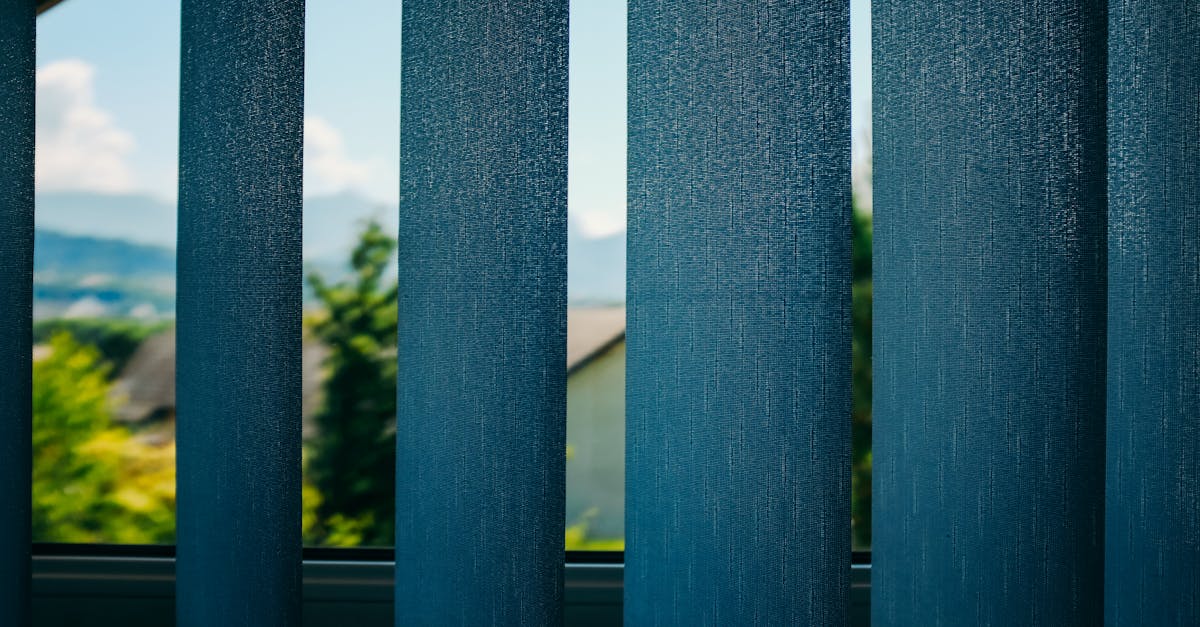
Wide plastic slats hanging from a track are often associated with rental units or office buildings rather than residential homes. They tend to break easily and can create a distracting clatter when the air conditioning turns on. These window coverings block light efficiently but do little to add warmth or style to a room. Buyers often calculate the cost of replacing them with curtains or plantation shutters immediately upon entering a room. Updated window treatments significantly improve the perceived quality of the interior.
Builder-Grade Dome Lights

Standard flush mount fixtures are frequently installed in bulk because they are the least expensive option available. These lights often cast a harsh and unflattering yellow glow that creates poor ambiance. Their ubiquity in entry-level homes makes them a clear signal of basic construction standards. Swapping these out for pendant lights or recessed lighting can drastically change the feel of a room. Agents recommend upgrading these fixtures to remove the generic appearance of a space.
Word Art

Wall decor that commands residents to live, laugh, or love has become a cliché in the design world. Mass-produced typography signs often suggest a lack of personal style or creativity in a home. This trend creates visual clutter and can distract buyers from looking at the architectural features of the house. High-quality art or simple mirrors are preferred over generic phrases printed on wood or canvas. A more personalized approach to decoration makes a home feel curated rather than staged.
Carpet in Bathrooms

Installing soft flooring in wet areas poses significant hygiene and maintenance concerns for potential homeowners. Moisture from showers and sinks gets trapped in the fibers and leads to mold or unpleasant odors over time. Real estate professionals see this as an immediate renovation project that buyers will deduct from their offer price. Tile or water-resistant vinyl are standard expectations for sanitary bathroom environments. Removing bathroom carpet is almost always a top priority for increasing home value.
Tile Countertops
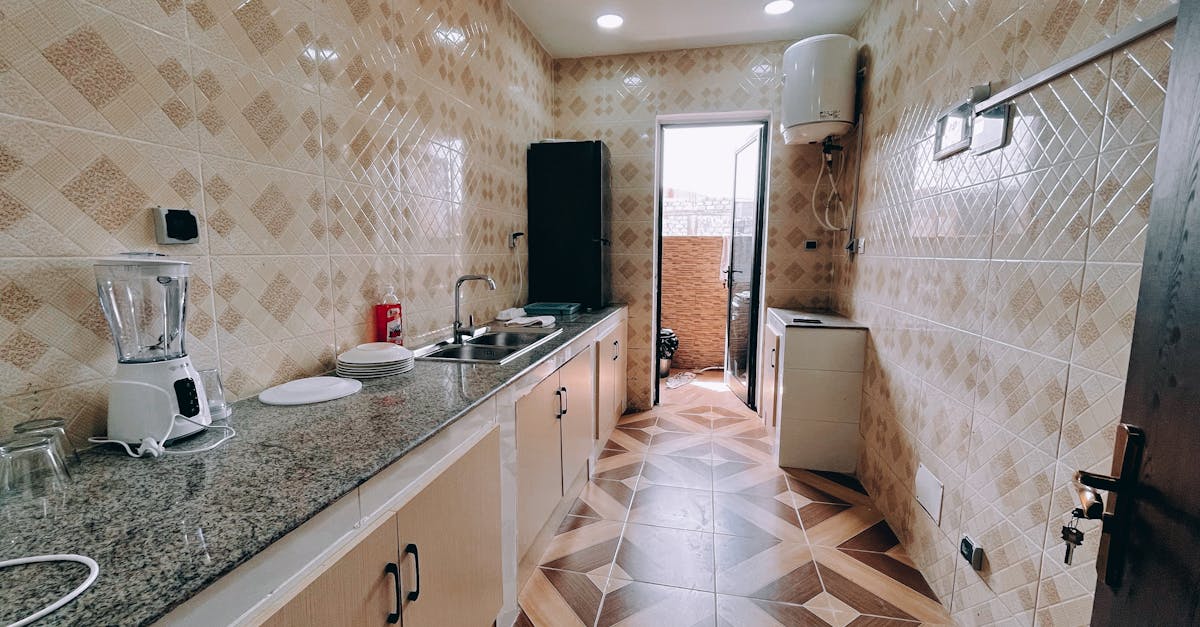
Grid lines of grout across a kitchen workspace are difficult to keep clean and sanitary. The uneven surface makes food preparation challenging and allows bacteria to harbor in the porous grout. This material choice dates a kitchen to the late twentieth century and signals a lower budget renovation. Potential buyers often view tile counters as a demolition project waiting to happen. smooth surfaces like quartz or granite are far more desirable for modern living.
Plastic Laminate Flooring
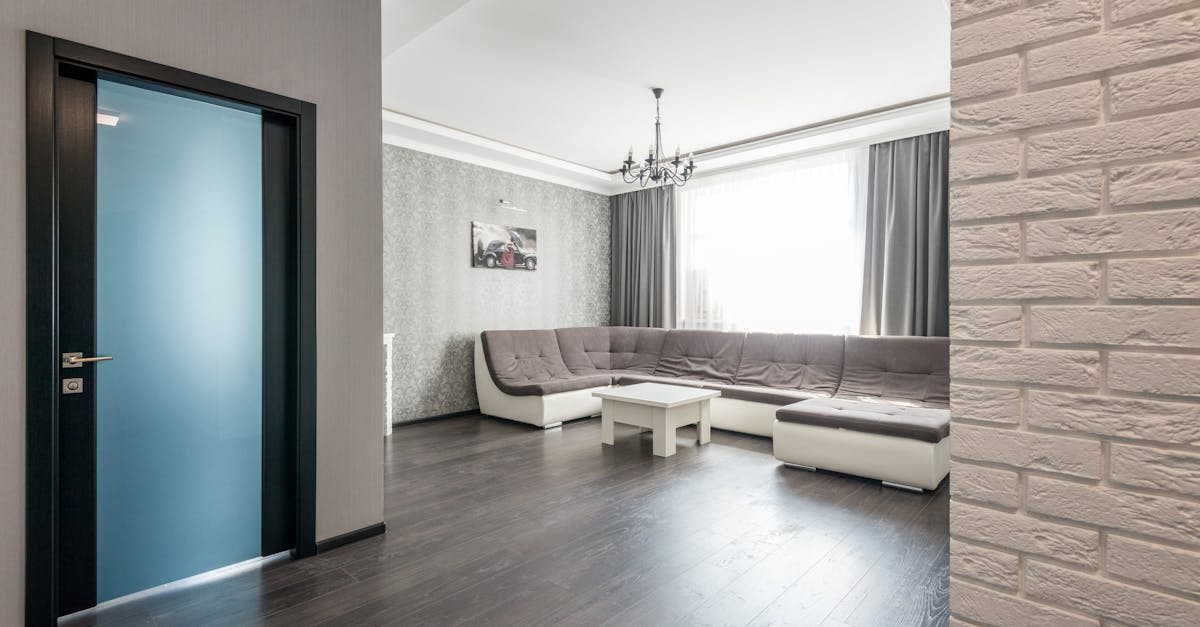
Older versions of wood-look laminate often have a hollow sound and a shiny plastic finish. This flooring option can warp easily with moisture and rarely looks like the hardwood it attempts to mimic. It suggests that durability and quality were sacrificed for a quick cosmetic fix. Agents know that buyers prefer genuine hardwood or high-quality luxury vinyl plank over cheap laminate. Upgrading floors is one of the most effective ways to boost property appeal.
Unframed Posters

Taping paper prints directly to the wall creates a temporary and dormitory-like atmosphere. This casual approach to art makes a room feel unfinished and lacks the polish of a permanent residence. Even inexpensive frames can elevate a poster and make it look like a deliberate design choice. The lack of framing suggests a hesitation to commit to the space or a lack of investment in decor. Proper wall art presentation is crucial for staging a mature home.
Overuse of Grey

Painting every wall and installing grey flooring creates a sterile and cold environment that lacks character. This trend was once popular for flipping houses but has now become synonymous with generic design. It can make a home feel like a black and white photograph rather than a warm living space. Buyers are increasingly looking for warmer neutrals and natural tones that invite relaxation. A monochromatic grey palette often signals a flipped home done on a budget.
Heavy Texture Walls

Walls finished with heavy swirls or knockdown textures are difficult to repair and modernize. This application was often used to hide poor drywall work or save time on sanding. Smooth walls are the standard for high-end homes and allow for easier painting and wallpapering. Extreme texture creates shadows that make rooms feel smaller and darker than they actually are. Flattening out wall texture is a labor-intensive job that buyers prefer to avoid.
Sliding Barn Doors
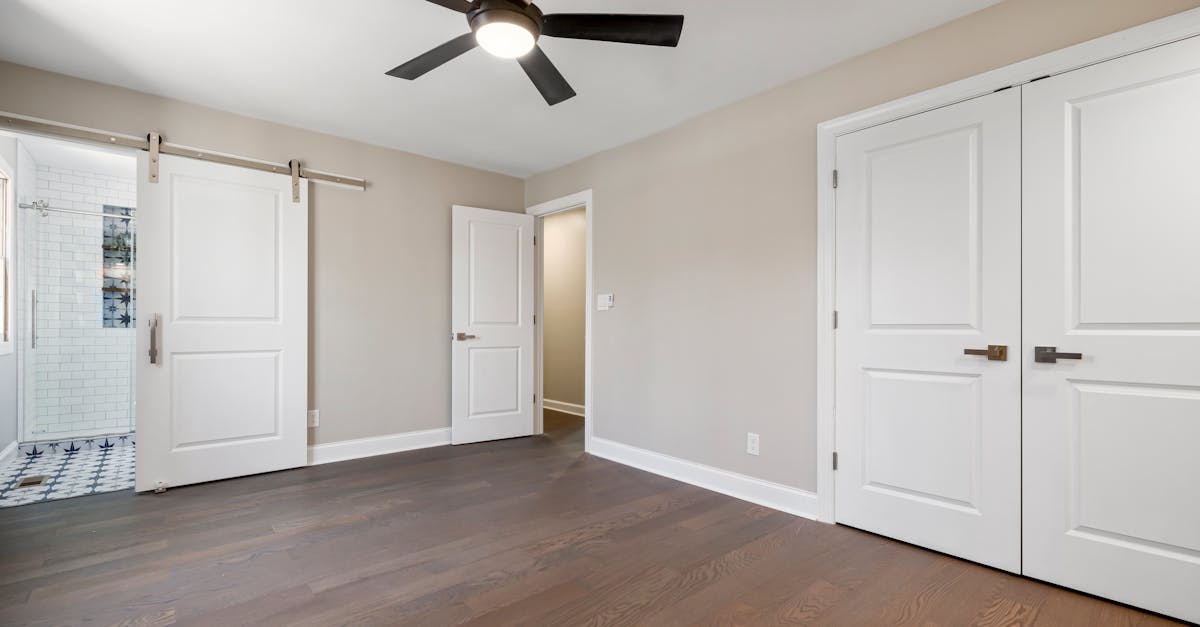
The farmhouse aesthetic introduced massive sliding doors on exposed tracks to many suburban homes. These doors often lack soundproofing and privacy because of the gaps between the door and the wall. Cheap kits with flimsy hardware can rattle and derail with frequent use. The trend has become oversaturated and often looks out of place in non-rustic architectural styles. Traditional hinged doors or quality pocket doors are seen as better long-term investments.
Shag Carpeting

High-pile carpet traps dirt, allergens, and pet hair deeper than standard flooring options. While it may feel soft initially, it quickly becomes matted and worn in high-traffic areas. The retro look can be difficult to blend with modern furniture and decor styles. Cleaning this type of flooring requires specialized equipment and significant effort. Agents usually advise sellers to replace shag carpet with low-pile options or hard flooring.
Fluorescent Box Lighting

Large rectangular fixtures in the kitchen ceiling evoke an institutional or commercial feeling. The hum and flicker of fluorescent tubes are unpleasant and the light quality renders colors poorly. These boxes often collect dead insects and dust that are visible through the plastic cover. Removing them usually requires drywall repair and painting which adds to the renovation list. Recessed can lighting is the expected standard for updated kitchens.
Mirrored Closet Doors

Floor-to-ceiling mirrors on sliding tracks were a staple of bedrooms in the eighties. They are prone to cracking and constantly require cleaning to remove fingerprints and smudges. The reflection can make a room feel chaotic rather than spacious if the room is not perfectly tidy. Heavy gold or brass frames on these doors date the room significantly. Replacing them with solid wood doors creates a more substantial and expensive look.
Faux Wood Paneling

Thin sheets of veneer paneling were once a quick way to finish a basement or den. This material darkens a room considerably and makes the space feel closed in and small. It is often flimsy and can buckle or peel away from the wall over time. Painting over it is a common band-aid solution but removing it is preferred for a modern look. Drywall offers a cleaner and brighter canvas for potential buyers.
Glass Block Walls

Translucent blocks were frequently used for shower surrounds or entryways to let in light while maintaining privacy. They are now viewed as a specific relic of past decades that disrupts modern clean lines. The grout lines between blocks can discolor and become difficult to scrub clean. This feature is often structural which makes it expensive and complicated to remove. Clear glass frameless enclosures are the current preference for bathrooms.
Sponge Painting
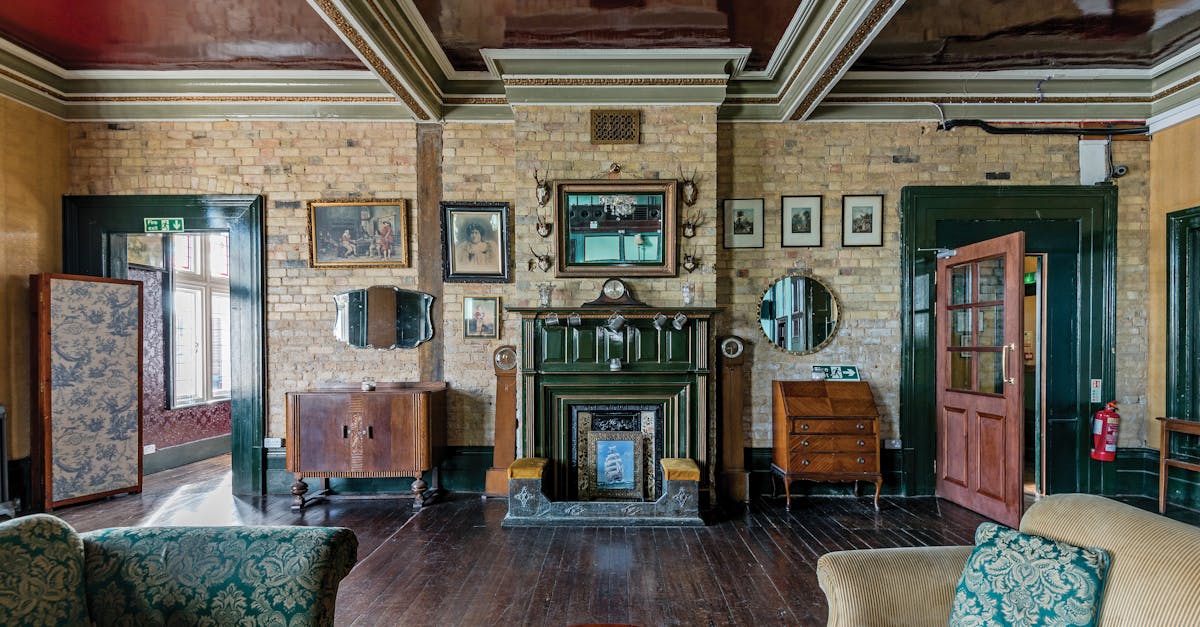
Decorative painting techniques involving sponges or rags create a busy and dated visual texture. This style was intended to add depth but now looks messy and amateurish to most viewers. It requires multiple coats of primer to cover the uneven paint buildup when redecorating. The chaotic pattern can make a room feel smaller and distract from other features. Neutral and solid wall colors are much safer for resale.
Cluttered Gallery Walls

Hanging too many small frames without a cohesive layout makes a wall look chaotic. When the spacing is uneven or the art is disproportionate, it creates visual noise. This can make the room feel smaller and less organized to a prospective buyer. A few larger statement pieces usually present better than dozens of tiny photographs. Minimalism allows buyers to envision their own belongings in the space.
Peel-and-Stick Backsplash
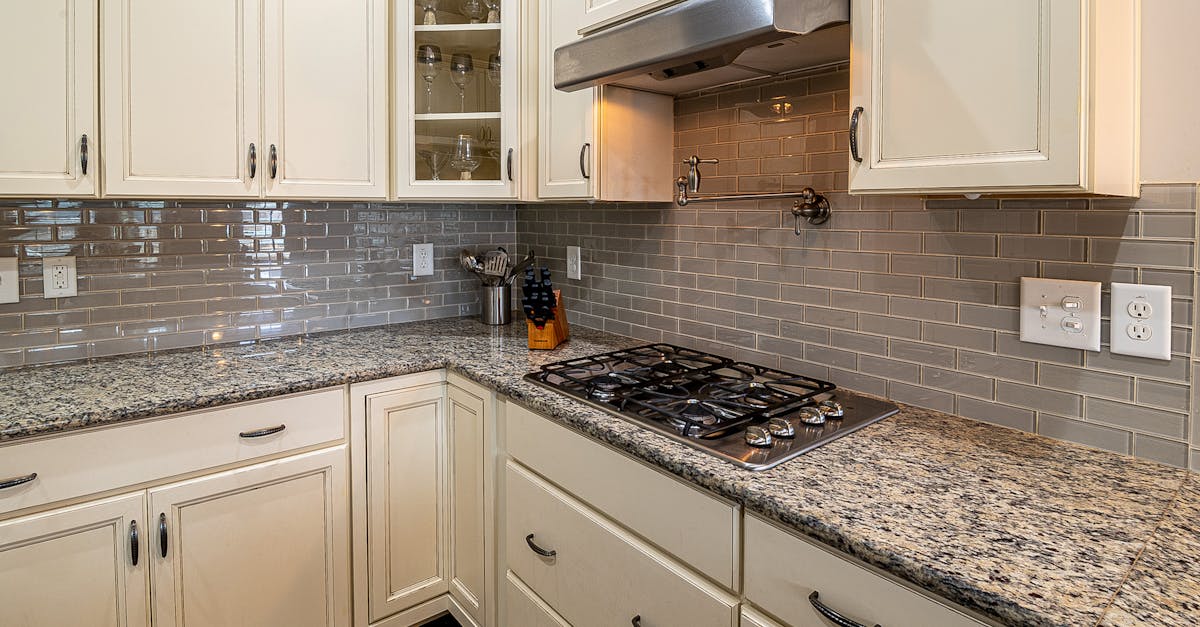
Adhesive tiles are a temporary solution that often peels up at the corners due to heat and moisture. The plastic sheen of these faux tiles rarely convinces anyone that they are real stone or ceramic. Real estate agents can spot these quick fixes immediately during a walkthrough. They suggest that the kitchen was updated on a shoestring budget rather than renovated properly. Real tile is a durable investment that adds genuine value.
Matching Furniture Sets

Buying a suite of furniture where everything is made of the same wood and fabric looks like a showroom display. It lacks the layered and collected feel of a professionally designed home. These sets are often bulky and can overcrowd a living room or bedroom. The uniformity can make a space feel generic and devoid of personality. Mixing different textures and materials creates a more expensive and custom appearance.
Artificial Plants

Dusty fake greenery placed on top of kitchen cabinets or in corners collects grime and allergens. Cheap silk or plastic plants look obviously artificial and bring down the sophistication of a room. They take up visual space without offering the air-purifying benefits of real plants. Agents recommend removing them to open up the space and improve air quality perception. Fresh flowers or simple greenery are far superior for staging.
Short Curtains
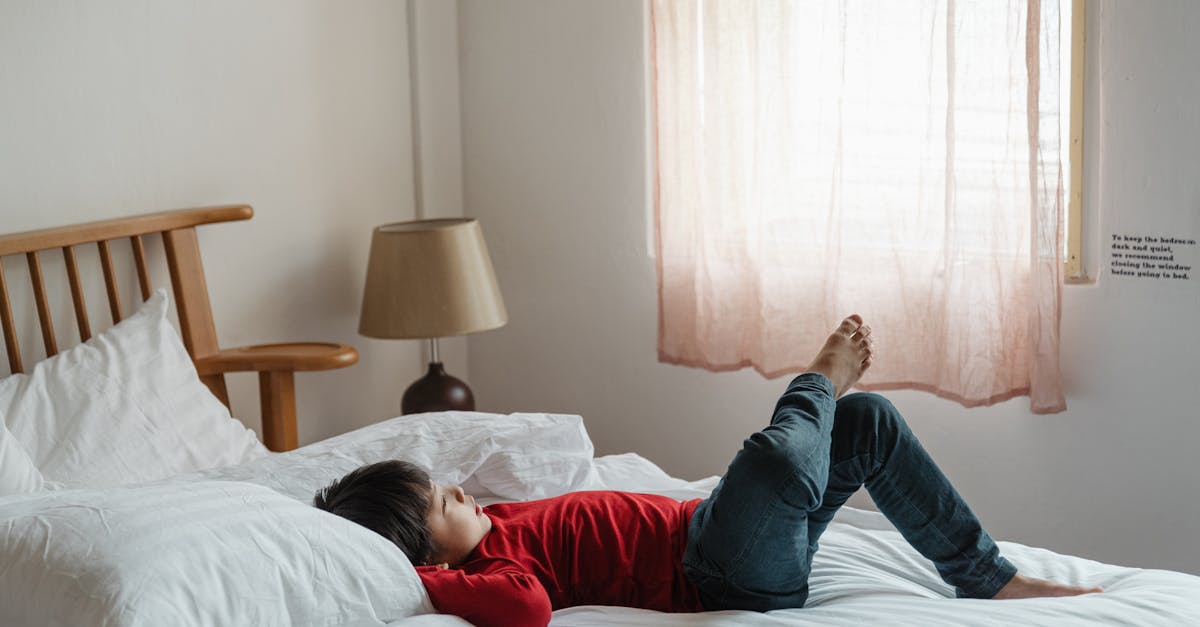
Window treatments that stop halfway down the wall cut the visual height of the room. Panels should theoretically touch the floor or hover just above it to elongate the windows. Short curtains look skimpy and suggest that the homeowner bought the wrong size. Properly sized drapery adds elegance and helps to frame the view outside. Full-length curtains are a simple adjustment that makes a room look finished.
Tiny Area Rugs

A rug that floats in the middle of a room without touching any furniture makes the space feel disjointed. It creates an island effect that visually shrinks the square footage of the living area. The front legs of sofas and chairs should typically sit on the rug to anchor the seating arrangement. Properly scaled rugs define zones and add warmth to hard flooring. Using a rug that is too small is a common scale mistake.
Colored Toilet Suites

Avocado green or pastel pink bathroom fixtures are iconic but generally unwanted features. They limit the color palette for the rest of the room and are difficult to decorate around. Finding replacement parts for vintage colored toilets can be a hassle for new owners. White porcelain is the universal standard for a clean and sanitary bathroom look. Replacing these fixtures is a relatively low-cost update with high impact.
Wallpaper Borders

Strips of patterned paper running along the ceiling or chair rail break up the wall height. They often feature dated motifs like fruit, flowers, or teddy bears that limit the room’s function. Removing them can be tedious as the glue often damages the drywall paper underneath. This decorative element creates a horizontal line that makes ceilings feel lower. Removing borders is a crucial step in modernizing a room.
Shiny Brass Hardware

Builder-grade polished brass doorknobs and hinges from the nineties often show wear and tarnish. The yellow-gold finish looks inexpensive compared to modern brushed gold or matte black options. It creates a jarring contrast against modern neutral paint colors and white trim. Upgrading hardware is a tactile improvement that buyers notice every time they open a door. Consistent hardware finishes throughout the house signal attention to detail.
Hollow Core Doors

Lightweight interior doors offer little sound insulation and feel unsubstantial when closed. They can be easily damaged or punctured by moving furniture or rough play. The lack of weight and solid feel communicates a lower quality of construction. Replacing them with solid core or paneled doors improves privacy and acoustics. Solid doors are a subtle detail that adds a sense of luxury.
Beaded Curtains

Hanging strands of beads or bamboo in doorways is a novelty decor choice that lacks functionality. They offer no sound privacy and can tangle or break easily with traffic. This aesthetic is often associated with dorm rooms rather than permanent residences. They create visual clutter and can be annoying to walk through during a tour. Clear walkways are essential for good flow in a home.
Futons in Living Areas
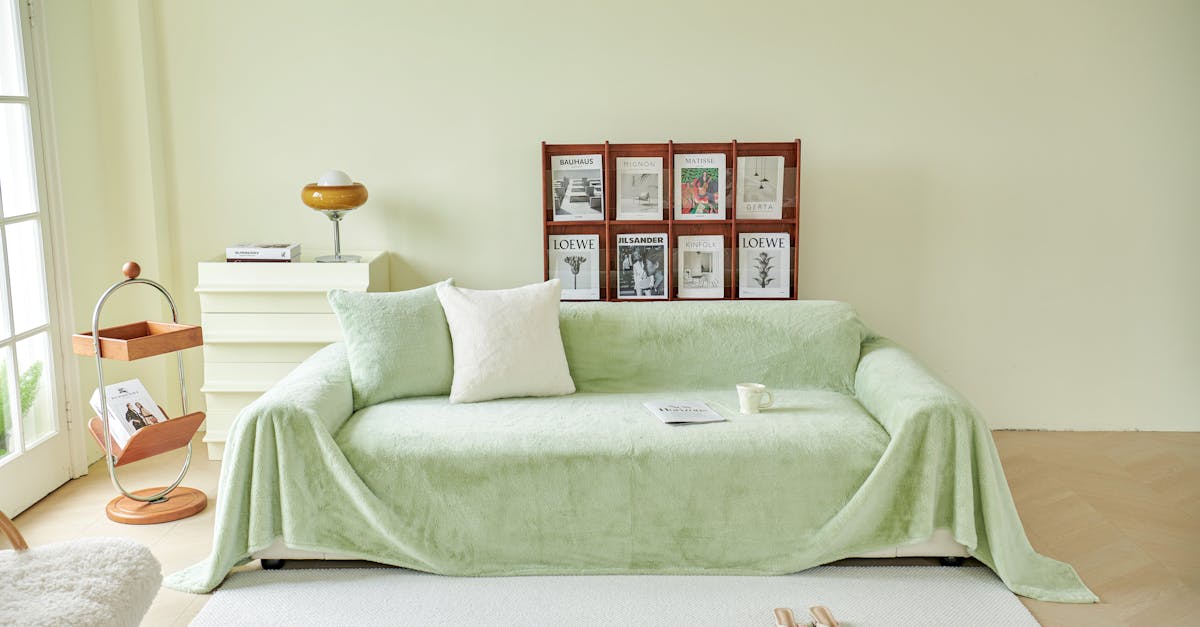
Metal or wooden frame futons typically signal temporary living situations or student housing. They rarely offer the comfort or aesthetic appeal of a proper sofa. The mattress often sags over time and looks unkempt in a main living space. Agents prefer to see structured seating that defines the living room as a place for adult relaxation. A real couch anchors the room and improves the perceived value.
Exposed Extension Cords

Visible wires running along baseboards or across floors suggest a lack of sufficient electrical outlets. This can be a safety hazard and creates a messy and unfinished look. It signals to buyers that the home may have outdated electrical systems that need upgrading. concealing cords or installing new outlets is necessary for a polished appearance. A clutter-free environment is key to a successful showing.
Excessive Throw Pillows
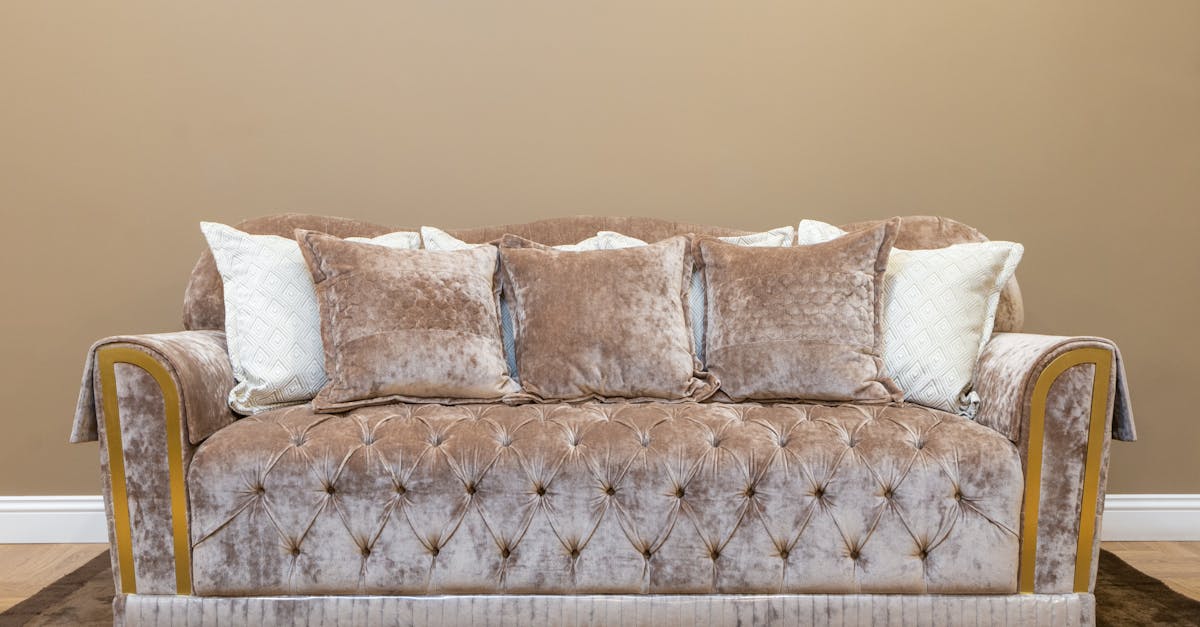
Piling too many cushions on a sofa or bed leaves no room for people to actually sit or sleep. It requires residents to move items constantly to use the furniture for its intended purpose. This trend can make a room feel stuffy and over-decorated rather than inviting. A balanced number of pillows adds comfort without sacrificing utility. Agents advise editing down accessories to let the furniture breathe.
Paper Shades

Temporary pleated paper shades are often used as a stopgap measure for privacy. They yellow with sunlight exposure and tear easily at the edges. Leaving these up suggests that the seller did not want to invest in proper window treatments. They offer zero insulation and look flimsy from both inside and outside the house. Real blinds or shades are expected in a move-in ready home.
Hollywood Vanity Lights
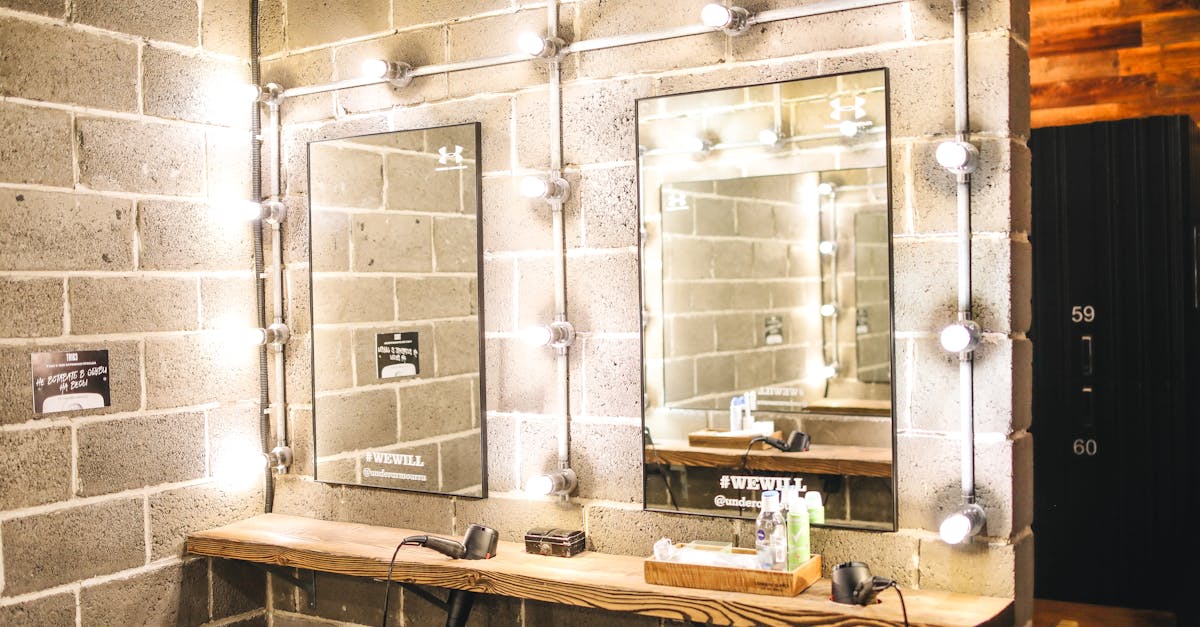
Strips of round bulbs above a bathroom mirror cast a glaring light and generate significant heat. This theatrical style is often associated with dressing rooms rather than residential bathrooms. The fixtures collect dust easily and look bulky in smaller spaces. Modern vanity lighting usually involves sconces or sleek bars with diffused light. Updating bathroom lighting is a quick fix for a dated washroom.
Sheet Linoleum

Old vinyl sheet flooring often has a distinct artificial pattern and can yellow or curl at the edges. It offers no texture and feels hard and cold underfoot compared to modern luxury vinyl. Tears or gouges in the sheet are impossible to repair without replacing the entire floor. This material immediately identifies a kitchen or bath as needing renovation. Buyers prefer flooring that has individual planks or tiles.
Mason Jar Decor

Using glass canning jars for everything from light fixtures to soap dispensers is a trend that has passed its prime. The farmhouse look has evolved and this specific element now feels repetitive and cheap. It can clutter surfaces and make a home look like a craft project. Simple glass or ceramic accessories are more timeless and elegant. Streamlined decor appeals to a wider range of tastes.
Distressed Furniture

Mass-produced furniture that is factory-finished to look damaged often looks inauthentic. The chipping paint and sanded edges can make a home feel worn out rather than charmingly antique. True antiques acquire a patina over time that looks very different from artificial distressing. This style can clash with cleaner modern architectural lines. pristine finishes generally photograph better for real estate listings.
Doilies

Lace mats placed on armrests and tables are a relic of a time when furniture fabric needed heavy protection. They add visual noise and create a grandmotherly aesthetic that alienates younger buyers. These textiles obscure the furniture underneath and collect dust. Removing them instantly modernizes the look of the living room. Clean surfaces allow buyers to see the condition of the furniture and room.
Polyester Lace Curtains

Synthetic sheer curtains with floral patterns often look shiny and feel rough to the touch. They trap dust and turn gray or yellow after hanging in the windows for years. These treatments filter light poorly and offer a distorted view of the outdoors. Simple linen or cotton sheers provide a much more upscale and breezy look. Natural fabrics hang better and elevate the window design.
Random Accent Walls

Painting one wall a bold color without a clear architectural reason can make a room feel unbalanced. If the color is too jarring, it becomes the only thing a buyer remembers about the space. It can chop up the visual flow of the house and make rooms feel disconnected. Agents often recommend painting over accent walls with a neutral tone to unify the space. Cohesion is more valuable than bold color blocks in resale.
Vinyl Tablecloths

Plastic covers on dining tables are practical for messy crafts but look cheap during a home showing. They hide the furniture and create a shiny surface that reflects light poorly. This creates a casual and temporary feeling in a room meant for gathering and dining. A bare table or a cloth runner is a much better way to present the dining area. Showcasing the furniture surface is preferred.
Cold LED Bulbs

Light bulbs with a high color temperature appear blue and clinical, resembling hospital lighting. This harsh light washes out colors and makes skin tones look unhealthy. It creates an uninviting atmosphere that makes it hard for buyers to feel at home. Warm white or soft white bulbs are essential for creating a cozy and welcoming environment. Lighting temperature is a subtle detail that drastically affects mood.
Tension Rod Shelving

Temporary storage poles that wedge between the floor and ceiling often look unstable and cluttered. They are typically made of cheap metal and plastic components that are visible. This storage solution suggests that the home lacks built-in closets or shelving. It creates visual clutter in bathrooms or laundry areas. Permanent cabinetry or floating shelves are a much better investment.
Bed-in-a-Bag Sets
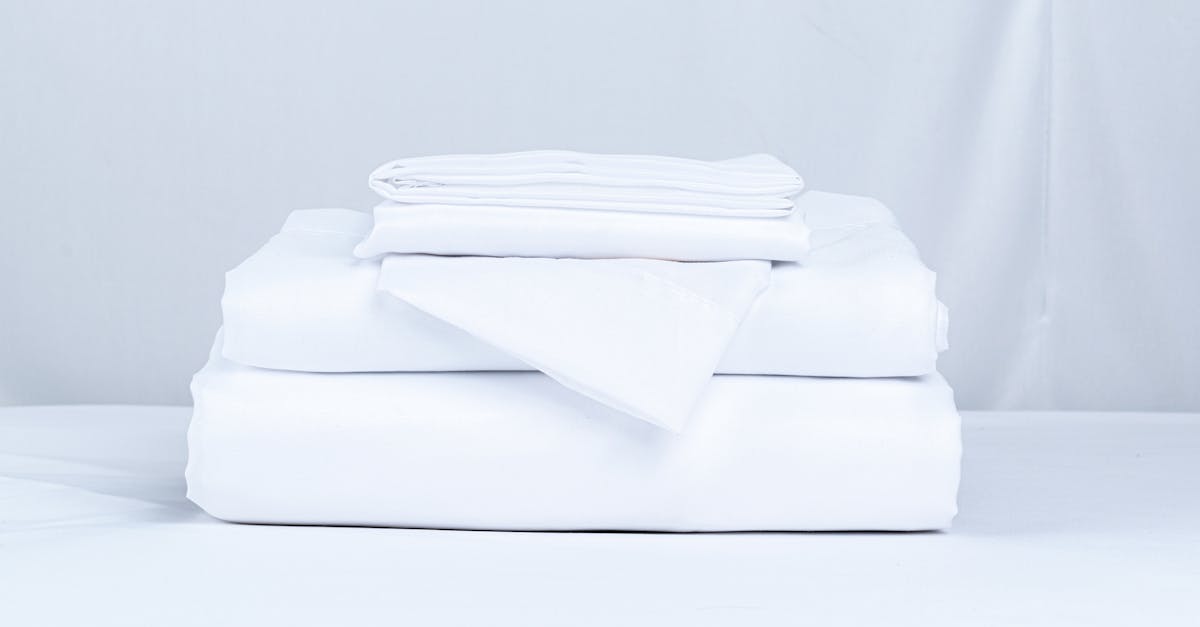
Comforter sets that come with matching sheets, shams, and skirts often use low-quality synthetic fabrics. The patterns are usually generic and the material can be shiny and slippery. They lack the layered and textured look of a well-made bed. Mixing high-quality linens with a duvet and separate throw pillows looks far more luxurious. The bedroom should feel like a sanctuary rather than a catalog page.
Plastic Patio Furniture Indoors

Using resin lawn chairs or tables inside the house is a major red flag for buyers. It indicates a severe lack of proper furnishings and lowers the tone of the entire home. These pieces are designed for outdoor durability, not indoor comfort or style. They scratch floors and look out of place in a living room or dining area. Proper indoor furniture is a minimum requirement for staging.
Frameless Builder Mirrors

Large sheets of plate glass glued directly to the bathroom wall are a standard builder-grade feature. They eventually develop black spots along the edges where the silvering has engaged with moisture. The lack of a frame makes the bathroom feel unfinished and generic. Adding a frame or replacing the sheet with two individual mirrors adds character. This simple change transforms a bathroom from basic to custom.
Share your thoughts on which trends you have spotted in your own home search in the comments.




