The instinct to reach for a tissue or a shoe when spotting a bug indoors is completely understandable. However, many of the small creatures sharing your living space are quietly working to protect it from far more damaging invaders. From hunting disease-carrying mosquitoes to dismantling termite colonies, these uninvited guests earn their keep in ways most homeowners never realize. Understanding their role can shift your perspective from pest control to something closer to peaceful coexistence.
House Spider
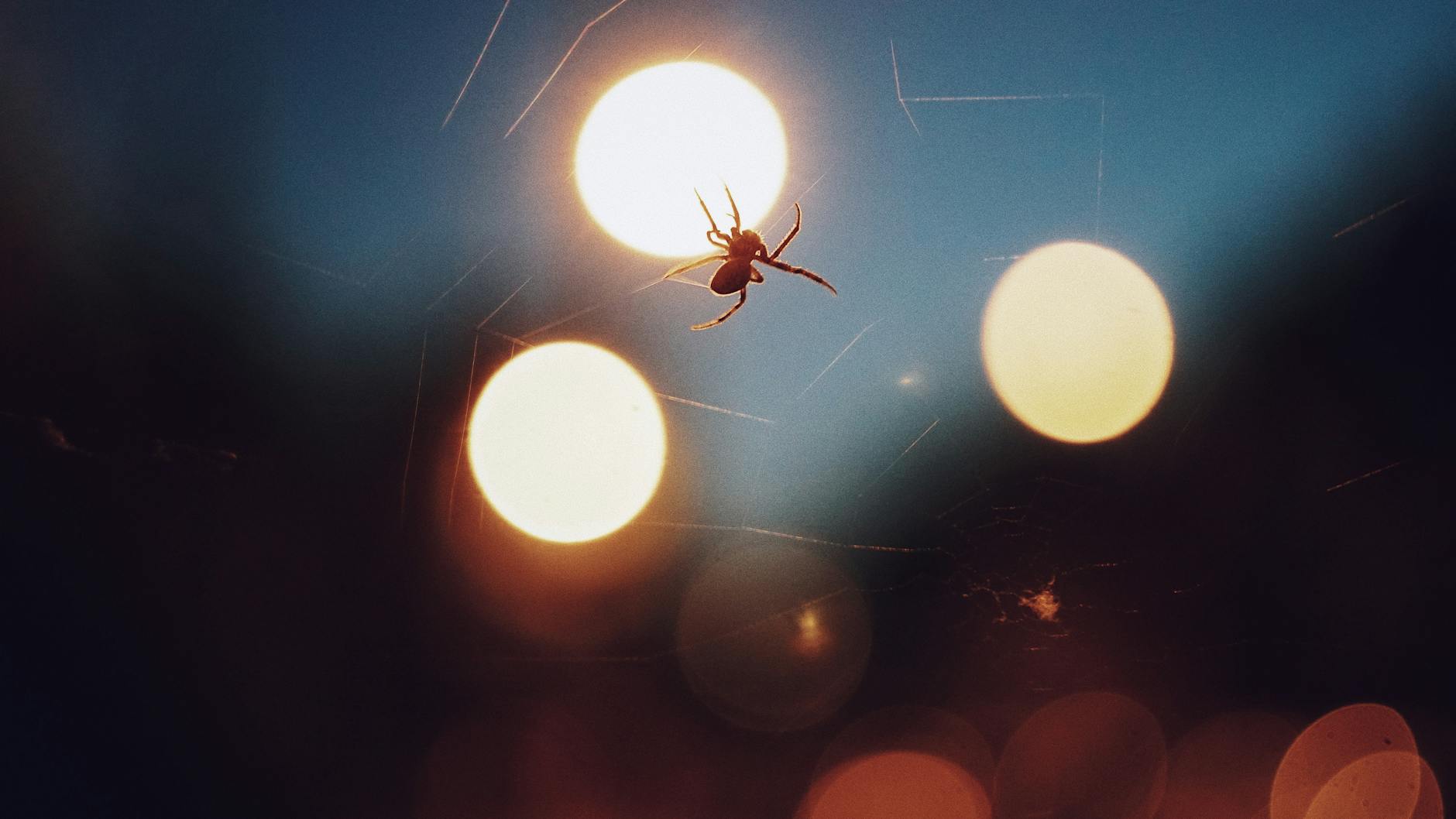
House spiders are among the most common and effective natural pest controllers found inside the average home. They spin webs in corners and along walls to trap flies, mosquitoes and other insects that carry bacteria and disease. A single spider can consume hundreds of insects over the course of its lifetime without any effort from the homeowner. They pose virtually no threat to humans and have no interest in biting unless directly handled or threatened. Leaving them undisturbed in low-traffic areas allows them to work continuously on your behalf.
Centipede
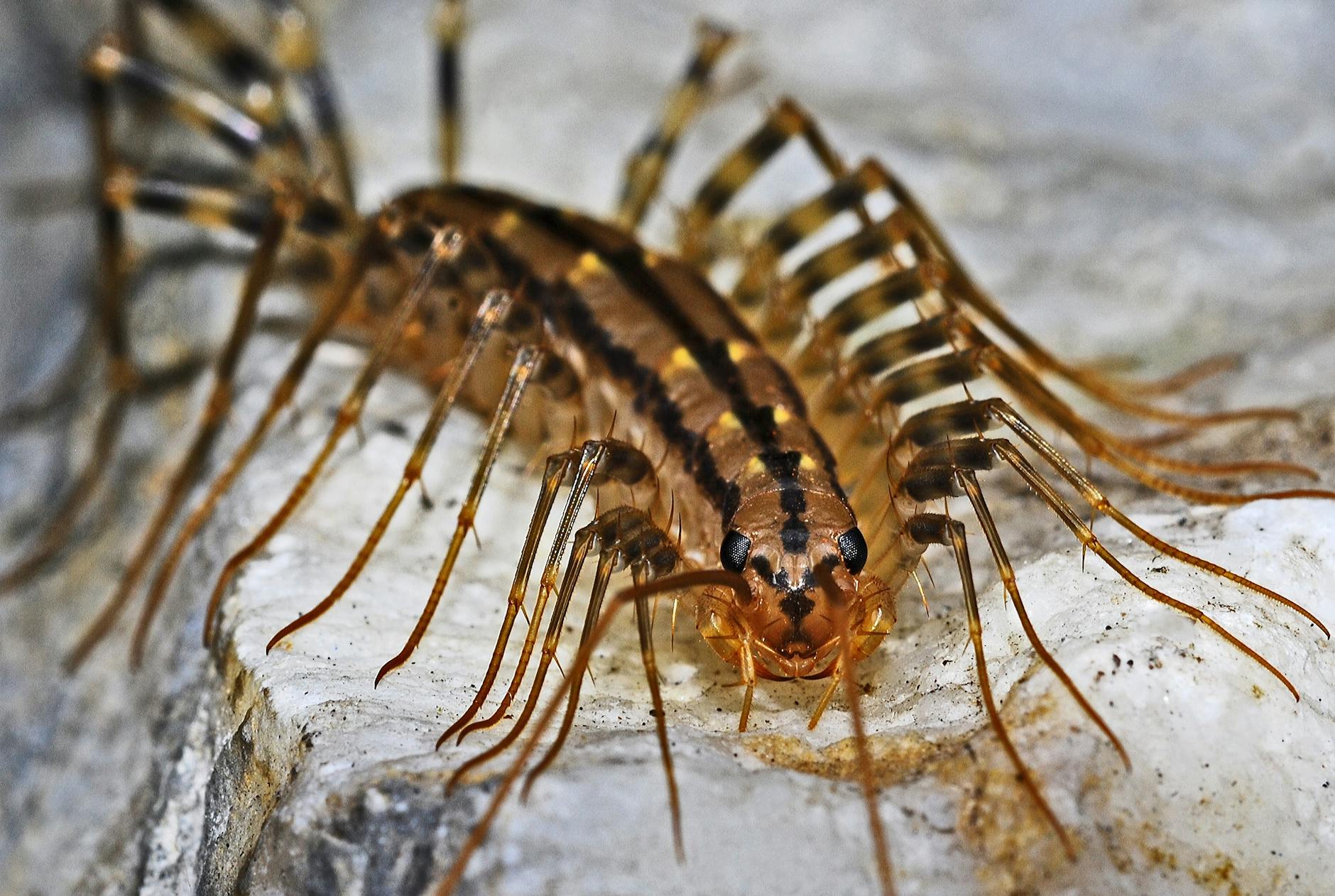
House centipedes are fast-moving predators that actively hunt some of the most unwanted pests found in any home. Their diet includes cockroaches, silverfish, bed bugs, termites and even other spiders. Unlike many insects, they cause no damage to furniture, food supplies or structural elements of the building. They prefer damp environments such as basements and bathrooms, where moisture-loving pests tend to gather in large numbers. Their presence is a strong indicator that they are finding and eliminating insects most homeowners would far rather not have around.
Cellar Spider
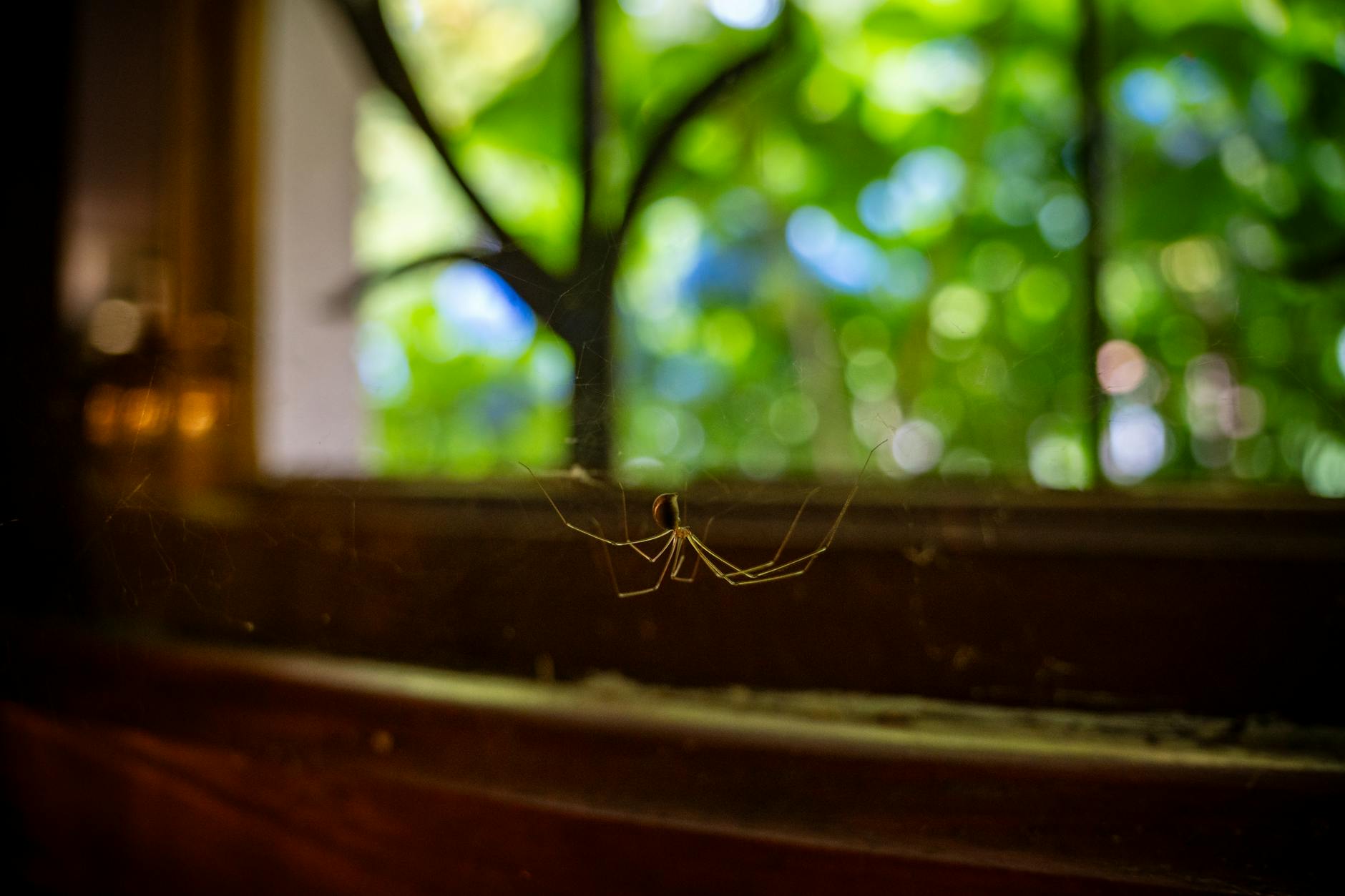
Cellar spiders, commonly known as daddy long legs, are fragile-looking creatures that quietly occupy corners of garages, basements and storage rooms. They are known to capture and consume other spiders including species considered more harmful to humans. Their loose and tangled webs are highly effective at trapping a wide variety of small insects throughout the year. They reproduce slowly and live relatively long lives compared to other house spiders, providing extended pest control coverage. Their non-aggressive nature makes them one of the safest spider species to cohabit with indoors.
Ground Beetle
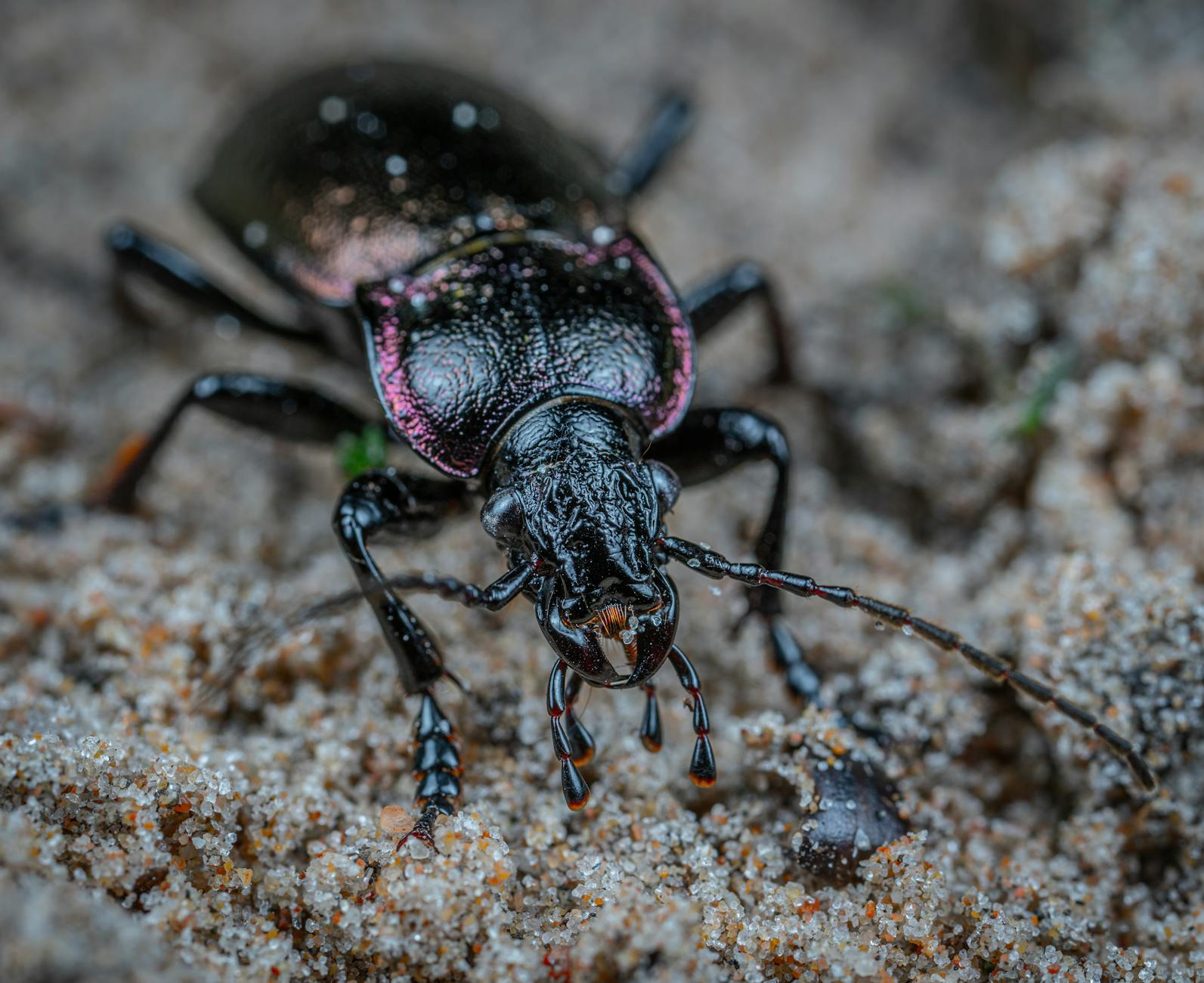
Ground beetles are nocturnal hunters that patrol floors and garden-adjacent entry points in search of prey. They feed on a wide range of harmful insects including caterpillars, aphids, slugs and the larvae of crop-destroying pests. Their presence near doorways and basements helps intercept insects before they can establish themselves deeper inside the home. They are completely harmless to humans and have no interest in food, fabrics or wooden structures. Many homeowners and gardeners actively encourage ground beetles as part of a natural pest management approach.
Earwig
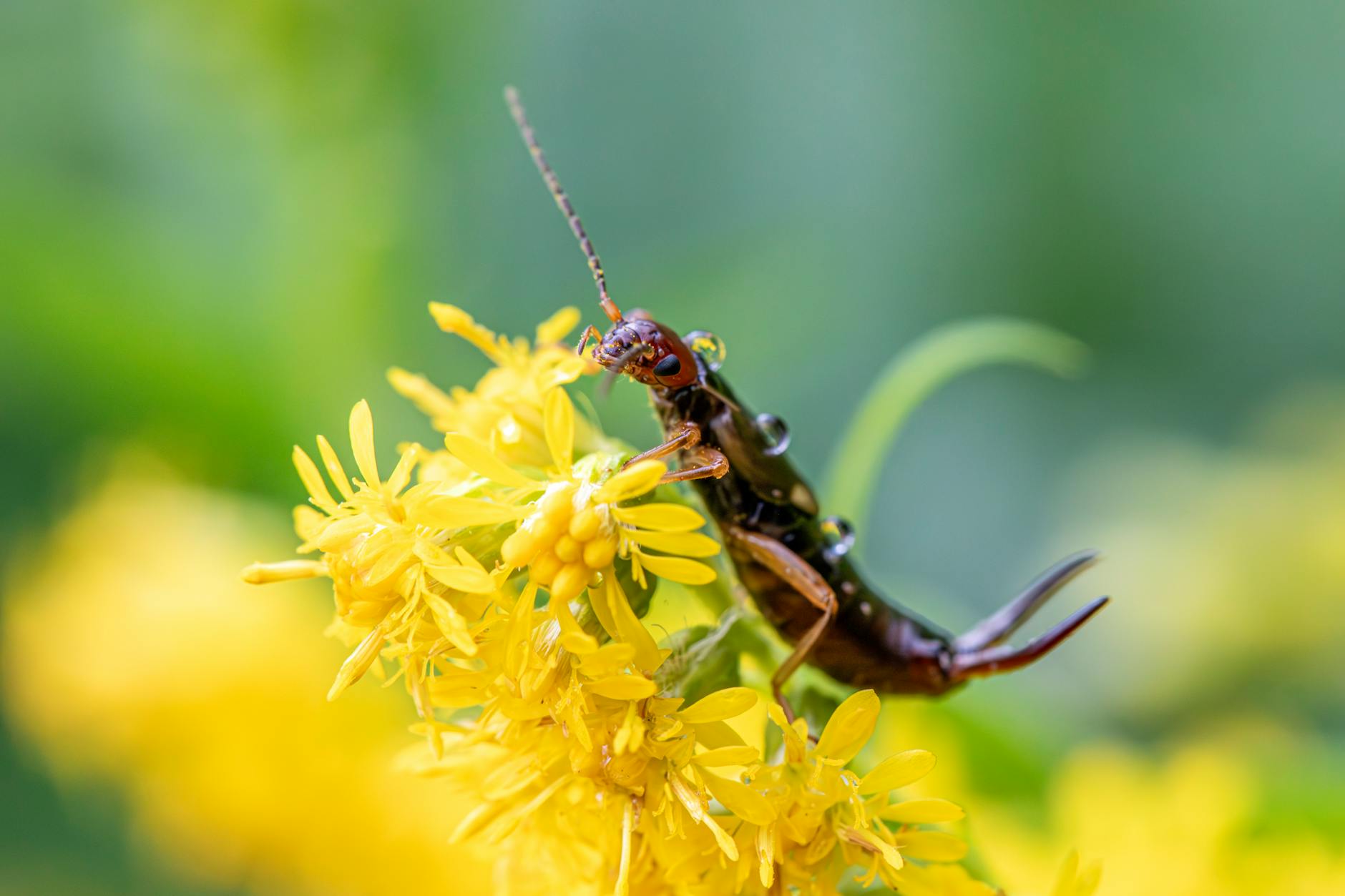
Despite their alarming appearance and the many myths surrounding them, earwigs are largely harmless to humans and genuinely beneficial in a domestic setting. They feed on aphids, mites, insect eggs and decomposing plant matter that would otherwise attract more destructive pests. Earwigs are particularly active at night and tend to stay near moisture-rich areas such as kitchens and plant pots kept near entryways. They play a quiet but consistent role in reducing populations of smaller insects that damage houseplants and stored organic material. Their pincers are used primarily for defense and mating rather than any interaction with people.
Ladybug
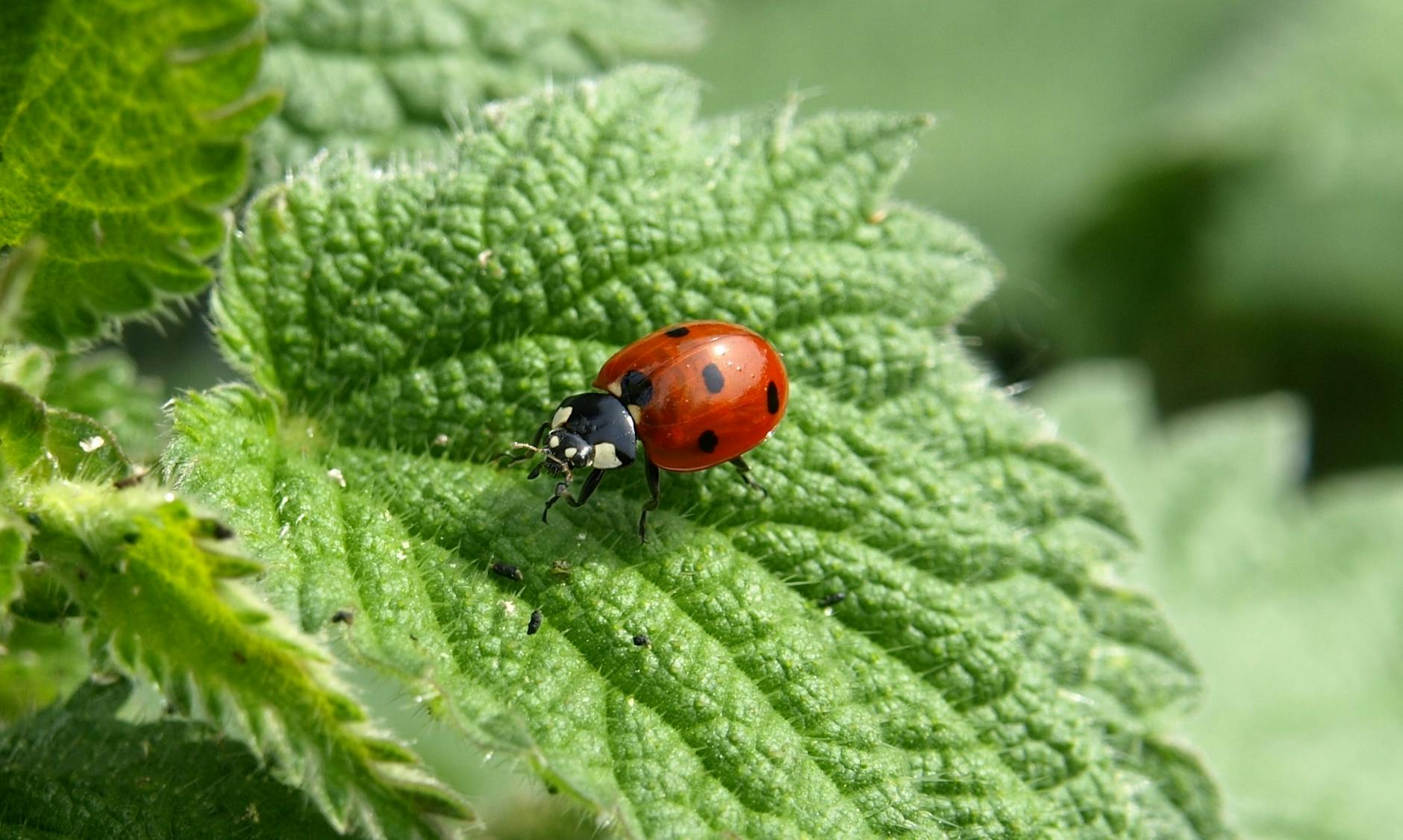
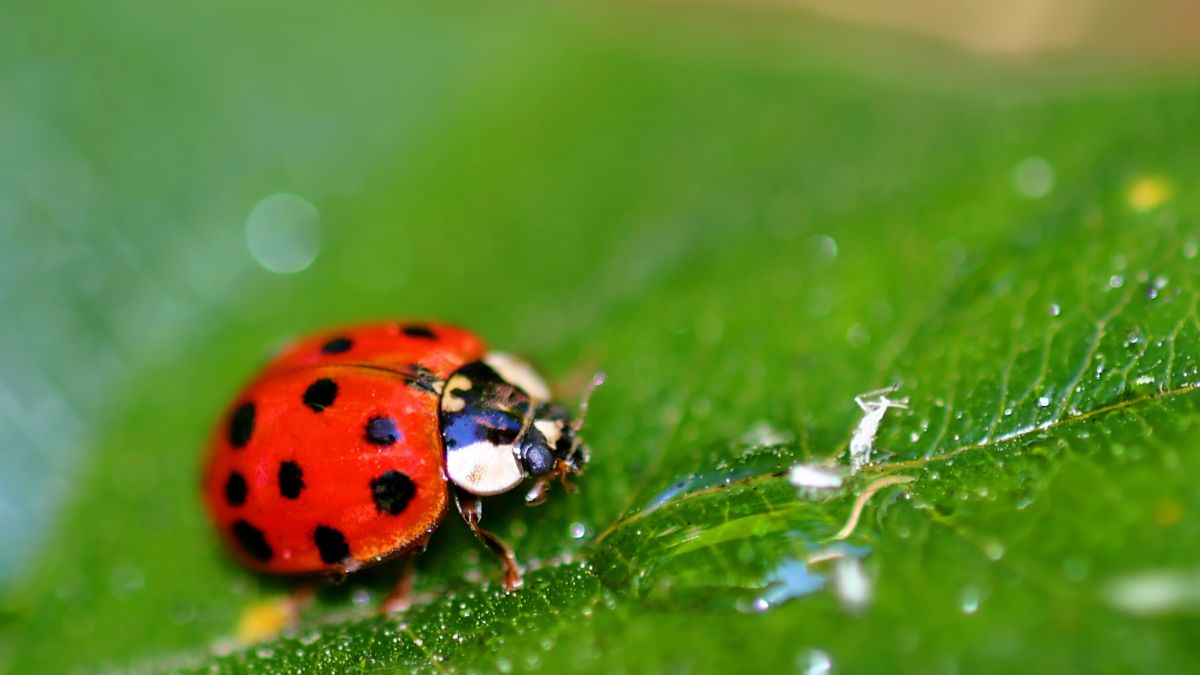
Ladybugs are widely recognized as garden heroes but their pest-control value extends directly into the home environment as well. A single ladybug can consume up to 5000 aphids over the course of its lifetime, significantly reducing infestations on indoor plants. They also feed on scale insects, mites and whiteflies, all of which can cause serious damage to houseplants and herb gardens kept on windowsills. They are completely harmless to humans, pets and household surfaces and require no intervention or feeding. Their bright coloring serves as a natural warning to predators rather than any signal of danger to people.
Jumping Spider
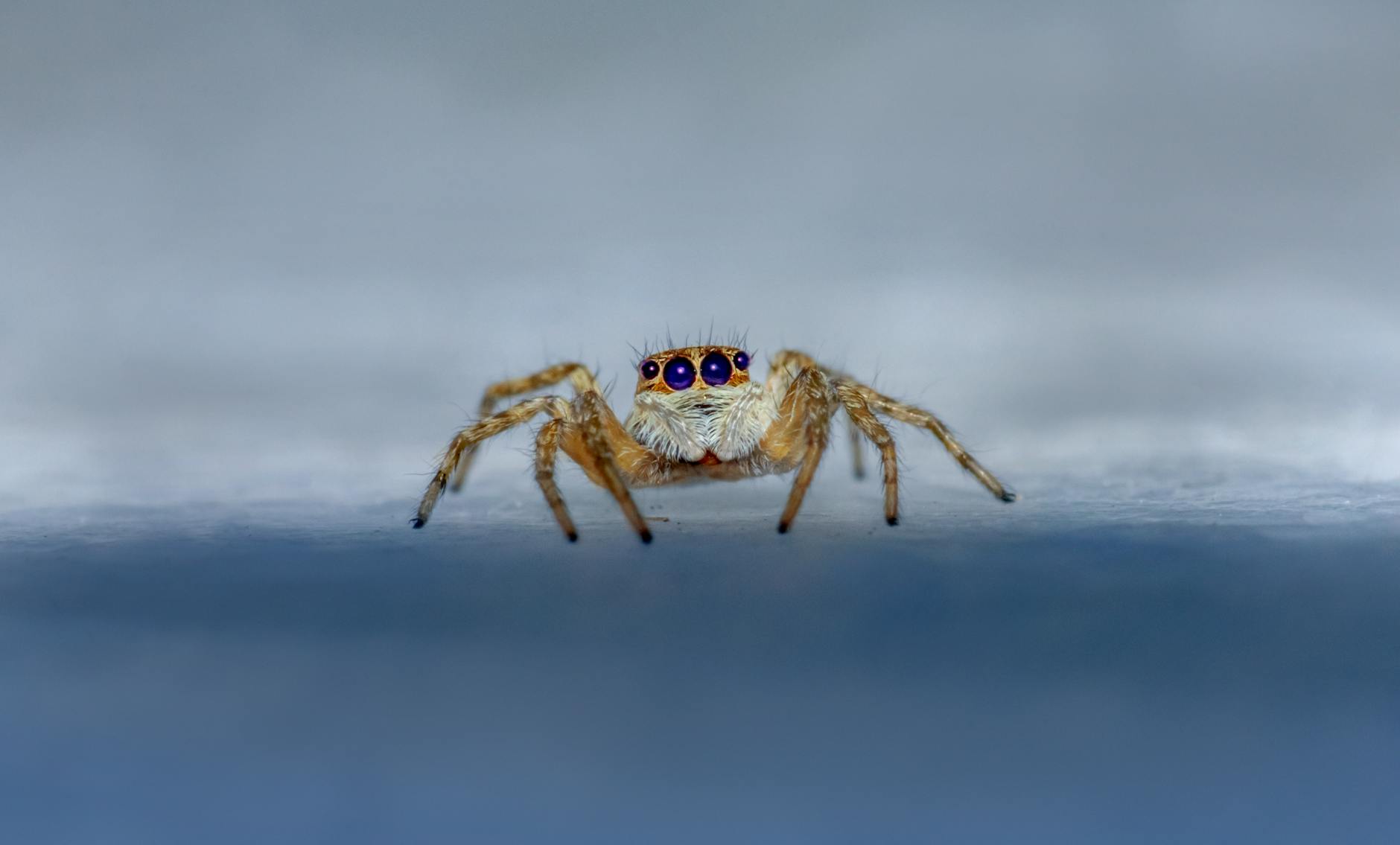
Jumping spiders are small and agile hunters with exceptional vision that makes them remarkably effective at locating and catching prey. They actively stalk and pounce on insects including mosquitoes, gnats, flies and even other spiders rather than relying on webs. Their curious and alert behavior is often perceived as friendly and they rarely bite humans even when handled gently. Research has shown that jumping spiders can identify and preferentially hunt mosquitoes that have recently fed on human blood, making them particularly valuable during warmer months. Their compact size allows them to operate in tight spaces where other predators cannot reach.
Praying Mantis
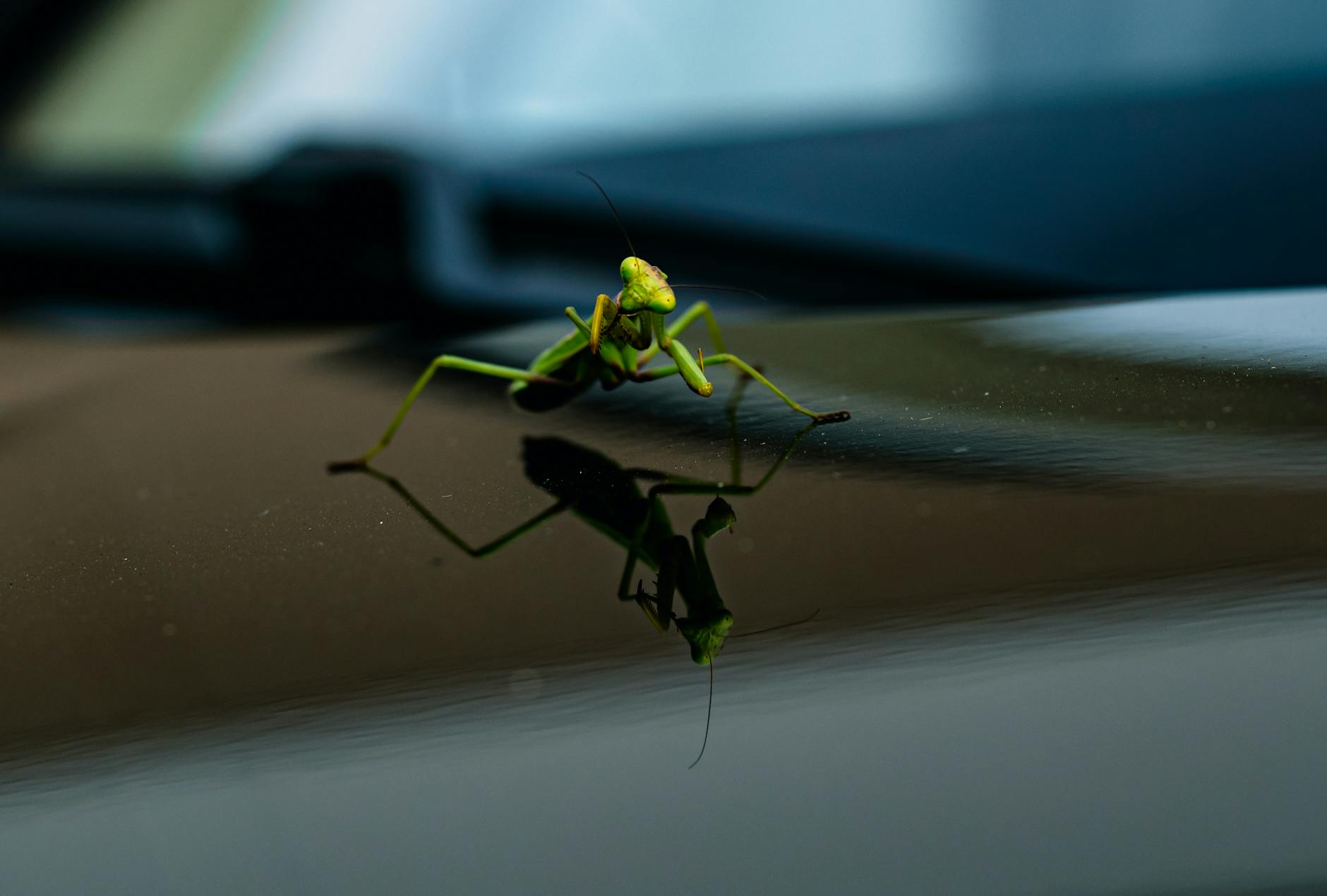
Praying mantises occasionally enter homes through open windows and doors, particularly during warmer months. They are highly efficient ambush predators that consume moths, flies, crickets and other insects in significant quantities. Their exceptional camouflage and patience allow them to remain stationary for extended periods before striking with precision. They cause no damage to any part of the home and have no interest in human food or structural materials. Encountering one indoors is widely considered a sign of a healthy surrounding ecosystem.
Wolf Spider
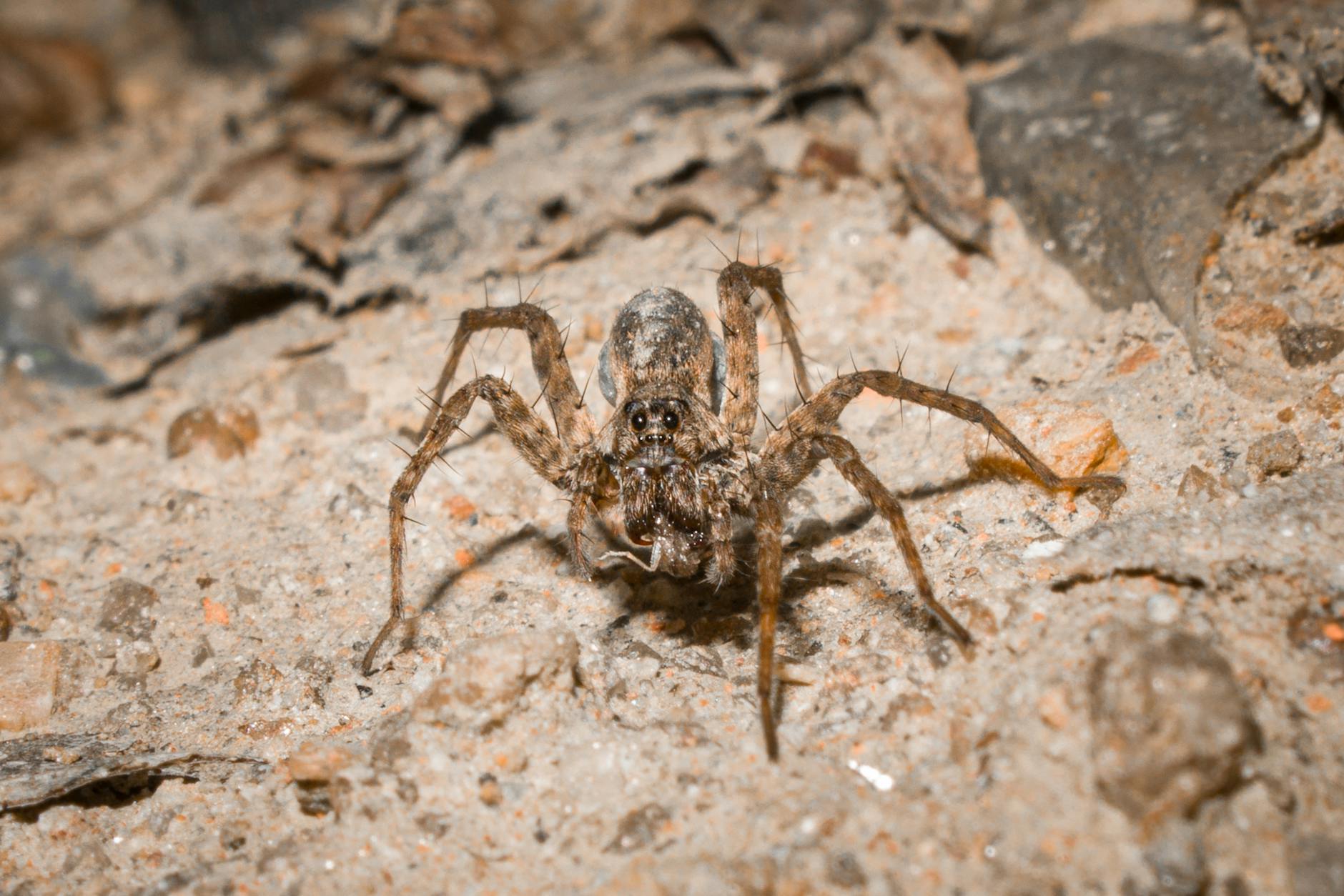
Wolf spiders are ground-dwelling hunters that do not spin webs and instead actively pursue their prey across floors and walls. They consume a broad range of insects including ants, cockroaches, earwigs and other spiders, making them highly versatile natural pest controllers. Their speed and sharp eyesight make them effective even in the low-light conditions typical of basements and utility rooms. While their large size can be startling, wolf spiders are not aggressive toward humans and will only bite as an absolute last resort. Their preference for solitary hunting means they rarely congregate in numbers that would cause any concern.
Assassin Bug
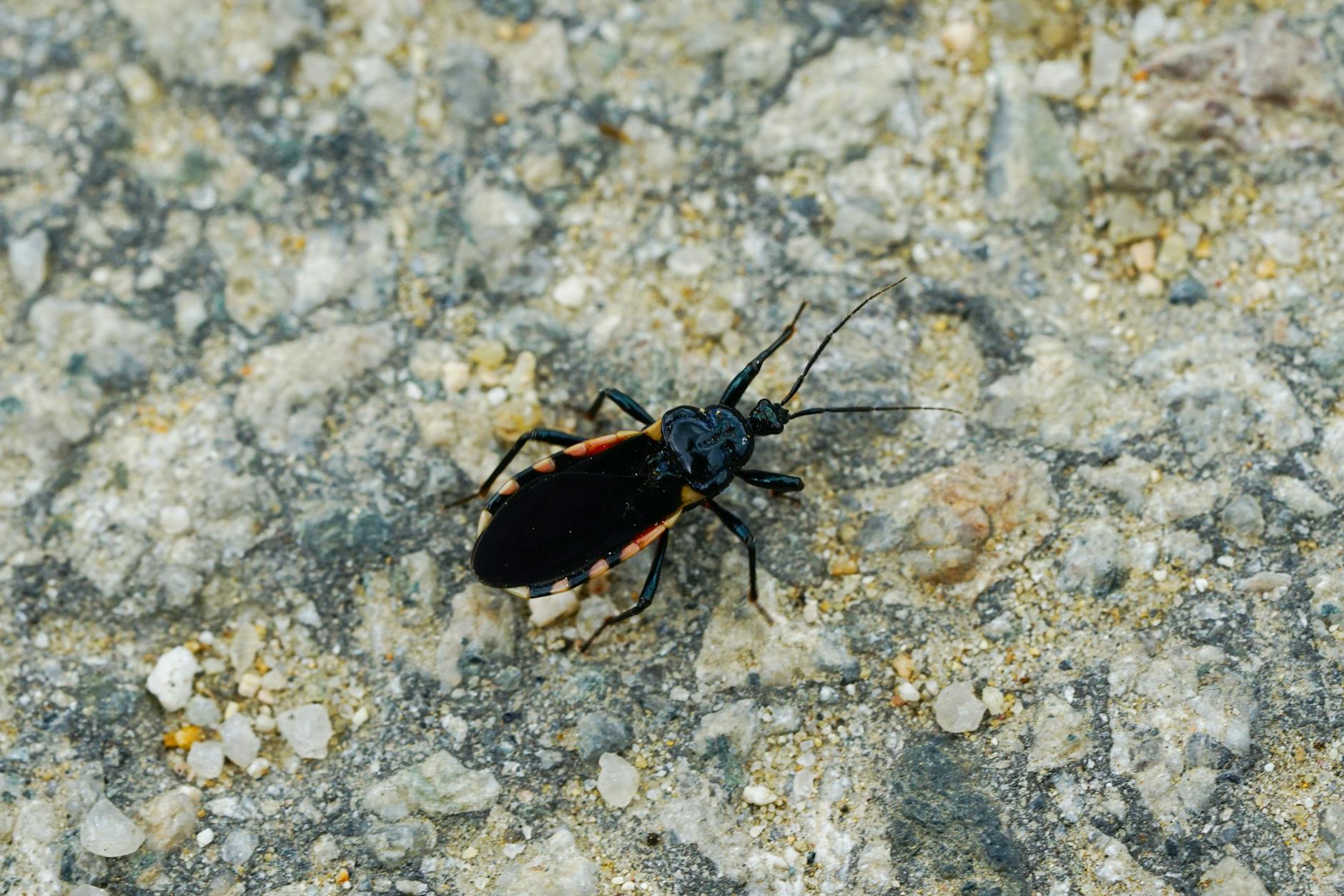
Assassin bugs are stealthy predators that target a wide variety of household and garden pests with remarkable efficiency. They use a pointed beak to inject a paralyzing substance directly into their prey before consuming it. Cockroaches, bed bugs, flies and caterpillars are all among the insects they are known to hunt indoors and in surrounding areas. They move slowly and deliberately and pose very little risk to humans unless they are squeezed or pressed directly against the skin. Their presence in a home signals active biological pest control at work without any chemical intervention required.
Harvestman
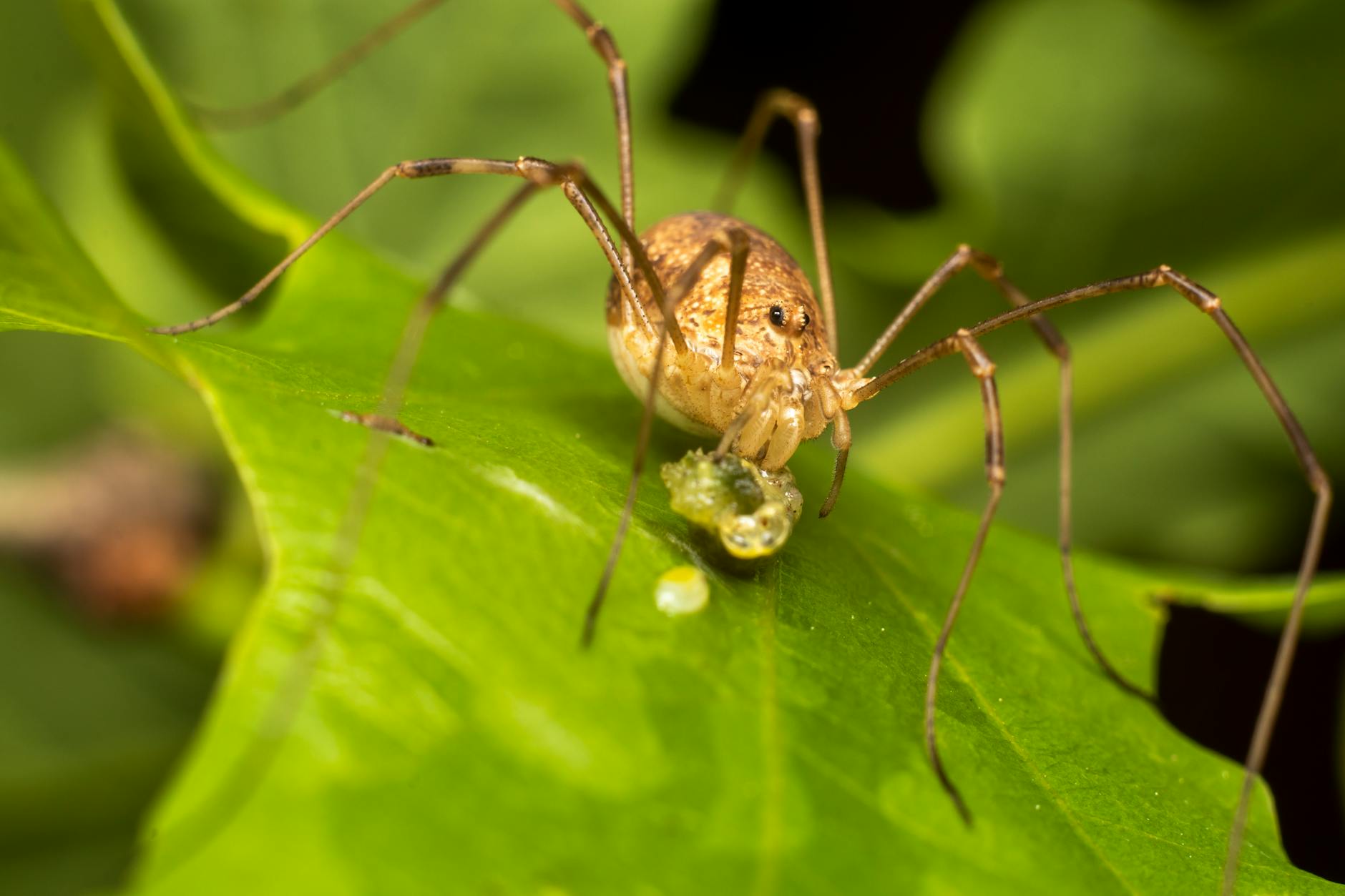
Harvestmen, commonly mistaken for spiders, are gentle scavengers that play a quiet but important role in the domestic ecosystem. They feed on dead insects, fungal matter, plant debris and occasionally small live prey, helping to remove decaying organic material from floors and surfaces. Unlike true spiders, they produce no venom and have no fangs capable of piercing human skin, making them entirely harmless. They tend to gather in cool and humid areas such as garages, cellars and beneath furniture where organic debris accumulates over time. Their scavenging behavior reduces the availability of food sources that would otherwise attract far more destructive pest species.
House Gecko
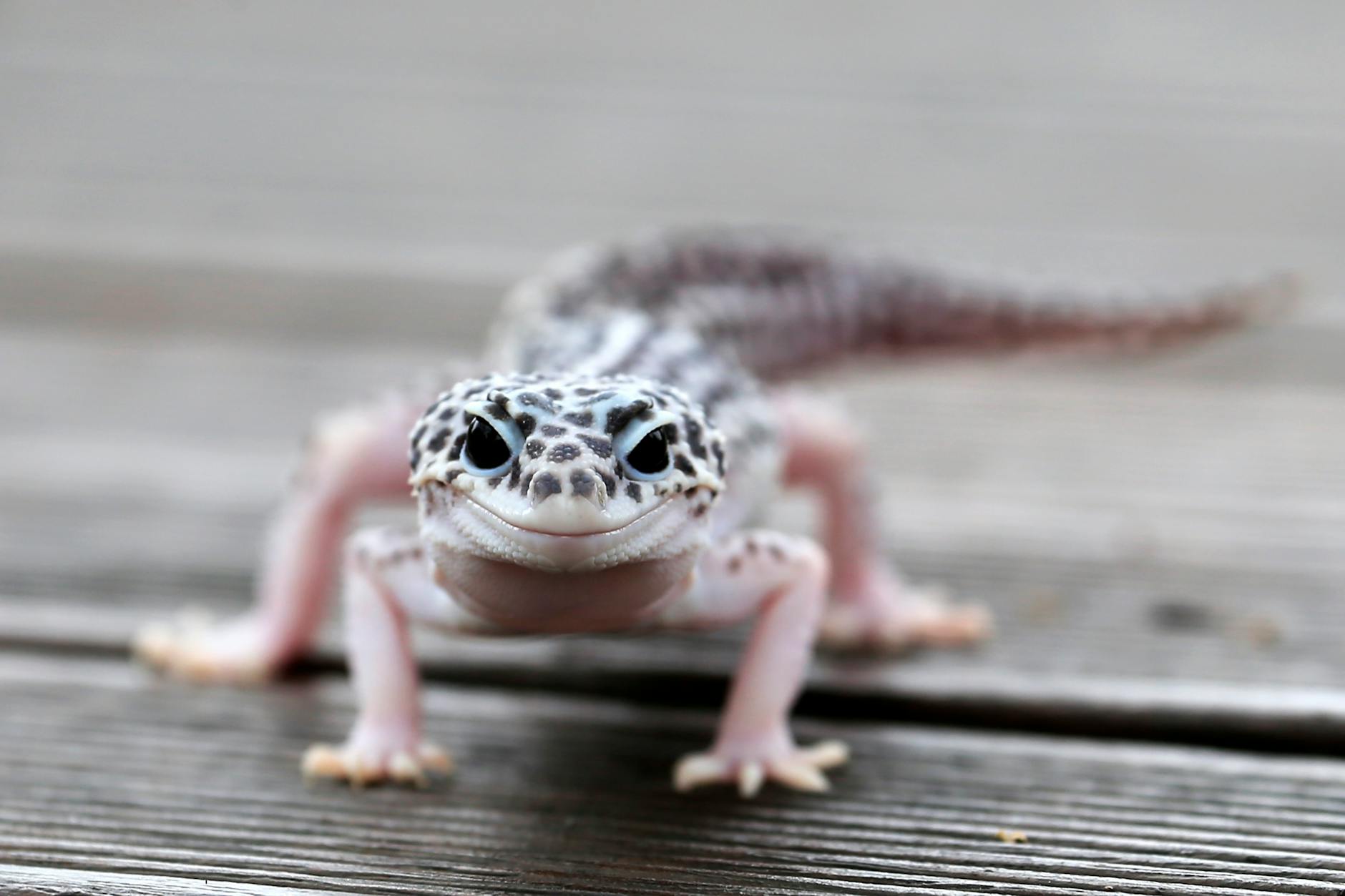
House geckos are small reptiles welcomed in many parts of the world specifically for their voracious appetite for household insects. They consume mosquitoes, moths, cockroaches, ants and a wide variety of flying insects that enter through windows and poorly sealed gaps. Their ability to climb walls and ceilings gives them access to insects in places that most other natural predators cannot reach. They cause no damage to surfaces, furniture or food supplies and pose no threat to humans or pets. In tropical and subtropical climates particularly, their presence is considered a highly reliable form of natural pest management.
Lacewing
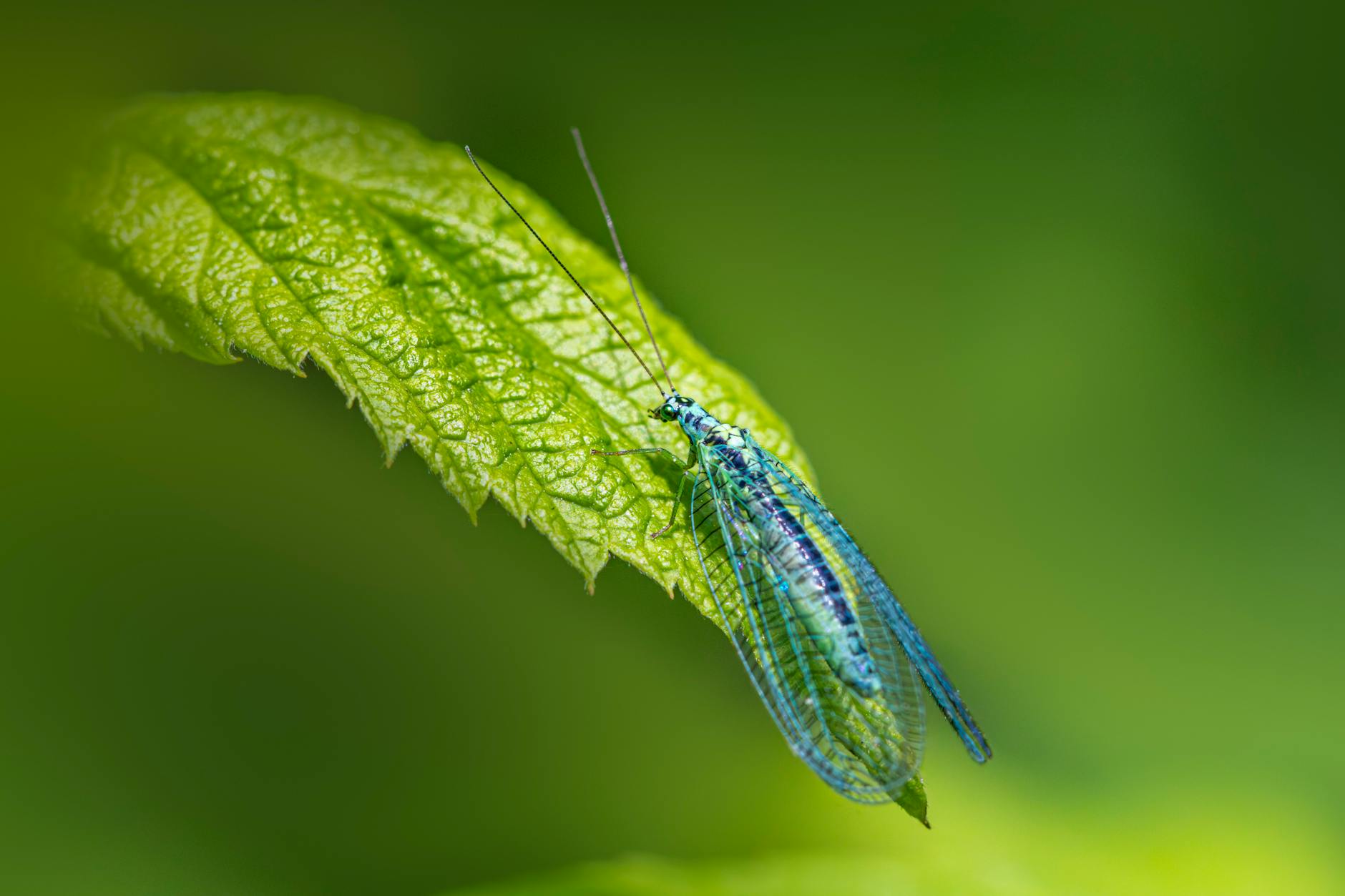
Lacewings are delicate-winged insects that drift into homes at night, attracted by interior lighting near open windows. In their larval stage they are fierce predators known to consume aphids, mites, thrips, whiteflies and the eggs of many destructive insects. A single lacewing larva can devour hundreds of pest insects before reaching adulthood, providing substantial pest control in a very short period. Adult lacewings are entirely harmless and feed only on nectar and pollen, making them non-destructive guests in any household. Their presence near indoor plants and windowsill herb gardens is particularly valuable for keeping soft-bodied pest populations under control.
If you have spotted any of these surprising home helpers in your own space, share your experience in the comments.




