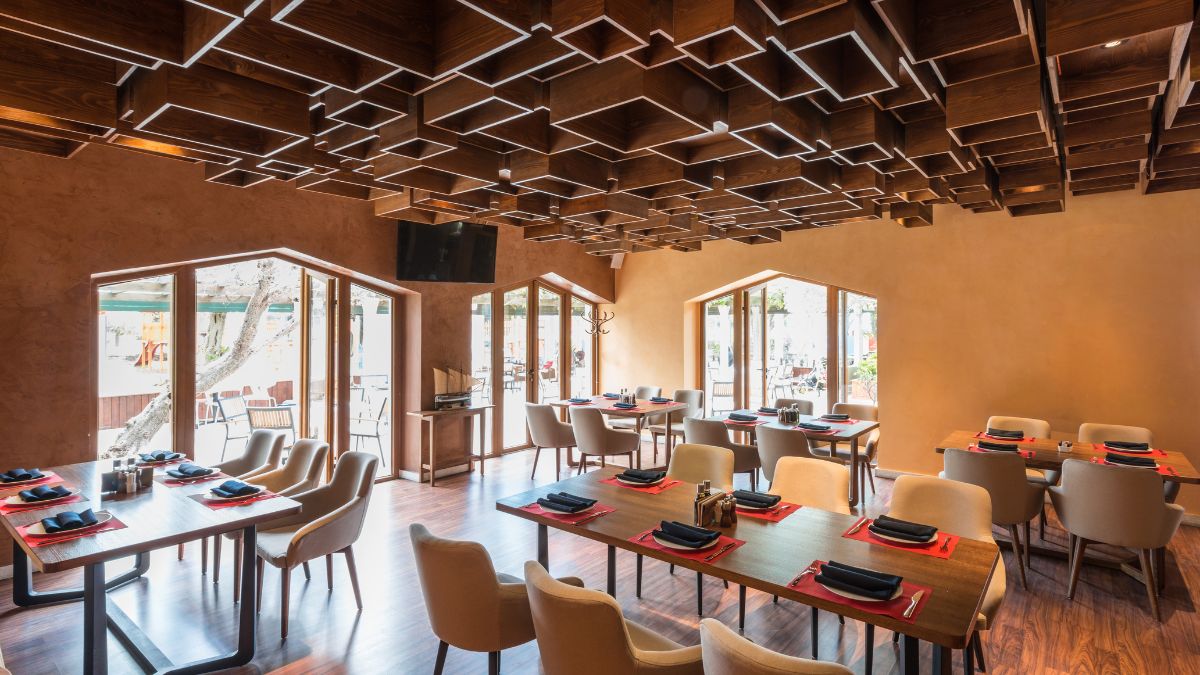
Walking into a small town restaurant can feel like stepping into a secret that only locals know. The best hidden gems rarely advertise themselves loudly and instead let their food and atmosphere speak for the quality inside. Knowing what to look for separates a forgettable roadside stop from a genuinely memorable meal. These subtle signals have been observed across countless beloved local establishments that consistently deliver outstanding plates. Here are 27 signs that a small town restaurant is quietly serving some of the best food around.
Parking Lot

A full parking lot during off-peak hours is one of the most reliable indicators of a genuinely beloved local spot. When cars fill the spaces on a Tuesday afternoon well outside of the lunch rush, it signals that people are making a deliberate trip rather than stopping out of convenience. Locals know the schedules of their favourite places and plan around them. A restaurant drawing steady traffic throughout the day has earned a loyal following through consistent quality.
Handwritten Menu

A handwritten or frequently updated menu signals that the kitchen is working with fresh and seasonal ingredients rather than frozen or pre-packaged goods. Menus that change regularly reflect a chef who responds to what is available locally and at peak quality. The effort of updating offerings frequently also suggests genuine investment in the dining experience. Laminated and unchanged menus from years past often tell a different story about kitchen priorities.
Local Trucks

When delivery trucks from nearby farms or regional suppliers are spotted parked at the back entrance, it is a strong indicator of a farm-to-table approach taken seriously. Chefs who build relationships with local producers are investing in ingredient quality at the source. These supplier relationships often result in produce and proteins that are noticeably fresher than what arrives through national distribution chains. Restaurants committed to sourcing locally tend to carry that same care through to every step of preparation.
Older Clientele

A dining room filled with older regular customers is a quiet but powerful endorsement of a restaurant’s quality and consistency. Long-time residents of a small town have decades of experience with every option available to them and do not waste meals on mediocrity. When grandparents bring their families to a particular spot, it reflects deep trust built over years of positive experiences. This demographic is among the most discerning and least influenced by trends or marketing.
No Background Music

A restaurant confident enough in its food to let the atmosphere speak without filler music often has nothing to prove beyond what arrives on the plate. The absence of curated playlists or television screens in the background suggests a focus on the dining experience itself. Guests tend to linger longer in these spaces, which reflects satisfaction with what they have been served. Silence or natural ambient sound signals that the kitchen believes the food is the entertainment.
Kitchen Sounds
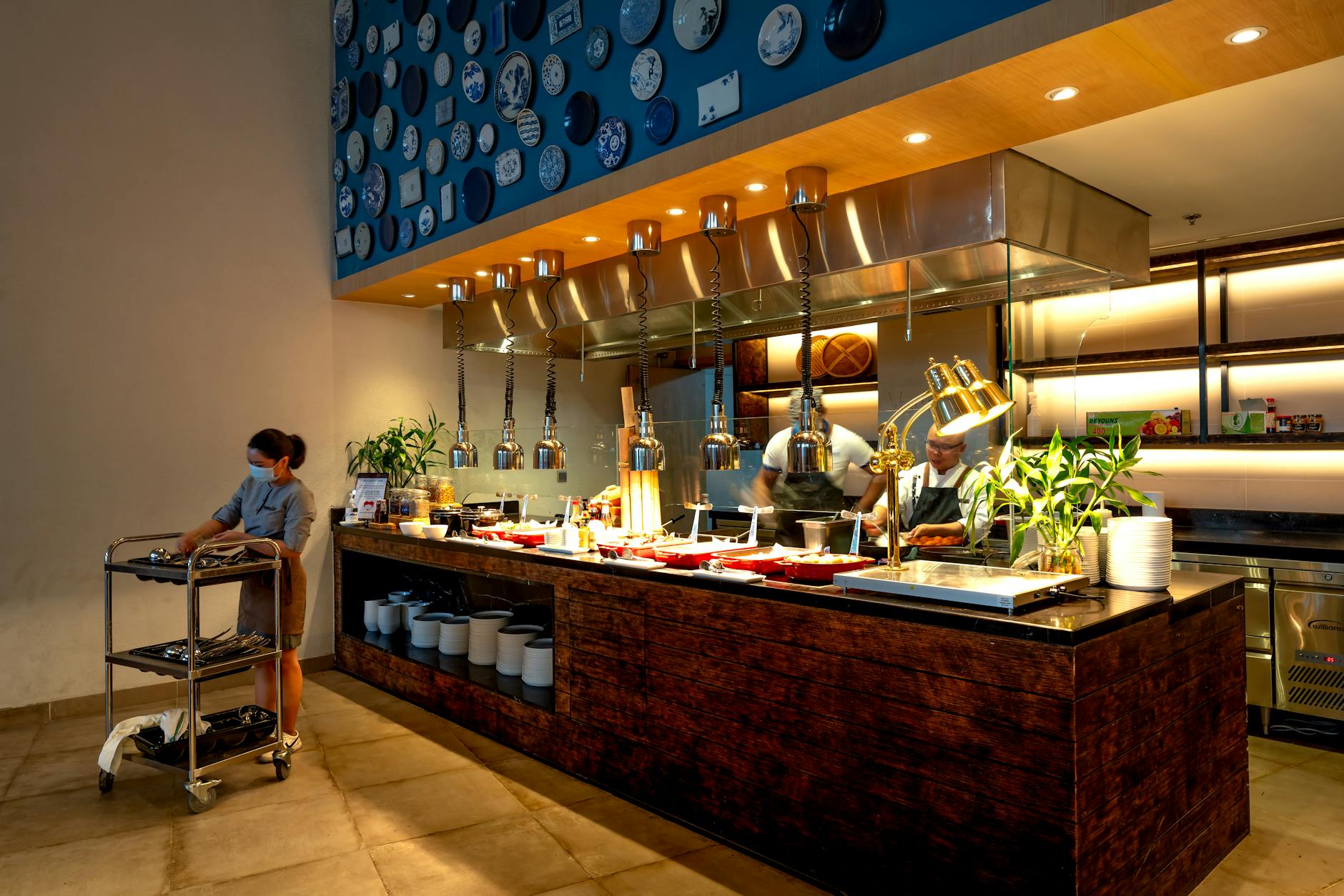
The sounds of active cooking filtering through from the kitchen indicate that food is being prepared fresh to order rather than reheated from batch preparation. The rhythm of a busy and working kitchen communicates that meals are not sitting under heat lamps waiting to be served. Experienced diners recognise the difference between a kitchen in motion and one that simply plates pre-made food. Audible cooking activity is a dependable sign of genuine culinary effort happening in real time.
One Specialty
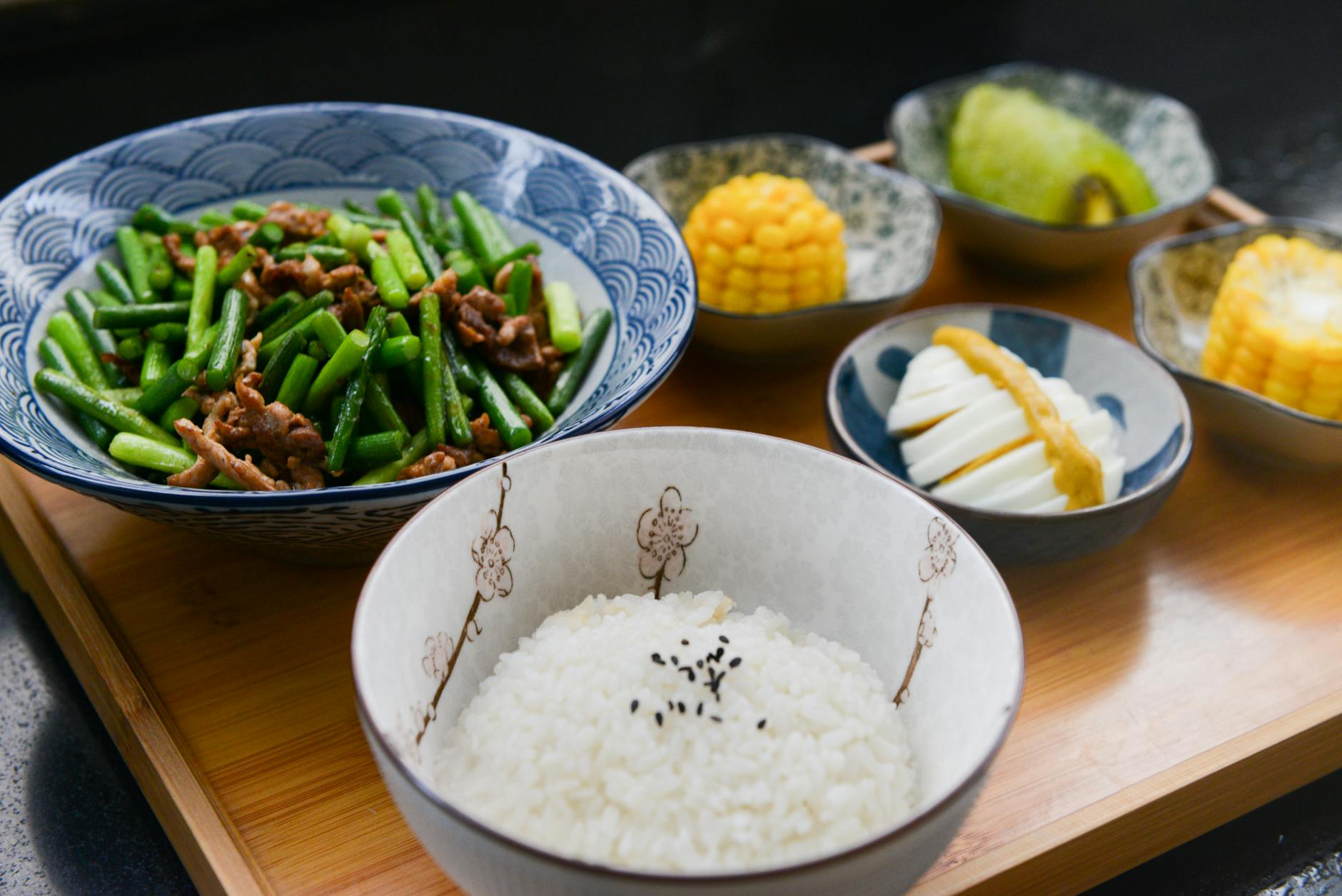
A restaurant that is known throughout the town for doing one or two things exceptionally well has likely spent years perfecting those dishes. Locals who consistently recommend a specific item are pointing to something that has been refined through repetition and feedback. A focused menu with clear strengths reflects a kitchen that understands its own identity. Establishments that try to offer everything to everyone often spread their quality too thin.
Worn Countertops
Physical wear on countertops, bar stools, and table surfaces tells the story of a place that has hosted many years of loyal customers. A well-worn interior is not neglect but rather evidence of consistent use over a long period of time. Establishments that have stood for decades in a small town have survived through quality rather than novelty. The patina of regular use speaks to a community that has chosen to return again and again.
Regulars Greeted
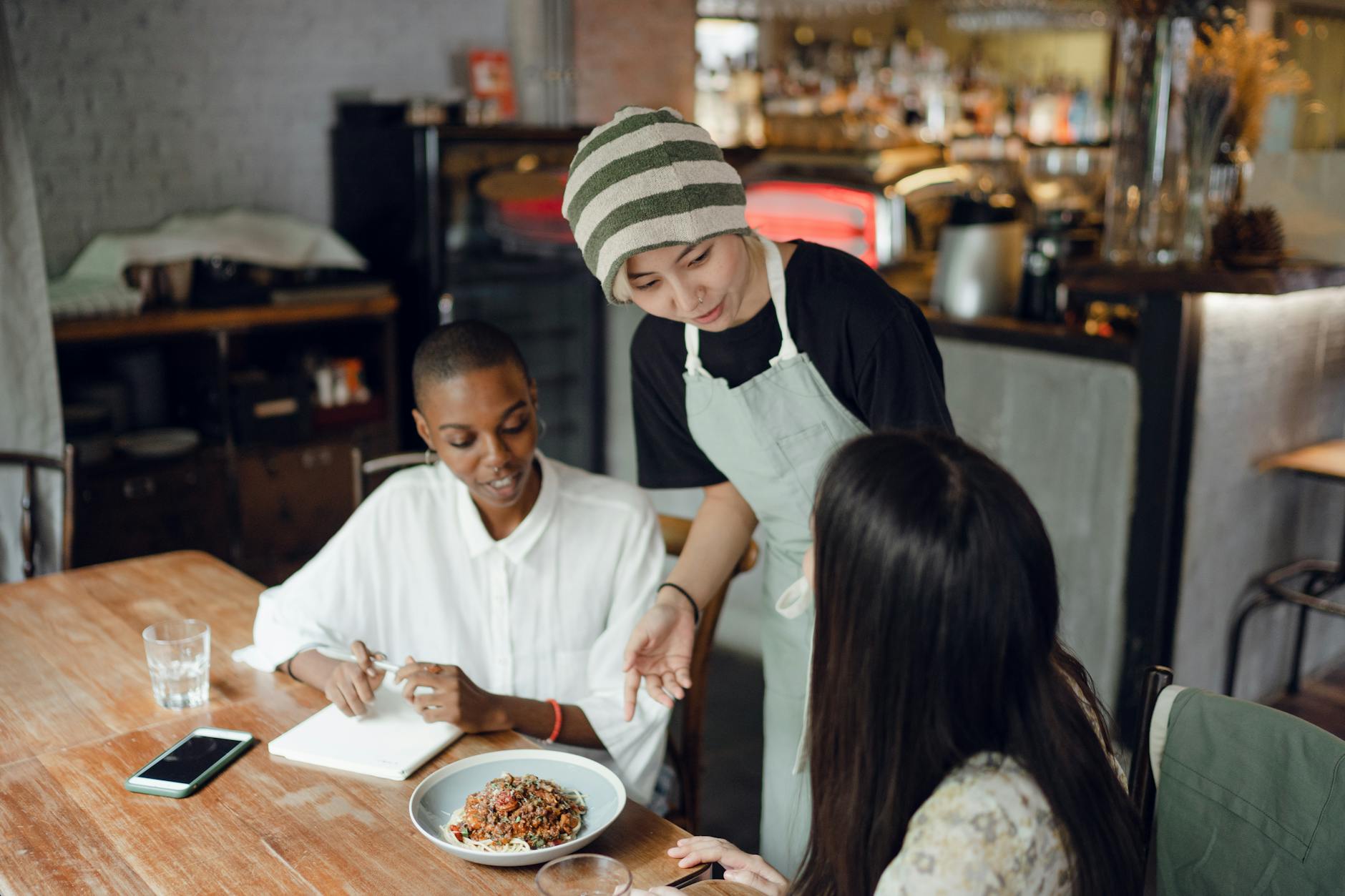
When staff greet arriving customers by name without prompting, it reflects a level of community connection that only consistent quality can sustain. A restaurant where the owner or servers remember personal preferences and usual orders has cultivated deep loyalty through attentiveness. This familiarity suggests guests return frequently enough that faces and names become known. A business where this kind of personal recognition is common has embedded itself into the daily life of its town.
Bread Basket
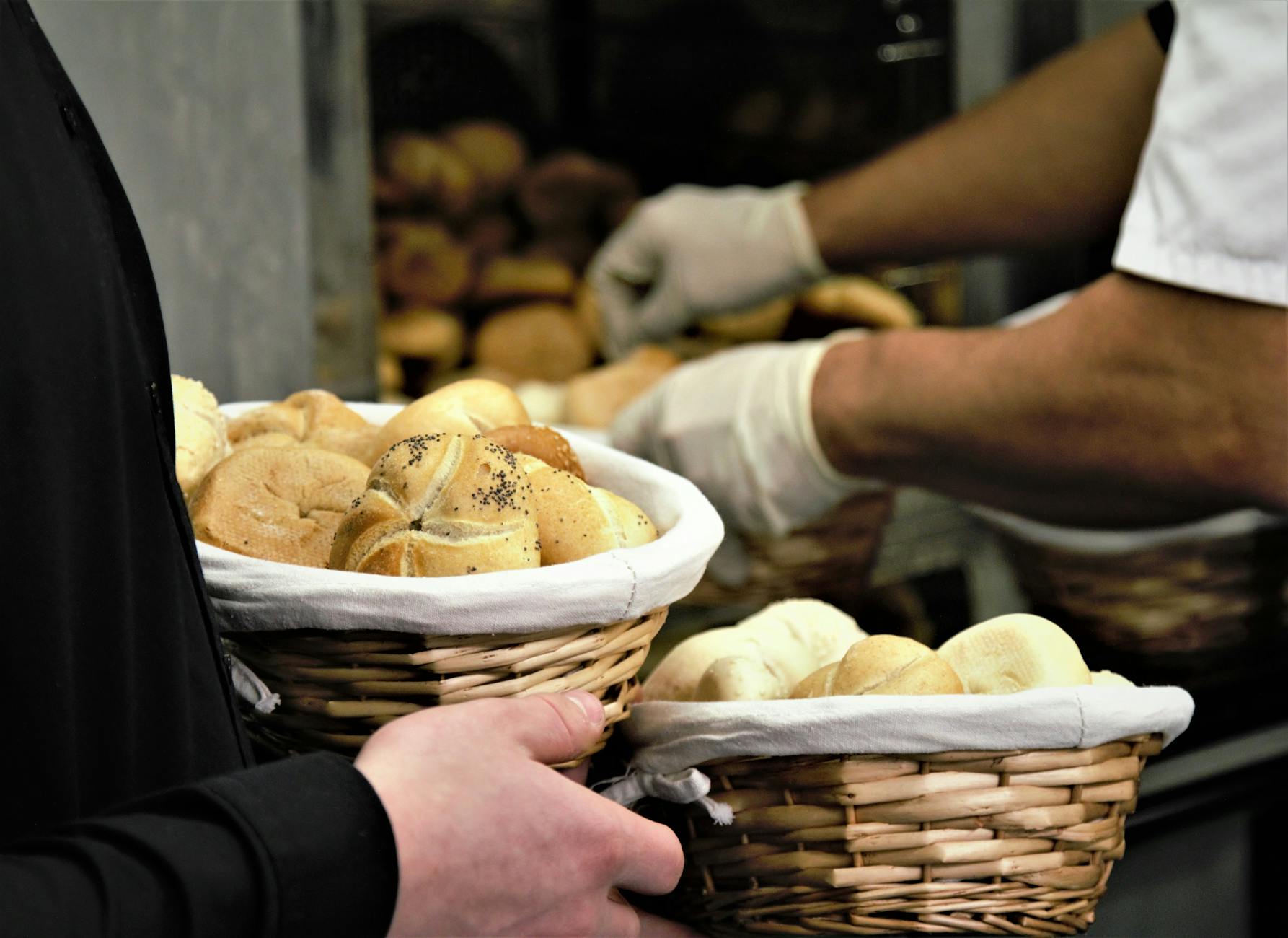
When a bread basket arrives at the table made in-house and warm from the oven, it sets a clear standard for what is coming next. Restaurants that invest the time and skill into baking their own bread are demonstrating a commitment to craftsmanship from the very first bite. The texture and flavour of house-made bread is immediately distinguishable from commercially supplied alternatives. A kitchen that cares about bread usually cares about everything else in equal measure.
Chalkboard Specials

A chalkboard featuring daily specials written in a natural and undesigned hand suggests that the chef is responding creatively to available ingredients rather than following a fixed corporate template. Specials that change with the day or week point to a kitchen that is engaged and inventive. When these offerings reflect seasonal availability or local bounty, they add further credibility to the restaurant’s sourcing practices. A chalkboard that is actually updated rather than decorative is a meaningful distinction.
Local Produce
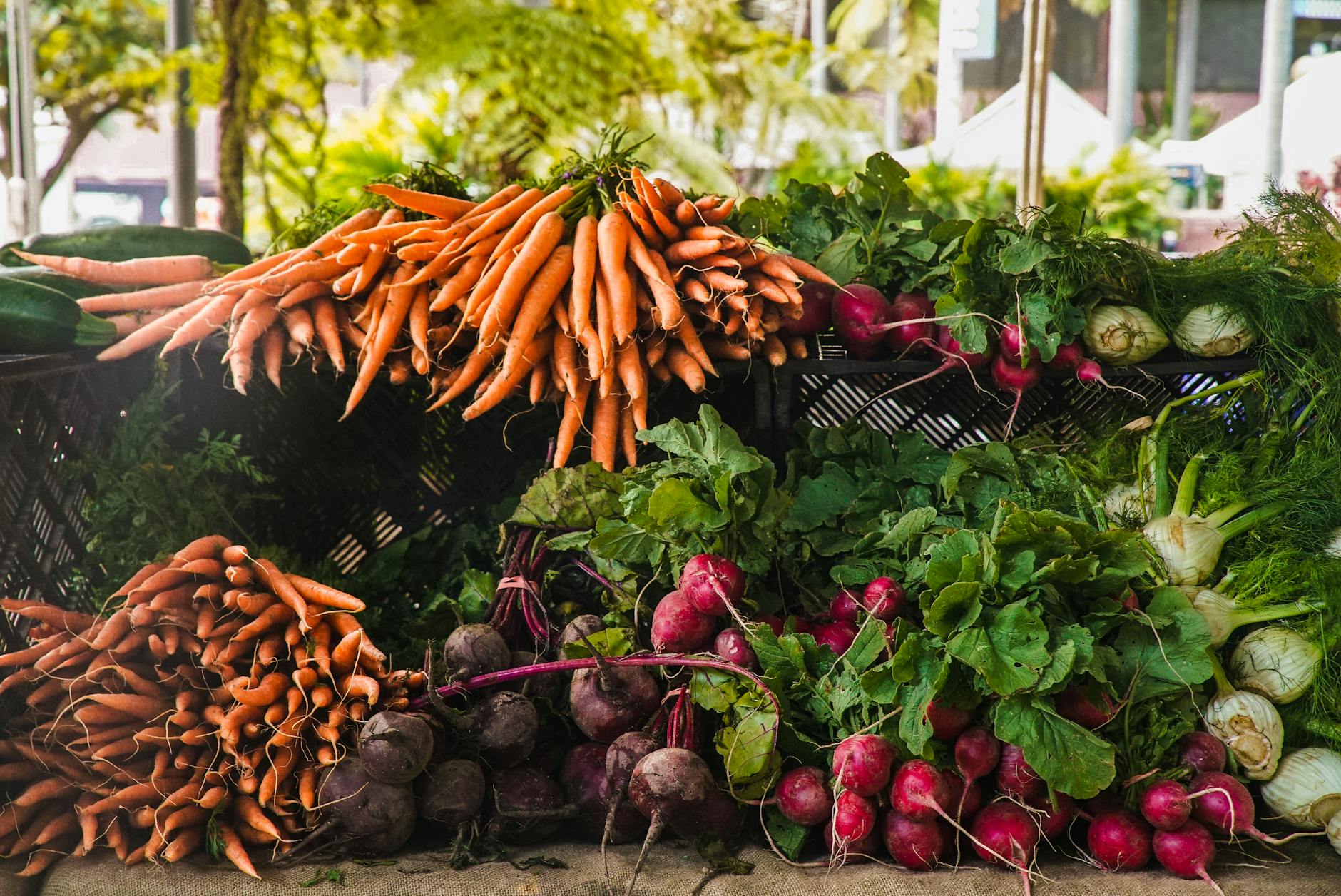
Visible crates or signage indicating the use of locally sourced produce connect the restaurant directly to the agricultural community surrounding it. Chefs who name the farms they work with on menus or walls are proud of those relationships and hold them as a point of distinction. Ingredients that travel short distances arrive fresher and require less preservation treatment. This proximity to the source almost always results in a flavour advantage that diners can detect even if they cannot explain it.
Long Hours

A restaurant that maintains long and consistent opening hours without reducing them is demonstrating financial stability built on genuine demand. Establishments that can sustain morning through evening service in a small town are doing so because the community supports them reliably. Shortened hours or irregular schedules can indicate struggles that quality-driven places rarely face. A full day of service across multiple seatings signals a kitchen and front-of-house team operating with confidence.
James Beard

A James Beard Award nomination or recognition of any kind listed quietly on a wall or in a window is a meaningful credential in the culinary world. This distinction is awarded based on merit and peer recognition rather than advertising spend or social media presence. Small town restaurants that carry this acknowledgement have been noticed by the broader food community for exceptional work. It is one of the few external signals that holds consistent weight across the industry.
Community Photos

Walls decorated with photographs of local events, sports teams, and familiar faces indicate that the restaurant functions as a genuine community gathering place. Establishments that have embedded themselves in the social fabric of a town are held to a higher standard by the very people pictured on those walls. A restaurant that the community chooses to celebrate alongside its own milestones has earned a deep and personal kind of loyalty. This social function almost always correlates with a kitchen that takes pride in what it produces.
Seasonal Menu
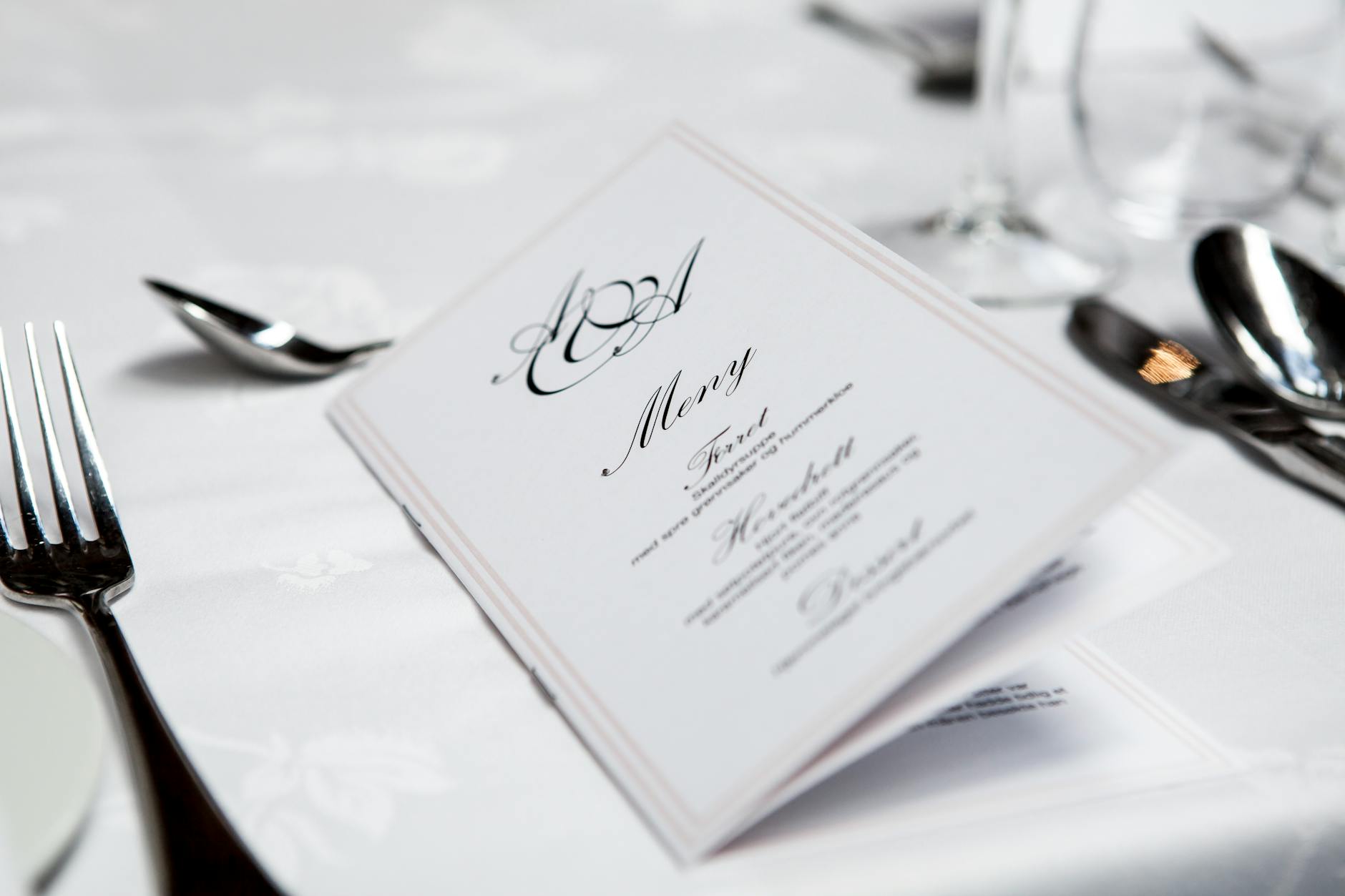
A menu that visibly changes between seasons reflects a kitchen philosophy grounded in working with ingredients at their natural peak. Dishes built around what is abundant and ripe in a given month will consistently outperform those relying on produce available year-round through industrial supply chains. Seasonal menus also require a kitchen capable of adapting and retraining rather than following a static recipe book. This flexibility is a marker of genuine culinary skill and commitment to quality.
Glass Water

When water is served in real glass rather than plastic cups without being requested, it signals a level of hospitality that extends to the details most restaurants overlook. Attention to small touches like proper glassware indicates that the dining experience has been considered holistically. Restaurants that invest in quality service materials tend to apply the same standard of care to their ingredients and preparation. These details accumulate into an overall experience that feels elevated without being pretentious.
No Coupons

A restaurant that never offers discount coupons or group-deal promotions is signalling confidence in the full value of what it provides. Establishments that rely on coupons to drive traffic are often compensating for inconsistency or a lack of organic loyalty. A full dining room achieved without discounting reflects genuine demand and a customer base that considers the price worth paying without incentive. This financial model is only sustainable when the food is reliably excellent.
Fogged Windows

Fogged or steamed windows visible from the outside indicate a dining room at full capacity with active cooking happening inside. This kind of visual warmth draws in passing visitors who intuitively associate a busy interior with a desirable experience. A restaurant that consistently generates this effect is operating at a level of demand that speaks for itself. Empty and brightly lit rooms with clear windows often tell a different and less encouraging story.
Homemade Desserts

Desserts listed as homemade or made in-house rather than sourced from an external supplier reflect a kitchen willing to commit time to every course. The quality gap between a dessert made from scratch on the premises and one delivered pre-made from a distribution centre is considerable. A kitchen that sees dessert as worthy of the same effort as the main course demonstrates a comprehensive approach to the meal. Guests who finish a meal on a strong homemade note tend to remember the experience more favourably.
Known Chef

When the chef or owner is a recognised figure in the local community rather than an anonymous employee, accountability for the food becomes personal. A proprietor whose name and reputation are directly tied to the quality of every plate leaving the kitchen has strong motivation to maintain standards. Locals who know who is cooking and can speak directly to that person create a feedback loop that benefits consistency. This personal connection to the food is rarely found in chain or franchise environments.
No Reservations
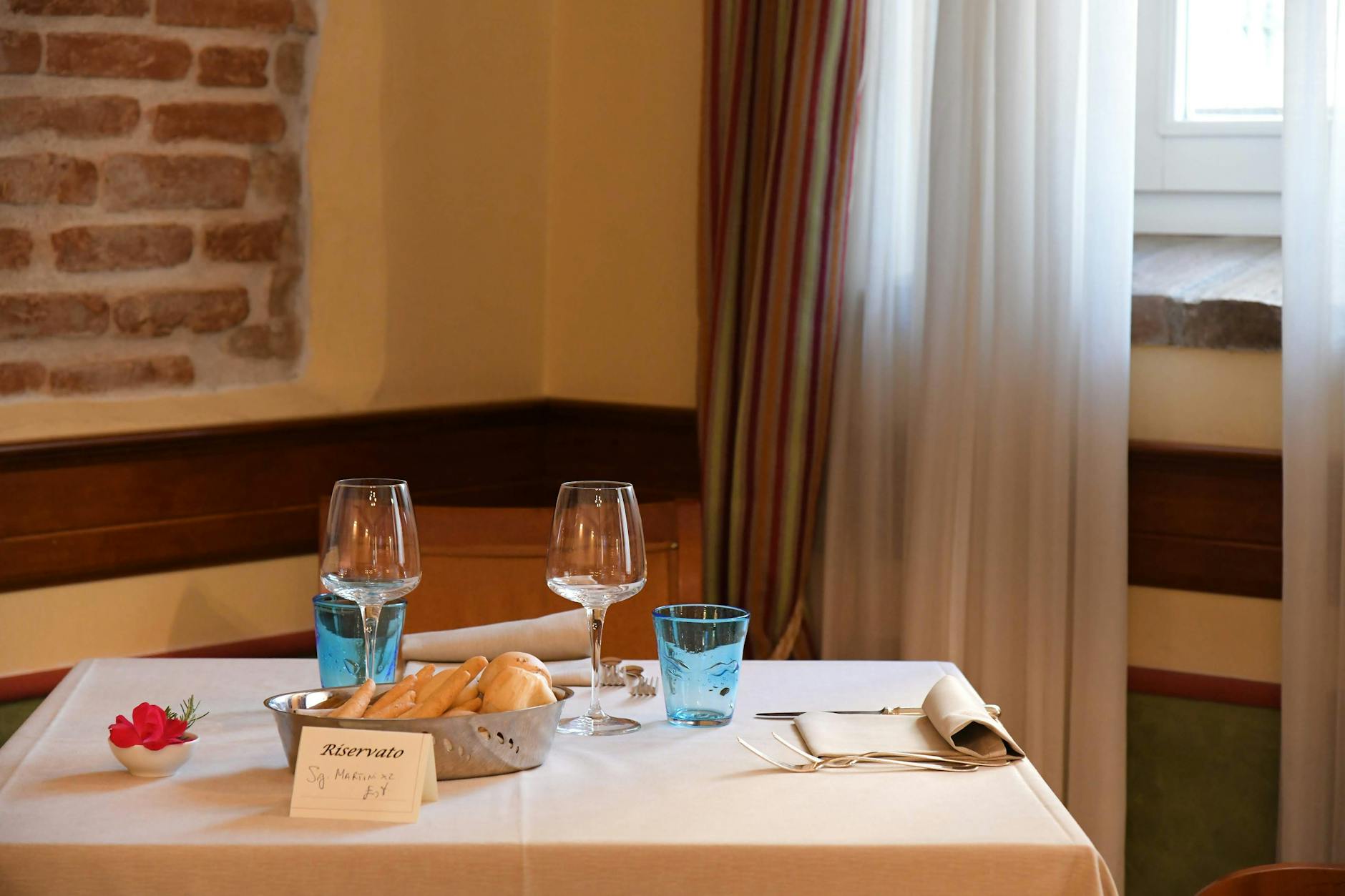
A no-reservations policy at a consistently busy restaurant signals confidence that demand will fill the room without pre-booking. Restaurants that operate this way are often doing so because walk-in traffic from loyal regulars is sufficient to sustain service. The casual and accessible nature of this approach also reflects a focus on community dining rather than a formal or performative experience. Queues forming outside a no-reservation spot are among the clearest endorsements a small town restaurant can display.
Coffee Quality
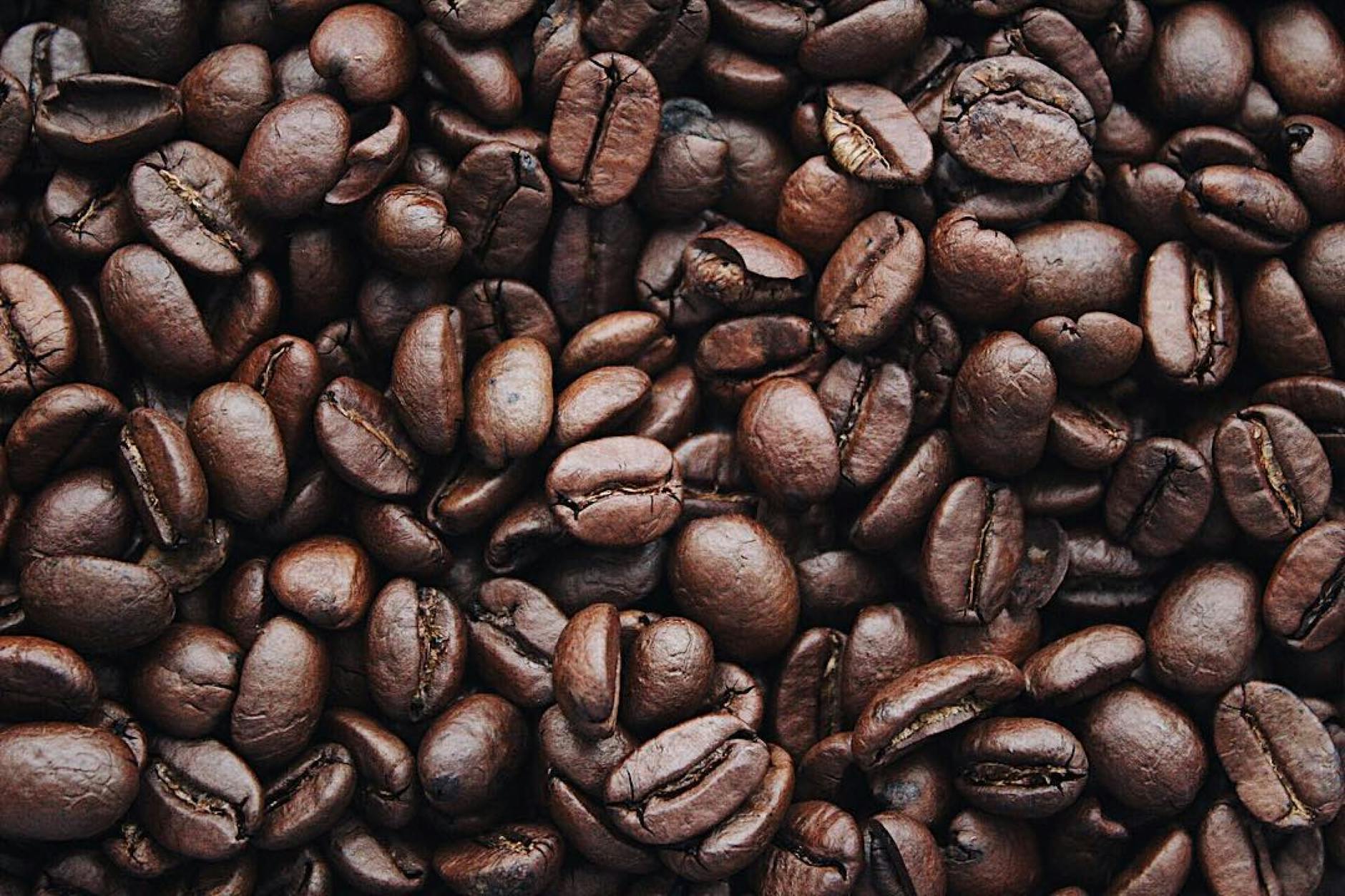
The quality of coffee served in a small town restaurant reveals a great deal about the kitchen’s attention to detail across every element of the menu. An establishment that sources quality beans and trains staff to brew them properly is applying the same standard of care to its beverages as to its food. Strong and well-made coffee is an inexpensive upgrade that restaurants committed to quality make without hesitation. A poor cup served alongside an otherwise excellent meal can undermine the overall impression in a way that is easily avoided.
Word of Mouth

A restaurant that operates without a social media presence or advertising budget and still draws steady customers is surviving entirely on word of mouth. This is among the most credible forms of validation available to any food establishment because it is driven purely by guest experience. Recommendations passed between friends and neighbours carry a weight that no marketing campaign can replicate. A place that has built its reputation through conversation alone has earned trust through performance rather than presentation.
Local Newspaper

A framed review or mention from the local newspaper displayed near the entrance indicates that the restaurant has been recognised within its own community by those who cover it seriously. Local journalism covering food tends to reflect genuine community standing rather than sponsored content or algorithmic promotion. A positive review from a regional publication carries the credibility of a writer who understands the local context and has eaten broadly within it. This kind of recognition is earned through consistent output over time.
Cash Only

A cash-only payment policy in a small town restaurant often reflects an older and more independent business philosophy rooted in simplicity and direct transaction. Establishments operating this way have frequently built their reputation over many decades without needing to adapt to digital payment trends. The willingness of loyal customers to arrive prepared with cash is itself a measure of how much the food is valued. A line at the ATM outside a cash-only spot is one of the most telling signs that what waits inside is worth the extra step.
Line Outside

A visible queue forming outside before the doors have opened indicates demand that exceeds what the space can accommodate without planning. Guests willing to wait in line before service begins have made a deliberate and informed choice based on past experience or strong recommendation. A restaurant that inspires this kind of anticipation in a small town has achieved something genuinely remarkable. The wait itself becomes part of the story guests carry with them long after the meal is finished.
Share the subtle signs you have noticed at your favourite small town restaurant in the comments.




