Walking down the aisle represents the beginning of a complex journey rather than a fairy tale ending. Couples often enter marriage with idealized expectations that fail to account for the practical and emotional labor required to sustain a lifelong partnership. Understanding the stark realities of long-term commitment helps individuals navigate the inevitable challenges with resilience and grace. These essential truths shed light on the unglamorous yet foundational aspects of building a life together.
Love Is A Daily Choice

The feeling of romantic love will not sustain a relationship on its own without conscious effort. You must wake up every morning and actively decide to love your partner despite their flaws or the current circumstances. There will be days when you do not feel affection and those are the days when commitment matters most. Relying solely on emotion leads to instability when the initial spark naturally evolves into something quieter. True partnership requires prioritizing the union even when the feelings fade temporarily.
You Cannot Change Your Partner

Many people enter marriage believing they can mold their spouse into a better version of themselves over time. This belief is a recipe for frustration because fundamental personality traits rarely shift significantly in adulthood. Accepting your partner exactly as they are is the only path to genuine peace within the home. Focusing on your own growth is far more effective than attempting to manage the behavior of another adult. You must decide if you can live with their quirks forever before saying I do.
Boring Days Are Normal

Movies and social media portray marriage as a constant stream of excitement and romantic gestures. The reality involves a significant amount of mundane tasks like paying bills and cleaning the house. Learning to find contentment in the quiet and uneventful moments is crucial for long-term happiness. If you expect constant entertainment you will likely find yourself feeling unfulfilled and restless. A stable marriage is often built on the reliability of boring routines.
Arguments Will Happen Repeatedly

Couples often find themselves having the same disagreement over and over again for years. These cyclical arguments usually stem from core personality differences or deeply held values that do not align perfectly. The goal is not to eliminate these conflicts but to manage them without disrespect or contempt. Learning to navigate these perpetual problems is more important than trying to solve the unsolvable. Successful couples learn to humor their differences rather than letting them destroy the peace.
Intimacy Fluctuates Wildly

Sexual desire does not remain constant throughout the duration of a long marriage. Stress and fatigue or health issues will inevitably impact the frequency and quality of physical intimacy. There will be seasons of intense passion followed by dry spells that can last for months. Couples must learn to maintain an emotional connection even when the physical aspect is dormant. Understanding that this ebb and flow is natural prevents unnecessary panic and insecurity.
In-Laws Become Permanent Figures

When you marry a person you are also marrying their entire family and their history. Boundaries with parents and siblings must be established early to prevent intrusion and resentment. You may not always like your extended family but you must learn to coexist with them respectfully. Your partner will always have a bond with their parents that is distinct from their bond with you. Navigating these family dynamics requires patience and a united front as a couple.
Money Changes Relationships

Financial stress is one of the leading causes of divorce because it impacts every aspect of daily life. Spenders and savers often attract each other but their opposing views can lead to intense conflict. You will have to have uncomfortable conversations about debt and spending habits and long-term goals. Transparency regarding finances is non-negotiable for building trust and security. Merging two financial lives requires compromise and a shared vision for the future.
Listening Is A Skill

Most people listen with the intent to reply rather than the intent to understand their partner. True active listening requires putting aside your own defensive reactions to validate the other person’s feelings. It is incredibly difficult to remain silent and attentive when you feel attacked or misunderstood. Mastery of this skill prevents minor misunderstandings from escalating into major blowouts. You must practice hearing the emotion behind the words rather than just the words themselves.
Resentment Builds Silently

Unspoken grievances are dangerous because they accumulate over time like a slow poison. Small annoyances that are ignored in the beginning can eventually turn into deep-seated bitterness. It is vital to address issues as they arise rather than sweeping them under the rug to keep the peace. Once resentment takes hold it becomes very difficult to restore the original affection and trust. Open and honest communication is the only preventative measure against this silent erosion.
You Will Feel Lonely Sometimes

Marriage does not cure loneliness and you can feel isolated even when lying next to your spouse. There will be moments when your partner cannot understand your internal experience or emotional needs. Relying on one person to fulfill every social and emotional void is an impossible burden to place on them. You must maintain a sense of self and a support system outside of the marriage to remain healthy. Accepting this occasional solitude helps you appreciate the connection when it is present.
Apologizing Is Painful

Admitting you are wrong requires swallowing your pride and prioritizing the relationship over your ego. A genuine apology involves acknowledging the hurt caused without offering justifications or excuses. Many people struggle to say they are sorry because it feels like an admission of defeat or inferiority. Learning to apologize sincerely is one of the most powerful tools for de-escalating conflict. It signals that you value your partner’s well-being more than being right.
Household Chores Are Political
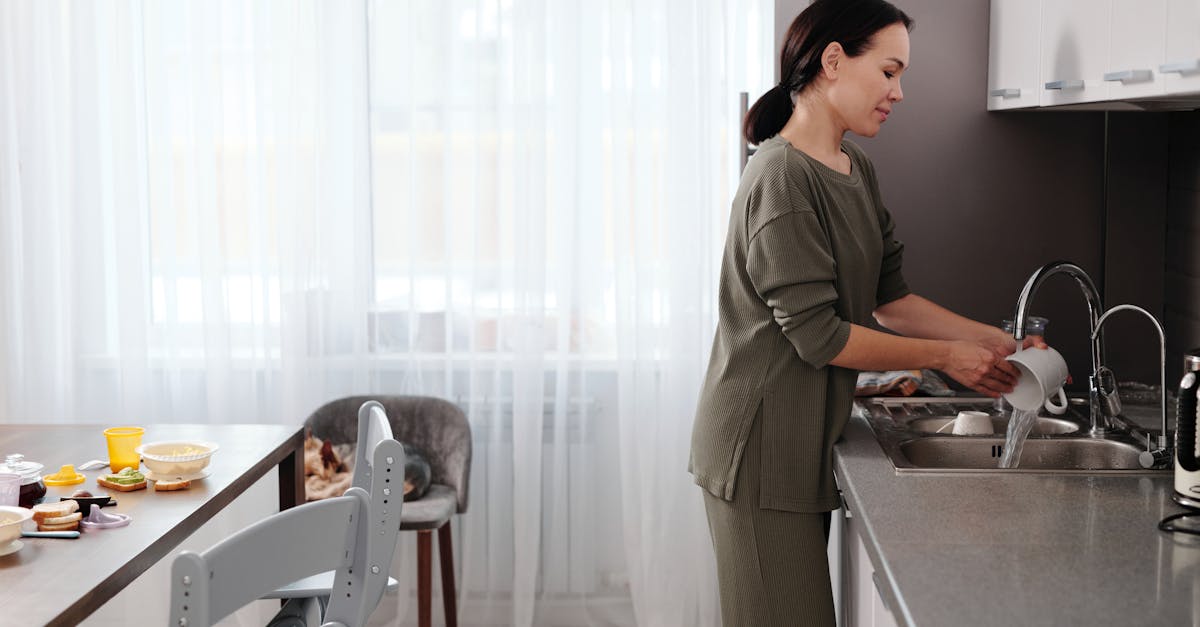
The division of labor within the home is a constant negotiation that reflects power dynamics and respect. Even in modern relationships traditional gender roles often creep in and create imbalances. Friction arises when one person feels they are carrying the mental load of managing the household. Explicitly discussing expectations and standards of cleanliness is necessary to avoid passive-aggressive behavior. A fair partnership involves both parties taking ownership of the space they share.
Sleep Compatibility Matters

Sharing a bed every night can be physically challenging if sleep habits do not align. Snoring or blanket hogging and different temperature preferences can lead to chronic sleep deprivation. Some couples find that sleeping in separate rooms saves their relationship by ensuring they are well-rested. Prioritizing rest is essential for maintaining patience and emotional regulation during the day. You must find a sleeping arrangement that works for both people regardless of societal norms.
Kids Change Everything

Bringing children into a marriage fundamentally alters the dynamic and leaves less time for the couple. The stress of parenting reveals cracks in the relationship that may have been hidden before. Romance often takes a back seat to the immediate demands of feeding and caring for a child. You have to work much harder to connect with your spouse when exhaustion is the new normal. Navigating these changes requires immense teamwork and a forgiveness of imperfections.
Grief Is Isolating
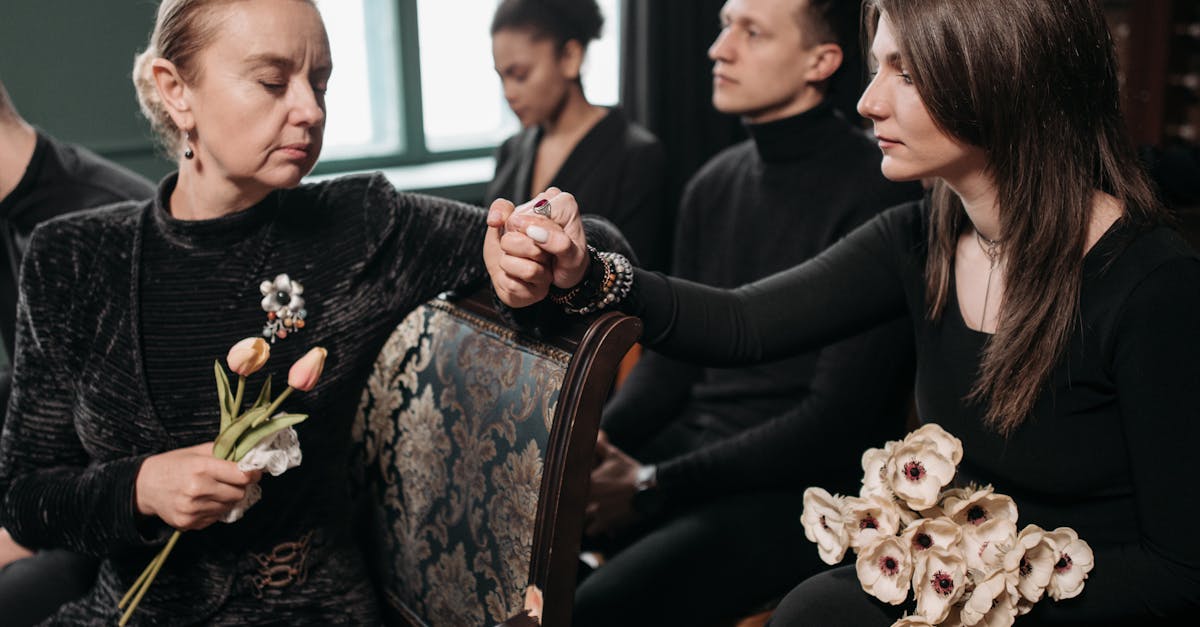
When tragedy strikes or a loved one dies partners often grieve in completely different ways. One may want to talk endlessly while the other withdraws into silence and activity. This disconnect can make partners feel abandoned when they need support the most. Understanding that there is no right way to grieve helps prevent judgment during hard times. You must learn to offer presence and comfort without demanding that your spouse processes pain exactly like you do.
Friendship Is Foundational

Passion fades but a strong friendship provides the durability needed to survive decades together. You need to actually like your partner as a person and enjoy their company without romantic expectations. Shared laughter and inside jokes create a bond that helps you weather the difficult seasons. Treating your spouse with the same kindness you offer a best friend prevents taking them for granted. The strongest marriages are built on a bedrock of mutual respect and camaraderie.
Comparison Is Destructive

Looking at other couples on social media and comparing your marriage to their curated highlights creates dissatisfaction. Every relationship has struggles that are hidden behind closed doors and smiling photos. Measuring your partner against an imaginary ideal prevents you from appreciating their unique contributions. Focus on nurturing your own connection rather than analyzing what others seem to have. Contentment grows when you stop looking over the fence at the neighbor’s grass.
Secrets Erode Trust

Keeping major secrets creates a wall between partners that eventually becomes insurmountable. Whether it is hidden debt or a private addiction the truth almost always comes out eventually. The damage caused by the deception is often far worse than the original secret itself. Radical honesty is the only way to maintain the structural integrity of the relationship. Rebuilding trust after it has been broken is a long and arduous process.
Forgiveness Is Not Forgetting

You can choose to forgive your partner for a transgression without instantly forgetting the pain it caused. Forgiveness is a decision to release the desire for revenge or continued punishment. Trust takes time to rebuild and cannot be demanded simply because an apology was offered. It is possible to move forward while still acknowledging the scar left by the wound. True reconciliation requires patience from the offender and grace from the injured party.
Space Is Necessary

Spending every waking moment together is not a sign of a healthy marriage but rather a sign of codependency. Both partners need time alone to pursue individual hobbies and recharge their emotional batteries. Absence truly can make the heart grow fonder by giving you new things to talk about. Respecting the need for solitude prevents the relationship from feeling suffocating. A healthy union consists of two whole individuals rather than two halves.
Values Must Align

While opposites attract in personality they rarely succeed if their core values are in conflict. Disagreements on religion or politics and ethical standards can create deep rifts that are hard to bridge. You need a shared vision of what is right and wrong to raise a family or make major life decisions. Ignoring these fundamental differences in the beginning leads to major crises down the road. Aligning your moral compasses provides a roadmap for navigating life’s dilemmas.
Illness Tests Vows

The vow in sickness and in health becomes very real when one partner faces a serious medical crisis. Caregiving changes the dynamic from equal partners to patient and nurse which can kill romance. The healthy partner may feel burdened while the sick partner feels guilty and helpless. Navigating the healthcare system together adds an external layer of stress to the relationship. Enduring these trials often deepens the bond but it requires immense fortitude.
Small Habits Annoy

The way your spouse chews their food or leaves their socks on the floor can become infuriating over time. These minor idiosyncrasies are often magnified when general stress levels are high. Learning to overlook these petty annoyances is an act of daily love and discipline. Focusing on the positives rather than the irritants prevents a critical spirit from taking over. You have to decide if the battle is worth the emotional cost.
Vacations Are Not Magic

Going on a trip will not fix deep-seated relationship issues or magically remove stress. Travel often exacerbates tension because of the fatigue and the pressure to have a good time. Arguments in a hotel room are common when expectations for a perfect holiday are not met. Solving problems requires communication and work rather than a change of scenery. You bring your relationship dynamic with you wherever you go.
Timing Is Everything

You can love the right person but if the timing is wrong the marriage will struggle to survive. Career demands or family obligations can pull you in opposite directions at critical moments. Sometimes one partner is ready for a major step like children while the other is not. Navigating these temporal mismatches requires patience and a willingness to wait for the other. Forcing a timeline often leads to regret and resentment.
Support Isn’t Always Fixing

When your partner complains about a problem they usually want empathy rather than a solution. Jumping in to fix the issue can make them feel dismissed or incompetent. Learning to ask whether they want advice or just a listening ear is a game changer. Emotional validation is often more valuable than practical help in the heat of the moment. Holding space for their frustration builds intimacy and trust.
Dating Must Continue

The courtship phase should not end just because you have signed the marriage license. You must continue to date your spouse and put effort into winning their affection. Scheduling dedicated time for romance prevents the relationship from becoming purely transactional. Novelty and playfulness keep the spark alive amidst the routine of daily life. Neglecting this aspect leads to growing apart like roommates.
Silence Speaks Volumes

Communication is not just about words but also about body language and what is left unsaid. The silent treatment is a toxic behavior that damages trust and creates emotional distance. Learning to interpret your partner’s nonverbal cues helps you address needs before they become demands. Comfortable silence is a sign of intimacy while angry silence is a sign of danger. You must learn to bridge the gap when words fail.
Kindness Is Harder Than Love

It is often easier to love someone in the abstract than to be consistently kind to them in the moment. Stress and exhaustion can make you snappy and impatient with the person you love most. Making a conscious effort to use a gentle tone and say please and thank you matters. Kindness acts as a buffer that softens the edges of daily friction. Treating your spouse with basic courtesy should be a non-negotiable standard.
Expectations Create Disappointment

Unmet expectations are the root cause of most marital unhappiness and conflict. We often expect our partners to read our minds and fulfill needs we have not articulated. Lowering unrealistic expectations and communicating clearly about desires prevents letdowns. You must accept the human limitations of your spouse rather than demanding perfection. Gratitude for what is there is better than anger for what is missing.
Laziness Breeds Contempt

When one partner consistently fails to pull their weight it signals a lack of respect for the other’s time. This applies to emotional labor and planning dates as well as physical chores. Seeing your partner make an effort is incredibly attractive and validating. Complacency is the enemy of a thriving and dynamic marriage. Consistently showing up and doing your part keeps the resentment at bay.
Therapy Is Not Failure

Seeking professional help is a sign of strength and a commitment to the relationship’s health. Many couples wait until the marriage is on the brink of collapse before calling a therapist. Proactive counseling can provide tools to navigate conflict before it becomes destructive. An objective third party can see patterns that the couple is too close to recognize. Viewing therapy as maintenance rather than repair changes the stigma.
Trauma Resurfaces

Marriage provides a safe container where old childhood wounds and traumas often emerge. You may find yourself reacting to your spouse based on hurts caused by your parents. Understanding your own triggers and those of your partner is essential for de-escalating conflicts. Healing is a personal responsibility but it affects the shared dynamic deeply. You must be patient as your partner navigates their own internal battles.
Attraction Is Complex

Physical attraction is not a static state and can be influenced by emotional connection and respect. There will be times when you do not feel physically drawn to your spouse. Nurturing the emotional bond often reignites the physical desire that has waned. Focusing on non-physical attributes helps sustain interest during changes in appearance. Deep love often fosters a different and more enduring kind of attraction.
Decisions Take Longer

You no longer have the freedom to make major life choices unilaterally without consulting another person. Every career move or large purchase affects the family unit and requires discussion. This loss of autonomy can be frustrating for those who value independence highly. Learning to build consensus is a skill that takes time and patience to develop. The trade-off is having a partner to share the burden of the consequences.
You Redefine Yourself

Marriage changes your identity and how you are perceived by the world around you. You have to integrate your role as a spouse with your individual ambitions and desires. There can be a sense of loss for the single version of yourself that had fewer responsibilities. Embracing this evolution allows you to grow into a more mature and grounded person. You are building a new legacy that is distinct from your past.
Patience Runs Out

There will be days when you have absolutely zero patience left for your partner’s quirks. It is normal to snap and feel irritated even if you love them deeply. Recognizing when your emotional resources are depleted helps you ask for space before you explode. Forgiving yourself for these moments of weakness is just as important as forgiving your partner. Everyone has a breaking point and it does not mean the marriage is doomed.
Humor Saves Days

The ability to laugh at the absurdity of life and your own mistakes is a survival mechanism. Shared humor de-escalates tension and reminds you that you are on the same team. Taking yourselves too seriously leads to rigidity and unnecessary drama. A marriage without laughter is fragile and prone to breaking under pressure. Finding the funny side of a disaster bonds you together against the world.
Shared Hobbies Are Optional

You do not need to enjoy the same activities to have a happy and connected marriage. Forcing yourself to like golf or pottery just to please your partner often leads to resentment. It is healthy to have separate interests that you pursue with other friends. What matters is that you support their passion even if you do not participate in it. Respecting differences creates a richer and more interesting life together.
External Stress Spills Over

Work pressure and family drama will inevitably affect the mood inside your home. It is difficult to compartmentalize stress completely and your partner often gets the brunt of it. Recognizing that the anger is displaced helps the other person not take it personally. You must create rituals to decompress and leave the outside world at the door. Supporting each other through external crises strengthens the internal bond.
Jealousy Is Human

Even in secure relationships feelings of jealousy can arise unexpectedly. It is an emotion that points to an insecurity or a need that is not being met. Suppressing it often makes it stronger and leads to passive-aggressive behavior. Discussing these feelings openly without accusation allows for reassurance and growth. Acknowledging that you are not the only attractive person in the world is simply realistic.
Parenting Styles Clash

You may assume you will agree on how to raise children until the first actual conflict arises. Differences in discipline and education and nutrition can become major battlegrounds. You have to present a united front to the children even when you disagree behind the scenes. Compromising on parenting strategies is one of the hardest tasks for a couple. Finding a middle ground that respects both backgrounds is essential.
Career Sacrifices Happen
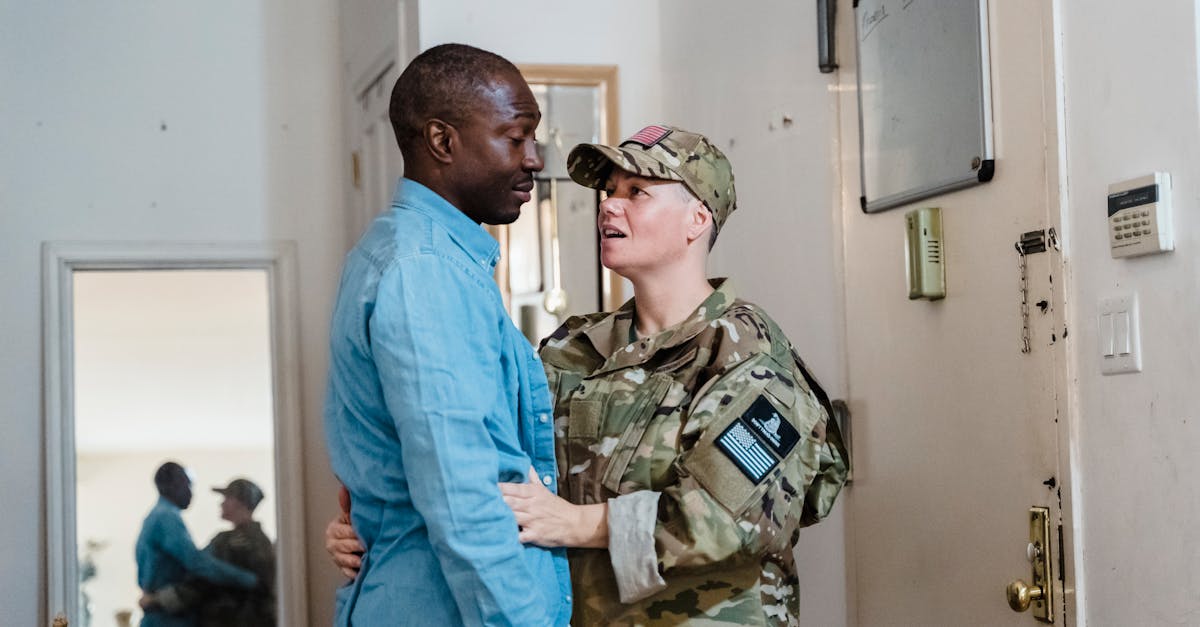
At some point one partner’s career may have to take precedence over the other’s for the good of the family. This might involve moving to a new city or one person stepping back to care for children. Resentment can brew if these sacrifices are not acknowledged and appreciated. Viewing career trajectories as a team effort rather than a competition changes the perspective. You take turns supporting each other’s professional dreams over the long haul.
Holidays Are Stressful
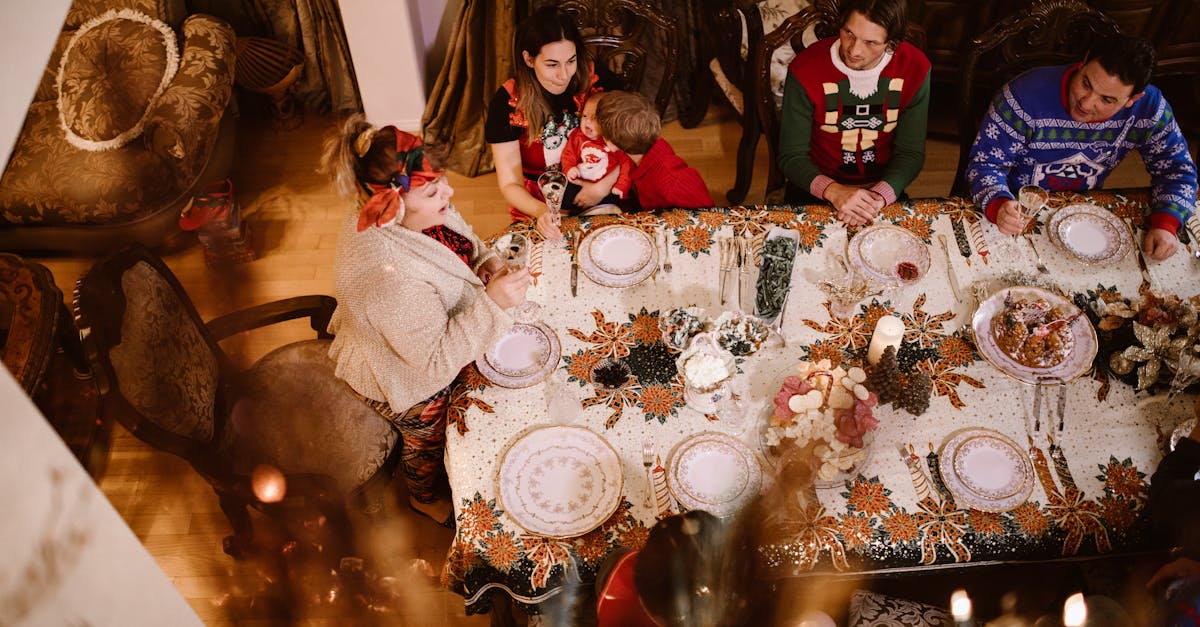
Managing the expectations of two different families during the holidays is a logistical nightmare. You will have to make hard choices about where to spend Christmas or Thanksgiving. Establishing your own traditions as a couple helps establish boundaries with extended family. The pressure to create a perfect holiday experience often leads to exhaustion and fighting. Focusing on connection rather than perfection saves the festive spirit.
Routine Is Rigid

The spontaneity of dating is replaced by the necessary structure of managing a household. You may feel trapped by the predictability of your schedule and responsibilities. Finding freedom within the discipline of routine requires a shift in perspective. Reliability provides a safety net that allows for other types of risks and growth. You have to work to inject surprises into the calendar.
Listening To Advice Is Tricky

Everyone from parents to friends will offer unsolicited advice on how to run your marriage. Distinguishing between wisdom and interference is a crucial skill for protecting your union. You must prioritize your partner’s opinion over the voices of outsiders. Establishing boundaries with well-meaning relatives prevents confusion and conflict. Ultimately the only experts on your marriage are you and your spouse.
You Will Hurt Each Other

It is inevitable that you will cause pain to the person you love most in the world. This is rarely intentional but it is a byproduct of living in such close proximity. Dealing with the guilt of hurting your spouse is a heavy emotional burden. Learning to make amends and change behavior is the only way to heal the wound. Acknowledging your capacity to cause harm keeps you humble and careful.
Growth Is Not Linear

Marriage goes through cycles of expansion and contraction rather than a straight line of improvement. There will be years that feel like a regression followed by periods of breakthrough. Expecting constant progress sets you up for disappointment and panic during the down times. Riding the waves requires faith that the relationship is resilient enough to bounce back. Staying committed during the plateaus is where the real work happens.
Commitment Is Work

The act of staying married is a job that requires daily attention and effort. It is not a passive state of being but an active pursuit of connection. Laziness and neglect are the silent killers of even the most passionate romances. You have to show up for work every single day even when you are tired. The reward for this labor is a depth of intimacy that cannot be found anywhere else.
It Is Worth The Struggle

Despite all the difficulties and hard truths the reward of a long marriage is profound. Having a witness to your life who knows you completely is a rare and beautiful gift. The security of a committed partnership allows you to take risks and grow in ways you never could alone. Overcoming the challenges together creates a history that is uniquely yours. The hard things are exactly what make the good things so valuable.
Share your own experiences or advice regarding the realities of married life in the comments.




