Flight attendants observe every detail of a passenger’s behavior from the second they step onto the aircraft. These professionals use the boarding process to identify potential security risks and able-bodied passengers who could assist in an emergency. Your attitude and luggage etiquette provide immediate clues about what kind of traveler you will be for the duration of the flight. Awareness of these common pet peeves can ensure a smoother travel experience for everyone on board.
Ignoring the Greeting

Flight attendants are trained to greet every passenger to assess their condition and establishing a friendly rapport is part of the safety protocol. Passengers who walk past without acknowledging the crew often signal a lack of respect or attention that could be problematic later during the flight. This behavior makes the crew wonder if the person will listen to safety instructions or emergency commands. A simple nod or smile goes a long way in setting a positive tone for the entire journey.
Wearing Headphones

Wearing noise-canceling headphones while boarding creates an immediate communication barrier that frustrates the cabin crew. This habit forces flight attendants to repeat greetings or important instructions about seating and baggage storage. It suggests the passenger is disengaged and might miss critical announcements regarding safety or departure procedures. Crew members prefer when travelers keep their ears open until they are settled in their assigned seats.
Avoiding Eye Contact

A lack of eye contact can sometimes interpret as suspicious behavior or extreme anxiety regarding flying. Crew members rely on visual cues to determine if a passenger is intoxicated or hiding a health issue. Looking away constantly might mark you as someone who requires extra monitoring during the trip. Making brief eye contact confirms you are coherent and ready to fly.
Oversized Carry-on Bags

Bringing luggage that clearly exceeds the size limits indicates a disregard for the rules and fellow passengers. Flight attendants know immediately when a bag will not fit in the overhead bin and dread the inevitable struggle that follows. This slows down the boarding process and forces the crew to intervene or gate-check the item at the last minute. Travelers who respect baggage dimensions are viewed as considerate and prepared.
Asking for Water Immediately

Boarding is the busiest time for the crew as they focus on safety checks and getting everyone seated on time. Asking for a drink the moment you step on board disrupts their workflow and pulls them away from critical duties. It implies that the passenger views the flight attendant solely as a server rather than a safety professional. It is better to bring a water bottle from the terminal or wait until service begins in the air.
Blocking the Aisle
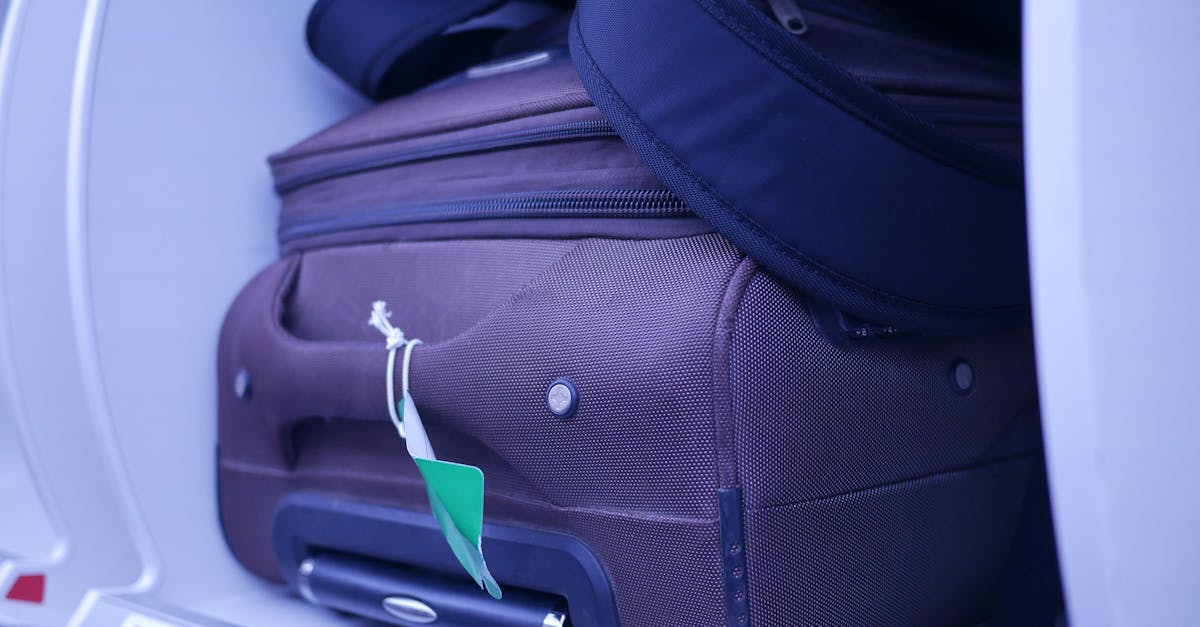
Passengers who stop in the middle of the aisle to organize their bags cause a bottleneck that delays the entire plane. This behavior prevents others from reaching their seats and adds unnecessary stress to the boarding procedure. Efficient travelers step into their row before taking off jackets or rummaging through luggage. Keeping the walkway clear shows awareness of the people waiting behind you.
Touching the Crew

Invading the personal space of a flight attendant to get their attention is a major breach of etiquette. Poking or grabbing a crew member is viewed as disrespectful and can sometimes be interpreted as aggressive. Flight attendants prefer verbal communication or the use of the call button once seated. Respecting physical boundaries is essential for a professional and comfortable environment.
Strong Perfume or Cologne

Aircraft cabins are enclosed spaces with recirculated air where strong scents can become overpowering very quickly. Passengers wearing excessive fragrance can trigger allergies or migraines for the crew and other travelers. Flight attendants notice this immediately and worry about potential complaints from neighbors. Maintaining a neutral scent is the most polite approach for air travel.
Public Intoxication

Stumbling or slurring words during boarding is the fastest way to get removed from a flight before it takes off. Flight attendants are legally prohibited from serving alcohol to intoxicated passengers and must prioritize the safety of the aircraft. Signs of drunkenness mark a passenger as a potential security threat or a medical liability. Crew members are trained to spot these red flags instantly at the cabin door.
Inappropriate Clothing

Wearing offensive slogans or clothing that reveals too much skin can violate airline dress codes. Flight attendants must enforce these rules to maintain a neutral and family-friendly environment on board. Passengers who push these boundaries often face uncomfortable conversations or requests to cover up. Dressing comfortably and modestly avoids unnecessary conflict during the boarding process.
Walking Barefoot

Walking onto a plane without shoes is a major hygiene red flag that crew members notice immediately. The airplane floor is not sanitized between flights and serves as a high-traffic area for hundreds of people. This behavior suggests a lack of awareness regarding public cleanliness and personal safety standards. Flight attendants often view barefoot passengers as potential liabilities during emergency evacuations.
Expecting Help with Heavy Bags
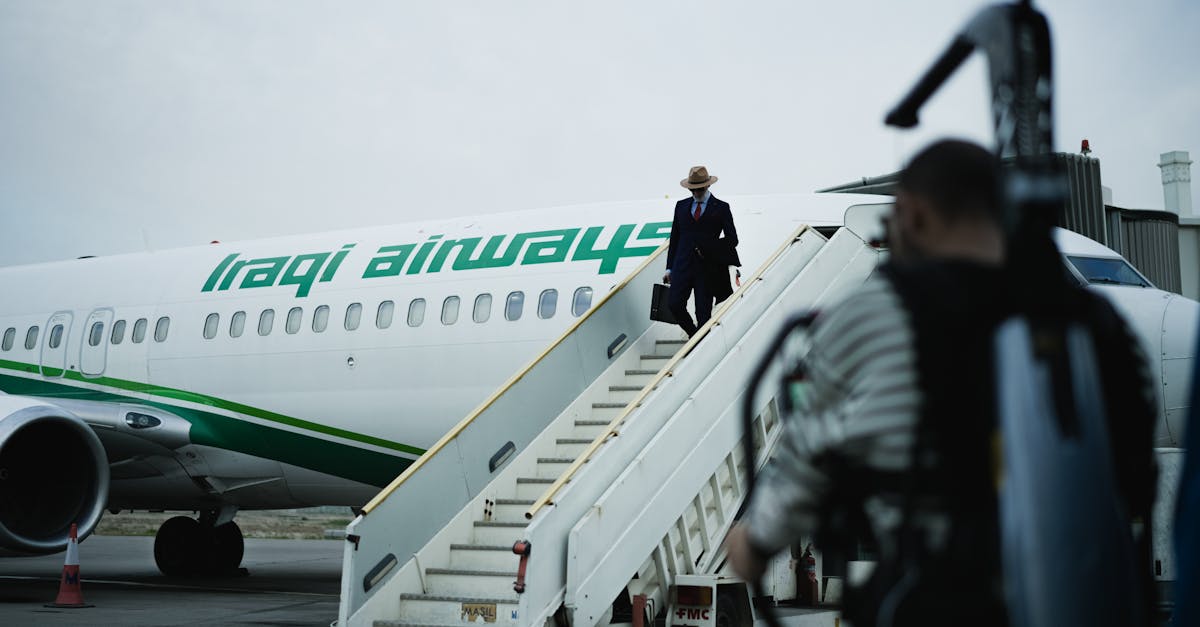
Passengers expecting crew to lift heavy bags into the overhead bin are often met with resistance. Flight attendants are not compensated for injuries sustained while lifting luggage so they generally decline these requests. Bringing a carry-on that you cannot lift yourself signals poor planning and slows down the boarding process for everyone behind you. It is essential to pack only what you can comfortably handle or check the bag at the gate.
Complaining About Seat Assignments
Griping about a seat location while boarding rarely results in a change and only creates tension. Flight attendants cannot reconfigure the aircraft or move passengers until everyone has boarded and the doors are closed. Expressing dissatisfaction loudly creates a negative atmosphere and puts the crew in a difficult position. Experienced travelers know to resolve seating issues at the gate agent’s desk before entering the plane.
Asking for Upgrades

Asking for a free upgrade the moment you board is a common annoyance that rarely works. Flight attendants usually do not have the authority to upgrade passengers and sticking to the manifest is crucial for weight and balance. This request often comes across as entitled and puts the crew member in an awkward position of having to say no. Upgrades are typically handled by ground staff or through airline loyalty programs beforehand.
Dirty or Smelly Clothes

Poor personal hygiene or visibly dirty clothing can make a flight unbearable for those seated nearby. Flight attendants assess this immediately because they know it will lead to complaints from other passengers. In extreme cases involving offensive odors the crew may have to deny boarding to preserve the comfort of the cabin. Clean clothes and good hygiene are basic expectations for shared public transport.
Discipling Children

Crew members observe how parents interact with their children to gauge how the flight will go. Parents who allow their kids to run wild or scream without intervention signal a long and difficult flight for the staff. Conversely parents who are overly aggressive or loud can also raise concerns about safety and disruption. A calm and managed approach to parenting helps reassure the crew.
Hitting People with Backpacks

Wearing a large backpack and turning quickly often results in hitting seated passengers or crew members. Many travelers seem unaware of the extra space their back-mounted luggage occupies in the narrow aisle. This carelessness can cause injury and is a frequent source of frustration for flight attendants. Carrying a backpack by hand or moving deliberately prevents these accidental collisions.
Arguing Over Overhead Space

Fighting with other passengers over bin space creates a hostile environment before the plane even pushes back. Flight attendants monitor these interactions closely to ensure arguments do not escalate into physical altercations. This territorial behavior slows down boarding and requires crew intervention to reorganize luggage. Cooperation and patience regarding storage usually result in a better outcome for everyone.
Placing Small Items in Bins

Putting small coats or handbags in the overhead bins takes up valuable space meant for larger roller bags. This inefficiency forces other passengers to gate-check their luggage and delays the departure. Flight attendants appreciate when travelers place smaller personal items underneath the seat in front of them. Maximizing bin space is a team effort that knowledgeable flyers understand well.
Facetiming Loudly
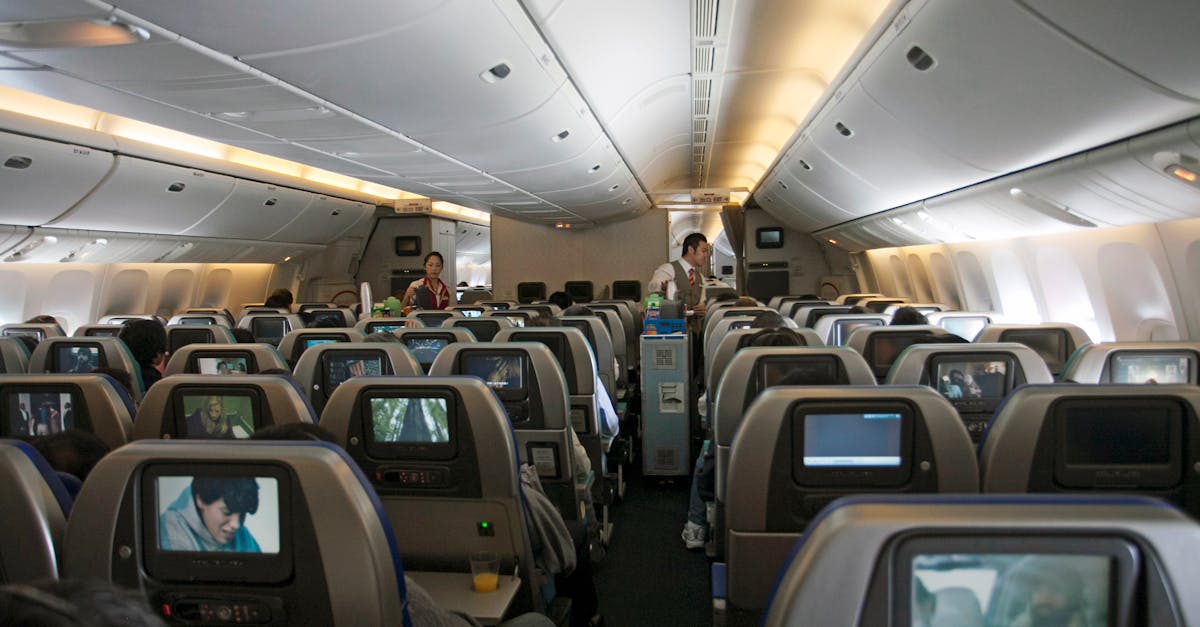
Having loud video calls without headphones forces everyone around to participate in your personal conversation. This disrupts the calm atmosphere of the cabin and interferes with the crew’s ability to make announcements. Flight attendants view this as a lack of consideration for the shared public space. Ending calls before boarding or using headphones is the standard for polite travel.
Being Rude to Gate Agents

Flight attendants often communicate with gate agents and hear about difficult passengers before they even board. Being rude to ground staff puts a mental mark on your boarding pass that alerts the cabin crew to potential trouble. A bad attitude on the jet bridge typically continues onto the plane. treating all airline staff with respect ensures better service and a more pleasant trip.
Looking Sick

Coughing or sneezing excessively while boarding draws immediate attention from the flight crew. They are responsible for the health of everyone on board and may question passengers who appear too ill to fly. Traveling while visibly sick makes other passengers uncomfortable and raises health concerns in the confined cabin. It is responsible to wear a mask or reschedule if you are contagious.
Galley Yoga

Stretching or doing exercises in the galley area during boarding blocks the crew’s workspace. This is the time when flight attendants are securing carts and preparing for departure. treating the kitchen area as a gym interferes with their duties and poses a safety hazard. Passengers should remain in their seats or keep the aisle clear until the seatbelt sign is off.
Flirting Inappropriately

Making suggestive comments or trying to flirt with flight attendants is unprofessional and often makes them uncomfortable. Crew members are at work and unwanted advances can be considered harassment. This behavior creates an awkward power dynamic and can lead to serious consequences if it escalates. Treating the crew with professional respect is the only appropriate interaction.
Not Having a Boarding Pass Ready

Fumbling for a boarding pass at the cabin door halts the line and creates a backup on the jet bridge. Flight attendants check passes to guide passengers to the correct aisle and ensure they are on the right flight. Being unprepared suggests a lack of organization and slows down the entire boarding procedure. Having documents ready in hand or on a screen keeps the line moving smoothly.
Eating Messy Food

Bringing strong-smelling or messy fast food onto the plane is a quick way to annoy the crew and neighbors. Greasy food can stain seats and the smell lingers in the recycled air long after the meal is finished. Flight attendants prefer when passengers consume their meals in the terminal before boarding. Cleanliness and odor control are highly valued in the tight quarters of an economy cabin.
Rushing the Door

Pushing past others to get on the plane first is viewed as aggressive and unnecessary. Boarding is done by groups to maintain order and rushing disrupts the established flow. This impatience often translates to other demanding behaviors during the flight. Waiting for your zone to be called demonstrates patience and rule-abidance.
Handing Trash to Crew

Attempting to hand coffee cups or trash to flight attendants as you board is presumptuous and unsanitary. Crew members are greeting passengers and do not have immediate access to trash compactors during boarding. This treats the flight attendant like a walking garbage can rather than a safety professional. It is polite to dispose of trash in the terminal or wait until the crew collects it in flight.
Asking About Flight Duration

Asking the crew “Are we there yet?” or “How long is the flight?” immediately upon boarding shows a lack of preparation. This information is readily available on the ticket or the flight display screens. It suggests the passenger did not read basic travel details and might require constant reassurance. Crew members appreciate informed travelers who have checked their itinerary.
Changing Diapers on Seats

Changing a baby’s diaper on a passenger seat is a severe hygiene violation that horrifies flight attendants. The tray tables and seats are not sanitized for this purpose and it exposes others to biohazards. Lavatories are equipped with changing tables specifically for this necessity. Parents who ignore this rule are judged for their disregard of sanitation and fellow passengers.
Manspreading
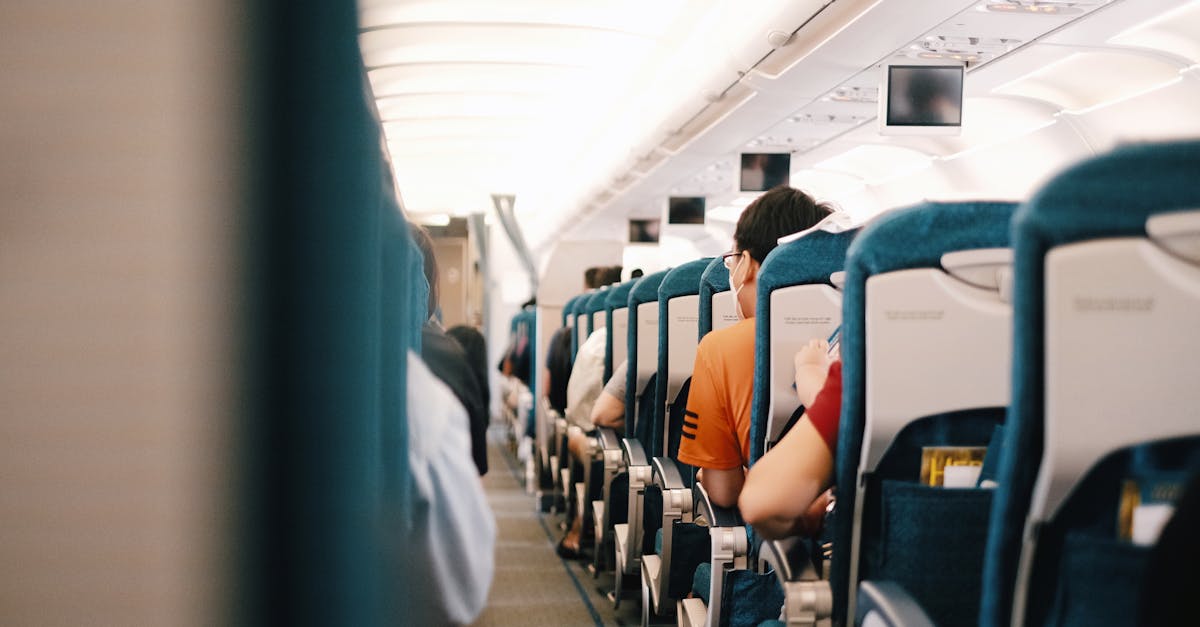
Sitting with legs wide apart encroaches on the limited space of neighbors and blocks the aisle. Flight attendants notice this territorial behavior as it forces others to shrink into uncomfortable positions. It signals a lack of spatial awareness and consideration for the comfort of others. keeping limbs within the confines of the designated seat is common courtesy.
Swearing

Using loud profanity while boarding creates a hostile and aggressive environment. Families and children are often present and flight attendants have zero tolerance for offensive language. This behavior can be seen as disorderly conduct and may lead to removal from the flight. Keeping language clean and volume low is expected in a shared cabin.
Ignoring the Seatbelt Sign

Standing up while the seatbelt sign is illuminated during taxi or initial boarding delays the flight. Flight attendants must wait for everyone to be seated before the pilot can move the aircraft. Disregarding this safety light shows a lack of respect for aviation regulations. Compliance with lighted signs is a non-negotiable safety requirement.
Bringing Pets Out of Carriers

Taking a pet out of its carrier during boarding violates airline policies and safety regulations. Animals must remain stowed to ensure they do not escape or cause allergic reactions for others. Flight attendants are required to enforce this rule strictly to maintain order in the cabin. Responsible pet owners keep their animals secure until they leave the airport.
Asking to Move Seats Immediately

Spotting an empty row and asking to move before the door closes creates confusion and safety issues. The crew needs to account for every passenger in their assigned seat for weight balance and identification purposes. Moving without permission disrupts the manifest and can cause delays. It is best to wait until the plane reaches cruising altitude to ask for a seat change.
Leaving Bags in the Aisle
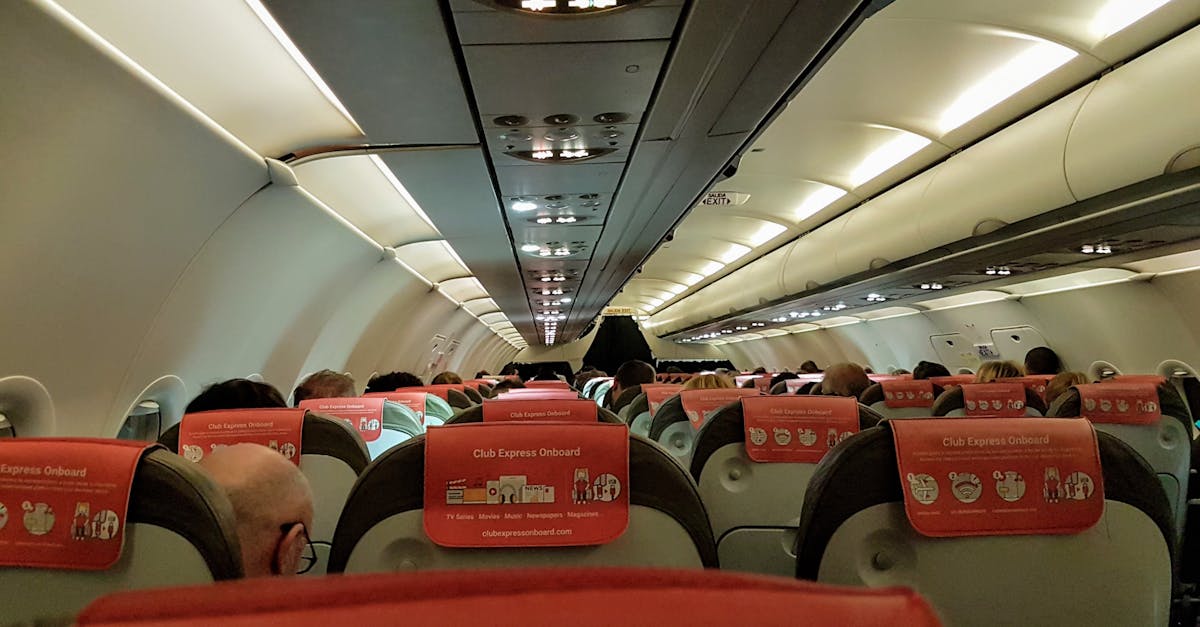
Dropping bags in the aisle while getting settled creates a tripping hazard for everyone boarding behind. This thoughtless action forces the flow of passengers to stop completely. Flight attendants constantly have to remind people to slide their bags into the row to keep the path clear. Keeping the aisle free of obstacles is crucial for an efficient boarding process.
Glaring at Crying Babies
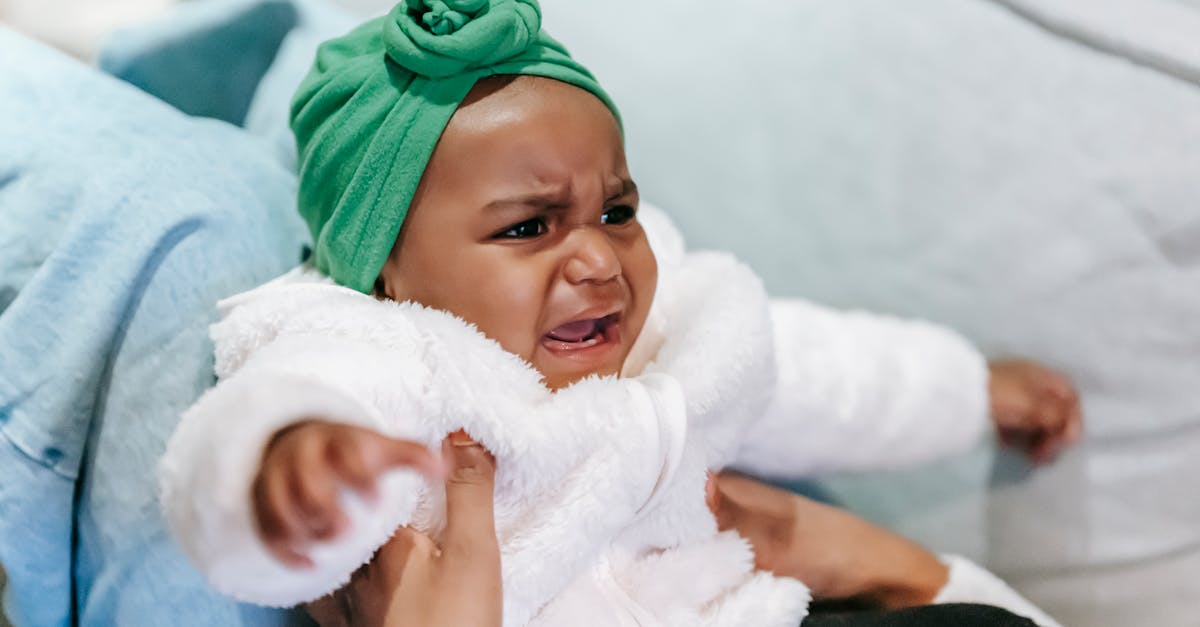
Visibly showing anger or annoyance toward a parent with a crying baby marks a passenger as intolerant. Flight attendants sympathize with struggling parents and often judge those who add to the stress with dirty looks. Air travel is difficult for infants and a little empathy goes a long way. Patience with young travelers is a sign of maturity and kindness.
Taking the Wrong Seat

Sitting in a seat that is not yours causes a domino effect of confusion when the actual ticket holder arrives. This mistake forces the crew to mediate and reshuffle passengers against the flow of boarding. Double-checking the row and seat letter prevents this embarrassing and disruptive error. Attention to detail helps the boarding process run without a hitch.
Being Overly Demanding

Snapping fingers or whistling to get a flight attendant’s attention is incredibly rude and degrading. Passengers who act entitled or demand immediate service during the busy boarding phase are quickly labeled as difficult. Mutual respect is the foundation of a good service interaction. Patience and polite verbal requests yield much better results.
Looking Suspicious

Behaving in a secretive or overly nervous manner can trigger security protocols and delay the flight. Flight attendants are trained to look for anomalies in behavior that could indicate a threat. While some anxiety is normal acting overly erratic or defensive draws unwanted scrutiny. remaining calm and acting naturally is the best way to avoid suspicion.
Share your own experiences with airplane etiquette in the comments.




