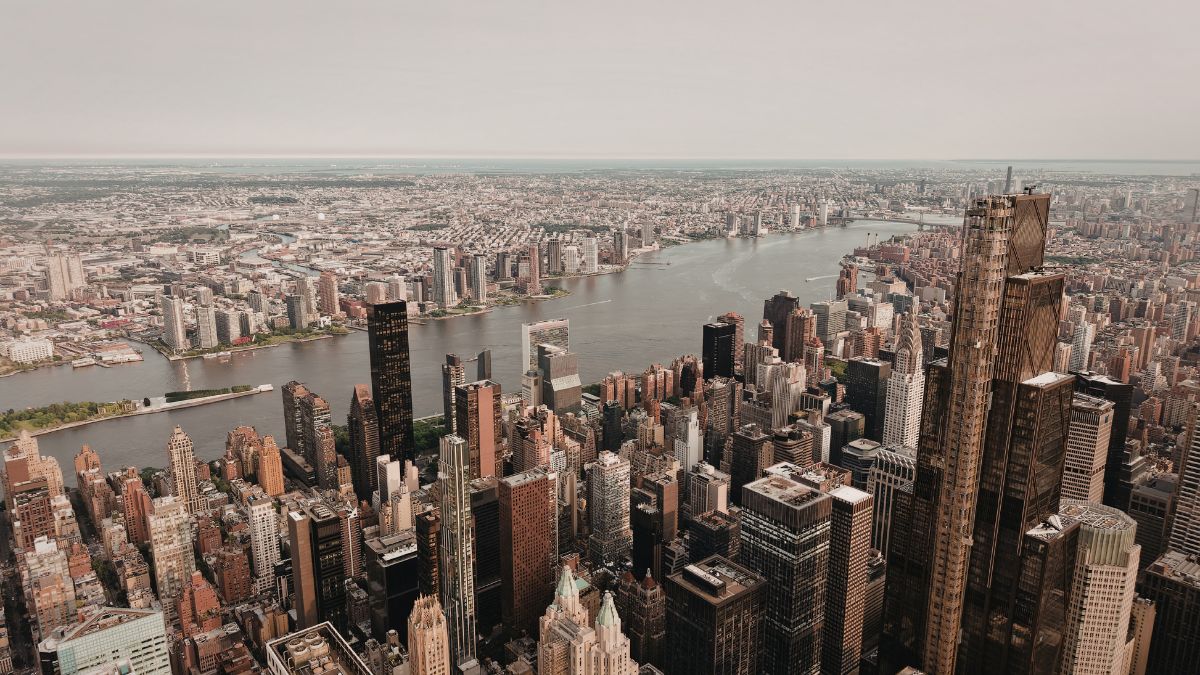
New York City is one of the most visited and electrifying destinations on the planet, drawing millions of travelers each year to its iconic streets and neighborhoods. Navigating it well means knowing not just where to go but what habits and behaviors to leave behind. From transport blunders to tourist traps, the city has its own unspoken rules that separate the savvy visitor from the overwhelmed newcomer. These twenty missteps are the ones most likely to slow you down, cost you money, or simply mark you out as someone who has never done this before. Read on to find out exactly what to sidestep for the smoothest New York experience possible.
Times Square
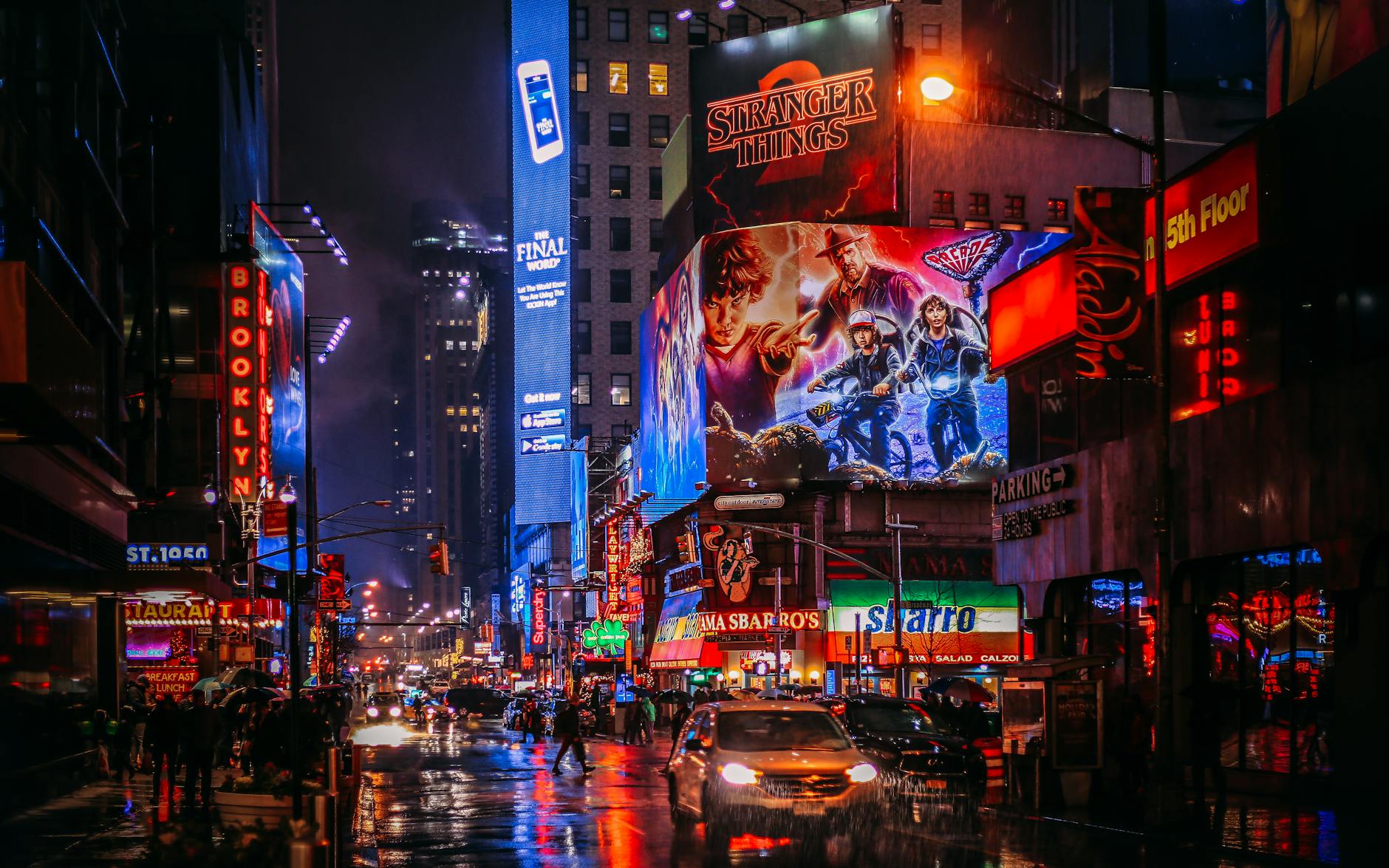
Times Square is one of the most commercially dense areas in the entire city and is largely considered a place locals actively avoid for everyday life. The restaurants and shops surrounding it are almost universally overpriced compared to what you will find just a few blocks away in any direction. Street performers and costumed characters in the area often expect tips and can be surprisingly aggressive when asking for them. First-time visitors frequently spend far too much time here when the city’s most authentic and interesting neighborhoods are just a short subway ride away.
Midtown Sidewalks
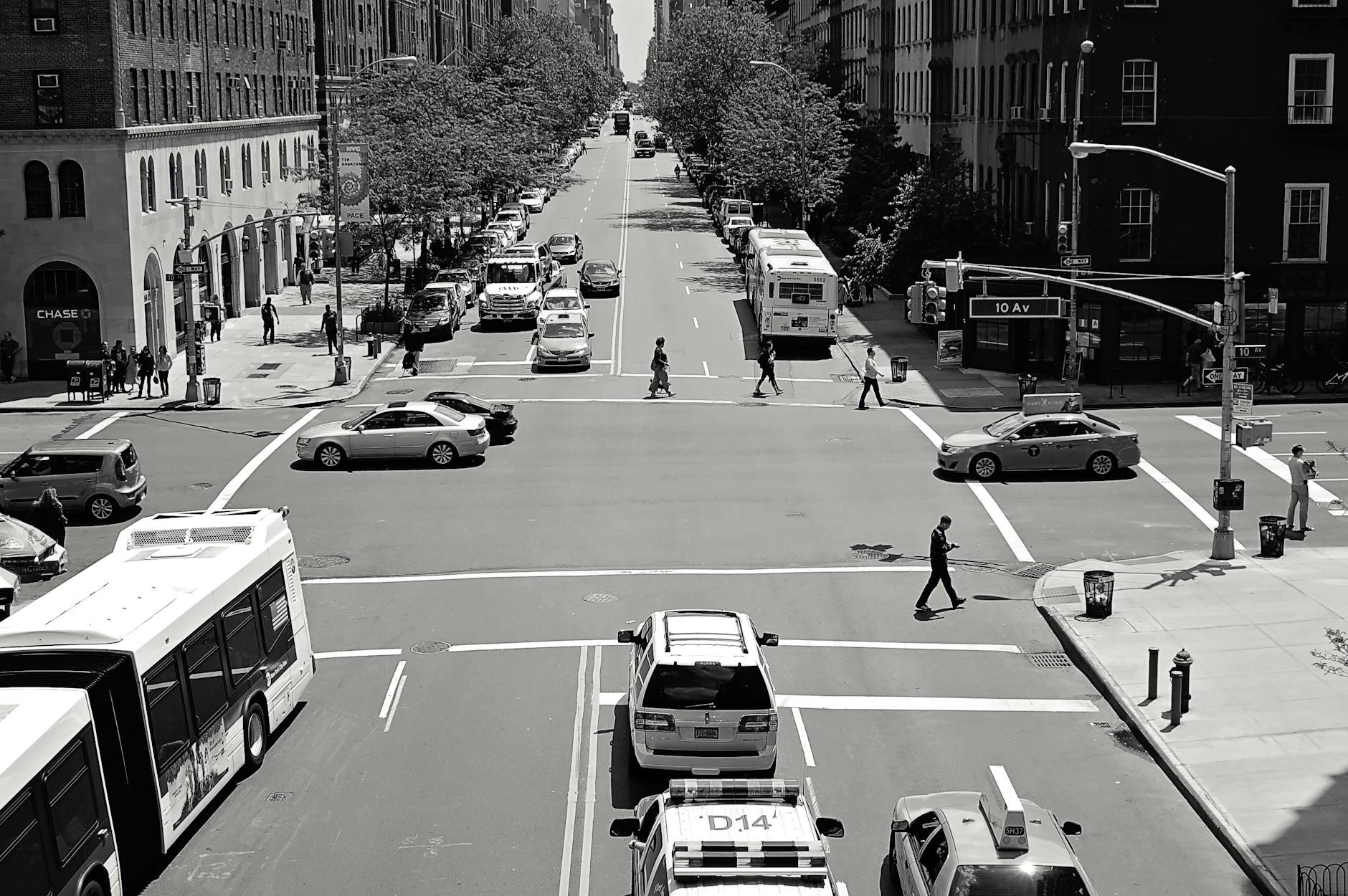
Stopping abruptly in the middle of a busy Midtown pavement to look at your phone or consult a map is one of the fastest ways to frustrate the people around you. New Yorkers walk with purpose and speed and the flow of foot traffic on major avenues functions almost like a road with its own unspoken lane system. Blocking that flow by standing still creates a ripple effect of annoyance that can follow you half a block. Stepping to the side of the pavement before stopping is considered basic courtesy and immediately marks you as someone who respects the city’s rhythm.
Yellow Cabs
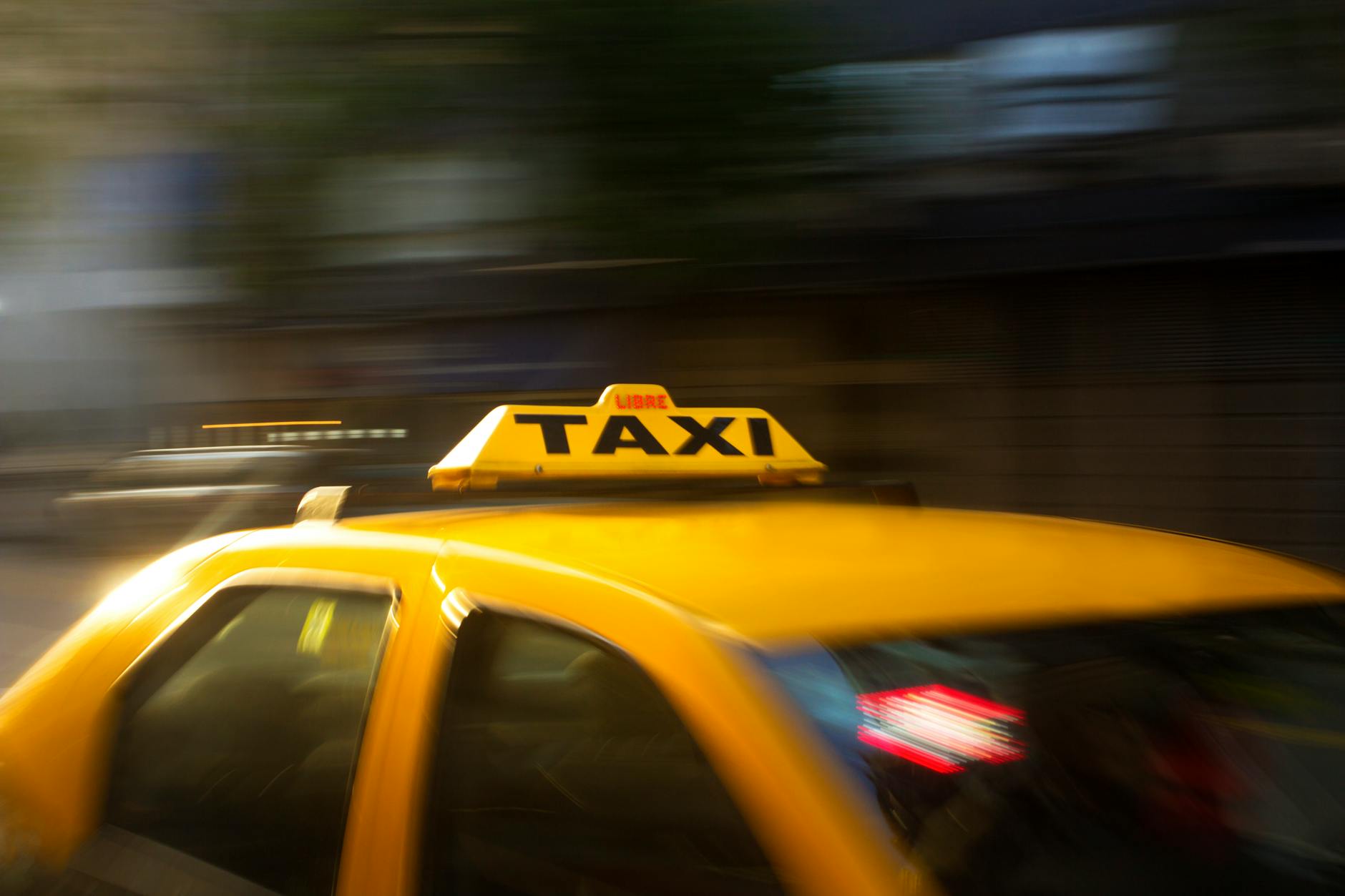
Hailing a yellow cab during peak hours in Midtown is almost always slower and more expensive than using the subway or a rideshare app. Traffic congestion in central Manhattan can turn a ten-block journey into a thirty-minute crawl that costs far more than anticipated. Many visitors also forget that tolls and surcharges are added on top of the metered fare making the final total a surprise. For most journeys across the borough the subway remains the fastest and most cost-effective option by a considerable margin.
Subway Doors
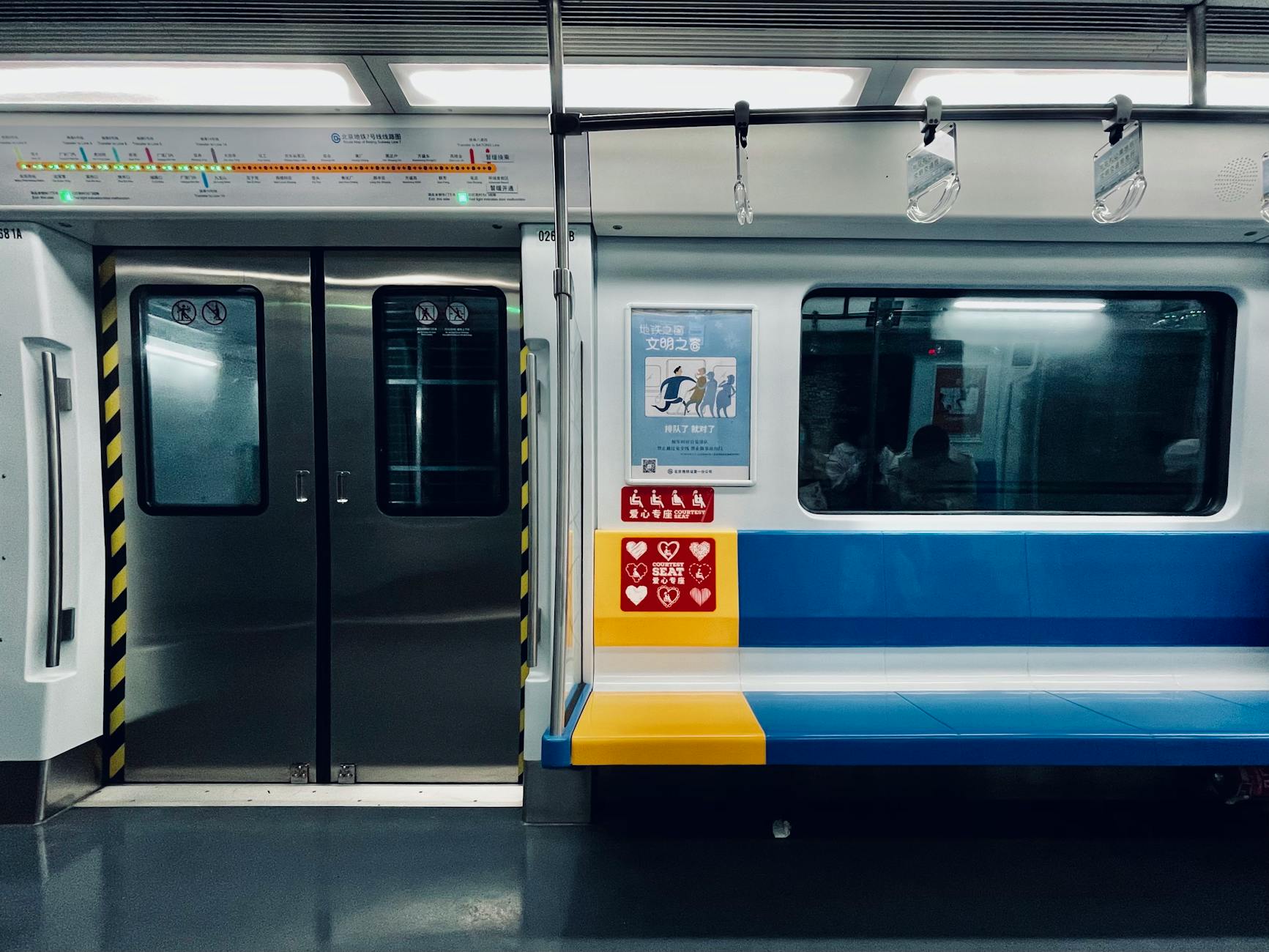
Holding subway doors open to wait for a late passenger or to finish a conversation on the platform is strongly discouraged by both transit staff and fellow riders. Each delay caused by a held door compounds across the entire line affecting thousands of commuters simultaneously. The Metropolitan Transportation Authority has specific signage throughout the system asking riders not to hold doors for exactly this reason. Another train is almost always just minutes behind and the brief wait is far preferable to disrupting an entire service.
Staten Island Ferry
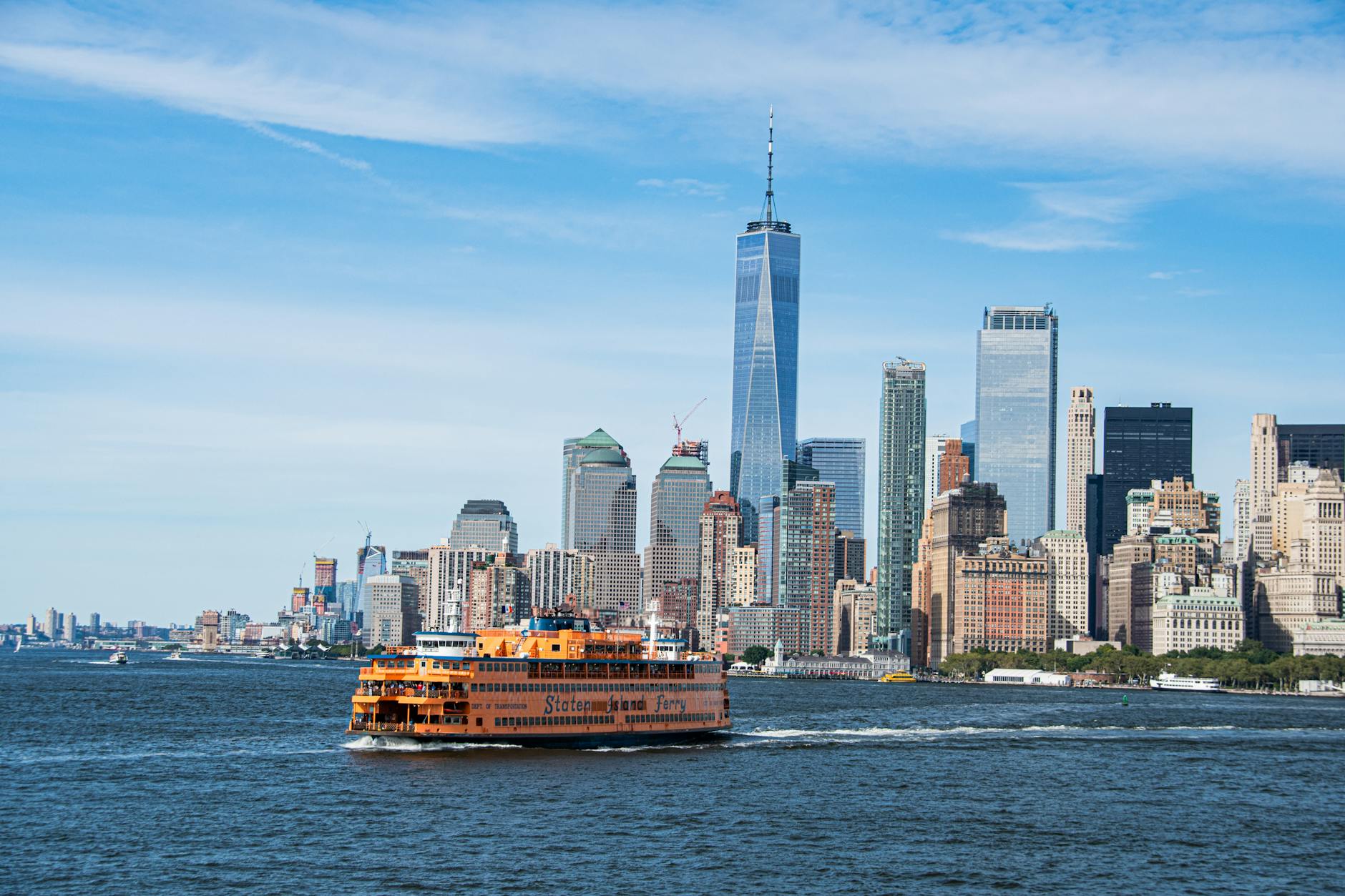
Many visitors pay for tourist boat cruises around Manhattan without realizing that the Staten Island Ferry offers equally stunning views of the skyline and the Statue of Liberty completely free of charge. The ferry runs around the clock every day of the year making it one of the most accessible attractions in the five boroughs. Paying premium prices for a narrated cruise when this free alternative exists is one of the most common and easily avoided tourist expenses. The round trip takes roughly an hour and offers some of the best photography opportunities the harbor has to offer.
Midtown Delis
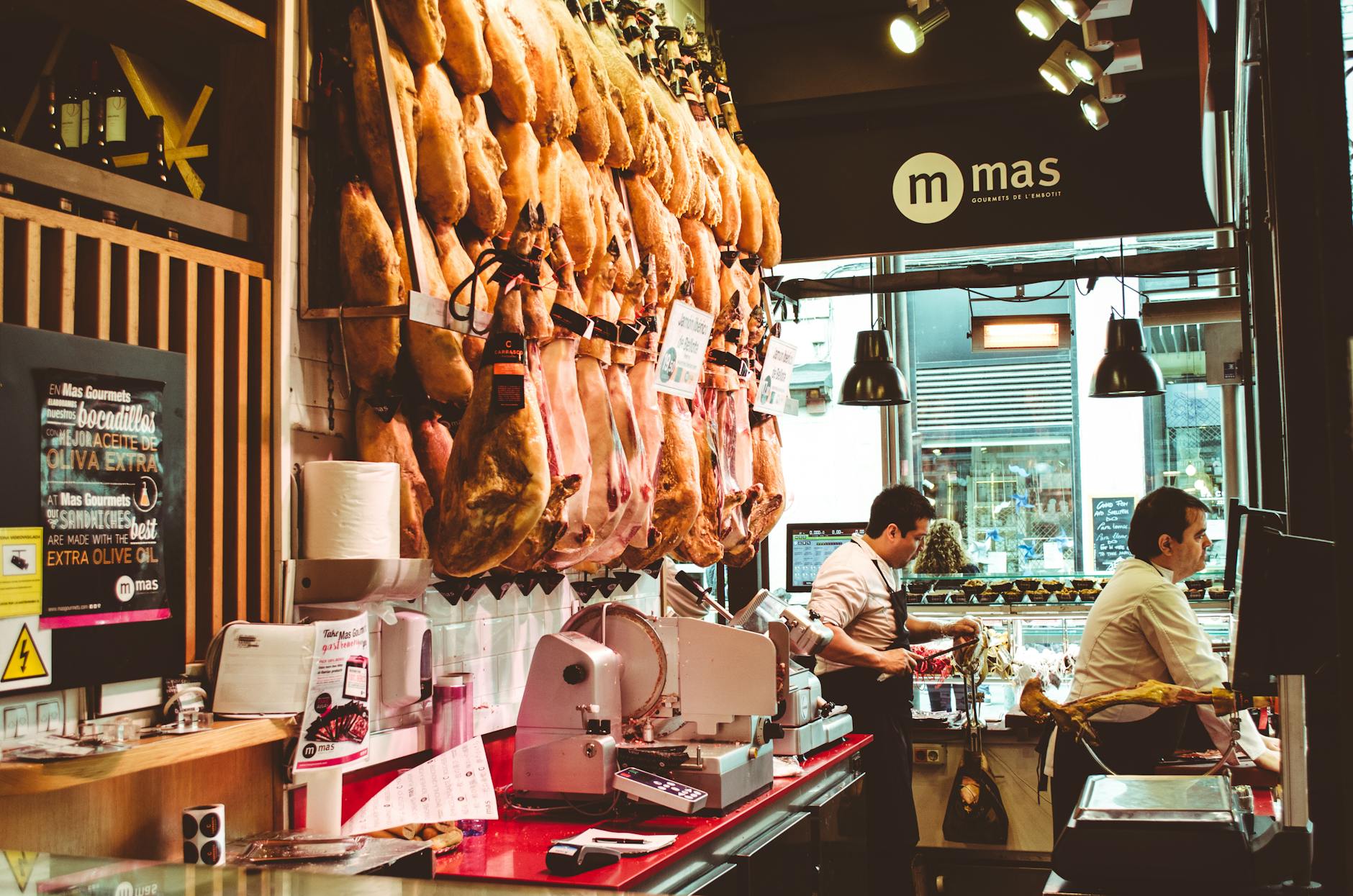
Buying meals exclusively from delis and food stalls in tourist-heavy Midtown means consistently overpaying for food that is often no better than what you find elsewhere. The city’s most celebrated food culture exists in neighborhoods like Flushing, Sunset Park, Jackson Heights, and the East Village where prices are lower and quality is frequently higher. Exploring these areas for even a single meal gives a far more representative taste of what New York’s dining scene actually looks like. Sticking only to the most visible and convenient options in central Manhattan means missing the culinary diversity the city is genuinely famous for.
Luggage at Rush Hour
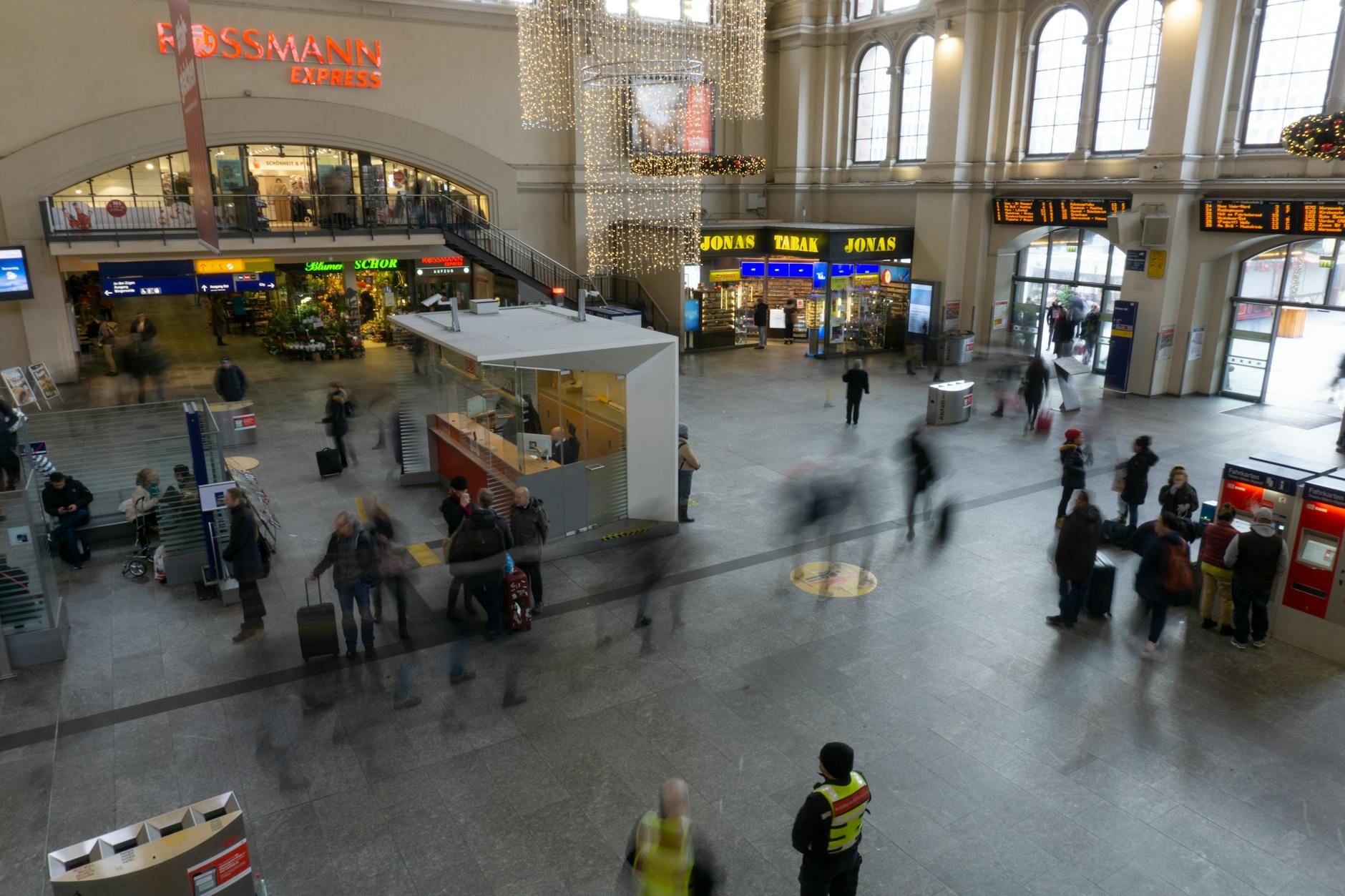
Bringing large suitcases onto the subway during morning or evening rush hours creates significant problems for other commuters in an already crowded system. Carriages during peak travel periods are packed to capacity and oversized luggage blocks doorways and aisles causing friction with fellow passengers. Most major airports are well connected by express train services that run outside the standard subway network and are specifically designed to accommodate traveling passengers with bags. Planning arrivals and departures around off-peak hours makes the entire journey considerably more manageable for everyone involved.
Broadway Scalpers
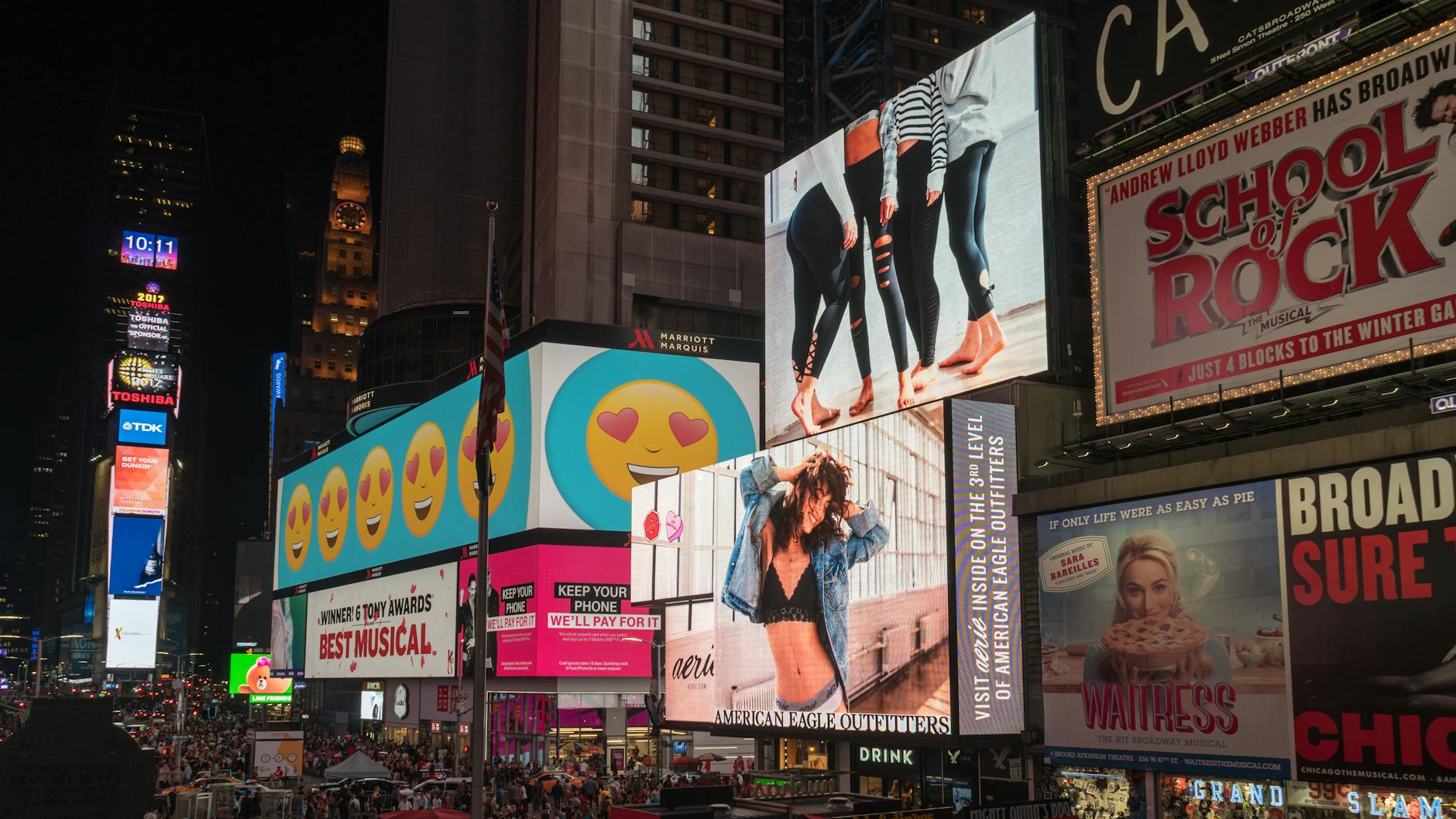
Purchasing Broadway tickets from street scalpers or unofficial resellers outside theater venues is a practice that carries real financial and legal risk. Counterfeit tickets are a documented problem in the Theater District and buyers have no recourse if a ticket turns out to be fraudulent. The official Broadway website along with the TKTS booth in Times Square and the one in the South Street Seaport area offer legitimate discounted options on the day of a performance. Paying above face value through unofficial channels is rarely necessary given the number of legitimate discount platforms available to savvy theatergoers.
Central Park Bikes
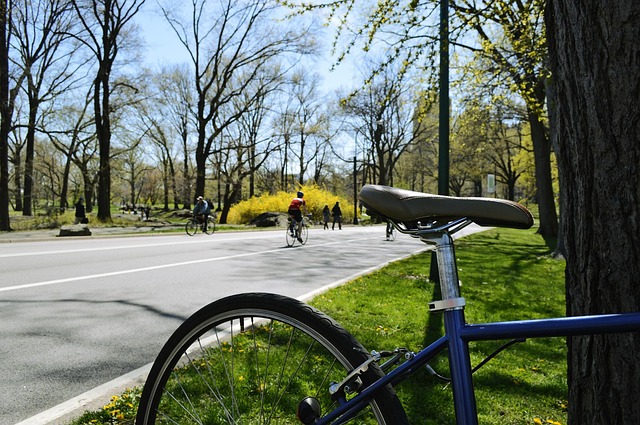
Renting a bicycle from an unofficial vendor near Central Park without checking pricing terms carefully often results in unexpectedly high charges at the end of the rental period. The park itself has clearly marked rental stations with transparent pricing and the city’s Citi Bike scheme offers a reliable and well-regulated alternative throughout Manhattan. Unofficial operators sometimes use confusing pricing structures that obscure the true hourly rate until payment is due. Confirming all terms before handing over a credit card is a simple step that prevents a frustrating and costly misunderstanding.
New York Pizza
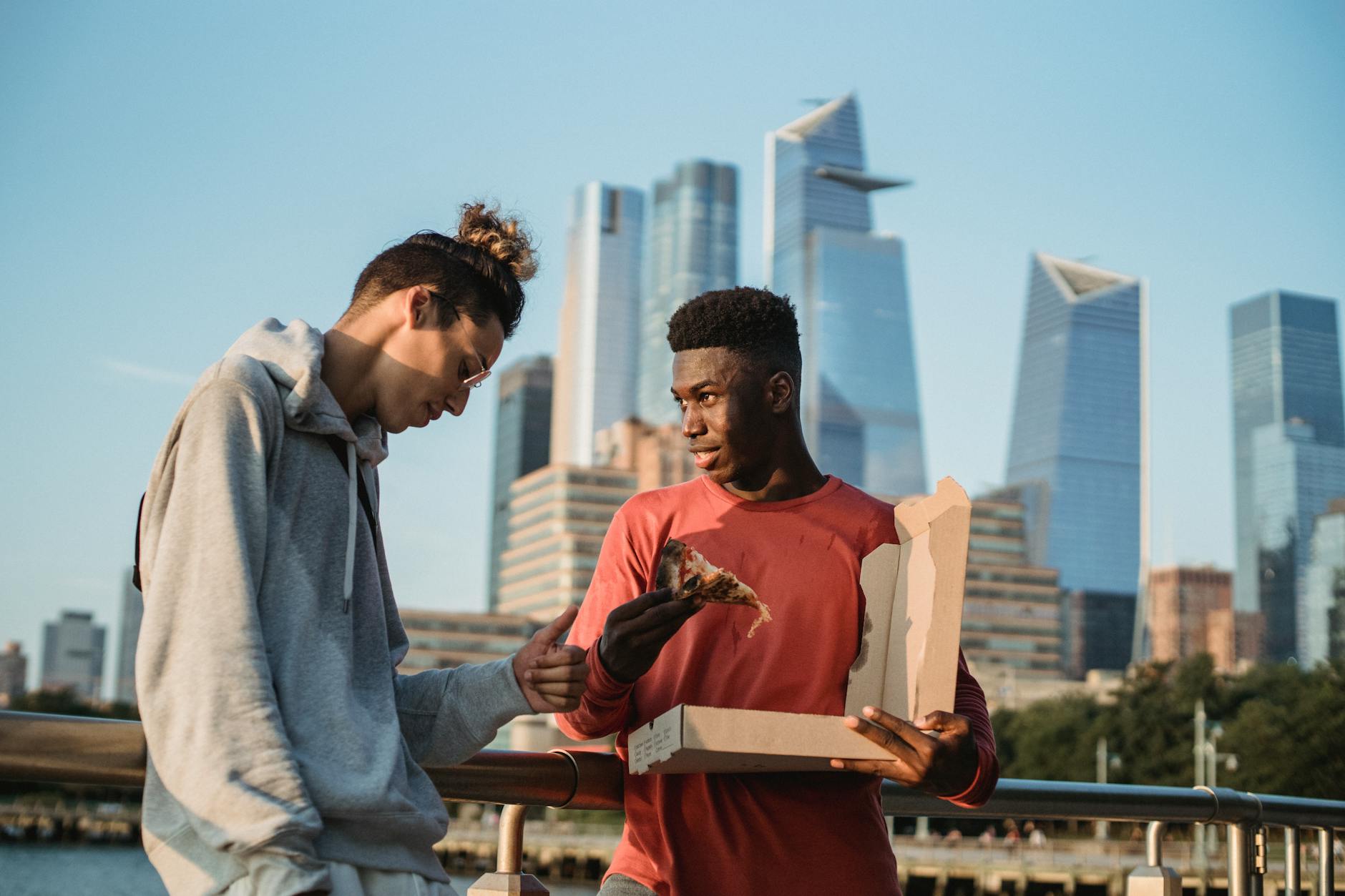
Reheated pizza sold by the slice in tourist-heavy areas near major attractions is rarely representative of the quality that gives New York pizza its legendary reputation. The city has hundreds of neighborhood pizzerias that have been operating for decades and that serve significantly superior product at comparable or lower prices. Seeking out spots in neighborhoods like Carroll Gardens, Arthur Avenue, or Williamsburg reveals what the local pizza culture genuinely looks like. Settling for convenience over quality in this particular food category means missing one of the city’s most celebrated and accessible culinary pleasures.
Street Wifi

Connecting to unsecured public wifi networks on New York streets or in crowded tourist areas without a VPN exposes personal data to significant security risk. Cybercriminals frequently create networks with convincing names designed to mimic legitimate city infrastructure in order to intercept personal information. The city does operate a legitimate free wifi network through its LinkNYC kiosks which are a safer and more reliable option for basic browsing. Using mobile data or a trusted VPN service for anything involving passwords or financial information remains the safest approach in any densely populated urban environment.
Chinatown Souvenirs
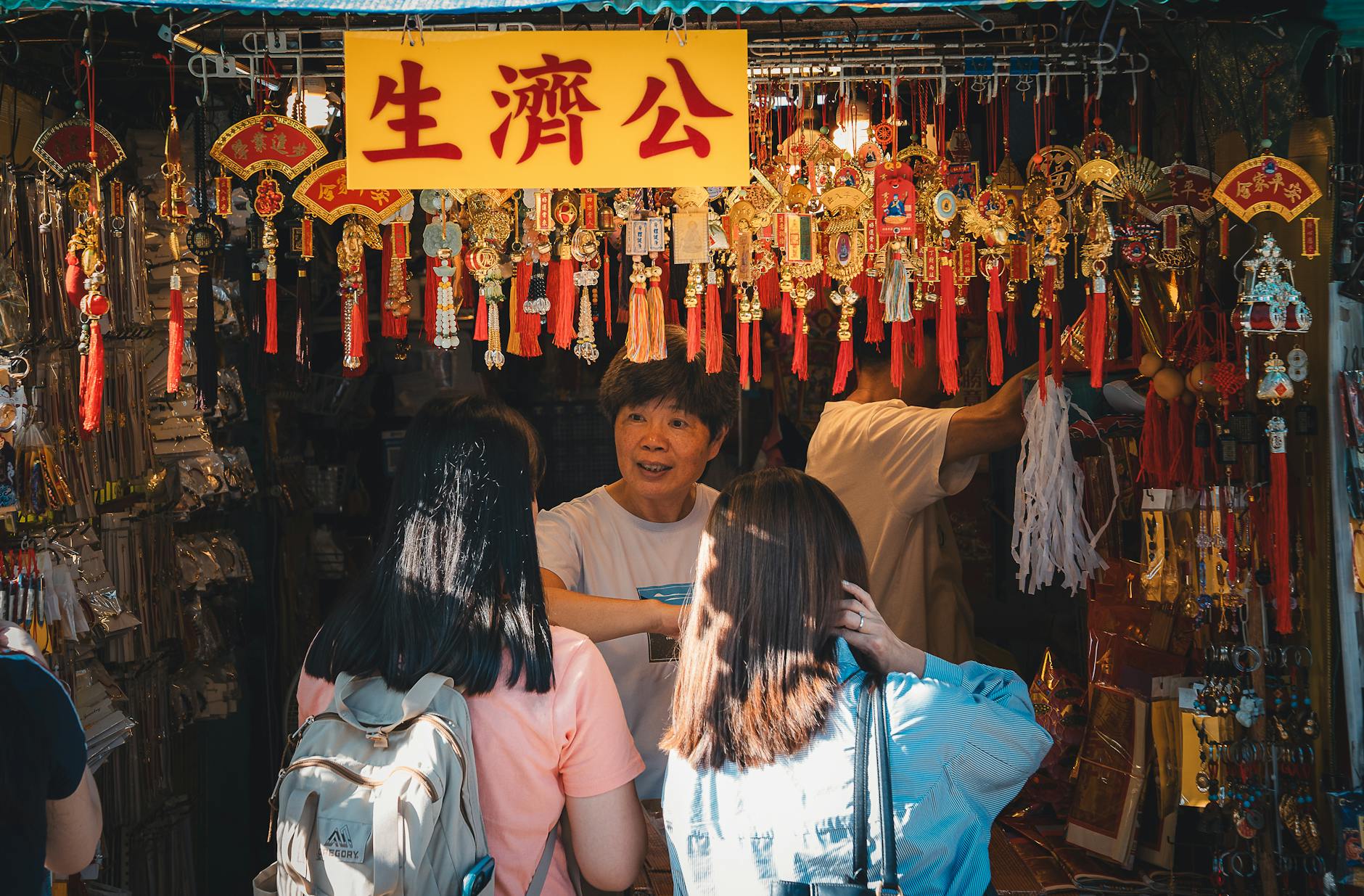
Buying counterfeit designer goods from street vendors in Chinatown or other parts of the city is not only a legal risk for the buyer but also contributes to a broader economy built on intellectual property theft. United States customs law allows officers to confiscate counterfeit items found in travelers’ luggage and repeat purchases can result in fines. The experience of negotiating for fake luxury goods has been romanticized in travel culture but the practical and legal downsides are frequently underestimated. Authentic locally made souvenirs from Brooklyn markets and independent artisan shops offer a far more meaningful and legally sound alternative.
Museum Weekends

Visiting major institutions like the Metropolitan Museum of Art or the Museum of Natural History on weekend afternoons without booking in advance means contending with some of the largest crowds in the entire city. Queue times for entry and for popular exhibits can stretch to over an hour particularly during school holiday periods and peak tourist season. Weekday mornings immediately after opening time are consistently reported as the quietest and most enjoyable windows for visiting these institutions. Many museums also offer reduced or pay-what-you-wish pricing during specific evening hours which provides both savings and a less congested experience.
Grand Central Dining
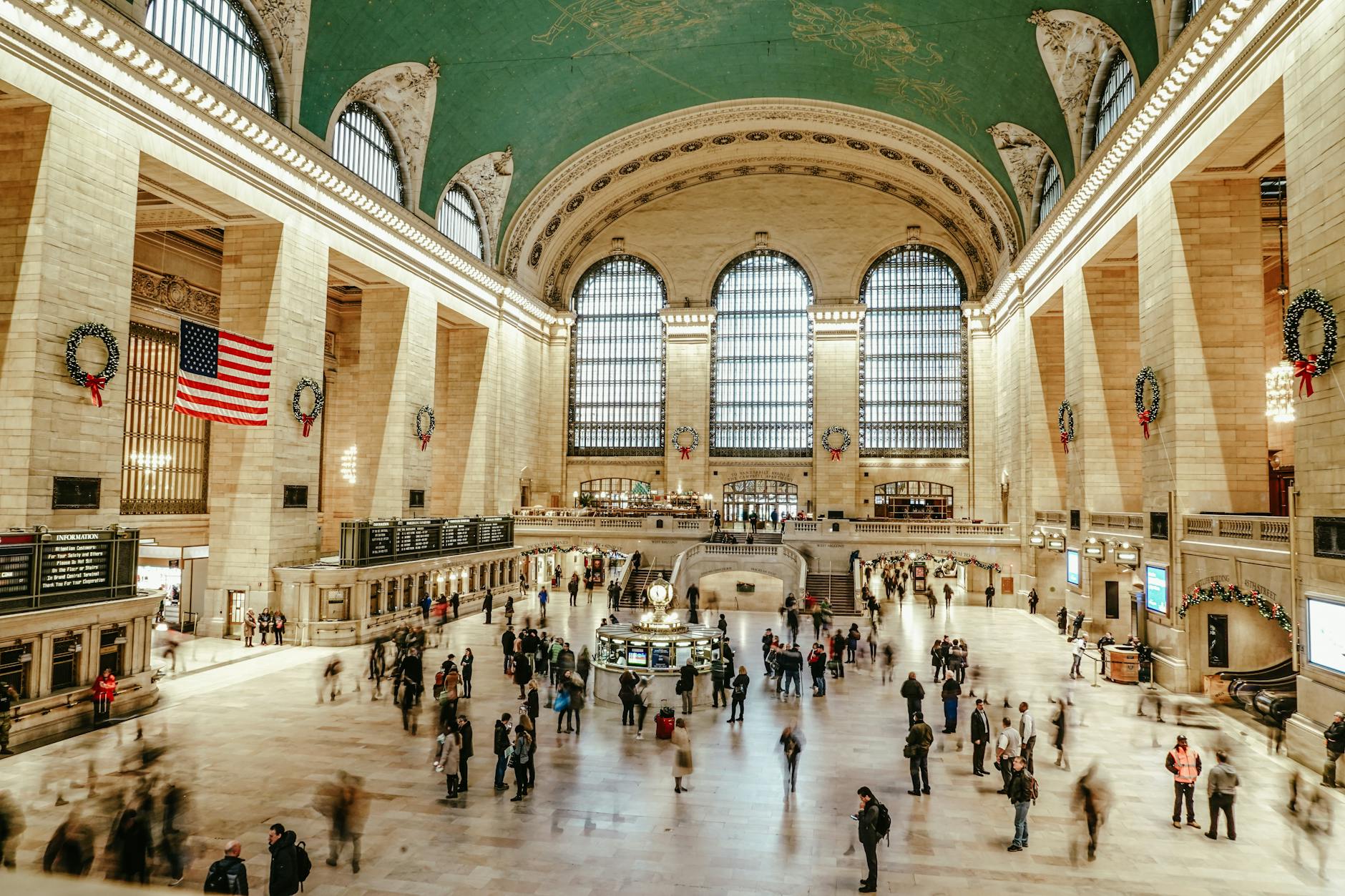
Eating at the sit-down restaurants inside Grand Central Terminal is a choice that prioritizes atmosphere over value in a way that significantly inflates the cost of a meal. The terminal’s architecture is genuinely spectacular but the surrounding Midtown East neighborhood has countless dining options that offer better food at more reasonable prices within a short walk. Grand Central is best experienced as a transit and architectural landmark rather than a dining destination. Taking twenty minutes to walk toward Lexington Avenue or Murray Hill opens up a far broader and more affordable range of eating options.
Hotel Gyms

Paying for access to a hotel gym when the city has an extraordinary density of high-quality public parks fitness trails and free outdoor workout stations is an unnecessary expense for most visitors. Central Park alone has miles of running paths along with outdoor fitness equipment stations that are available at no cost to anyone who shows up. The Brooklyn waterfront and the Hudson River Greenway offer similarly excellent options for outdoor exercise with exceptional views. New York’s walkability also means that an average day of sightseeing on foot already constitutes a significant amount of physical activity without any formal exercise needed.
Nightlife Cover Charges
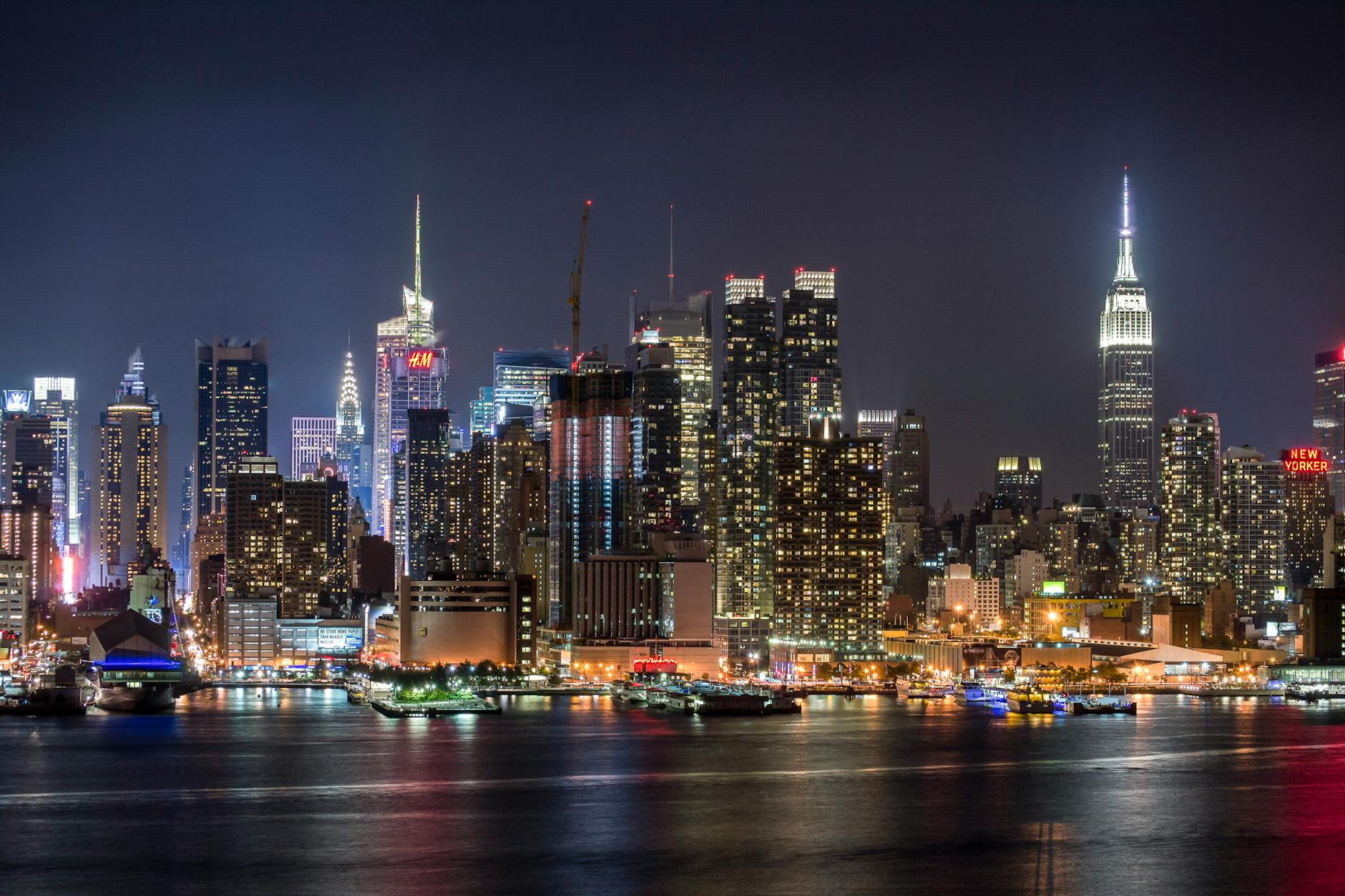
Paying steep cover charges to enter nightclubs based solely on a venue’s proximity to a major hotel or its prominence in generic tourist guides is a pattern that consistently disappoints visitors looking for authentic nightlife. The city’s most vibrant and credible music and club scenes are concentrated in neighborhoods like Bushwick, Ridgewood, and the Lower East Side where cover charges are often lower and the musical programming is considerably more distinctive. Doing a small amount of research into the city’s independent venue listings before a night out yields far better results than defaulting to the most marketed options. New York’s nightlife reputation is built on its underground and independent culture which remains largely invisible to visitors who do not look beyond the obvious.
Tipping Confusion
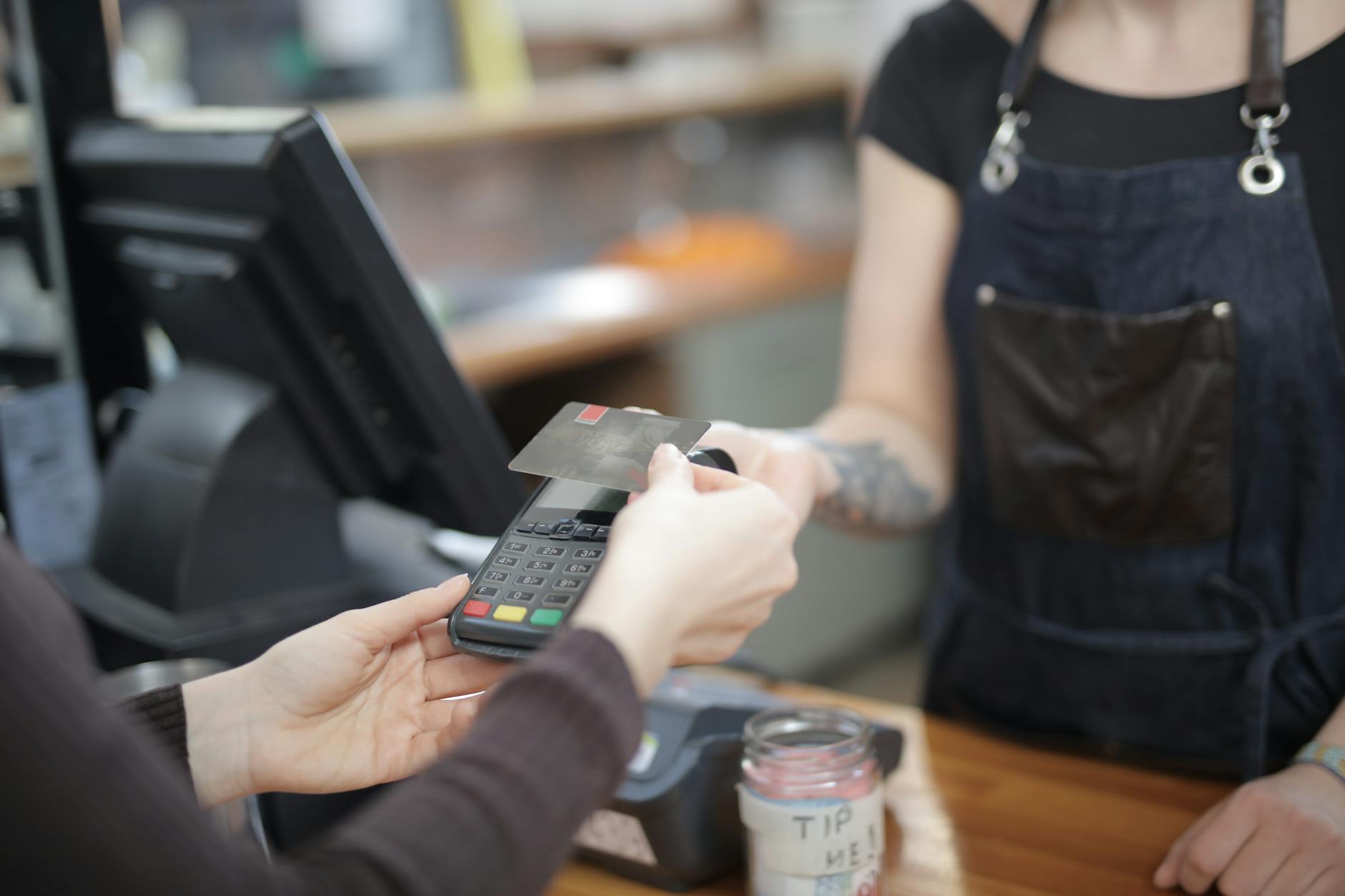
Undertipping or failing to tip at all in restaurants, bars, and taxis creates a genuinely negative experience for the service workers involved whose income depends substantially on gratuities within the American system. The standard tipping range in New York sits between eighteen and twenty-five percent of the pre-tax bill in full-service restaurants with the higher end being common in fine dining. Many visitors from countries where tipping is not customary are unaware of how integral it is to the livelihoods of hospitality workers in this particular economic context. Familiarizing yourself with local tipping norms before arriving avoids awkward situations and ensures fair treatment of the people serving you.
Rental Scams

Booking short-term accommodation through unverified platforms or responding to listings that request payment outside of a regulated booking system is a risk that has cost many visitors significant sums of money. New York has strict regulations around short-term rentals meaning that a large proportion of listings on unofficial channels are either illegal or fraudulent. Sticking to well-established and regulated booking platforms that offer buyer protection is the most reliable way to secure accommodation that will actually be available upon arrival. Reading recent verified reviews and confirming host credentials before transferring any money is a basic but essential step in the process.
Outer Borough Avoidance
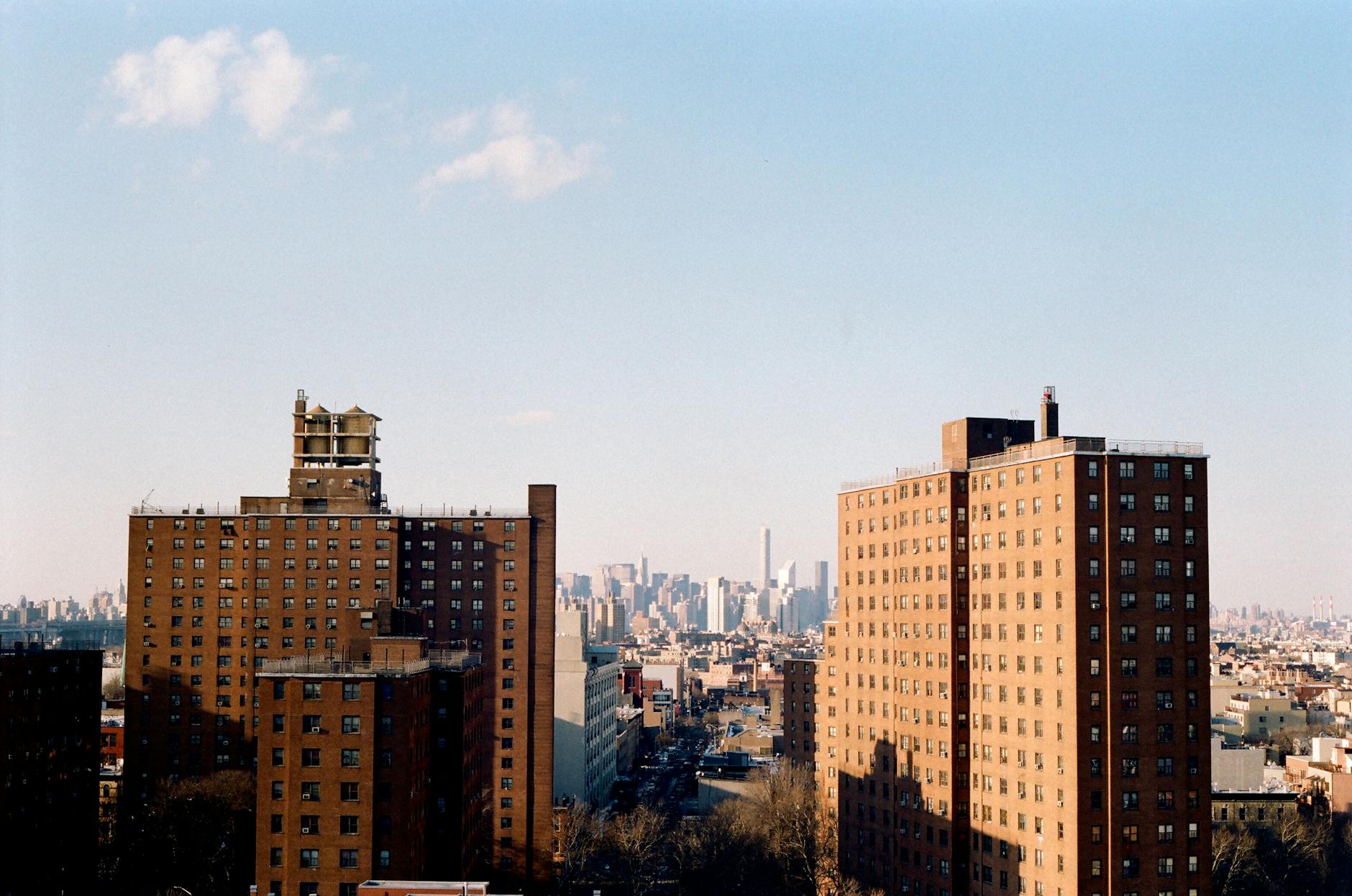
Limiting an entire New York visit to Manhattan and never crossing into Brooklyn, Queens, or the Bronx means missing a substantial portion of what makes the city genuinely compelling to those who know it well. The outer boroughs are home to some of the most celebrated food markets, art institutions, music venues, and cultural communities in the entire metropolitan area. Neighborhoods like Astoria, Bed-Stuy, and the South Bronx have undergone significant cultural development in recent years and reward curious visitors with experiences that feel far removed from the tourist trail. The subway connects all five boroughs efficiently and the journey to most outer borough destinations takes no longer than a typical cross-Manhattan trip.
Airport Taxis
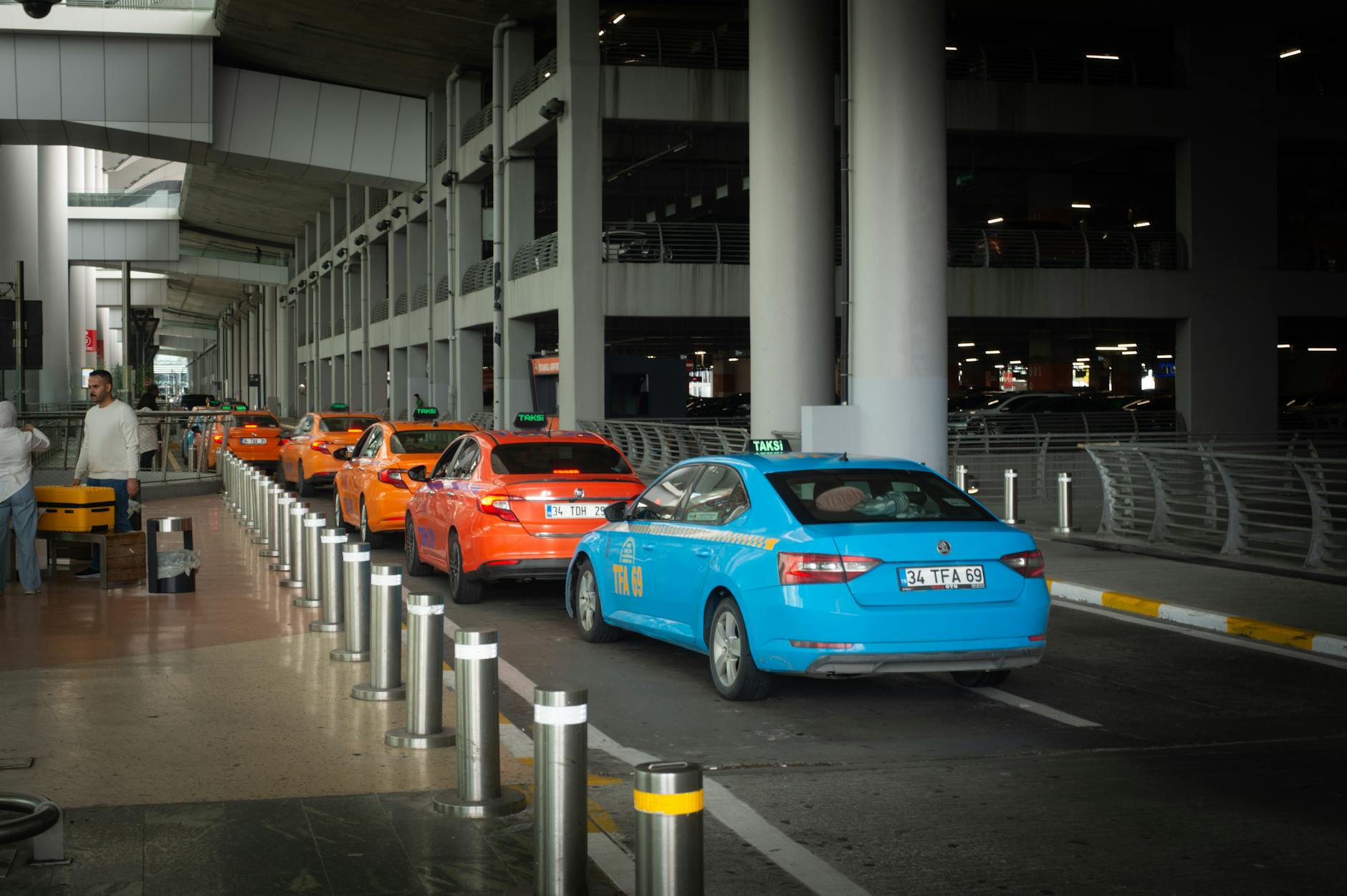
Accepting an offer from an unlicensed driver inside the arrivals terminal of any New York airport is one of the most well-documented ways to begin a trip with an avoidable and expensive problem. These individuals typically approach travelers directly and confidently which can make the interaction feel legitimate to someone who has never encountered it before. Licensed taxis and rideshares have designated pickup zones that are clearly marked in all major terminals and use metered or upfront pricing that is regulated and transparent. Walking the extra distance to an official pickup zone takes only a few minutes and completely eliminates the risk of price gouging or worse.
Share your own New York City experiences and tips in the comments.




