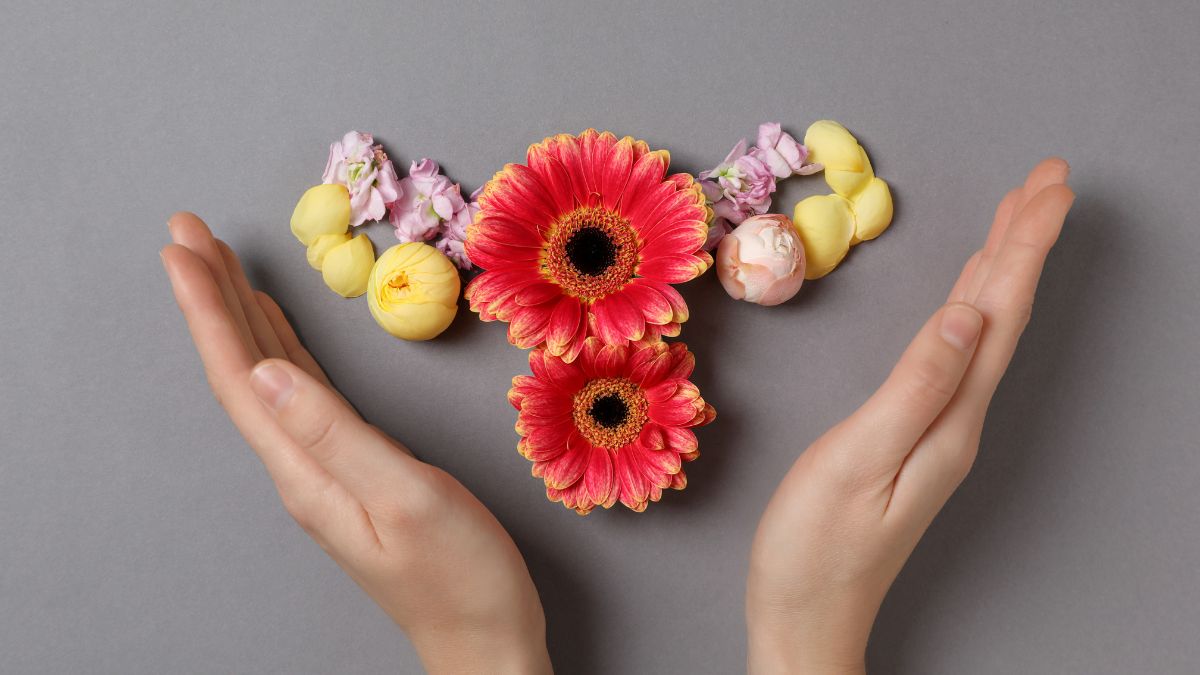
Hormones regulate nearly every system in the female body, from metabolism and mood to sleep and skin health. When they fall out of balance, the signals can be so subtle they are easily dismissed as stress or aging. Many women live with these symptoms for years without connecting them to an underlying hormonal cause. Understanding these quiet warning signs is the first step toward seeking the right support and reclaiming overall wellbeing.
Hair Thinning
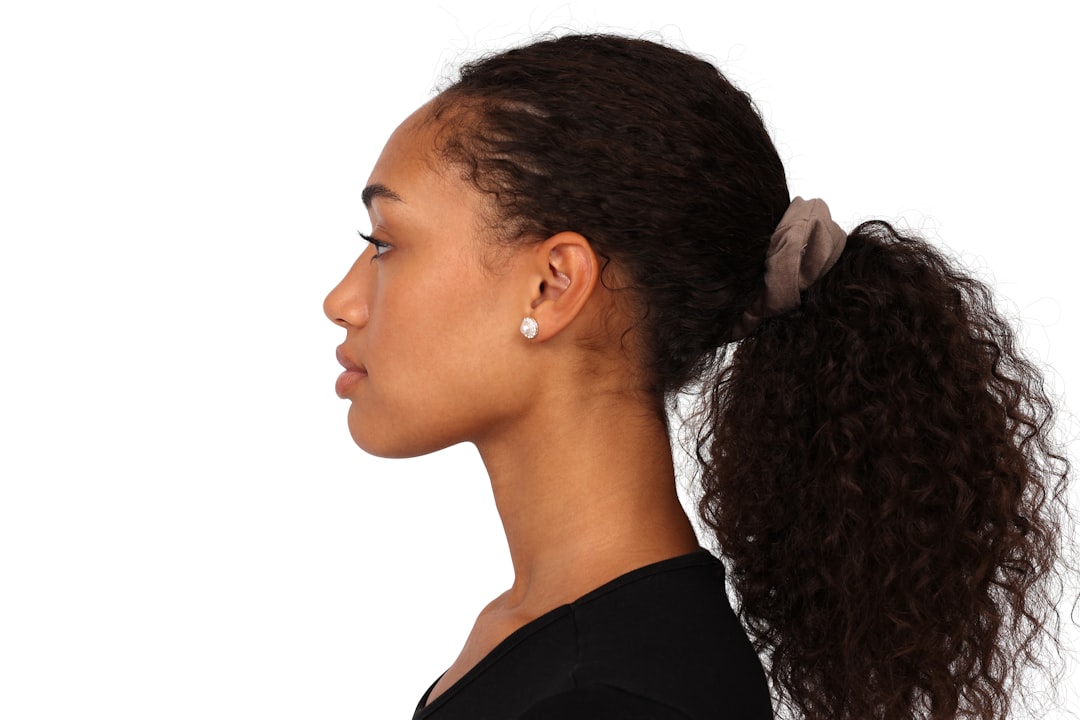
Gradual hair thinning across the scalp or along the part line is one of the earliest indicators of hormonal disruption. An excess of androgens or a drop in estrogen can shrink hair follicles and shorten the active growth phase. Thyroid dysfunction is another frequent hormonal culprit behind unexplained shedding or changes in hair texture. Many women attribute this change to heat styling or diet rather than investigating a potential hormonal root cause. Hair density changes that persist beyond three months warrant a conversation with a healthcare provider.
Chronic Fatigue

Persistent tiredness that does not improve with adequate sleep is a hallmark symptom of hormonal imbalance. Low progesterone, fluctuating cortisol, and underactive thyroid function are among the most common hormonal drivers of this kind of fatigue. The exhaustion often feels disproportionate to physical activity levels and can interfere with daily concentration and productivity. Women in their late thirties and forties are particularly susceptible as hormone production naturally begins to shift. This type of fatigue is distinct from ordinary tiredness and tends to feel bone-deep and unrelenting.
Hormonal Acne
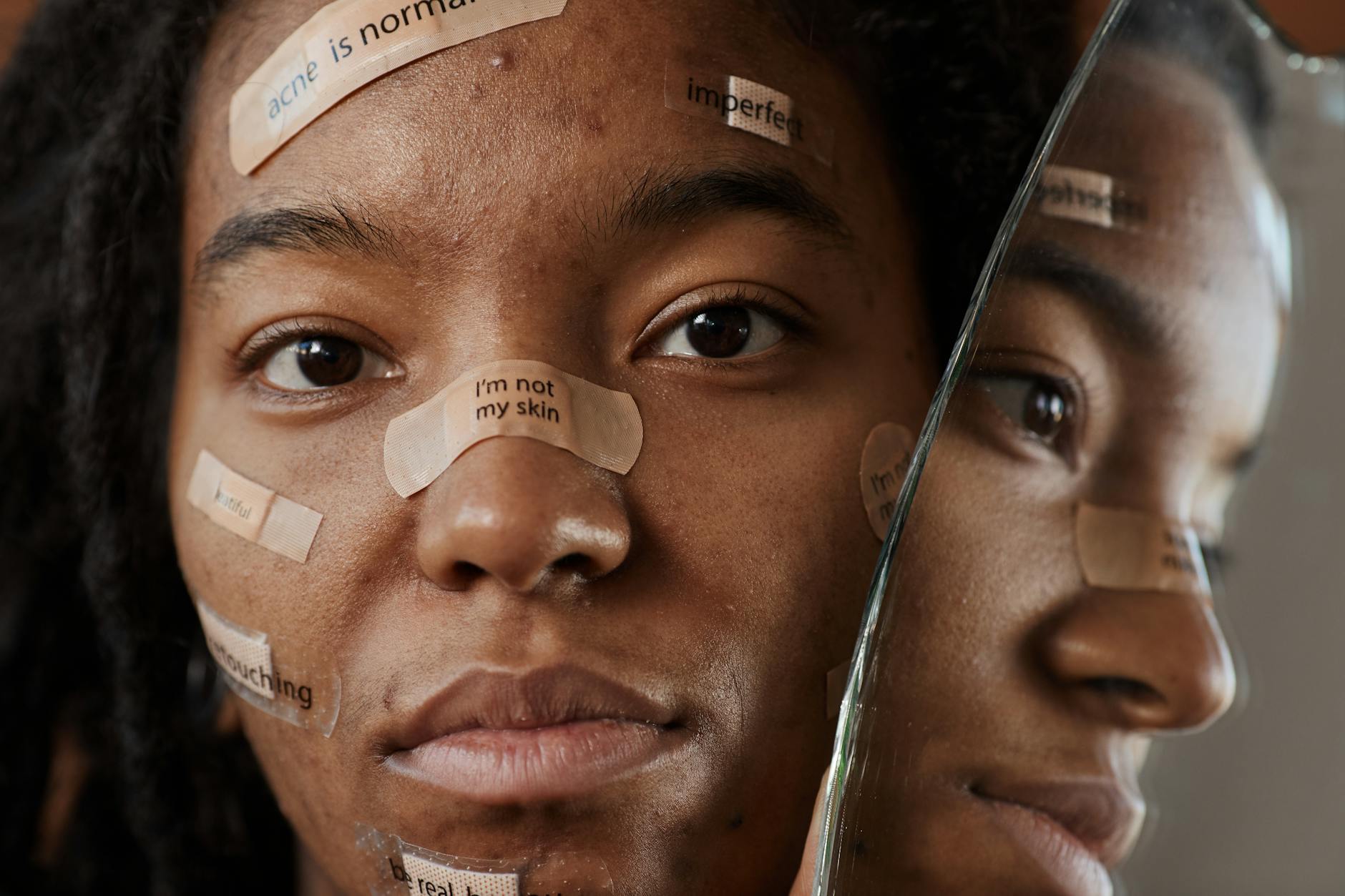
Adult acne that clusters along the jawline, chin, and lower cheeks follows a recognisably hormonal pattern. Fluctuations in estrogen and progesterone trigger excess sebum production, which clogs pores and creates inflammatory breakouts. These flares frequently coincide with the menstrual cycle, particularly in the week before menstruation begins. Women who never experienced acne in adolescence can develop it for the first time in their thirties as hormones begin to shift. Topical treatments often provide limited results when the root cause is internal rather than skin-deep.
Brain Fog
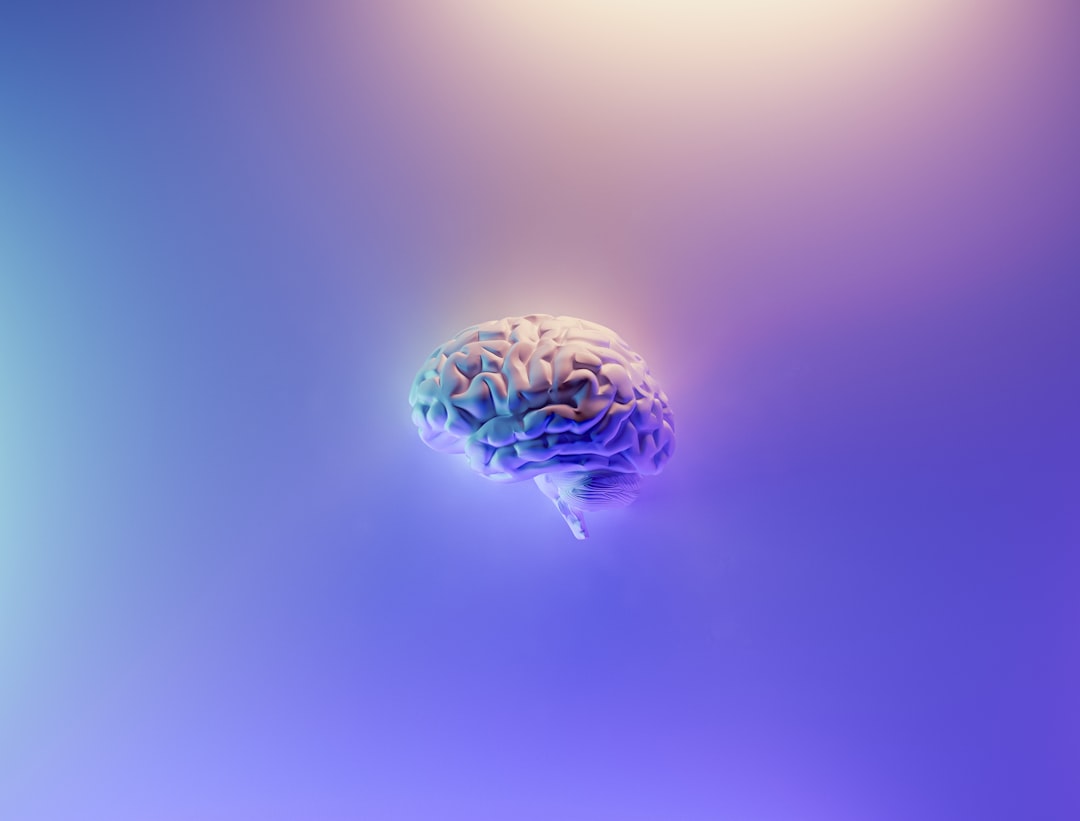
Difficulty concentrating, forgetting words mid-sentence, and a general sense of mental cloudiness are widely reported hormonal symptoms. Estrogen plays a significant role in supporting neurotransmitter function and cognitive clarity in the female brain. When estrogen levels drop or fluctuate erratically, women often describe feeling mentally sluggish despite getting enough rest. Cortisol imbalance caused by chronic stress compounds this effect by impairing memory consolidation and focus. Brain fog that appears cyclically and aligns with the menstrual cycle is a particularly telling sign of hormonal involvement.
Mood Swings

Rapid shifts in mood that feel out of proportion to circumstances are a well-documented consequence of hormonal fluctuation. The relationship between progesterone and the calming neurotransmitter GABA means that low progesterone can heighten emotional reactivity and irritability. Estrogen influences serotonin production, so falling levels in the luteal phase or perimenopause can contribute to low mood and tearfulness. These shifts are physiological in nature and are not simply a matter of emotional sensitivity. Tracking mood patterns alongside the menstrual cycle can reveal whether hormones are a contributing factor.
Sleep Disruption

Difficulty falling asleep, waking in the early hours, or experiencing night sweats are all connected to hormonal fluctuation. Progesterone has a natural sedative quality and low levels are frequently linked to insomnia and restless nights. Cortisol dysregulation caused by adrenal imbalance can trigger a wired and alert feeling in the evening when the body should be winding down. Declining estrogen in the perimenopausal years disrupts the body’s temperature regulation, causing the night sweats that fragment deep sleep. Poor sleep caused by hormonal factors tends to worsen over time without targeted intervention.
Bloating

Cyclical bloating that appears in the days before menstruation is driven by the hormonal fluctuations of the luteal phase. A drop in progesterone relative to estrogen slows gastrointestinal motility and causes the digestive system to retain gas and fluid. Women with an underactive thyroid also commonly experience chronic bloating due to reduced gut motility throughout the entire cycle. This type of bloating does not always respond to dietary changes because its origin is endocrine rather than digestive. Persistent or worsening bloating that coincides with cycle timing is worth discussing with a gynaecologist or endocrinologist.
Water Retention

Puffiness in the face, hands, and ankles that appears and disappears without an obvious dietary trigger can signal hormonal shifts. Estrogen dominance causes the kidneys to retain sodium and water, leading to a soft, swollen appearance particularly around the eyes and abdomen. Cortisol spikes also promote fluid retention as part of the body’s stress response mechanism. Women often notice this symptom worsening in the week before their period and improving once menstruation begins. Persistent water retention outside of the premenstrual window can point to thyroid or adrenal dysfunction.
Irregular Periods
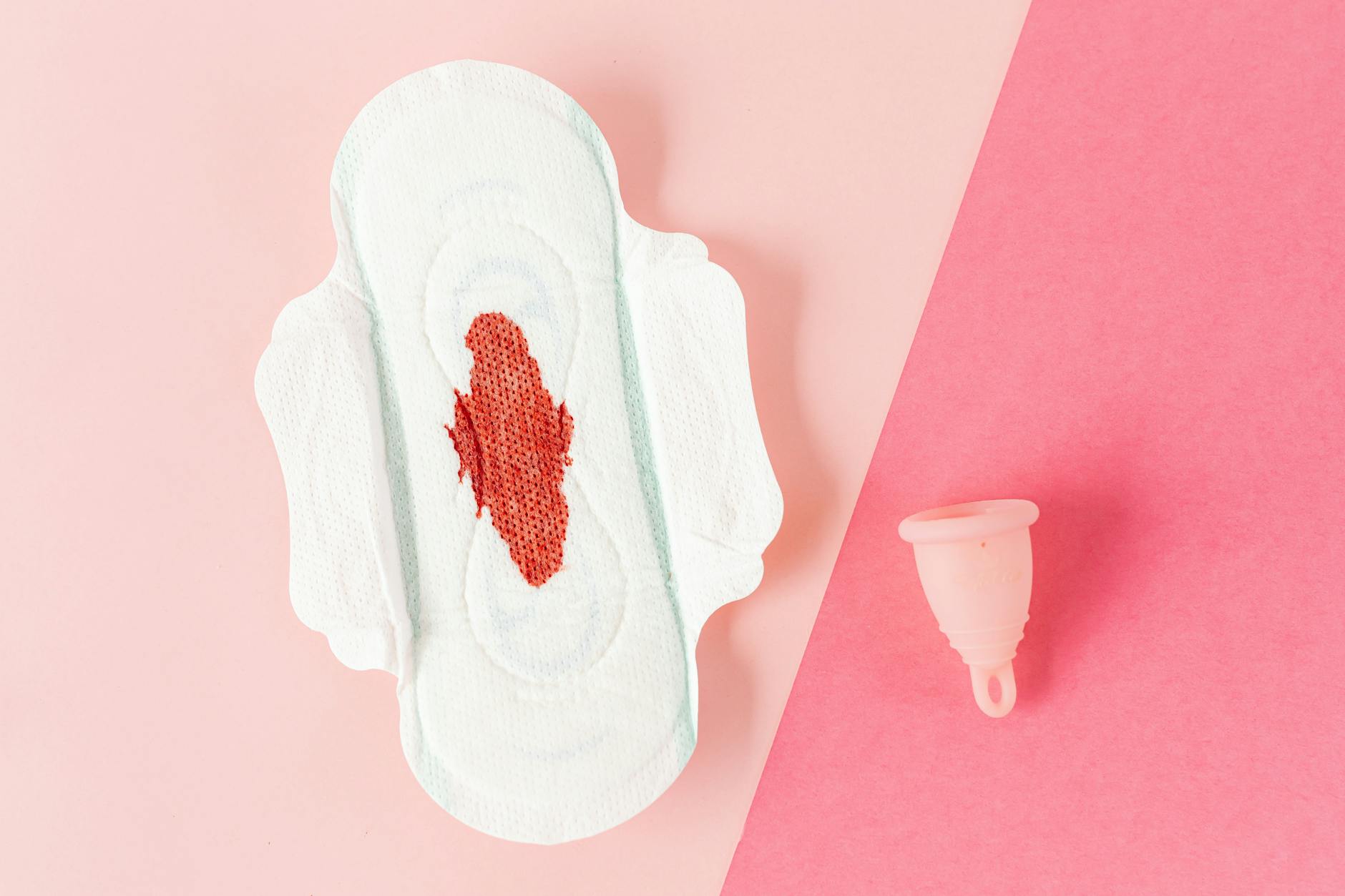
A cycle that varies dramatically in length, flow, or predictability is one of the most direct indicators of hormonal imbalance. Polycystic ovary syndrome, thyroid disorders, and elevated prolactin levels are among the most common causes of menstrual irregularity. Stress-induced cortisol elevation can suppress the reproductive hormones needed to trigger ovulation, leading to missed or delayed cycles. Many women normalise irregular periods or attribute them to lifestyle factors without investigating the underlying cause. Consistent tracking over two to three months provides useful data for a healthcare provider to assess hormonal patterns.
Low Libido

A noticeable and sustained decline in sexual desire is frequently linked to changes in testosterone, estrogen, and progesterone levels. Testosterone plays a central role in female libido and can drop significantly during perimenopause or as a result of certain hormonal contraceptives. Thyroid dysfunction and elevated cortisol from chronic stress also suppress the hormonal pathways that support sexual interest. Women in their thirties and forties often attribute this change to relationship dynamics or fatigue rather than identifying a hormonal origin. Addressing the hormonal component can be an important part of restoring overall vitality and wellbeing.
Anxiety

New or worsening anxiety that appears without a clear psychological trigger is frequently tied to hormonal changes. Fluctuating estrogen levels directly affect the activity of serotonin and dopamine, both of which regulate mood stability and the stress response. The withdrawal of progesterone before menstruation reduces GABA activity in the brain, which can heighten feelings of nervousness and unease. Women entering perimenopause often experience a sudden onset of anxiety that differs markedly from their previous emotional baseline. Recognising the cyclical or life-stage pattern of anxiety is key to identifying its hormonal dimension.
Cold Extremities

Persistently cold hands and feet even in warm environments are a commonly overlooked sign of thyroid imbalance. The thyroid hormone regulates basal metabolic rate and body temperature, and when production is insufficient the body struggles to maintain adequate circulation to the extremities. Low iron associated with heavy menstrual cycles caused by estrogen dominance can compound this symptom by reducing oxygen delivery through the blood. Women often dismiss this sensation as a personal quirk rather than a physiological signal worth investigating. When cold extremities accompany fatigue, weight changes, and hair thinning the combination strongly suggests thyroid involvement.
Dry Skin
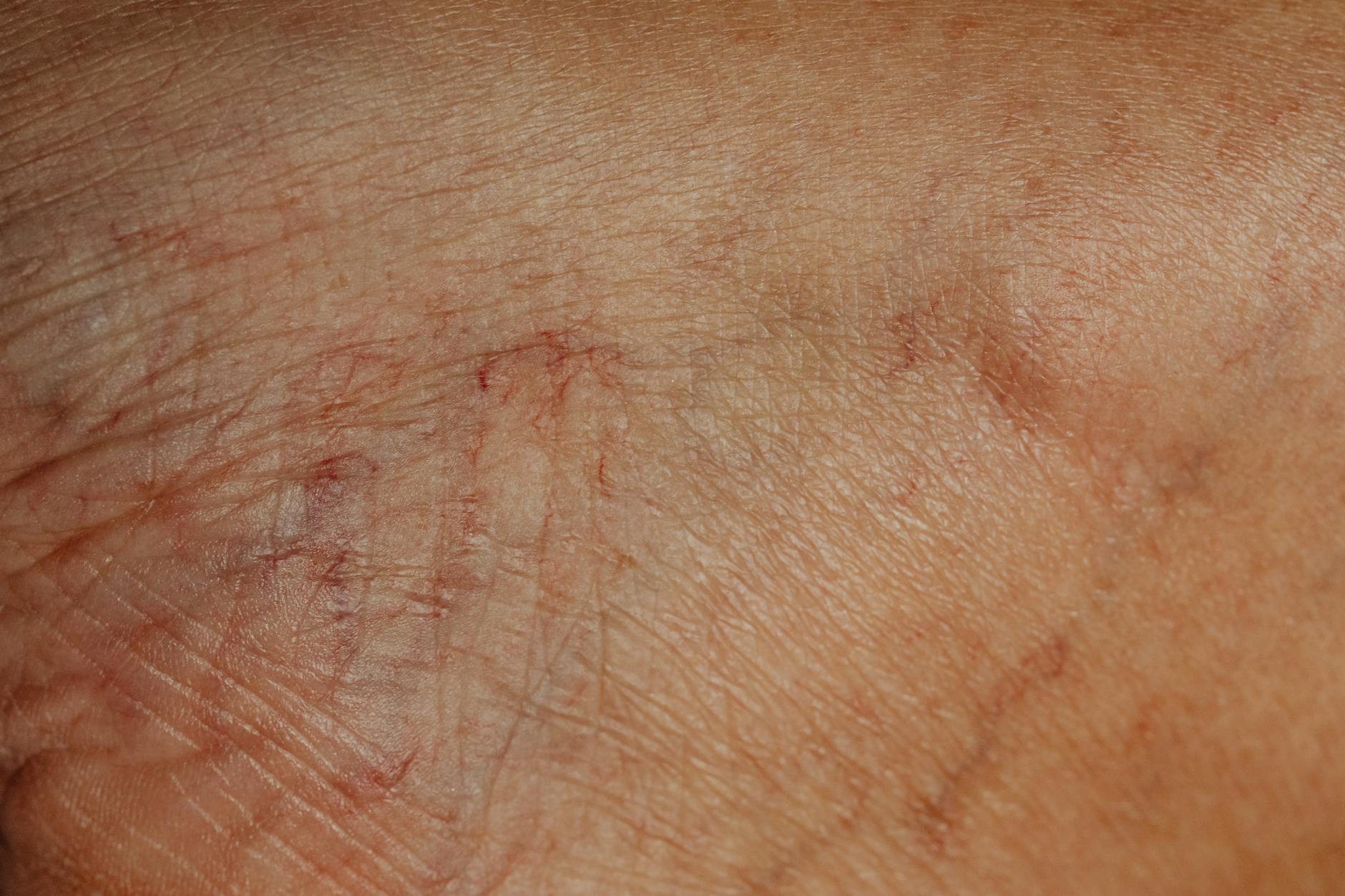
Sudden changes in skin hydration that are not explained by seasonal shifts or product changes can reflect internal hormonal activity. Estrogen stimulates collagen production and supports the skin’s ability to retain moisture, so declining levels lead to increased dryness and loss of elasticity. Thyroid hormone deficiency also impairs the turnover of skin cells and reduces the activity of oil-producing glands. Women in their late thirties may notice these changes emerging subtly across the cheeks, shins, and arms before other hormonal symptoms become apparent. Addressing skin dryness purely with topical products without investigating the hormonal cause often produces limited and temporary results.
Brittle Nails
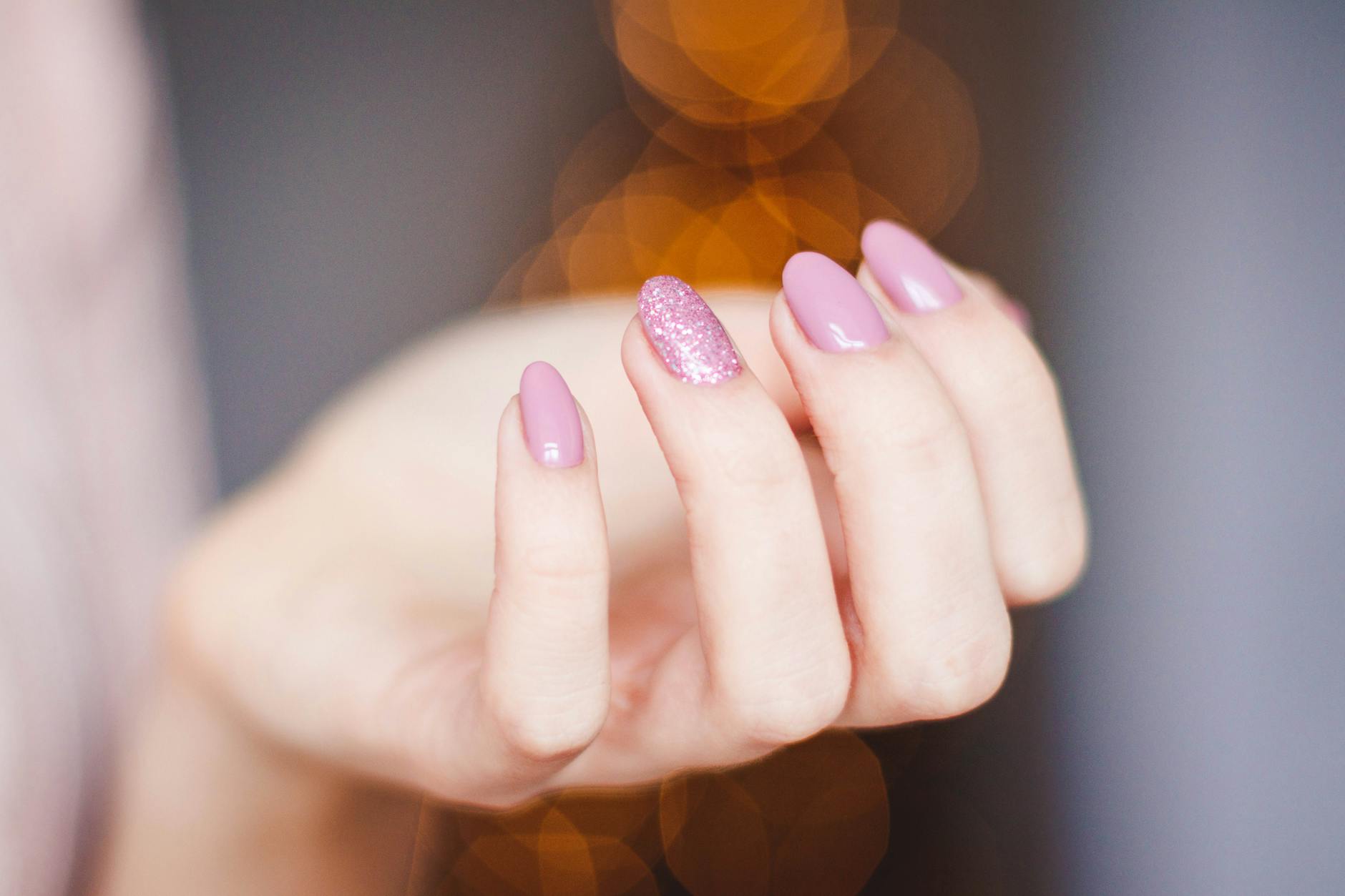
Nails that break easily, peel in layers, or grow slowly despite adequate nutrition can reflect an underlying hormonal imbalance. Thyroid hormones regulate cell growth and renewal throughout the body including the nail matrix where growth originates. Estrogen supports keratin production and low levels are associated with weaker, thinner nail structure. Iron deficiency caused by hormonal menstrual dysfunction further compromises nail integrity and can produce characteristic ridging or spooning. Brittle nails that appear alongside fatigue and hair changes form part of a recognisable cluster of symptoms worth presenting to a doctor.
Weight Fluctuation
Unexplained weight gain particularly around the abdomen and hips that does not respond to dietary changes is a well-known hormonal symptom. Insulin resistance associated with elevated cortisol or polycystic ovary syndrome promotes fat storage in the midsection regardless of caloric intake. Low thyroid hormone slows metabolism considerably and can result in gradual weight gain even with consistent lifestyle habits. Estrogen dominance encourages the body to hold onto fat tissue as adipose cells are capable of producing additional estrogen in a self-reinforcing cycle. Weight changes that feel disproportionate to behaviour and lifestyle deserve hormonal investigation rather than purely dietary intervention.
If any of these signs resonate with your experience, share your thoughts in the comments.




