
Washing your face seems like one of the simplest steps in any skincare routine, yet it is a process that most people get wrong in ways that cause lasting damage. Dermatologists consistently observe that everyday cleansing habits are responsible for breakouts, chronic dryness, premature aging, and a compromised skin barrier. The encouraging reality is that every one of these mistakes is entirely correctable once properly understood. Getting the basics right can dramatically transform the health and clarity of your skin over time.
Hot Water

Many people instinctively reach for hot water when cleansing, believing it delivers a deeper and more thorough clean. Pores do not actually open or close in response to temperature, making this one of the most persistent myths in skincare. Hot water strips the skin of its natural protective oils, disrupting the moisture barrier and triggering redness and irritation. Dermatologists consistently recommend lukewarm water as the appropriate temperature for all facial cleansing. Repeated exposure to hot water over time contributes to chronic sensitivity and accelerated moisture loss.
Over Washing

Cleansing more than twice a day is a habit dermatologists regularly identify as counterproductive and damaging to skin health. The skin relies on its natural sebum production to maintain a protective surface and a balanced microbiome. Excessive washing strips this sebum away entirely, prompting the sebaceous glands to overcompensate with increased oil production. This cycle frequently worsens acne-prone skin despite the intention of keeping it cleaner. Most skin types benefit from a morning cleanse and an evening cleanse, with nothing more in between.
Makeup Removal

Applying cleanser directly over a full face of makeup without a dedicated removal step first is one of the most widespread errors in facial cleansing. Standard cleansers are not formulated to fully dissolve waterproof mascara, long-wear foundations, or heavy SPF products. Residual makeup that remains on the skin after cleansing blocks pores and creates the conditions for persistent breakouts. Dermatologists recommend beginning with micellar water, a cleansing balm, or a dedicated oil-based remover before reaching for the facial cleanser. This pre-cleanse step ensures the skin surface is genuinely clear before the active cleanse begins.
Hand Hygiene

Washing the face with unwashed hands transfers bacteria, environmental pollutants, and excess oil directly onto freshly exposed skin. Throughout the course of a normal day, hands accumulate a significant quantity of microbes from surfaces, phones, and everyday contact. Skipping handwashing before a facial cleanse can aggravate acne, cause irritation, and introduce pathogens the cleanser then has to work against. Dermatologists emphasize that thorough handwashing with soap and water is a non-negotiable first step in any cleansing routine. This small practice has a measurable positive impact on skin clarity when followed consistently.
Wrong Cleanser

Using a cleanser that does not match your specific skin type undermines the effectiveness of the entire skincare routine. Foaming formulas containing sulfates are often far too stripping for dry or sensitive skin, while emollient creamy cleansers may be insufficient for oily or acne-prone complexions. What functions well for one skin type can actively worsen the condition of another, which is why a personalized approach is essential. Dermatologists advise selecting a cleanser formulated for your skin type and free from known irritants including fragrance and alcohol. Transitioning to the correct formula frequently produces visible improvements in texture and hydration within weeks.
Face Scrubbing

Scrubbing the face with significant force is based on the mistaken belief that aggressive friction produces a more effective cleanse. The skin on the face is considerably thinner and more delicate than skin elsewhere on the body, making it especially vulnerable to friction-related damage. Vigorous rubbing creates microscopic tears in the skin surface, disrupts the protective barrier, and leads to chronic inflammation. Dermatologists recommend using the fingertips to apply cleanser with light, circular motions and minimal pressure throughout. Consistent gentle application is far more effective at maintaining skin health than any amount of physical force.
Cleansing Time
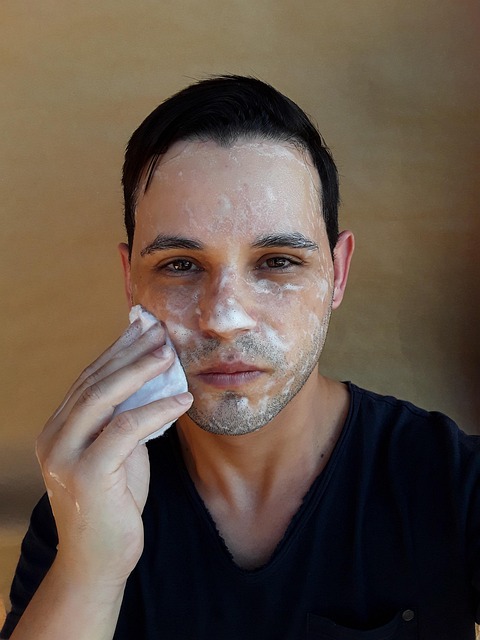
Spending only a few seconds on the cleansing step is a habit that prevents the product from working as intended. Most facial cleansers require at least sixty seconds of contact with the skin to effectively break down oil, debris, and daily environmental buildup. Rinsing prematurely wastes the active ingredients in the formula and leaves impurities behind on the surface. Dermatologists suggest massaging the cleanser across the face for a full minute before rinsing, making this a consistent practice rather than an occasional effort. This single adjustment noticeably improves the condition of the skin after cleansing with no additional cost or product required.
Face Towel

Drying the face on a shared bath towel or one that has not been washed recently reintroduces bacteria onto skin that has just been cleansed. Bath towels are among the most bacteria-dense items in a household, given their warm and frequently damp environment between uses. Dermatologists recommend keeping a clean face towel that is used exclusively for the face and laundering it every two to three days at minimum. Patting the skin gently rather than rubbing is equally important, as friction during drying can undo the benefits of a careful cleanse. Disposable facial cloths offer an even more hygienic alternative for those prone to breakouts or skin sensitivity.
Rinse Technique

Failing to rinse the cleanser away completely leaves a residue on the skin that causes a range of problems over time. Cleanser that remains on the surface can block pores, create a dull complexion, and interfere with the absorption of toners and serums applied afterward. The hairline, jawline, and the sides of the nose are the areas most frequently missed during rinsing and often show signs of congestion as a direct result. Dermatologists recommend using lukewarm water and taking additional time to check these commonly overlooked zones before completing the routine. A thorough rinse ensures the cleansing step ends with genuinely clean skin rather than product-coated skin.
Double Cleanse

Relying on a single cleansing step in the evening is rarely sufficient to remove everything that accumulates on the skin throughout the day. The double cleansing method involves an oil-based cleanser as the first step to dissolve sunscreen, sebum, and makeup, followed by a water-based cleanser to address any remaining residue. Dermatologists place particular emphasis on this method for anyone wearing SPF daily, as sunscreen is specifically formulated to resist water and requires an oil-based formula to be properly removed. This approach gained widespread recognition through Korean skincare practices and has since been validated by skin specialists internationally. Consistent evening double cleansing leads to visibly cleaner pores and a clearer complexion over time.
Bar Soap
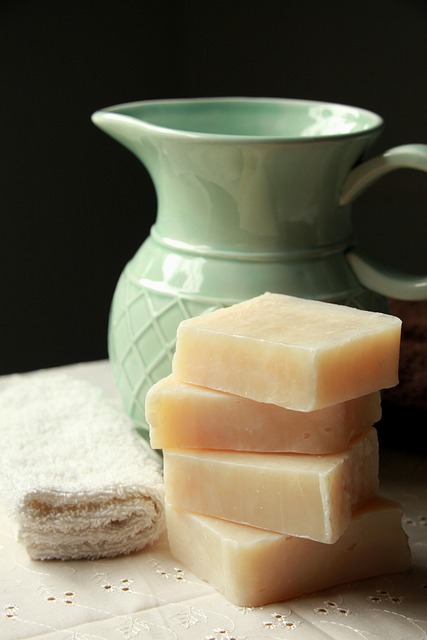
Using conventional bar soap on the face is a habit dermatologists uniformly advise against regardless of skin type. Traditional bar soaps carry a highly alkaline pH that directly disrupts the skin’s naturally acidic protective barrier, which functions optimally at a pH of approximately four to five. This disruption causes dryness, irritation, and a heightened vulnerability to environmental damage and bacterial activity. The skin requires time to rebalance its pH following exposure to alkaline products, leaving it compromised during the recovery period. Facial cleansers are specifically formulated to align with the skin’s natural pH and provide a far gentler and more compatible cleanse.
Product Overload
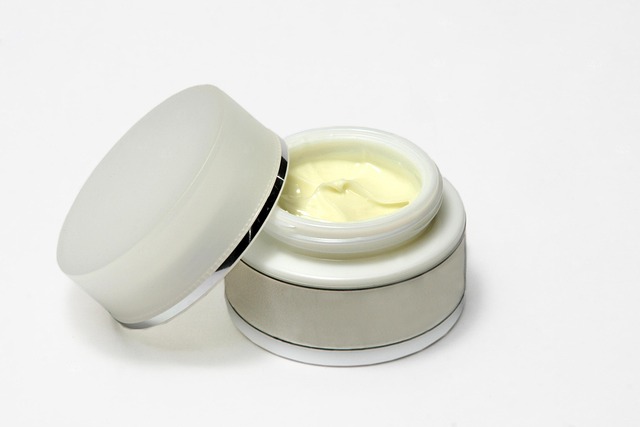
Applying excessive amounts of cleanser in the belief that more product produces a better result is a common and counterproductive mistake. A pea-sized to nickel-sized amount is sufficient for most formulations to cleanse the full face effectively. Overusing product strips more oil than necessary and makes complete rinsing significantly more difficult to achieve. Residue from over-application is a contributing factor to clogged pores, dullness, and the tight or uncomfortable feeling some people experience after washing. Dermatologists recommend starting with a conservative amount and adding only slightly more if coverage across the full face proves insufficient.
Neck Skincare

Ending the cleansing routine at the jawline while ignoring the neck is an oversight with meaningful long-term consequences for skin health. The neck features thinner, more delicate skin that is equally exposed to pollution, UV radiation, and makeup transfer throughout the day. Dermatologists note that the neck is one of the earliest areas to show visible aging, in large part because it receives so little attention in most skincare routines. Extending the cleanser from the chin down to the collarbone ensures this area receives the same foundational care as the face. Consistently including the neck during cleansing also improves the absorption and effectiveness of any moisturizers or serums applied to that zone afterward.
Moisturizer
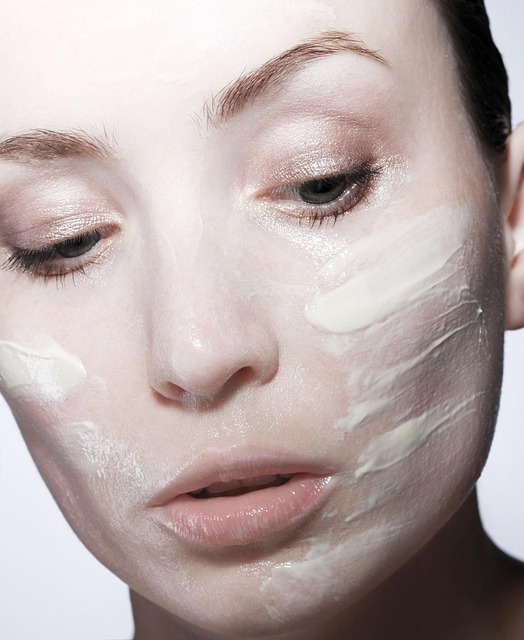
Skipping moisturizer after cleansing is a widespread mistake that is particularly common among people with oily skin who believe it will worsen their skin’s oiliness. Cleansing removes a portion of the skin’s natural moisture alongside impurities, making immediate rehydration an essential follow-up step. Oily skin is frequently caused by dehydration, as the skin produces excess oil in response to insufficient moisture in the upper layers. Dermatologists recommend applying a lightweight, non-comedogenic moisturizer within one minute of patting the skin dry to seal in hydration at its most receptive moment. Over time this habit helps regulate oil production, strengthen the skin barrier, and maintain an overall balanced complexion.
Night Routine

Going to bed without cleansing the face is one of the most damaging habits dermatologists encounter in patient consultations. Over the course of a day, the skin accumulates sunscreen, pollution particles, sebum, sweat, and product residue that must be fully removed before sleep. Leaving these substances on the skin overnight accelerates oxidative stress, congests pores, and interrupts the skin’s natural nighttime cellular repair processes. The overnight hours represent the skin’s primary regenerative window, and a thoroughly cleansed surface allows this renewal to proceed without interference. Dermatologists are consistent in their position that an evening cleanse is non-negotiable for long-term skin health regardless of how demanding the day has been.
If any of these mistakes sound familiar or you have a dermatologist-approved cleansing tip that changed your skin, share your experience in the comments.




