
The body communicates distress in ways that are easy to overlook or misattribute to other causes. Chronic stress triggers a cascade of physiological responses that extend far beyond mood and mental fatigue. Many people live with persistent physical complaints without ever connecting them to ongoing psychological pressure. Understanding these lesser-known symptoms is the first step toward recognizing the full impact stress has on overall health.
Hair Loss
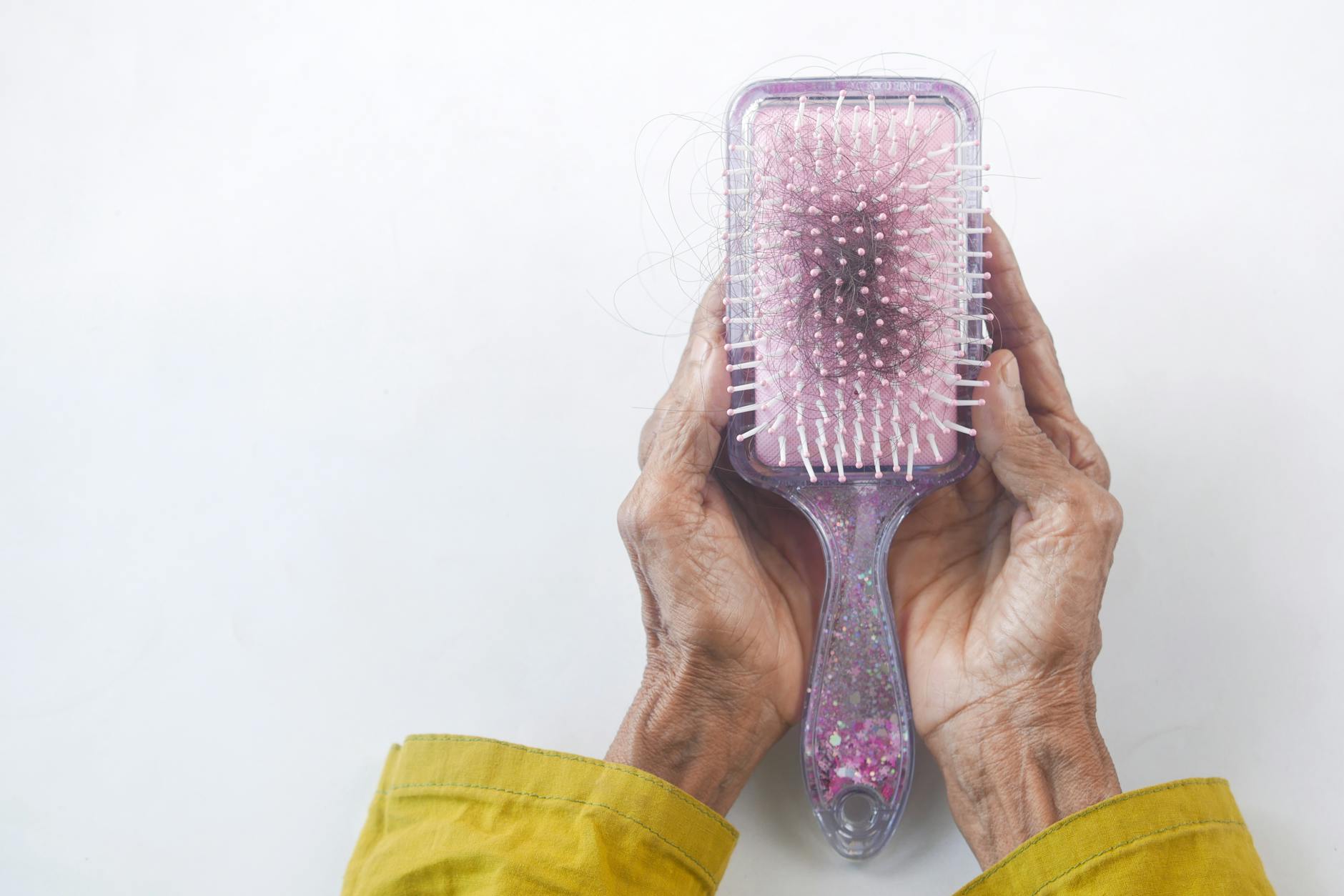
The hair growth cycle is highly sensitive to internal stress hormones, particularly cortisol. Elevated cortisol levels can push large numbers of hair follicles into a resting phase prematurely, a condition known as telogen effluvium. This typically results in noticeable shedding two to three months after a stressful period, making the connection easy to miss. The condition is usually temporary and resolves when stress levels decrease. Nutritional deficiencies that often accompany chronic stress can further accelerate the process.
Jaw Pain
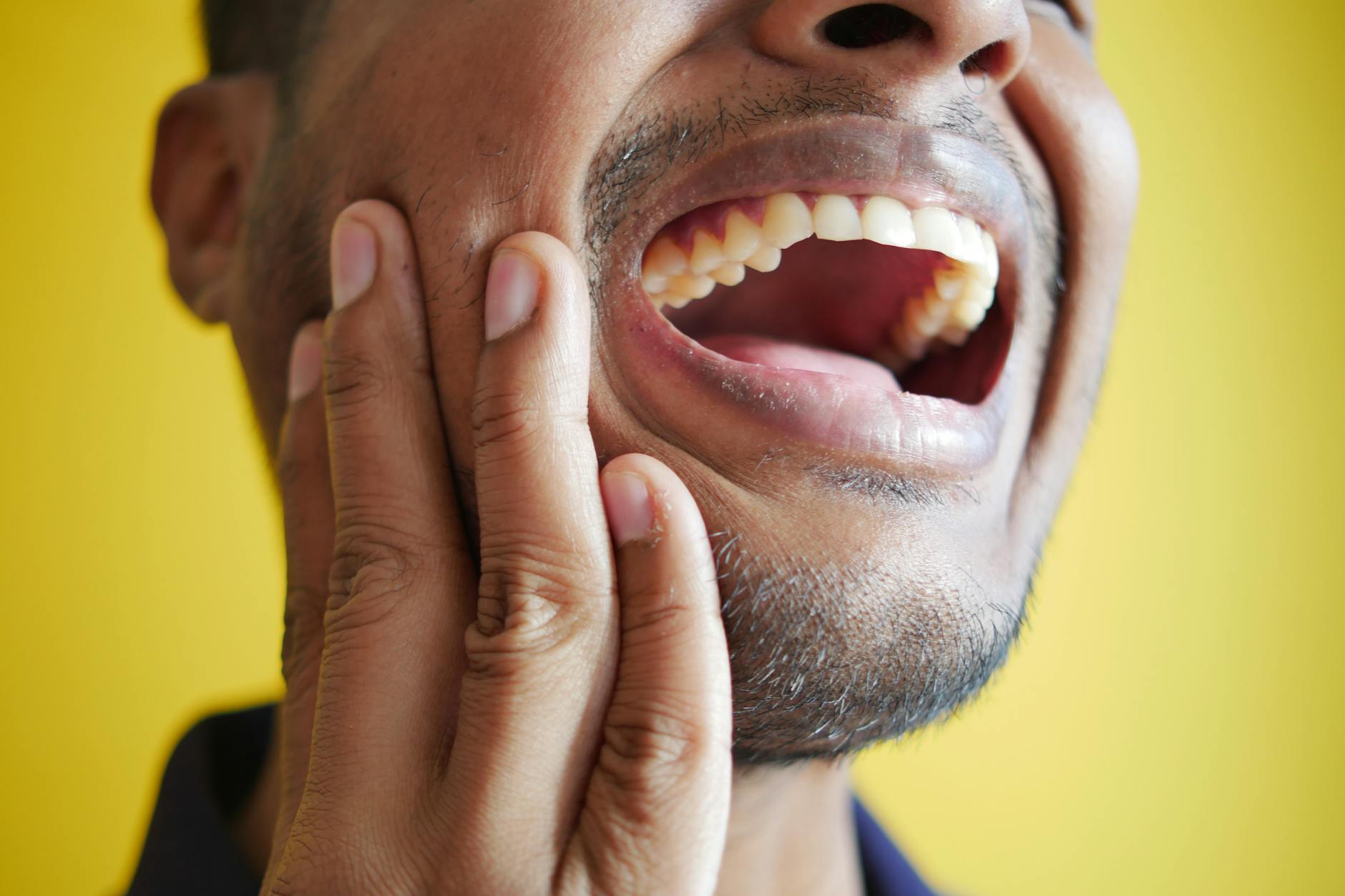
Chronic stress frequently manifests as tension held in the jaw, leading to a condition called bruxism, which involves involuntary clenching or grinding of the teeth. Many people do this during sleep without realizing it until a dentist identifies worn enamel or a partner notices the sound. The result is persistent jaw soreness, headaches, and sometimes earaches that appear unrelated to dental health. Over time this can lead to temporomandibular joint disorder, a painful condition affecting jaw movement. A custom night guard is one of the most common interventions recommended by dental professionals.
Skin Breakouts
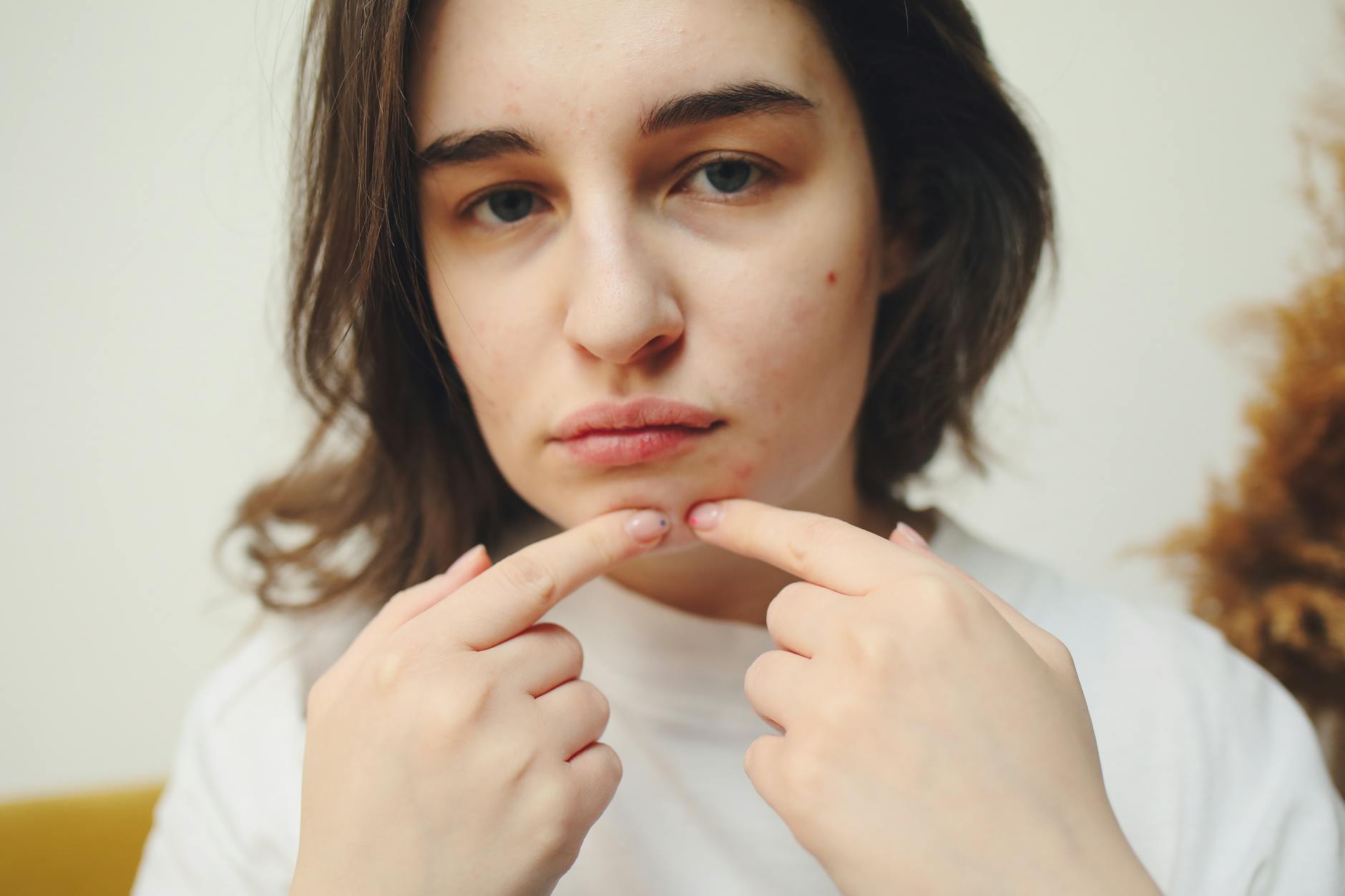
The skin and the nervous system share a deep biological connection, which means stress has a direct and visible impact on skin health. Elevated cortisol stimulates excess oil production in the sebaceous glands, creating conditions favorable to acne development. Stress also triggers inflammatory responses that can cause flare-ups of existing conditions such as eczema, psoriasis, and rosacea. The skin barrier becomes more permeable under stress, making it less effective at keeping out irritants and retaining moisture. People often notice that skin issues worsen during periods of high pressure even when their skincare routine remains unchanged.
Chest Tightness

A sensation of tightness or pressure in the chest is one of the more alarming physical symptoms that stress can produce. The body’s fight-or-flight response causes the chest muscles to tense, the breathing to become shallow, and the heart rate to accelerate. While these responses are appropriate in moments of genuine danger, they can become chronic in people under sustained stress. The symptom is often mistaken for a cardiac problem, and while it should always be evaluated by a doctor to rule out heart conditions, anxiety-related chest tightness is remarkably common. Diaphragmatic breathing exercises have been shown to help reduce both the frequency and intensity of these episodes.
Tinnitus
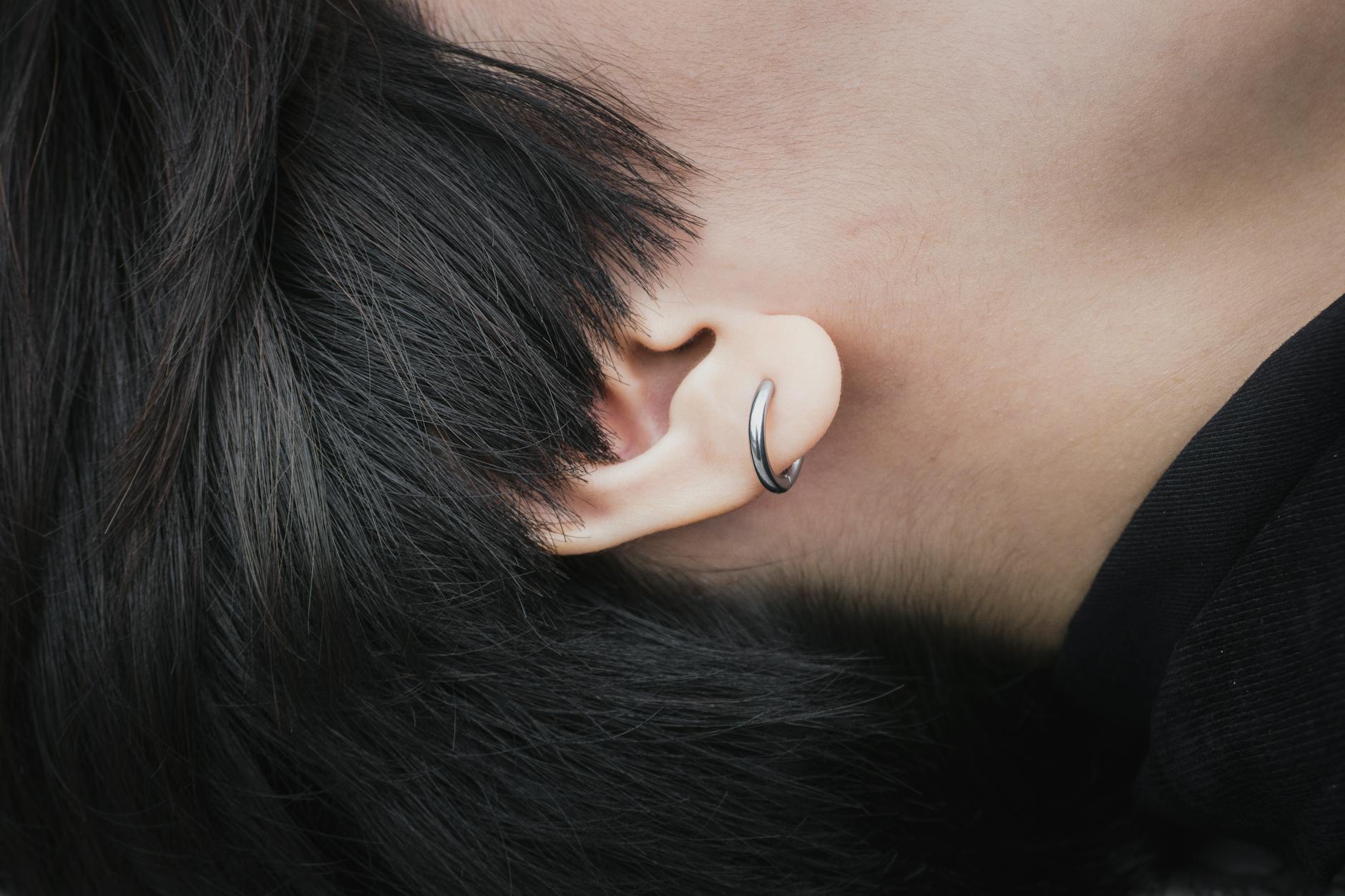
Tinnitus refers to the perception of ringing, buzzing, or hissing sounds in the ears without an external source. Research consistently shows a strong correlation between heightened stress and anxiety and the onset or worsening of tinnitus symptoms. The auditory system is closely linked to areas of the brain that regulate emotional responses, making it particularly vulnerable to psychological strain. Stress-related muscle tension in the neck and jaw can also contribute to the sensation by affecting the structures surrounding the inner ear. While tinnitus has multiple possible causes, managing stress is often a central component of audiological treatment plans.
Eye Twitching
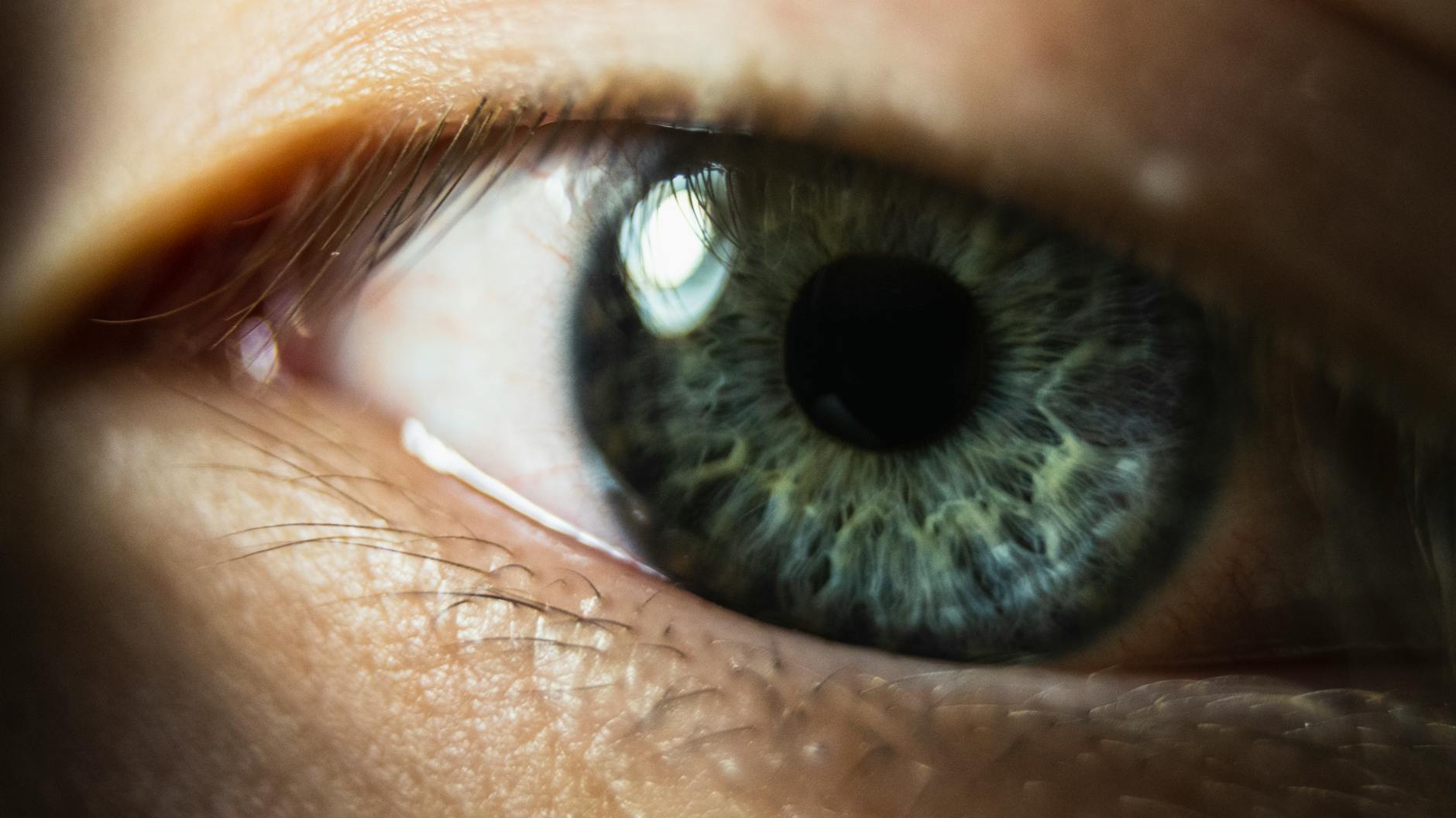
Involuntary spasms of the eyelid, medically referred to as myokymia, are a common physical response to stress and fatigue. The orbicularis oculi muscle that surrounds the eye becomes irritable when the nervous system is overstimulated, causing it to contract spontaneously. These twitches are almost always harmless but can be persistent enough to become disruptive to daily life. They tend to worsen with caffeine consumption and screen exposure, both of which are often elevated during stressful periods. Adequate sleep and reduced caffeine intake are among the most effective ways to resolve stress-related eye twitching.
Irritable Bowel Syndrome

The gut and the brain communicate through a complex bidirectional network known as the gut-brain axis. Chronic stress disrupts this communication and alters gut motility, which can lead to abdominal cramping, bloating, diarrhea, and constipation. Many people diagnosed with irritable bowel syndrome report that their symptoms are significantly triggered and worsened by emotional stress. The gut also contains a large concentration of serotonin receptors, meaning psychological state has a measurable chemical effect on digestive function. Stress management techniques including mindfulness and therapy have been incorporated into clinical treatment protocols for gut-related disorders.
Back Pain

Muscle tension is one of the most immediate physical responses to stress, and the back is one of the areas most commonly affected. The body prepares for perceived threats by tightening the muscles around the spine and shoulders, a protective mechanism that becomes harmful when sustained for long periods. Chronic back pain with no identifiable structural cause is frequently linked to unresolved psychological stress. Research in psychosomatic medicine has documented a strong association between occupational stress and musculoskeletal pain in the lumbar region. Physical therapy combined with stress reduction practices tends to produce better outcomes than physical intervention alone.
Low Immunity

Chronic stress suppresses the immune system’s ability to function effectively, making the body more susceptible to infections. Cortisol inhibits the production and activity of key immune cells including lymphocytes, which are responsible for identifying and destroying pathogens. People under prolonged stress often find themselves catching colds and viruses more frequently and taking longer to recover. Wound healing is also measurably slower in individuals experiencing high levels of psychological stress. The immune consequences of chronic stress extend beyond common illnesses and may contribute to increased susceptibility to more serious conditions over time.
Heart Palpitations
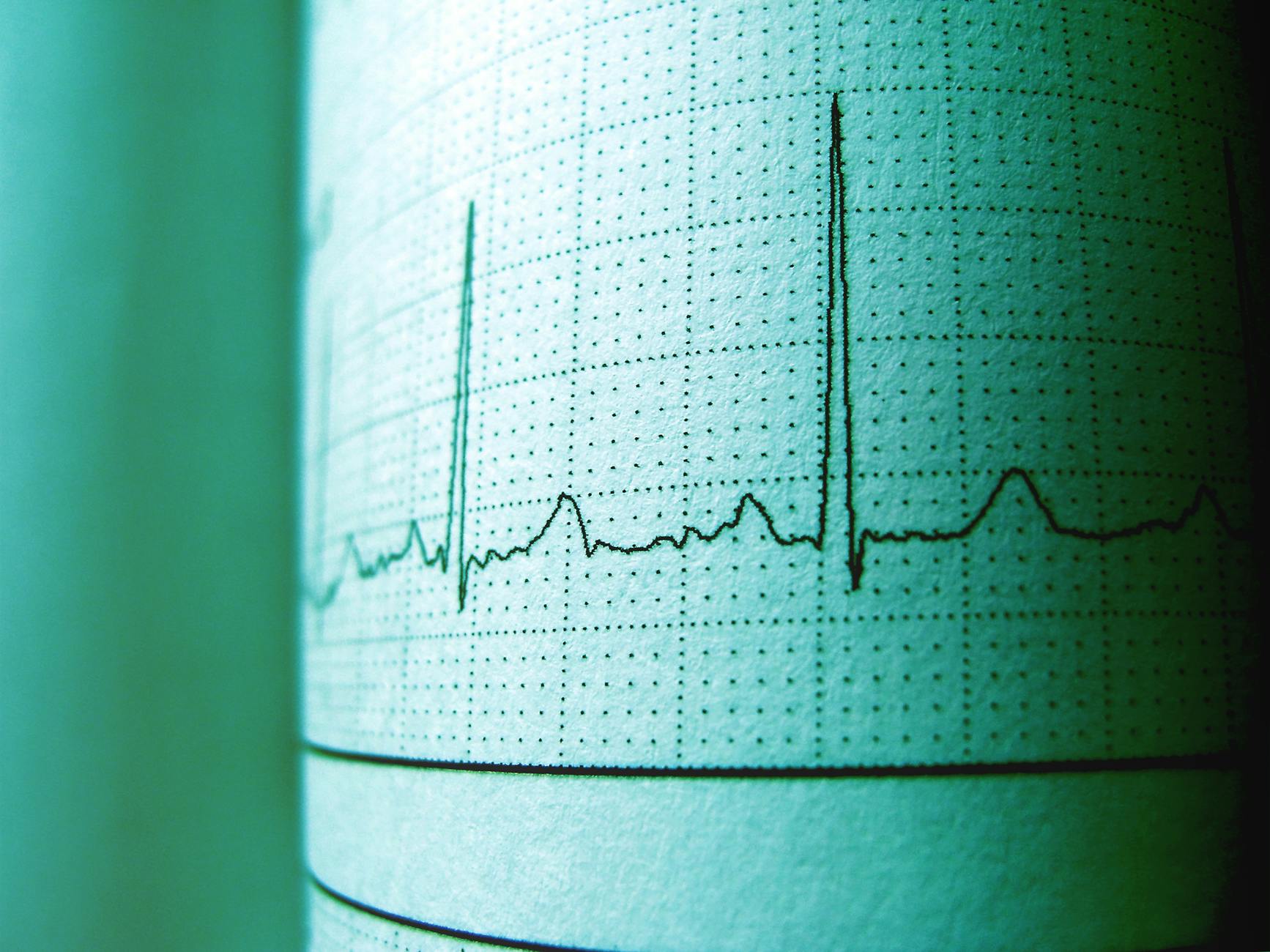
Stress activates the sympathetic nervous system, which directly influences heart rate and rhythm. This activation can produce palpitations, an uncomfortable awareness of the heartbeat that may feel rapid, irregular, or unusually forceful. While palpitations caused by stress are generally benign, they can be frightening and should be medically assessed to rule out arrhythmia. Chronic stress has also been associated with elevated resting heart rate and increased blood pressure, both of which are risk factors for cardiovascular disease. Regular aerobic exercise is one of the most effective strategies for regulating the stress response and improving heart rate variability.
Excessive Sweating

The sweat glands are regulated by the sympathetic nervous system, making them highly responsive to emotional arousal and stress. People experiencing chronic stress may notice increased sweating in the palms, underarms, and feet even in the absence of physical exertion or heat. This condition is known as emotional or stress-induced sweating and involves the activation of apocrine glands rather than the eccrine glands responsible for temperature regulation. The sweat produced by apocrine glands has a different composition and is more likely to produce noticeable body odor. Persistent stress-related sweating can interfere with social and professional functioning and responds well to both targeted treatments and stress management.
Low Libido

Chronic stress has a well-documented suppressive effect on sexual drive in people of all genders. The stress hormone cortisol interferes with the production of reproductive hormones including testosterone and estrogen, both of which are essential for maintaining libido. The psychological exhaustion associated with ongoing stress also reduces interest in intimacy and can create emotional distance in relationships. Physical symptoms including fatigue and body tension further diminish the conditions conducive to sexual connection. Addressing the root causes of stress is widely considered the most sustainable path to restoring hormonal balance and sexual wellbeing.
Muscle Weakness

Beyond ordinary tension, chronic stress can lead to a more diffuse and persistent sense of physical weakness throughout the body. Prolonged cortisol elevation breaks down muscle protein over time through a process called catabolism, gradually reducing muscle mass and strength. People who are chronically stressed often experience fatigue that is disproportionate to their level of physical activity. The combination of poor sleep, elevated inflammatory markers, and hormonal disruption creates conditions that undermine muscular recovery and endurance. Resistance training has been shown to counteract some of these effects while also providing a neurological buffer against future stress responses.
Brain Fog
Cognitive symptoms of chronic stress are often experienced as a physical phenomenon rather than a purely mental one. People describe brain fog as a heaviness or cloudiness in the head that makes concentration, memory recall, and clear thinking feel effortful. This experience has a neurological basis, as chronic cortisol exposure impairs the function of the prefrontal cortex and hippocampus, areas central to decision-making and memory. Inflammation triggered by the stress response also affects neural communication and contributes to mental sluggishness. The symptom is often one of the most professionally and personally disruptive aspects of living with chronic stress.
Itchy Skin
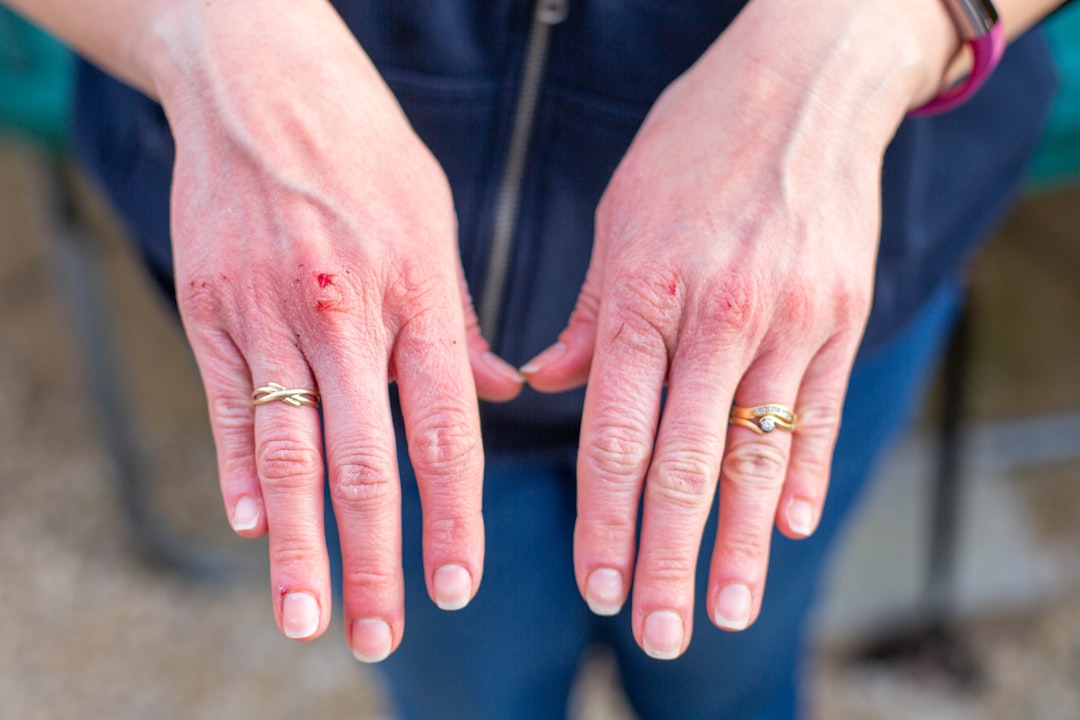
Stress triggers the release of neuropeptides and other chemical messengers that sensitize the nerve fibers in the skin, leading to a sensation of itching without an identifiable external cause. This neurogenic itch is distinct from allergic or contact-driven itching but can be just as persistent and uncomfortable. Scratching provides temporary relief but can damage the skin barrier and create a cycle of irritation and further itching. Chronic stress also slows the skin’s natural repair processes, meaning any breaks in the skin take longer to heal and are more prone to infection. Moisturizing regularly and managing psychological stress through structured techniques can significantly reduce the frequency and severity of episodes.
Brittle Nails
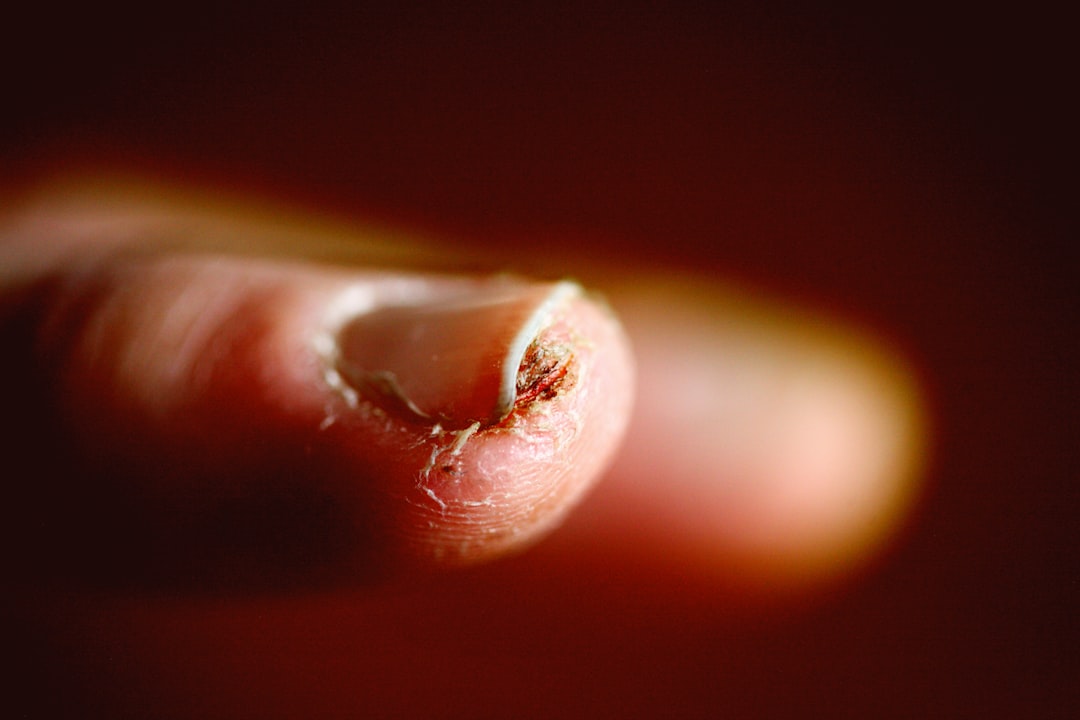
The condition of the nails is a reliable indicator of internal health, and chronic stress can cause them to become thin, brittle, and prone to breaking. Stress diverts energy and nutrients away from non-essential functions including hair and nail growth, leading to structural weakness in the nail plate. Horizontal ridges called Beau’s lines can appear across the nails as a visible record of periods of significant physical or emotional stress. Stress-related nutritional deficiencies, particularly in biotin, zinc, and iron, further compromise nail integrity. Consistent improvements in nail strength are typically observed once the underlying sources of stress are effectively addressed.
Frequent Urination

An often overlooked response to heightened stress is an increased urge to urinate, even when fluid intake has not changed. The nervous system’s stress response places the bladder in a state of heightened sensitivity, and anxiety amplifies signals sent from the bladder to the brain. Some research suggests that cortisol affects the kidneys’ ability to regulate fluid balance, contributing to increased urine production. The experience can become a source of additional anxiety, particularly in professional or social settings where bathroom access is limited. Pelvic floor therapy and mindfulness-based stress reduction have both demonstrated effectiveness in managing this response.
If any of these symptoms feel familiar to you, share your experience and what has helped in the comments.