Social norms shift constantly as technology and cultural values evolve over time. Behaviors that were considered polite or standard decades ago can now be viewed as intrusive or outdated by younger adults. Modern etiquette places a high value on personal boundaries and digital privacy while traditional manners often prioritize formality and direct interaction. These generational differences frequently cause friction during family gatherings or workplace interactions. Understanding these unwritten rules helps navigate the changing landscape of social expectations.
Texting Before Calling

Modern communication norms dictate that one should send a brief text message before placing a voice call. This courtesy gives the recipient time to finish their current task or prepare mentally for a conversation. unexpected phone calls are often perceived as urgent alarms or intrusive interruptions by younger generations. Many older individuals view the telephone as a direct line that should always be answered regardless of the circumstance. They frequently bypass the preliminary text and express confusion when their calls go straight to voicemail.
Keeping Phones on Silent

Public spaces are now expected to be free from the noise of ringtones and message alerts. Most younger adults keep their mobile devices on vibrate or silent mode permanently to avoid disturbing others. It is considered rude to have a phone ring loudly in restaurants or movie theaters. Older generations often insist on keeping their ringer volume at the maximum level to ensure they never miss a call. This leads to disruptive noises that often startle those in the immediate vicinity.
Asking Before Posting Photos

Digital privacy is a major concern for parents and individuals who grew up with the internet. The modern rule requires asking for explicit permission before posting a photo of someone else on social media. This is especially true regarding photographs of minor children who cannot consent to their image being shared. Older relatives often view social media as a digital photo album and share pictures freely without consultation. They may not understand the privacy implications or safety concerns attached to sharing images publicly.
Respecting Pronouns

Using a person’s preferred pronouns is a fundamental aspect of modern respect and inclusivity. It is standard etiquette to introduce oneself with pronouns or ask for them when meeting someone new. This practice validates gender identity and fosters a welcoming environment for everyone. Older generations often resist this change or view it as grammatically incorrect based on traditional education. Refusing to adapt to this norm is increasingly seen as a deliberate sign of disrespect.
Skipping the Voicemail

Leaving a voicemail is largely considered an obsolete practice unless the information is critical and complex. Most people prefer a follow-up text message that summarizes the purpose of the call efficiently. Listening to a long rambling recording is viewed as a waste of time by those accustomed to instant messaging. Older callers frequently leave detailed messages asking for a call back without stating the reason. This forces the recipient to go through a tedious process just to find out a simple piece of information.
Discussing Salaries Openly

Transparency regarding pay is becoming standard practice to ensure fair compensation and pay equity. Younger workers discuss their wages with colleagues to identify discrepancies and negotiate better contracts. This openness dismantles the corporate stigma that secrecy benefits the employer rather than the employee. Older generations were taught that discussing money is tacky or strictly forbidden in the workplace. They often recoil at the idea of sharing financial details even with close peers.
Not Commenting on Weight

Making observations about a person’s body size is now widely regarded as inappropriate and rude. Modern etiquette emphasizes that weight loss is not always a positive thing and may result from illness or stress. Compliments such as saying someone looks healthy because they are thin are avoided to prevent triggering eating disorders. Older relatives often use weight comments as a standard greeting or conversation starter. They may not realize that these remarks can be deeply hurtful regardless of the intent.
Respecting Remote Work

Working from home demands the same respect for hours and focus as working in a corporate office. Friends and family are expected to understand that being at home does not mean one is available for errands or chats. Interrupting a remote worker is equivalent to walking into their office cubicle unannounced. Older generations often struggle to separate the location from the activity and view those at home as free. They frequently expect household chores or social calls to be handled during business hours.
Asking for Consent to Visit

dropping by someone’s home without an invitation is no longer an acceptable social practice. The modern standard requires checking in beforehand to ensure the host is up for company. People value their downtime and privacy within their own living spaces more than ever. Older neighbors and family members often view the unannounced pop-in as a friendly gesture of community. This clash often leads to awkward encounters where the host feels ambushed rather than delighted.
Digital RSVPs

Event planning has moved to digital platforms where efficiency and accurate headcounts are prioritized. Hosts expect guests to respond via a website or email link provided on the invitation. This method streamlines data collection and reduces paper waste significantly. Older guests frequently ignore the digital instructions and reply verbally or wait for a paper card. This refusal to use the designated system creates logistical headaches for the organizers.
Using Headphones in Public

Wearing headphones in a public setting serves as a universal do not disturb sign. It signals that the individual is occupied with audio and is not open to casual conversation. Approaching someone with headphones on is considered intrusive unless it is an emergency. Older individuals often ignore this visual cue and attempt to strike up conversations with strangers. They may perceive the use of headphones as antisocial rather than a personal boundary.
Not Forcing Physical Affection

Consent culture teaches that children should never be forced to hug or kiss relatives if they do not want to. Parents now encourage high fives or waves as valid alternatives to physical contact. This empowers children to have autonomy over their own bodies from a young age. Older relatives often take offense when a child refuses a hug and view it as bad manners. They frequently pressure parents to override the child’s hesitation for the sake of tradition.
Splitting Bills with Apps

Dining out with groups involves precise calculation and immediate reimbursement via payment apps. The modern expectation is that everyone pays exactly for what they ordered rather than splitting the bill evenly. This ensures that non-drinkers do not subsidize the alcohol consumption of others. Older generations often find this level of detail petty and prefer to throw credit cards in a pile. They tend to view the use of calculators at the table as a disruption to the social flow.
Avoiding Unsolicited Advice

Offering advice is only considered polite when it is specifically requested by the listener. Modern emotional intelligence prioritizes active listening and validation over immediate problem solving. Giving guidance without permission implies that the other person is incapable of managing their own life. Older generations frequently offer unsolicited wisdom as a way of showing care or superiority. They often feel rejected when their unasked-for suggestions are met with defensiveness.
Using Gender Neutral Terms

Inclusive language is the new standard in both professional and social settings to avoid assumptions. Terms like partner or firefighter are preferred over husband or fireman to remain neutral. This practice acknowledges diverse relationship structures and professional roles without gender bias. Older adults often stick to traditional gendered language and may correct others who use neutral terms. They frequently express confusion over why specific labels are necessary or preferred.
Respecting Dietary Restrictions

Hosting a meal now requires a thorough inquiry into the allergies and dietary choices of all guests. It is expected that the host will provide substantial options for vegans or those with gluten intolerance. Dismissing these needs is seen as a lack of care for the guest’s health and ethical values. Older hosts often view these restrictions as fads or picky eating that can be ignored. They may suggest that a guest simply pick the meat out of a dish rather than preparing a separate meal.
Texting Upon Arrival

Ringing the doorbell is increasingly rare as people prefer a text message to announce their arrival. This prevents dogs from barking and babies from waking up due to a loud chime. It also gives the host a moment to wrap up final preparations without the pressure of an open door. Older guests typically rely on the doorbell or a heavy knock to signal they are there. They often find the practice of texting from the driveway to be impersonal or odd.
Limiting Group Chat Responses

Group chat etiquette requires users to avoid clogging the feed with unnecessary notifications. Reactions or specific replies are preferred over typing out a generic okay or thanks in a separate message. This keeps the conversation stream clean and respectful of everyone’s attention. Older users tend to treat group texts like individual conversations and send multiple short messages. This behavior results in a flood of notifications that frustrates other members of the group.
Acknowledging Mental Health

Taking time off for mental health is viewed as just as valid as taking a sick day for the flu. Modern discourse encourages open conversation about therapy and emotional well-being without shame. It is polite to respect someone’s need to withdraw socially when they are feeling overwhelmed. Older generations often view mental health struggles as a weakness that should be kept private. They typically advocate for powering through difficulties rather than seeking rest or professional help.
Refraining from Marriage Pressure

Asking couples when they plan to get married is considered an intrusive and outdated question. Many modern partnerships prioritize long-term cohabitation or other forms of commitment over legal marriage. The question assumes that marriage is the ultimate goal for every relationship. Older family members frequently nag unmarried couples about settling down during gatherings. They often struggle to accept that a relationship can be serious and valid without a wedding ceremony.
Verifying Information Before Sharing

Digital literacy requires checking the accuracy of a news story before sharing it with others. Spreading misinformation is considered irresponsible and damaging to the social fabric. Modern users are skeptical of clickbait headlines and look for credible sources. Older generations often share sensationalized articles or memes without verifying the facts. This tendency contributes significantly to the spread of hoaxes and false information online.
Not Touching Pregnant Bellies

Personal space boundaries extend strictly to pregnant women who should not be touched without permission. Modern etiquette recognizes that a pregnancy does not make a woman’s body public property. Asking for consent is the absolute minimum requirement before reaching out. Older individuals often feel entitled to touch a baby bump as a sign of affection or excitement. They frequently invade personal space and are surprised when the gesture is rejected.
Removing Shoes Indoors

Taking off shoes upon entering a home is a widespread hygiene practice adopted by many younger households. It prevents outside dirt and germs from being tracked across living spaces and rugs. Guests are expected to observe the host’s entryway and follow suit without being asked. Older guests often resist this rule and prefer to keep their footwear on for comfort or fashion. They may view the request to remove shoes as an inconvenience or an odd eccentricity.
Avoiding Reply All

Email etiquette in the workplace strictly discourages using the reply all function for irrelevant comments. Responses should be directed only to the necessary recipients to avoid cluttering inboxes. Modern professionals value efficient communication and despise unnecessary email threads. Older workers frequently hit reply all to send a simple thank you or acknowledgement. This habit wastes company time and irritates colleagues who are trying to manage their own email volume.
Tipping on Counter Service

The expansion of digital payment systems has normalized tipping for counter service and coffee shops. It is now common courtesy to add a small gratuity for the workers preparing food or drinks. This acknowledges the service industry’s reliance on tips to supplement wages. Older customers often hold to the rule that tipping is reserved strictly for sit-down table service. They frequently bypass the tip screen which can create tension with service staff.
Setting Boundaries with Bosses

Employees now draw a hard line between their professional duties and their personal lives. Answering emails or calls after work hours is increasingly refused to prevent burnout. This boundary is supported by a culture that values work-life balance over corporate loyalty. Older professionals often wear overwork as a badge of honor and expect immediate availability. They may view the refusal to work unpaid overtime as a lack of dedication or ambition.
Respecting Service Workers

Treating retail and food service employees with patience and kindness is a non-negotiable expectation. The old adage that the customer is always right has been replaced by a demand for mutual respect. Abusing staff or making unreasonable demands is seen as a major character flaw. Older generations sometimes display a sense of entitlement that leads to rude interactions with workers. They may snap fingers or speak condescendingly to those serving them.
Keeping Video Calls Private

Speakerphone and video calls should be conducted in private spaces or with the use of headphones. Broadcasting a conversation in a public area like a store or bus is considered extremely rude. It forces everyone nearby to participate unwillingly in a private interaction. Older smartphone users frequently hold their devices out in public with the volume on high. They seem oblivious to the disruption they are causing to the people around them.
Using Emojis in Professional Contexts

The use of emojis in work emails is now accepted as a way to convey tone and build rapport. a thumbs up or a smiley face can soften a request or confirm understanding quickly. This visual language helps replace the non-verbal cues missing from text-based communication. Older managers often view emojis as childish or unprofessional in a business setting. They prefer formal language and strict adherence to traditional business writing standards.
Prioritizing Experiences Over Things

Gift-giving etiquette has shifted toward experiences or consumables rather than physical objects. Many people prefer concert tickets or dinner vouchers to avoid cluttering their small living spaces. The modern view is that time together is more valuable than material goods. Older relatives frequently insist on buying physical knick-knacks or collectibles for special occasions. They often struggle to understand why a recipient would prefer a digital gift card over a wrapped package.
Not Asking About Children

Asking couples when they plan to have children is a deeply sensitive subject that is best avoided. This question can be painful for those struggling with infertility or who have chosen to be child-free. Modern manners dictate that one should wait for the couple to volunteer such information. Older generations view this inquiry as standard small talk and a natural progression of life. They often press the issue repeatedly without realizing the emotional distress they may be causing.
Ghosting After One Date

While ghosting is generally disliked it is often accepted as a clear signal after a single casual date. Sending a formal rejection text to someone you met once is sometimes seen as unnecessary drama. The silence serves as the answer and both parties simply move on. Older daters usually expect a polite phone call or explanation even after a brief encounter. They view the lack of closure as cowardly and confusing.
Wearing Casual Office Attire

Workplace dress codes have relaxed significantly allowing for jeans and sneakers in many professional environments. Comfort is prioritized so that employees can focus on their output rather than their appearance. The idea that a suit and tie are required for productivity is largely outdated. Older executives often cling to formal dress codes and judge competence based on attire. They frequently view casual clothing as a sign of disrespect or laziness.
Using Trigger Warnings

Providing a warning before discussing sensitive or traumatic topics is a common courtesy in modern conversation. This practice allows listeners to opt out of a discussion that might negatively impact their mental state. It shows a high level of empathy and awareness of others’ past experiences. Older generations often mock these warnings and view them as a sign of fragility. They tend to believe that people should simply toughen up and handle any topic.
Accepting No for an Answer

When someone declines an invitation or an offer it is polite to accept their answer immediately. Pressuring someone to change their mind is seen as disrespectful of their boundaries. No is considered a complete sentence that does not require justification. Older hosts often view a refusal as a polite hesitation that needs to be overcome with persistence. They frequently continue to push food or invitations until the other person relents.
Fact Checking News
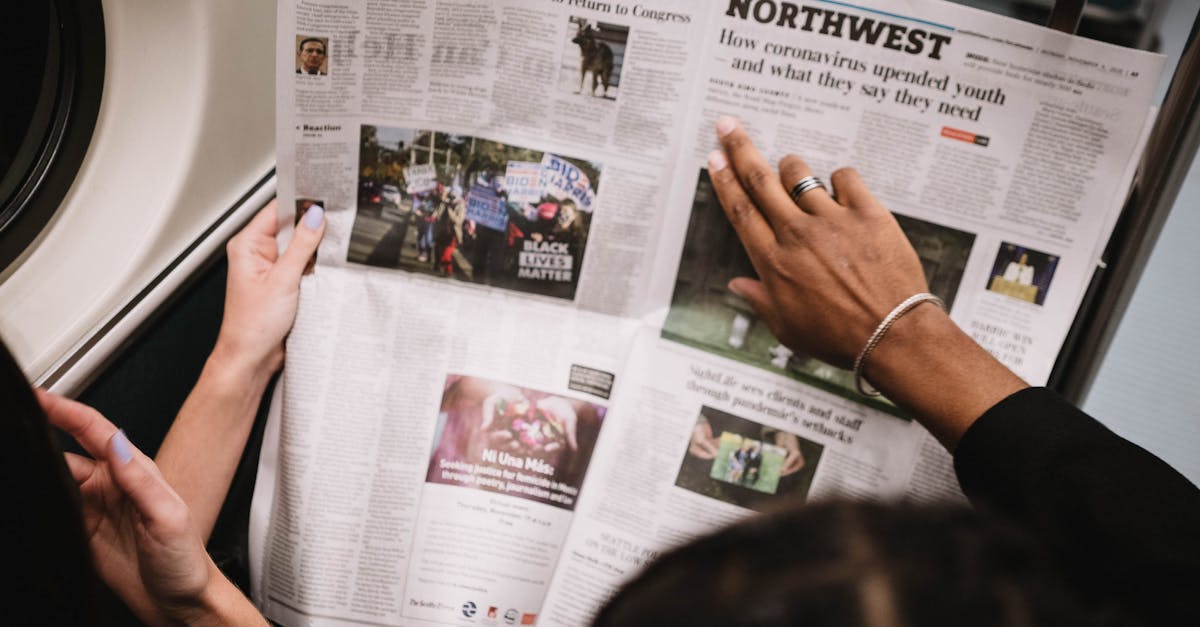
In an era of deepfakes and clickbait verifying the source of a story is a modern social responsibility. Sharing unverified rumors is seen as contributing to the degradation of truth. People are expected to correct themselves publicly if they accidentally share false information. Older internet users are often less skeptical of what they see on their news feeds. They may become defensive when younger family members point out that a story is a hoax.
Keeping Politics Private

Social media feeds are often curated to avoid heated political debates that lead to nowhere. Many people prefer to keep their political affiliations off public platforms to maintain professional relationships. The modern view is that complex issues cannot be solved in a comment section. Older users frequently use Facebook as a soapbox for their political opinions and memes. They often engage in lengthy arguments with strangers that clutter the feeds of their friends.
Respecting Personal Space

Physical boundaries are strictly observed and standing too close to someone in line is considered aggressive. The pandemic reinforced the need for personal space and people now expect a comfortable distance. hovering over someone’s shoulder is viewed as rude and anxiety-inducing. Older individuals often stand very close in queues or conversations as a habit from crowded environments. They may not notice the other person stepping back to reclaim their space.
Using Text for Quick Questions

Calling someone to ask a simple question that could have been a text is viewed as inefficient. Texting allows the information to be stored and referenced later without disrupting the day. It is the preferred method for logistical details like addresses or times. Older people often prefer to call to ask for a specific detail and engage in small talk. They may not understand why the recipient sounds rushed or annoyed by the interruption.
Prioritizing Self Care

Canceling plans to rest or recharge is now accepted as a valid reason for absence. There is a mutual understanding that burning the candle at both ends is unsustainable. Friends often encourage each other to stay home if they are feeling drained. Older generations often view this as flaking or being a poor friend. They were raised with a sense of obligation to attend every event regardless of their physical or mental state.
Please share your own experiences with these changing social rules in the comments to join the conversation.




