Many common backyard birds hide a surprisingly aggressive nature behind their beautiful plumage and cheerful songs. These familiar feathered visitors often engage in fierce territorial battles and relentless defense of their food sources. Bird watchers frequently observe these seemingly innocent creatures attacking larger predators and competing ruthlessly with other species. Understanding this hidden aggression provides fascinating insight into the daily survival struggles taking place right outside our windows.
Blue Jay
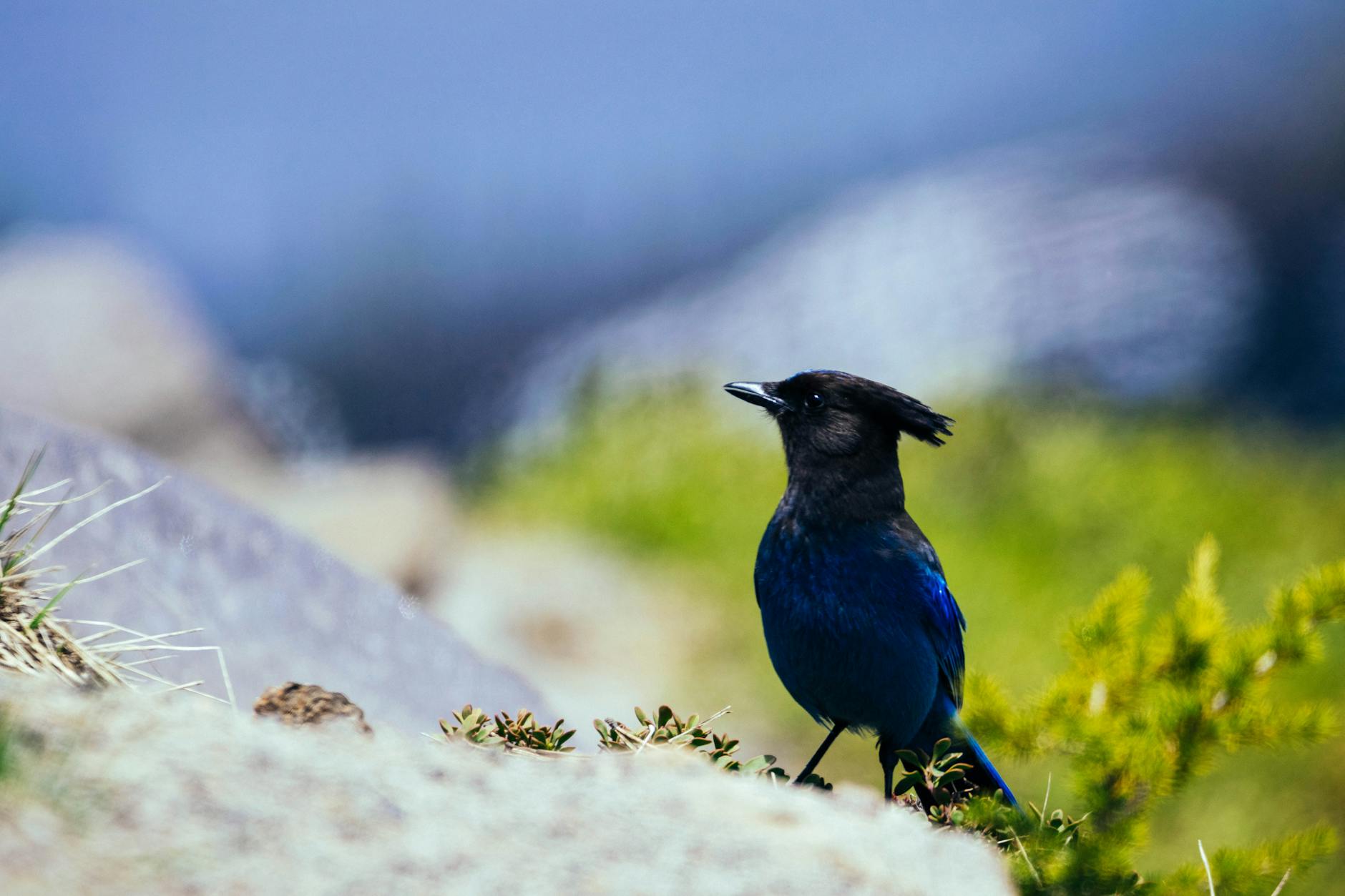
These striking birds frequently dive bomb other species to monopolize backyard bird feeders. They possess a remarkable ability to mimic the calls of hawks to frighten away smaller competitors from food sources. Their strong bills make them formidable opponents in aerial combat over nesting territories and prime foraging areas. They will aggressively chase away squirrels and even domestic cats that venture too close to their young. Their loud warning calls serve as both an alarm system and an intimidation tactic against intruders.
Northern Mockingbird
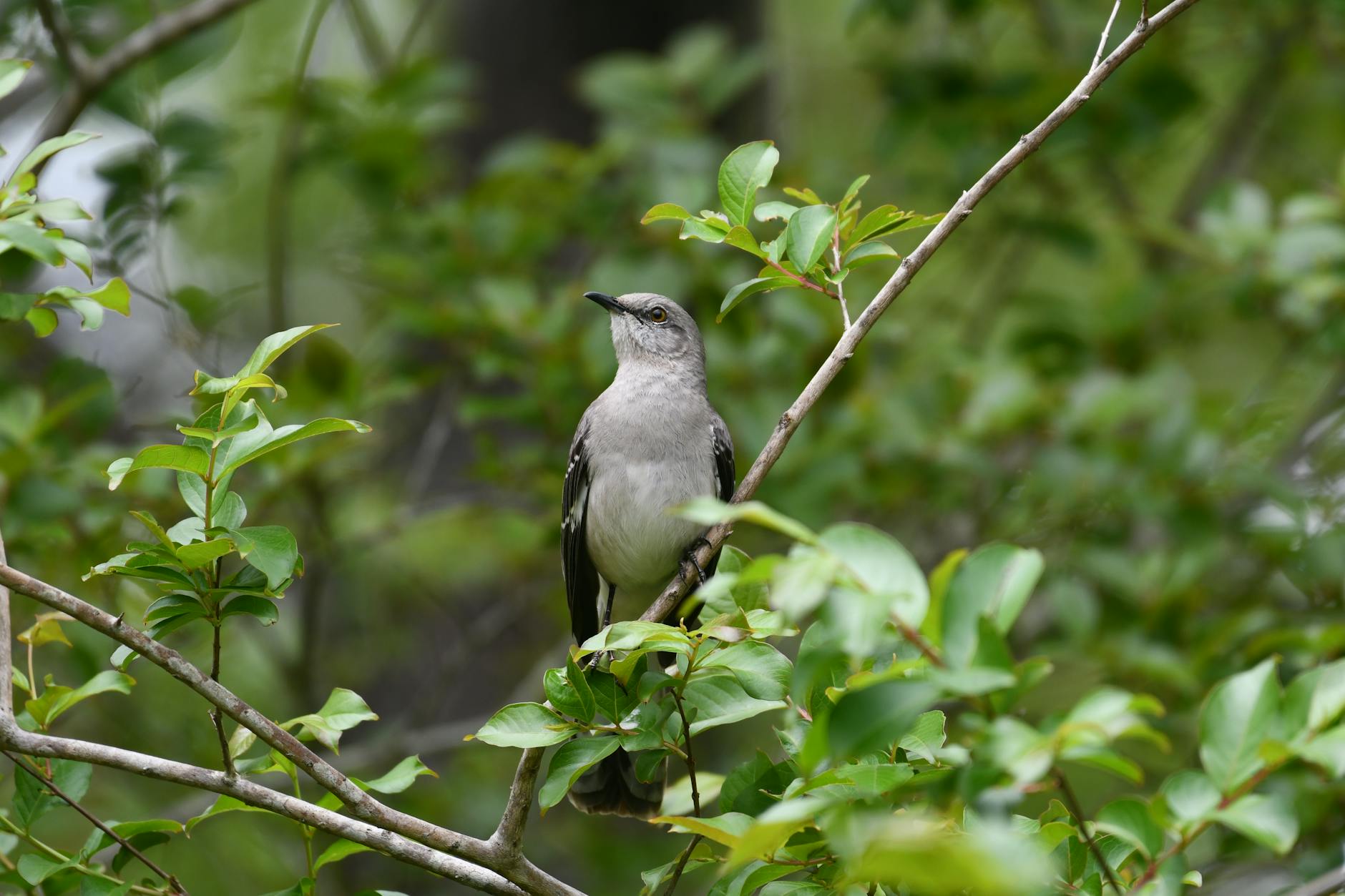
This species fiercely defends its territory against both avian competitors and larger mammals throughout the breeding season. They are famous for relentlessly attacking pets and humans who unknowingly walk near their hidden nests. These birds will continuously swoop down and strike their targets until the perceived threat retreats completely. Their aggression extends to chasing away other fruit eating birds from berry bushes they claim as their own. Biologists note that their defensive behavior remains remarkably consistent regardless of the size difference between them and their opponent.
European Starling
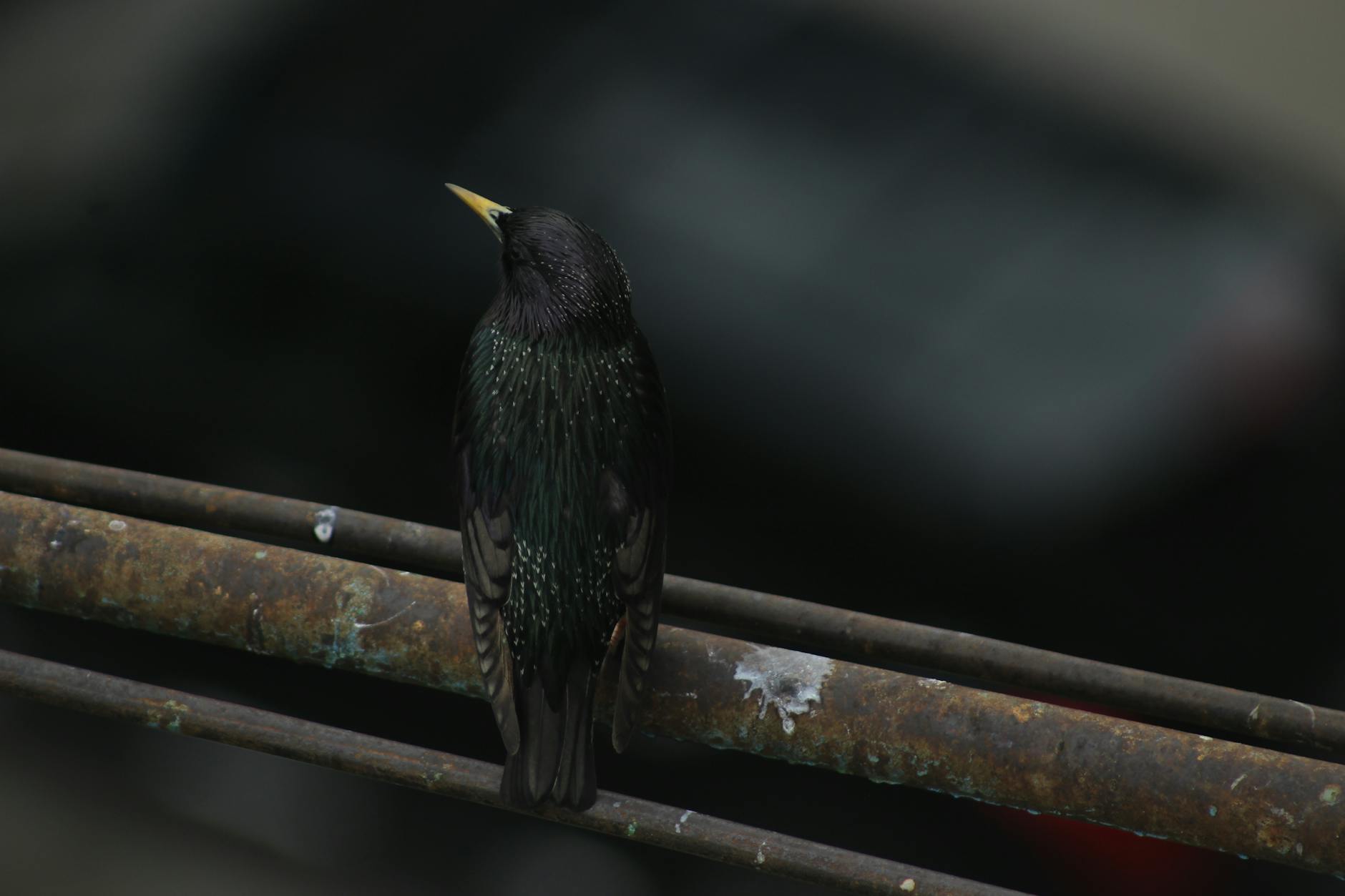
These highly adaptable birds travel in large flocks that easily overwhelm native species through sheer numbers. They aggressively evict other cavity nesting birds from birdhouses and natural tree hollows by attacking the occupants. Their sharp beaks become deadly weapons during disputes over prime nesting real estate and abundant food sources. Groups of these birds will systematically harass larger birds until the competitors abandon the area entirely. This aggressive colonization strategy has allowed them to successfully dominate urban and suburban ecosystems worldwide.
House Sparrow

These small birds actively destroy the eggs and nests of competing species to secure the best breeding locations. They work in coordinated pairs to drive away native birds from preferred feeding stations and shelter spots. Their territorial disputes often result in fatal encounters for smaller birds caught off guard near their nests. They aggressively defend their chosen cavities year round rather than just during the spring breeding season. This relentless competitiveness helps them maintain dense populations in crowded residential neighborhoods.
American Robin
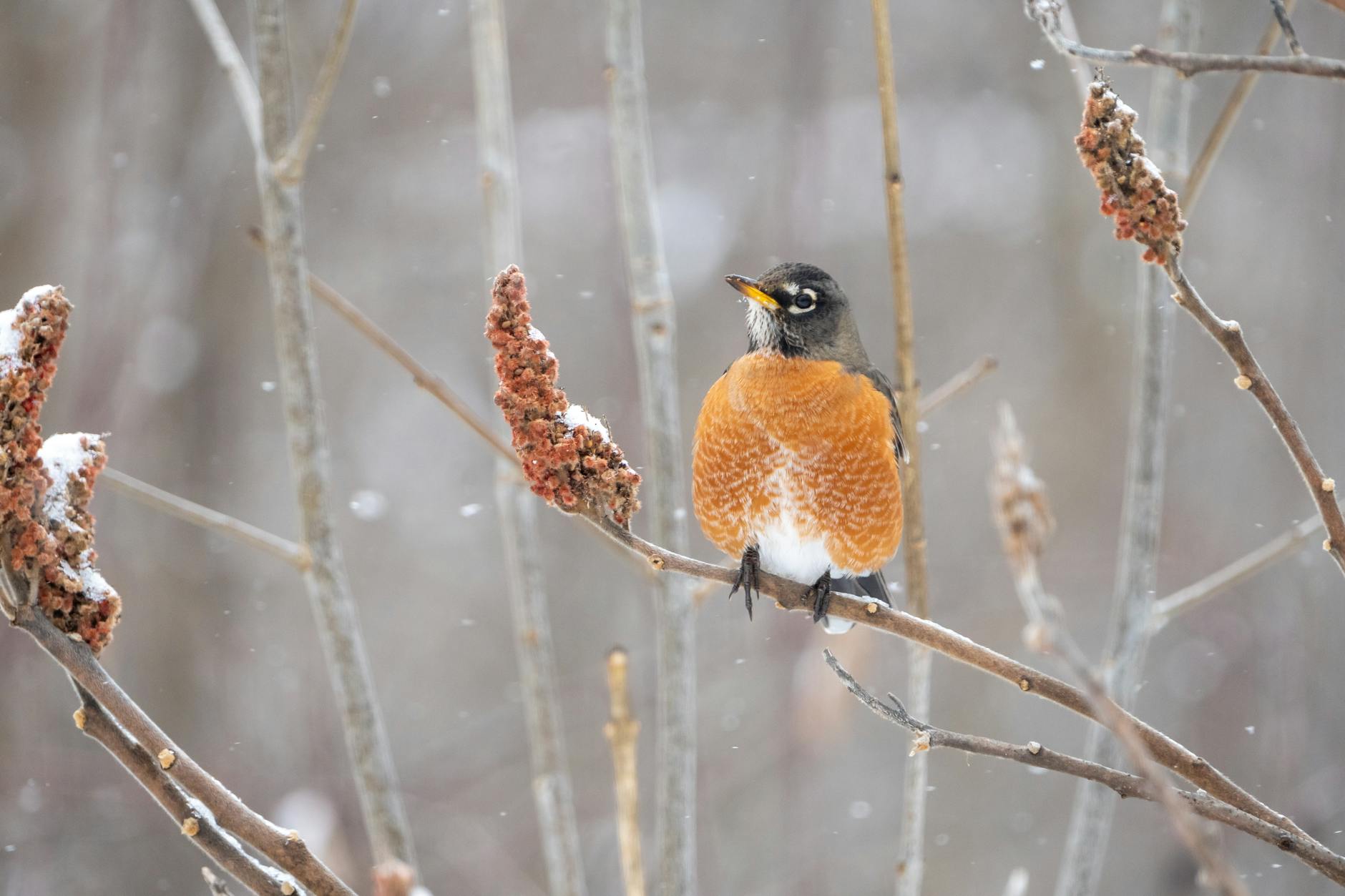
These familiar spring arrivals fiercely defend their foraging territories on suburban lawns against other ground feeding birds. Males frequently attack their own reflections in windows and mirrors under the mistaken belief that a rival is present. Their territorial battles often involve intense aerial chases and physical grappling on the ground. They will aggressively swoop at domestic animals and pedestrians who wander too close to their low hanging nests. This intense defense mechanism ensures their offspring have exclusive access to a steady supply of earthworms and insects.
Common Grackle
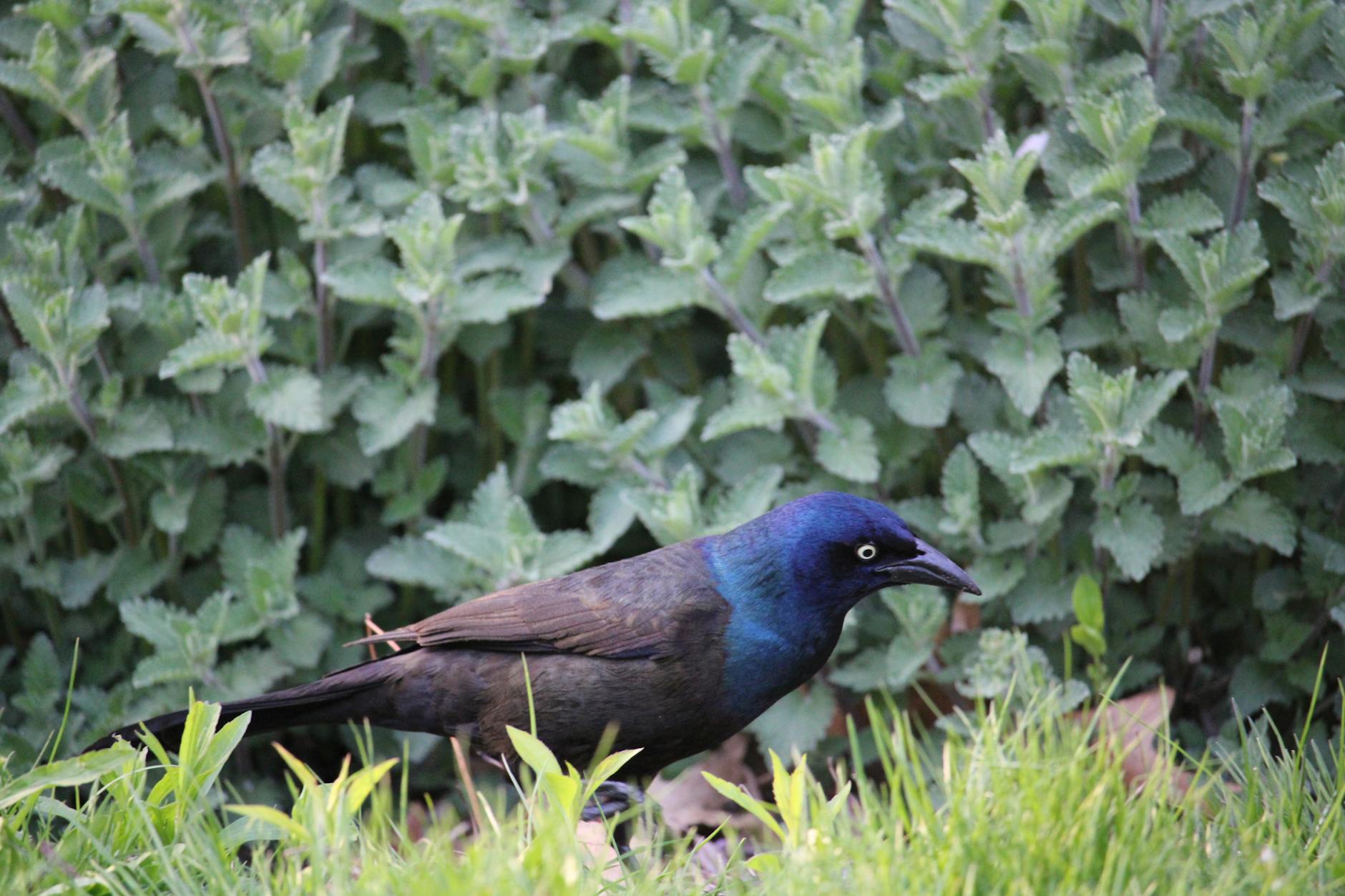
These large blackbirds use their imposing size to intimidate smaller species at communal feeding stations. They often travel in noisy flocks that aggressively drive away solitary birds attempting to forage in the same area. Their predatory behavior includes raiding the nests of smaller birds to consume vulnerable eggs and helpless nestlings. They will confidently steal food directly from the beaks of other birds during times of scarce resources. This assertive nature allows them to thrive in diverse environments ranging from agricultural fields to suburban backyards.
House Wren
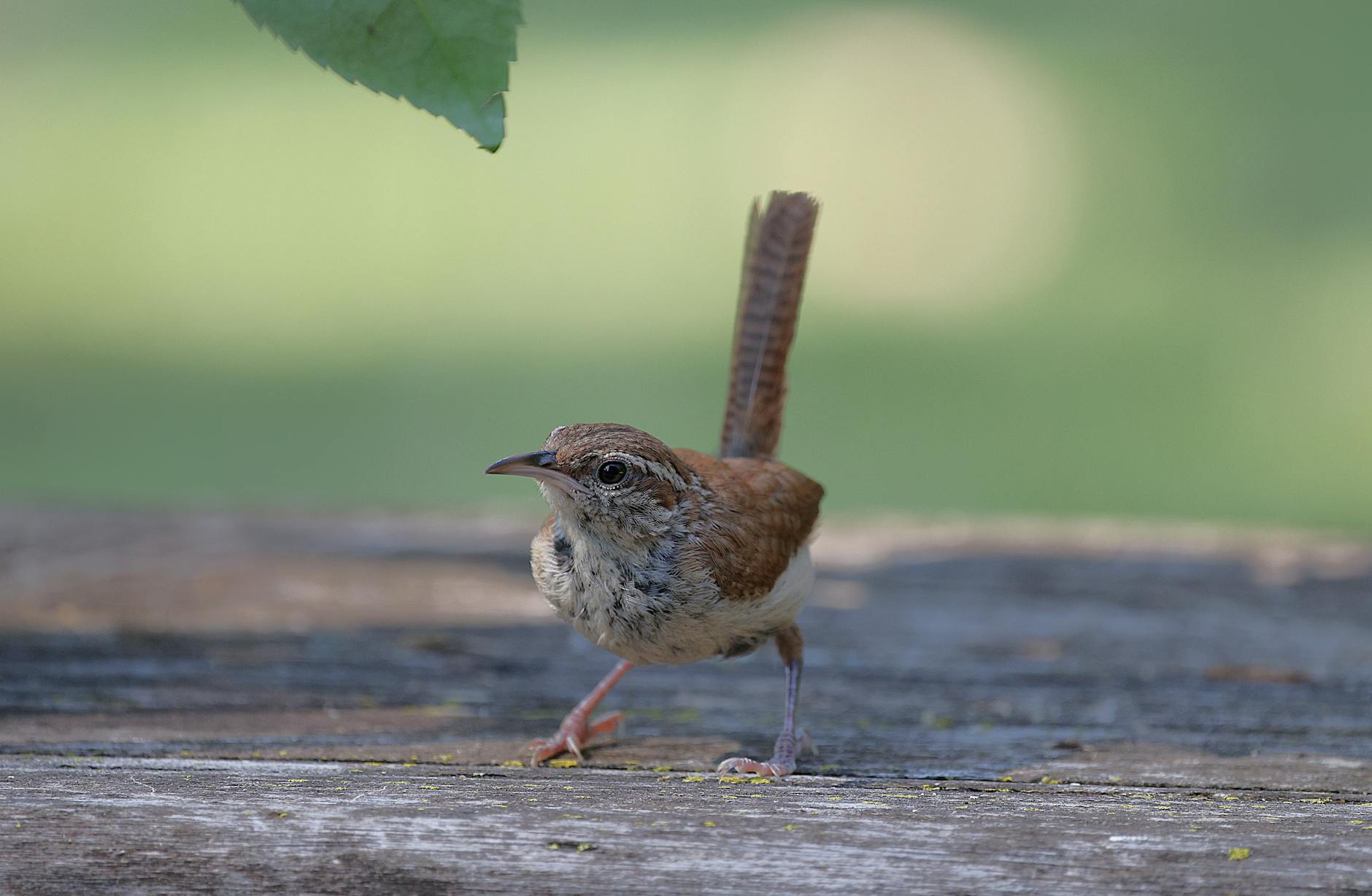
These tiny energetic birds possess a fierce territorial streak that completely contradicts their diminutive physical size. They actively puncture the eggs of other nesting birds to eliminate potential competition within their chosen domain. Males will systematically fill every available birdhouse in an area with twigs to prevent other species from moving in. They boldly scold and harass much larger predators while defending their hidden broods. Their aggressive nest clearing behaviors often force larger native birds to abandon established breeding territories completely.
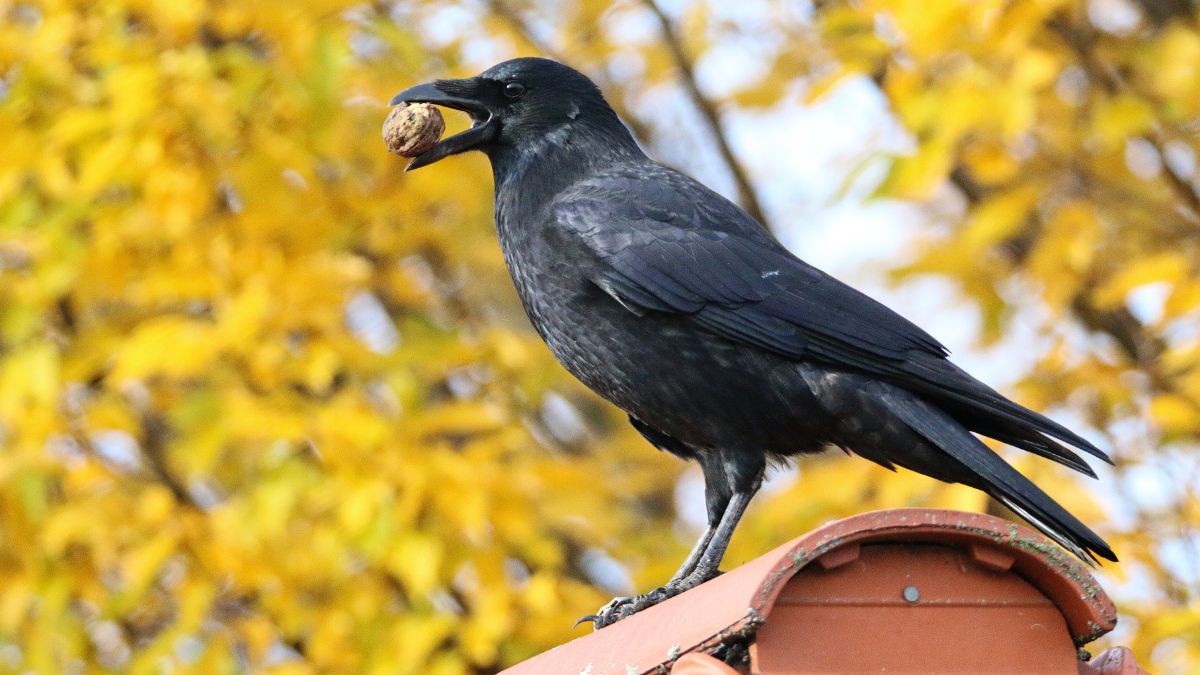
American Crow
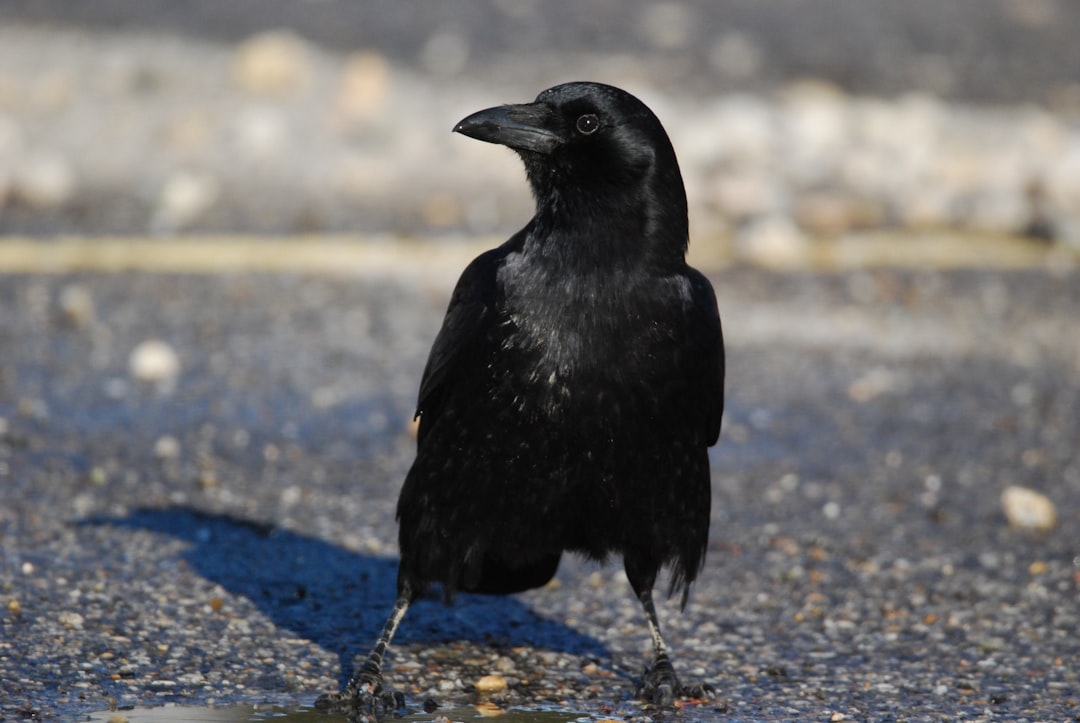
These highly intelligent birds work cooperatively to mob and drive away large birds of prey like owls and hawks. They aggressively defend their family territories by diving at intruders while emitting deafening warning calls. Their opportunistic feeding habits include actively raiding the nests of vulnerable songbirds to consume eggs and young. Flocks will intentionally harass domestic pets and sometimes drop nuts on hard surfaces near unsuspecting pedestrians. This coordinated aggression serves as a highly effective survival strategy for protecting their complex family groups.
Rufous Hummingbird
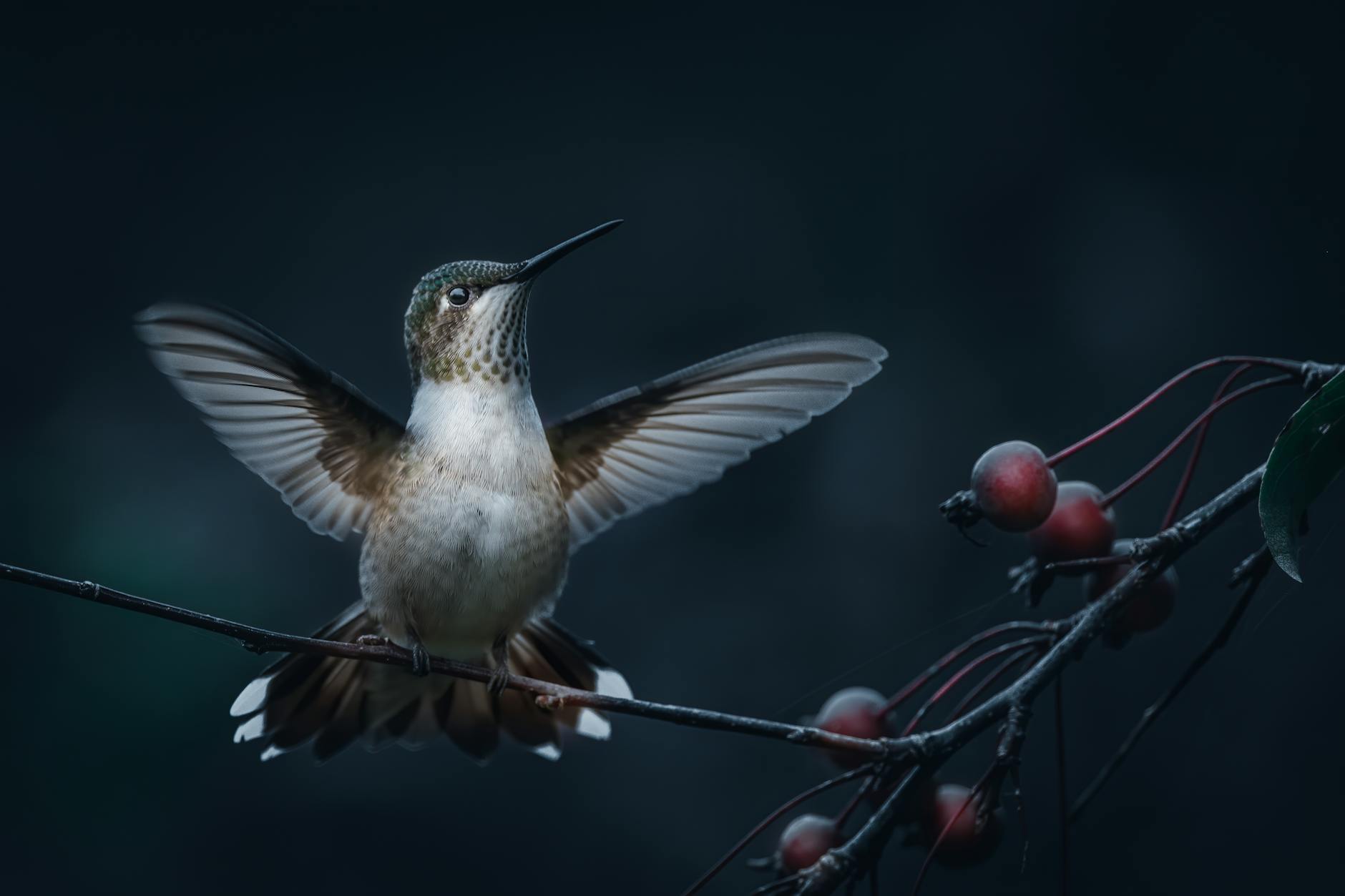
These tiny nectar feeders are widely considered one of the most aggressive bird species in North America. They relentlessly chase away all other hummingbirds from their preferred flower patches and artificial feeders. Their aerial combat involves high speed dives and sharp physical strikes with their needle like bills. They will fiercely defend a single food source even when they cannot possibly consume all the available nectar. This intense territoriality proves essential for their survival during long and demanding migration journeys.
Northern Cardinal
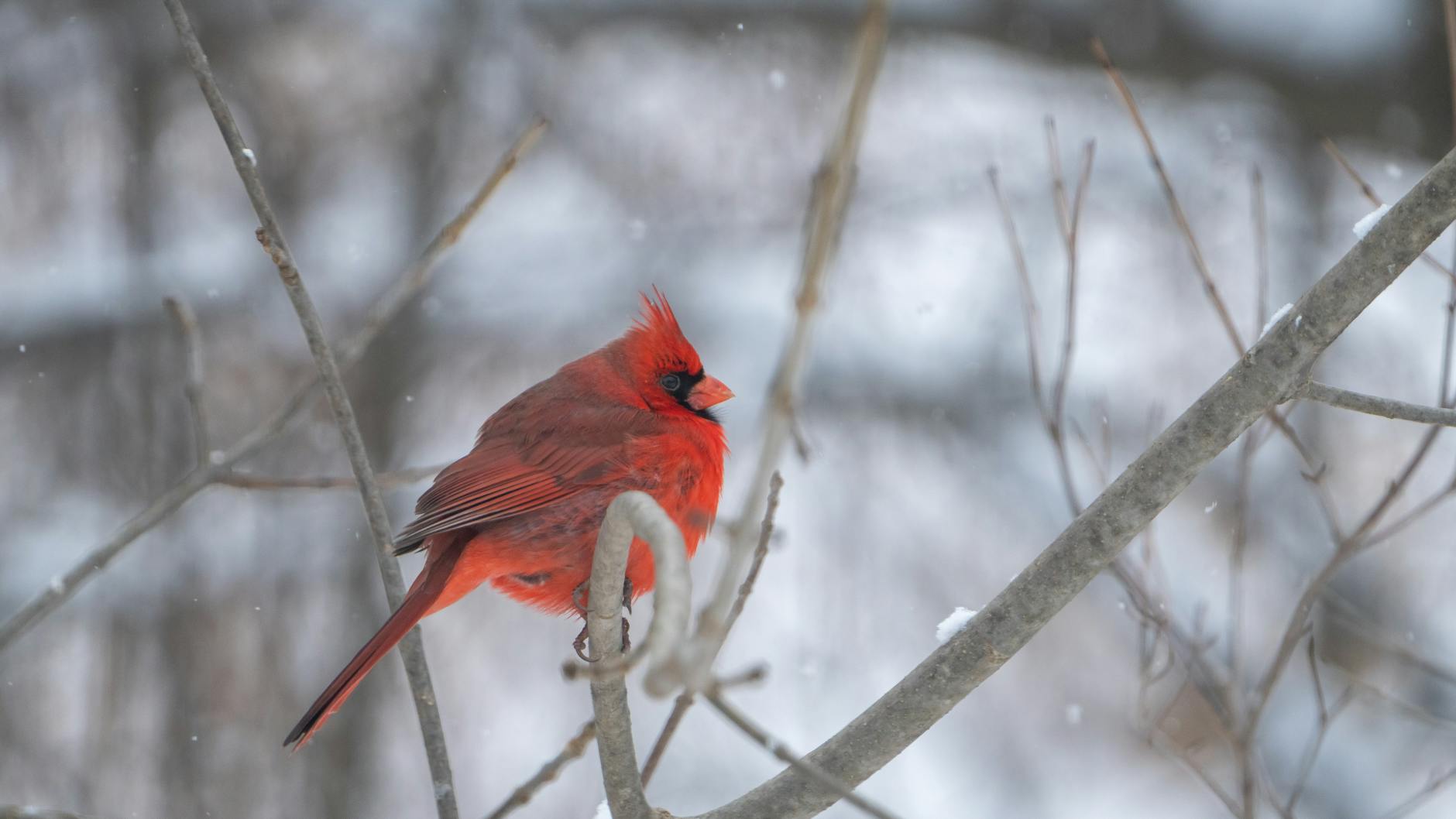
These vibrant red birds become extremely aggressive during the breeding season when establishing their exclusive territories. Males spend countless hours battling their own reflections in glass doors and car mirrors to drive away imaginary rivals. They vigorously chase away other seed eating birds from backyard feeders to ensure a steady food supply. Their sharp and heavy beaks can inflict significant damage during physical confrontations with persistent competitors. This dominant behavior ensures their mates have safe access to the resources needed for raising multiple broods.
Eastern Bluebird
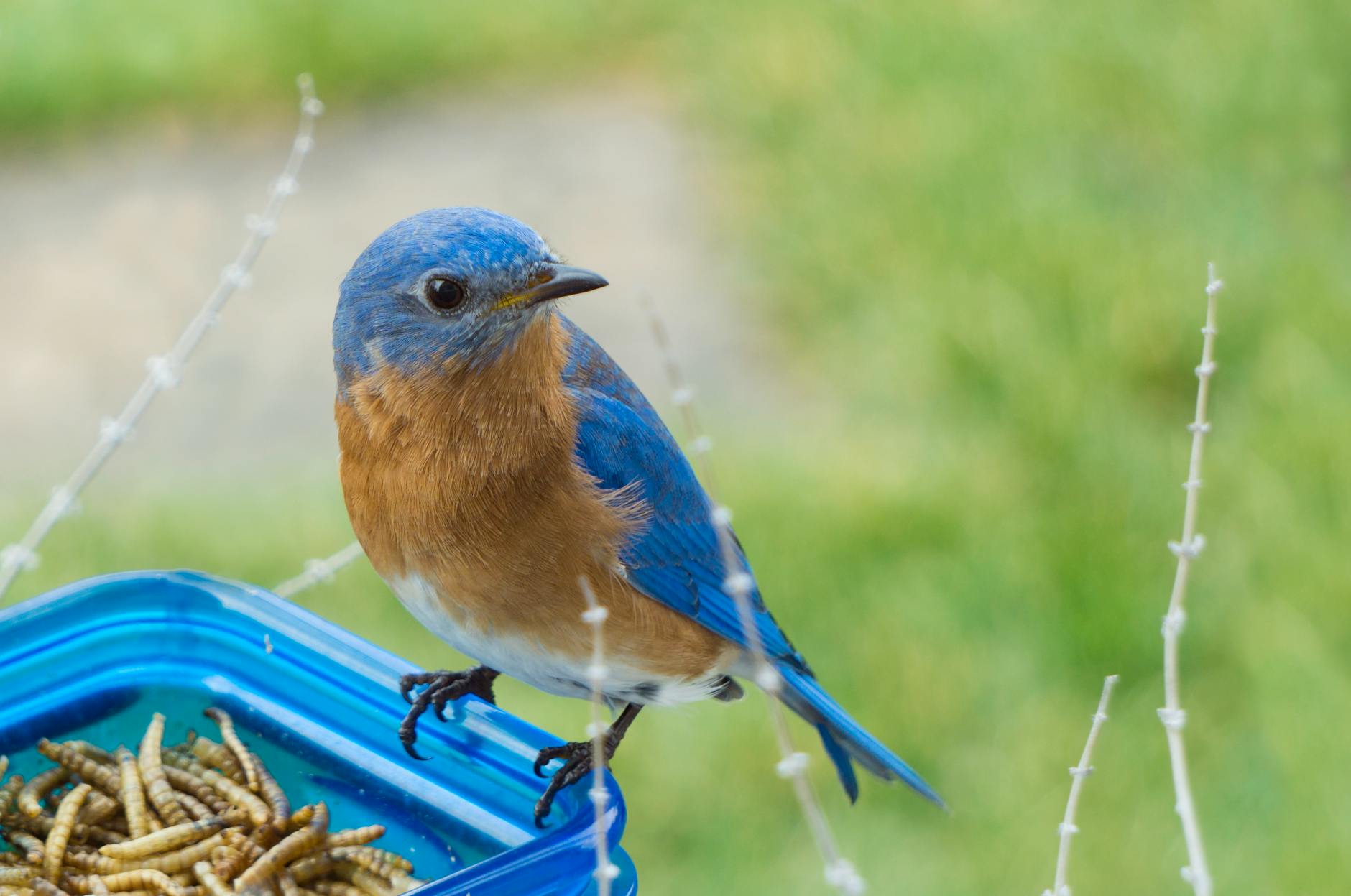
These beautiful thrushes engage in fierce physical combat with competing species over highly desirable nesting boxes. Pairs will aggressively dive bomb and strike intruders who attempt to claim their established territory. Their battles with sparrows and swallows often involve intense grappling matches that fall all the way to the ground. They will aggressively chase insects through the air and immediately challenge any bird that enters their hunting zone. This combative nature remains crucial for protecting their vulnerable nestlings from larger and more aggressive urban birds.
Tree Swallow
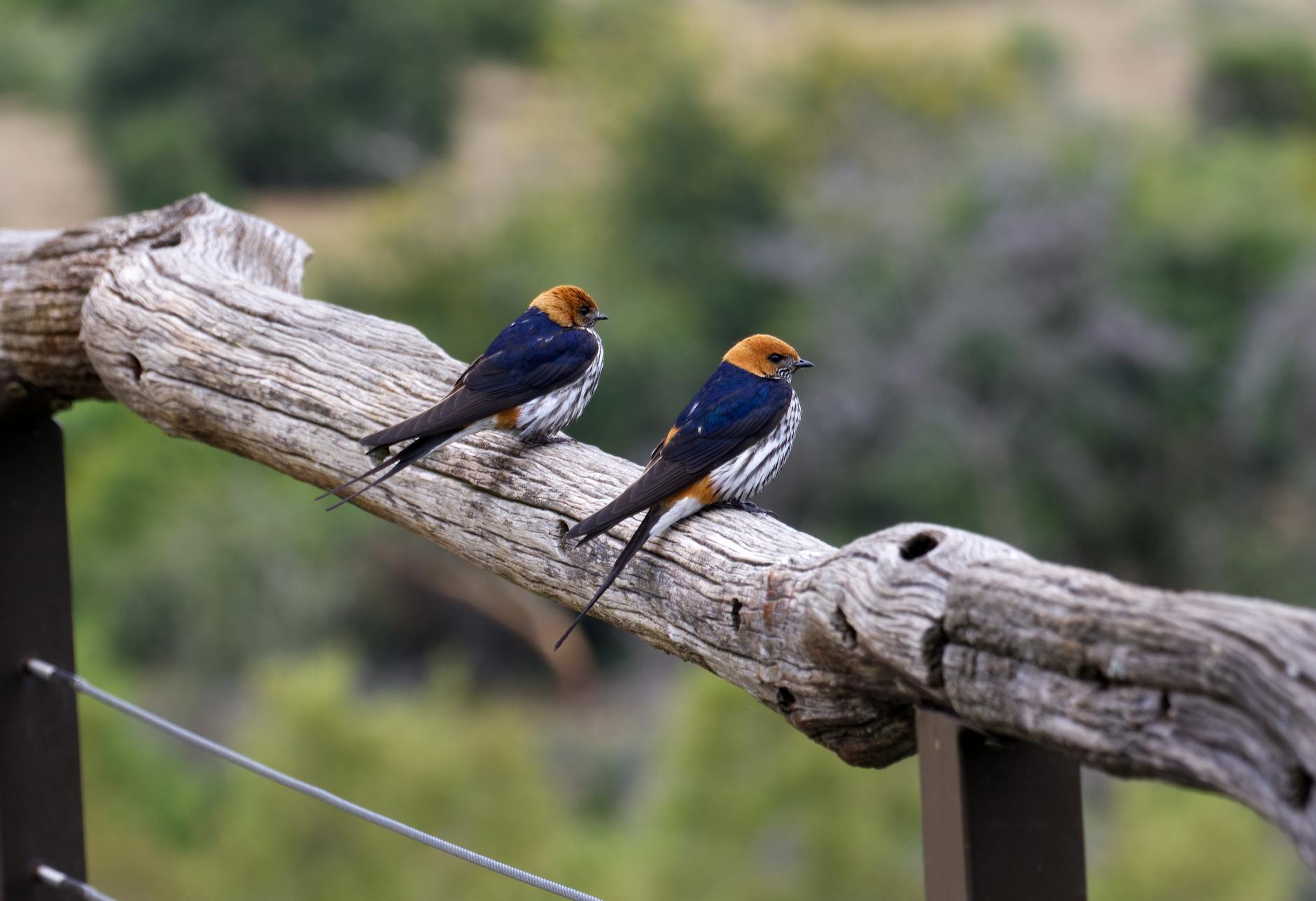
These sleek aerial insectivores aggressively defend the airspace directly above their chosen nesting cavities. They coordinate in large numbers to relentlessly mob predators and competitors that approach their breeding colonies. Their defensive tactics involve high speed swoops that come within inches of a perceived threat. They will engage in intense physical struggles with bluebirds and other swallows over prime nesting boxes. This fierce protection of their breeding grounds ensures the successful fledging of their highly dependent young.
Purple Martin
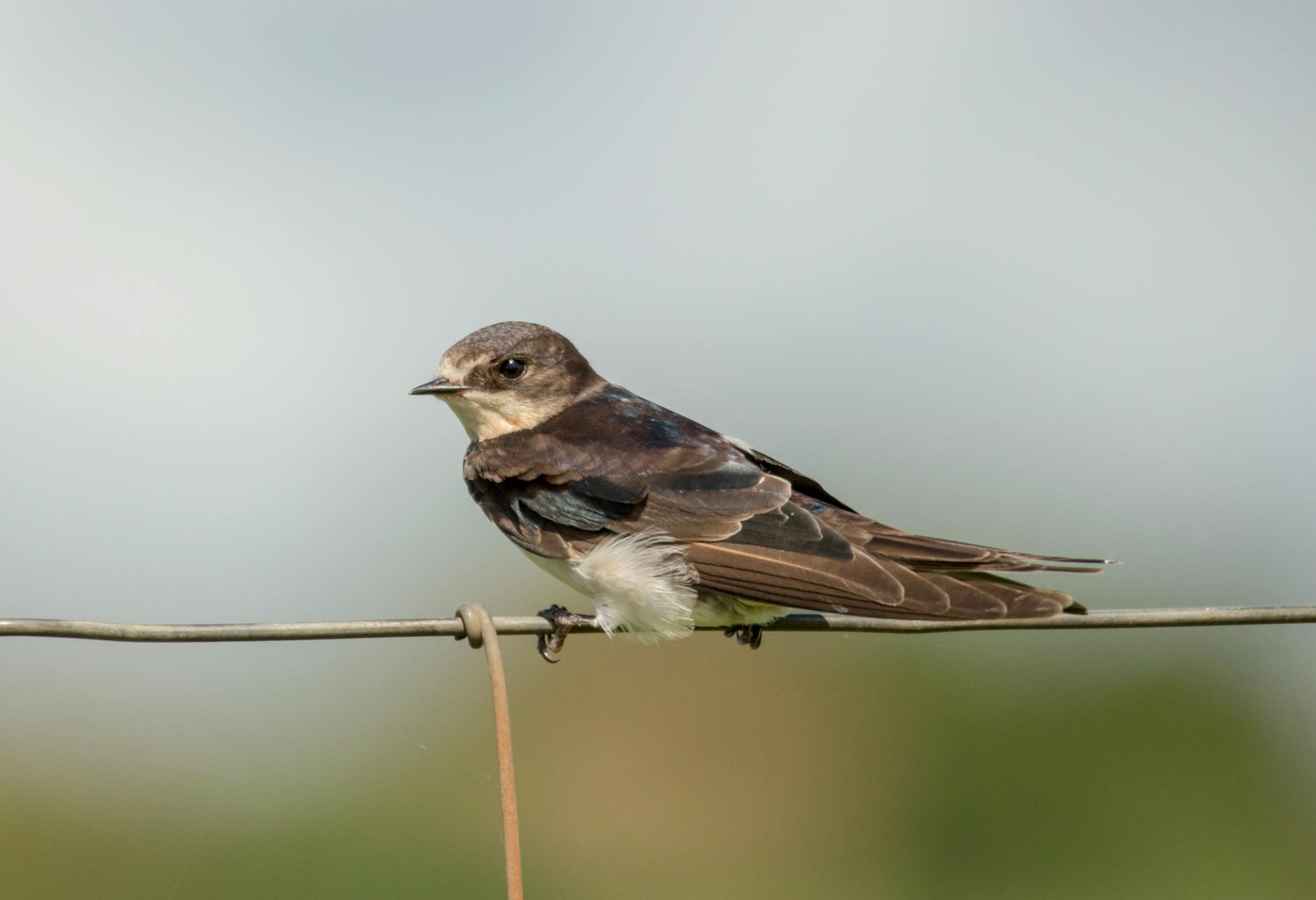
These large swallows require immense amounts of flying insects and will vigorously defend their chosen hunting grounds. They form dense colonies that work together to aggressively drive away hawks and crows from their communal housing. Adult birds will fiercely attack other species that attempt to usurp their specialized nesting compartments. Their territorial flights involve loud vocalizations and intimidating swoops designed to deter any potential competitors. This cooperative aggression helps maintain the safety of their complex and tightly knit social structures.
Mourning Dove
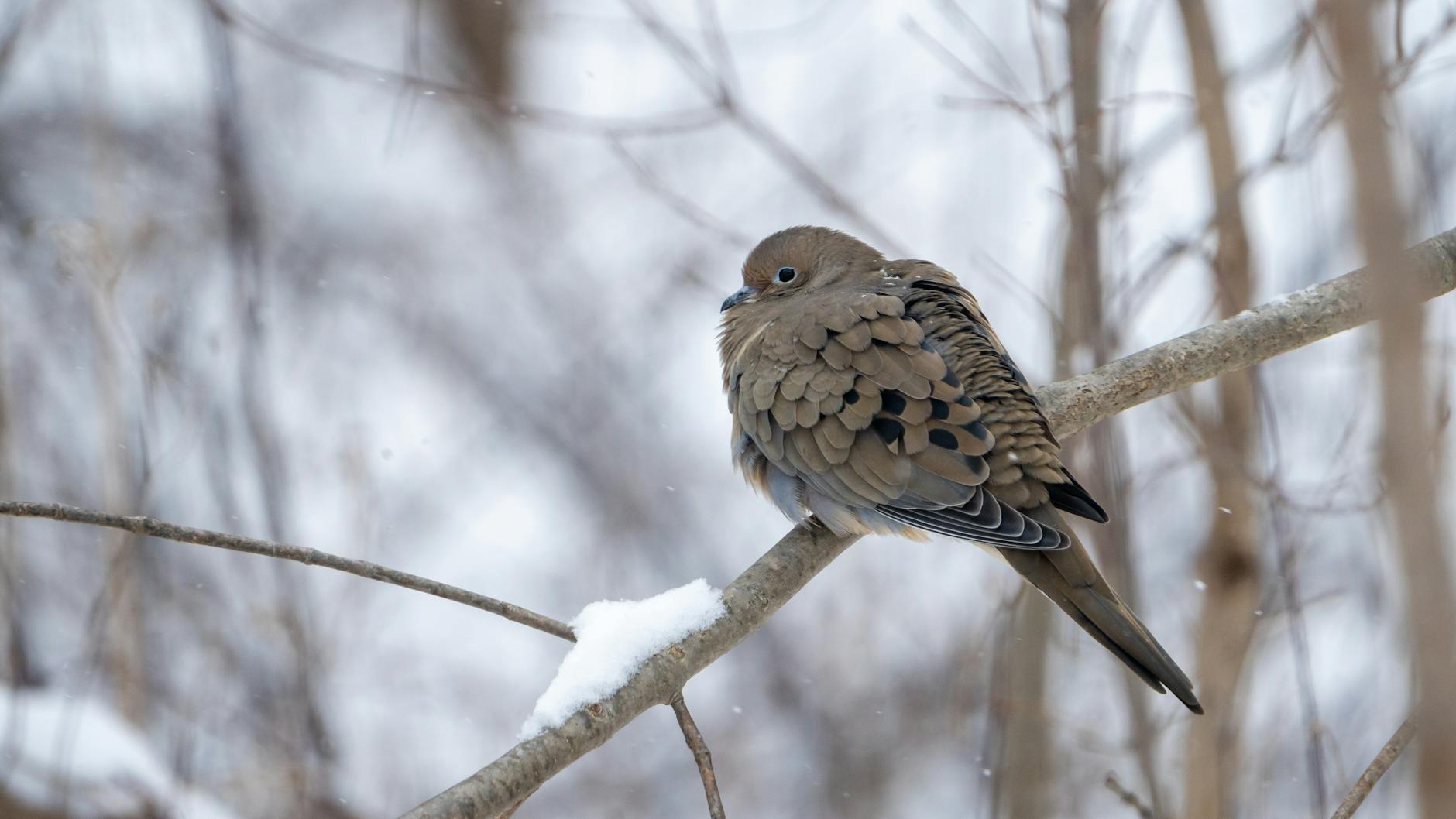
These seemingly peaceful ground feeders possess surprisingly aggressive tendencies when defending prime foraging spots. They use their strong wings to violently slap at other birds that attempt to crowd them at feeding stations. Males will fiercely chase rival suitors away from potential mates during their intricate courtship rituals. They aggressively defend their fragile nests by striking out with their beaks at small predators. This unexpected combativeness helps them maintain access to vital seeds and grains in highly competitive suburban environments.
Song Sparrow
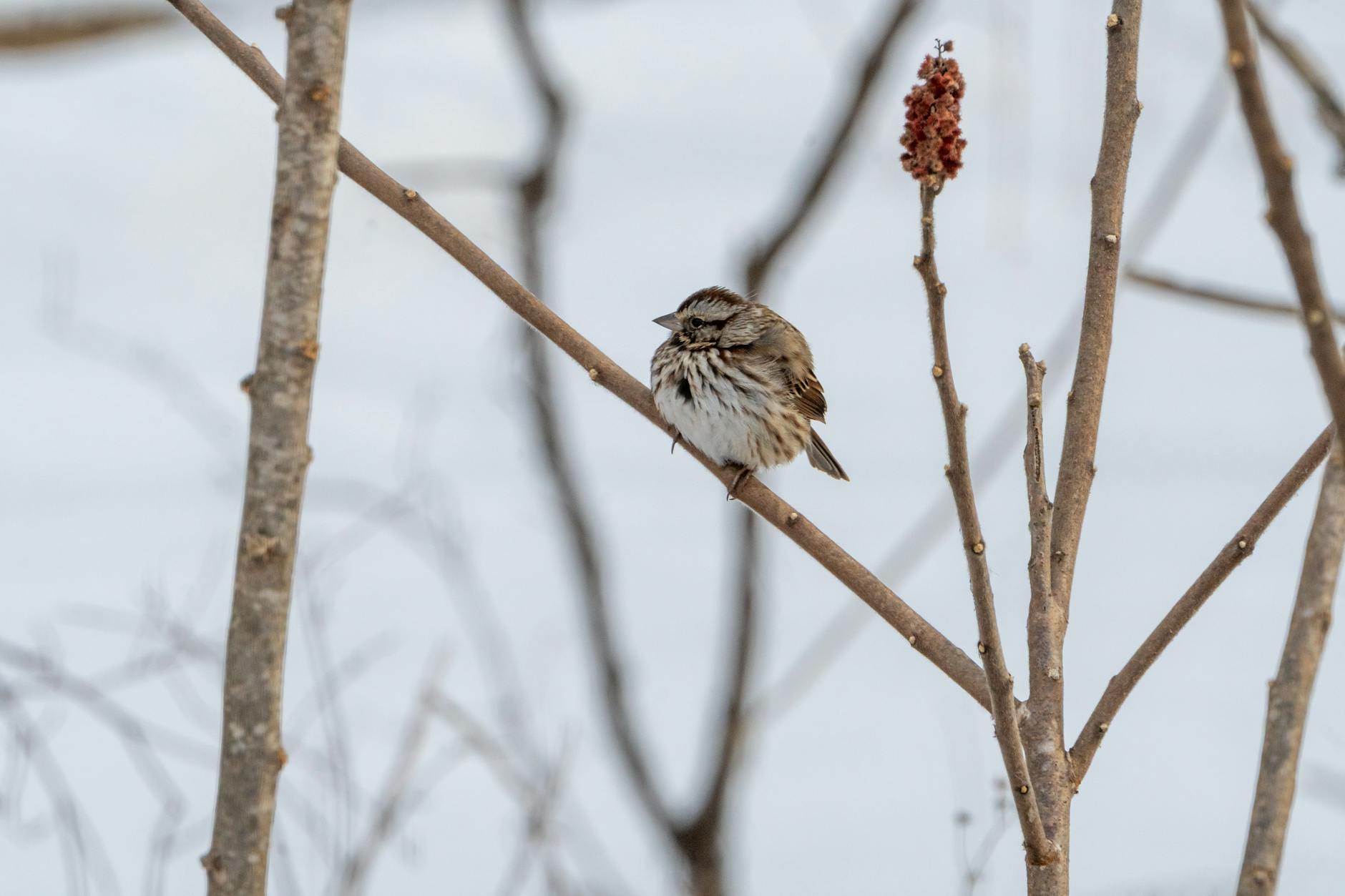
These heavily streaked birds maintain strict territorial boundaries that they defend with surprising ferocity. Males will aggressively chase away any intruding sparrows that cross into their carefully mapped brushy domains. They engage in intense vocal battles that quickly escalate into physical altercations if a rival refuses to retreat. Their aggressive posturing involves puffing out their chest feathers and charging directly at much larger seed eating birds. This constant vigilance ensures their exclusive access to the dense underbrush required for safe ground nesting.
Please share your experiences with these surprisingly fierce backyard birds in the comments.




