Most people assume their home is a safe haven, but many everyday objects quietly release chemicals that can affect air quality and long-term health. Research into indoor air pollution has found that the air inside homes can be significantly more contaminated than outdoor air in many urban areas. From furniture to cleaning products, the sources are surprisingly ordinary and often go completely unnoticed. Understanding which household items pose the greatest risk is the first step toward creating a genuinely healthier living environment. Read on to discover twenty common culprits hiding in plain sight throughout your home.
Carpet

Wall-to-wall carpeting is one of the most significant sources of indoor air pollution in residential spaces. New carpets frequently off-gas volatile organic compounds from adhesives, dyes, and synthetic fibers for months after installation. Beyond chemical emissions, carpet fibers trap dust mites, pet dander, mold spores, and pesticide residues tracked in from outdoors. Vacuuming can temporarily stir these particles back into the breathing zone rather than fully removing them. Choosing low-VOC carpet options and ensuring strong ventilation during and after installation significantly reduces exposure.
Pressed Wood

Pressed wood products including particleboard, plywood, and MDF are commonly used in furniture, cabinetry, and flooring throughout modern homes. These materials are typically bonded with urea-formaldehyde resins that release formaldehyde gas into the surrounding air over time. Formaldehyde is classified as a known human carcinogen and can cause respiratory irritation, headaches, and watery eyes even at low concentrations. The emission rate tends to be highest in new furniture and gradually decreases over several years. Selecting solid wood alternatives or products labeled as low-formaldehyde can meaningfully reduce indoor exposure.
Air Freshener
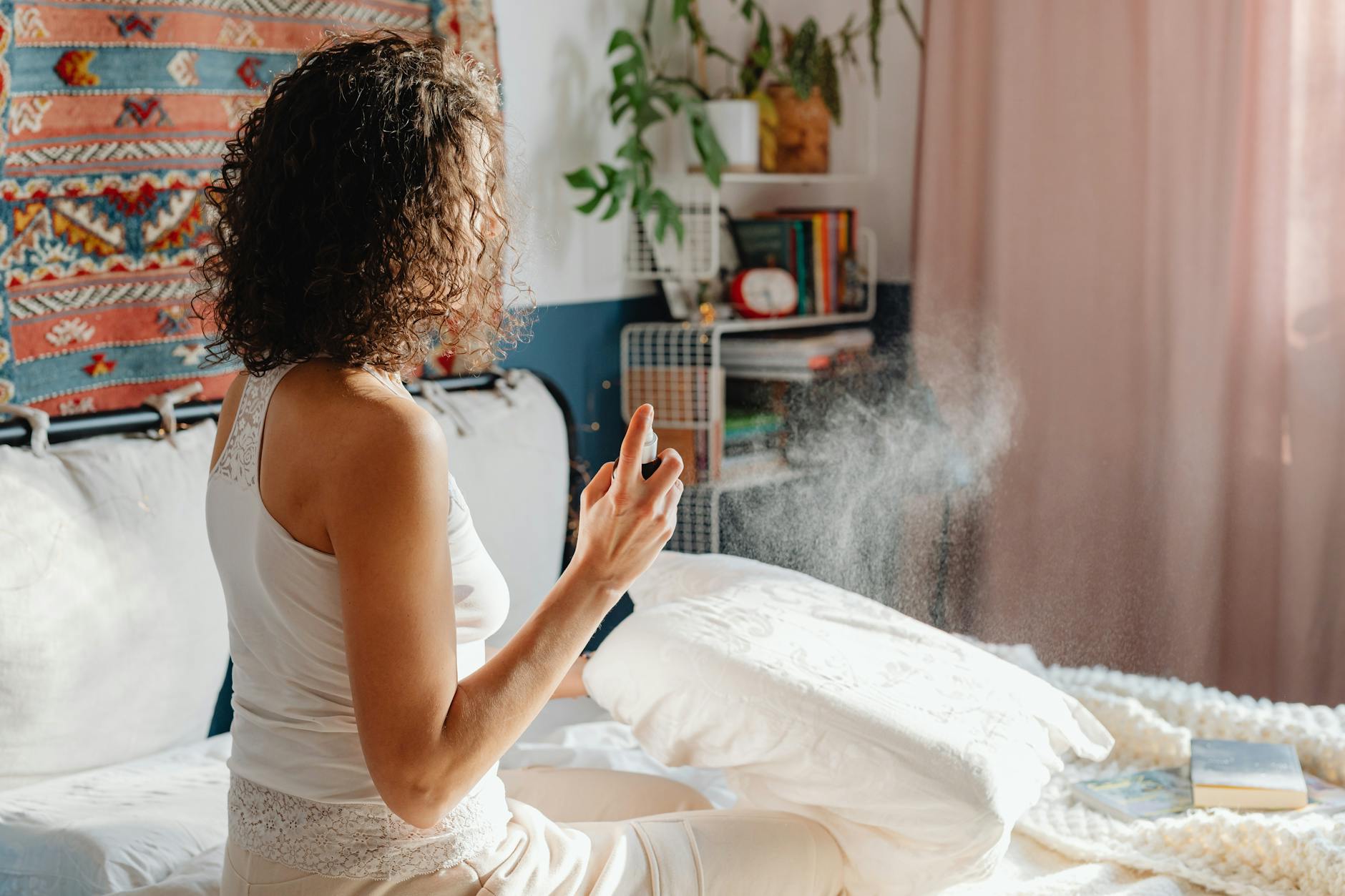
Aerosol and plug-in air fresheners are among the most chemically complex products found in the average home. Many contain synthetic musks, phthalates, and a broad range of undisclosed fragrance compounds that are released directly into the breathing space. Some formulas also produce secondary pollutants when their ingredients react with ozone already present in indoor air. Regular use in poorly ventilated rooms can lead to measurable increases in airborne VOC levels. Natural alternatives such as essential oil diffusers, beeswax candles, or simply opening windows offer far less toxic options for freshening a space.
Non-Stick Cookware
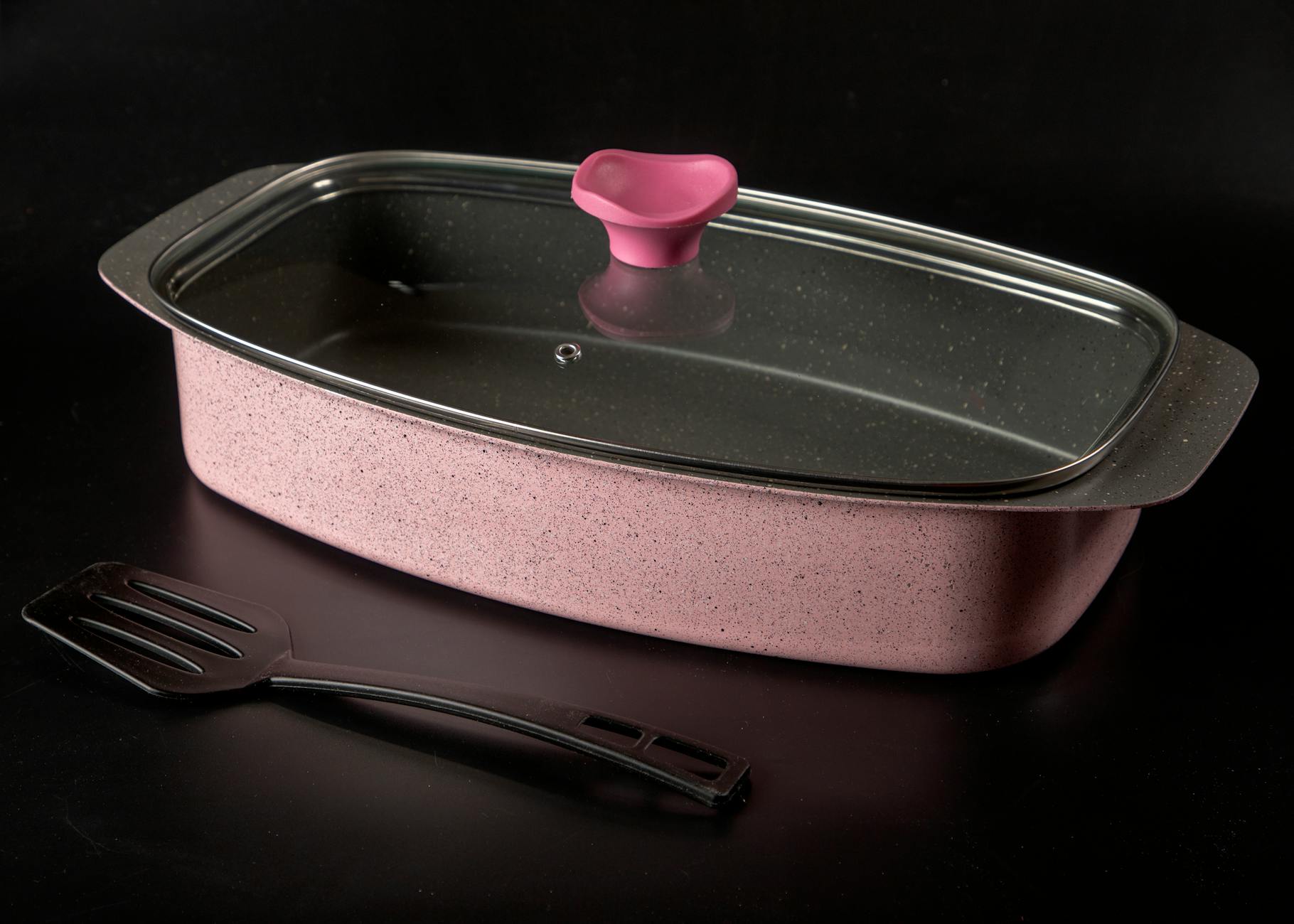
Non-stick pans and baking sheets coated with polytetrafluoroethylene can release toxic fumes when overheated beyond recommended temperatures. The breakdown of these coatings produces perfluorooctanoic acid and other fluorinated compounds that have been linked to hormonal disruption and organ damage. Even scratched or worn non-stick surfaces can shed microscopic particles into food during cooking. Birds are especially sensitive to these fumes and can die from brief exposure, which gives an indication of their potency. Cast iron, stainless steel, or ceramic cookware are widely recommended as safer long-term alternatives.
Mattress
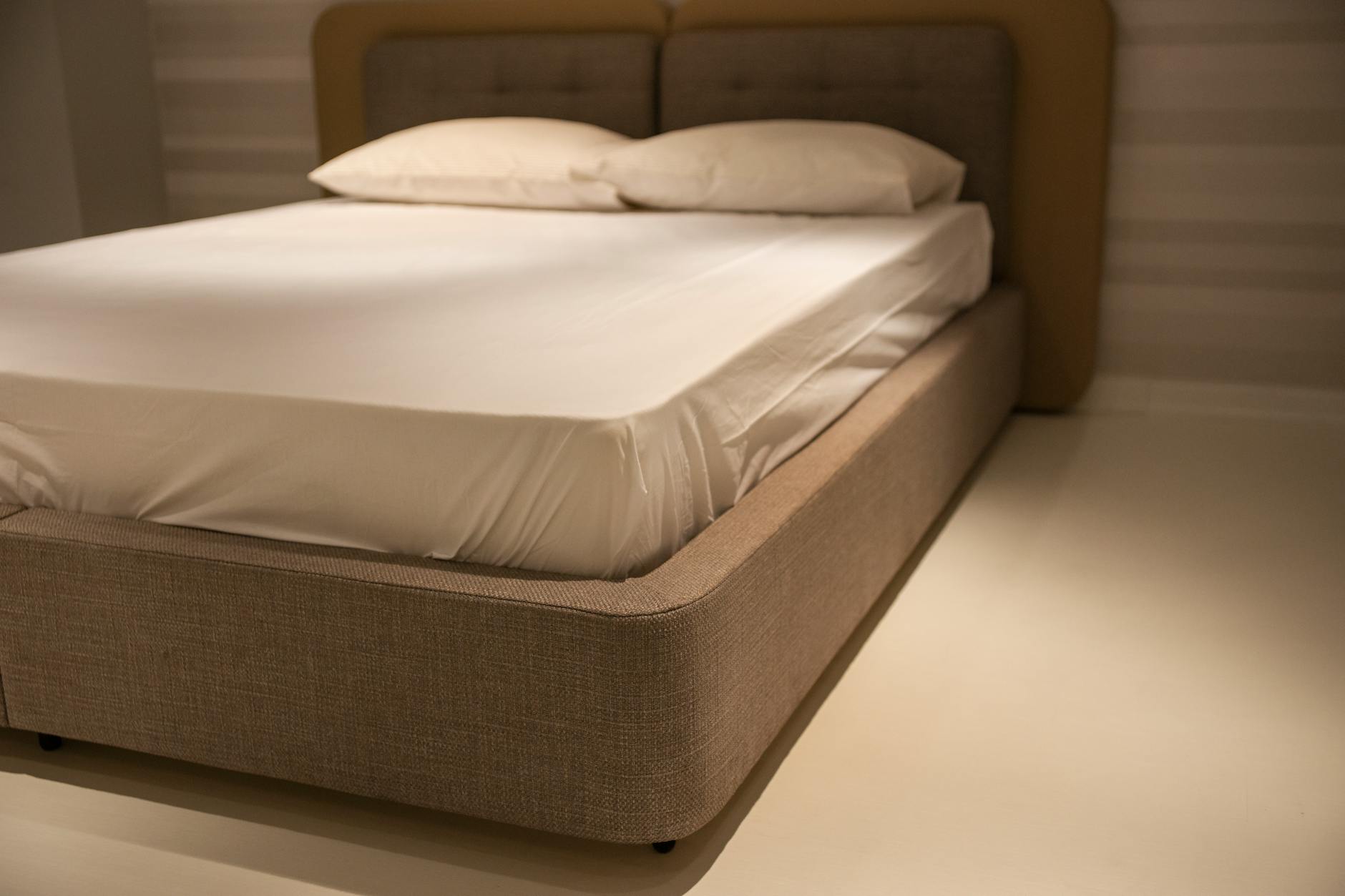
A typical foam mattress contains a complex blend of synthetic materials including polyurethane foam, chemical flame retardants, and adhesives that off-gas during use. Flame retardants in older mattresses often contain polybrominated diphenyl ethers, compounds associated with thyroid disruption and neurological effects. Since people spend roughly a third of their lives sleeping, prolonged nightly exposure to these emissions is a real concern. Mattress encasements and allowing a new mattress to air out in a well-ventilated room before use can help reduce initial chemical release. Certified organic latex or wool mattresses offer substantially lower toxic loads for those seeking alternatives.
Shower Curtain
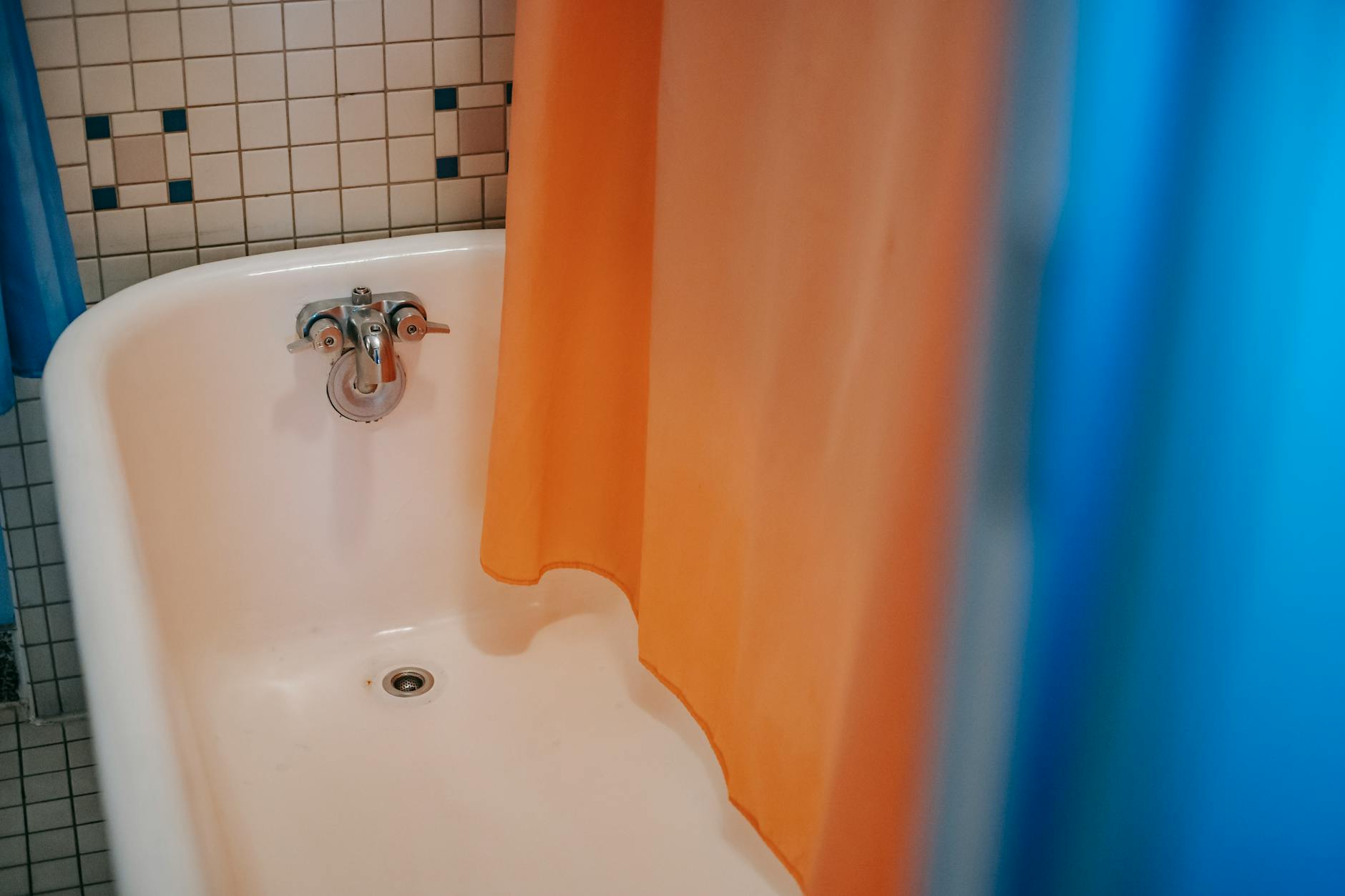
Vinyl shower curtains made from PVC plastic are a surprisingly potent source of indoor air contamination. When newly hung, these curtains can release over a hundred different VOCs into bathroom air, a process that intensifies with steam and warm water exposure. Phthalates used to keep the vinyl flexible are among the compounds of greatest concern given their links to endocrine disruption. The confined and often poorly ventilated nature of bathrooms means these emissions concentrate quickly. Switching to curtains made from PEVA, organic cotton, or hemp eliminates most of this chemical exposure entirely.
Scented Candle
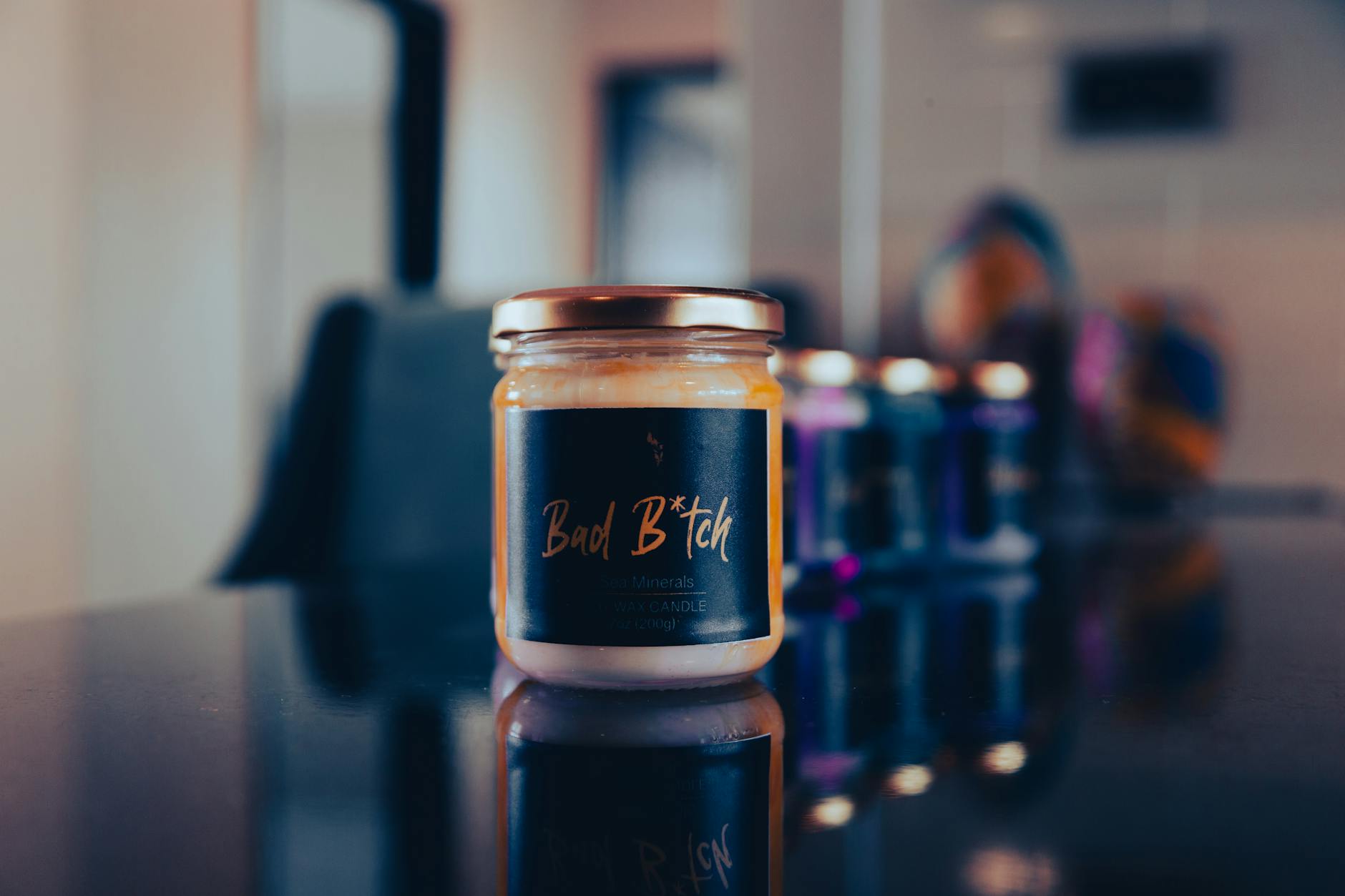
Paraffin candles are derived from petroleum and release benzene and toluene when burned, both of which are recognized toxic compounds. Synthetic fragrance oils used to scent many commercial candles add another layer of chemical complexity to the smoke produced. Metal-core wicks, once common in cheaper candles, can also release trace amounts of heavy metals including lead into the air. Burning multiple candles in an enclosed room without ventilation can lead to air quality levels comparable to mild outdoor pollution. Beeswax or soy candles with cotton wicks and natural fragrance oils are considerably cleaner options.
Dry Cleaning Bag
Clothes returned from the dry cleaner often carry residues of perchloroethylene, a solvent widely used in the dry cleaning process. Perchloroethylene is a probable human carcinogen that can off-gas from fabrics and plastic garment bags for days after collection. Storing freshly dry-cleaned items in a closed wardrobe or bedroom concentrates these fumes in a frequently occupied space. Removing the plastic bags and airing garments outside or in a well-ventilated area before bringing them indoors significantly reduces exposure. Seeking out wet cleaning or liquid CO2 dry cleaning services provides a far less toxic alternative for delicate fabrics.
Paint

Conventional interior paint contains a range of volatile organic compounds that continue to off-gas long after the paint has dried and the smell has faded. Compounds such as benzene, formaldehyde, and acetaldehyde are among those identified in standard paint formulations. High-traffic rooms with freshly painted walls can have noticeably elevated VOC levels for months, particularly in warm weather when off-gassing accelerates. Children and people with respiratory conditions are especially vulnerable to the effects of sustained paint-related VOC exposure. Low-VOC and zero-VOC paints are now widely available and perform comparably to conventional formulas.
Cleaning Products
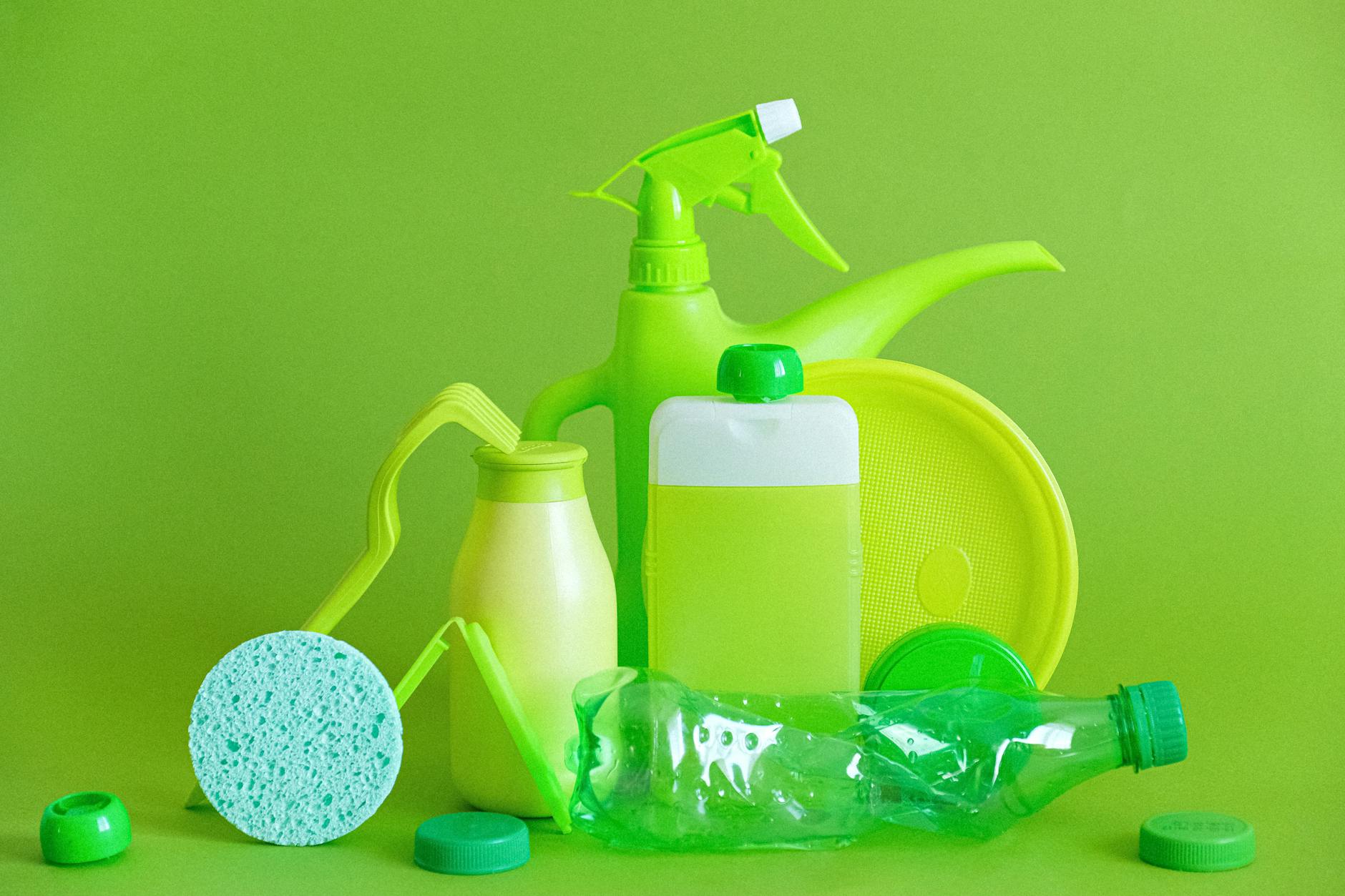
Conventional household cleaners including multipurpose sprays, oven cleaners, and bathroom disinfectants routinely contain chemicals like ammonia, chlorine, and synthetic surfactants. When used in enclosed spaces, these compounds quickly elevate airborne chemical concentrations to levels that irritate the eyes, lungs, and skin. Mixing certain cleaners, such as those containing bleach and ammonia, can produce chloramine gas which is acutely hazardous. Residues left on surfaces after cleaning can continue to off-gas and may be absorbed through skin contact. Plant-based and fragrance-free cleaning products offer effective alternatives without the same toxic profiles.
Laser Printer

Laser printers and photocopiers emit ultrafine particles and ozone during operation, both of which pose respiratory concerns with regular exposure. The toner powder used in these devices contains carbon black and other fine particulates that become airborne during the printing process. Studies have found that high-volume printing in enclosed offices can produce particle concentrations comparable to cigarette smoke in some measurements. Placing printers in well-ventilated areas and choosing models with lower emission ratings reduces occupational and home exposure. Regularly replacing printer filters and avoiding the printing room during heavy use are practical precautions.
Vinyl Flooring
Luxury vinyl plank and sheet vinyl flooring products frequently contain plasticizers including phthalates that slowly migrate out of the material over time. These flooring types can also emit residual VOCs from the manufacturing process, particularly in the months following installation. Children who spend time sitting or crawling on vinyl floors face higher exposure given their proximity to the surface and hand-to-mouth behavior. The adhesives used to install vinyl flooring add another potential source of chemical off-gassing to the equation. Solid hardwood, cork, or tile flooring are generally considered lower-emission alternatives for households with young children.
Foam Insulation

Spray polyurethane foam insulation contains isocyanates during application, compounds known to cause occupational asthma and sensitization with repeated exposure. Once fully cured the foam becomes significantly more stable, but improper application or disturbance of cured foam can release particles and residual chemicals. Homes insulated with older foam products may also contain blowing agents that have since been identified as harmful to health and the environment. Air sealing benefits of foam insulation must therefore be weighed against the importance of ensuring adequate fresh air exchange within the living space. Professional installation and proper curing time before re-occupying treated areas are essential precautions.
Rubber Flooring
Rubber flooring used in home gyms, playrooms, and kitchens is often manufactured from recycled tires, which contain a broad range of chemical additives. These include carbon black, benzothiazole, and various antioxidants that can off-gas into the indoor environment especially in warm or poorly ventilated spaces. The distinctive rubber smell that accompanies new flooring is a direct indicator of ongoing VOC emissions from the material. Children and pets who spend extended time in contact with rubber flooring are among those most frequently exposed. Allowing new rubber flooring to air out thoroughly in a ventilated space before installation can help reduce initial emissions.
Stuffed Toys

Inexpensive stuffed toys and plush animals are frequently manufactured using synthetic fabrics treated with flame retardants and chemical dyes. Many budget-priced toys are also filled with polyester fibers that may contain residual processing chemicals from manufacturing. Given that young children often sleep with stuffed animals and handle them extensively throughout the day, the exposure pathway is continuous and direct. Some import products have also been found to contain traces of heavy metals including lead and cadmium in their dyes and decorative components. Choosing stuffed toys certified under international safety standards and made from organic materials reduces these risks considerably.
Personal Care Products
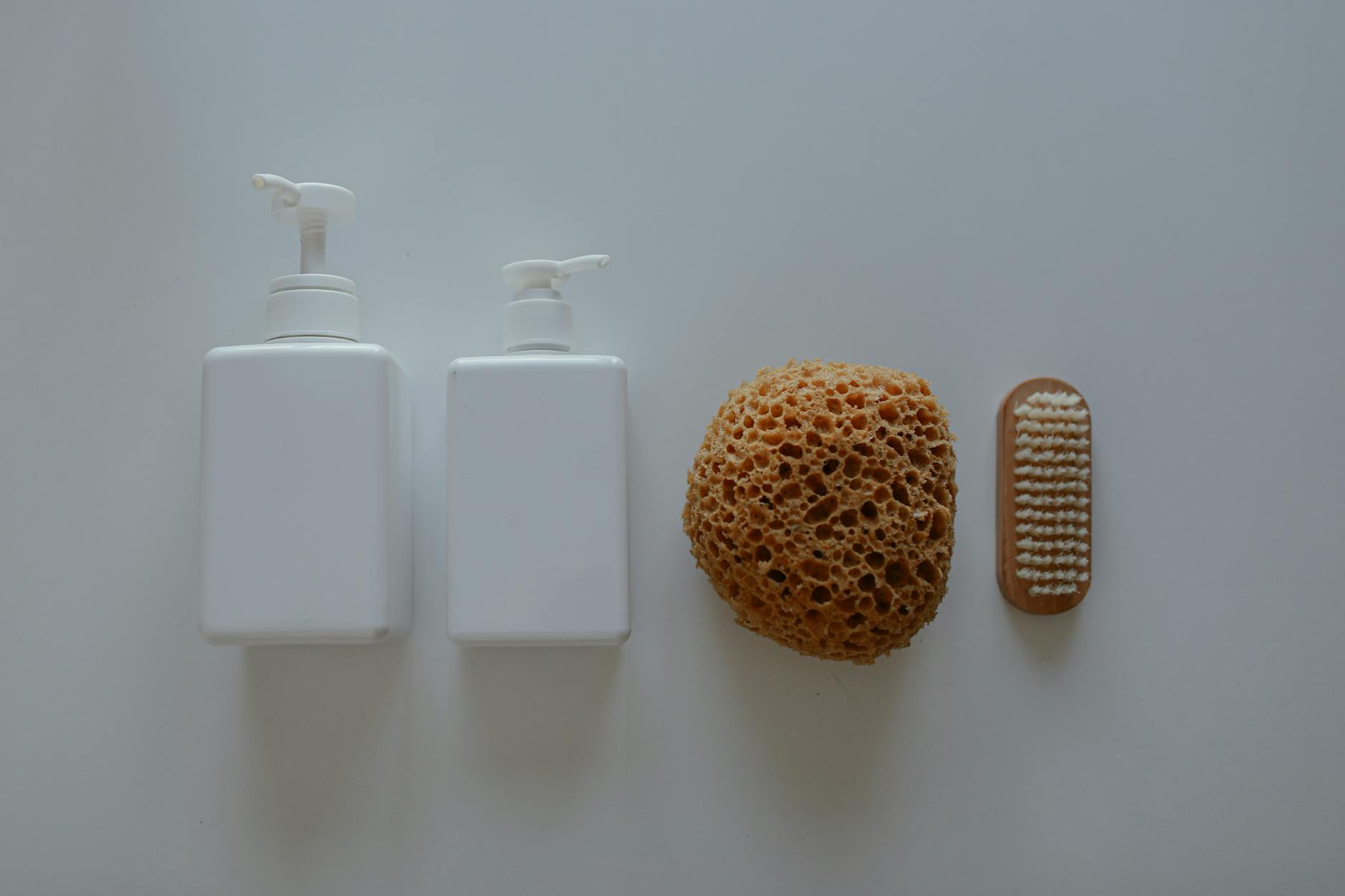
Shampoos, lotions, deodorants, and cosmetics frequently contain a wide range of synthetic chemicals including parabens, phthalates, and formaldehyde-releasing preservatives. These compounds are applied directly to skin and hair, where they can be absorbed into the body at varying rates depending on the product and application site. The fragrance component alone in many personal care products may represent dozens of individual undisclosed chemicals under a single ingredient label. Regular daily use of multiple scented products creates cumulative exposure that adds significantly to an individual’s overall toxic load. Transitioning to certified clean beauty or fragrance-free personal care products is one of the most impactful changes a person can make for reducing chemical exposure.
Mothballs

Traditional mothballs contain either naphthalene or paradichlorobenzene, both of which are volatile solids that slowly sublime into toxic gas at room temperature. Naphthalene exposure has been associated with hemolytic anemia in individuals with certain genetic conditions, while paradichlorobenzene is classified as a possible human carcinogen. The characteristic sharp odor of mothballs is a direct indicator of ongoing chemical release into the surrounding air. Storing mothball-treated clothing in living areas or sleeping spaces significantly increases inhalation exposure over time. Cedar blocks, lavender sachets, and airtight storage containers provide effective moth deterrence without toxic off-gassing.
Tap Water

Household tap water in many regions carries trace amounts of contaminants including chlorine byproducts, heavy metals, agricultural runoff, and in some areas residual pharmaceuticals. When hot water is run through older pipes containing lead solder or lead service lines, the metal can leach directly into drinking water at concerning concentrations. Chlorine added during municipal water treatment reacts with organic matter in pipes to form trihalomethanes, compounds with potential carcinogenic properties at sustained exposure levels. The steam produced during showering or boiling water can also release volatile contaminants into the indoor air of poorly ventilated spaces. Certified point-of-use filters and regular testing of home water are practical and accessible means of reducing exposure.
Incense

Burning incense releases a complex mixture of fine particulate matter, polycyclic aromatic hydrocarbons, and carbon monoxide into indoor air. Studies comparing indoor air quality in incense-burning households have found elevated levels of carcinogenic compounds that persist well after the stick has burned out. The particle size produced by incense smoke is fine enough to penetrate deep into the lungs and has been associated with respiratory inflammation with regular use. Decorative and religious use of incense in small or poorly ventilated rooms represents a meaningful cumulative exposure risk over time. Improving ventilation during and after use or choosing smokeless incense alternatives can substantially reduce the associated health burden.
Upholstered Furniture

Sofas, armchairs, and upholstered beds represent a concentrated source of chemical exposure in most homes due to the multiple materials involved in their construction. Foam cushioning often contains flame retardants, the fabric covering may be treated with stain-resistant perfluorinated compounds, and the frame adhesives can contribute additional VOCs. PFAS compounds used in stain-resistant treatments have been linked to immune disruption, hormonal effects, and increased cancer risk in long-term exposure studies. As foam ages and breaks down it releases microparticles of these chemicals into household dust, which is then redistributed through normal activity and air circulation. Choosing furniture certified to low-emission standards and avoiding stain-treatment sprays are among the most effective strategies for reducing upholstered furniture-related toxin exposure in the home.
Which of these household toxin sources surprised you the most? Share your thoughts in the comments.




