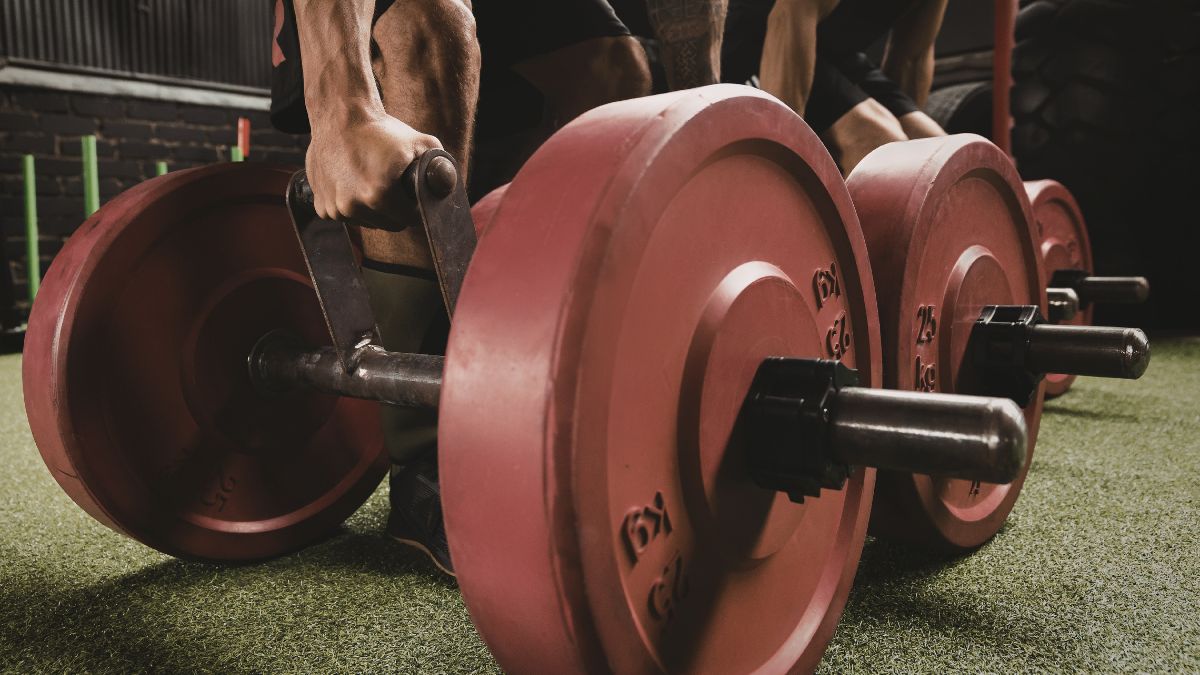
Pushing hard in the gym or on the track is only half the equation when it comes to building a stronger and healthier body. What happens in the hour or two immediately following intense exercise has a significant impact on recovery, muscle repair, and overall wellbeing. Many common post-workout habits that feel natural or even rewarding in the moment can actually slow progress, increase injury risk, or place unnecessary stress on the body. Understanding which behaviors to avoid right after heavy training helps athletes and everyday fitness enthusiasts alike get the most from every session. These are the things that fitness and health professionals consistently advise against doing in the immediate aftermath of a demanding workout.
Hot Bath

Soaking in a hot bath immediately after intense exercise raises core body temperature at a time when the body is already working hard to cool itself down through perspiration and increased blood flow to the skin. This added heat stress can cause blood pressure to drop suddenly leading to dizziness or lightheadedness especially when stepping in or out of the tub. The cardiovascular system remains under elevated demand post-exercise and additional heat exposure prolongs this strain unnecessarily. A lukewarm or cool shower is a far more appropriate choice for the immediate post-workout window.
Alcohol
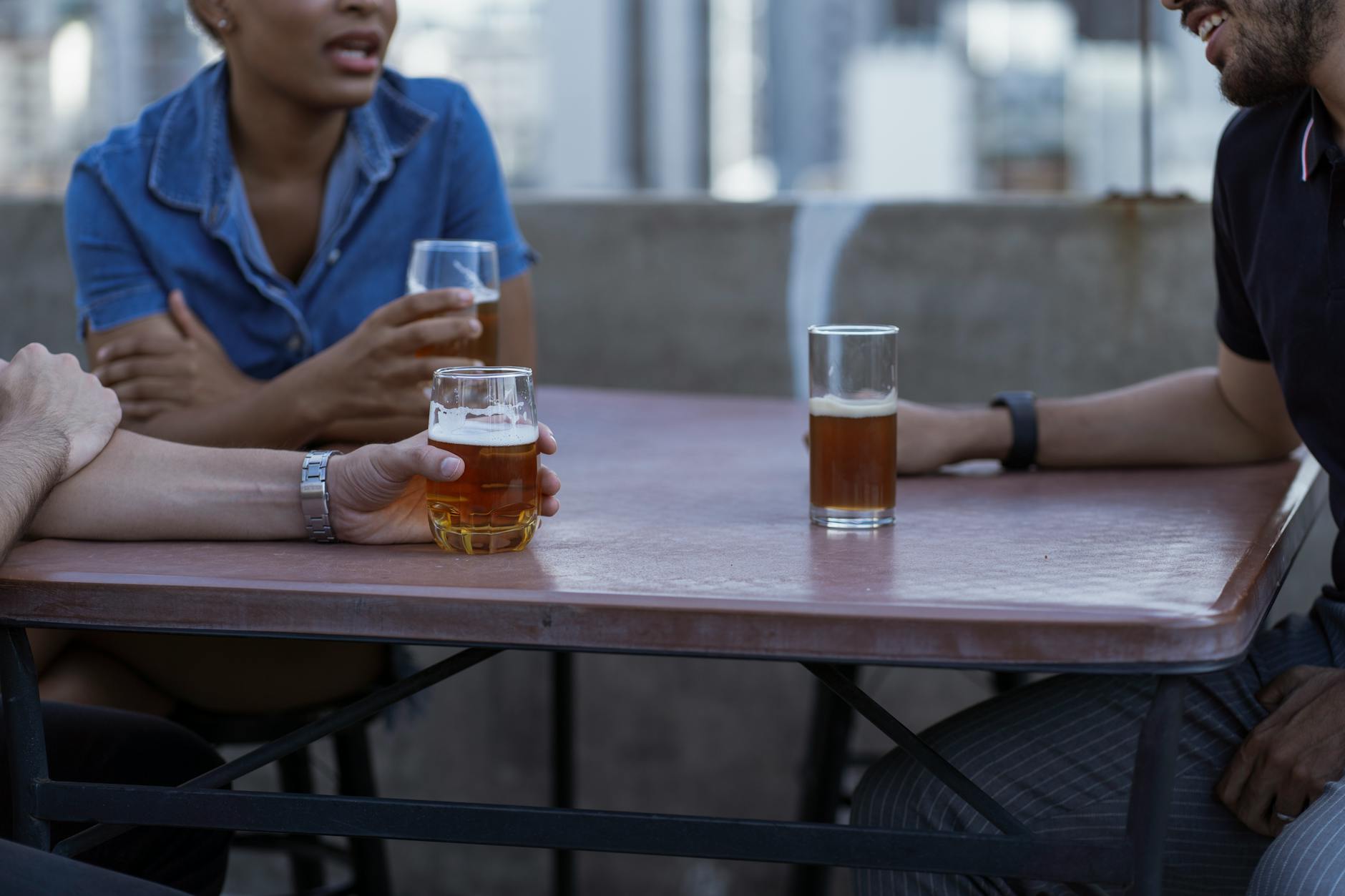
Alcohol consumed after a heavy workout interferes directly with the muscle protein synthesis process that begins in the hours following intense training. It also acts as a diuretic at a time when the body is already in a state of fluid deficit from sweat loss making rehydration considerably harder to achieve. Research has shown that alcohol consumption post-exercise blunts the hormonal response responsible for muscle repair and adaptation. Even moderate amounts in the immediate recovery window can meaningfully set back the physiological gains a training session was designed to produce.
Skipping Stretching

Muscles that have been worked hard during exercise contract repeatedly and tighten over the course of a session and finishing without any form of flexibility work locks that tension into the tissue. Skipping stretching after a heavy workout contributes to progressive loss of range of motion over time and increases the likelihood of strains and joint discomfort in subsequent sessions. The post-workout period is actually the most effective time to work on flexibility because muscles are warm and pliable and respond well to lengthening. Even five to ten minutes of targeted static stretching makes a measurable difference in recovery quality and long-term mobility.
Cold Plunge

Jumping into an ice bath or cold plunge immediately after a strength-focused workout has been shown in multiple studies to blunt the anabolic signaling pathways that drive muscle hypertrophy and growth. While cold water immersion has genuine benefits for reducing inflammation and soreness in endurance athletes the timing matters considerably for those training for size and strength. The inflammatory response that cold exposure suppresses is actually a necessary part of the muscle adaptation process when the goal is building lean mass. Athletes focused on performance gains are generally advised to wait several hours before using cold immersion therapy after resistance training.
Eating Junk Food

The post-workout period is a critical window during which the body is primed to absorb nutrients for glycogen replenishment and muscle repair, and filling that window with processed or nutrient-poor food is a significant missed opportunity. High-fat fast food slows gastric emptying and delays the delivery of protein and carbohydrates to muscles at precisely the time they need them most. Excess sodium and additives found in junk food also worsen the inflammatory state that naturally follows intense exercise. A meal or snack combining quality protein and complex carbohydrates serves recovery far more effectively during this window.
Sitting Still

Stopping completely and remaining sedentary immediately after a heavy workout causes blood to pool in the lower extremities as the pumping action that exercise provides suddenly ceases. This can lead to dizziness, cramping, and a prolonged feeling of heaviness in the legs particularly after high-intensity cardio or lower body training. Active recovery in the form of a gentle walk or light movement keeps circulation flowing and helps the body transition safely from high-output effort back to a resting state. Even five minutes of easy movement after training supports faster clearance of metabolic byproducts like lactate from the muscles.
Overeating

While the body needs replenishment after hard training consuming an excessively large meal immediately post-workout can overwhelm the digestive system at a time when blood has been redirected away from the gut and toward working muscles. Overeating in this window often leads to bloating, nausea, and general discomfort that disrupts the recovery process rather than supporting it. The body’s ability to absorb and utilize nutrients efficiently is best served by a moderate and well-composed recovery meal rather than a large and indiscriminate one. A balanced portion of protein and carbohydrates consumed within an hour of finishing is sufficient to initiate the recovery process effectively.
Intense Sauna

Spending time in a high-temperature sauna immediately after a heavy workout compounds the cardiovascular and thermoregulatory demands that intense exercise already places on the body. Heart rate and blood pressure remain elevated after training and the extreme heat of a sauna pushes both further at a time when the system needs to downregulate. Dehydration risk increases sharply as the body continues sweating without the opportunity to adequately rehydrate beforehand. Medical guidance consistently recommends fully rehydrating and allowing heart rate to return to a near-resting level before introducing sauna heat after intense physical exertion.
Skipping Protein

The post-workout anabolic window is a well-documented period during which muscle cells are particularly receptive to amino acids for repair and growth and failing to consume protein during this time slows the recovery process meaningfully. Muscle protein breakdown that occurs during resistance training requires an adequate supply of essential amino acids to reverse and rebuild damaged fibers into stronger tissue. Waiting several hours before eating any protein after a heavy session extends the catabolic state the body enters post-exercise. A protein source consumed within roughly an hour of finishing training represents one of the highest-impact nutritional decisions an athlete can make.
Heavy Stretching

Aggressive or ballistic stretching performed immediately after a heavy workout when muscles are fatigued and potentially micro-damaged carries a meaningful risk of causing strains or tears in compromised tissue. Fatigued muscles have reduced proprioceptive accuracy making it harder for the body to accurately gauge how far a stretch can safely go before reaching a damaging range. Deep static holds that push aggressively to the end range of motion should be reserved for dedicated flexibility sessions when the body is rested and fully prepared. Gentle and moderate post-workout stretching is beneficial but intense flexibility work in the immediate aftermath of heavy training crosses into counterproductive territory.
Ignoring Hydration

Failing to rehydrate after heavy exercise leaves the body in a state of fluid deficit that impairs virtually every aspect of the recovery process including nutrient transport, temperature regulation and joint lubrication. Even mild dehydration of one to two percent of body weight has been shown to reduce cognitive function and mood which affects motivation and focus for the rest of the day. Many people underestimate how much fluid is lost during intense training particularly in warm environments or during prolonged sessions. Beginning rehydration with water or an electrolyte beverage immediately after finishing exercise is one of the most straightforward and impactful recovery practices available.
Napping Immediately

Falling asleep directly after a heavy workout before properly cooling down, stretching and rehydrating means skipping the recovery steps that the body most urgently needs in that window. Sleep entered while the body is still in a heightened physiological state can be shallower and less restorative than sleep that begins after proper wind-down. Lying down with an elevated heart rate and body temperature also increases the likelihood of discomfort and disrupted rest cycles. Completing a brief but intentional cool-down routine before sleeping ensures that sleep itself functions as a genuine recovery tool rather than a shortcut that bypasses necessary post-exercise care.
Foam Rolling Aggressively

Applying intense pressure with a foam roller immediately after heavy training on already-fatigued and micro-damaged muscle tissue can aggravate inflammation and cause additional discomfort rather than relief. The compressive force of aggressive rolling on muscles that have just undergone significant mechanical stress can stimulate pain receptors and worsen the sensation of soreness in the hours that follow. Light and moderate foam rolling with sustained but gentle pressure is appropriate post-workout for improving circulation and reducing tension. Deeper and more intense myofascial release work is better reserved for rest days or sessions performed when the muscles have had some time to begin initial recovery.
Caffeine

Consuming a significant dose of caffeine immediately post-workout can interfere with the body’s natural cortisol reduction process that occurs as the physiological stress of training begins to subside. Cortisol levels are already elevated after intense exercise as part of the body’s normal stress response and adding caffeine prolongs this elevation which can suppress anabolic hormone activity. High caffeine intake at this time also exacerbates fluid losses at a moment when hydration should be the priority. Allowing the nervous system to begin downregulating naturally after hard training supports both physical recovery and the quality of sleep later in the day.
Skipping Cool Down

Moving directly from maximum training intensity to complete rest without a transitional cool-down period puts abrupt stress on the cardiovascular system which needs a gradual reduction in workload to safely return to baseline. The heart requires time to lower its output incrementally and blood pressure benefits from a managed descent rather than a sudden stop. Skipping cool-down is one of the most commonly cited contributors to post-exercise dizziness and has also been associated with increased muscle stiffness in the days following heavy training. Even a five to ten minute period of progressively easier movement bridges the gap between peak exertion and rest in a physiologically appropriate way.
Same Muscle Training

Immediately repeating heavy resistance training on the same muscle groups that were just worked intensely causes accumulated micro-damage to compound before any repair has occurred and dramatically increases injury risk. Muscle protein synthesis and the cellular repair processes that drive adaptation require a recovery period of at least 24 to 48 hours for most major muscle groups following intense training. Training the same muscles again without this window not only prevents growth but actively reverses the adaptive stimulus that the original session was intended to create. Rotating muscle groups or incorporating active recovery on the following day is fundamental to any well-structured training program.
Screen Time

Extended screen exposure immediately after a heavy workout delays the neurological recovery process by keeping the brain in a stimulated and engaged state at a time when the central nervous system benefits from reduced input. Heavy training places significant stress on the nervous system beyond just the muscles and joints and bright screen light combined with content consumption keeps arousal levels elevated when they should be declining. This is particularly impactful in the evening when post-workout screen time can interfere with the production of melatonin and push back sleep onset. Prioritizing lower-stimulation activities like reading physical material or quiet conversation supports full-body recovery more effectively.
Skipping Sleep

Neglecting quality sleep after a heavy workout withholds the single most powerful recovery mechanism the human body possesses, as the majority of muscle repair and growth hormone secretion occurs during deep sleep cycles. Training creates the stimulus for adaptation but it is during sleep that the body actually carries out the structural changes to muscle tissue that make it stronger and more resilient. Consistently cutting sleep short after demanding training sessions accumulates a recovery debt that gradually undermines performance, increases injury susceptibility and impairs immune function. Treating sleep as a non-negotiable training component rather than an optional luxury is one of the most evidence-based decisions an athlete can make.
Wearing Wet Clothes

Remaining in damp exercise clothing after a heavy workout creates a sustained moist environment against the skin that promotes bacterial and fungal growth and significantly raises the risk of skin infections and irritation. Wet fabric also accelerates heat loss from the body in a way that can push core temperature too low too quickly particularly in cooler environments contributing to chills and muscle stiffness. The discomfort of wet clothing against cooling skin also prolongs the physiological stress state unnecessarily when the body is trying to return to homeostasis. Changing into dry and comfortable clothing as soon as possible after training is a simple practice with clear hygiene and recovery benefits.
Ignoring Pain

Dismissing sharp localized or joint-specific pain that arises during or immediately after heavy training as normal soreness is one of the most common ways that manageable injuries become serious long-term problems. Delayed onset muscle soreness is a diffuse and bilateral sensation that develops 24 to 48 hours after training and is fundamentally different from the acute and localized pain that signals tissue damage. Continuing to use a joint or muscle that is sending acute pain signals risks compounding an injury at a vulnerable moment when the tissue is already compromised. Consulting a sports medicine professional or physiotherapist promptly when post-workout pain feels atypical is a far better response than pushing through in the hope it resolves on its own.
Smoking

Smoking after a workout restricts blood vessel function and reduces the delivery of oxygen and nutrients to muscles at the precise time when circulation needs to be supporting repair and recovery. Carbon monoxide from cigarette smoke binds to hemoglobin and reduces its oxygen-carrying capacity creating a deficit in tissue oxygenation that directly counters the benefits of the cardiovascular work just performed. The oxidative stress introduced by smoking compounds the free radical production that already occurs during intense exercise worsening the inflammatory burden on the body. The window immediately following exercise when blood flow and metabolic activity are elevated is actually a period of heightened vulnerability to the harmful effects of tobacco exposure.
Cold Workout Clothes
Sitting in air-conditioned spaces or cold environments in sweat-saturated workout clothing after heavy training creates rapid and uncomfortable cooling of muscles that have been warmed through extended exertion. Rapid muscle cooling after intense effort increases the likelihood of cramping, stiffness and a pronounced tightening of connective tissue that can affect mobility in the hours that follow. The contrast between the elevated tissue temperature from training and the rapid external cooling from cold environments in wet clothes is particularly pronounced and uncomfortable for larger muscle groups. Warming up with a dry layer or moving to a temperate environment immediately after finishing a session helps maintain the muscle pliability needed for effective post-workout stretching and cool-down.
Skipping Electrolytes

Rehydrating exclusively with plain water after a heavy sweat session without replacing the sodium, potassium and magnesium lost through perspiration can lead to a dilution of electrolyte concentrations in the blood that disrupts nerve and muscle function. This condition known as hyponatremia in its more severe form produces symptoms including cramping, nausea, confusion and in extreme cases more serious neurological effects. Even at mild levels insufficient electrolyte replacement after heavy training prolongs muscle soreness and delays the restoration of normal neuromuscular function. Including an electrolyte source whether through food or a dedicated supplement as part of the post-workout recovery plan addresses this commonly overlooked aspect of effective recovery.
Static Warm Up

Performing static stretching as a post-workout activity is beneficial but performing only static holds without incorporating any light dynamic movement beforehand allows the body temperature to drop too quickly before circulation has adequately normalized. This approach creates a mismatch between the needs of cooling tissue and the demands of holding prolonged positions that can result in discomfort and reduced effectiveness of the stretches themselves. Beginning the post-workout period with light walking or easy movement before transitioning into static holds gives the cardiovascular system time to gradually reduce its output. A sequenced approach that moves from light dynamic activity to static stretching produces a more complete and physiologically appropriate cool-down.
Fasted Cardio Afterward
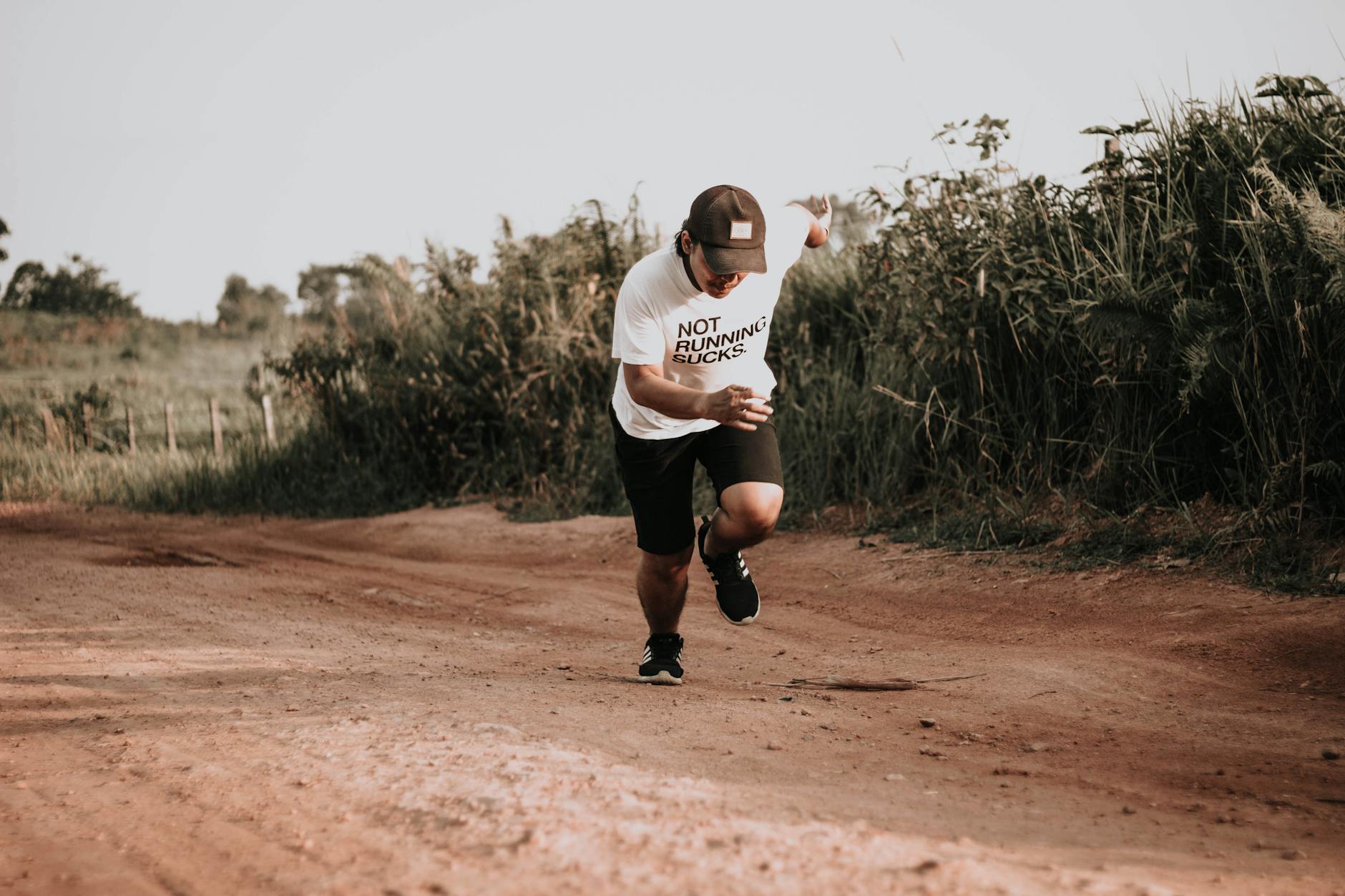
Adding a fasted cardio session immediately after an already heavy resistance or high-intensity workout compounds the catabolic stress on the body to a degree that the recovery systems cannot manage effectively. When glycogen stores are depleted and the body has already entered a state of metabolic stress from the primary session additional sustained cardio without fuel increases the breakdown of muscle protein for energy. This practice is counterproductive for anyone whose goals include maintaining or building muscle mass as it creates conditions that actively work against those objectives. Separating training modalities across different times of day or different days entirely is far more effective for managing total training load and protecting recovery capacity.
What post-workout habits have you had to unlearn on your fitness journey? Share your thoughts in the comments.




