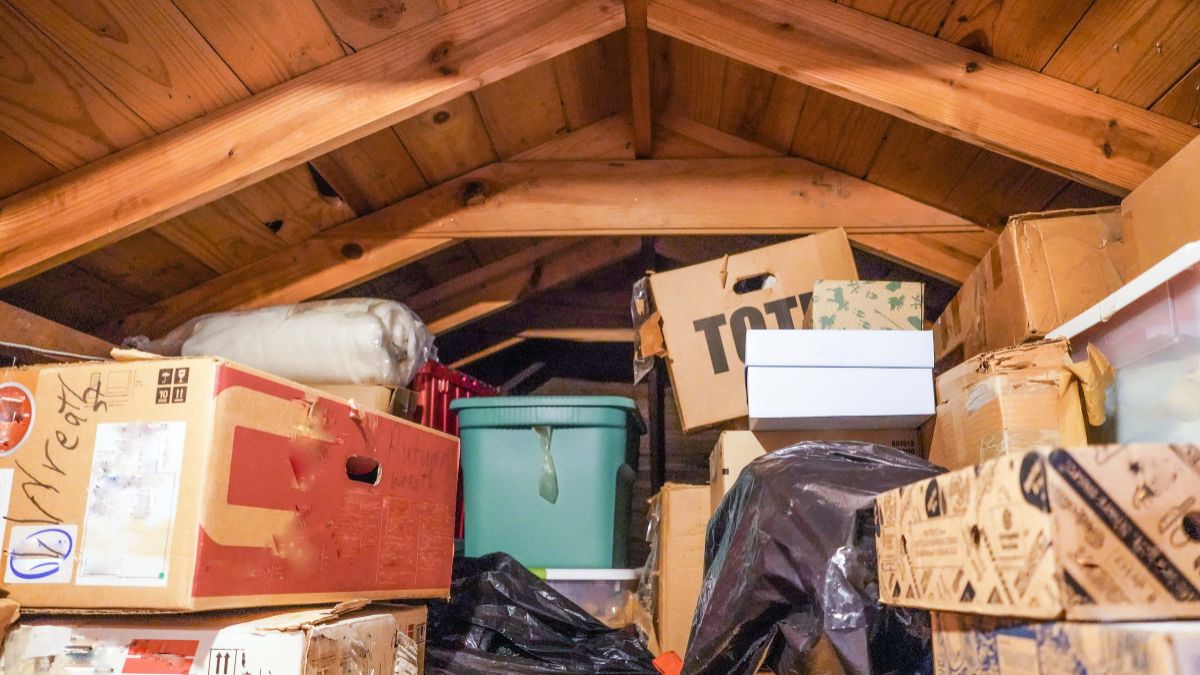
Your attic and basement might seem like the perfect catch-all spaces for overflow belongings, but the conditions in these areas can be surprisingly destructive. Extreme temperature swings, humidity fluctuations, and pest activity make both spaces genuinely hostile environments for a wide range of everyday items. Understanding which belongings are vulnerable to these conditions can save you from costly replacements and even serious safety hazards. Before you haul another box up the stairs or down to the cellar, take a careful look at what should actually be kept elsewhere in your home.
Old Photographs

Photographs are among the most irreplaceable items a person owns, making proper storage absolutely critical. Heat and humidity accelerate the chemical breakdown of photo paper, causing images to fade, yellow, and stick together permanently. Fluctuating temperatures also cause photos to warp and curl in ways that cannot be reversed. Archival boxes kept in a climate-controlled room or a dedicated photo storage service are far safer alternatives for preserving these memories.
Wooden Furniture
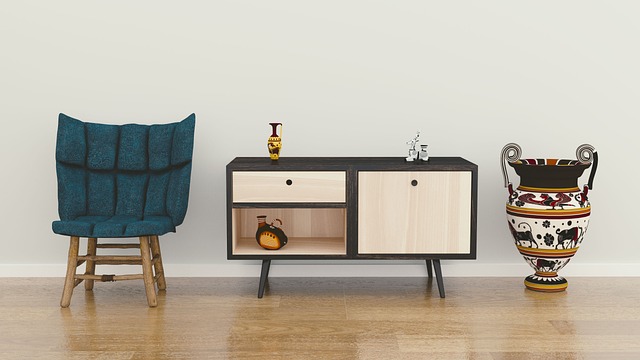
Solid wood and wood veneer furniture respond dramatically to changes in moisture and temperature. High humidity causes wood to swell and warp while dry conditions lead to cracking and splitting along the grain. Paint and varnish finishes can bubble and peel when exposed to the heat that builds up in an unventilated attic. If furniture must be stored, a temperature-regulated storage unit is a far better environment for protecting its structure and finish.
Electronics
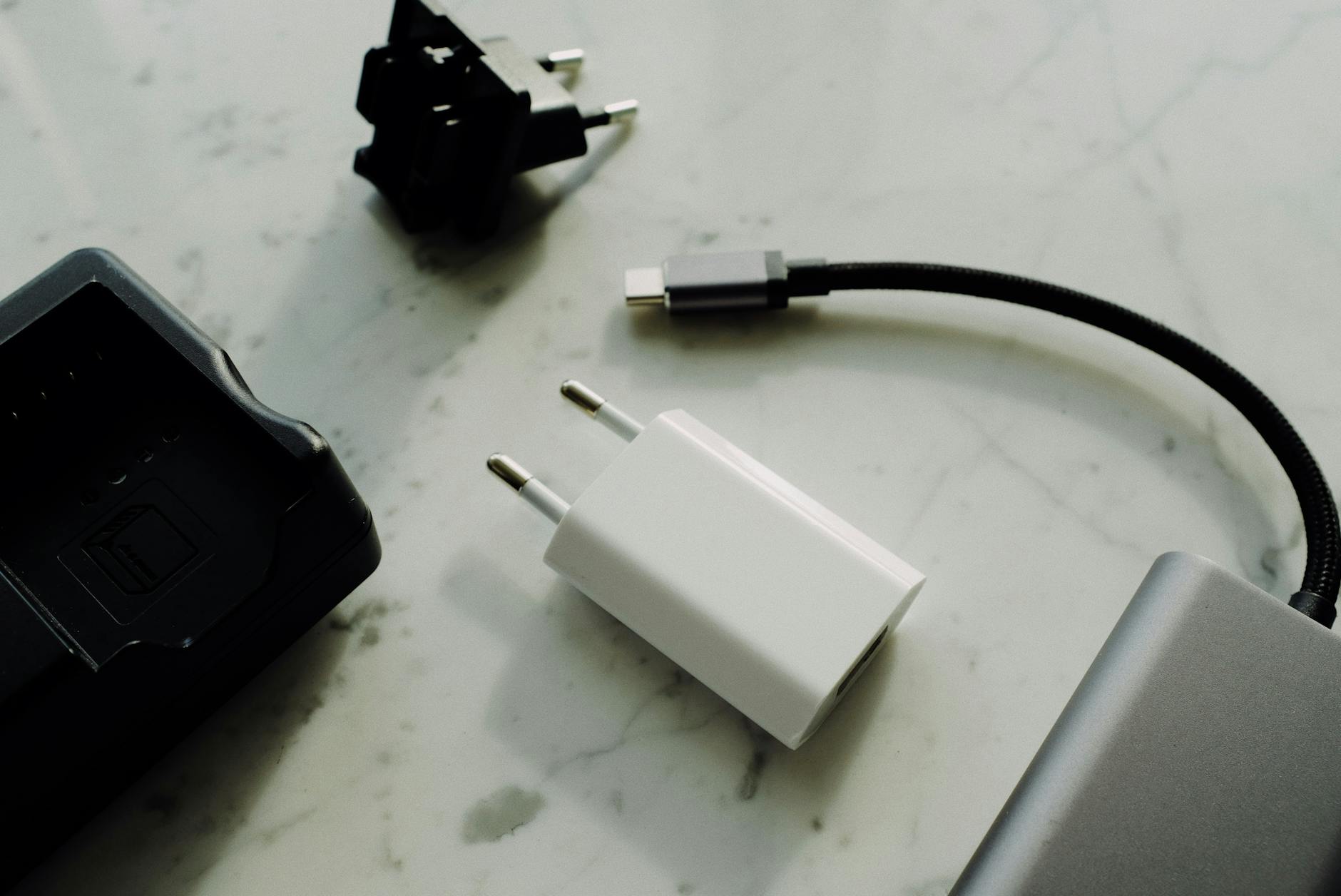
Consumer electronics including televisions, laptops, and audio equipment are highly sensitive to both heat and moisture. Extreme attic heat can warp plastic casings, degrade battery cells, and cause solder connections on circuit boards to fail over time. Damp basement air introduces condensation into internal components, leading to corrosion and short circuits. Even electronics that appear unaffected may perform unreliably or fail entirely once powered back on after prolonged exposure.
Candles
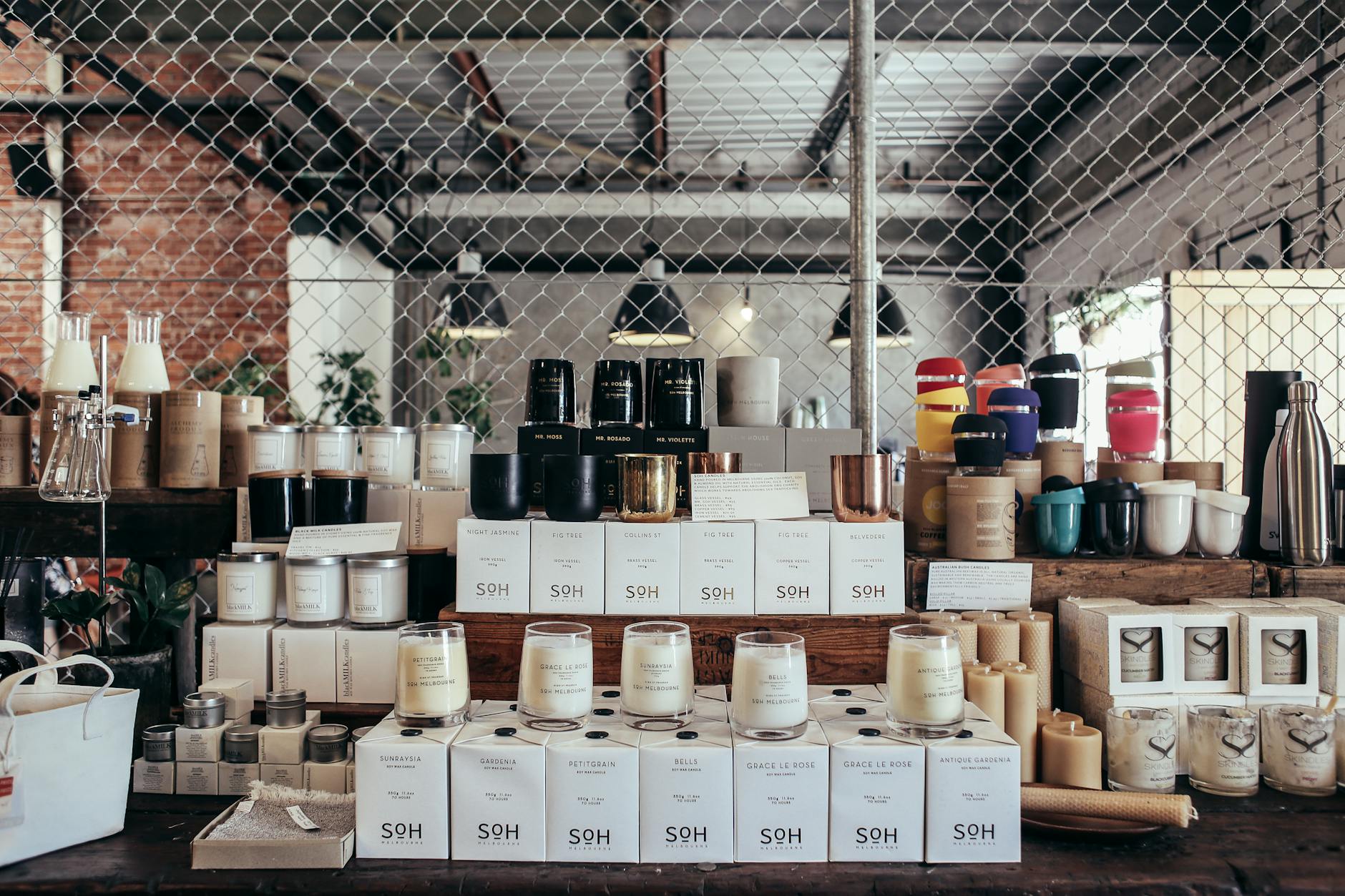
Wax candles soften and deform in warm temperatures, causing them to lose their shape and become unusable. Scented candles are particularly susceptible, as fragrance oils can separate from the wax when it melts and re-solidifies repeatedly. The wicks on misshapen candles often become buried or displaced, making them difficult or impossible to light properly. Candles are best stored in a cool, dry interior space away from any direct or indirect heat sources.
Wine

Wine is one of the most temperature-sensitive items commonly found in household storage. Proper aging requires a stable environment between 45 and 65 degrees Fahrenheit, which neither attics nor most basements can reliably provide. Heat accelerates the chemical reactions inside the bottle, pushing wine toward premature aging and flat, oxidized flavors. Even a modest collection deserves a dedicated wine refrigerator or a professionally temperature-controlled cellar for proper preservation.
Wool Clothing
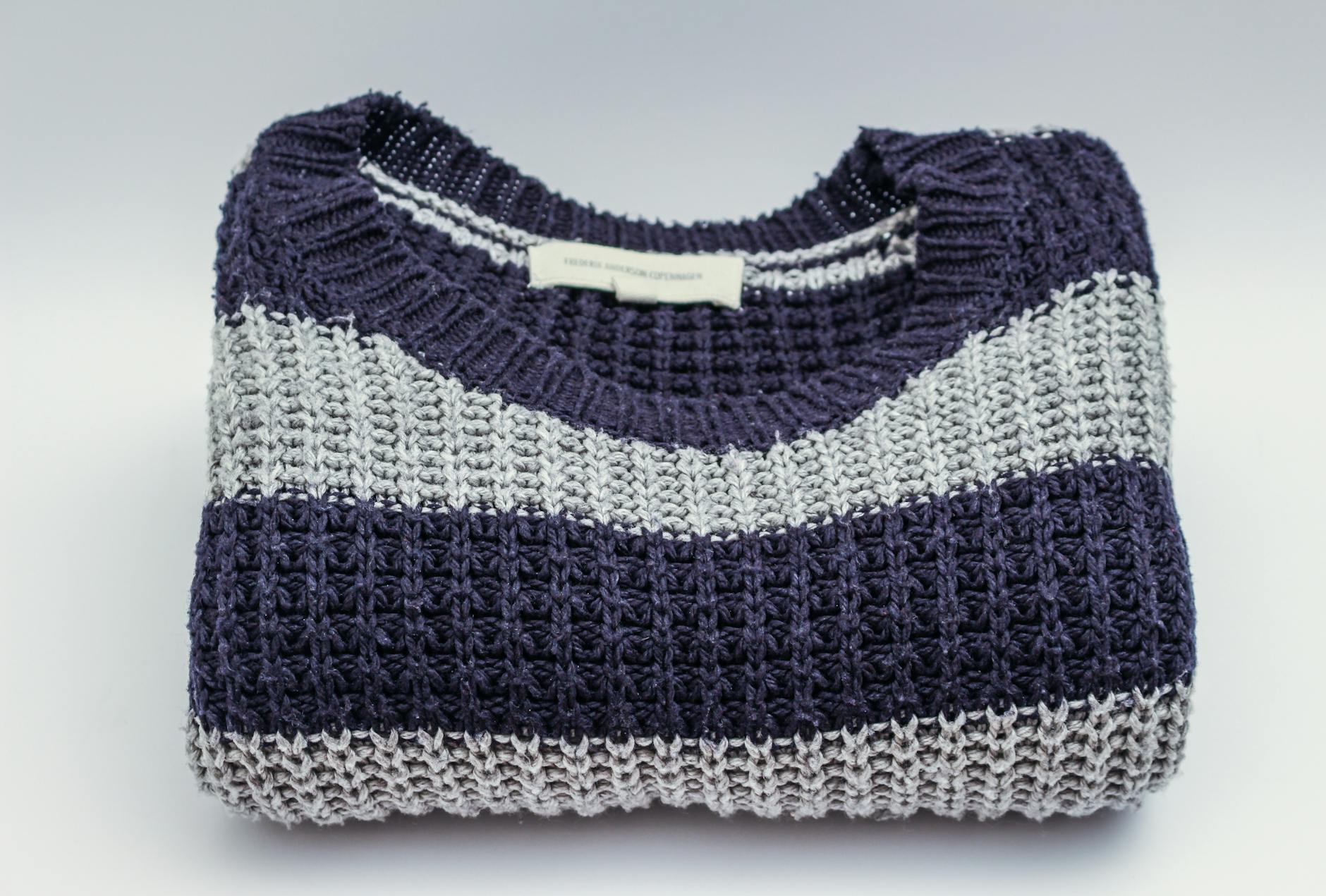
Natural fiber garments including wool sweaters, coats, and blankets are prime targets for moths and carpet beetles that thrive in undisturbed storage areas. Humidity causes wool to develop mildew, which produces musty odors that are extremely difficult to fully eliminate. Temperature extremes also weaken natural fibers over time, causing them to become brittle and prone to tearing. Wool items are best stored in sealed garment bags with cedar blocks inside a climate-controlled bedroom closet.
Important Documents
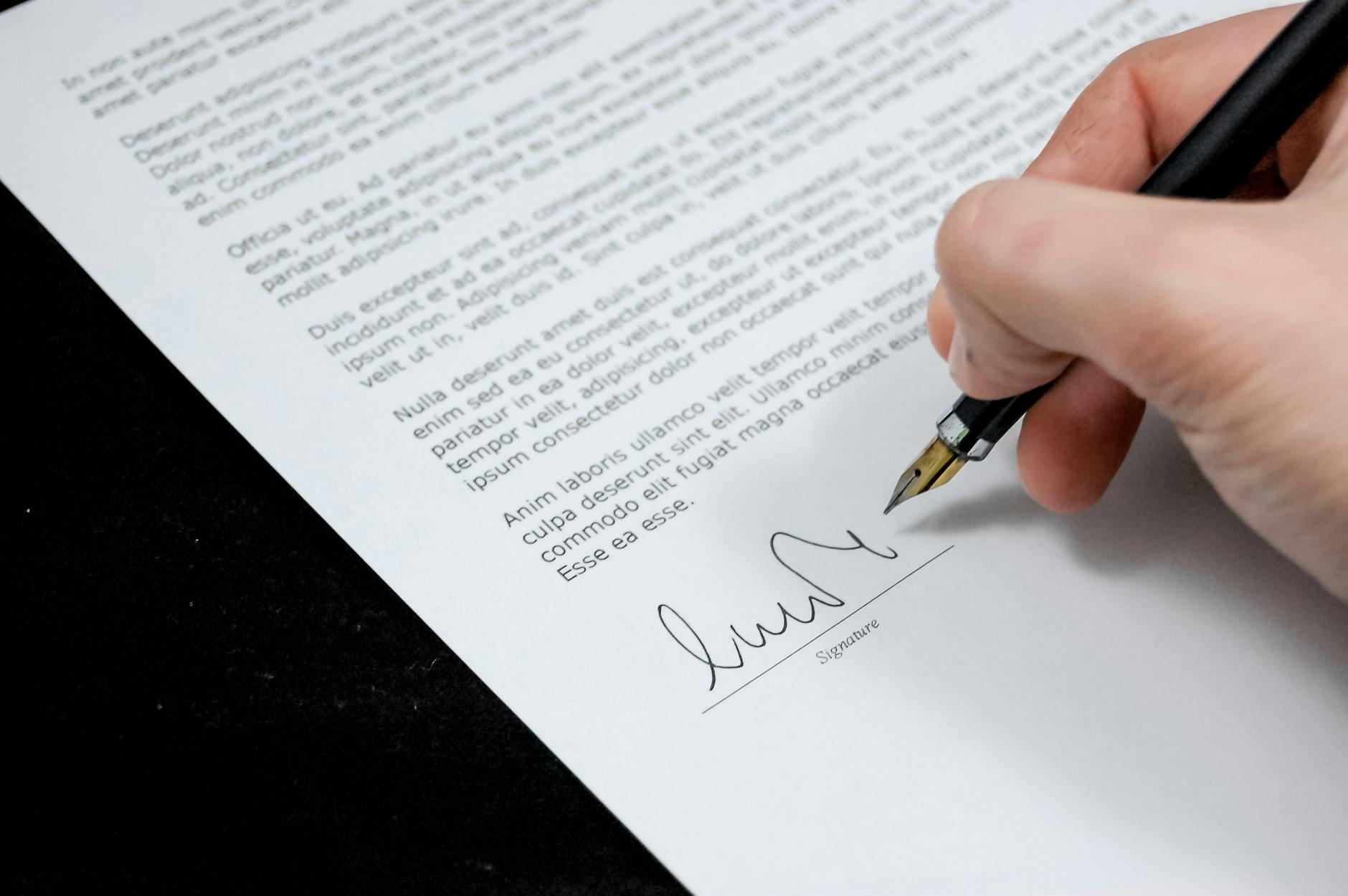
Passports, birth certificates, insurance policies, and tax records are among the most critical documents a household holds. Paper degrades rapidly when exposed to humidity, developing yellow staining, brittleness, and mold growth that can render text unreadable. Flooding is a particularly common basement hazard that can destroy an entire collection of documents in minutes. A fireproof and waterproof lockbox kept inside the main living area of the home is the appropriate storage solution for these items.
Oil Paint

Tubes of artist oil paint and oil-based house paint are both vulnerable to the conditions common in attics and basements. Freezing temperatures cause oil-based paints to separate permanently, ruining their consistency and application quality. Excessive heat accelerates oxidation inside the tube, causing the paint to skin over and harden before it is ever used. Leftover house paint in particular poses a disposal concern once it has been compromised, as many municipalities restrict how degraded paint products can be discarded.
Musical Instruments

Acoustic instruments including guitars, violins, and woodwinds are constructed from tonewoods that react strongly to environmental changes. Humidity causes wood bodies to swell, altering intonation and potentially cracking delicate joints and braces. Dry conditions have the opposite effect, shrinking the wood and sometimes causing visible splits along the top or back of the instrument. Instruments are best stored in a humidity-controlled room with a case humidifier maintaining relative humidity between 45 and 55 percent.
Leather Goods
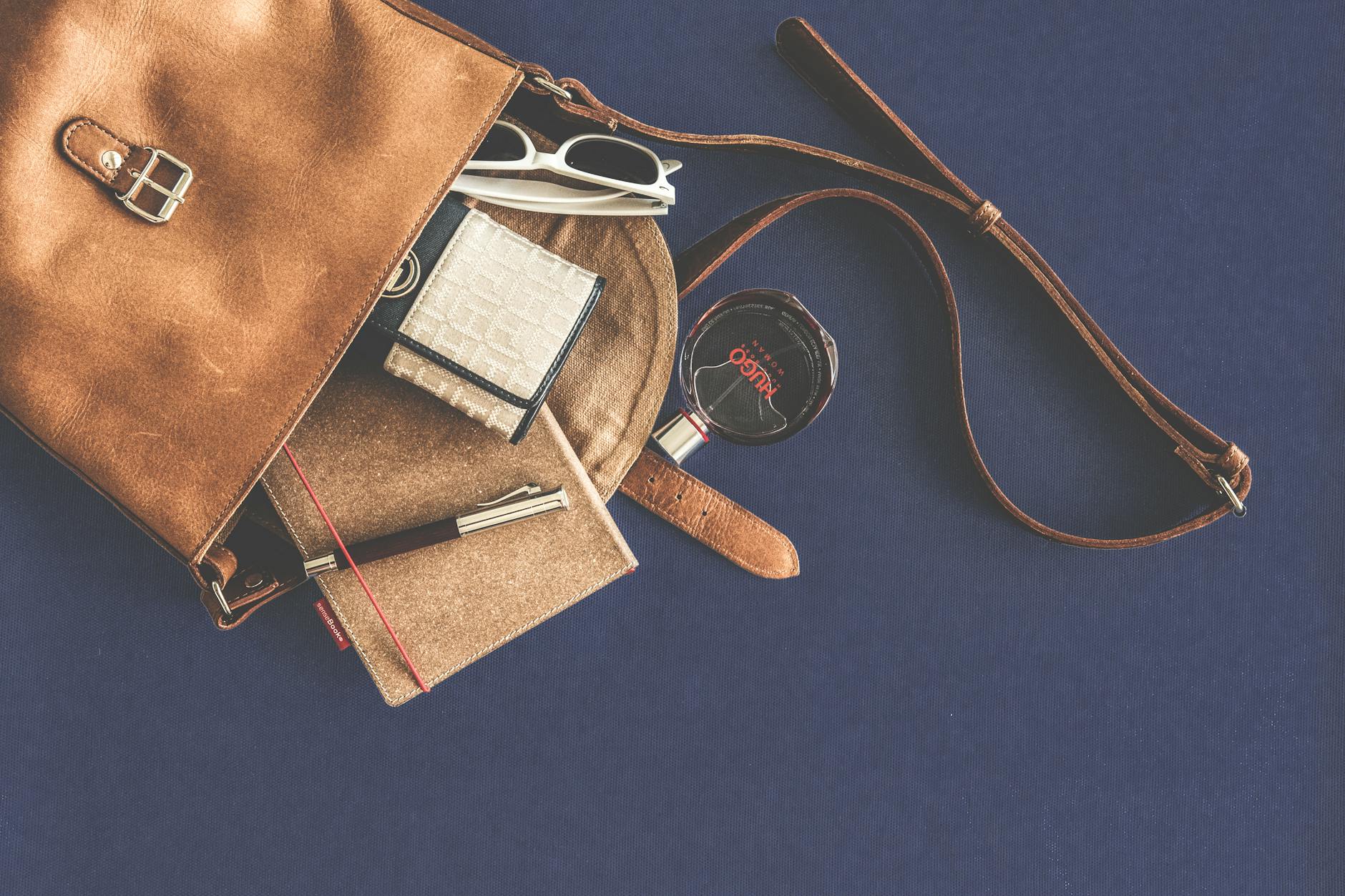
Leather jackets, handbags, shoes, and belts are all vulnerable to the dual threats of moisture and heat found in basement and attic storage. High humidity promotes mold and mildew growth on the surface of leather, leaving permanent staining and a pervasive musty smell. Conversely, dry heat strips natural oils from the leather, causing it to stiffen, crack, and eventually flake. Leather items store best in breathable fabric bags in a cool interior space where they can maintain their natural suppleness.
Canned Food

While canned goods seem virtually indestructible, they are actually quite sensitive to temperature extremes and humidity. High heat accelerates spoilage inside sealed cans, breaking down nutrients and altering the flavor and texture of the contents over time. Freezing temperatures can cause cans to expand and crack their seams, compromising the airtight seal that prevents bacterial contamination. The ideal pantry storage temperature for canned goods sits between 50 and 70 degrees Fahrenheit in a dry, consistently cool space.
Rubber Items
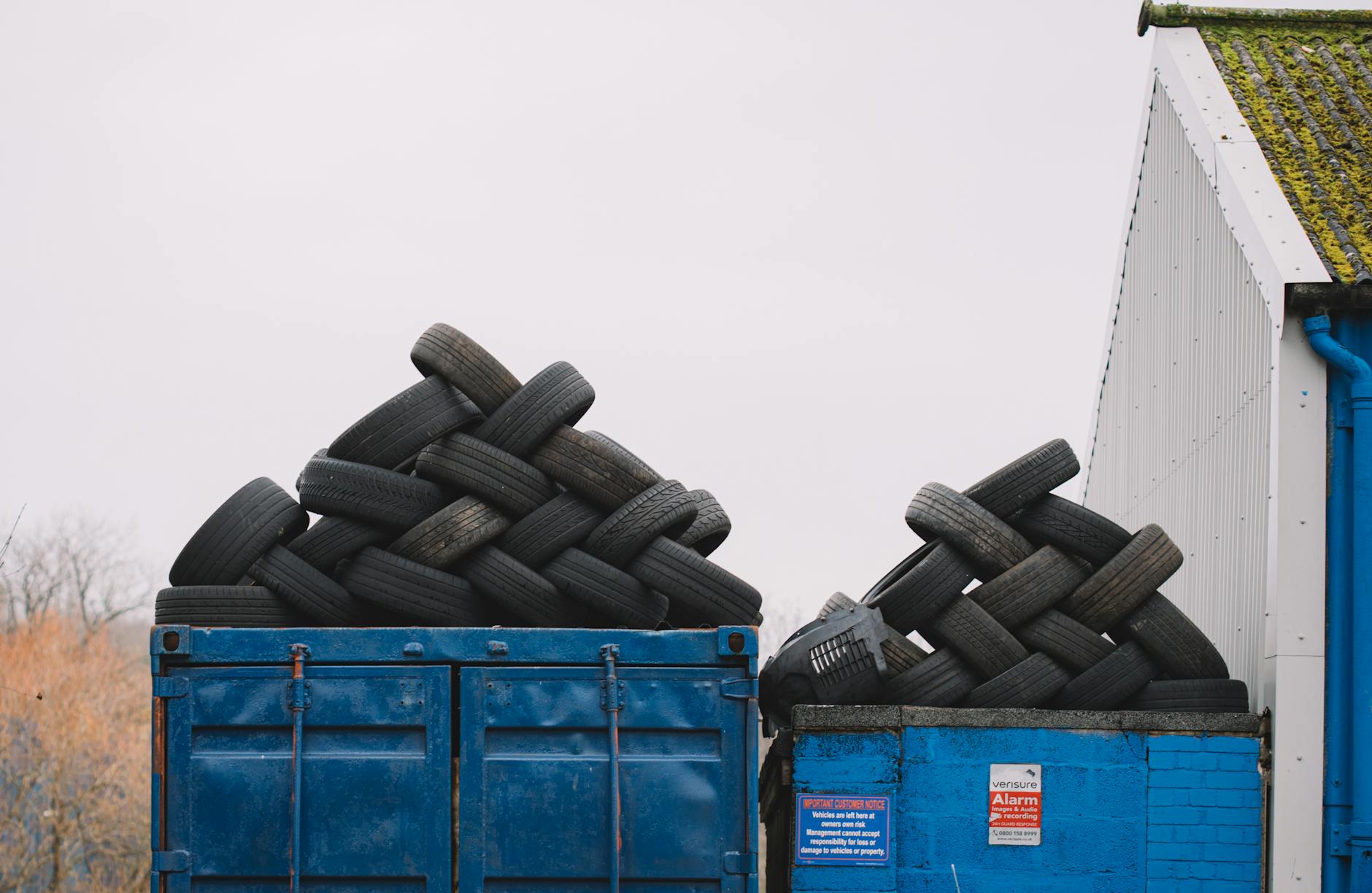
Rubber bands, gaskets, hoses, and other rubber products degrade quickly when stored in environments with wide temperature swings. Heat accelerates the oxidation process in rubber, causing it to become brittle, sticky, and prone to cracking or snapping. UV exposure through attic windows compounds this degradation significantly in a short period of time. Even rubber items intended as replacements or spare parts can become completely non-functional before they are ever put to use if stored improperly.
Medications

Prescription and over-the-counter medications require stable, cool, and dry storage conditions to maintain their chemical effectiveness. Heat and humidity accelerate the breakdown of active pharmaceutical compounds, potentially rendering medications ineffective or even chemically altered in harmful ways. The FDA specifically warns against storing medications in areas prone to temperature extremes, and both attics and basements fall squarely into that category. A cool interior cabinet away from steam and direct light, such as a bedroom dresser drawer, is the recommended alternative.
Artwork
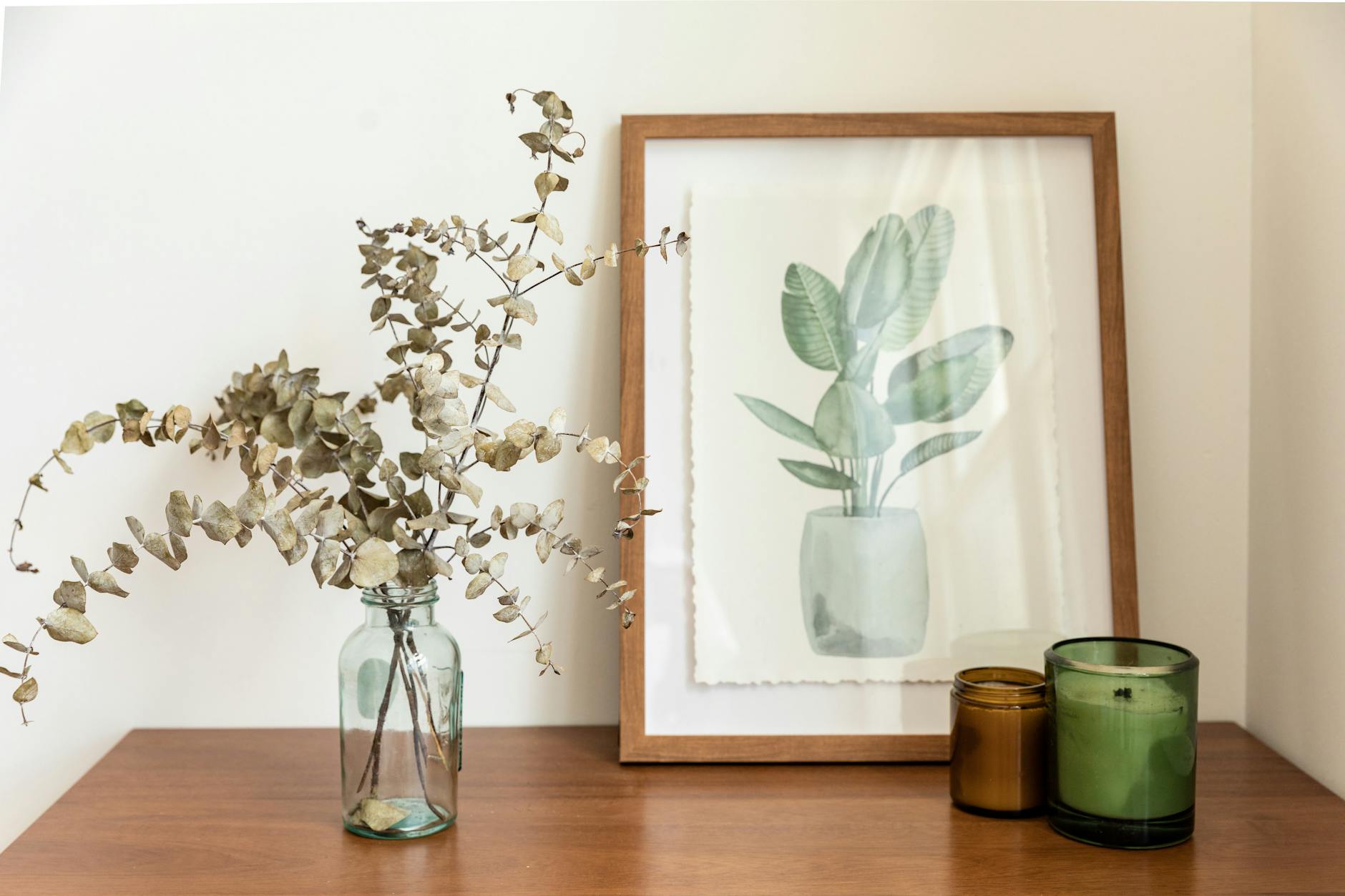
Original paintings, prints, and drawings are vulnerable to the full range of environmental stressors found in unregulated storage spaces. Canvas stretches and contracts with humidity changes, causing paint layers to crack and flake away from the surface over time. Watercolors and works on paper are particularly susceptible to mold growth in damp basement environments. Artwork should be stored upright in a climate-controlled space, ideally wrapped in acid-free materials to prevent chemical reactions between the work and its packaging.
Vinyl Records
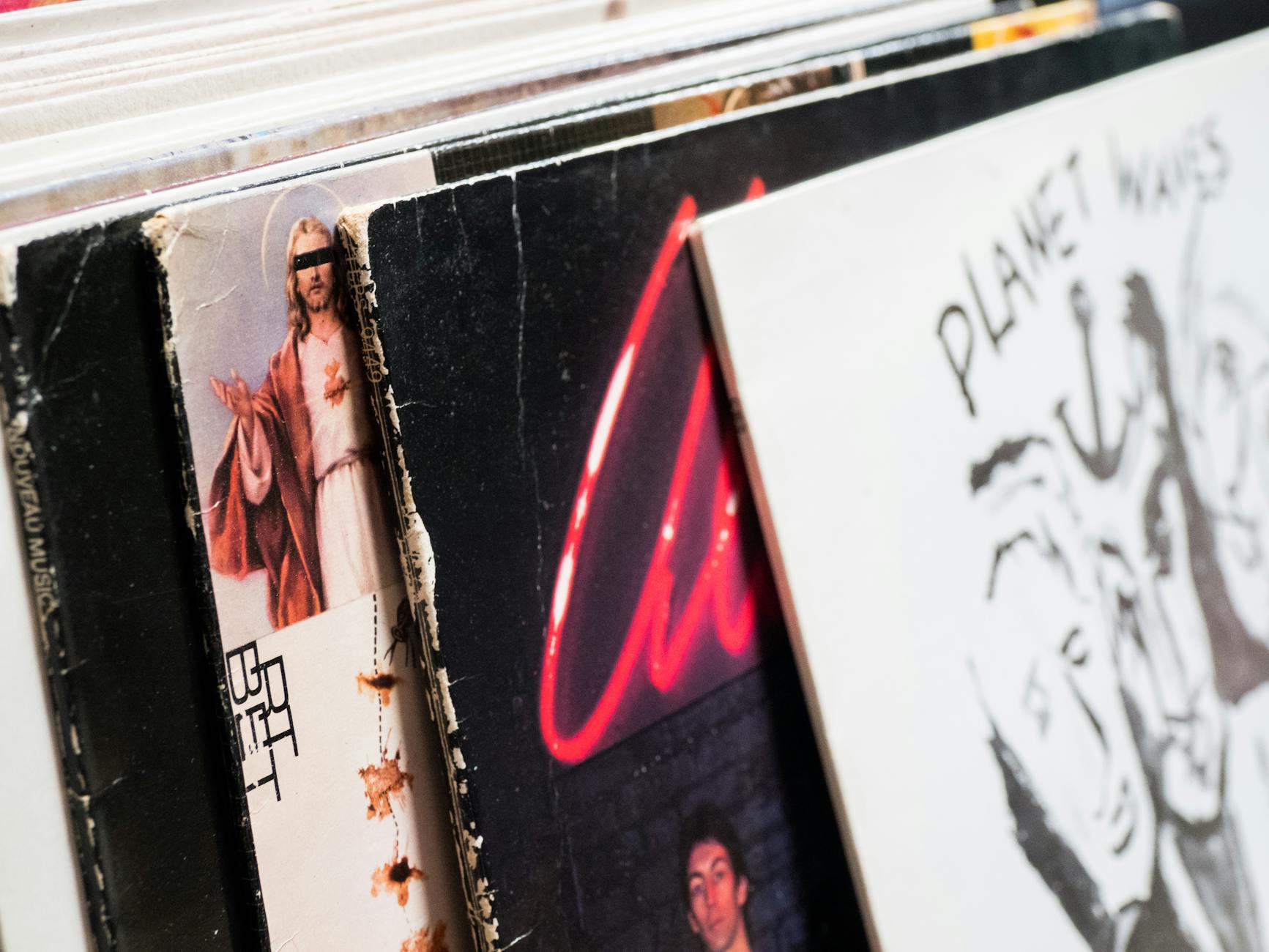
Vinyl records require careful storage conditions that most attics and basements fundamentally cannot provide. Heat above 65 degrees Fahrenheit causes records to warp, rendering them unplayable or introducing distortion that affects sound quality permanently. Humidity encourages mold growth in the grooves of the record, which damages both the vinyl and the stylus used to play it. Records should be stored vertically in a cool, dry interior room away from any heat sources including exterior walls that absorb warmth from the sun.
Propane Tanks
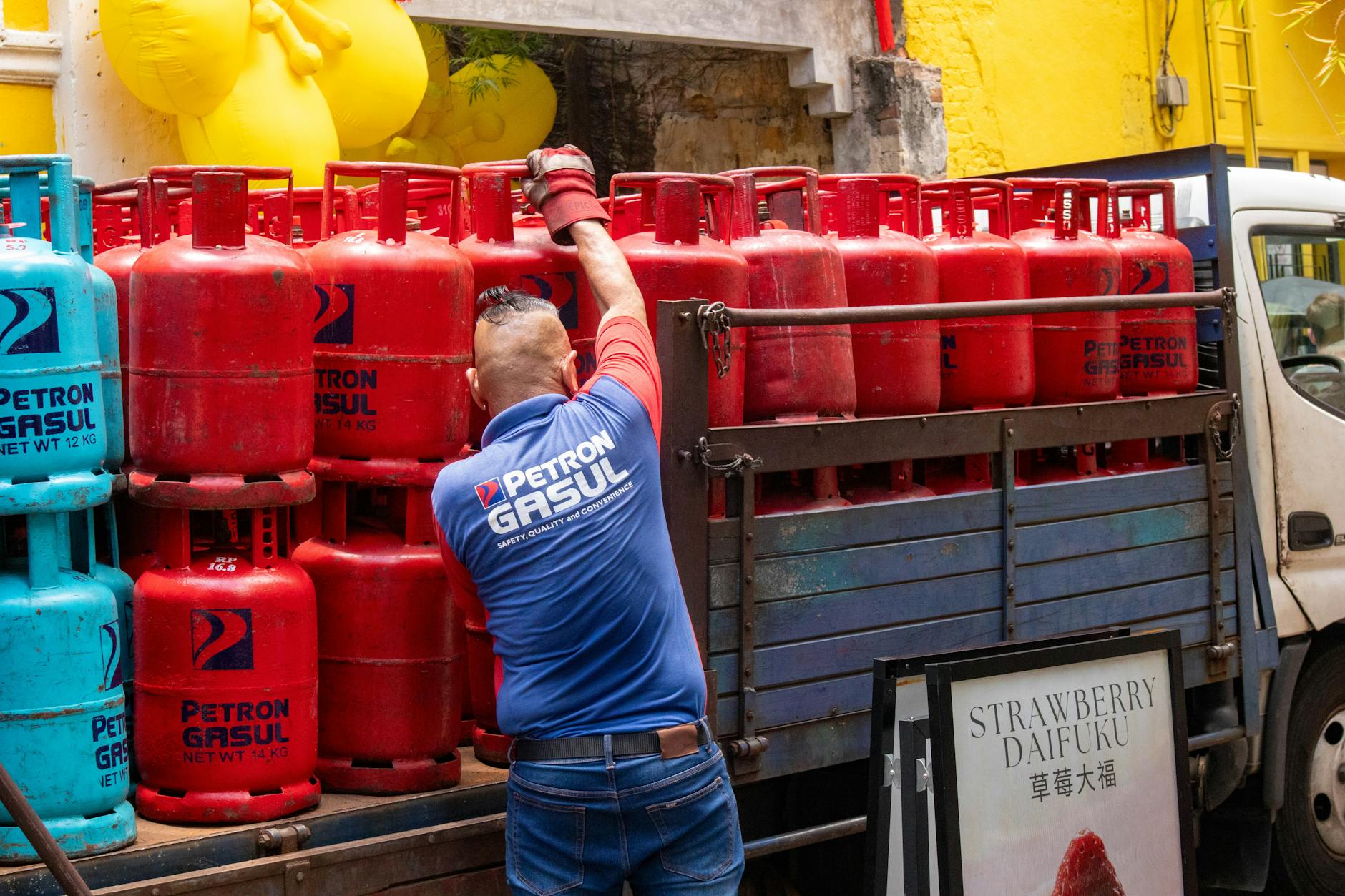
Propane tanks and other pressurized fuel containers pose a genuine fire and explosion risk when stored in enclosed spaces with poor ventilation. Heat causes pressure to build inside the tank, increasing the risk of valve failure or even rupture in extreme cases. Basements are particularly dangerous storage locations because propane gas is heavier than air and will accumulate at floor level if any slow leak is present. Propane tanks should always be stored outdoors in a well-ventilated area away from ignition sources and direct sunlight.
Bird Seed
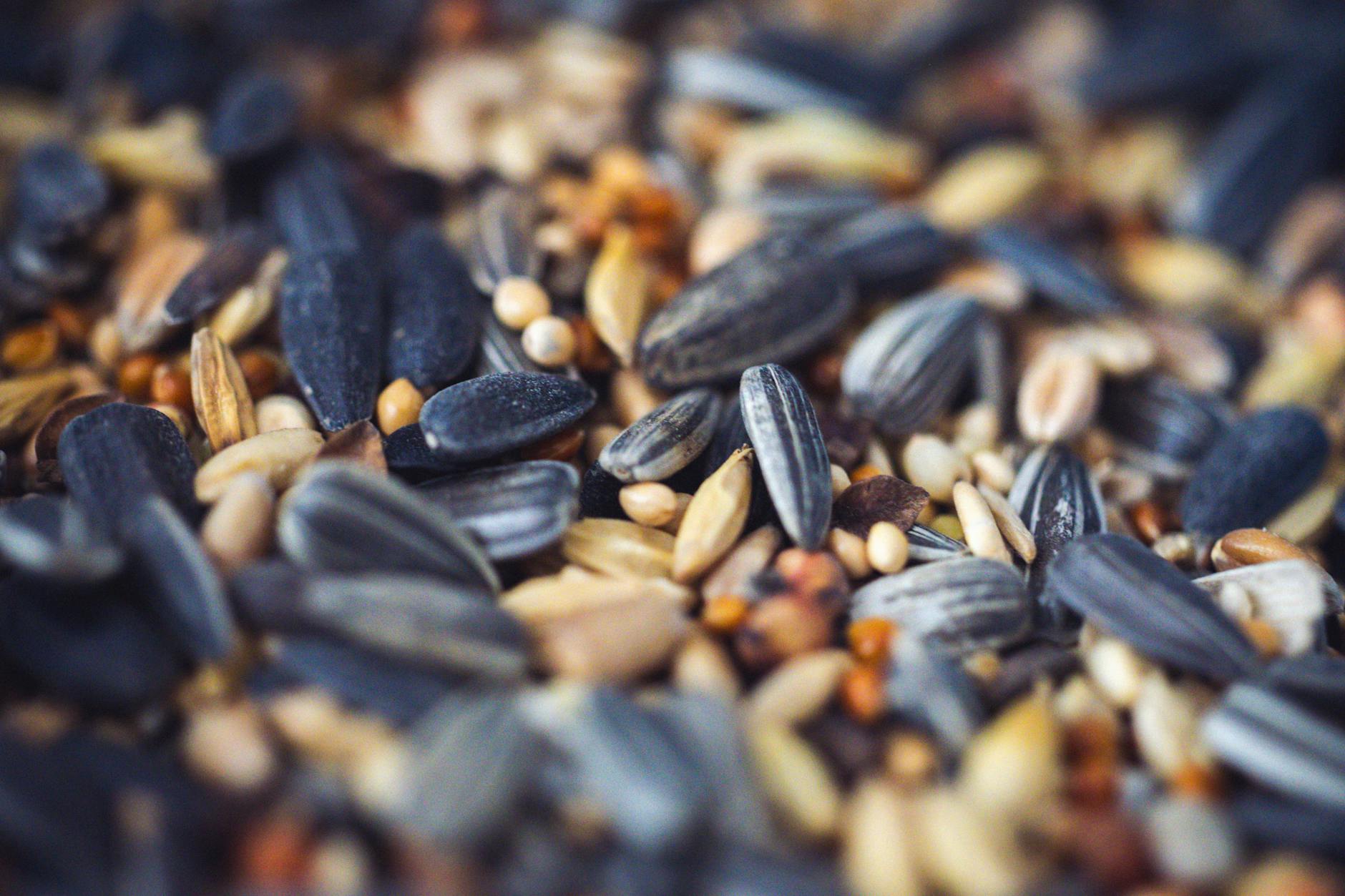
Birdseed, pet food, and other grain-based products attract a remarkable variety of household pests including rodents, weevils, and pantry moths. The warmth and humidity of basements in particular create ideal breeding conditions for insect infestations that can spread from the seed into other stored items. Once an infestation takes hold in a basement storage area it can be extremely difficult and costly to fully eradicate. Birdseed is best kept in sealed metal containers in a garage or outdoor shed where pest activity is easier to monitor and control.
Old Books

Books and paper-based materials are highly vulnerable to the humidity and temperature fluctuations common in attic and basement environments. Moisture causes pages to swell, warp, and stick together while encouraging mold growth that produces distinctive staining and musty odors. Silverfish and booklice are common basement pests that feed on paper and binding glue, often destroying books before the damage is even noticed. Valuable or sentimental books deserve archival storage in a climate-controlled environment with low relative humidity.
Sleeping Bags
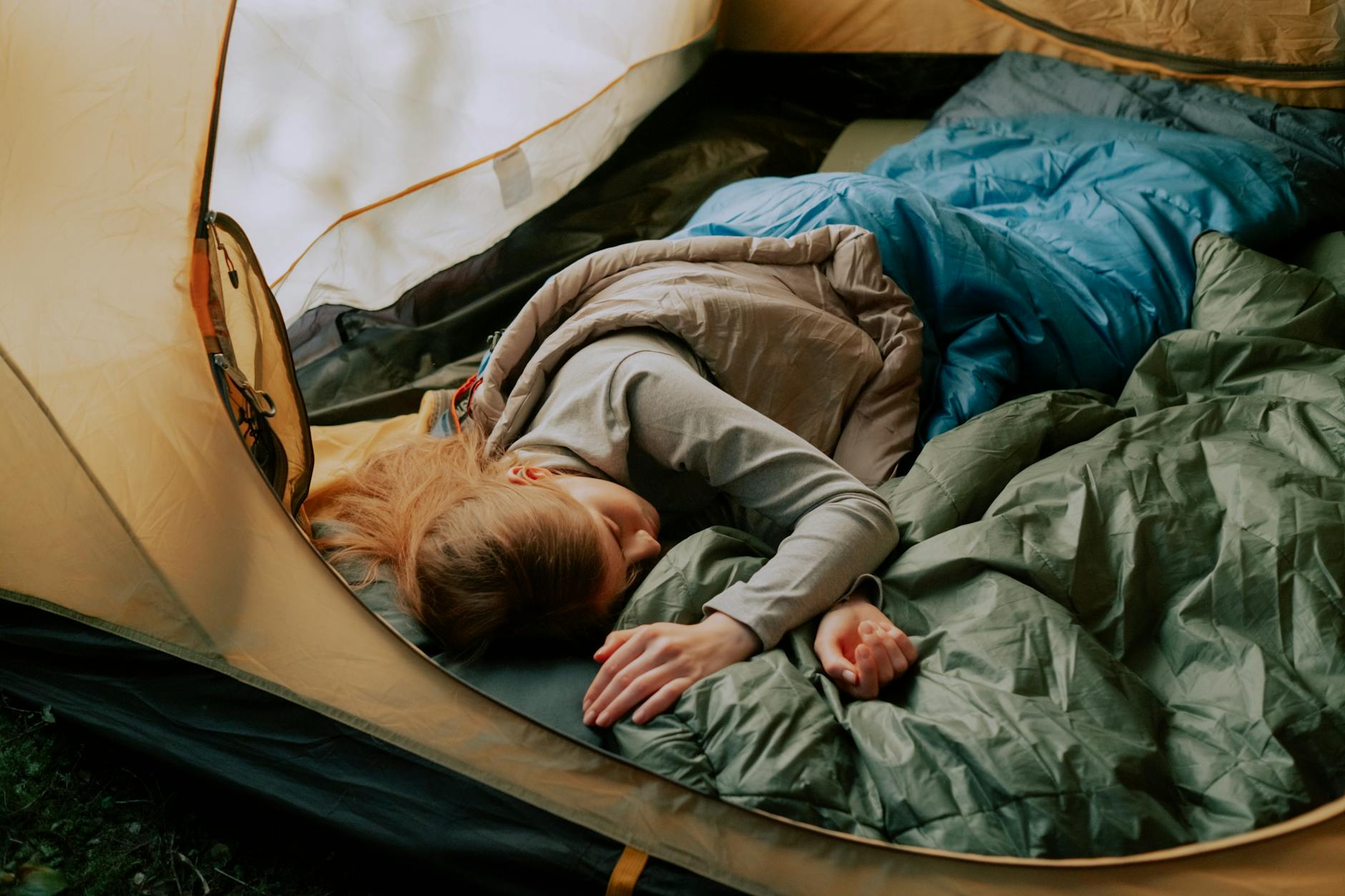
Sleeping bags filled with down or synthetic insulation lose their loft and thermal efficiency when stored in damp or overly warm conditions. Moisture encourages bacterial growth and mildew inside the fill material, which compromises both the warmth and the smell of the bag. Many outdoor enthusiasts make the mistake of storing sleeping bags compressed in their stuff sacks, which further degrades the fill over time. Sleeping bags should be stored loosely in a large breathable cotton storage bag inside a dry closet at room temperature.
Wedding Dresses

Wedding gowns represent a significant emotional and often financial investment that requires very specific preservation conditions. Humidity causes fabric to yellow and encourages mold growth, particularly along seams where fabric layers overlap and trap moisture. Heat accelerates the breakdown of delicate fabrics including silk, lace, and organza, causing them to become brittle and discolored over years of storage. Professional preservation boxing with acid-free tissue in a climate-controlled environment is the standard recommendation for keeping a gown in wearable condition for decades.
Holiday Lights

String lights stored in attic spaces are subjected to heat extremes that degrade the insulation coating on electrical wiring over time. Cracked or brittle insulation creates a genuine electrical fire hazard when the lights are plugged in the following season. Rodents are also known to chew through light strings stored in accessible attic spaces, adding another layer of risk. Holiday lighting is best kept in sealed plastic bins in a temperature-regulated interior closet where the wiring remains protected year-round.
Spare Mattresses

Mattresses stored in damp basements absorb moisture readily, creating the warm and humid interior conditions that dust mites and mold require to thrive. Once mold takes hold inside a mattress it cannot be fully removed, and continued exposure poses respiratory health risks. Attic storage subjects mattresses to heat that breaks down foam layers and deteriorates the structural integrity of spring systems. If a spare mattress must be kept, a climate-controlled storage unit with a breathable mattress bag is a significantly safer alternative.
Toiletries
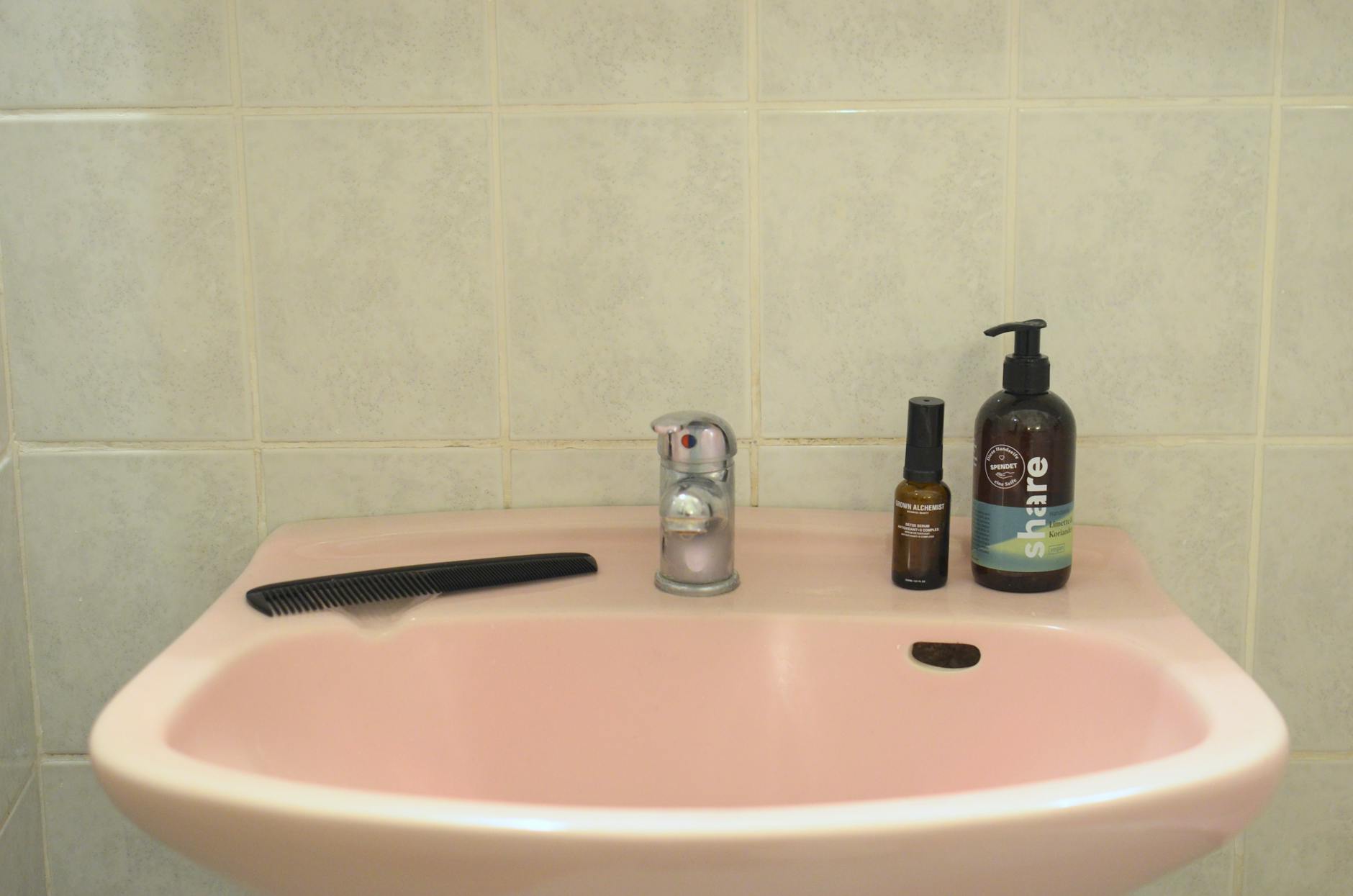
Lotions, sunscreens, aerosol sprays, and other personal care products are formulated for stability within a specific temperature range. Heat causes emulsions in creams and lotions to separate, changing their texture and reducing their effectiveness. Aerosol cans stored in hot attics are subject to increased internal pressure, which creates a risk of rupture or unintentional discharge. The bathroom or a climate-controlled linen closet are the appropriate storage locations for toiletries that need to remain stable and safe for use.
Board Games

Board games and card games seem like obvious storage candidates for out-of-the-way spaces, but they are more fragile than they appear. Humidity causes cardboard boxes, game boards, and cards to warp and swell, making them difficult to close and unpleasant to handle. Adhesive labels on game components peel away in high heat, and printed ink on cards and boards can smear or transfer under sustained warmth and moisture. A dry interior shelf or dedicated game storage cabinet keeps these items in playable condition for years longer than attic or basement storage allows.
Canvases

Blank stretched canvases and canvas boards are susceptible to the same moisture-related damage as finished artwork but are often overlooked because they seem more expendable. Humidity causes the canvas fabric to sag and lose tension on the stretcher bars, making it unsuitable for painting without expensive re-stretching. Mold can develop on the priming layer of gessoed canvases stored in damp environments, compromising the surface adhesion needed for paint to bond correctly. Art supplies in general store best in a cool, dry interior room that maintains stable humidity and temperature throughout the year.
What items have you discovered should not be stored in your attic or basement? Share your experiences in the comments!




