
Your car communicates through sound more than most drivers realize, and learning to decode those noises can save you from costly breakdowns and dangerous situations on the road. Many subtle sounds begin as minor annoyances but quietly signal that something mechanical is beginning to fail. Catching these early means the difference between a small repair bill and a major overhaul. Here are fifteen car noises that deserve your immediate attention.
Engine Ticking

A faint ticking sound coming from under the hood is often a sign that your engine oil is running low or has degraded past its useful life. The noise occurs because moving metal components are not receiving adequate lubrication and are beginning to make contact with one another. In some cases it can also point to a problem with the valvetrain, including worn lifters or a faulty camshaft. Addressing this quickly prevents the kind of internal engine damage that can be extremely expensive to repair. Regular oil checks are the simplest way to rule this out as a recurring issue.
Brake Squeal
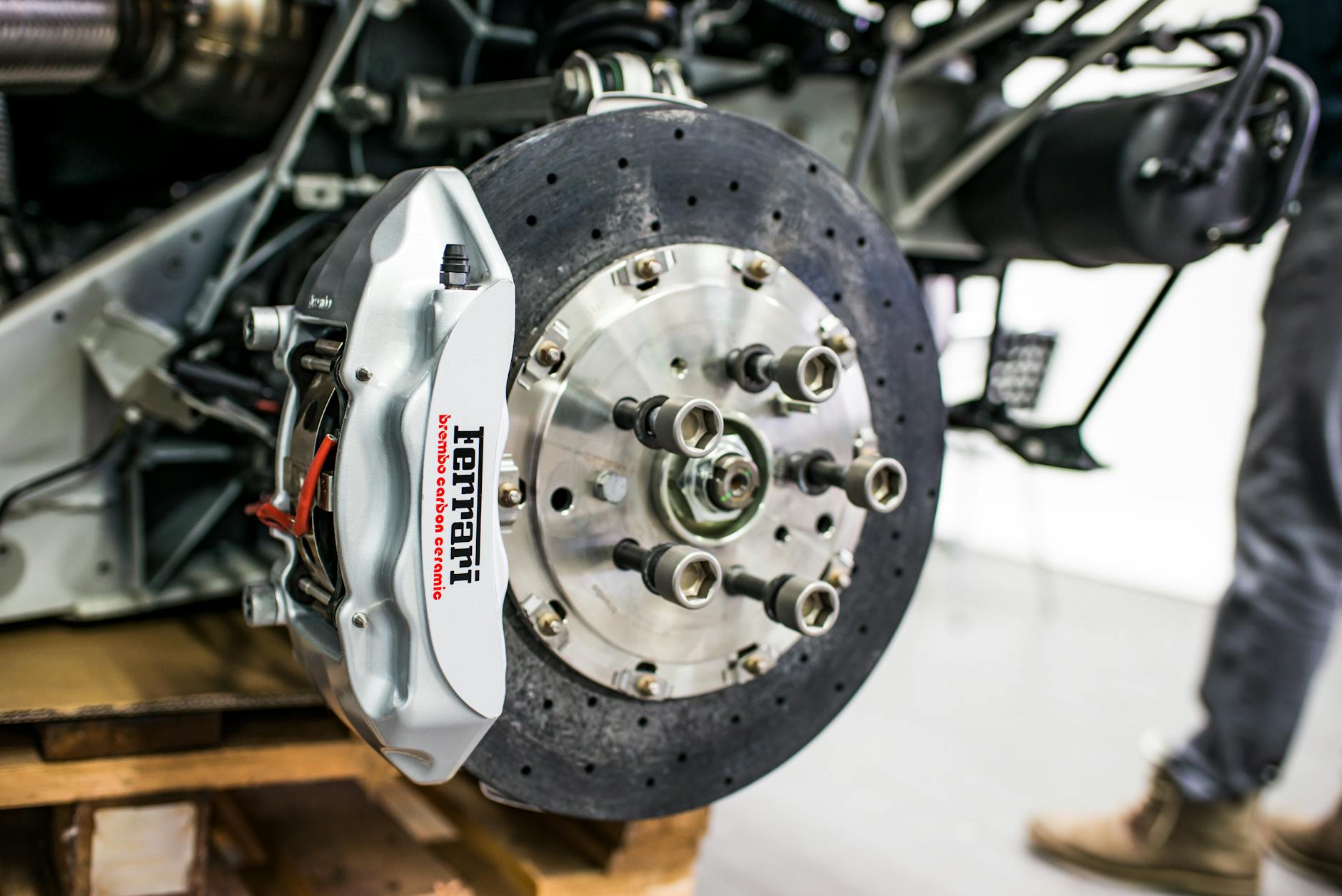
A high-pitched squeal when applying the brakes is typically caused by wear indicators built into the brake pads, which are designed to alert you when the pads are running thin. Ignoring this sound and continuing to drive can lead to metal-on-metal grinding, which damages the rotors significantly and turns a pad replacement into a much larger job. The sound may come and go depending on temperature and moisture, but a persistent squeal should always be investigated by a mechanic. Brake performance is directly tied to driver safety, making this one of the most important noises to act on promptly. Worn brake pads are among the most common and straightforward fixes in automotive maintenance.
Wheel Humming
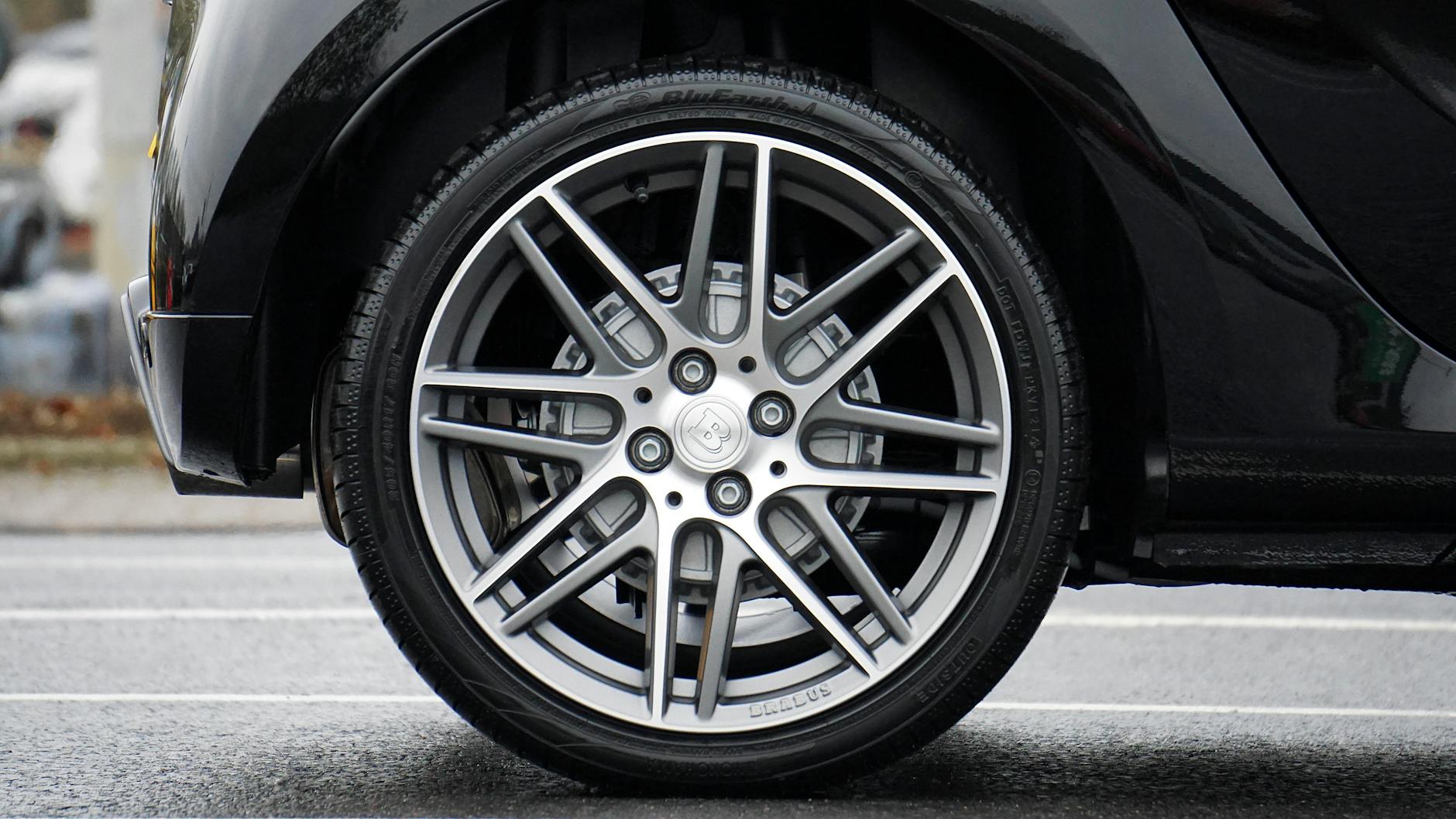
A low, rhythmic humming that increases in pitch as your speed rises often points to a failing wheel bearing. The sound can sometimes shift or change when you gently steer left and right, which helps isolate which side of the axle is affected. Wheel bearings support the entire weight of the vehicle while allowing the wheels to spin freely, and a worn one places significant stress on surrounding components. Left unaddressed, a failing wheel bearing can eventually seize, causing the wheel to lock unexpectedly at speed. This is a repair that should not be delayed once the noise becomes consistent.
Exhaust Popping

A popping or sputtering sound from the exhaust pipe can indicate an issue with the air-to-fuel mixture in the combustion chamber. It may also suggest a failing oxygen sensor, a clogged fuel injector, or a problem with the ignition system such as worn spark plugs. These issues cause incomplete combustion, meaning your engine is working harder than it needs to while delivering less power and worse fuel economy. The exhaust system carries away harmful gases, and any disruption to its function can also affect emissions performance. A diagnostic scan is usually the fastest way to identify the root cause.
Suspension Clunking
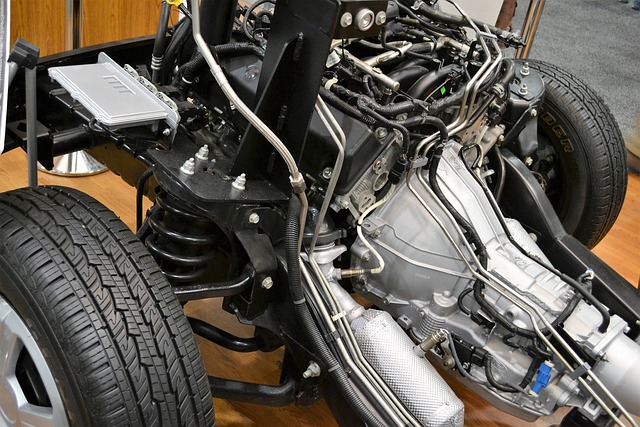
A clunking or knocking noise when driving over bumps or uneven surfaces is a classic sign of worn suspension components. Ball joints, sway bar links, and strut mounts are common culprits, all of which degrade over time through regular driving stress. These components are responsible for maintaining vehicle stability and keeping the tires in proper contact with the road. When they begin to fail, handling becomes unpredictable and tire wear can become uneven very quickly. A mechanic can perform a visual inspection of the undercarriage to pinpoint exactly which part is causing the noise.
Belt Squealing
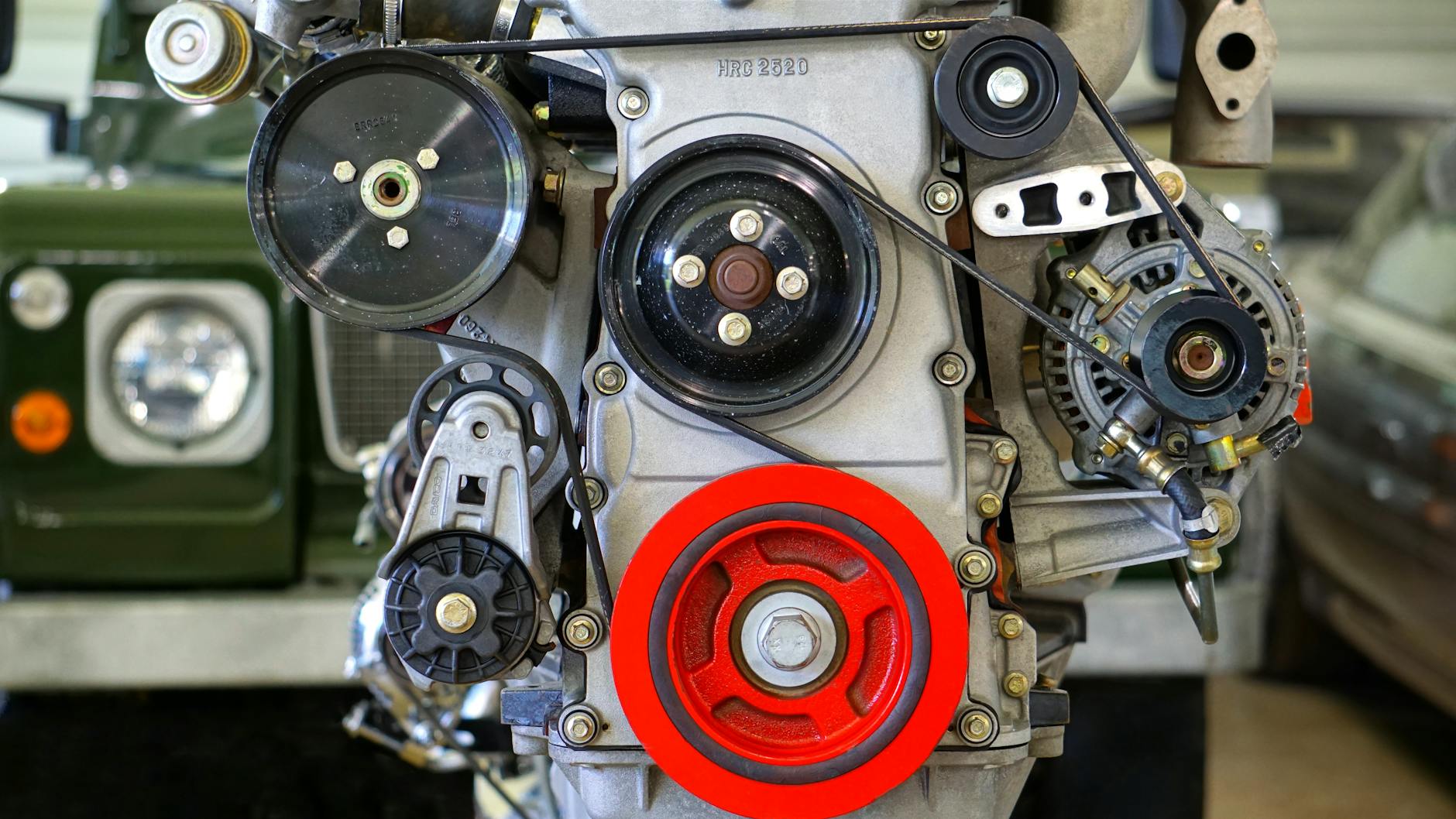
A sharp, high-pitched squeal that appears when you first start the car or when you turn on accessories like the air conditioning often comes from a slipping or worn serpentine belt. This belt drives multiple systems including the alternator, power steering pump, and air conditioning compressor, meaning its failure affects a wide range of vehicle functions simultaneously. Over time belts crack, stretch, or lose their grip on the pulleys, producing that characteristic squealing sound. A visual inspection can often reveal surface cracking or fraying before the belt fails entirely. Replacing a serpentine belt is a relatively inexpensive job that prevents a cascade of secondary problems.
Power Steering Whine

A whining or groaning noise when turning the steering wheel is a common sign of low power steering fluid or a failing power steering pump. Hydraulic power steering systems rely on pressurized fluid to assist with steering effort, and any loss of pressure makes the system work harder and louder. Electric power steering systems can also produce unusual noises when sensors or the assist motor begin to wear. Difficulty turning the wheel often accompanies this sound, making driving noticeably more laborious especially at low speeds. Checking fluid levels and topping up is an easy first step before pursuing a more involved diagnosis.
Grinding Gears

A grinding sensation or sound when shifting gears in a manual transmission usually points to a worn clutch or a synchronizer that is no longer doing its job properly. Synchronizers are the components that match the speed of the gears before engagement, and once they wear down the transition between gears becomes rough and noisy. In automatic transmissions a grinding or shuddering sensation during gear changes can indicate transmission fluid issues or internal wear on the clutch packs. Transmission repairs are among the most costly in automotive maintenance, making early detection particularly valuable. Keeping transmission fluid clean and at the correct level is one of the best preventative measures available.
Heat Shield Rattle
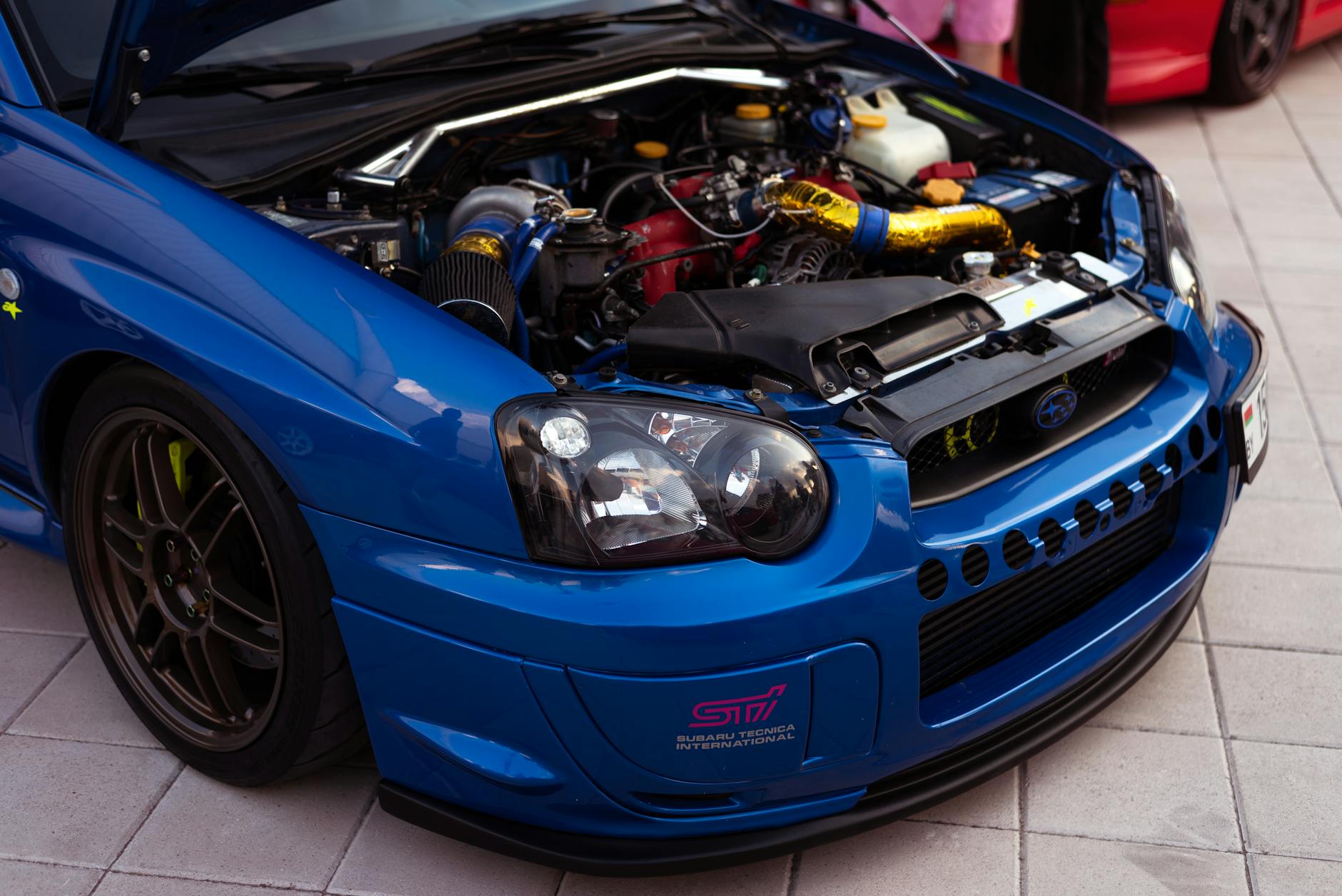
A metallic rattling sound from underneath the car, especially noticeable at idle or low speeds, is frequently traced back to a loose heat shield. Heat shields are thin metal panels positioned around the exhaust system to protect other components from extreme temperatures, and they are held in place by small bolts that corrode and loosen over time. While a rattling heat shield is not immediately dangerous, it can fall further out of position and create contact with hot exhaust components, leading to more serious problems. The rattle can sometimes be mistaken for a more serious exhaust or suspension fault, making an inspection worthwhile. Tightening or replacing a heat shield is a quick and inexpensive fix at most workshops.
Engine Knocking
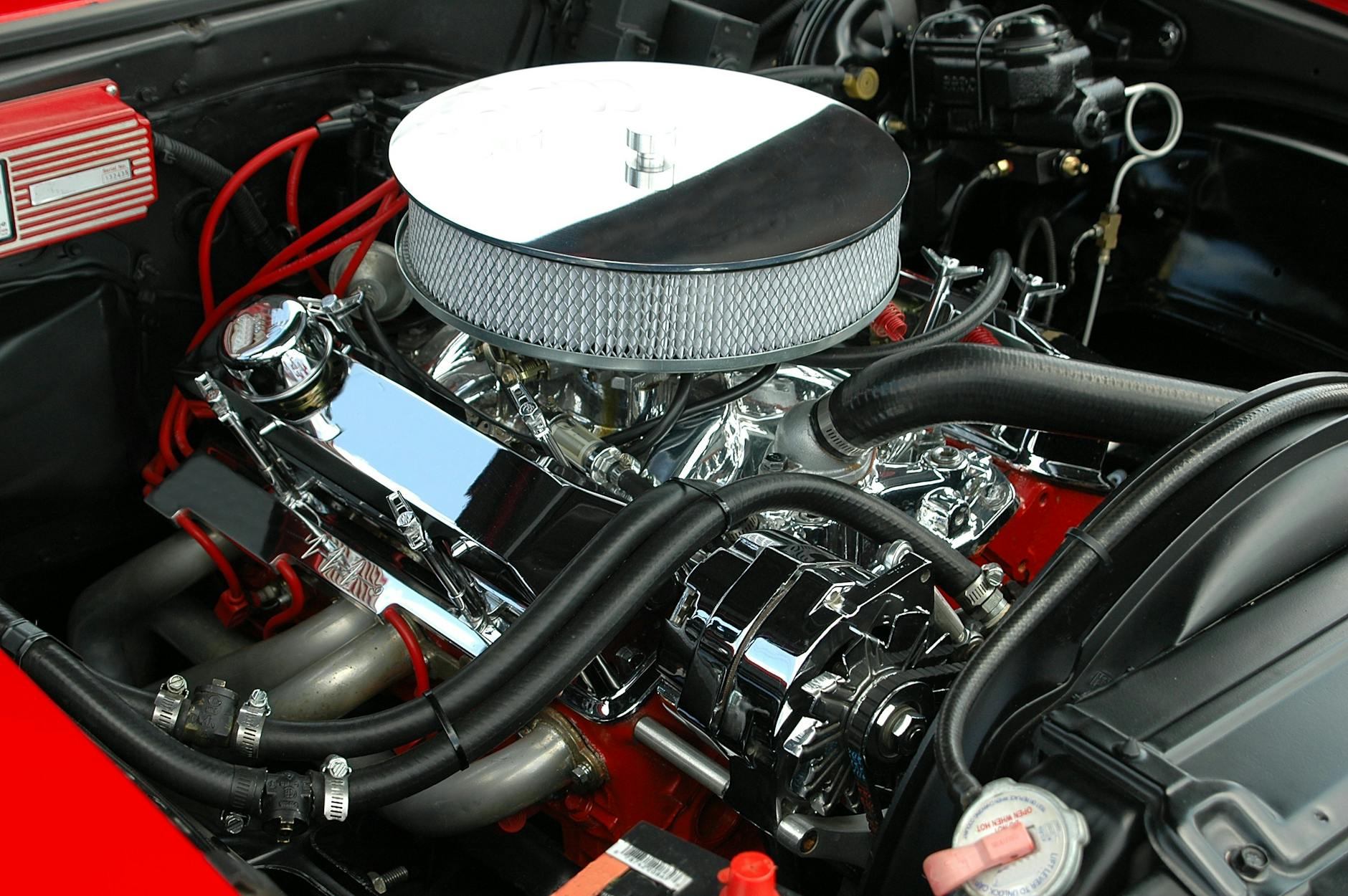
A deep, repetitive knocking sound from inside the engine is one of the more serious noises a car can produce and should prompt an immediate visit to a mechanic. This sound often indicates that the engine’s rod bearings have worn down, allowing excessive movement in the crankshaft and creating that distinctive knock. It can also result from using fuel with an octane rating lower than what the engine requires, causing premature detonation inside the cylinders. Continuing to drive with an engine knock significantly accelerates internal wear and can lead to catastrophic engine failure. Early intervention offers the best chance of a manageable repair rather than a complete engine replacement.
AC Hissing
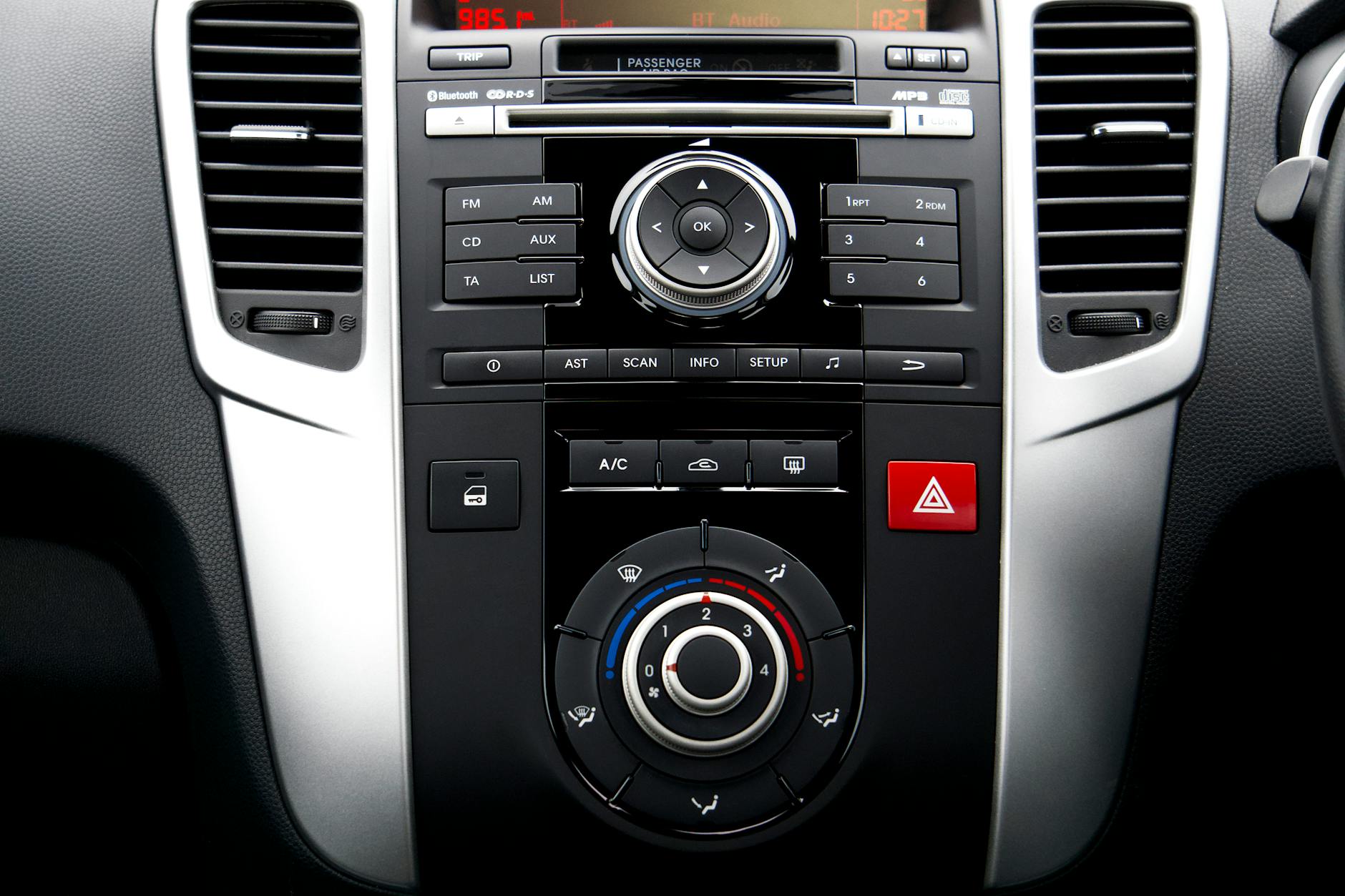
A hissing sound from the dashboard or under the hood when the air conditioning is running can signal a refrigerant leak somewhere in the system. Air conditioning systems are sealed and pressurized, and any breach allows refrigerant to escape, reducing cooling efficiency and eventually causing the compressor to run dry. A refrigerant leak can also be environmentally harmful, as many automotive refrigerants are potent greenhouse gases. Some hissing sounds are normal during system shutdown, but a continuous hiss during operation warrants professional attention. An HVAC technician can pressure test the system to locate and seal the leak before further damage occurs.
Tire Thumping

A repetitive thumping or bumping sensation and sound that follows the rhythm of your wheel rotation often points to a flat spot on one of the tires. Flat spots develop when a car sits stationary for an extended period, when a tire has been driven while significantly underinflated, or when hard braking causes a brief skid. In some cases the thumping indicates a separated belt within the tire structure, which is a more serious structural failure. Driving on a tire with internal damage puts the vehicle at risk of a sudden blowout, particularly at highway speeds. A tire professional can assess whether the damage can be corrected or whether replacement is the safer option.
Radiator Gurgling
A gurgling or bubbling sound coming from the front of the car or from the dashboard area often indicates trapped air in the cooling system or a coolant level that has dropped too low. The cooling system relies on a continuous flow of coolant to regulate engine temperature, and any interruption to that flow can lead to overheating. Gurgling can also be a symptom of a blown head gasket, which allows combustion gases to enter the coolant passages and creates those characteristic bubbles. Overheating is one of the leading causes of severe engine damage, so this noise should be taken seriously regardless of what the temperature gauge shows. A pressure test of the cooling system is the standard diagnostic procedure for tracing this type of sound.
Starter Clicking
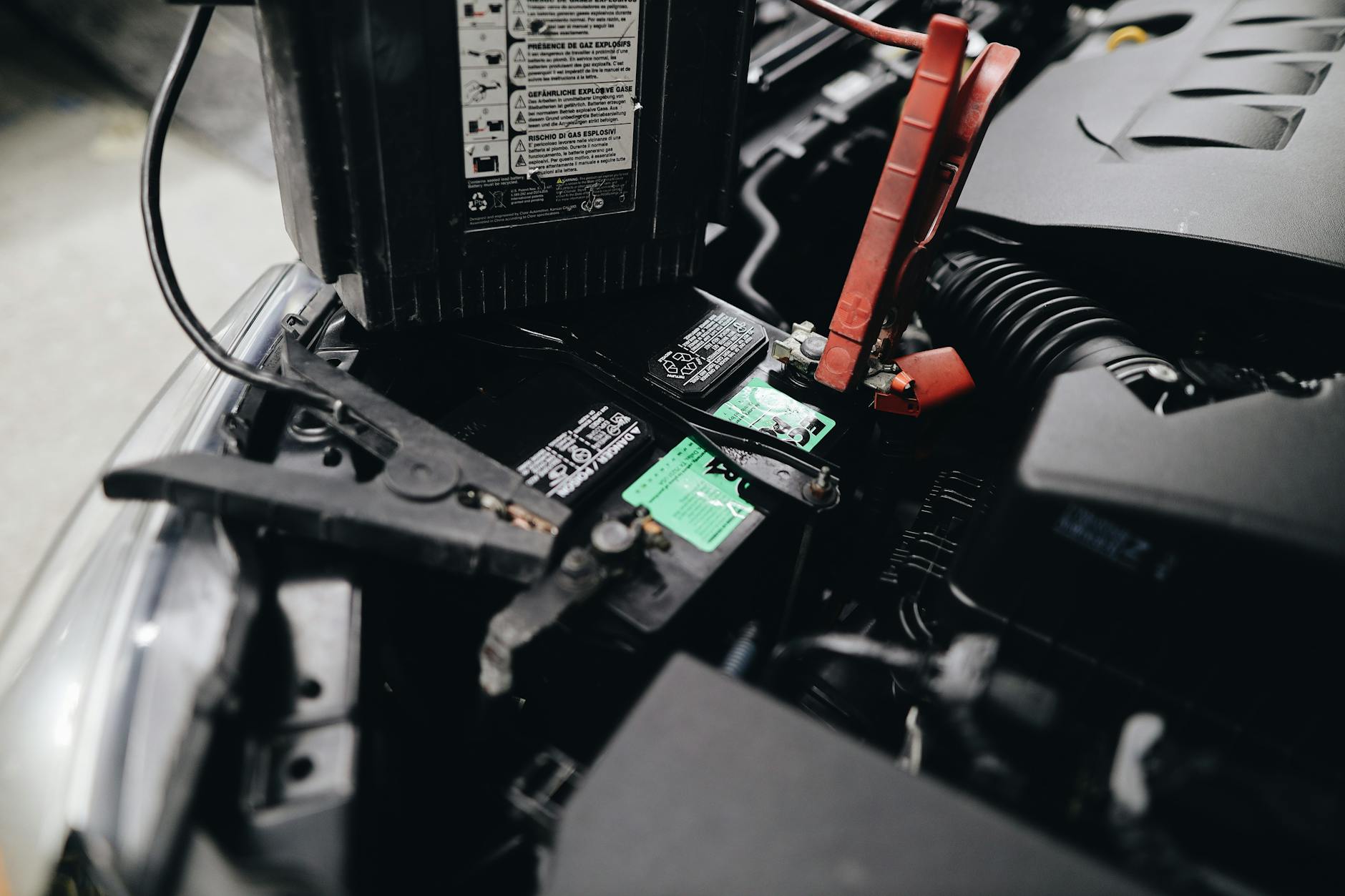
A rapid clicking sound when you turn the ignition key without the engine starting is almost always related to the electrical system. The most common cause is a weak or discharged battery that cannot deliver enough current to engage the starter motor properly. It can also indicate corroded battery terminals that are interrupting the flow of electricity even when the battery itself retains a charge. A single loud click rather than rapid clicking may suggest the starter solenoid has failed rather than the battery. Testing the battery with a multimeter and inspecting the terminals for corrosion are quick first steps before calling for roadside assistance.
Catalytic Converter Rattling
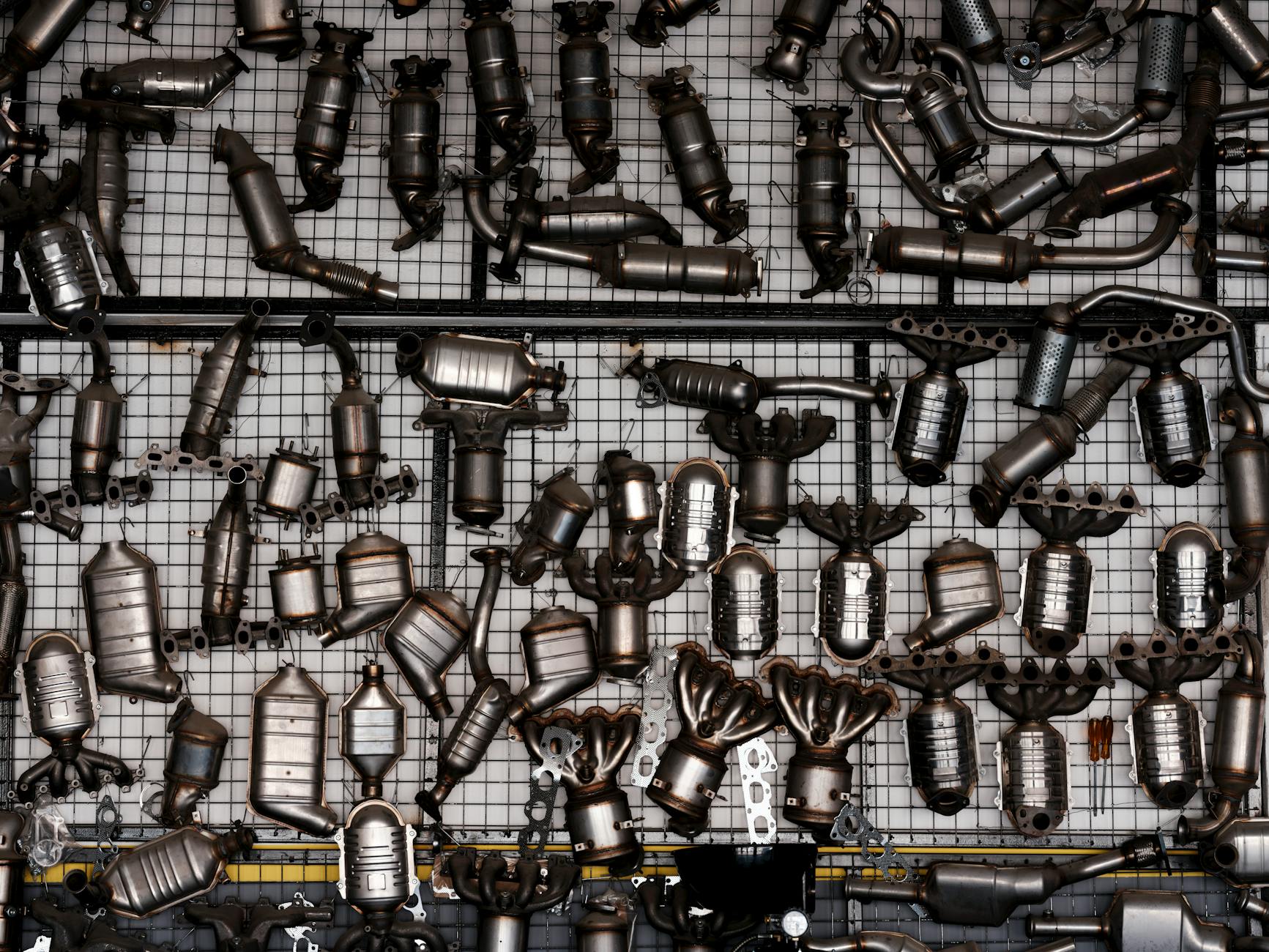
A deep, metallic rattling from beneath the car that sounds like rocks rolling around inside a can often points to a deteriorating catalytic converter. The internal ceramic honeycomb structure of the converter can break apart over time due to age, overheating, or engine misfires, causing fragments to rattle around inside the housing. A failing catalytic converter reduces exhaust flow, which in turn hurts engine performance and fuel efficiency while increasing harmful emissions. In many regions a faulty catalytic converter will cause a vehicle to fail an emissions test, meaning the repair eventually becomes unavoidable. Replacing the converter promptly restores both performance and compliance with environmental standards.
Have you ever caught a mysterious car noise early enough to avoid a bigger problem? Share your experience in the comments.




