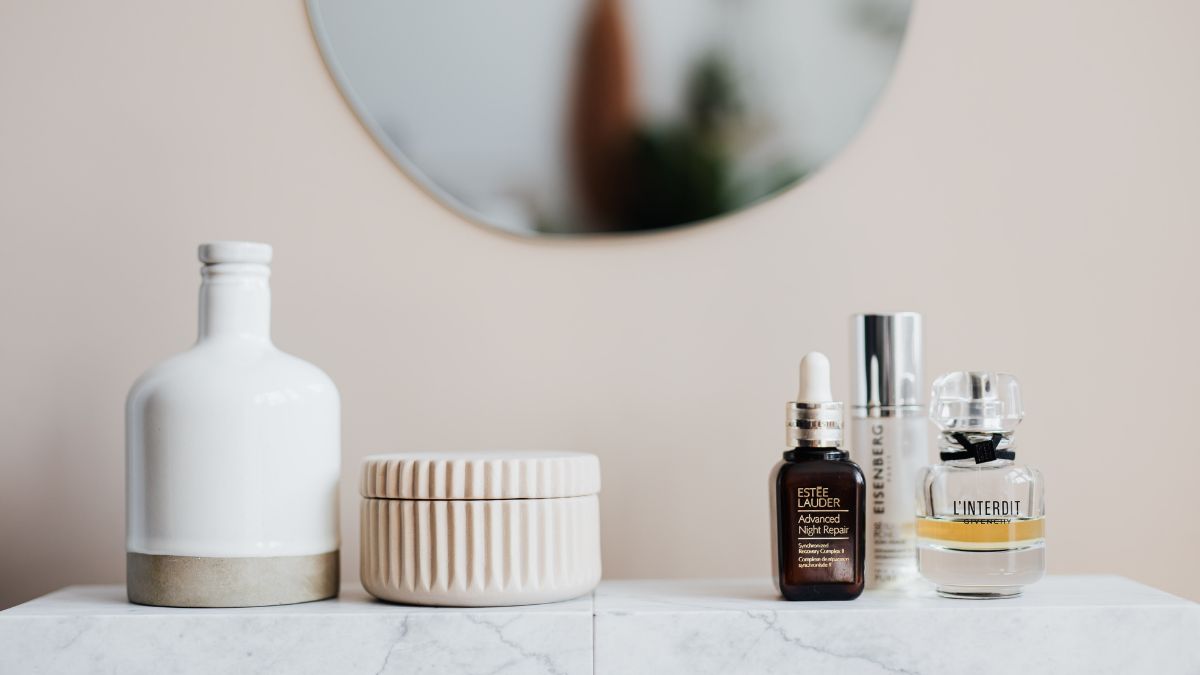
Aging gracefully is something most people want, yet everyday habits can quietly accelerate the process without anyone realizing it. From bathroom routines to sun exposure and product choices, small missteps compound over time and show up on the skin in ways that add years to a face. Understanding which common behaviors are actually working against your skin is the first step toward making smarter choices. Here are the skincare mistakes that are aging you faster than you think.
Skipping Sunscreen

Ultraviolet radiation is responsible for the majority of visible skin aging, including fine lines, dark spots, and loss of firmness. Many people reserve sunscreen for beach days, not realizing that incidental daily exposure through windows and during short outdoor trips adds up significantly over the years. Broad-spectrum SPF applied every morning is one of the most effective anti-aging tools available at any price point. Skipping this single step consistently is one of the most direct paths to premature skin aging.
Over-Exfoliating
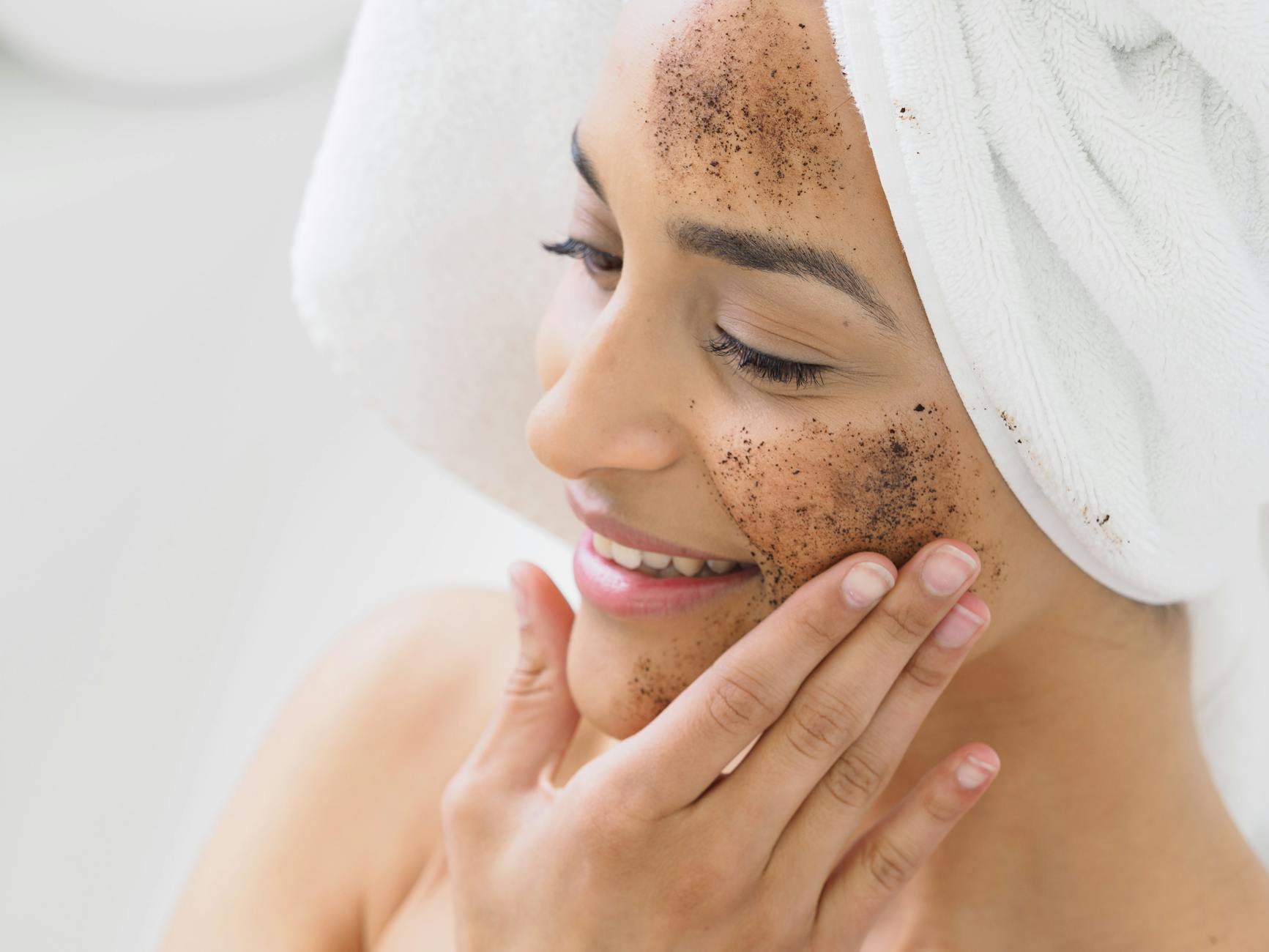
Exfoliation removes dead skin cells and encourages cell turnover, but doing it too frequently causes more harm than good. Stripping the skin barrier repeatedly leads to chronic irritation, redness, and increased sensitivity that can permanently compromise the skin’s ability to retain moisture. Damaged barriers allow environmental aggressors to penetrate more easily, accelerating collagen breakdown over time. Limiting exfoliation to once or twice per week and choosing gentler formulas protects the skin while still delivering a healthy glow.
Sleeping in Makeup
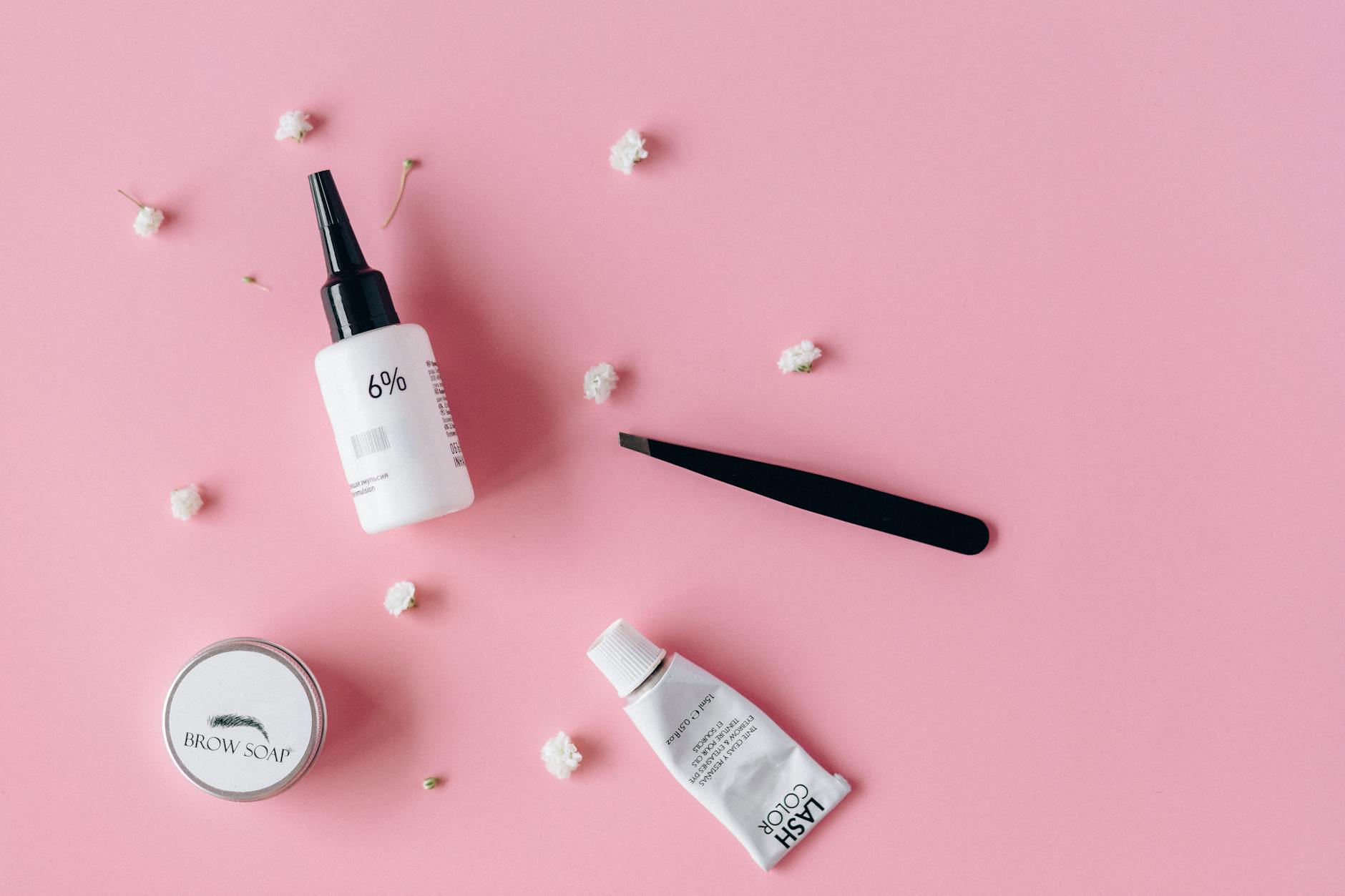
Leaving makeup on overnight clogs pores and prevents the natural overnight repair process that skin undergoes during sleep. Free radicals from pollution and environmental exposure that accumulate on the skin throughout the day are compounded by cosmetic residue sitting against the surface for hours. This combination breaks down collagen and elastin at an accelerated rate, contributing to dullness and the formation of fine lines. A thorough but gentle cleanse before bed is one of the simplest habits with a significant long-term payoff.
Hot Showers

Steaming hot water feels luxurious but is deeply disruptive to the skin’s natural lipid barrier. The oils that keep skin hydrated and protected are stripped away with prolonged heat exposure, leaving the skin dry, tight, and more prone to irritation. Chronic dryness directly contributes to the appearance of fine lines that would otherwise be far less visible with adequate moisture levels. Lowering the water temperature even slightly and keeping showers brief makes a meaningful difference in how the skin looks and behaves over time.
Ignoring Your Neck

Most skincare routines stop at the jawline, leaving the neck and décolletage entirely unprotected and untreated. The skin in this area is thinner than facial skin and loses elasticity and collagen at a similarly rapid pace, yet it rarely receives sunscreen, moisturizer, or targeted treatments. The contrast between a well-maintained face and a neglected neck is one of the most telling signs of age. Extending every product applied to the face down to the chest is a straightforward adjustment with visible long-term results.
Poor Sleep Habits

The term beauty sleep is not simply a phrase but a reflection of real biological processes that happen during rest. Cortisol levels rise with insufficient sleep, and elevated cortisol breaks down collagen and promotes inflammation in the skin. Dark circles, puffiness, and a dull complexion are the short-term consequences, while accelerated structural aging is the long-term result of chronic poor sleep. Prioritizing consistent and sufficient rest is one of the most powerful and underutilized skincare strategies available.
Wrong Moisturizer
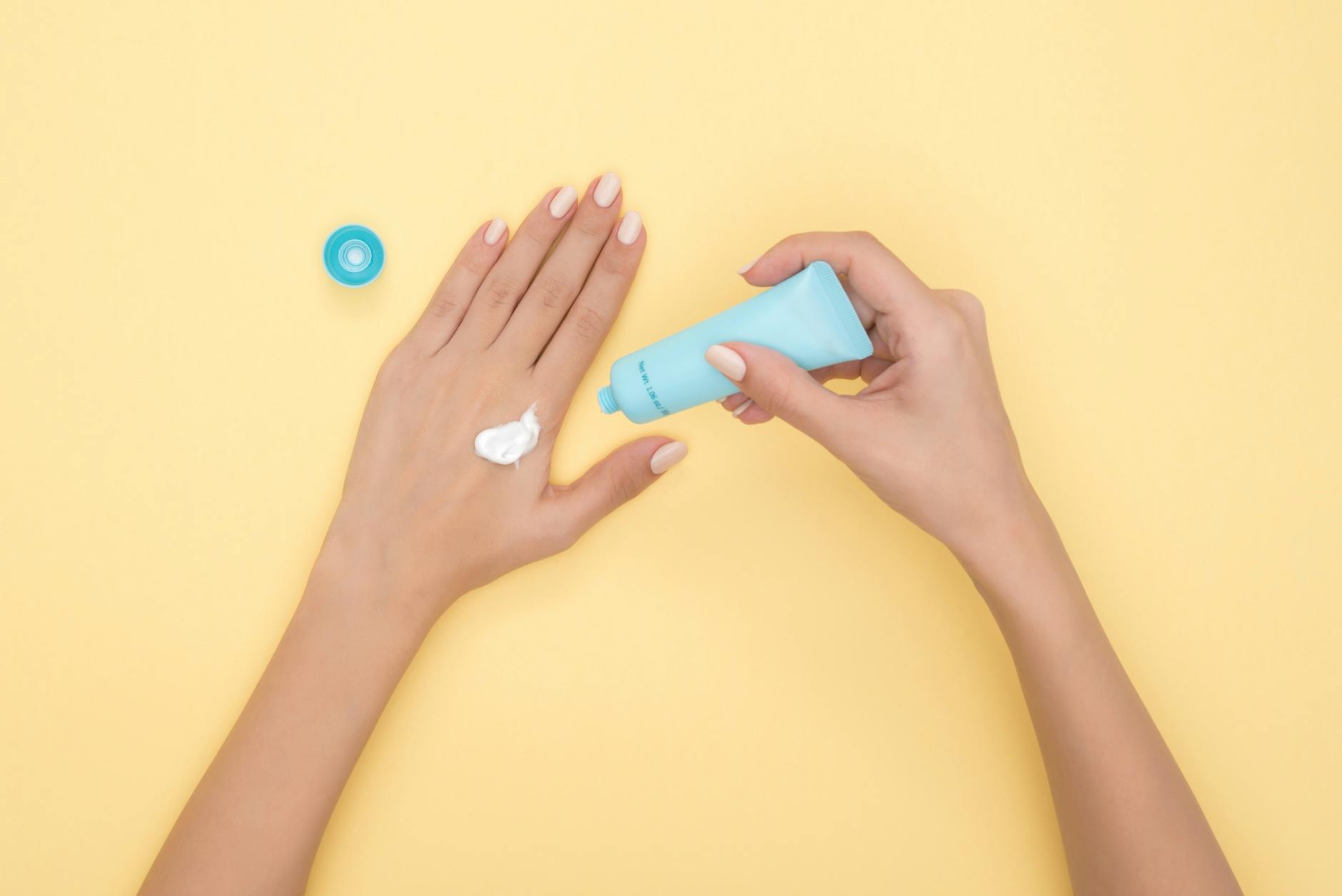
Using a moisturizer that is not matched to your skin type can create problems regardless of how consistently it is applied. Those with dry or mature skin who use lightweight formulas designed for oily skin often find their complexion looking tight, dull, and more lined throughout the day. Conversely, heavy creams used on acne-prone skin can clog pores and trigger inflammation that also ages the skin over time. Understanding your skin’s actual needs and selecting products formulated accordingly makes a significant difference in how skin looks year to year.
Tugging at Eyes
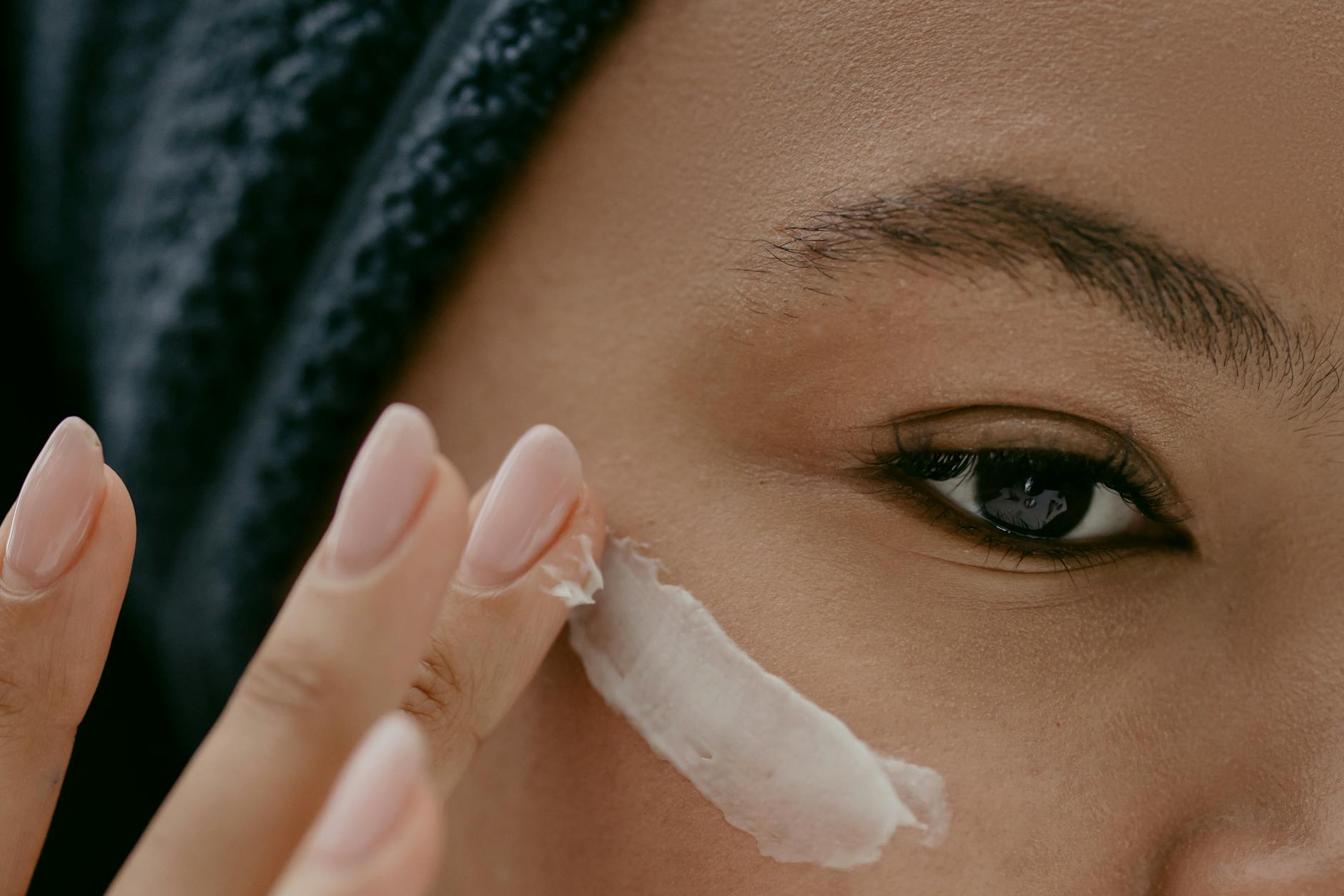
The skin surrounding the eyes is among the thinnest and most delicate on the entire body, making it highly vulnerable to mechanical stress. Rubbing, tugging, and pulling during makeup removal or product application repeatedly stretches the tissue and weakens the structural support beneath it. Over years, this habit contributes to the development of fine lines, loose skin, and a hollowed appearance that makes the eye area look prematurely aged. A gentle patting motion using the ring finger, which applies the least pressure, is the correct technique for this area.
Dietary Sugar

High sugar intake triggers a process called glycation, where sugar molecules attach to collagen and elastin fibers and make them stiff and brittle. This structural damage reduces the skin’s ability to spring back and maintain firmness, resulting in sagging and the deepening of wrinkles over time. The effects of glycation are cumulative and difficult to reverse once established, making dietary habits an important factor in long-term skin health. Reducing added sugars and increasing antioxidant-rich foods supports collagen integrity from the inside out.
Alcohol Consumption

Alcohol is a diuretic that dehydrates the skin rapidly, and chronic consumption leads to persistent dryness that makes fine lines far more pronounced. It also dilates blood vessels over time, contributing to persistent redness, broken capillaries, and an uneven skin tone that can be difficult to treat. Alcohol depletes the body of essential nutrients including zinc and vitamins A and C, all of which play important roles in skin repair and protection. Reducing alcohol intake consistently shows noticeable improvements in skin clarity and hydration.
Stress
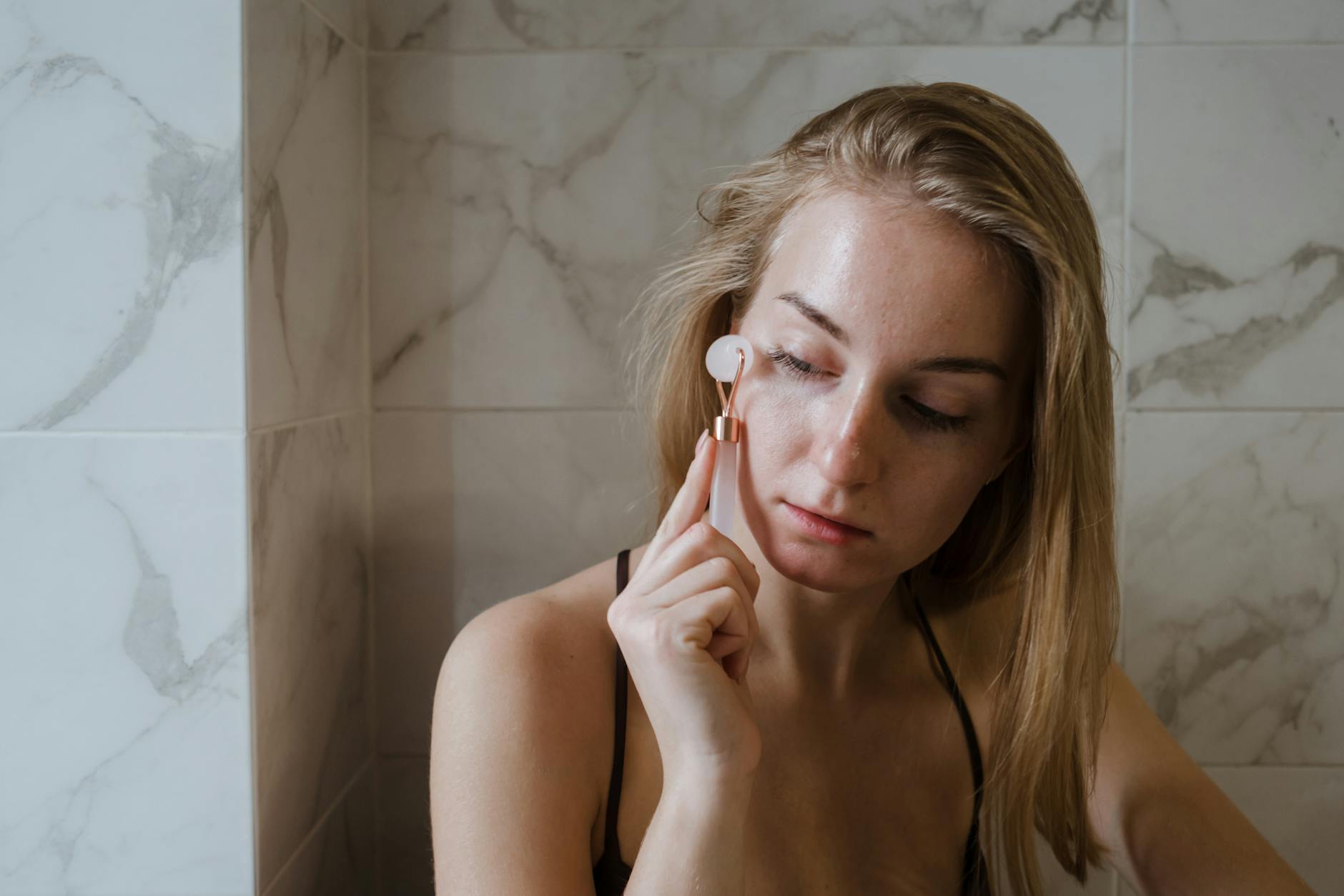
Chronic psychological stress elevates cortisol production, which suppresses collagen synthesis and impairs the skin’s ability to repair itself efficiently. Stress-related inflammation manifests in a variety of skin concerns including breakouts, sensitivity, redness, and a general loss of radiance. The repetitive facial expressions associated with stress and tension, such as furrowed brows and tightened jaws, also accelerate the formation of expression lines. Managing stress through regular physical activity, mindfulness practices, or adequate time for rest has measurable effects on how skin ages.
Dehydration
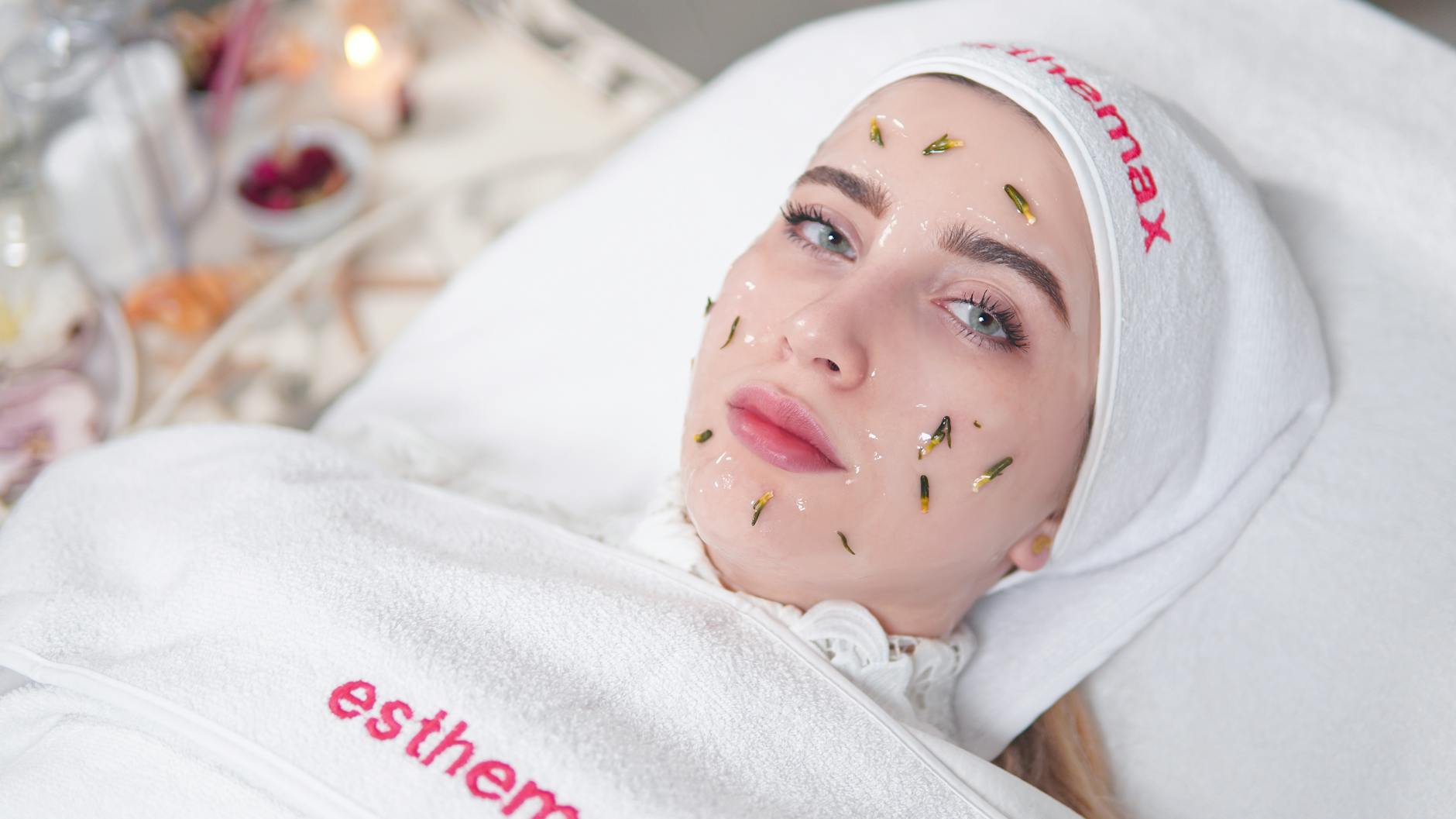
The body’s hydration status is directly reflected in the appearance of the skin, as water supports every cellular function involved in maintaining a healthy complexion. Chronically dehydrated skin looks dull, feels tight, and shows fine lines far more prominently than adequately hydrated skin. Many people mistake dehydration for an oil-dry skin type and respond with heavy creams when the actual issue is a lack of water intake. Drinking adequate water throughout the day and incorporating hydrating serums containing ingredients like hyaluronic acid addresses this concern from both the inside and outside.
Touching Your Face
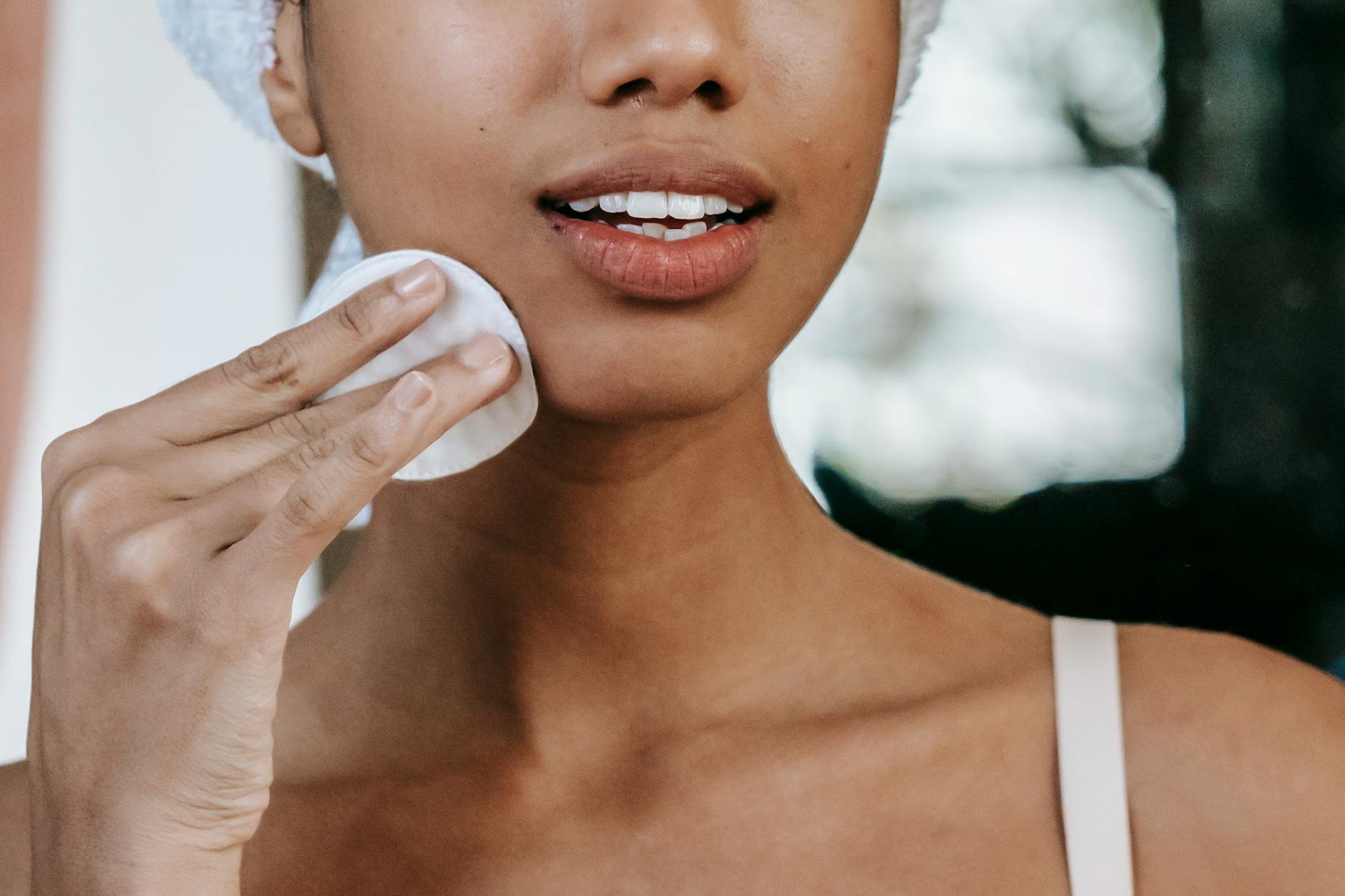
The hands carry bacteria, oils, and environmental debris that transfer directly to the skin with every unconscious touch. Repeated contact throughout the day introduces irritants that trigger inflammation and breakouts, both of which contribute to long-term skin damage and uneven texture. The mechanical pressure of resting a chin or cheek against a hand also creates sleep-crease-like compression that, over time, etches lines into the skin. Breaking this habit requires conscious awareness but pays meaningful dividends in skin clarity and smoothness.
Incorrect Layering
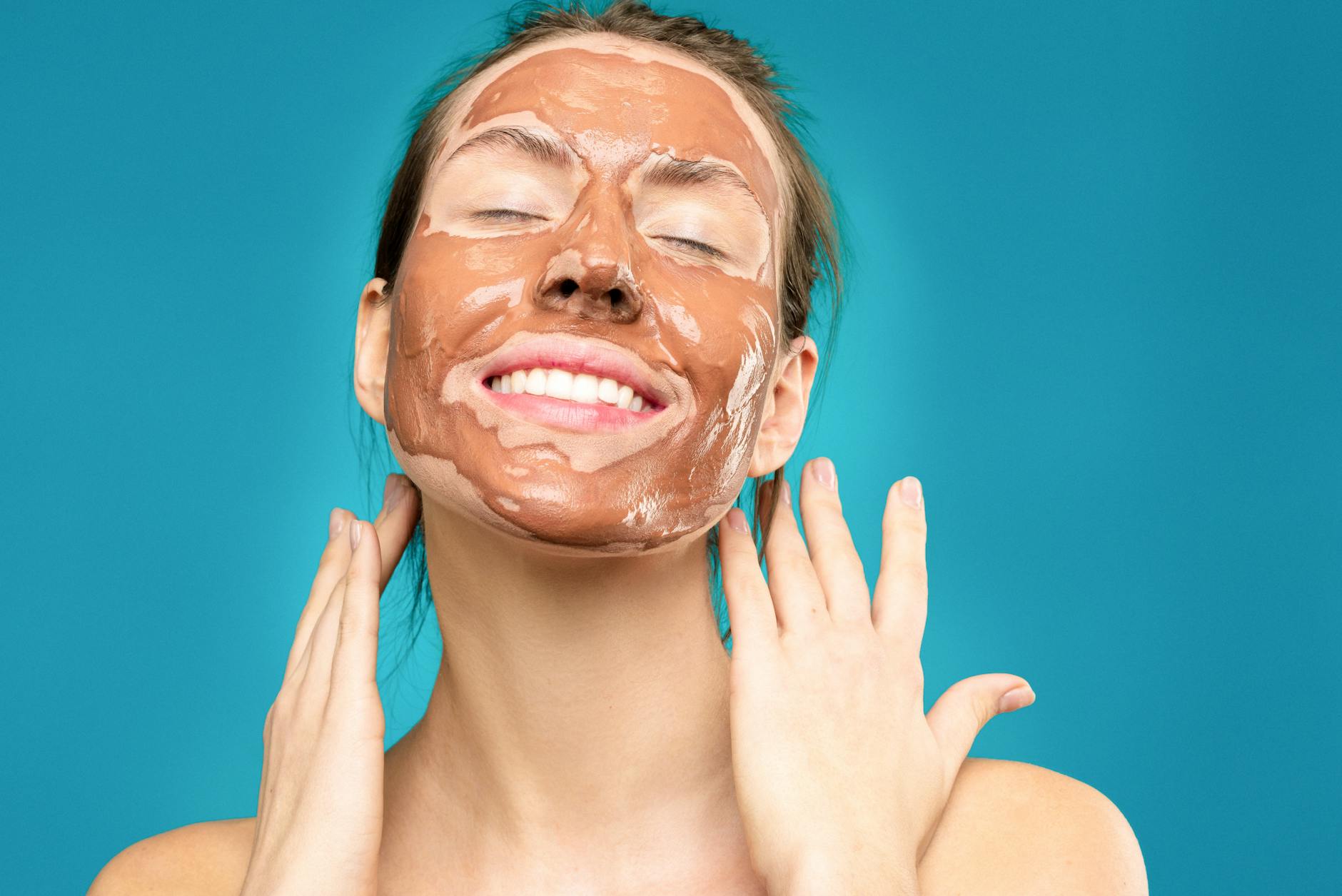
Applying skincare products in the wrong order can prevent active ingredients from penetrating effectively and may even cause ingredient interactions that irritate the skin. A common mistake is applying moisturizer before a serum, which creates a barrier that blocks the active ingredients in the serum from reaching deeper skin layers where they are most effective. Similarly, using certain combinations of actives such as retinol alongside strong acids can compromise the skin barrier and cause chronic sensitivity. Understanding the correct order and compatibility of products ensures that a routine actually delivers the results it promises.
Retinol Overuse
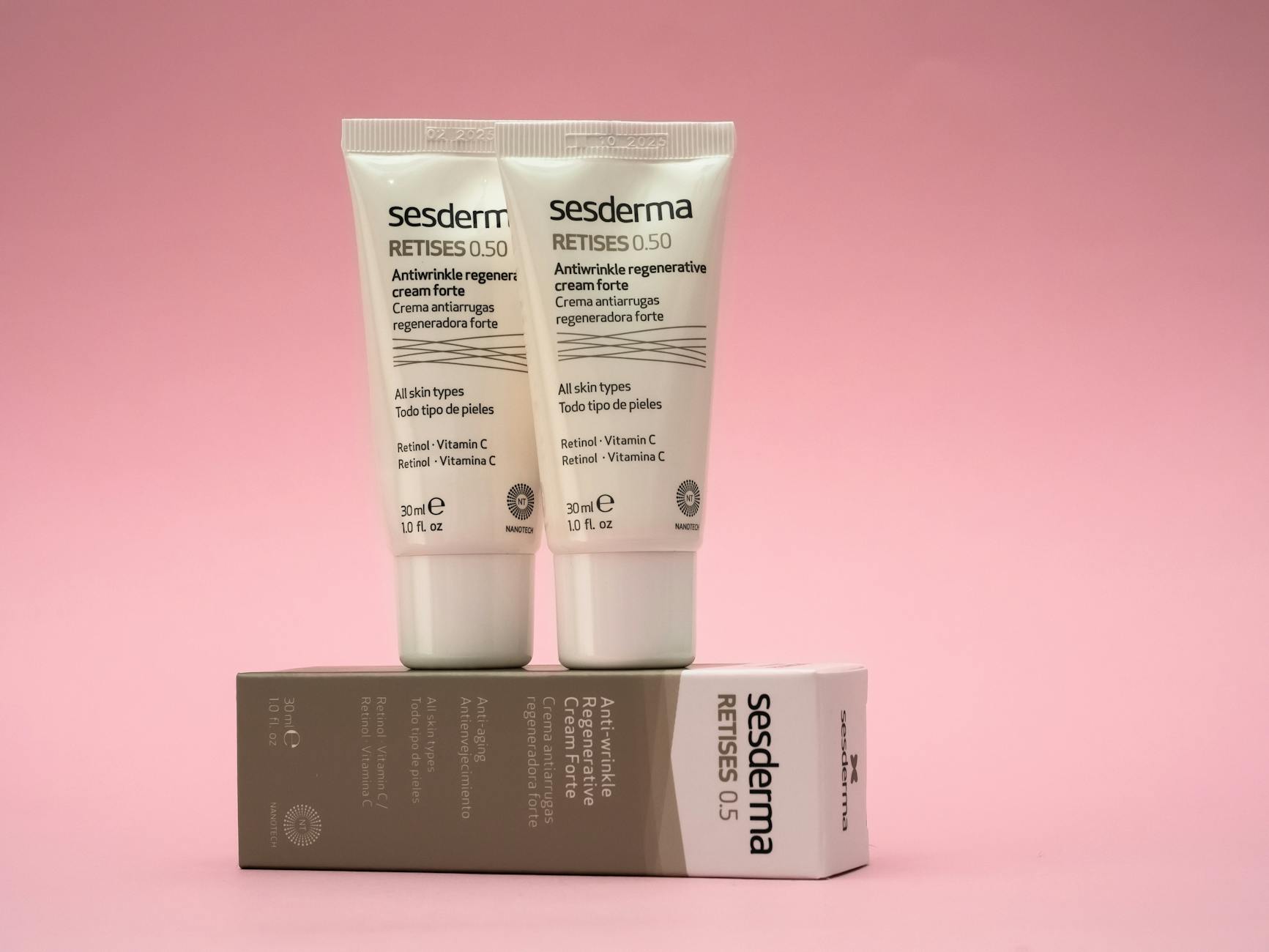
Retinol is one of the most proven anti-aging ingredients available, but using it too frequently or at too high a concentration without building tolerance first causes significant irritation. Red, peeling, and inflamed skin from retinol overuse compromises the barrier and can trigger post-inflammatory hyperpigmentation that is far more difficult to address than the original concern. Starting with a low concentration applied every few nights and gradually increasing frequency allows the skin to adapt without reactive damage. Used correctly, retinol is transformative; used aggressively, it creates more visible problems than it solves.
Pollution Exposure

Airborne pollution particles are small enough to penetrate the outer layers of the skin, where they generate free radicals that degrade collagen and elastin. Urban dwellers are particularly exposed to nitrogen dioxide, particulate matter, and heavy metals that accumulate on the skin throughout the day and cause oxidative damage. Antioxidant-rich serums containing vitamins C and E create a protective layer that neutralizes these free radicals before they can cause structural harm. Double cleansing in the evening to ensure complete removal of pollution particles is especially important for those living in high-traffic environments.
Neglecting Sleep Position

Sleeping face-down or on the side presses the skin against the pillow for hours at a time, creating compression forces that etch lines into the cheeks, forehead, and around the mouth over time. Unlike expression lines formed by muscle movement, sleep lines develop from purely mechanical pressure and tend to appear in patterns that do not follow natural facial contours. Switching to sleeping on the back eliminates this source of wrinkles entirely, while silk or satin pillowcases reduce friction for those who cannot change their sleep position. The cumulative effect of this habit over years is a pattern of creasing that becomes increasingly difficult to smooth out.
Have you identified any of these mistakes in your own routine? Share your skincare experiences and tips in the comments.




