The distinction between having a high income and possessing true generational wealth often comes down to spending habits. Those trying to appear rich frequently fall into the trap of purchasing depreciating assets and status symbols to validate their standing in society. Truly wealthy individuals prioritize long-term value and financial freedom over fleeting trends or public approval. They understand that every dollar spent on a liability is a dollar not working for them in an investment portfolio. This mindset shift separates those who look wealthy from those who actually maintain and grow their fortunes.
Logo-Heavy Designer Clothing
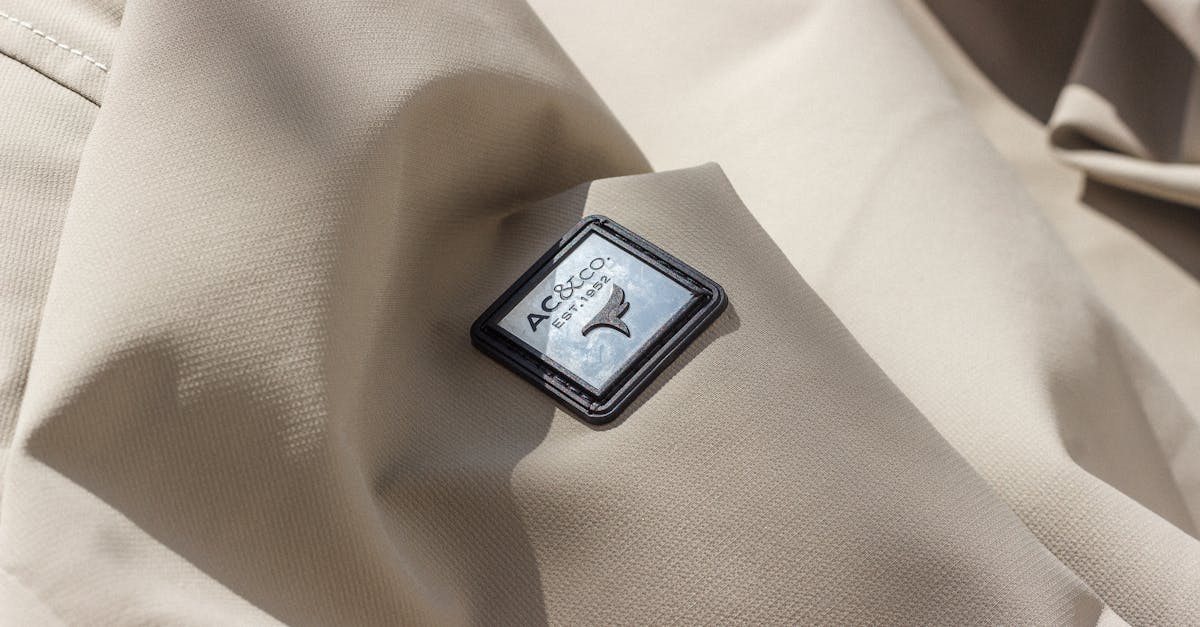
Many high earners purchase luxury garments covered in monograms to signal their financial status to others. True wealth tends to prefer stealth luxury where the quality of the material speaks louder than a printed brand name. Wearing conspicuous logos is often viewed by the ultra-wealthy as a lack of personal style or a need for external validation. They invest in bespoke tailoring or heritage brands that bear no visible identifiers on the exterior. This approach ensures the focus remains on the individual rather than the price tag of their attire.
Depreciating Luxury Cars

The desire to drive the newest model often leads people to lease or buy vehicles that lose value the moment they leave the lot. Wealthy individuals understand that cars are generally liabilities rather than assets. They frequently drive reliable vehicles for many years or purchase slightly used luxury cars to avoid the initial depreciation hit. Buying a car purely for the badge is seen as a financial misstep by those who calculate the long-term cost of ownership. The focus remains on utility and safety rather than impressing strangers at a stoplight.
Oversized McMansions

Large homes built quickly with cheap materials in upscale subdivisions often attract those with new money. These properties frequently come with high maintenance costs and inefficient layouts that do not hold value well over time. Generational wealth usually prioritizes location and architectural integrity over square footage. A smaller home in a historic neighborhood or a prime location is viewed as a superior investment. The goal is owning a property that appreciates rather than a massive structure that constantly requires repairs.
Timeshares

Vacation ownership programs often pitch the idea of affordable luxury travel with a heavy upfront cost and perpetual maintenance fees. Financially savvy people recognize these contracts as illiquid assets that are incredibly difficult to resell. The wealthy prefer to rent villas or stay in hotels where they have no long-term financial obligation. Being locked into a specific location or brand restricts the freedom to travel spontaneously. They value flexibility and liquidity over the illusion of owning a vacation home.
Gold-Plated Food

Restaurants charging exorbitant prices for steaks or desserts covered in edible gold leaf cater primarily to those seeking social media attention. There is no culinary value added by the metal and the price is inflated purely for the spectacle. Wealthy diners focus on the quality of ingredients and the skill of the chef rather than gimmicks. Spending hundreds of dollars on a flashy meal is seen as wasteful and tasteless. True gourmands appreciate the authenticity of the food rather than its visual shock value.
The Latest Tech Gadgets

Waiting in line to buy the newest phone release every year is a habit of those addicted to consumer trends. Wealthy individuals often keep their devices until they break or become obsolete because they view technology as a tool rather than a status symbol. The marginal upgrades in annual tech releases rarely justify the replacement cost for pragmatic spenders. They prefer to invest that capital elsewhere rather than chasing the dopamine hit of unboxing a new device. Consistency and reliability are valued higher than having the newest camera specifications.
Impulse Luxury Travel

Booking last-minute lavish vacations without regard for cost is a hallmark of someone spending high income carelessly. Wealthy travelers often plan trips months in advance to secure the best value and experiences. They utilize credit card points or travel advisors to maximize the return on their leisure spending. Blowing money on overpriced flights and hotels due to poor planning is considered a novice mistake. Strategic travel planning allows for better experiences without the premium price tag of spontaneity.
High-Interest Credit Card Debt

Carrying a balance on credit cards is something financially literate people avoid at all costs. The rich might use credit to extend their lifestyle beyond their means while paying exorbitant interest rates. Wealthy individuals use credit cards strictly as payment tools to accrue rewards and pay the full balance every month. Paying interest on consumer goods is viewed as throwing money away. They understand that compound interest should work for them and not against them.
VIP Bottle Service

Nightclubs charge thousands of dollars for alcohol that costs a fraction of that price in a retail store. This service is designed to sell a feeling of importance and exclusivity to those willing to pay a premium. Wealthy individuals rarely participate in this public display of spending and prefer private gatherings. They understand that the markup is a tax on ego rather than a payment for quality. Hosting a private event is often more cost-effective and allows for genuine connection.
Trendy Furniture

Filling a home with furniture that aligns with the current design fad often leads to items that look dated within a few years. Those with enduring wealth invest in timeless pieces or antiques that retain or increase in value. Disposable furniture made from particle board ends up in landfills and requires frequent replacement. The wealthy prioritize craftsmanship and natural materials that can last for generations. A home is curated slowly rather than bought out of a catalog in a single weekend.
Designer Diaper Bags

spending thousands on a baby bag that will inevitably get dirty is a purchase driven by label consciousness. Wealthy parents often opt for durable and functional bags that can withstand the wear and tear of childcare. The utility of the item is the primary concern rather than the logo on the side. They know that the baby does not care about the brand and the money is better put into a college fund. Practicality wins over prestige when it comes to infant care items.
Exotic Pets

Owning tigers or rare reptiles is often a way for people to show off their disposable income in a bizarre fashion. The costs of food, habitat maintenance, and insurance for these animals are astronomical. Wealthy individuals typically stick to traditional pets like dogs or horses that fit into a standard lifestyle. They understand the ethical and financial liabilities associated with wild animals. The novelty of an exotic pet fades quickly while the expenses continue to mount.
Lottery Tickets

Buying lottery tickets is statistically one of the worst financial decisions a person can make. Those hoping for a quick windfall often spend significant amounts of money on a game they are almost guaranteed to lose. Wealthy people understand that building a fortune requires strategy and patience rather than luck. They rely on calculated risks in business or the stock market instead of gambling. The mindset is focused on creating wealth rather than stumbling upon it.
Extended Warranties

Retailers push insurance plans on electronics and appliances because they are highly profitable products with little benefit to the consumer. Financially savvy buyers know that the cost of the warranty often exceeds the cost of a potential repair. They prefer to self-insure by maintaining an emergency fund for unexpected replacements. Buying these plans indicates a fear of future costs rather than a rational assessment of risk. The wealthy keep their cash liquid rather than locking it up in service contracts.
Fast Fashion

Buying large quantities of cheap clothing that falls apart after a few washes is a cycle that drains money over time. Wealthy individuals follow the philosophy of buying less but buying better. They invest in high-quality garments that can be repaired and worn for years. The cost per wear of a well-made coat is significantly lower than constantly replacing trendy jackets. This approach reduces waste and ensures a consistently polished appearance.
Overpriced Gym Memberships

Signing up for an exclusive fitness club solely for the prestige of the brand is a common expense for the aspirational rich. Wealthy people often build home gyms or engage in outdoor activities that require no monthly dues. They prioritize their health and fitness results over the social status of where they work out. Paying for a facility that goes unused is seen as a lack of discipline and financial oversight. Functional fitness is achieved through consistency rather than expensive equipment.
Lavish Gender Reveal Parties

Throwing an expensive event with pyrotechnics and catering to announce a baby’s gender has become a viral trend. These parties often cost as much as a wedding and serve primarily as content for social media. Wealthy families typically prefer intimate gatherings with close family to share such personal news. They prefer to allocate those funds toward the child’s future needs or education. The focus is on the family milestone rather than the public spectacle.
Pre-Cut Produce

Grocery stores charge a significant premium for fruits and vegetables that have been sliced and packaged in plastic. While convenient, the cost per pound is exponentially higher than buying the whole item. Wealthy individuals or their household staff usually purchase fresh whole ingredients to ensure quality and value. They understand that paying for basic preparation is a financial leak that adds up over time. Eating fresh and unprocessed food is a priority for both health and wallet.
Get-Rich-Quick Courses

Internet gurus selling secrets to instant wealth target those desperate for a shortcut to success. Wealthy people know that genuine success comes from hard work, education, and time. They invest in legitimate education or mentorship rather than vague online seminars. Paying for a system that promises unrealistic returns is a sign of financial naivety. True investors analyze the fundamentals before parting with their capital.
High-Fee Investment Funds
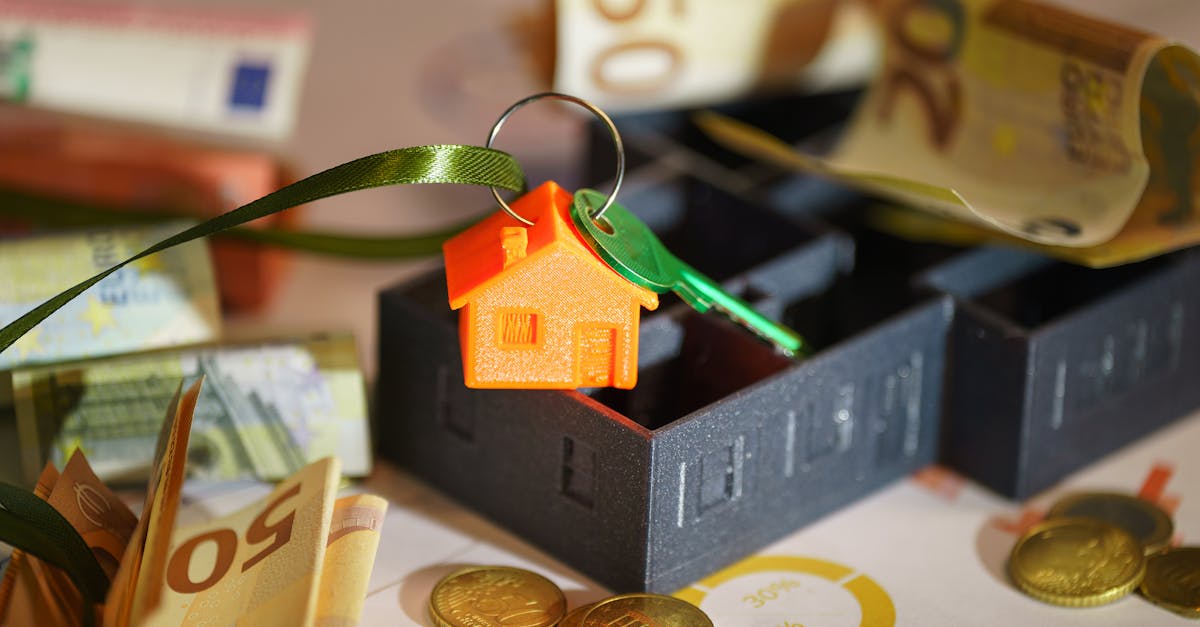
Putting money into actively managed mutual funds with high expense ratios is a habit of those who do not understand market efficiency. Wealthy investors typically prefer low-cost index funds or direct real estate investments. They scrutinize fees because they know that costs compound negatively just as interest compounds positively. Keeping investment costs low is one of the most reliable ways to preserve capital. They avoid paying managers to underperform the market benchmarks.
Personalized License Plates
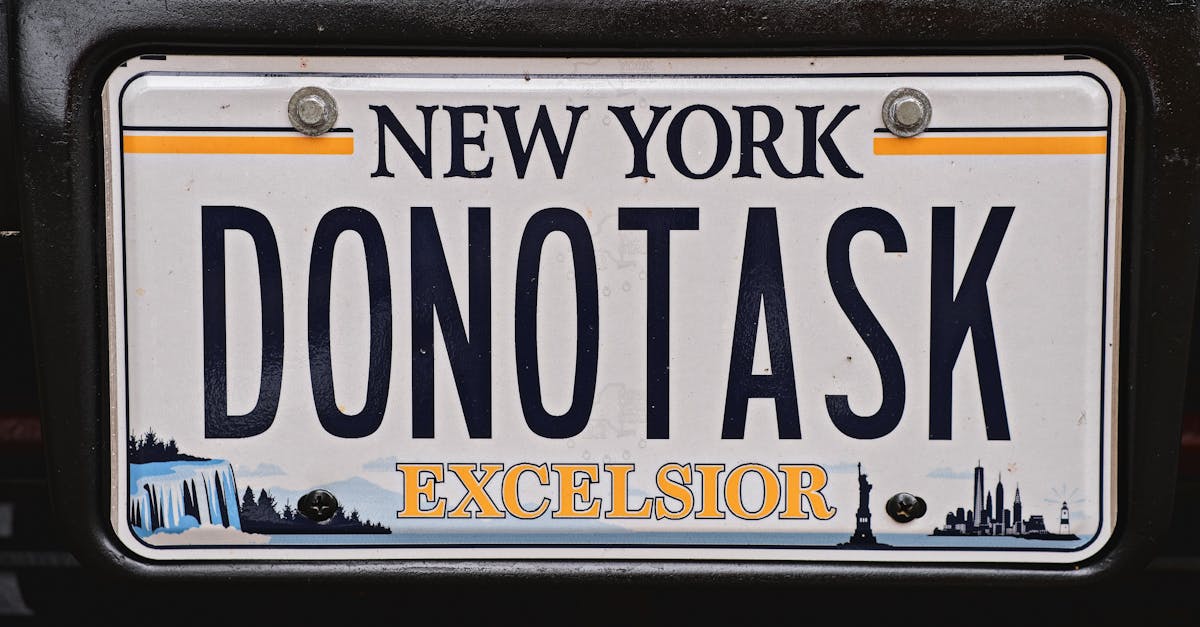
Paying the government extra money every year for a custom vanity plate is a vanity expense. It draws unnecessary attention to the vehicle and the driver. Wealthy individuals generally prefer privacy and do not wish to stand out in traffic. They view the vehicle as a mode of transport rather than a billboard for their personality. Anonymity is often considered a luxury worth protecting.
In-Game Purchases

Spending real money on virtual skins or coins in video games provides zero return on investment. This habit is common among those with disposable income who seek instant gratification in a digital world. Wealthy individuals might enjoy gaming but rarely sink fortunes into digital assets that cannot be resold. They prefer to spend money on experiences or items that exist in the physical world. The value proposition of digital cosmetics is nonexistent to a pragmatic spender.
Designer Luggage Sets

Traveling with recognizable luxury luggage makes one a target for theft and damage. Baggage handlers treat all suitcases the same regardless of the brand name or price tag. Wealthy travelers often use durable and understated brands that can survive rough handling. They value the security of their belongings over the aesthetic of their bags at the airport. Functionality and durability are the only metrics that matter for travel gear.
Store Brand Credit Cards
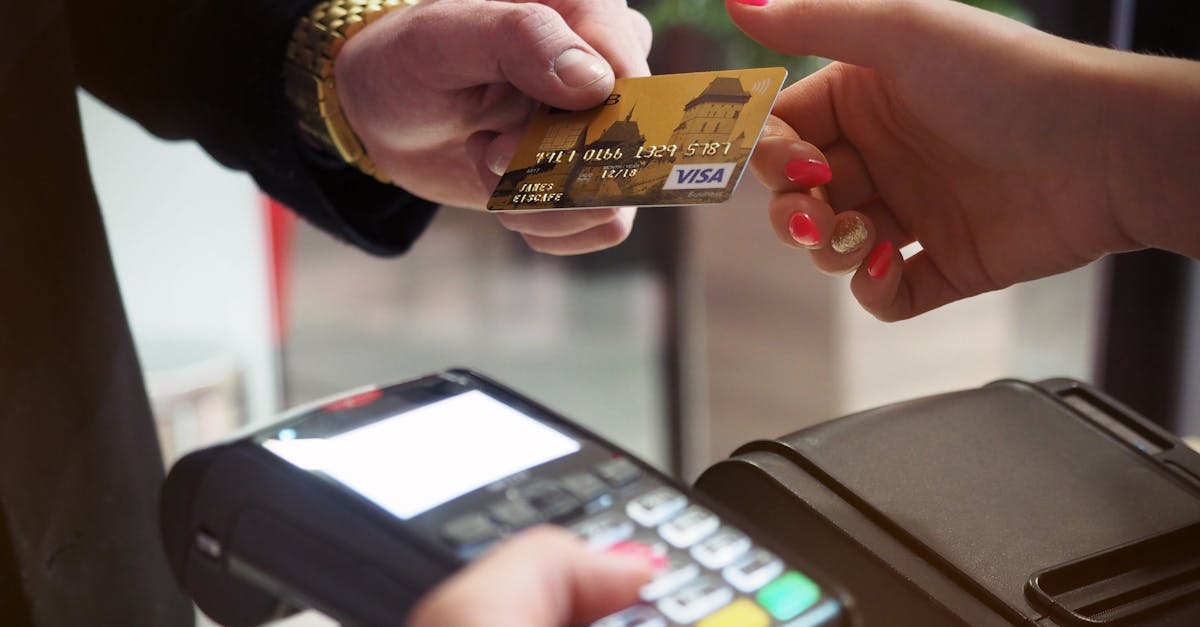
Retailers offer discounts at the register to entice shoppers into opening high-interest credit accounts. These cards often have limited utility and can clutter a credit report. Wealthy people stick to major credit cards that offer flexible rewards or cash back. They avoid tethering their credit line to a specific store for a one-time discount. Financial simplicity is preferred over managing multiple niche accounts.
Leased Luxury Vehicles

Leasing a car means paying for the depreciation of the vehicle without ever owning the asset. It is a way to drive a car one cannot afford to buy outright. Wealthy individuals usually buy their cars and drive them for years to maximize value. They understand that the cycle of perpetual car payments prevents wealth accumulation. Ownership allows for the eventual elimination of a monthly expense.
Expensive Juicing Habits

Buying fresh pressed juice daily at a boutique shop is a costly habit that can exceed hundreds of dollars a month. Wealthy individuals often invest in a high-quality juicer to make beverages at home for a fraction of the cost. They control the ingredients and the hygiene while saving significant capital. Convenience often comes at a markup that the wealthy are unwilling to pay. They value the ritual of preparation and the savings it brings.
Single-Use Plastics

Relying on bottled water and disposable cutlery is both environmentally wasteful and financially inefficient. Wealthy households typically invest in high-end water filtration systems and use real silverware. They understand that the cumulative cost of disposable items is higher than the upfront cost of reusable ones. This reflects a mindset of sustainability and long-term planning. Quality reusable items improve the daily living experience.
Trendy Diet Supplements

The wellness industry is flooded with pills and powders that promise miraculous health benefits. These products are often unregulated and expensive with dubious scientific backing. Wealthy individuals prioritize whole foods and personalized medical advice over over-the-counter fads. They invest in personal chefs or nutritionists to ensure their health is managed correctly. Real health is built on lifestyle choices rather than expensive supplements.
Over-The-Top Holiday Decor

Spending thousands on disposable seasonal decorations that are used for a few weeks is a poor use of funds. Wealthy families often use heirloom decorations that carry sentimental value and are stored carefully. They might incorporate fresh greenery or flowers which are compostable and elegant. The focus is on tradition and atmosphere rather than commercial excess. They avoid the cycle of buying cheap plastic decor every year.
Unused Subscriptions

Paying for streaming services or magazines that are never consumed is a form of financial clutter. Wealthy individuals regularly audit their recurring expenses to cut out waste. They value their time and only pay for services they actually utilize. Auto-renewal is a trap for those who do not pay close attention to their bank statements. Intentional spending extends to even the smallest monthly charges.
Boat Ownership Without Crew

Buying a boat often turns into a money pit of maintenance, docking fees, and fuel costs. The “rich” often underestimate the work required to maintain a vessel. Wealthy individuals who love the sea often charter yachts to avoid the headaches of ownership. If they do own a boat, they treat it as a business with a full crew to manage the asset. They pay for the experience of sailing rather than the burden of scrubbing decks.
Jewelry with Poor Resale Value

Buying mass-produced jewelry from mall retailers involves paying a massive markup for craftsmanship that holds no value. Wealthy buyers invest in signed pieces from historic houses or high-quality loose stones. They view jewelry as a portable asset that should appreciate or maintain value. Commercial jewelry is seen as a fashion accessory rather than a store of wealth. They avoid items that lose half their value the moment the receipt is printed.
Expensive Weddings on Credit

Starting a marriage with significant debt from a one-day party is a financial disaster. “Rich” couples often feel pressure to host lavish events to impress their social circle. Wealthy families often host elegant but manageable weddings or have the funds to pay without borrowing. They prioritize the marriage and the honeymoon over the floral arrangements. Financial security is the best wedding gift a couple can give themselves.
Timeshare Vacation Clubs

Similar to property timeshares, vacation clubs often promise exclusive access for a high initiation fee. These clubs frequently suffer from booking unavailability and rising annual dues. Wealthy travelers prefer the freedom to book any hotel or villa they desire without restriction. They avoid locking capital into a club that dictates where and when they can travel. The open market offers more variety and better value.
New Cars for Teenagers

Gifting a brand new luxury car to a novice driver is a dangerous and expensive indulgence. Wealthy parents often provide safe and used vehicles to teach their children responsibility. They want their kids to understand the value of money and the cost of maintenance. A teenager does not need a status symbol to drive to high school. Humility and safety are prioritized over flashiness.
Trendy Dog Breeds

Buying a “designer” dog mix for thousands of dollars encourages puppy mills and poor breeding practices. Wealthy individuals often seek out reputable breeders with lineage papers or adopt from shelters. They value the health and temperament of the animal over a trendy name or look. Treating a living creature as a fashion accessory is frowned upon. They commit to the dog for life rather than just for its puppy phase.
Smart Home Gimmicks

Installing every connected device available can lead to a home that is difficult to operate and vulnerable to hacking. Wealthy homeowners integrate technology seamlessly where it adds true convenience or security. They avoid gadgets that complicate simple tasks like turning on a light. The goal is a peaceful sanctuary rather than a confusing tech showcase. Simplicity and reliability are the ultimate luxuries in home automation.
Expensive Cable Packages

Paying for hundreds of channels that are never watched is a legacy habit that wastes money. Wealthy individuals consume content on demand and pay only for what they want to see. They value their time too highly to flip through commercials and unwanted programming. Cord-cutting is a practical move to curate a better entertainment experience. They control their media consumption rather than letting a network dictate it.
Cheap Footwear
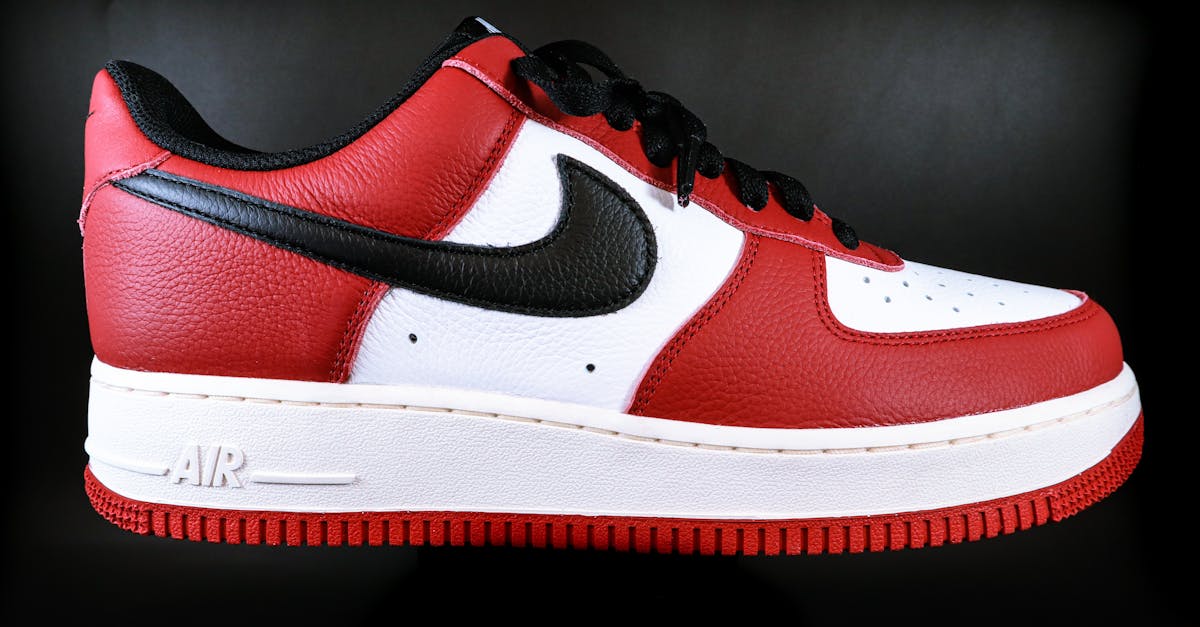
Buying inexpensive shoes that hurt the feet and wear out quickly is a false economy. Wealthy people invest in high-quality footwear that can be resoled and polished. They understand that taking care of their feet is essential for long-term health and comfort. A good pair of shoes can last a decade with proper care. Comfort and durability are worth the higher upfront investment.
Impulse Real Estate

Buying a vacation home on a whim without analyzing the market is a classic mistake of the new rich. Wealthy investors conduct due diligence and consider the carrying costs and rental potential. They view real estate as a serious component of their portfolio. Emotional buying often leads to regret and financial loss. They separate their feelings from the mathematics of the investment.
Non-Fungible Tokens

The hype surrounding digital art tokens attracted many speculators looking for quick riches. Wealthy collectors generally stick to physical art with proven provenance and history. They understand that the art market relies on scarcity and tangible value. Betting on a volatile digital trend is seen as gambling rather than collecting. They prefer assets they can hang on a wall and insure.
Fad Exercise Equipment

Purchasing the latest trendy bike or mirror gym often results in an expensive clothes rack. Wealthy individuals know that fitness comes from habit and not from a specific machine. They stick to proven equipment or train with professionals. The novelty of a new gadget wears off but the discipline to train does not. They invest in their bodies rather than in hardware.
Overpriced Baby Gear

Buying the most expensive stroller or crib to signal status to other parents is a short-lived ego boost. Wealthy parents look for safety ratings and ease of use. They know the baby will outgrow the item in a matter of months. Resale value and functionality are key considerations. They refuse to pay a premium just for a brand name on a plastic item.
Synthetic Bedding

Sleeping on polyester sheets that trap heat is a compromise on quality of life. Wealthy people invest in natural fibers like cotton, linen, or silk for better sleep hygiene. They spend a third of their lives in bed and view bedding as a health investment. Natural materials breathe better and last longer than synthetics. Comfort during rest is considered a non-negotiable necessity.
Celebrity Endorsed Beauty Kits

Buying makeup or skincare solely because a celebrity’s name is on the box is a marketing trap. Wealthy individuals consult dermatologists and buy medical-grade or proven clinical products. They care about the active ingredients and the results rather than the packaging. They understand that the celebrity is paid to sell the product, not to use it. Efficacy is the only metric that matters for skincare.
Flashy Wristwatches

Wearing a massive, diamond-encrusted watch is often a sign of insecurity and a desire for attention. Wealthy collectors appreciate horology and invest in timepieces with complicated movements and history. They prefer subtle watches that only other enthusiasts would recognize. A watch is a personal treasure rather than a public display of wealth. They value the engineering inside the case more than the bling on the outside.
High-Maintenance Landscaping

Planting exotic gardens that require constant water and chemical intervention is costly and bad for the environment. Wealthy homeowners often opt for native landscaping that thrives in the local climate. This approach reduces maintenance costs and creates a sustainable ecosystem. They value privacy and natural beauty over manicured perfection. A garden should be a retreat rather than a chore.
Consumer Debt Interest
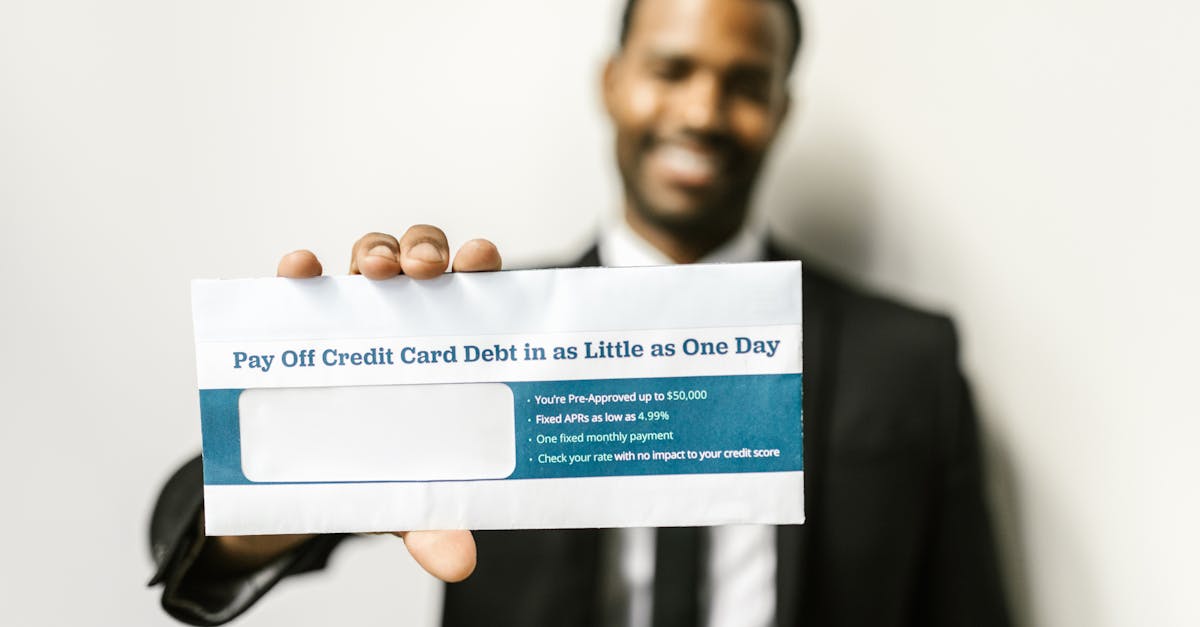
Paying interest on depreciating items is the antithesis of wealth building. The rich often finance their lifestyle, while the wealthy earn interest on their assets. Wealthy people pay off balances immediately to avoid giving money to banks. They understand the power of being debt-free. Financial sovereignty is the ultimate goal.
Fast Food

Regularly consuming processed fast food is a habit that costs money and health. Wealthy individuals view food as fuel and medicine for their bodies. They prioritize fresh, nutrient-dense meals that provide sustained energy. The long-term healthcare costs of a poor diet far outweigh the savings of a cheap meal. Health is the one asset that cannot be bought back once lost.
Keeping Up With Trends

Changing one’s lifestyle to match the latest fad is a never-ending cycle of consumption. Wealthy people know who they are and what they like. They have a defined style and set of values that do not waver with the season. This confidence allows them to opt out of the consumer rat race. True wealth is the freedom to be oneself without needing to buy the approval of others.
Please share your thoughts on which items you would add or remove from this list in the comments.




