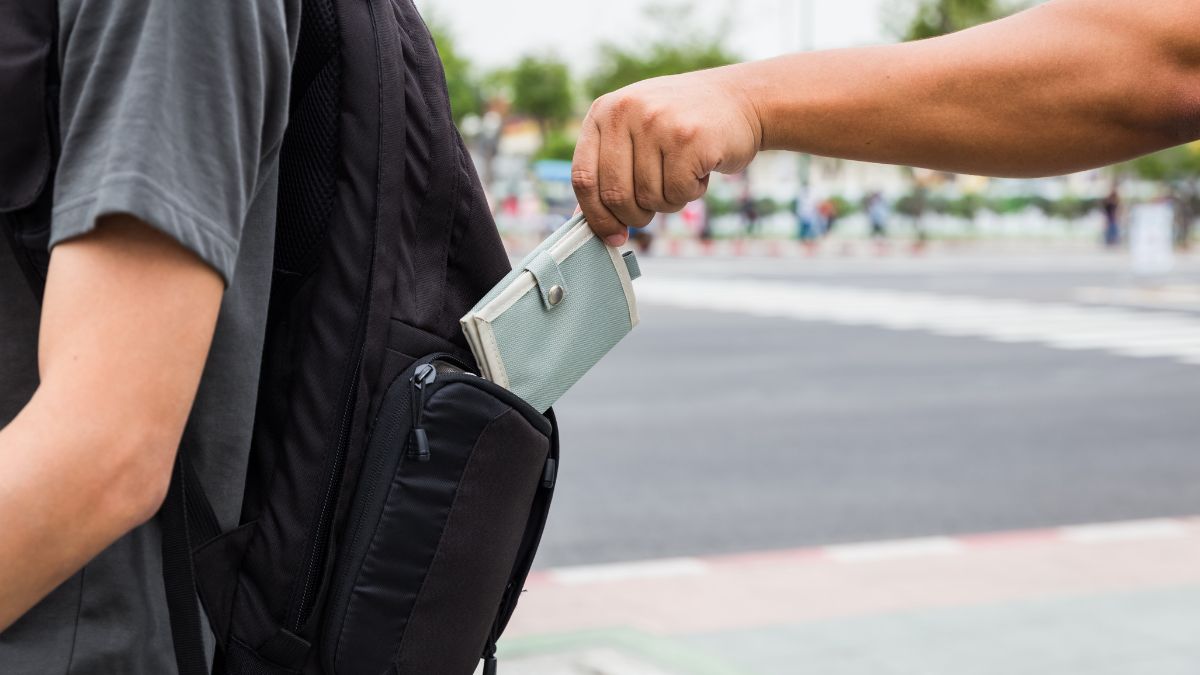
Pickpockets are professionals who operate in high-traffic tourist environments with a level of skill and coordination that most travellers fundamentally underestimate. They do not select victims randomly but instead observe behaviour, body language and visible cues to identify the easiest and lowest-risk opportunities available to them. The mistakes that attract their attention are overwhelmingly consistent across cities and cultures, from Barcelona’s Las Ramblas to the crowded metro systems of Paris and Rome. Recognising these behaviours in your own travel habits is the most practical form of protection available to any visitor.
Back Pocket Wallet
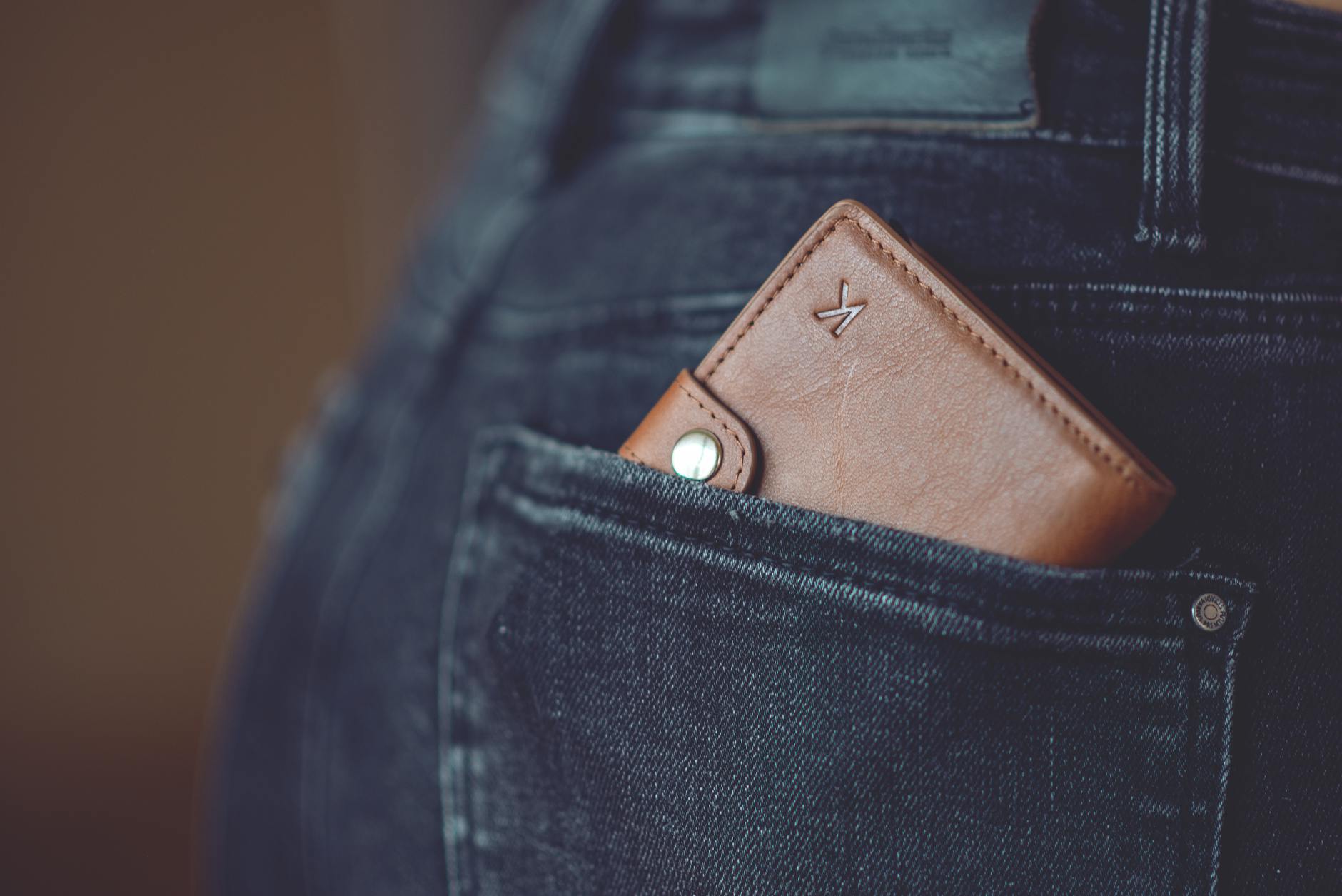
Placing a wallet in a back trouser pocket is among the most universally recognised indicators of an inexperienced traveller in any pickpocket-active environment. The back pocket sits entirely outside the wearer’s field of vision and requires no distraction technique for a skilled operator to access cleanly. Slim wallets create a visible rectangular outline through fabric that allows a pickpocket to confirm the target’s location from a distance before even approaching. The action of removing a wallet from a back pocket in public also broadcasts its location to anyone observing nearby. Front trouser pockets or an interior jacket pocket provide significantly better protection with no additional effort required.
Open Handbags

A handbag carried with an unzipped or open top creates a direct and unobstructed access point that requires no physical manipulation to exploit. Pickpockets operating in crowded spaces such as markets, transport hubs and tourist attractions can reach into an open bag during the natural jostling of a crowd without the carrier feeling anything. Bags worn on the back with open tops are especially vulnerable because the carrier cannot monitor them visually during normal movement. The practice of leaving bags open for convenience is frequently the sole factor that distinguishes a successful theft from a failed attempt. A zipped bag worn across the body with the zip positioned toward the front provides a meaningful deterrent with minimal inconvenience.
Visible Phone Use
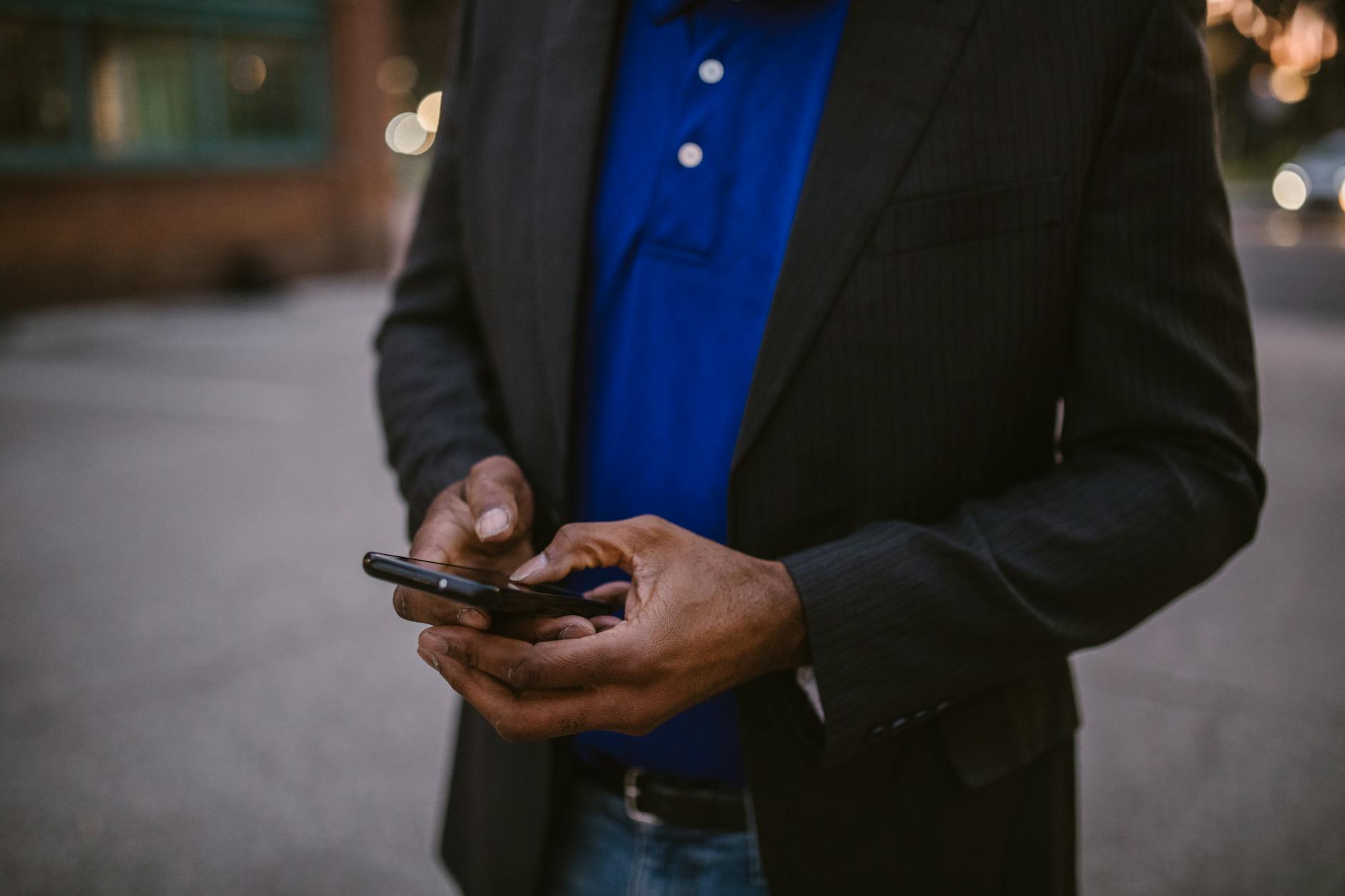
Using a smartphone openly in busy tourist areas communicates several pieces of information simultaneously to anyone watching with professional intent. The device itself represents immediate resale value, while the act of looking at a screen reduces the user’s situational awareness to near zero. Tourists consulting maps on their phones while standing at intersections or transport stops are particularly visible targets because their attention is fully directed downward and away from their surroundings. The brief moment of distraction created by an incoming notification or map transition is frequently all the opportunity an experienced operator requires. Phones should be used in secured doorways or seated positions rather than while standing openly in pedestrian flow.
Tourist Maps in Public
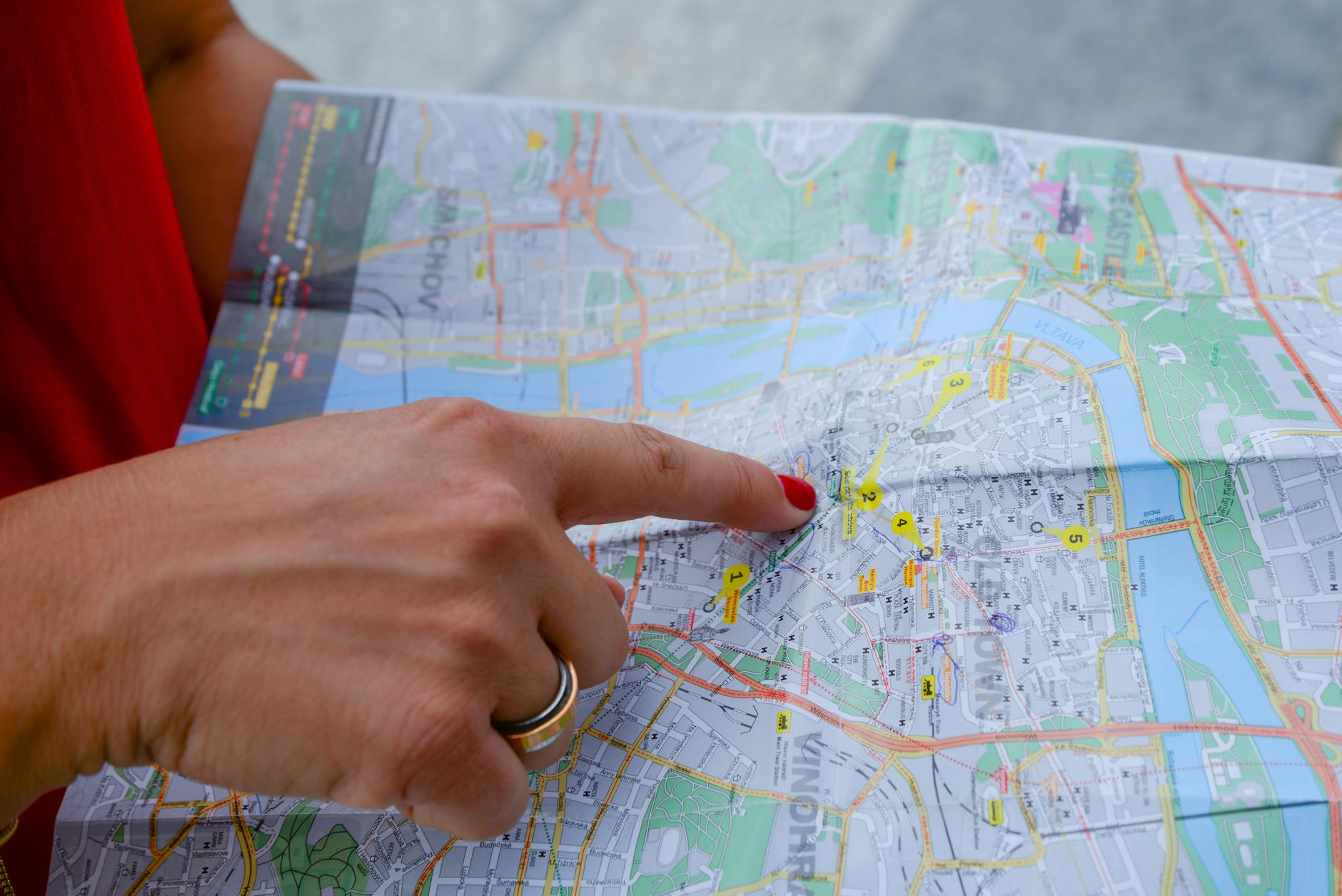
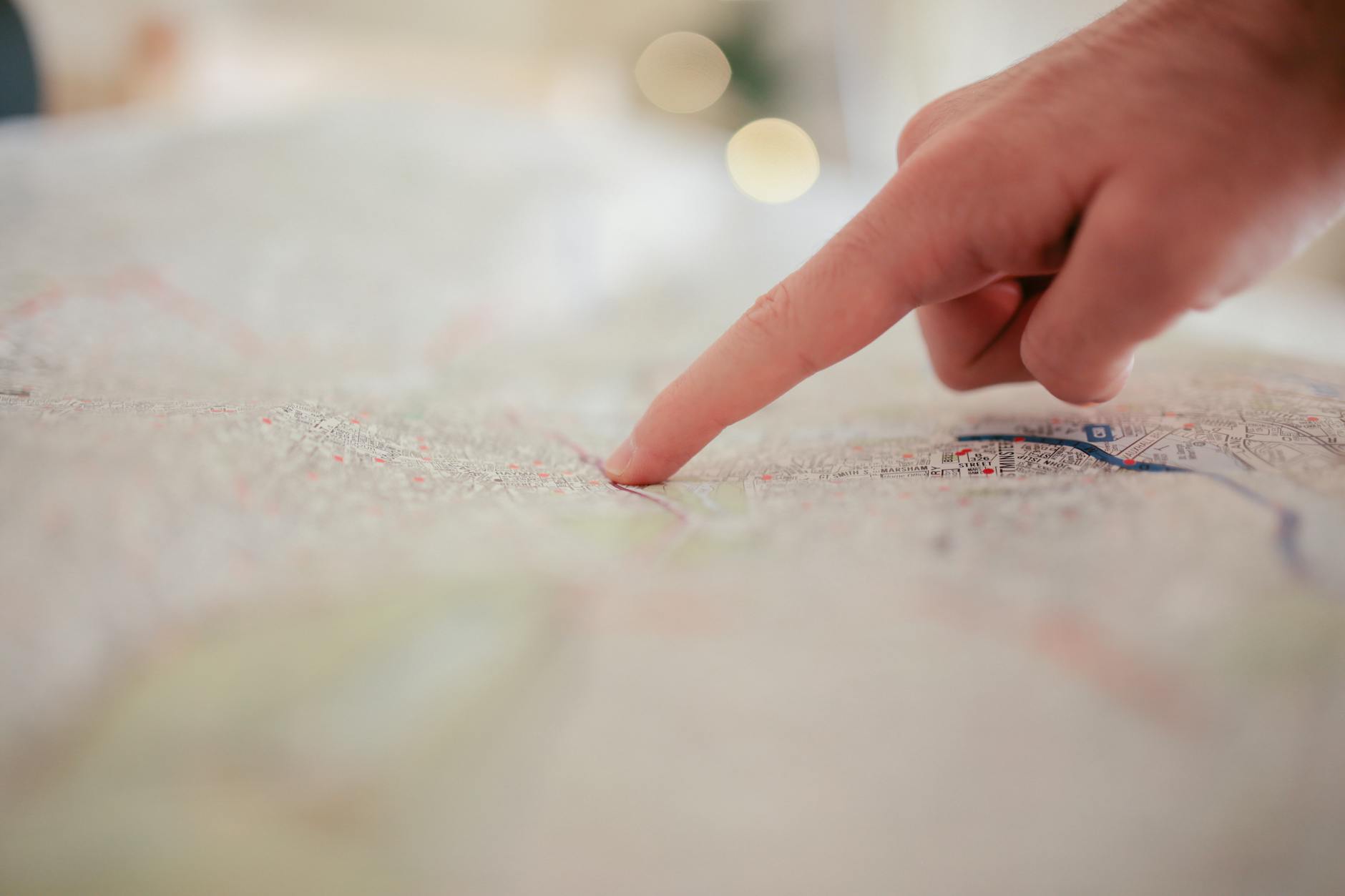
Unfolding a large paper map or holding a guidebook openly in a busy public space is one of the clearest signals that a person is unfamiliar with their surroundings. Disorientation and navigational uncertainty are among the most attractive qualities a pickpocket seeks in a potential target because they indicate reduced awareness and predictable stationary behaviour. The physical act of consulting a map also occupies both hands and directs visual attention away from bags, pockets and the immediate environment. Groups of tourists gathered around a single map create a clustered distraction opportunity that organised teams of pickpockets exploit with particular efficiency. Route planning should be completed before leaving accommodation, with directions reviewed privately rather than consulted openly on the street.
Overstuffed Day Bags
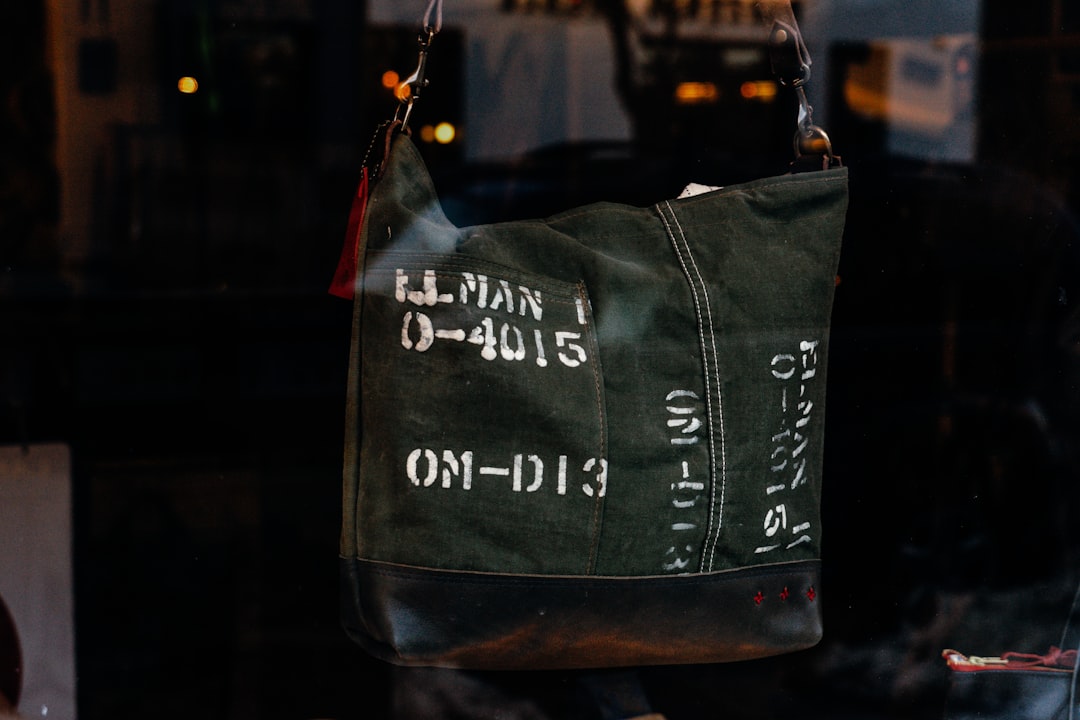
A day bag that is visibly bulging with contents signals to an observer that it contains multiple items of value without the space to be organised and secured. Overfilled bags frequently have zips that do not close completely, creating a gap that an experienced hand can exploit without fully opening the bag. The physical weight and imbalance of an overpacked bag also causes the carrier to adjust and shift it repeatedly, creating moments of repositioning where the bag moves away from the body briefly. Experienced travellers carry only what is necessary for each outing and distribute items across inside pockets and zipped compartments rather than forcing everything into a single main section. A compact and well-organised bag that closes fully is significantly more difficult to access covertly than an overstuffed alternative.
Luxury Accessories
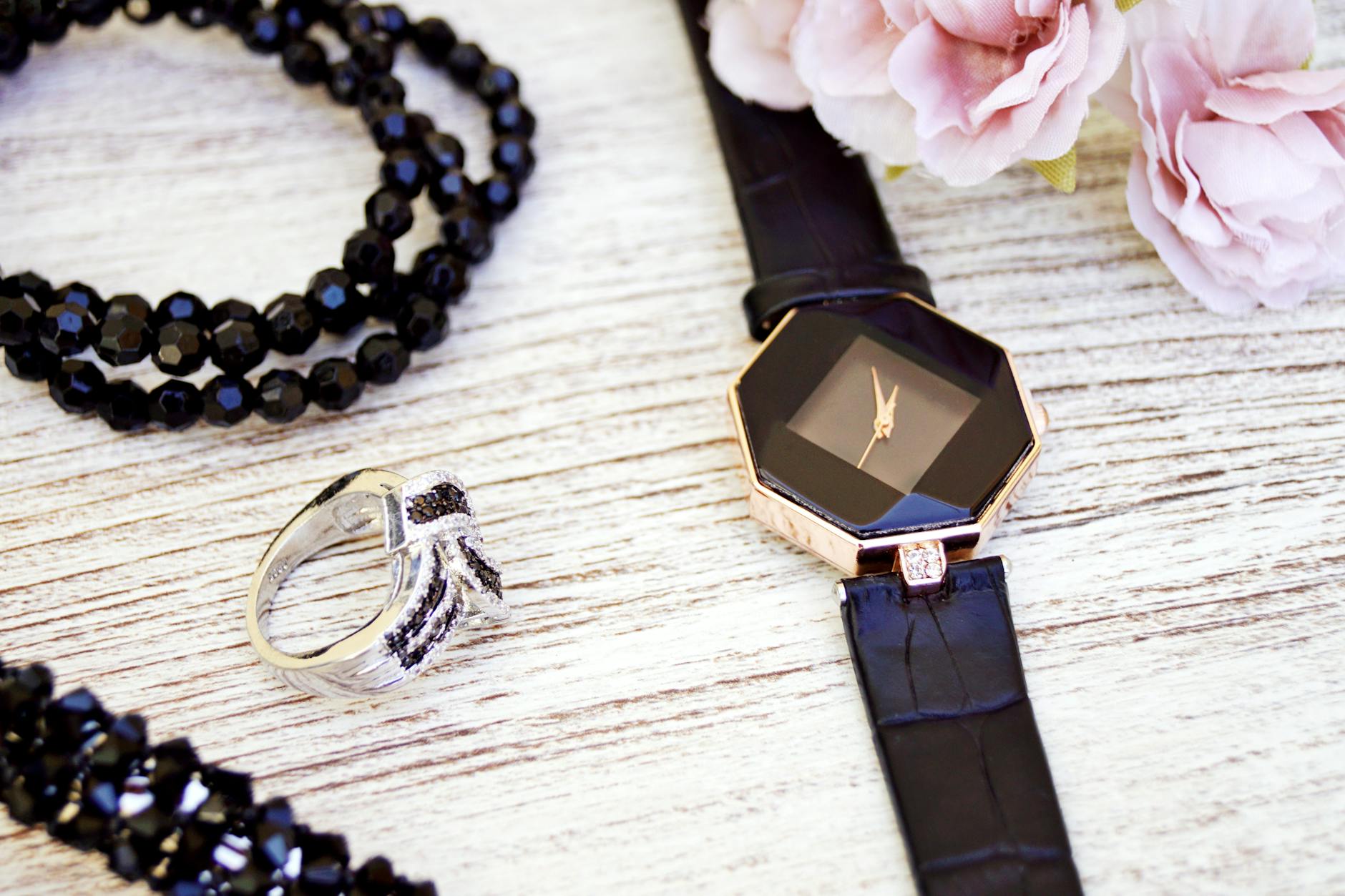
Wearing visibly expensive watches, jewellery and designer accessories in high-tourism areas creates a profile that communicates both financial value and the likelihood of carrying other valuables such as premium cameras and large amounts of cash. Pickpockets and opportunistic thieves use visible wealth cues to prioritise targets when multiple opportunities are available simultaneously. A single luxury watch on an otherwise casually dressed traveller stands out more dramatically in a crowded market or transit environment than in a high-end restaurant, where the surrounding context is consistent. Many experienced travellers leave expensive jewellery at home entirely and wear inexpensive alternatives that carry no resale value if lost or stolen. The aesthetic cost of wearing modest accessories during travel is negligible compared to the financial and emotional cost of losing irreplaceable items.
Distraction Engagement
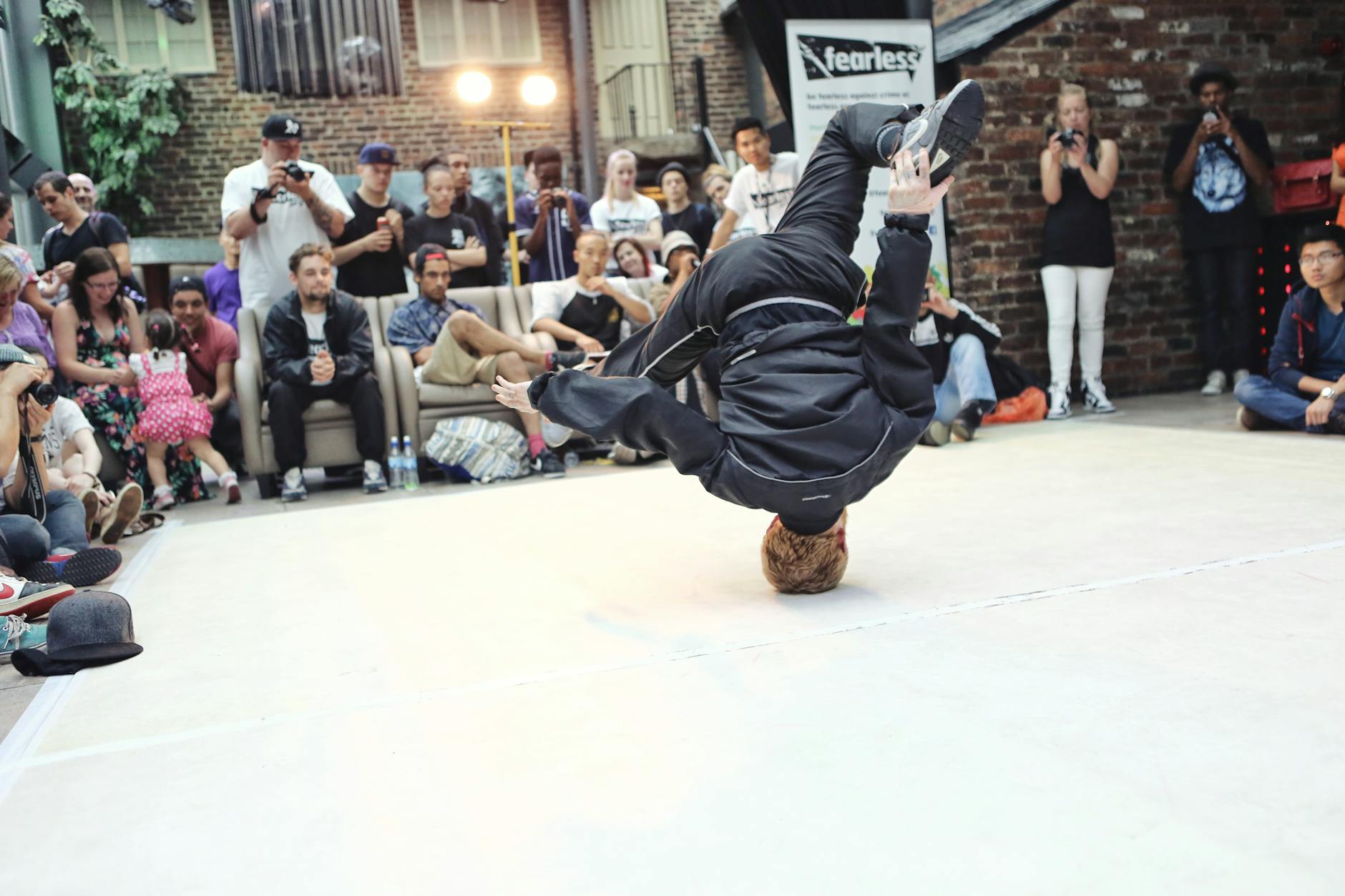
Stopping to engage with street performers, petition carriers, people offering free items or individuals who create unexpected physical contact is one of the most consistently exploited vulnerabilities in tourist behaviour. These interactions are frequently coordinated scenarios in which one person engages the target’s attention and hands while an accomplice accesses pockets or bags from behind or to the side. The social instinct to be polite and responsive to direct human engagement works against the traveller in environments where such interactions are used as professional tools. Even brief and well-intentioned engagement creates a window of reduced awareness that a coordinated team can exploit in seconds. Maintaining forward movement and politely declining engagement in high-traffic tourist areas is a protective behaviour rather than a rude one.
Lanyard ID Display
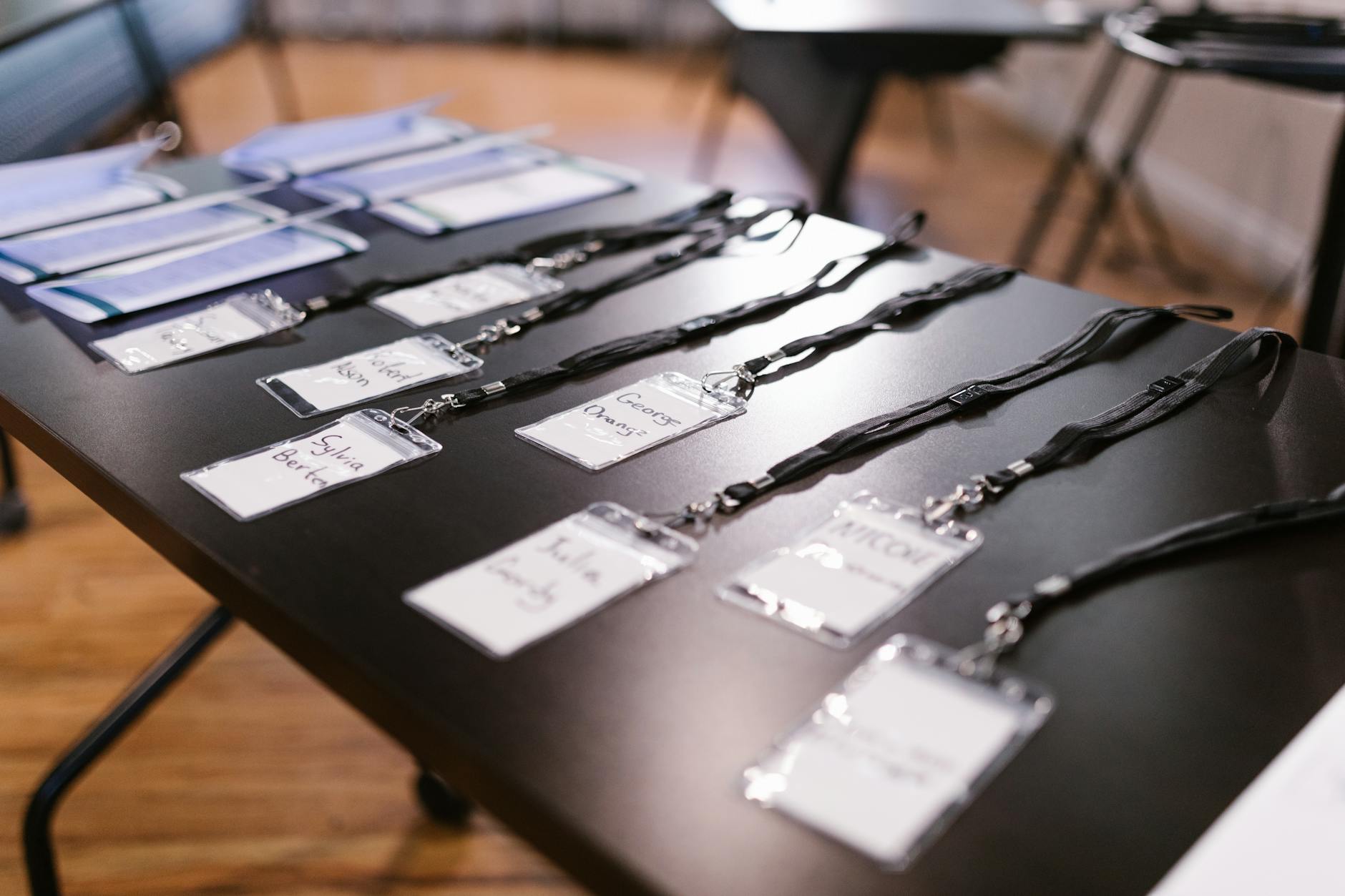
Wearing a hotel keycard, travel pass or identification document on a lanyard around the neck broadcasts accommodation details and routine information to anyone in a position to observe. A lanyard also creates a visible and easily identified target that can be grabbed and removed in a single motion in a crowd. Hotel name and room number information displayed on a keycard holder tells a would-be thief exactly where the traveller is staying and when the room is likely to be unoccupied. Many travellers adopt lanyards out of convenience without considering the combination of physical and informational vulnerability they create. Cards and passes should be stored inside a pocket or a zipped pouch within a bag rather than displayed externally.
Airport Announcement Distraction
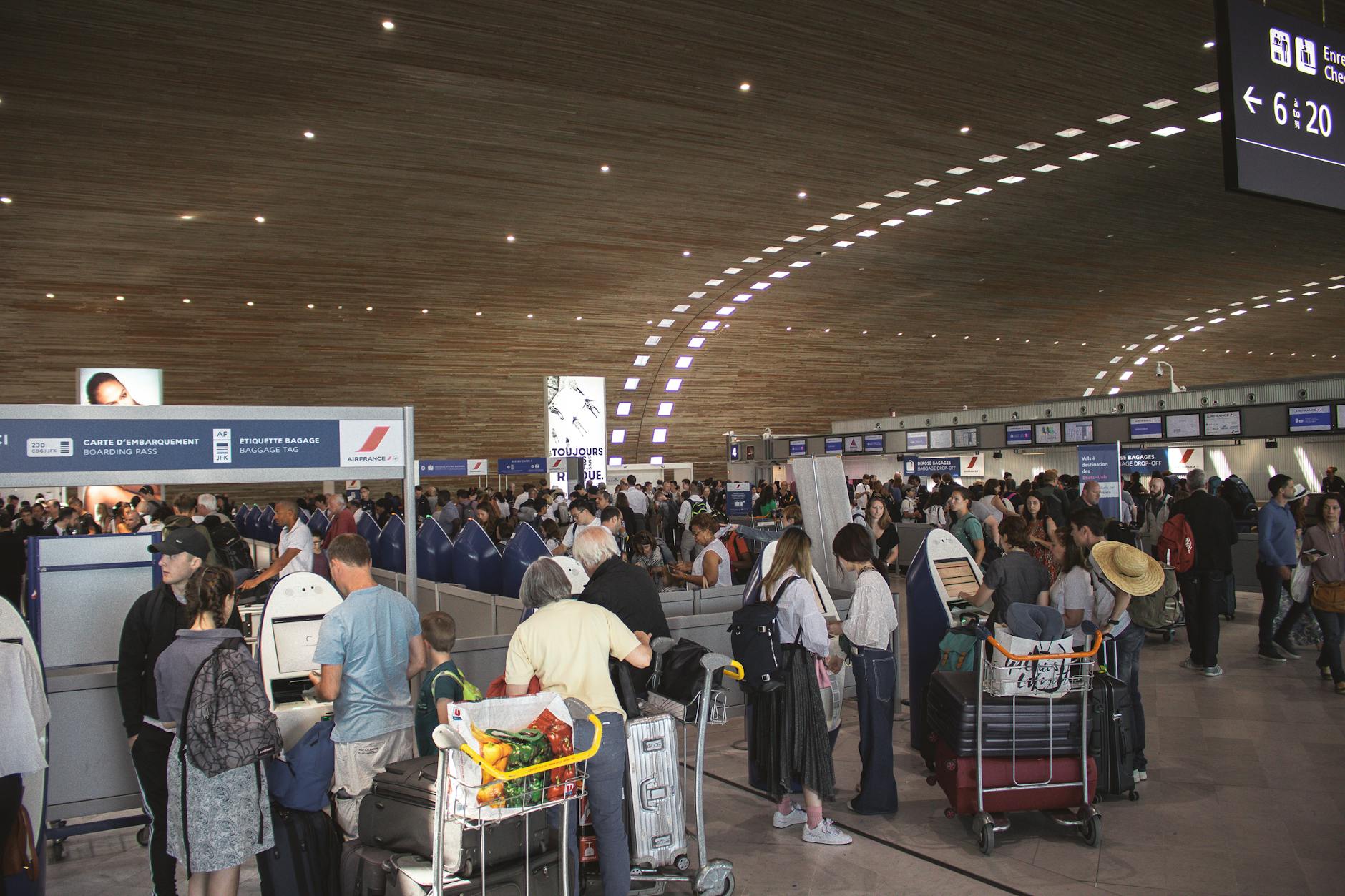
The arrival and departure halls of international airports are among the most productive environments for professional pickpockets precisely because travellers are cognitively overloaded with schedules, announcements and navigational tasks. The moment a traveller looks up at a departure board or turns toward a public address announcement is a predictable and repeatable distraction window. Luggage placed on the floor beside a standing traveller during these moments of upward attention is particularly vulnerable to being moved or rifled. Security queues represent another high-risk moment because travellers are focused on the process of removing belts, shoes and electronics rather than on their surrounding environment. Keeping bags on the body and maintaining physical contact with all possessions during these cognitively demanding moments reduces exposure significantly.
Counting Cash Publicly
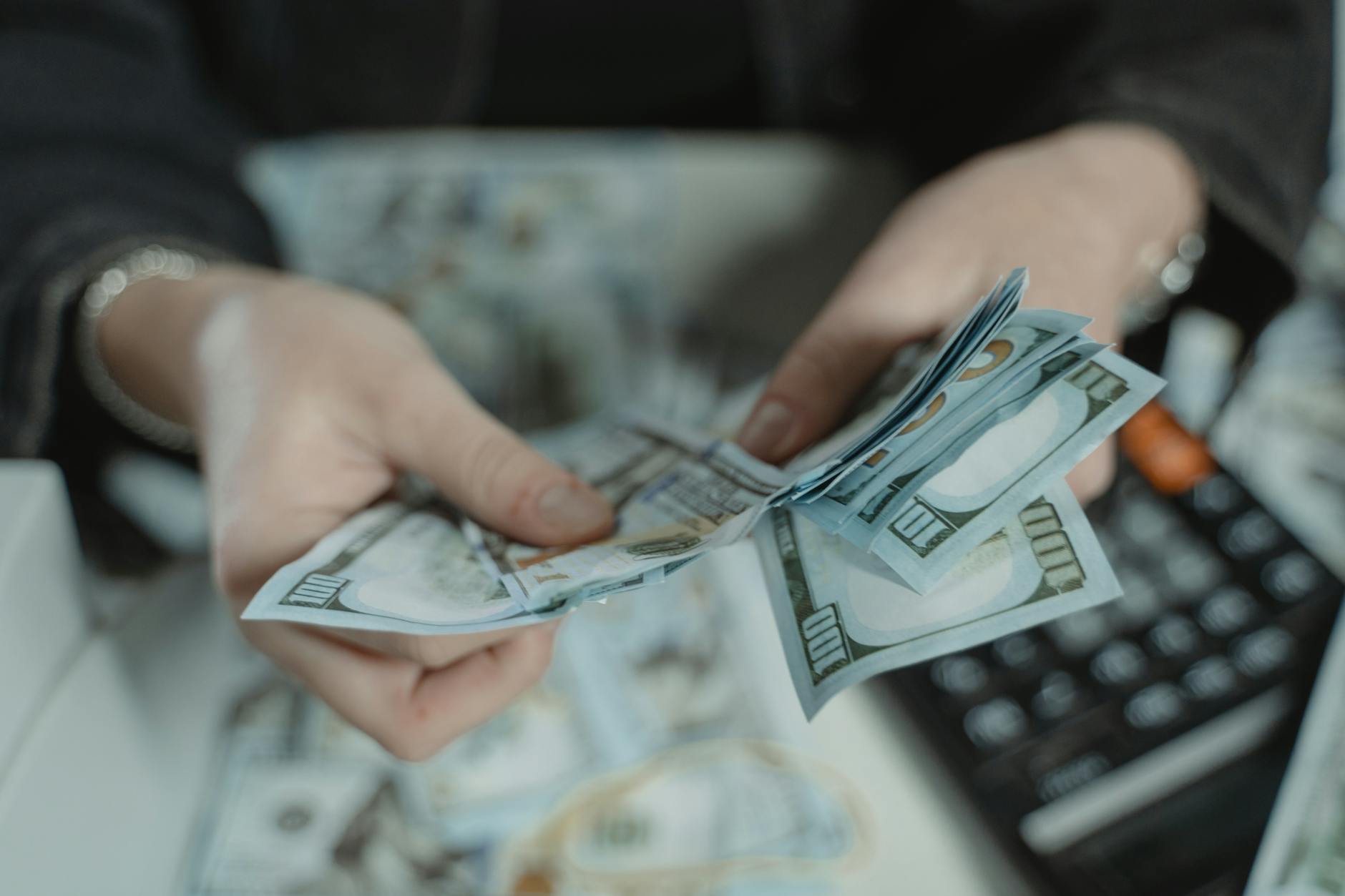
Removing a wallet and counting out banknotes in a public space communicates the volume of cash being carried to every observer within visual range. The act of sorting through multiple currency denominations is particularly problematic in destinations where visitors are unfamiliar with local notes and must examine them closely before transacting. This extended period of visual focus on the wallet and its contents creates both a confirmed value signal and a sustained distraction that pickpockets exploit systematically. Experienced travellers pre-sort currency into a separate small pouch containing only what is needed for immediate transactions, leaving the remainder secured in a bag or money belt. Payment should be prepared before reaching the front of a queue rather than assembled publicly in the moment of transaction.
Sleeping on Public Transport
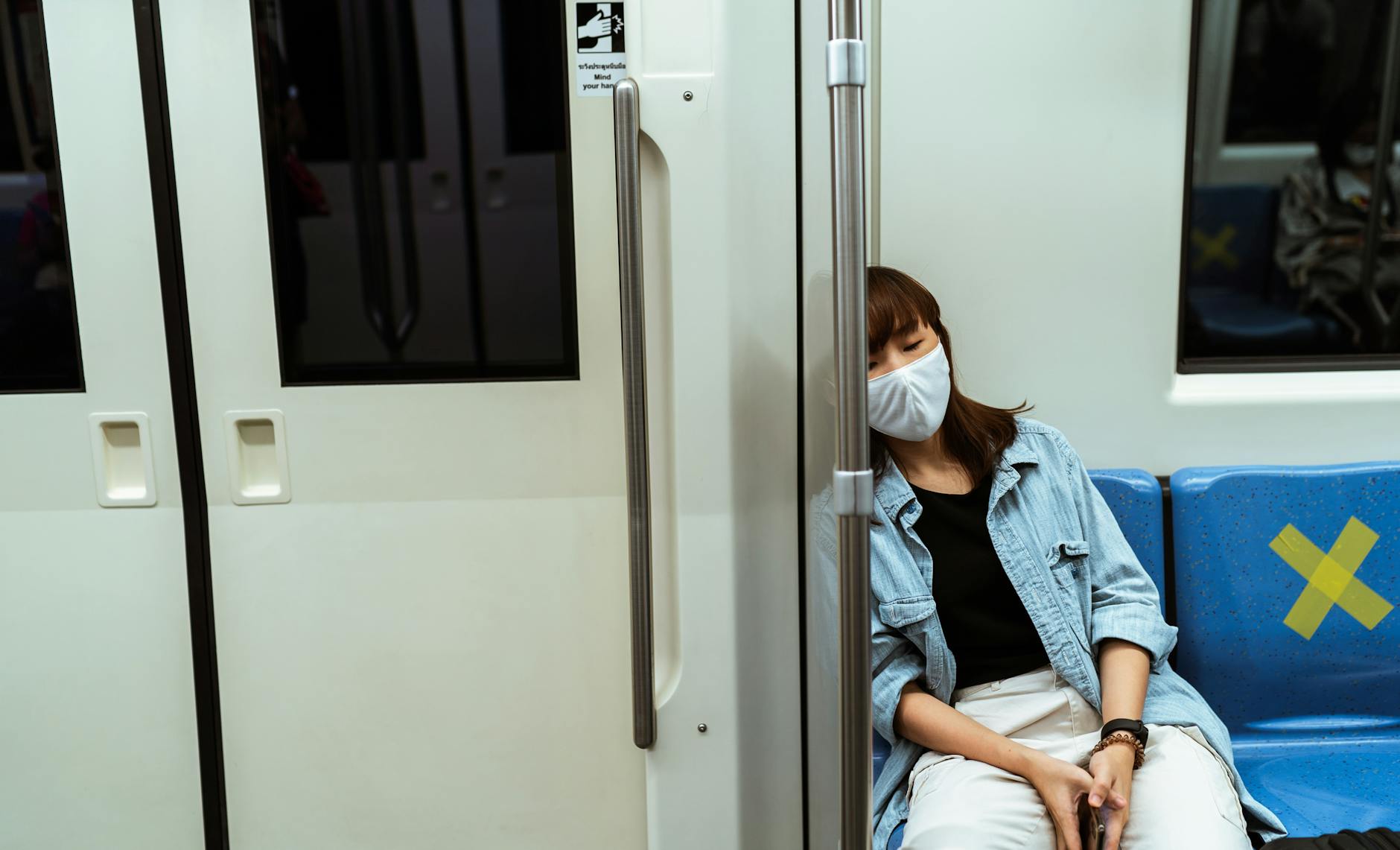
Falling asleep on a bus, train or metro without securing possessions is one of the highest-risk behaviours a traveller can engage in while in transit. Unconscious passengers cannot respond to physical contact, register the sensation of items being removed from pockets or react to the behaviour of those seated nearby. Bags placed in overhead racks or on adjacent seats during sleep are accessible to anyone passing through the carriage without any need for concealment. Night trains and long-distance buses on popular tourist routes are specifically known as productive environments for organised theft teams who board for this purpose. Valuables should be secured inside clothing or in a bag worn across the body with the main zip positioned toward the front before any period of sleep during transit.
Camera Straps Around Wrist
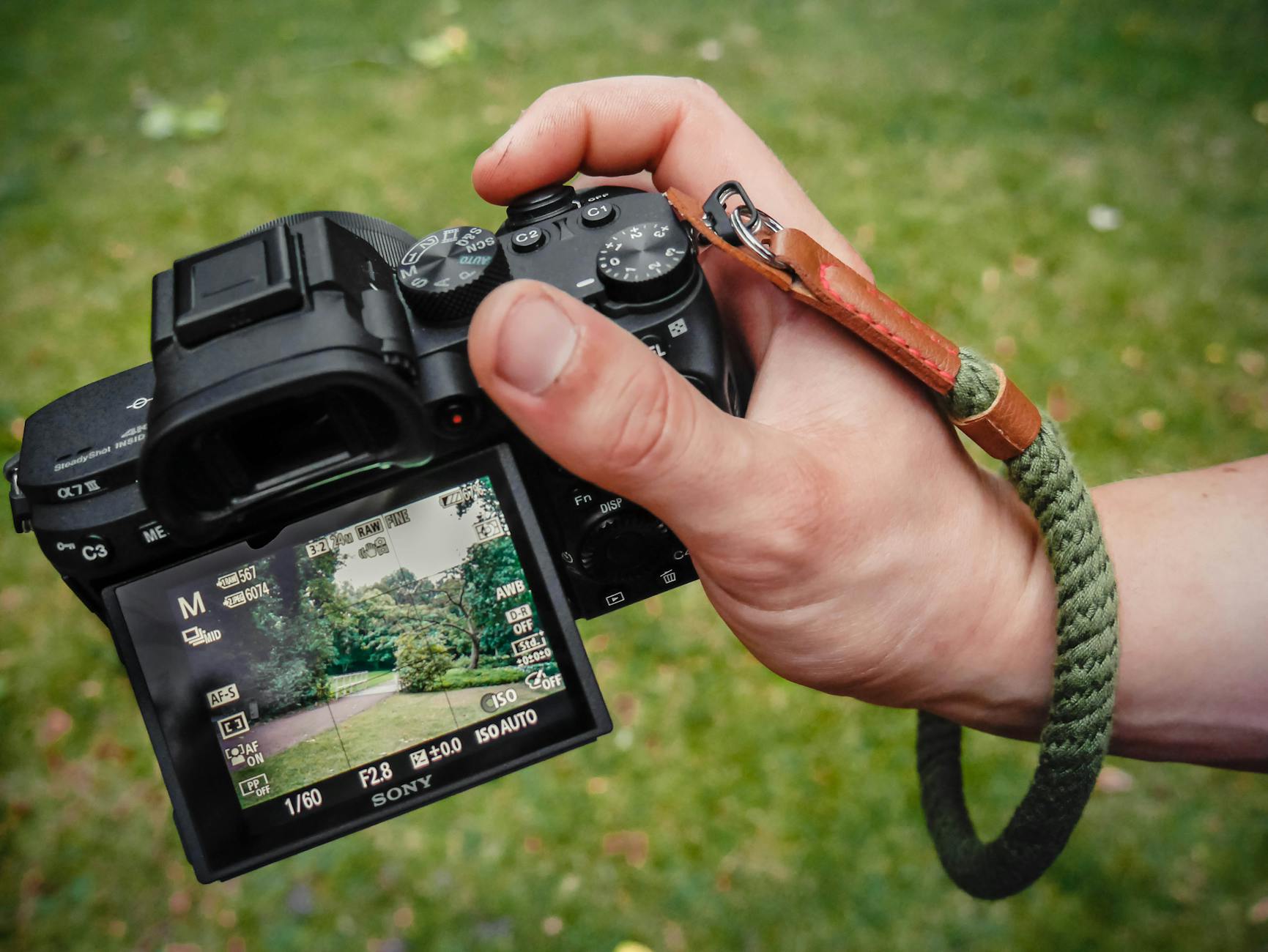
Carrying a camera on a wrist strap rather than a neck strap or cross-body strap creates a dangling accessible device that can be grabbed and removed before the carrier can physically react. A wrist strap also requires one hand to remain occupied with the camera at all times, which limits the traveller’s ability to secure bags and other possessions simultaneously. Cameras represent high immediate resale value and are among the most commonly targeted items in tourist environments globally. The social behaviour of raising a camera to photograph a subject creates a predictable moment of single-point focus that coordinated thieves exploit by approaching from the non-camera side. A quality neck strap or cross-body harness keeps the camera secured to the body and frees both hands for other protective tasks.
Putting Bag Down to Rest
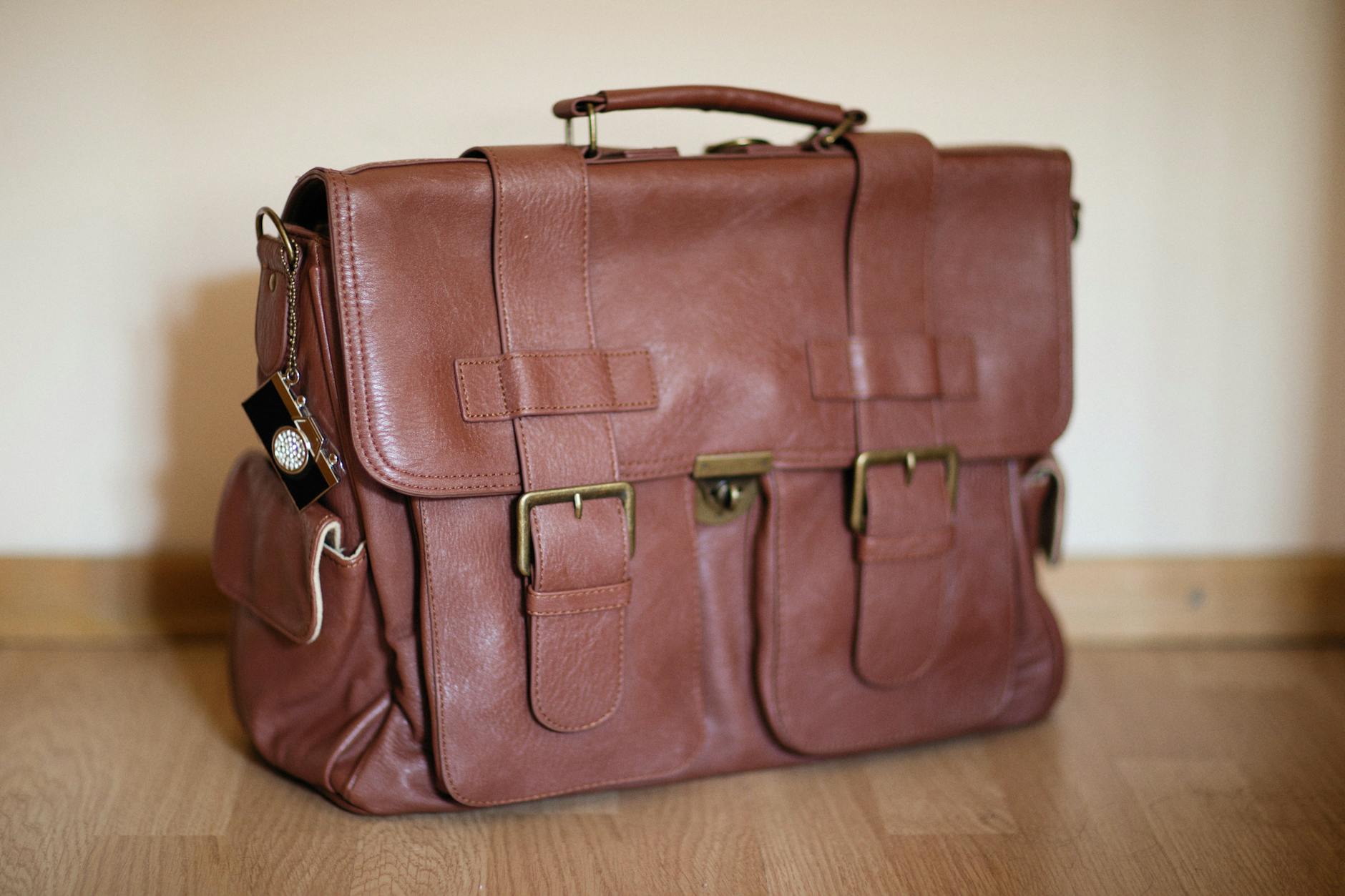
Setting a bag on the ground beside a chair at a café, restaurant or public bench while eating or resting removes it from active physical control in a way that creates a straightforward theft opportunity. A bag on the floor is accessible from multiple angles and can be removed gradually and silently while the owner is engaged in conversation, eating or using a phone. Café tables in tourist areas are so frequently targeted that some professional guides describe specific establishments as known working environments for organised theft teams. The bag should remain on the lap or be looped around a chair leg with the strap around the ankle at minimum. Purpose-built anti-theft bags with lockable zips and cut-resistant straps provide additional protection in environments where bag snatching is common alongside pickpocketing.
Oversharing Location Details
Announcing accommodation details, travel plans and daily itineraries loudly in public spaces provides operationally useful information to anyone listening in a targeted environment. Conversations at hotel reception desks, tour booking counters and restaurant tables that reveal departure times, room numbers and unattended luggage arrangements are overheard in environments where theft is professionally organised. Social media posts that share real-time location information while travelling serve a similar function by broadcasting whereabouts and activities to an audience of unknown composition. The intersection of predictable routine and known location is precisely the informational profile that organised theft operations use to plan targeted approaches. Travel details should be shared privately and selectively rather than announced in environments where professional listeners may be present.
Carrying Everything at Once
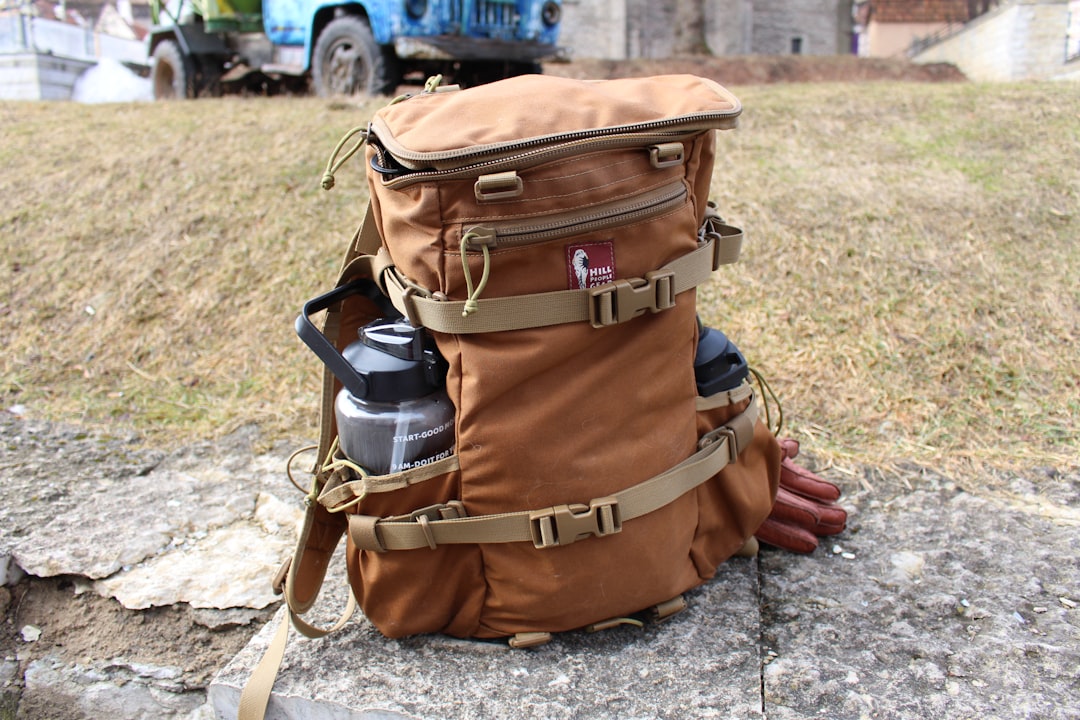
Travelling with all financial instruments, identification documents, travel passes and electronics consolidated in a single bag or wallet creates a single point of catastrophic failure if theft occurs. A successful pickpocket who accesses this single point gains the ability to strand the traveller without cash, identification or the means to access further funds simultaneously. Experienced travellers distribute valuables across physically separate locations on their person and in their luggage, ensuring that the loss of any single item does not produce total incapacitation. A money belt or neck pouch worn under clothing can hold a second payment card and a copy of important documents as a recovery resource. The inconvenience of distributed storage is minor compared to the security benefit of ensuring that no single theft event can remove everything at once.
Rushing Through Crowds
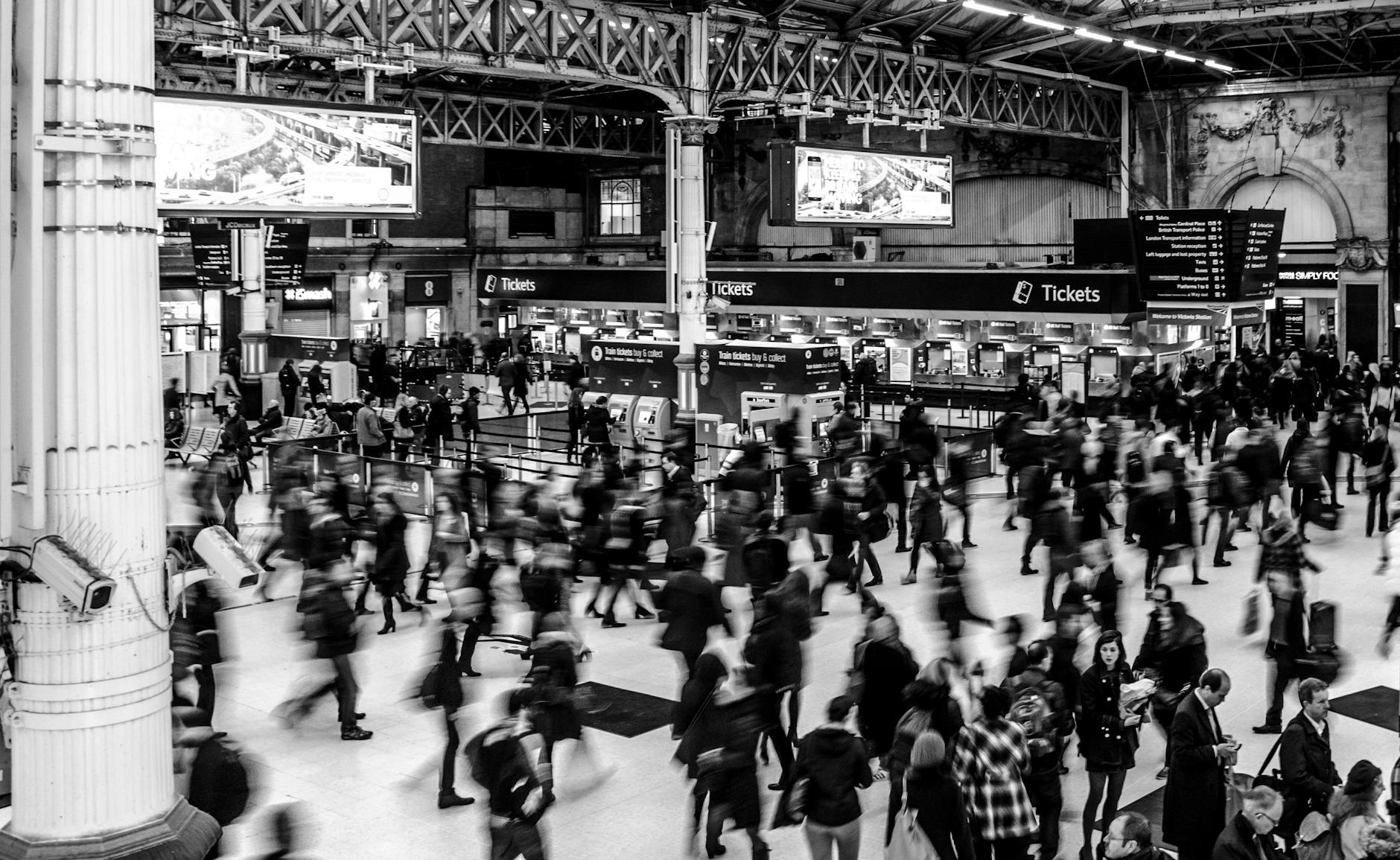
Moving through dense crowds in a hurried and distracted manner reduces the traveller’s ability to notice physical contact, unusual proximity and the behaviour of individuals who reposition themselves in response to movement. Pickpockets actively seek travellers who are rushing because the associated physical jostling provides natural cover for contact and the target’s focus is entirely directed toward navigation rather than awareness. Tourist pinch points such as narrow market lanes, metro barriers and popular landmark entrances are specifically chosen as working environments because rushing behaviour is concentrated and predictable there. Slowing down in high-density environments and moving with deliberate awareness rather than urgency is a concrete behavioural adjustment that reduces target attractiveness significantly. If time pressure exists, securing all valuables before entering a crowd is a minimum protective step.
Keeping One Bag for Everything
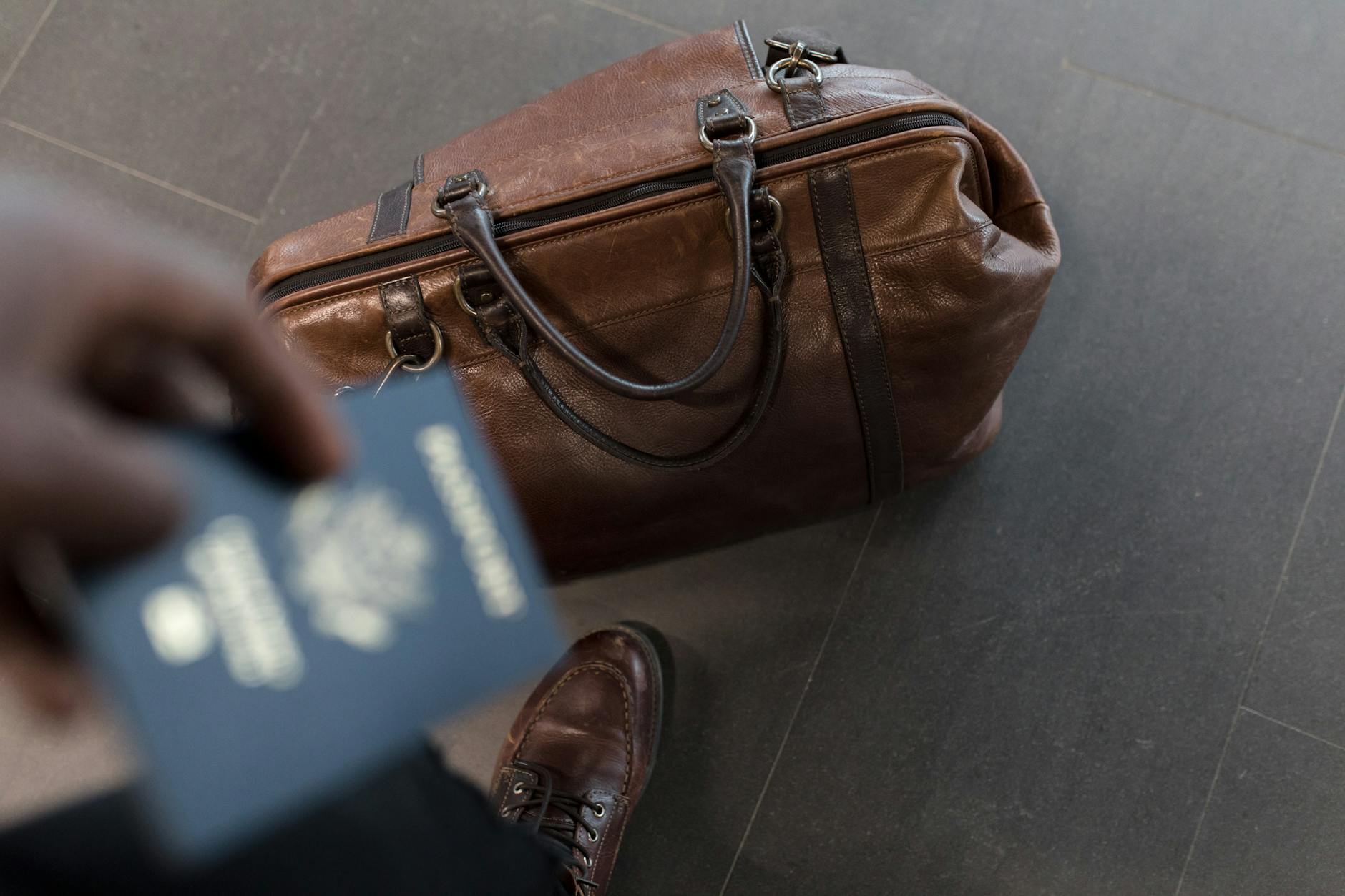
Consolidating every item of value into a single bag creates an observable target that communicates maximum reward for a single successful theft. A bag that visibly contains a camera, phone, water bottle, guidebook and bulging wallet tells a practised observer exactly what is available before any approach is made. The weight and movement pattern of a heavily loaded single bag also affects the carrier’s posture and gait in ways that experienced street operators read as signals of carrying behaviour. Distributing items across multiple smaller pouches and pockets reduces the visual and physical profile of any single bag. The goal of effective distribution is to ensure that no single observation point reveals the full extent of what is being carried.
Tourist Branded Merchandise
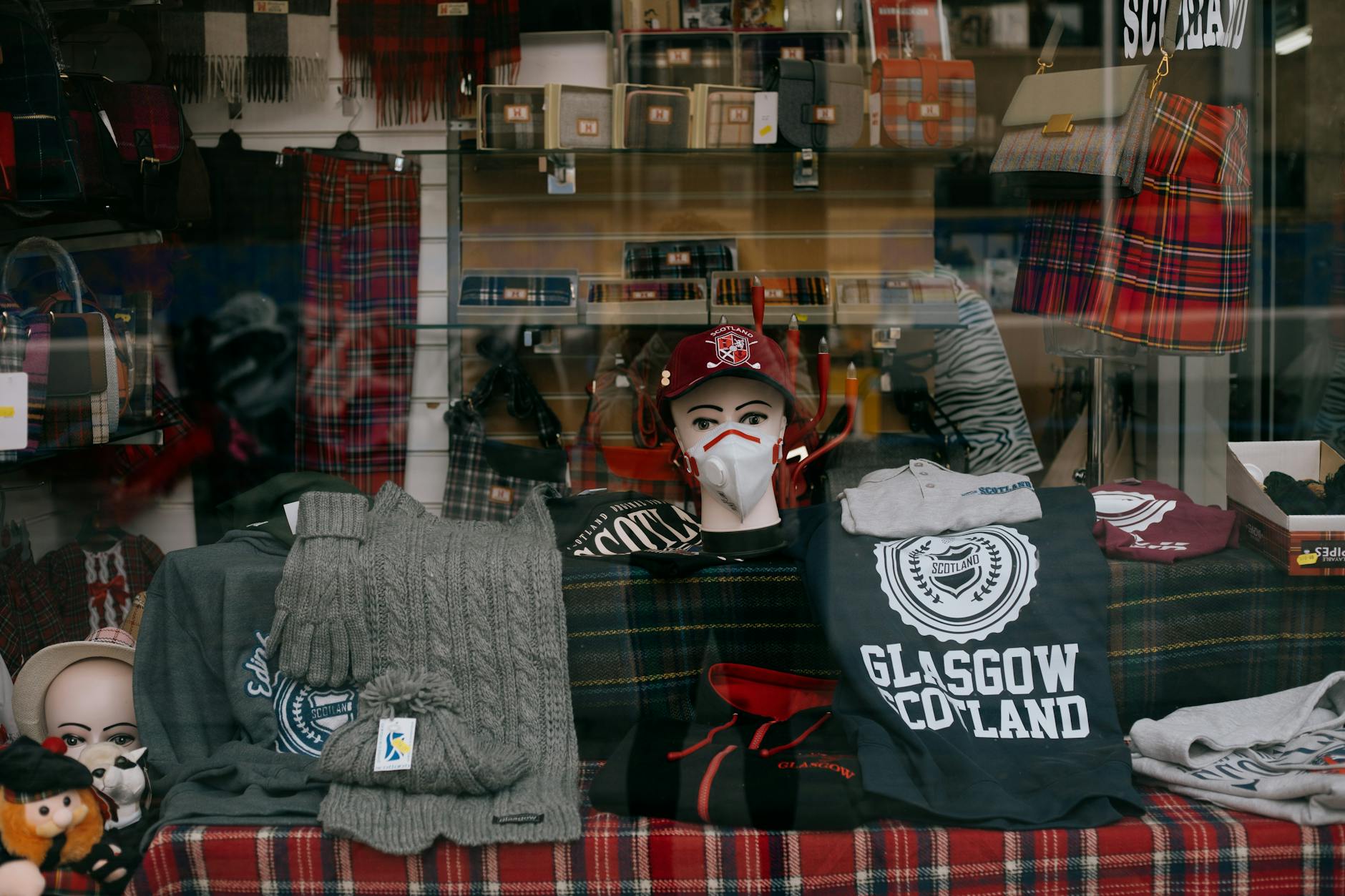
Wearing clothing or accessories that prominently feature tourist destination branding, tour company logos or souvenir shop merchandise immediately identifies the wearer as a visitor unfamiliar with the local environment. This identification is operationally useful to pickpockets because visitors carry foreign currency, are unlikely to know local emergency procedures and are typically departing within a short timeframe that reduces the practical risk of consequences for the thief. A visitor who blends visually with the local environment through neutral clothing and confident movement presents a less immediately identifiable opportunity than one whose tourist status is announced by their wardrobe. Saving destination-branded purchases for wearing at home rather than continuing to wear them while still in the destination is a simple adjustment with meaningful protective value.
Ignoring Hotel Safe Facilities
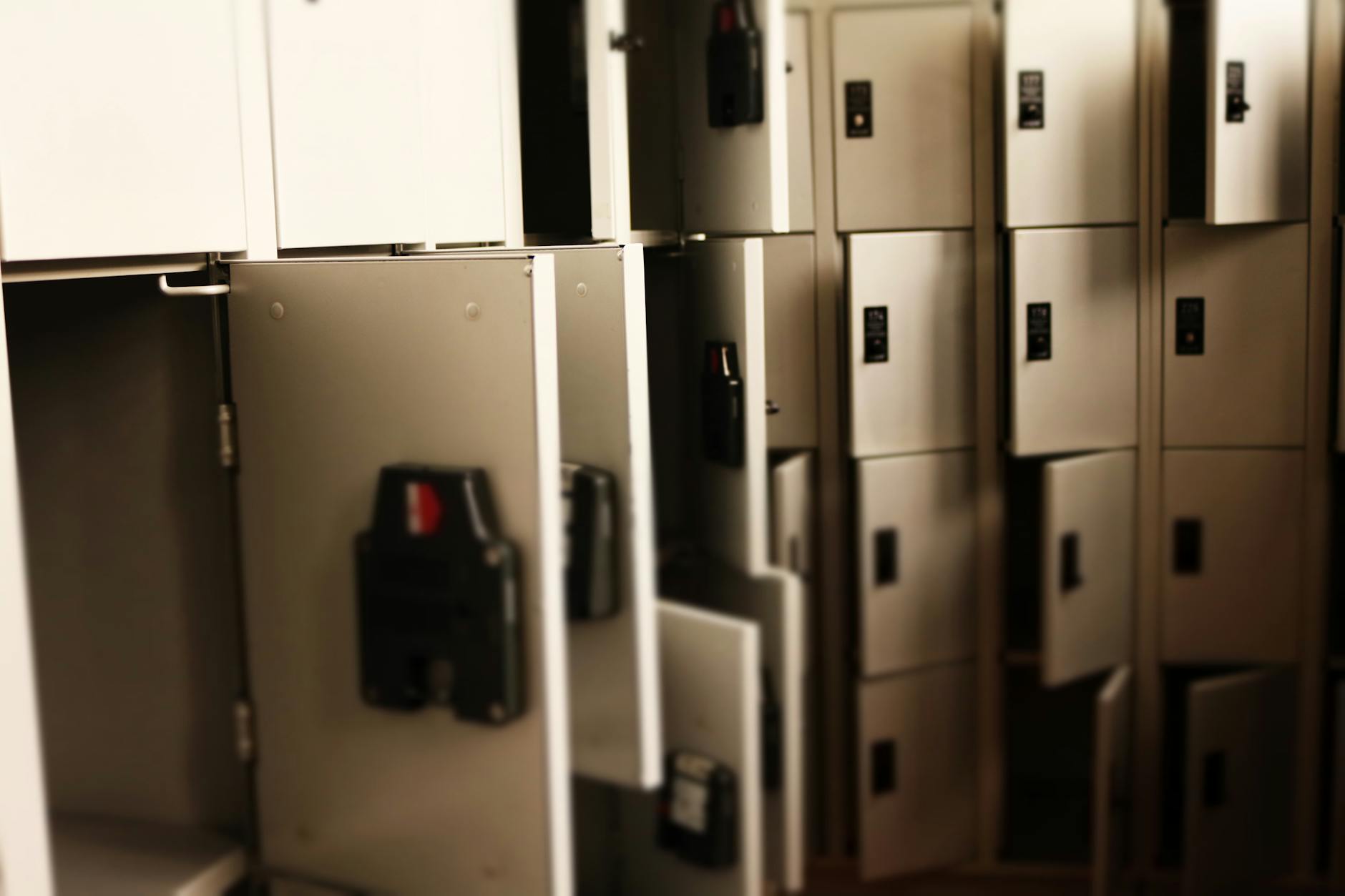
Leaving passports, additional credit cards, excess cash and irreplaceable documents in an unsecured hotel room rather than the provided safe represents an unnecessary elevation of risk that most travellers do not consciously consider. Hotel room theft by opportunistic staff or from forced entry is a documented risk in high-tourism environments across all accommodation categories. A hotel safe with a personal PIN code removes the most critical documents from the risk environment of daily travel, where they serve no functional purpose and create maximum exposure. Many travellers carry their passport everywhere out of habit when a certified colour photocopy is sufficient for the majority of day-to-day identification requests in most countries. Using available secure storage at accommodation as the baseline daily habit rather than the occasional exception significantly reduces the total value at risk during any individual outing.
Predictable Daily Routine

Leaving and returning to accommodation at identical times each day, visiting the same cafés and taking the same routes creates a predictable pattern that organised surveillance can map and exploit. Professional theft operations in high-tourism cities sometimes conduct preliminary observation over multiple days before approaching a target, particularly when the perceived reward is high. Varying departure times, changing walking routes and alternating the locations used for cash handling and map consultation disrupts any surveillance pattern that might be developing. Unpredictability is an underrated protective quality in high-risk environments because it prevents the accumulation of detailed behavioural knowledge about the traveller. Simple and costless variations in routine create a disproportionate increase in difficulty for any organised operation attempting to profile a specific target.
Drinking Heavily in Public
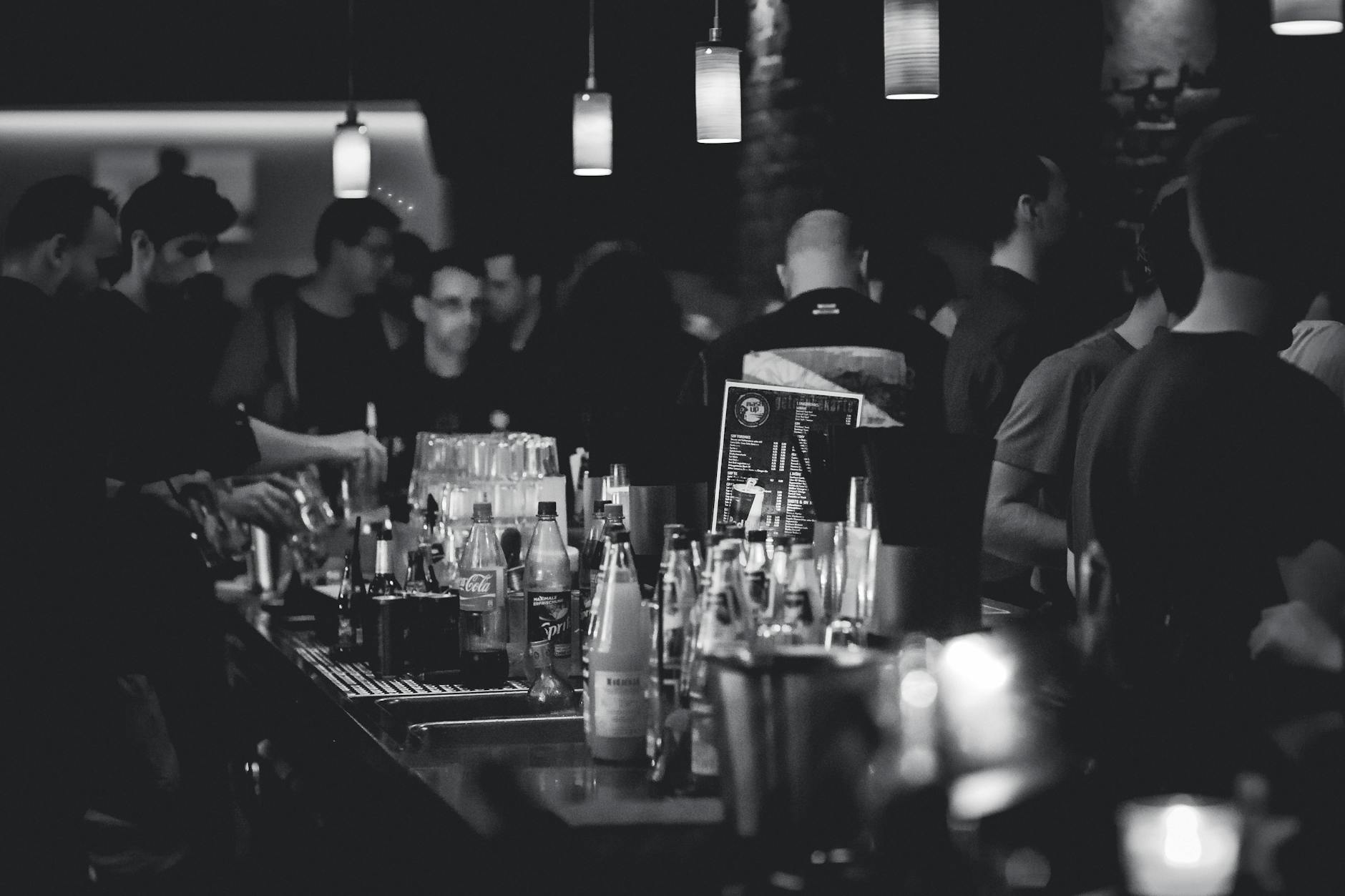
Visible intoxication in a tourist environment significantly increases vulnerability to theft because it impairs physical coordination, situational awareness and the ability to respond to unusual proximity or contact. A heavily intoxicated person who is visibly struggling with balance and orientation represents an extremely low-risk target from a pickpocket’s operational perspective. Organised theft teams operate around bar and nightlife districts specifically to intercept travellers in this condition as they navigate back to their accommodation. Intoxication also impairs the ability to accurately recall events afterward, reducing the quality of information available to local authorities investigating a complaint. Maintaining awareness of personal alcohol consumption in unfamiliar urban environments is a fundamental protective behaviour regardless of how safe a neighbourhood may appear.
Flash Photography at Night
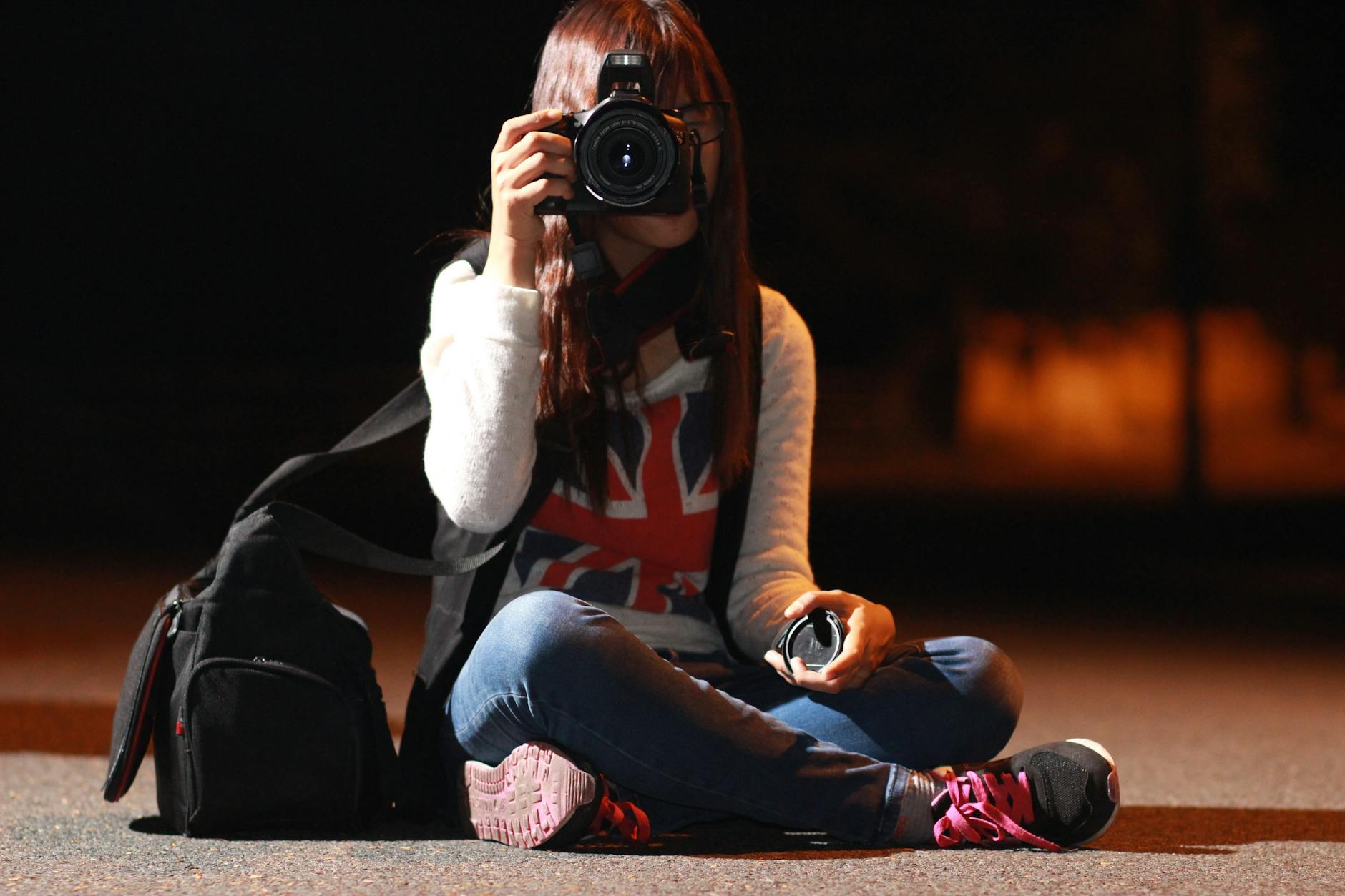
Using camera flash photography extensively in busy evening environments at popular landmarks draws immediate attention to the presence of a valuable camera and the distraction of the photographer. The repeated action of raising and lowering the camera creates predictable moments of single-point focus that experienced operators read and time their approach around. Evening tourism environments where flash photography is common also tend to be crowded, dimly lit and socially permissive of physical proximity, all of which work in the pickpocket’s favour. The flash itself briefly impairs the photographer’s night vision after each shot, creating additional small windows of reduced awareness. Minimising conspicuous photography equipment use in dense evening tourist environments and using a phone with the screen dimmed reduces the visual profile significantly.
Guidebook Reading While Walking
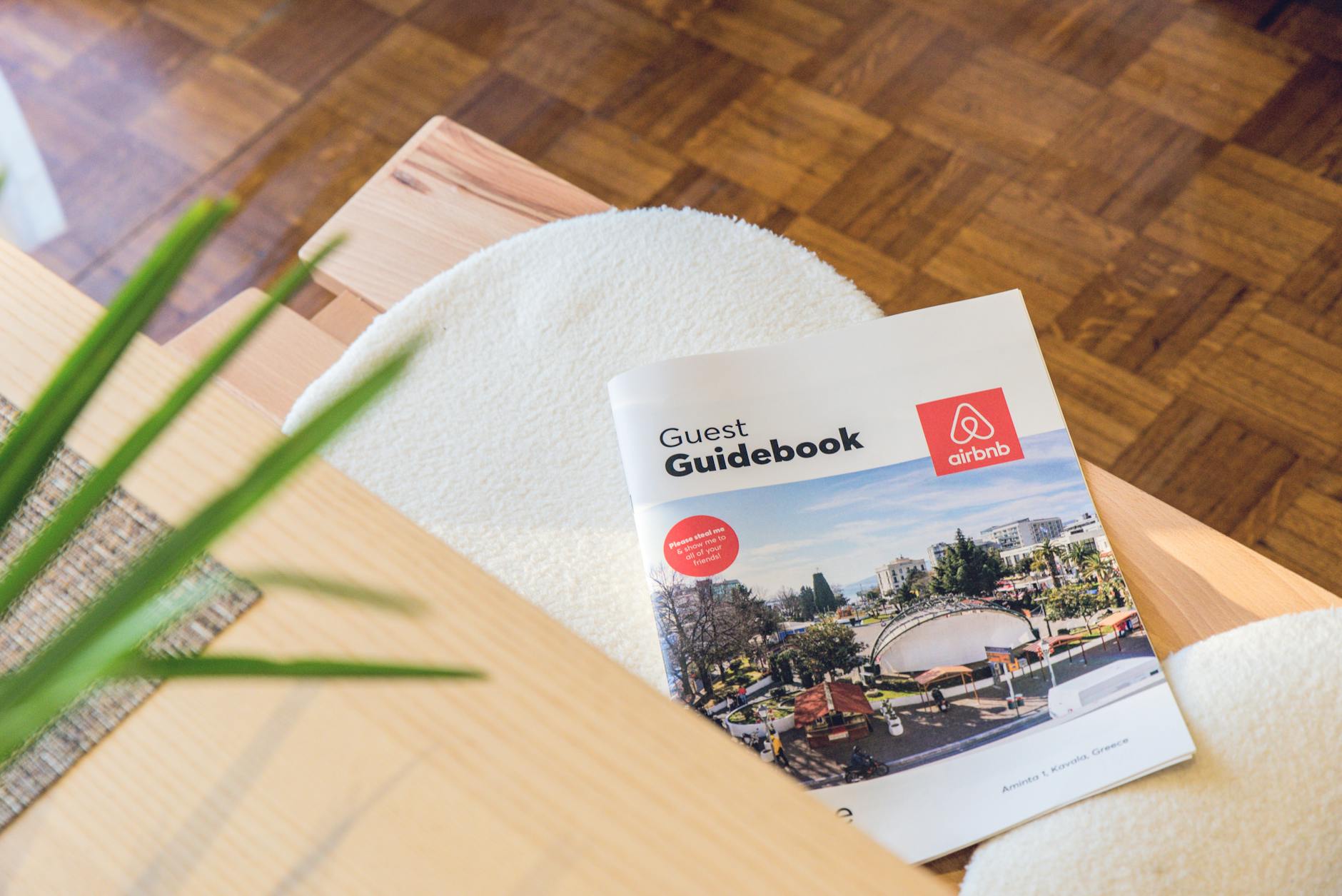
Reading a guidebook or printed itinerary while walking through a busy area simultaneously occupies both hands, directs visual attention downward and removes all peripheral awareness from the environment. This combination of physical and cognitive engagement is among the most complete forms of self-generated distraction available in a pedestrian environment. The pausing and slow movement associated with reading while walking also makes the traveller easy to follow and position around without triggering any natural awareness response. Groups that huddle around a single guidebook in a public space create a stationary cluster that is visually obvious and physically easy to approach from multiple directions simultaneously. All guidebook consultation should occur in a secured seated position before the walking portion of any outing begins.
Queue Complacency
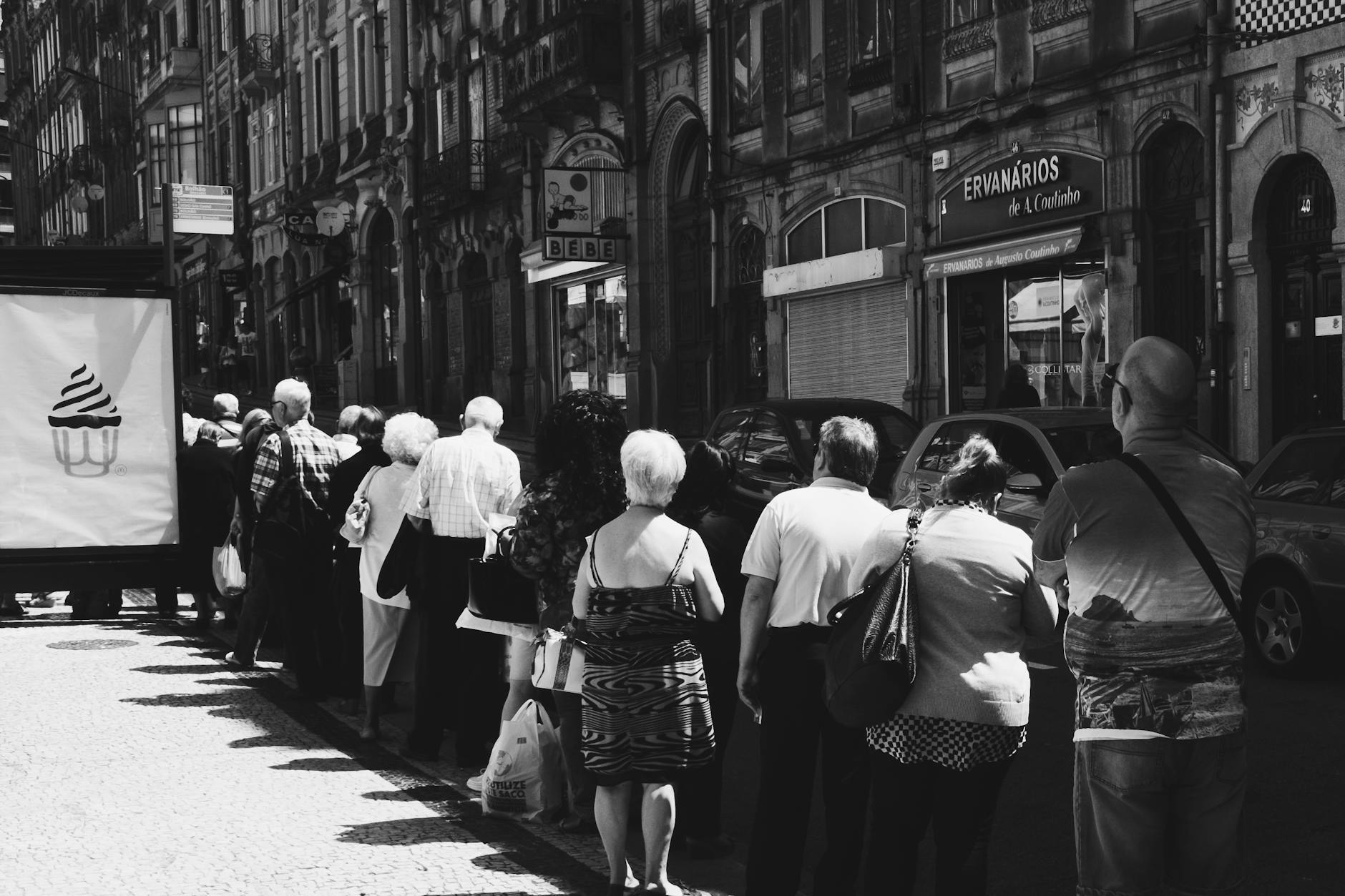
Waiting in long queues at popular attractions, ticket offices and transport terminals creates extended periods of stationary crowding where physical proximity with strangers is normalised and sustained. The social acceptance of body contact in a queue removes the instinctive alert response that close physical proximity would normally trigger in the traveller. Professional operators specifically work entrance queues at museums, landmark attractions and border crossings because the combination of boredom, heat and extended waiting reduces vigilance to a measurable low. The shuffle-forward movement of a slow queue also creates repeated small moments of weight shifting and bag repositioning that provide natural cover for light-fingered access. Keeping bags in front of the body and maintaining awareness of who is immediately adjacent during queue waits is a specific and practical protective habit.
Excessive Cash Carrying

Carrying significantly more cash than is needed for the day’s anticipated spending increases the financial consequence of a successful theft without providing any practical benefit during normal activity. Many travellers withdraw large amounts of local currency early in a trip to avoid repeated visits to ATMs, but this consolidates maximum financial loss potential into the single most theft-vulnerable part of the journey. The physical bulk of large cash quantities in a single wallet also creates a more visible and tactilely obvious target than a slim card-only wallet. ATM machines located inside bank branches or hotels provide significantly safer withdrawal environments than street-facing machines in high-tourism areas. Withdrawing smaller amounts more frequently and carrying only daily spending cash in an accessible wallet is a distribution strategy that limits the damage of any single theft event.
No-Plan Emergency Response
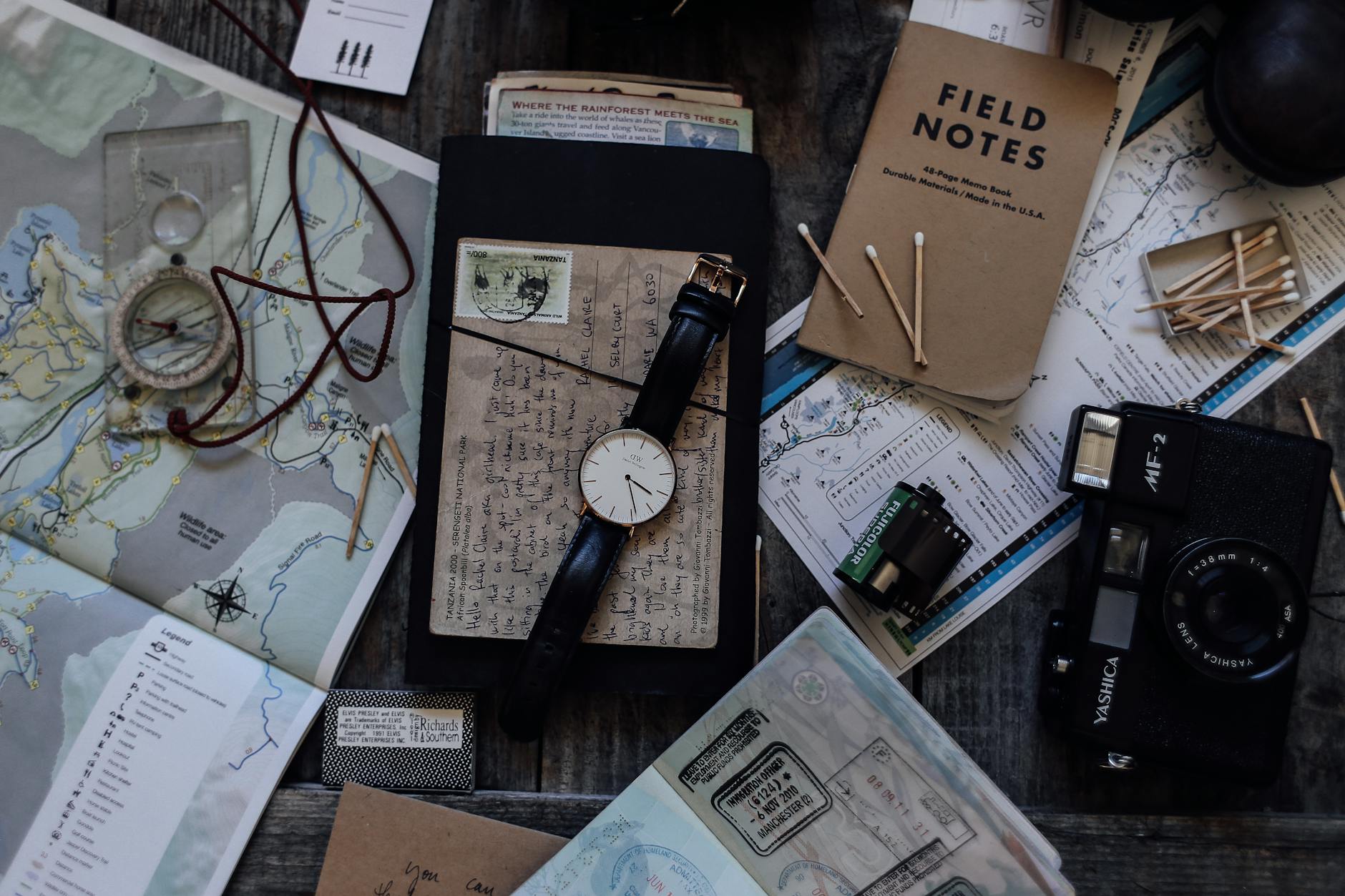
Travelling without knowing how to immediately cancel payment cards, contact the local emergency number or reach the nearest embassy or consulate creates a vulnerability that extends beyond the initial theft event. The hours immediately following a theft are the most critical window for limiting financial damage through card cancellation and the most important period for filing a police report required by travel insurers. Travellers who must spend this window searching for information rather than acting on it lose time that allows fraudulent transactions to accumulate and evidence to dissipate. Storing card cancellation numbers separately from the cards themselves and photographing all important documents before departure creates a recovery toolkit that functions even after total loss. Preparation for the worst-case scenario is a travel skill as fundamental as packing and route planning, and its absence extends the impact of every theft that occurs.
If any of these mistakes sound familiar from your own travels, share your experiences and the lessons you learned in the comments.




