
Choosing accommodation in an unfamiliar city involves a level of trust that most travellers extend without fully understanding what they are agreeing to. Hotel booking platforms present every property through curated photography and carefully worded descriptions that rarely communicate the character of the surrounding neighbourhood. The signs that a location may be unsafe or uncomfortable are often visible only after arrival, embedded in small environmental and social details that an experienced eye learns to read quickly. Knowing what to look for in the first hours after check-in can inform decisions about personal safety, daily routines and whether to seek alternative accommodation entirely.
Broken Street Lighting

The condition of street lighting in the immediate vicinity of a hotel is one of the most reliable environmental indicators of neighbourhood maintenance standards and municipal investment. Broken or missing lights that have not been repaired suggest that local infrastructure receives minimal attention, which correlates broadly with reduced civic oversight in the surrounding area. A dark street between the hotel entrance and the nearest transport connection creates genuine safety exposure for any traveller navigating on foot after sunset. Professional security assessments of urban environments consistently identify lighting density and functionality as primary variables in determining pedestrian safety after dark. Noting the lighting situation during daylight hours and planning accordingly before darkness falls is a practical first response to this observation.
Boarded Storefronts
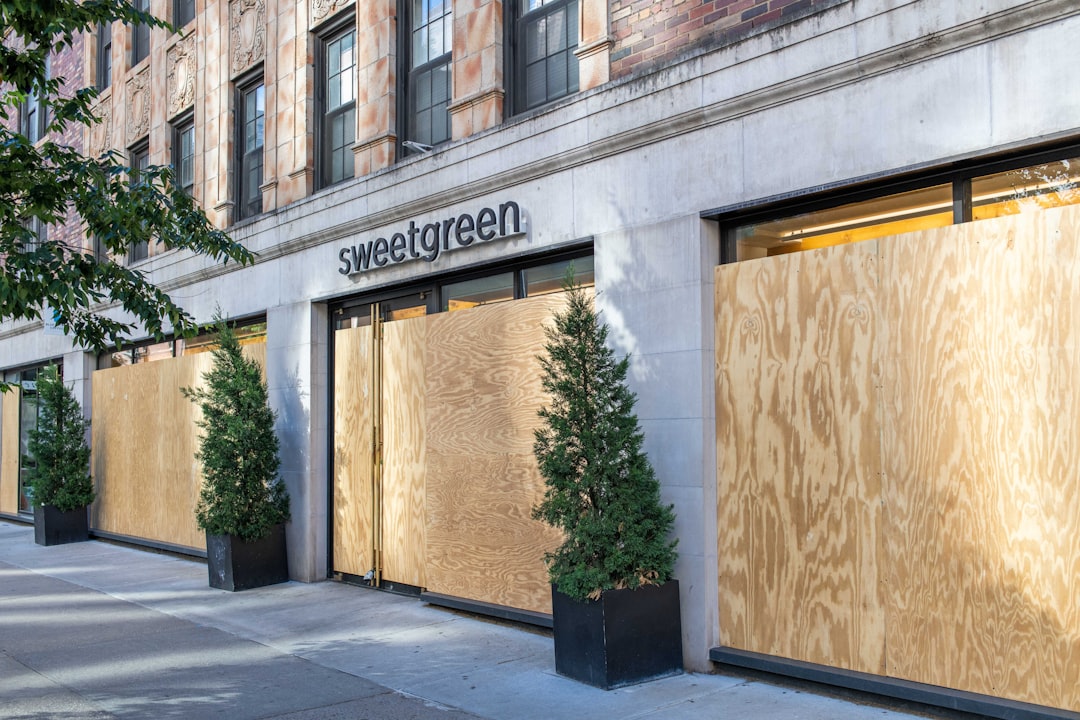
A significant number of boarded or shuttered commercial premises on the streets immediately surrounding a hotel indicates sustained economic distress in the neighbourhood. Businesses do not board their windows voluntarily and the persistence of boarding rather than renovation suggests that incoming commercial investment is not anticipated in the near term. The contrast between active and abandoned commercial frontages also creates unobserved spaces that attract loitering and opportunistic activity during both day and night. A single boarded storefront may represent ordinary urban turnover, but a pattern of closures across multiple consecutive premises on the same street communicates something more systemic about the local environment. Walking one block in each direction from the hotel entrance during the first hour after check-in provides a rapid and accurate impression of commercial vitality in the immediate vicinity.
Excessive Security Measures
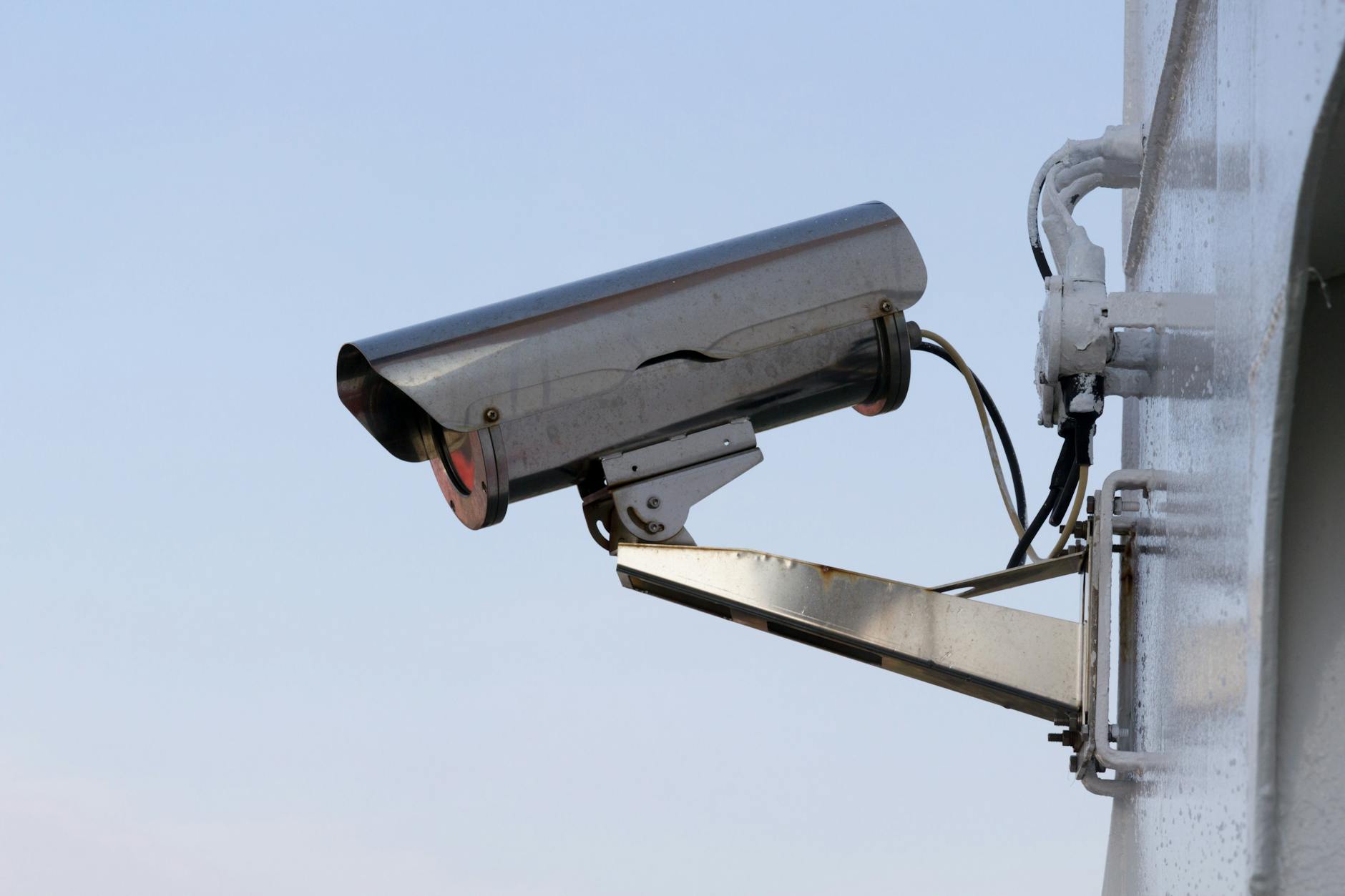
A hotel that features metal detectors at the entrance, security personnel stationed inside the lobby or reinforced reception windows that separate staff from guests is communicating something specific about its operating environment. These measures represent a financial cost that hotel management only absorbs when local conditions make them operationally necessary rather than merely precautionary. The presence of uniformed private security at a budget or mid-range property in particular indicates that incidents requiring a physical response have occurred with sufficient frequency to justify ongoing expenditure. Guests accustomed to security measures in airports and public buildings may absorb these observations without fully processing their implications about the surrounding neighbourhood. The standard of security inside a hotel should be read as a reflection of the standard of safety outside it.
Clusters of Loiterers

Groups of individuals gathered without apparent purpose outside or near the hotel entrance at multiple different times of day represent a social signal worth noting carefully. Loitering in a single location across different hours suggests that the area offers minimal organised activity, employment or communal infrastructure to distribute people’s time and attention. The behaviour of these groups toward arriving and departing hotel guests is itself informative, with direct solicitation, sustained eye contact or following behaviour all representing elevated concern indicators. A single individual seated outside at one moment of the day represents nothing in isolation, but a consistent pattern of unoccupied groupings across morning, afternoon and evening hours communicates something about the neighbourhood’s social dynamics. This observation requires patience and several separate assessments rather than a single glance to be interpreted accurately.
Unusual Night Noise

The specific character of noise audible from a hotel room during late evening and early morning hours provides detailed information about neighbourhood activity patterns that daytime observation cannot reveal. Raised voices, frequent vehicle idling, sudden sharp sounds and the movement of large groups of people through the street at unusual hours all indicate forms of activity that are incompatible with a peaceful and well-regulated residential or commercial district. A hotel in a safe neighbourhood produces a specific night noise profile characterised by gradual reduction in activity after a certain hour and the absence of sustained unpredictable sound. Travellers who book hotel rooms without reading guest reviews that specifically mention noise are frequently surprised by the reality of the nocturnal environment surrounding their accommodation. Opening the window briefly after midnight on the first night provides a direct and unfiltered acoustic impression of what the neighbourhood actually does after dark.
Poor Hotel Maintenance

The visible maintenance standard of a hotel’s exterior, entrance and common areas reflects both the management’s operational priorities and the economic pressures the property is operating under. Peeling paint, cracked facades, broken lobby furniture, non-functioning lifts and inadequate cleaning in corridors are indicators that revenue is either insufficient or not being directed toward basic upkeep. Properties in safe and economically viable locations have both the motivation and the financial capacity to maintain a standard that attracts and retains guests. A hotel that has stopped investing in maintenance has frequently also reduced expenditure on security, staffing and the other operational elements that contribute to guest safety. The maintenance standard of the room itself is relevant, but the condition of the exterior and street-facing elements of the building is a more honest indicator because it reflects the property’s relationship with its surrounding environment.
Solicitation Near Entrance
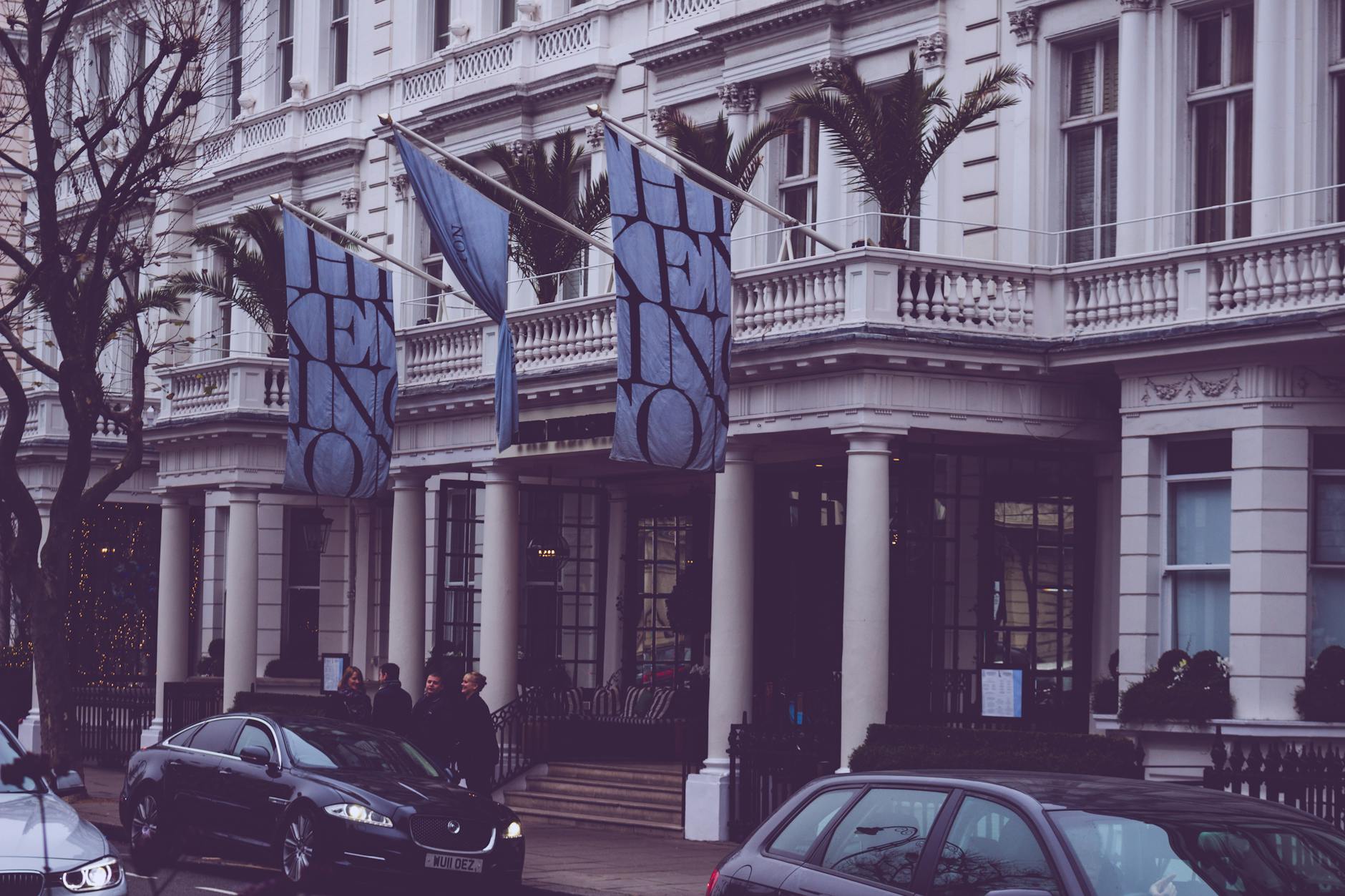
The presence of individuals actively soliciting hotel guests near the entrance for services including transport, tours, currency exchange or companionship indicates that the location is known within the local informal economy as a productive working environment. Legitimate transport and tour services operate from designated areas and do not require aggressive curbside solicitation to generate business. The persistence and number of solicitation approaches directed at a single guest during a brief entrance or exit also communicates how frequently visitors to this particular hotel are perceived as accessible and receptive targets. Hotel management in well-located properties typically work actively to prevent this kind of activity directly outside their entrance because it negatively affects the guest experience and the property’s reputation. The absence of any management response to visible solicitation at the entrance is itself an indicator of the operating standard.
Visible Police Presence
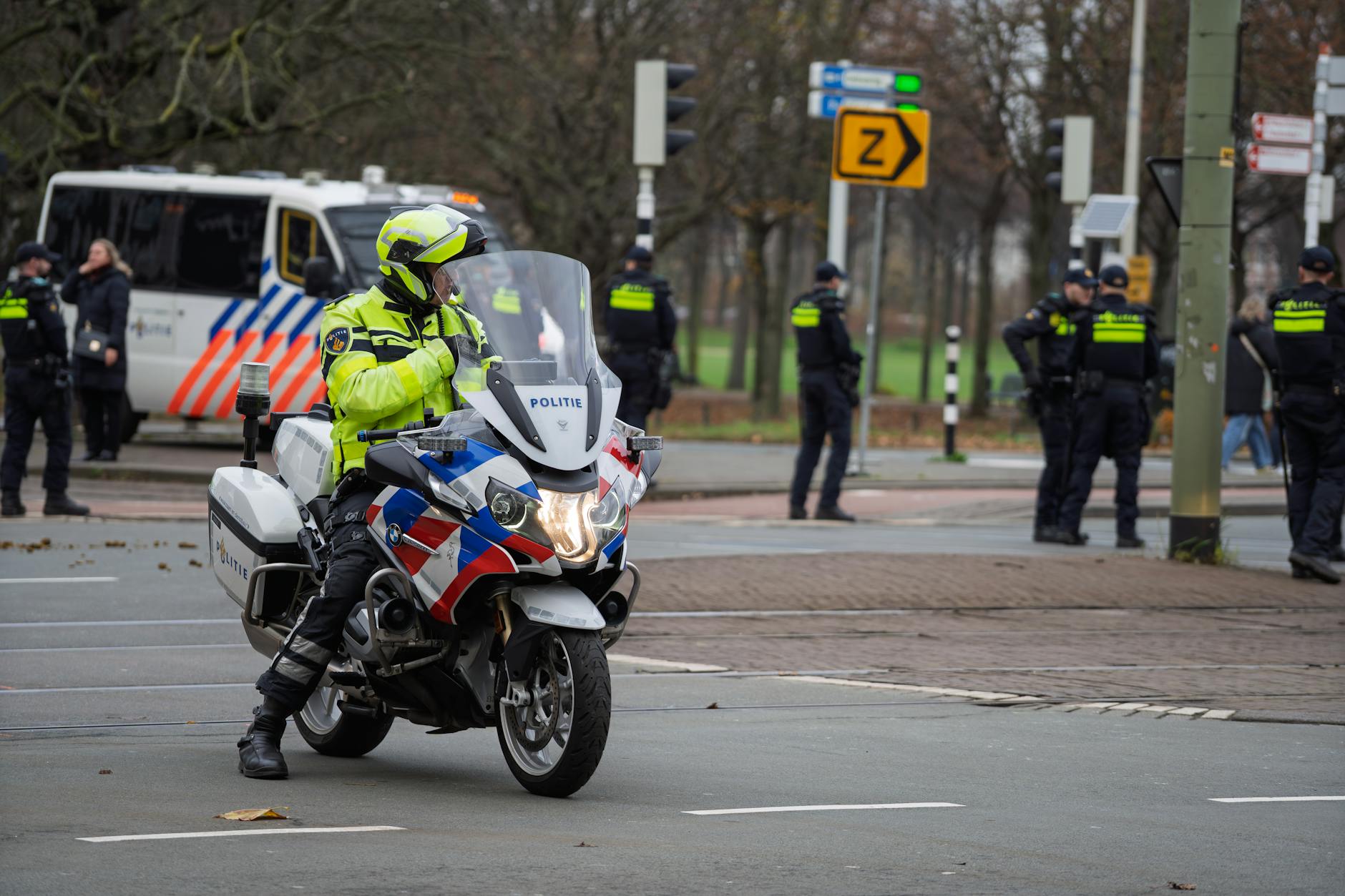
A consistently high and visible police presence in the streets immediately surrounding a hotel, particularly with officers stationed rather than patrolling, indicates an area that is considered by local law enforcement to require active and sustained monitoring. This distinction between routine patrol and stationed presence is important because it reflects a determination by authorities that the area generates incidents requiring a consistently available response capability. Travellers sometimes interpret visible police as a reassuring safety signal without considering why the resource commitment has been made in that specific location. High-crime areas and those with active street-level illegal commerce typically receive this kind of policing attention, which means the presence of police is a consequence of existing conditions rather than a preventive deterrent that has resolved them. Reading police presence as a contextual indicator rather than a comfort signal produces a more accurate assessment of neighbourhood safety.
Taxi Driver Reactions

The reaction of taxi and ride-share drivers when given the hotel address provides an unfiltered and locally informed perspective on the neighbourhood that no booking platform communicates. A driver who asks for confirmation of the address, comments on the location with concern or takes an unusually indirect route to avoid certain streets is sharing practical knowledge about the area that comes from regular operational experience. Drivers who operate across a city develop detailed mental maps of neighbourhood safety that are updated continuously through their own observations and those of colleagues. A consistently neutral or positive driver reaction to a hotel address correlates reasonably well with an acceptable location, while repeated concern across multiple separate drivers represents a reliable signal worth taking seriously. Asking the driver directly for their assessment of the neighbourhood produces the most honest response when framed as a genuine request for local knowledge rather than a complaint.
Graffiti Density

The density and character of graffiti visible on buildings, infrastructure and public surfaces in the streets surrounding a hotel provides information about territorial marking, civic maintenance standards and the social dynamics of the area. While artistic murals represent a distinct and entirely different category, the presence of dense tag-style graffiti across multiple surfaces including residential buildings, utility infrastructure and transport signage indicates an environment where public space is contested and civic maintenance responses are minimal or absent. The height at which graffiti appears is also relevant, with markings in elevated or difficult-to-access positions suggesting a level of boldness in those creating them that reflects the perceived absence of surveillance or consequence. Areas where graffiti is cleaned rapidly and consistently are areas where civic investment and community ownership of public space remain active. Areas where it accumulates and layers without response communicate the opposite.
Absence of Families
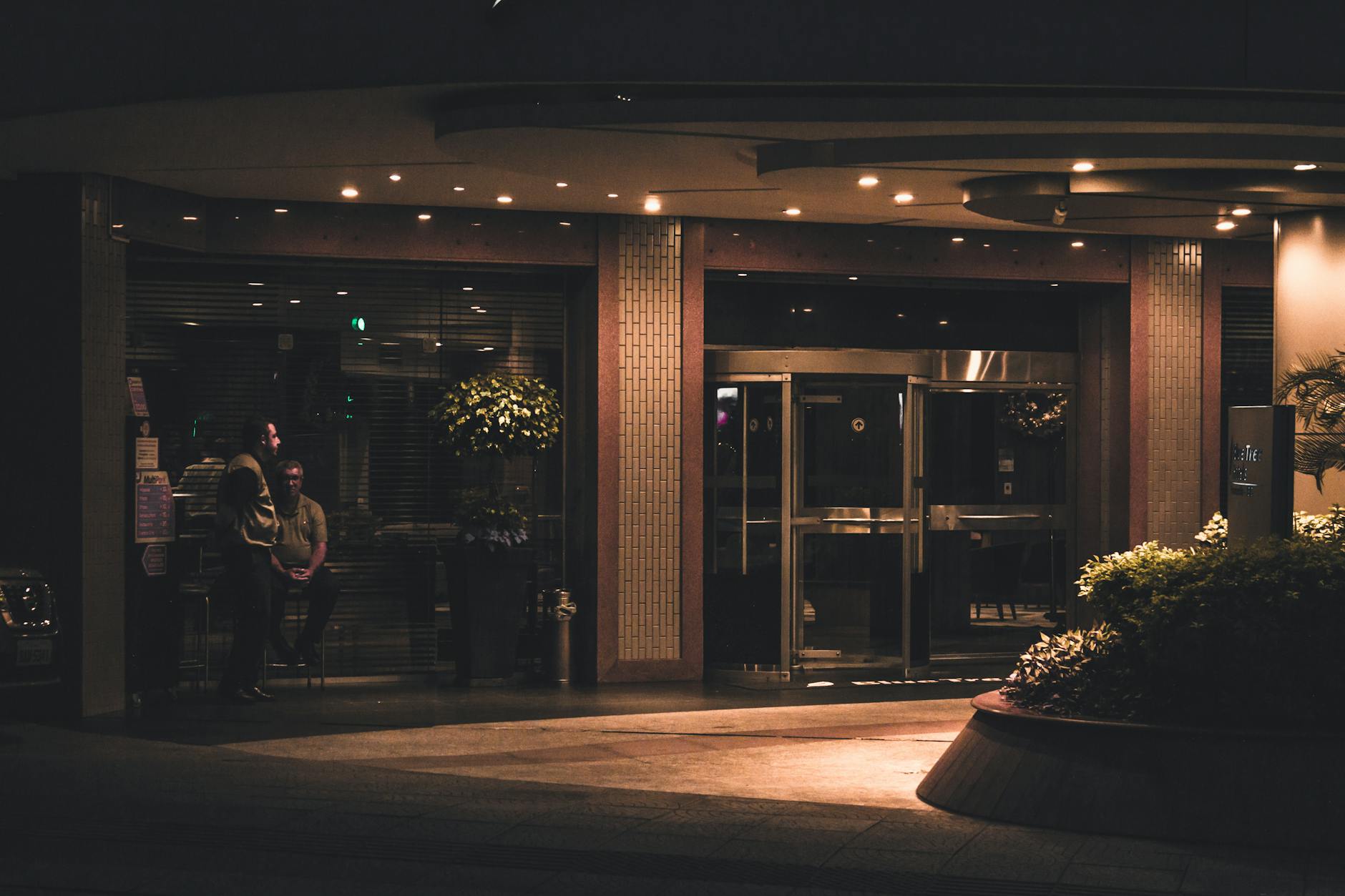
The demographic composition of the pedestrians visible on the streets surrounding a hotel provides one of the most reliable informal safety signals available to a newly arrived traveller. Families with children, elderly residents going about daily activities and individuals carrying shopping represent a demographic profile associated with an active, mixed-use neighbourhood where community life is functioning normally. Their absence from a street that might reasonably be expected to contain them during daytime hours, replaced by a narrower demographic of young men without apparent purpose or activity, communicates something specific about who feels comfortable using that public space. Neighbourhood safety assessments by urban planners and sociologists consistently use the presence and diversity of pedestrian demographics as a proxy indicator for the underlying social health of a district. A hotel located on streets that families actively avoid during daylight hours is a hotel in a location that those with local knowledge have made a considered decision about.
Unusual Front Desk Behaviour

The behaviour of front desk staff toward guests who ask about local restaurants, walking routes or evening activities communicates information about the neighbourhood through what is emphasised, avoided or specifically warned against. Staff who recommend only destinations accessible by taxi rather than on foot, who warn against leaving the hotel after a specific hour or who become visibly uncomfortable when asked about nearby streets are sharing knowledge about the local environment through indirect communication. Hotel staff in safe and well-located properties typically describe their surrounding neighbourhood with enthusiasm and provide detailed walking directions to nearby attractions without hesitation or qualification. The contrast between these two front desk experiences is immediately apparent and represents one of the most direct informational resources available to a newly arrived guest. Asking a specific question about the safest walking route to a nearby landmark within the first hour of check-in produces a response that reveals considerably more than the official hotel information booklet.
Heavily Barred Windows

The presence of heavy metal security bars on ground-floor and upper-floor windows of residential buildings adjacent to the hotel reflects the residents’ own assessment of the neighbourhood’s security environment. Security bars represent a significant personal financial investment that people make only when they believe the threat environment justifies the cost. Their presence across multiple adjacent buildings rather than on a single property indicates that this assessment is widely shared among people who live there permanently and have local knowledge superior to that of any visiting traveller. Ground-floor commercial premises commonly feature security shutters in many urban environments as standard practice, but residential window bars on upper floors represent a more specific and personal security decision. Walking the block surrounding the hotel and noting the proportion of windowed residential properties that feature this kind of reinforcement provides a rapid and concrete neighbourhood safety assessment.
Strong Chemical Smells

Persistent unusual chemical odours in the corridors, stairwells or in the vicinity of the hotel exterior that do not correspond to cleaning products or food preparation represent an environmental signal worth investigating. Certain illegal manufacturing and processing activities produce distinctive chemical byproducts that permeate building materials and persist in enclosed spaces long after the source has been removed. Ammonia, acetone, solvent and burning plastic odours in residential contexts have specific associations in law enforcement literature that are not present in legitimate residential or commercial environments. A single unexplained odour event may be unrelated to anything concerning, but a persistent and unresolved chemical smell in a specific part of a building represents a practical reason to request a room change and potentially to contact management formally. Trusting chemical sensory information in an unfamiliar building is a protective instinct that experienced travellers develop and act upon without excessive hesitation.
Damaged Entry Points
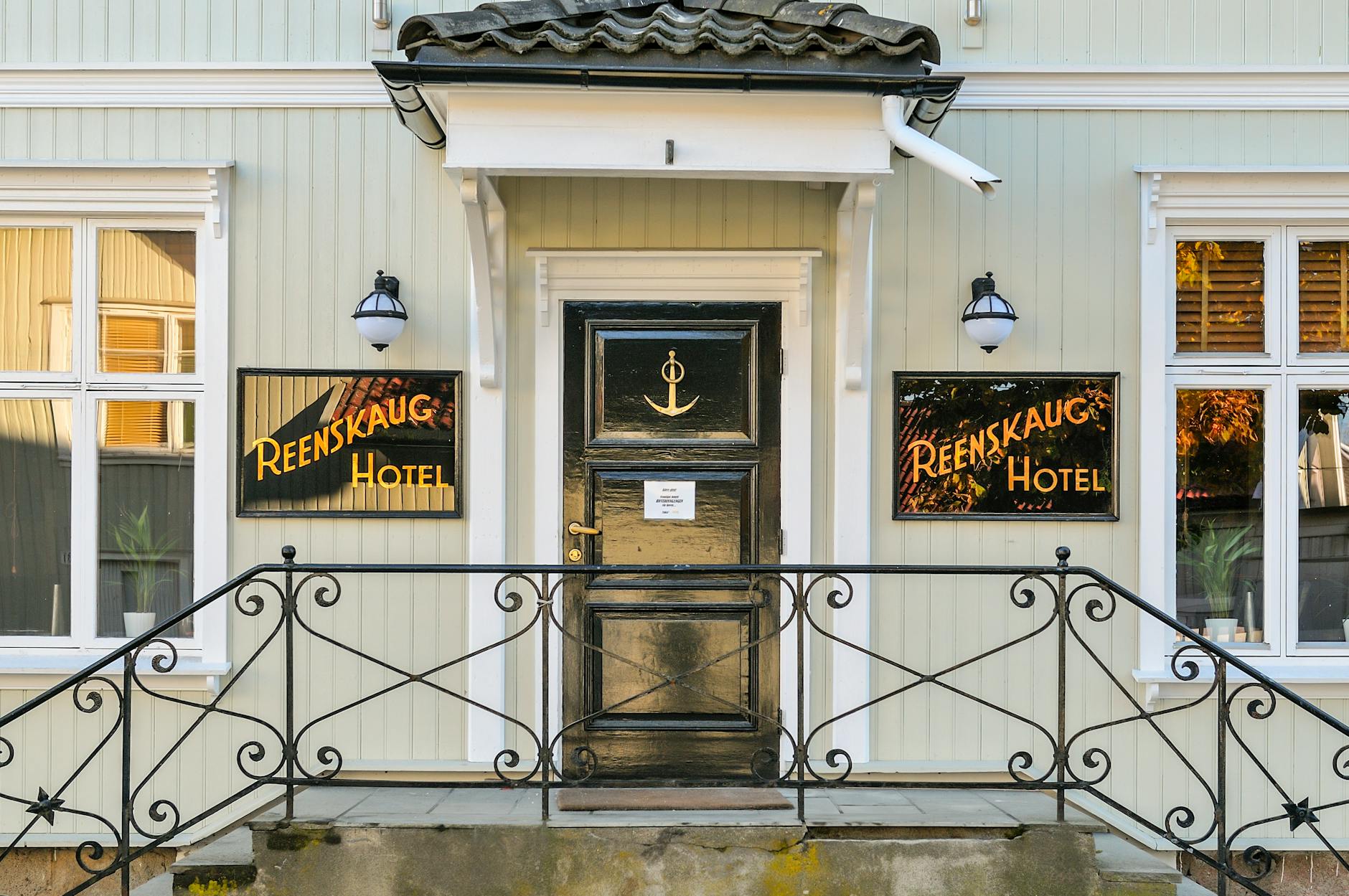
Visible damage to the hotel’s external doors, lobby access points, lift mechanisms or corridor fire doors that has not been repaired indicates a management standard and a pattern of physical incidents in the building that both warrant attention. Scuff marks, dent patterns, broken lock housings and damaged door frames around internal building access points are physical records of forced entry attempts or successful breaches that have occurred previously. The failure to repair these elements promptly communicates that management does not consider the security integrity of these points to be an operational priority. A hotel that accepts ongoing damage to its physical security infrastructure has implicitly accepted the risk environment that created that damage. Inspecting the corridor immediately outside the assigned room and the emergency stairwell access point on arrival takes less than two minutes and provides direct physical evidence of the building’s security history.
Inconsistent Neighbourhood Character
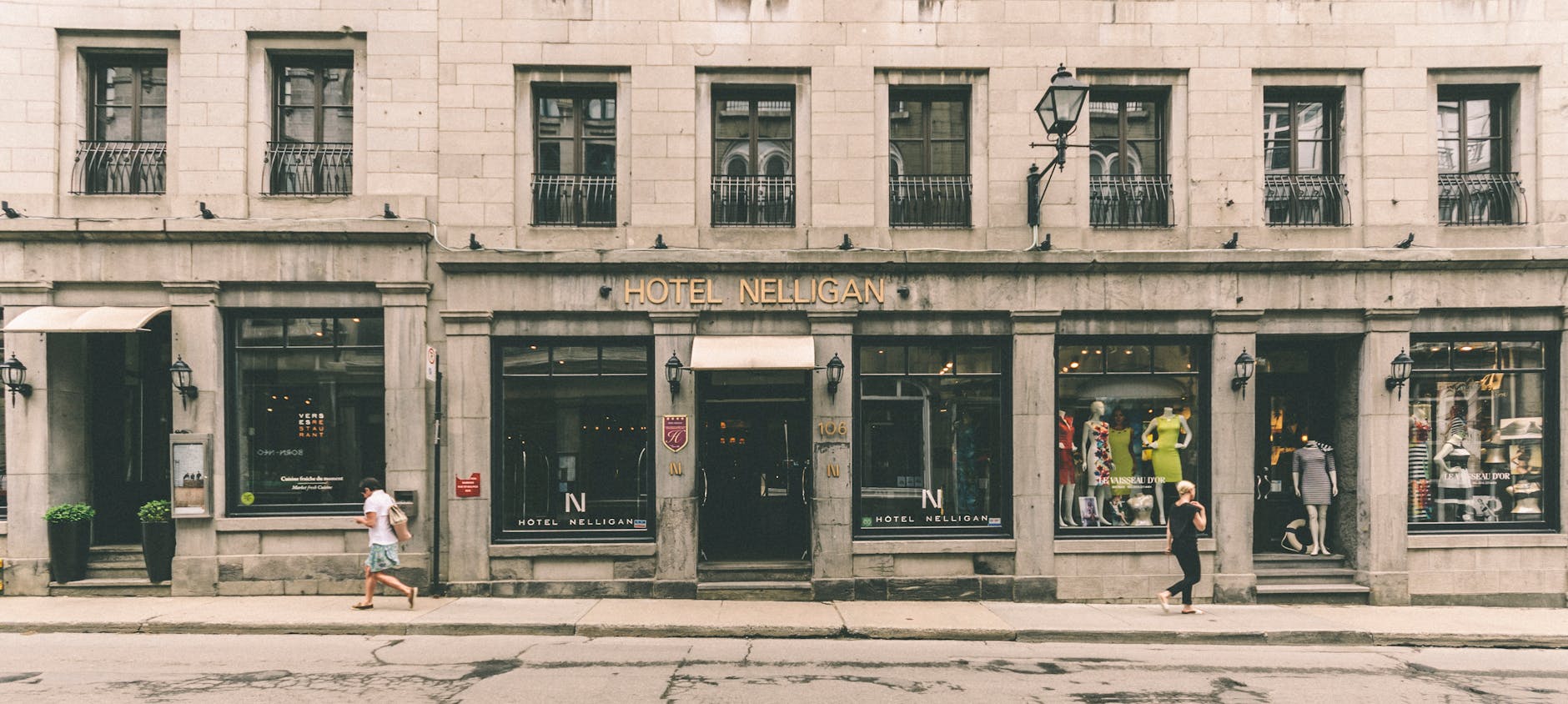
A hotel situated at the boundary between two clearly distinct neighbourhood types often occupies a transitional zone where safety conditions are less consistent and harder to predict than in areas with uniform character. The block immediately surrounding the hotel may appear presentable while the adjacent blocks in specific directions represent an entirely different risk environment that becomes apparent only during exploration. Boundary zones between tourist districts and economically depressed residential areas are specifically exploited by individuals targeting visitors because the traveller’s mental safety map does not extend accurately beyond the perceived hotel precinct. Booking platform photography typically focuses on the immediate hotel exterior and lobby without contextualising its position relative to surrounding neighbourhood transitions. Consulting a mapping application with street view functionality to examine the three to four blocks in each compass direction from the hotel address before arrival provides a far more accurate spatial safety assessment than any booking platform description.
Abandoned Vehicles

The presence of multiple abandoned or severely vandalised vehicles on the streets in the immediate vicinity of a hotel provides concrete evidence of sustained neglect by both residents and municipal authorities in the area. A vehicle that has been stripped, burned or left stationary with broken windows for an extended period represents a maintenance failure that requires both time and the effective absence of civic response to develop. The presence of several such vehicles within a short walking radius indicates that this absence of response is systemic rather than the result of a single recent incident. Abandoned vehicles also create physical structures that obstruct sightlines, provide concealment for activity and signal to those considering criminal activity that this environment offers minimal surveillance risk. This is a physical indicator that is unambiguous, easily observed and not subject to interpretation once identified.
Lack of Tourists
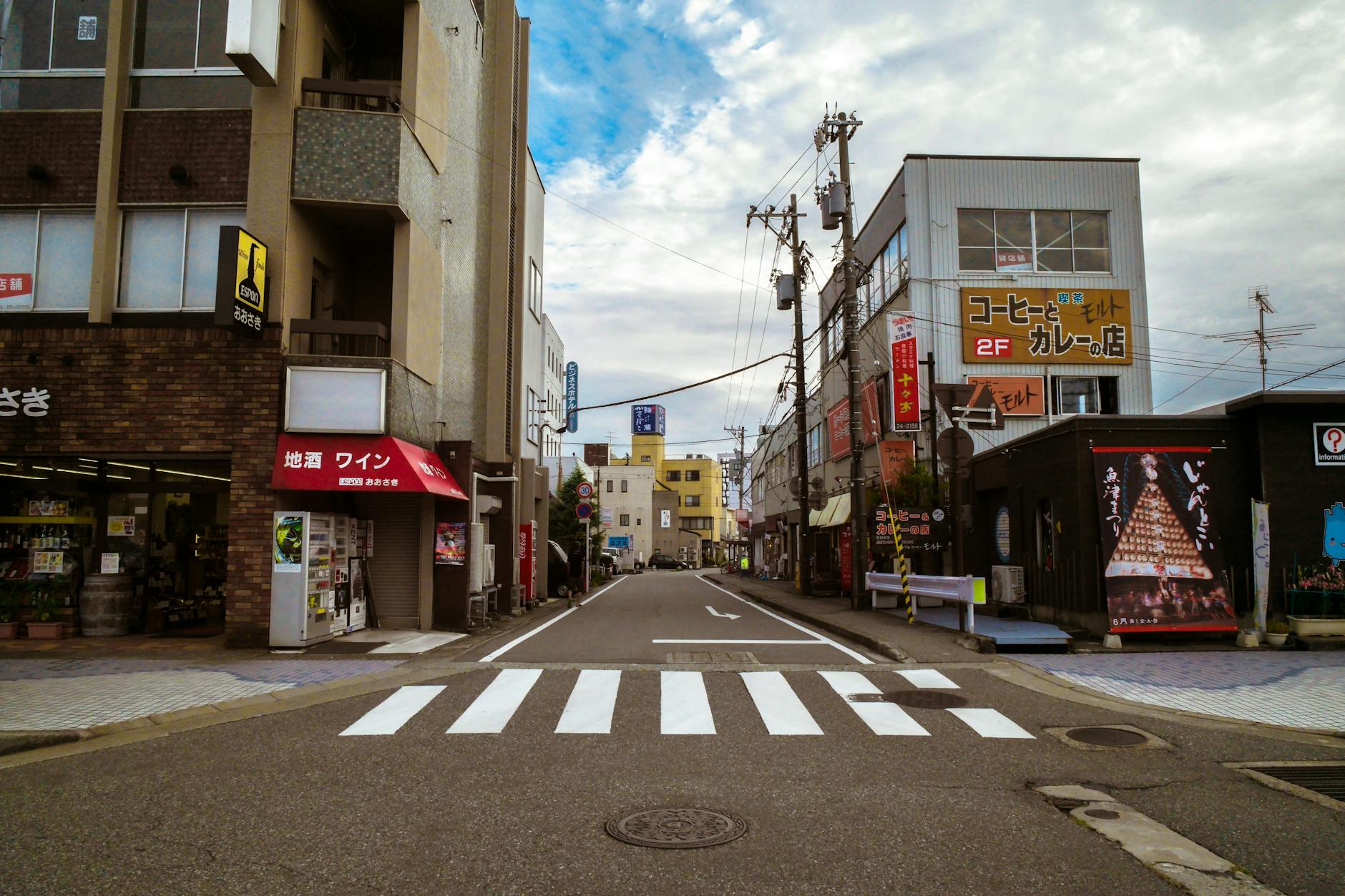
A hotel that is marketed toward international visitors but is located in an area where no other tourists are visibly present during normal sightseeing hours is occupying a position outside the established tourist geography of the city for a specific reason. Tourism infrastructure including cafés, souvenir vendors, multilingual signage and the social presence of other international visitors naturally concentrates in areas that are accessible, safe and worth visiting. Their complete absence from the streets surrounding a hotel does not indicate that the traveller has discovered an authentically local neighbourhood so much as it indicates that the accommodation is positioned outside the areas that other visitors have assessed as appropriate for daily movement. Local residents in genuinely interesting non-tourist neighbourhoods are typically present in numbers and engaged in normal daily commercial and social activity. Streets that are neither touristic nor actively local in character represent a specific kind of urban in-between zone that warrants careful assessment.
Aggressive Street Animals

The condition and behaviour of stray animals in the streets surrounding a hotel provides an indirect indicator of neighbourhood welfare standards and the level of municipal services operating in the area. Aggressive, visibly malnourished or injured stray dogs that approach pedestrians represent both a direct physical hazard and a signal that animal management services are not functioning in the area. The presence of large numbers of stray animals also indicates that residents lack either the resources or the civic infrastructure to address the issue through normal channels. Urban areas with functioning municipal services, active community organisations and sufficient economic activity typically maintain control of stray animal populations through regulated programmes. The correlation between the absence of these services and broader neighbourhood safety issues is consistent enough to make stray animal conditions a meaningful environmental observation.
No Visible Commercial Activity
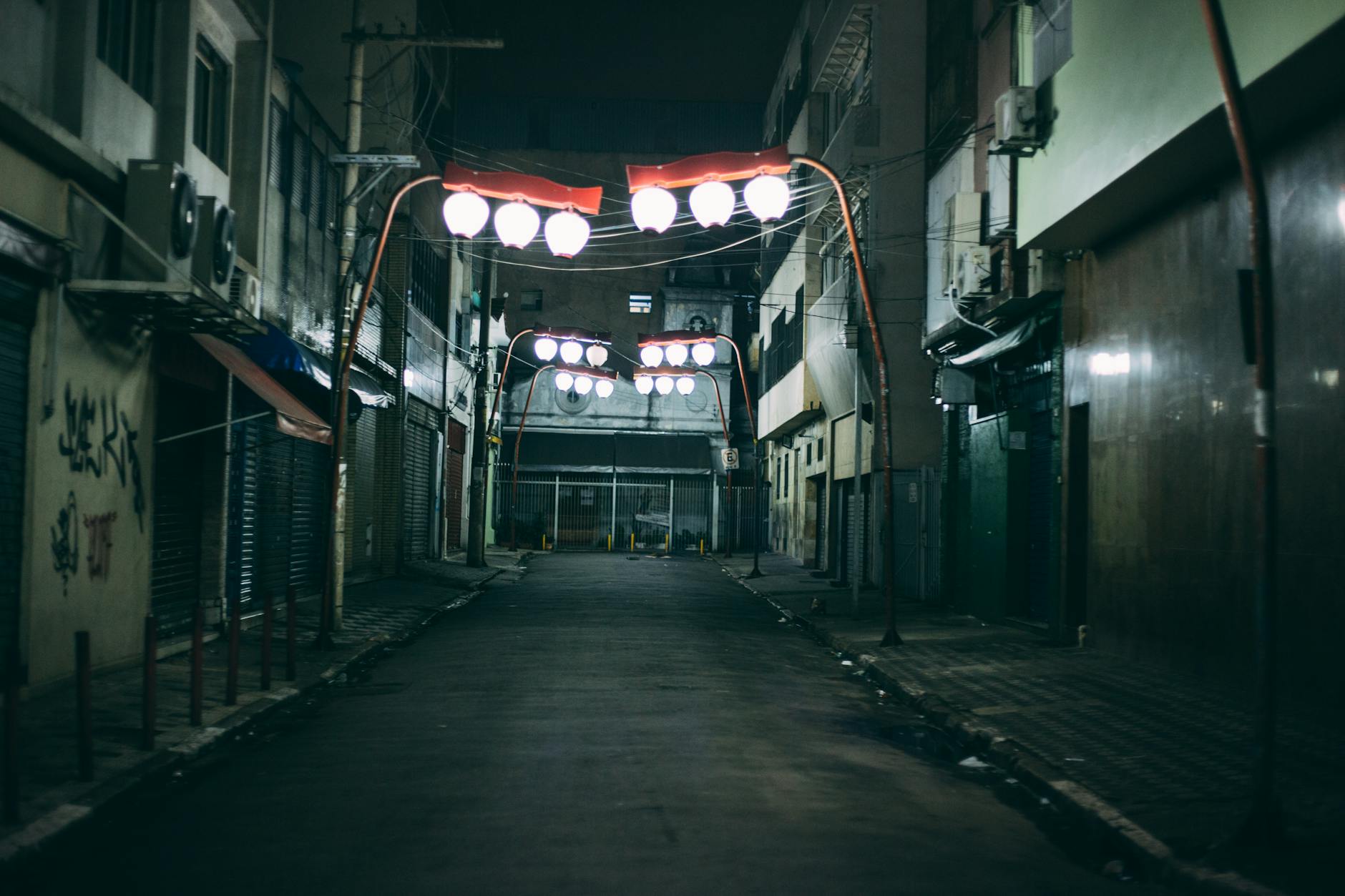
Streets surrounding a hotel where commercial premises exist but show minimal visible activity during normal business hours indicate an economic environment that cannot sustain normal retail and service operations. Shops that are technically open but empty of customers, cafés without any seated patrons during mealtimes and service businesses that appear operational but receive no visitors communicate a level of economic inactivity that has specific implications for neighbourhood vitality and safety. Commercial activity attracts foot traffic, provides natural passive surveillance through windows and customer movement, and signals that the area is considered worth investing in by business operators. Its absence creates the opposite conditions, with quiet streets, minimal observed pedestrian activity and buildings whose purpose is ambiguous from the outside. The baseline test is whether a neighbourhood appears to be functioning economically in a way that would sustain it independently of the hotel’s presence.
Odour of Rubbish
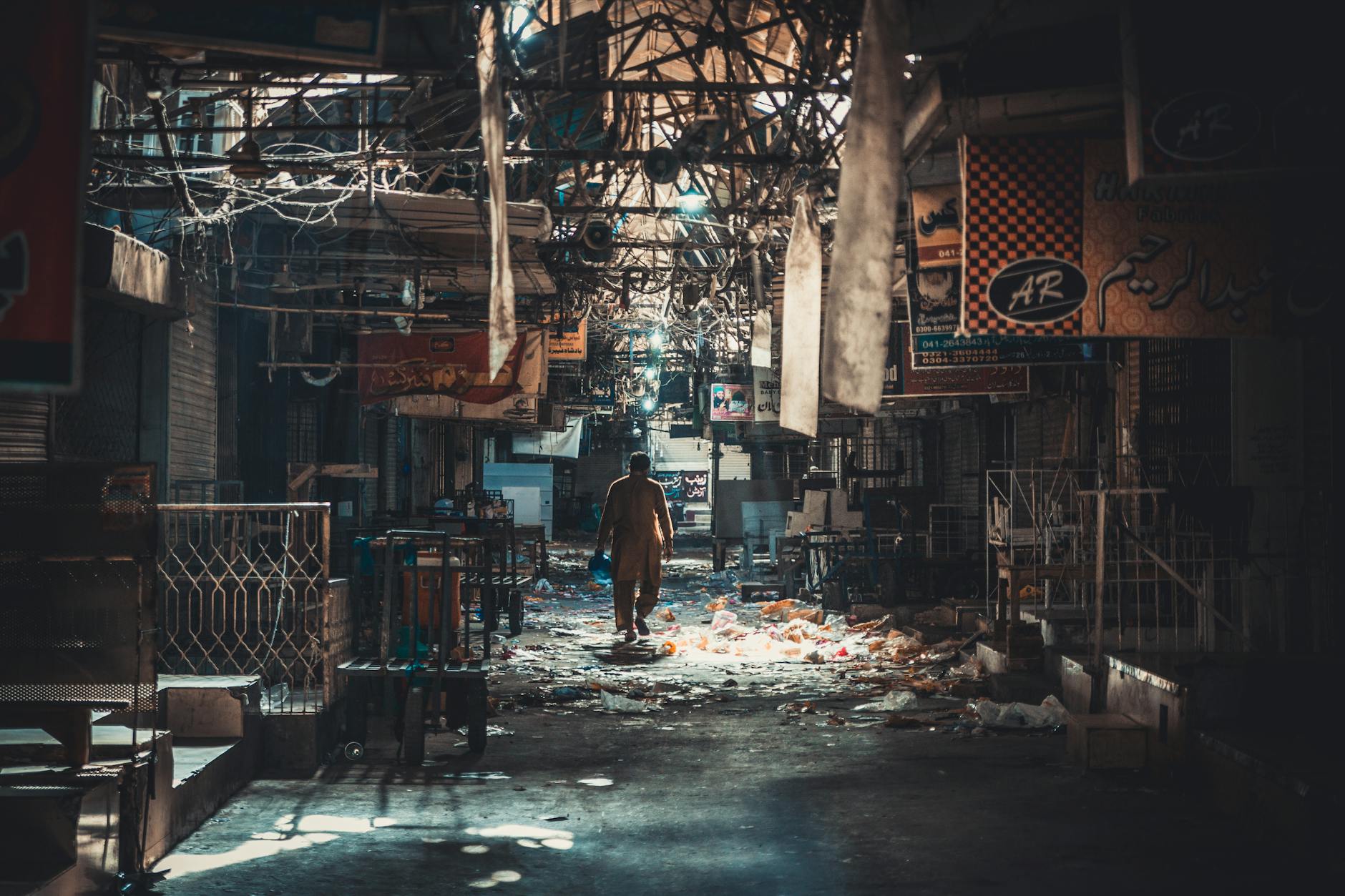
Persistent and strong odours from accumulated rubbish in the streets, alleyways and building entries immediately surrounding a hotel indicate that waste collection services are either infrequent or inadequate for the volume of waste being generated in the area. Rubbish accumulation in public spaces is a concrete indicator of the level of municipal service investment in a neighbourhood and the degree to which residents feel empowered to demand basic civic standards from local authorities. The physical presence of accumulated waste also creates conditions that attract vermin, provide concealment for deposited items and generate an environment that most legitimate businesses and residents actively seek to avoid. A hotel that operates in an area with chronic rubbish management failures is operating in an environment that has been assessed by municipal authorities as lower priority for investment and service. This assessment, made by people with detailed knowledge of the city’s resource allocation decisions, is itself a meaningful safety signal.
Unmarked Taxis

The concentration of unlicensed or unmarked taxi vehicles outside a hotel, particularly those whose drivers approach guests proactively rather than waiting to be engaged, is a specific indicator of how the local informal economy has identified the property as a working environment. Licensed taxi and rideshare operations in safe and well-located hotels are typically regulated through agreements with hotel management and operate from designated waiting areas. The presence of multiple unmarked vehicles with persistent drivers who approach, follow guests to the entrance and offer unsolicited assistance with luggage indicates both that management has not established these agreements and that the hotel’s guest profile is considered accessible by operators of informal transport services. Engaging an unmarked taxi in an unfamiliar city, particularly at night and in a neighbourhood whose character is already uncertain, represents a specific personal safety risk that extends well beyond the question of fare overcharging. This observation should inform the decision to use only pre-arranged or app-based transport for all movements in and around the area.
Hostile Pedestrian Atmosphere
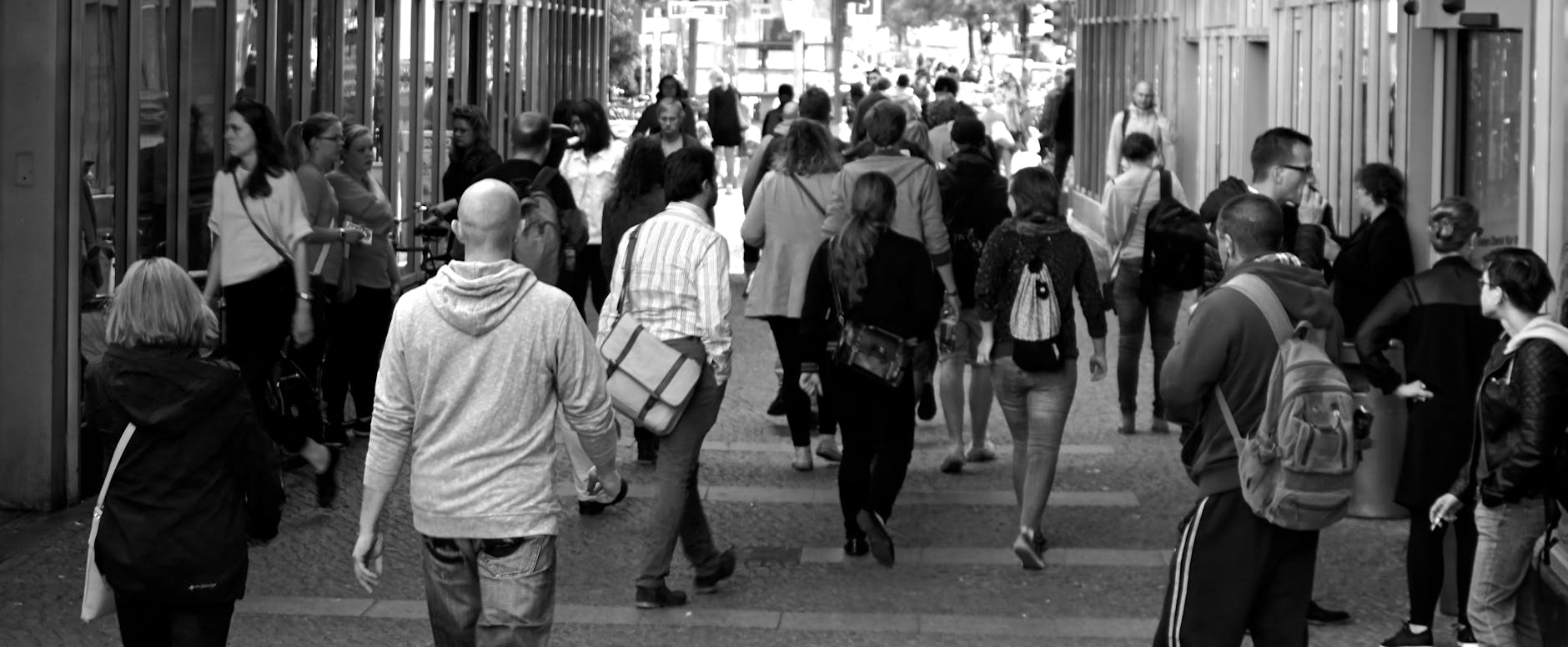
The general quality of pedestrian interaction in the streets surrounding a hotel, specifically whether eye contact, accidental physical contact and requests for directions are met with neutral or positive responses, provides a direct and personally experienced neighbourhood assessment. In safe and socially functional urban environments, pedestrian interactions follow broadly cooperative norms where strangers navigate shared space with mutual acknowledgement and basic courtesy. Environments characterised by sustained hostility, territorial behaviour and the treatment of strangers as unwelcome presences communicate a social dynamic that reflects specific underlying conditions. The experience of walking one block from the hotel entrance and observing how the local pedestrian environment responds to the traveller’s presence provides information that no booking platform review can replicate. This assessment should be conducted during daylight hours first, with the findings then informing a decision about whether to repeat the exercise after dark at all.
Proximity to Specific Venues

The immediate proximity of the hotel to pawnshops, payday loan offices, betting shops and certain categories of adult entertainment venues indicates a neighbourhood economic profile that correlates with specific social and safety conditions. These businesses are not causes of neighbourhood deterioration but are rather indicators that respond to and serve a specific demographic and economic context. Their clustering in a single area reflects both the permitted land use profile of the neighbourhood and the customer geography that makes them commercially viable there. A hotel located on a street where multiple consecutive premises belong to these categories is located in an area that local planning authorities have zoned and permitted for this commercial mix for reasons that reflect the neighbourhood’s overall profile. Noticing the specific commercial composition of the blocks nearest the hotel during a first walk provides a concrete and reliable neighbourhood characterisation that requires no specialist knowledge to interpret.
Absence of Street Cafés
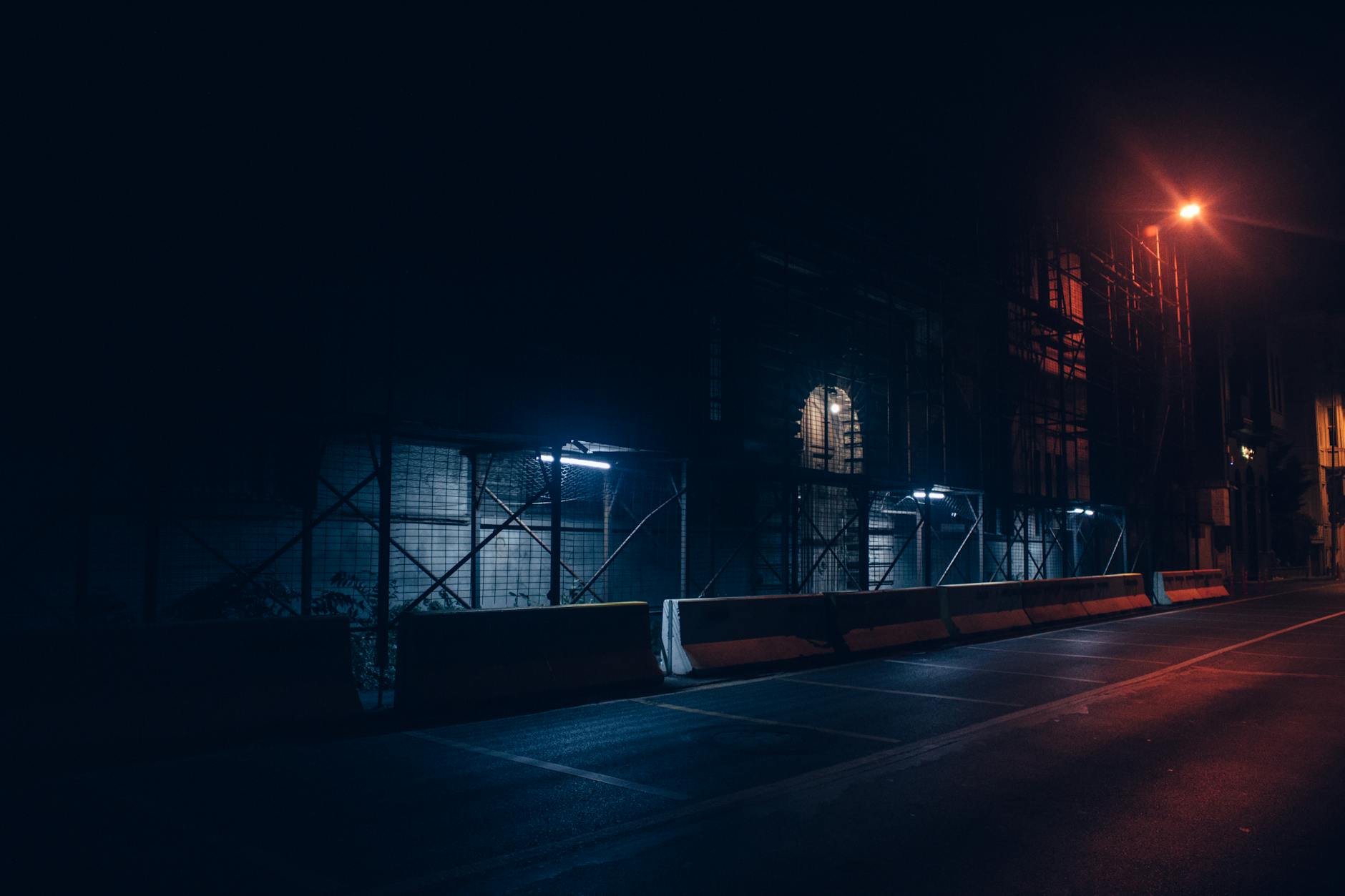
The presence or absence of street-facing cafés, restaurants and food vendors operating with outdoor seating in an urban neighbourhood provides a reliable proxy indicator of how safe and commercially viable locals and business operators consider the public realm to be. Outdoor hospitality seating requires customers to feel safe and comfortable occupying public space for extended periods, a condition that operators assess carefully before investing in furniture, infrastructure and the staffing required to serve an outdoor area. In neighbourhoods where the street environment is considered unsafe or uncomfortable, outdoor hospitality retreats indoors or disappears entirely. The absence of any visible outdoor café culture in a district that would otherwise logically support it, combined with other environmental signals identified elsewhere during the same walk, builds a composite picture of how the neighbourhood is genuinely experienced by those who know it best. A single pleasant pedestrian street with outdoor seating in an otherwise inhospitable district may represent the exception rather than the rule and should be assessed in the context of the broader neighbourhood walk rather than in isolation.
If any of these signs match what you noticed on your last trip, share your experience in the comments.




