Every traveller loves bringing home a little piece of the world, but some of the most popular keepsakes can trigger serious problems at border control. Customs officers are trained to spot items that seem innocent but fall under strict international regulations protecting ecosystems, agriculture, and cultural heritage. A surprising number of travellers are stopped each year carrying items they genuinely had no idea were restricted or outright illegal to import. Understanding which souvenirs raise red flags can save you from fines, confiscation, and even legal trouble on your way home.
Cuban Cigars
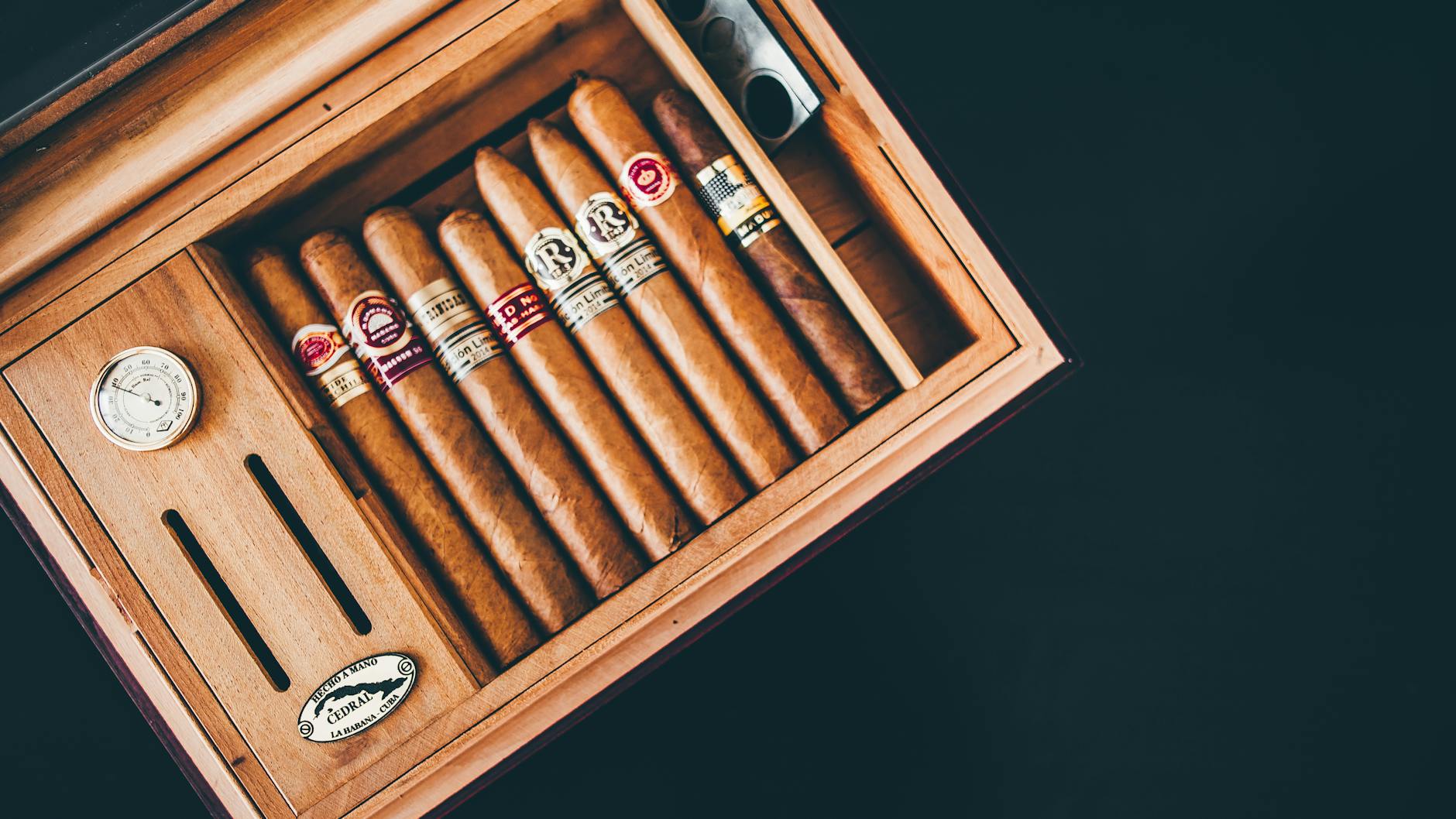
Cuba produces some of the most coveted cigars in the world and tourists naturally want to bring a box home as a memento of their trip. Many countries impose strict quantity limits on tobacco imports and some destinations maintain outright bans on Cuban products regardless of where they were purchased. Cigars without proper tax stamps or official packaging are frequently flagged as contraband by customs agents scanning luggage. Even a modest bundle tied with a ribbon can prompt a full bag inspection if it lacks the required documentation. Travellers should always check their home country’s tobacco import allowances before making a purchase.
Kinder Eggs
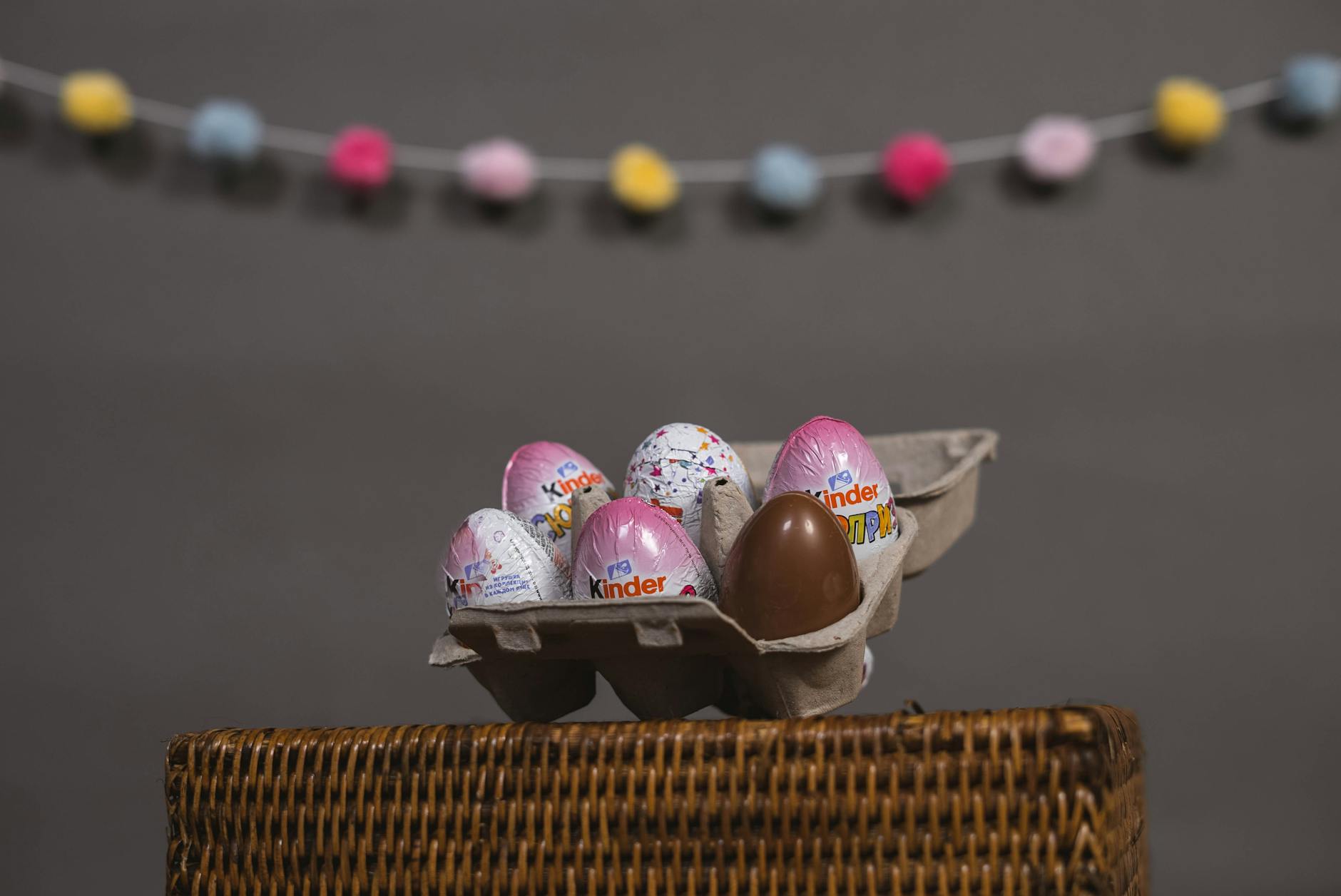
This beloved European chocolate treat contains a small toy capsule inside which places it in a legally ambiguous category in several countries. The United States has maintained a long-standing ban on the confection citing choking hazard regulations that prohibit non-edible objects embedded within food products. Border officers in certain countries are well trained to identify the distinctive oval shape inside luggage and will confiscate them without exception. Many tourists are genuinely shocked to have a childhood chocolate treat pulled from their bags at the airport. The ban applies regardless of quantity so even a single egg purchased as a gift can cause delays at the checkpoint.
Seashells

Collecting shells from a beautiful beach feels like the most natural souvenir imaginable yet many species are protected under international wildlife trade agreements. Shells from certain molluscs including giant clams and cone snails are listed under CITES regulations making their export and import illegal without special permits. Even shells that appear empty and sun-bleached may still contain organic matter that triggers agricultural biosecurity concerns in some countries. Officers in destinations like Australia and New Zealand are particularly strict about any organic material entering the country from abroad. Purchasing shells from a licensed shop with a receipt offers far better legal protection than collecting them directly from the shoreline.
Poppy Products

Decorative items crafted from dried poppy plants are widely sold in markets across Central Asia and parts of Europe as charming rustic keepsakes. The poppy plant belongs to the same botanical family as the opium poppy and border authorities in many countries treat all varieties with extreme caution. Even ornamental dried poppy heads can be classified as controlled plant material under drug legislation in countries including the United States, the United Kingdom, and Australia. Customs dogs are trained to detect these items and travellers have faced prosecution despite claiming complete ignorance of the restrictions. Opting for a different botanical souvenir from the same region is a far safer choice.
Haitian Rum
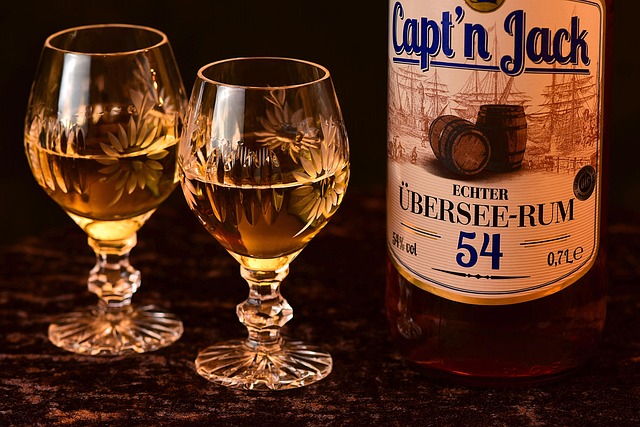
Rum produced in Haiti is a point of national pride and bottles sold locally often feature beautiful hand-painted labels that make them desirable collectibles beyond their contents. Like all spirits it falls under duty-free allowance limits which vary significantly between countries and any quantity above the threshold must be declared and taxed. Bottles purchased informally from local producers rather than registered retailers may lack the official excise stamps required for legal importation. Unlabelled or home-distilled spirits raise additional concerns about methanol content and food safety regulations at the border. Sticking to bottles purchased from established shops with proper labelling greatly reduces the risk of confiscation on arrival.
Animal Skins
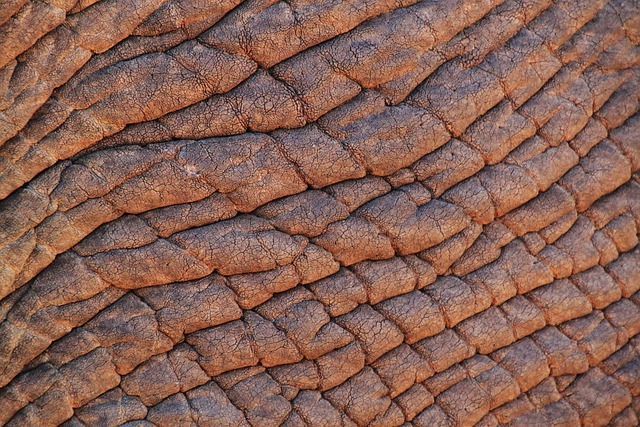
Markets across Africa, Southeast Asia, and Latin America sell beautifully crafted leather and skin goods that catch the eye of almost every visitor. What many buyers do not realise is that products made from reptiles such as pythons, crocodiles, and certain lizard species require CITES export permits that most informal vendors simply cannot provide. Importing these items without documentation can result in immediate confiscation and substantial fines even when the buyer insists they were unaware of the restrictions. Some countries go further and impose criminal charges on travellers found in possession of protected species products regardless of intent. Verifying the origin and legal status of any animal-derived product before purchasing it abroad is an essential step that most travellers overlook entirely.
Meats and Cheeses
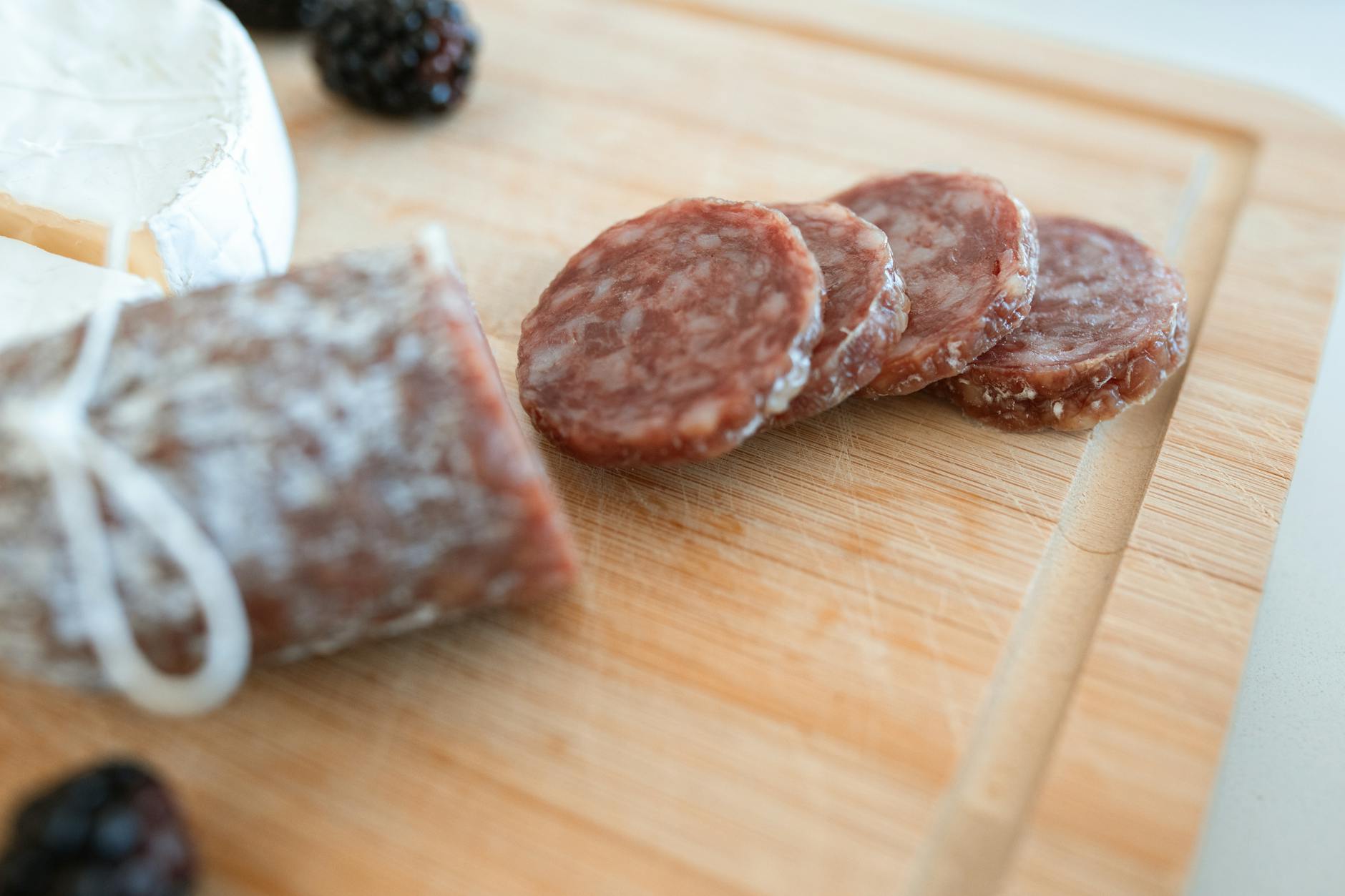
Cured meats and artisan cheeses rank among the most popular food souvenirs in the world and yet they are among the most consistently confiscated items at international borders. Agricultural import restrictions exist to prevent the spread of foot-and-mouth disease, swine fever, and other animal diseases that can devastate domestic livestock industries. Even vacuum-sealed commercial packaging does not guarantee entry as many countries apply blanket bans on all pork and unpasteurised dairy imports. Officers in countries like Australia and the United States routinely conduct luggage searches specifically targeting food items and failure to declare them can result in heavy on-the-spot fines. Enjoying these delicacies during the trip rather than packing them for the journey home is the simplest solution.
Sand and Soil
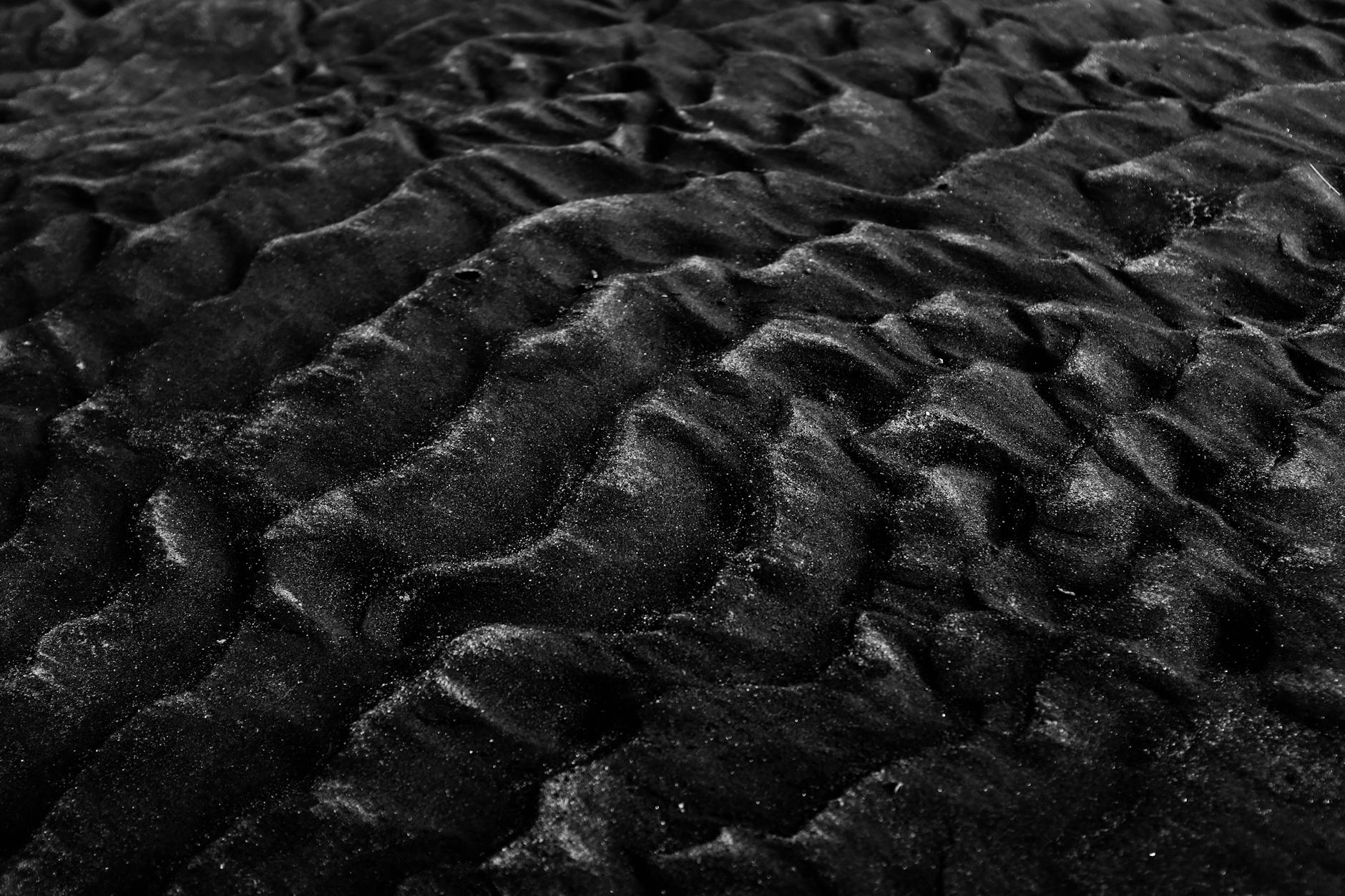
Scooping a little sand from an iconic beach into a bottle is a romantic gesture that millions of travellers perform without a second thought. Many countries classify sand and soil as agricultural risk materials because they can harbour invasive insects, plant pathogens, and microorganisms capable of devastating local ecosystems. Iceland, Australia, and several Caribbean nations have specific laws banning the removal of natural sand from their beaches entirely and offenders face fines. Customs biosecurity beagles in certain airports are specifically trained to alert handlers to soil and organic debris in baggage. The physical beauty of a landscape is best preserved in photographs rather than in a jar at the bottom of a suitcase.
Cultural Artefacts

Ancient coins, pottery fragments, carved figurines, and archaeological items are frequently sold in local markets across the Mediterranean, Middle East, and South America. Purchasing and exporting these objects is illegal in most countries of origin as they are considered part of the national cultural heritage and their removal is classified as looting under domestic law. Many destination countries including Greece, Egypt, and Peru have bilateral agreements with major import nations that allow authorities to seize items and pursue legal action against buyers. Customs officers are increasingly trained to identify genuine antiquities and distinguish them from tourist replicas. Buying a certified reproduction from a licensed museum shop is both the ethical and legally safe alternative.
Live Plants

A cutting snipped from a fragrant herb garden or a tiny succulent tucked into a backpack seems entirely harmless to most travellers passing through an airport. Live plant material including seeds, bulbs, cuttings, and rooted specimens is heavily regulated at borders worldwide due to the catastrophic risk posed by invasive species and plant diseases. Countries with unique ecosystems such as New Zealand, Hawaii, and Australia enforce some of the strictest plant biosecurity rules on the planet. A single infected cutting can introduce pests capable of destroying agricultural industries worth billions within just a few seasons. Any live plant material intended for import must be accompanied by a phytosanitary certificate issued by the country of origin’s agricultural authority.
Powdered Milk
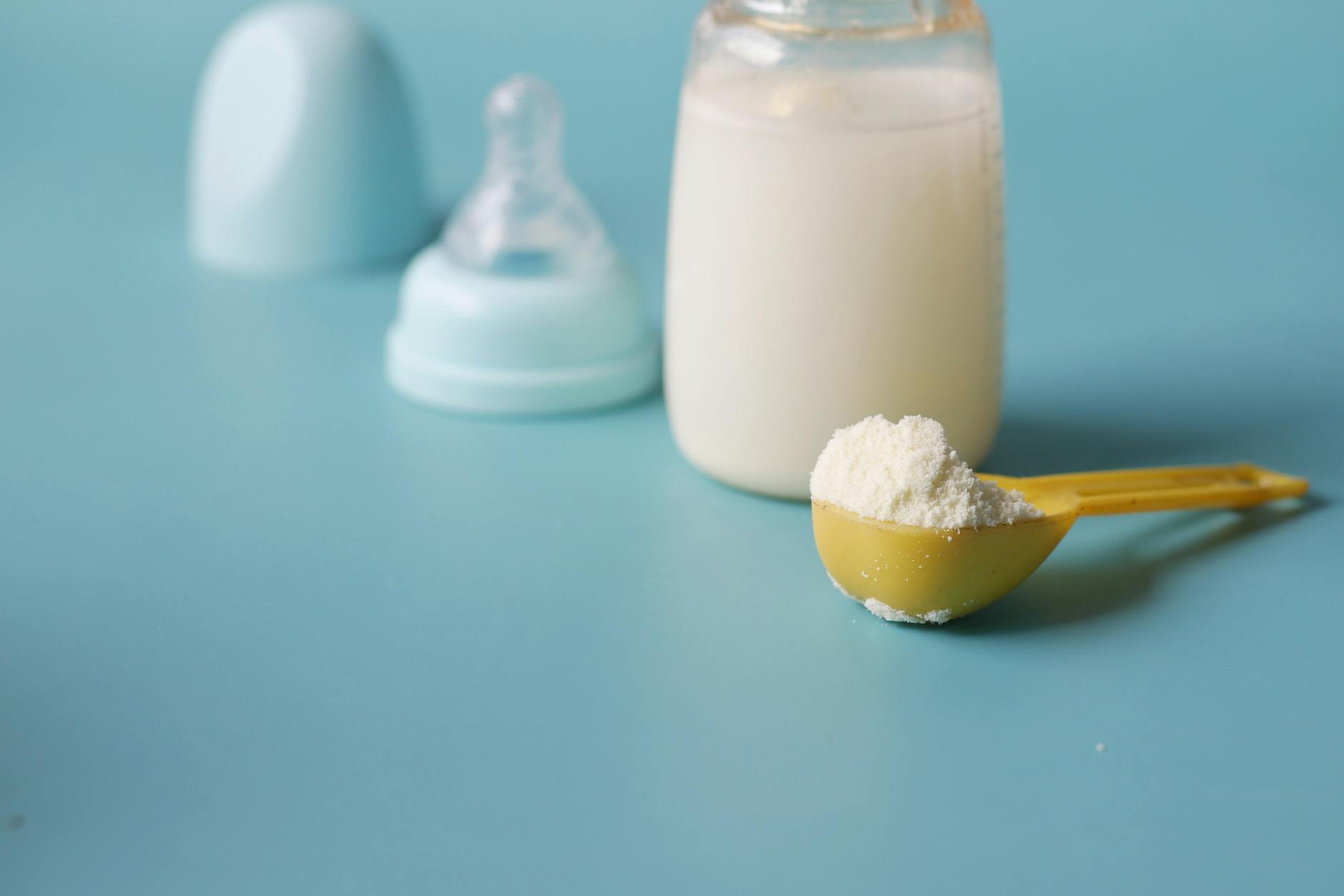
Powdered infant formula and dried milk products occupy a surprisingly tense space in international customs regulations given their seemingly benign nature. China imposes strict limits on the importation of foreign powdered milk following a series of domestic food safety scandals that drove enormous cross-border demand for foreign brands. Australia limits the quantity of powdered milk that can be exported per person to protect domestic supply for local families. Carrying unusually large quantities of any powdered substance through customs also tends to prompt additional screening regardless of its declared contents. Travellers purchasing powdered milk abroad for personal use should check both the export rules of the country of purchase and the import rules of their home country.
Ivory and Bone
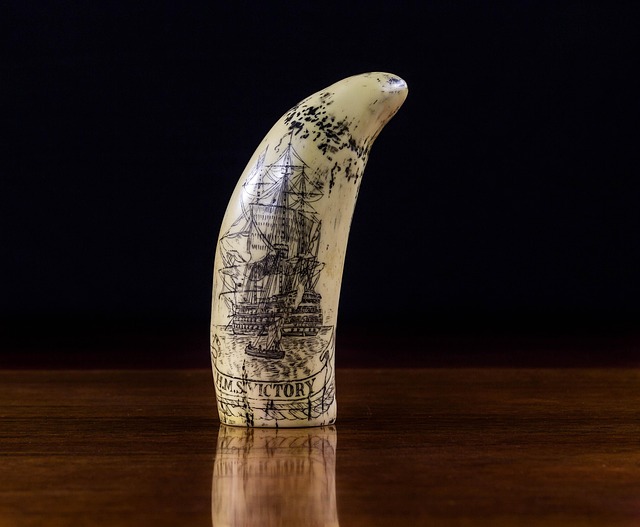
Items carved from ivory have been traded as luxury goods for centuries and fragments of this trade still surface in antique markets and souvenir shops across parts of Africa and Asia. The international ivory trade is regulated under CITES with most commercial transactions banned entirely to protect elephant populations from poaching. Proving that a piece is antique ivory predating the 1989 ban requires extensive documentation that most casual buyers simply do not possess. Even bone carvings from non-protected species can be flagged for testing at the border if their origin cannot be established clearly. The safest approach is to treat any carved white material sold in a street market as a potential customs liability and leave it on the shelf.
Lokum and Sweets
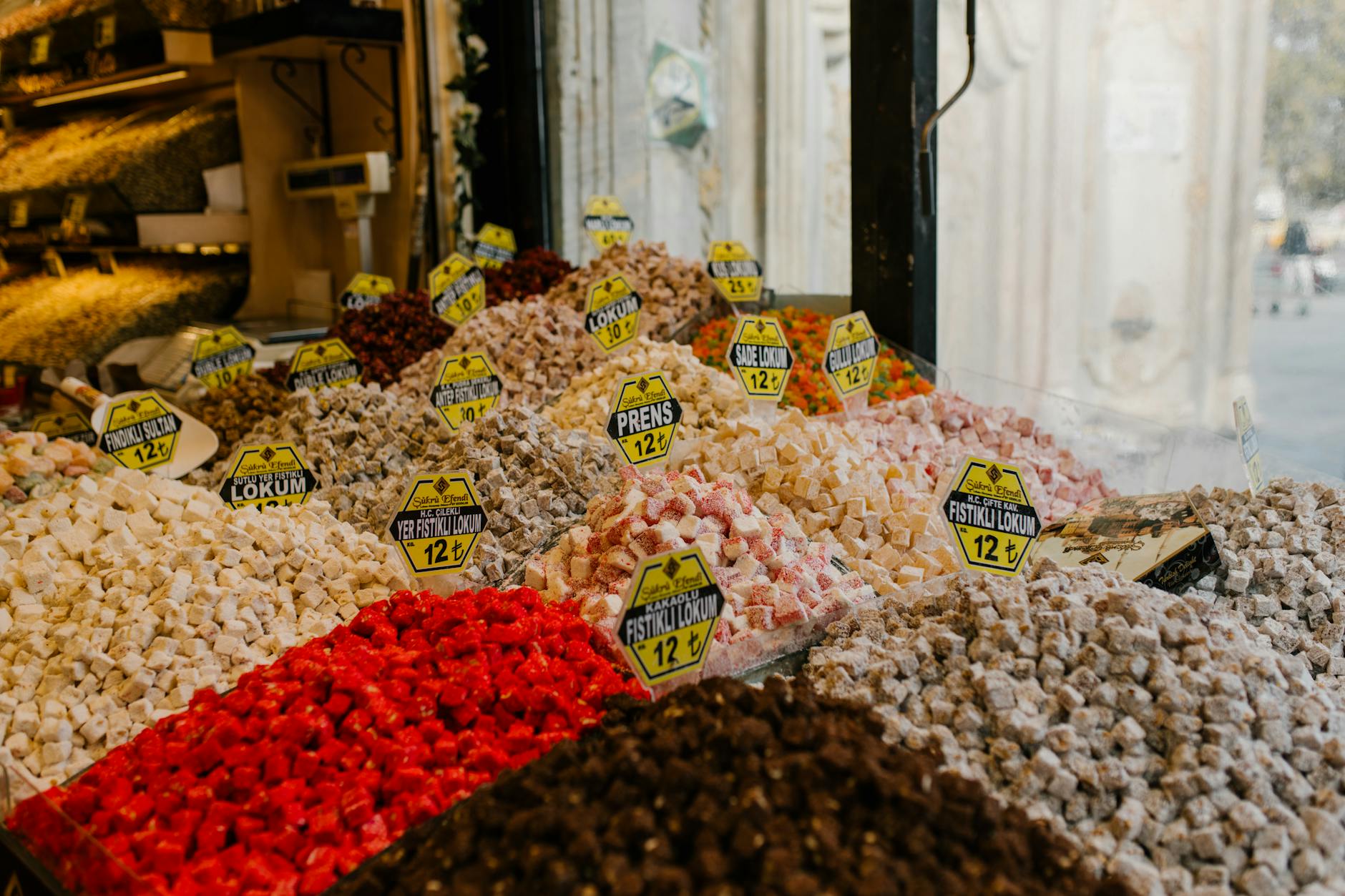
Turkish delight and other sugar confections sold in ornate boxes are among the most universally purchased food souvenirs in the Middle East and Mediterranean. Many of these products contain nut pastes, fruit jellies, or dairy derivatives that are subject to agricultural import restrictions in countries including the United States, Canada, and Australia. Commercially produced and sealed products from registered manufacturers tend to pass through customs more smoothly than items purchased loose from market stalls and packed into bags by hand. Mislabelling or absent ingredient lists on packaging can cause officers to treat the product as an undeclared agricultural risk. Checking that packaging displays a clear ingredient list and a recognisable commercial brand greatly improves the chances of a smooth border crossing.
Religious Items

Rosaries, prayer beads, statues, and other devotional objects are meaningful mementos of pilgrimages and spiritual travels that rarely draw a second glance. The problem arises when these items are crafted from restricted materials such as coral, certain hardwoods, ivory, or animal bone without the buyer realising what the material actually is. Items made from red coral are particularly common in markets across the Mediterranean and Asia and yet coral is listed as a protected species under international wildlife law. Wooden religious carvings made from species like rosewood or ebony may require export documentation under timber trade regulations. The spiritual significance of a souvenir offers no protection at the customs desk if the material from which it is made is legally prohibited.
Exotic Bird Feathers
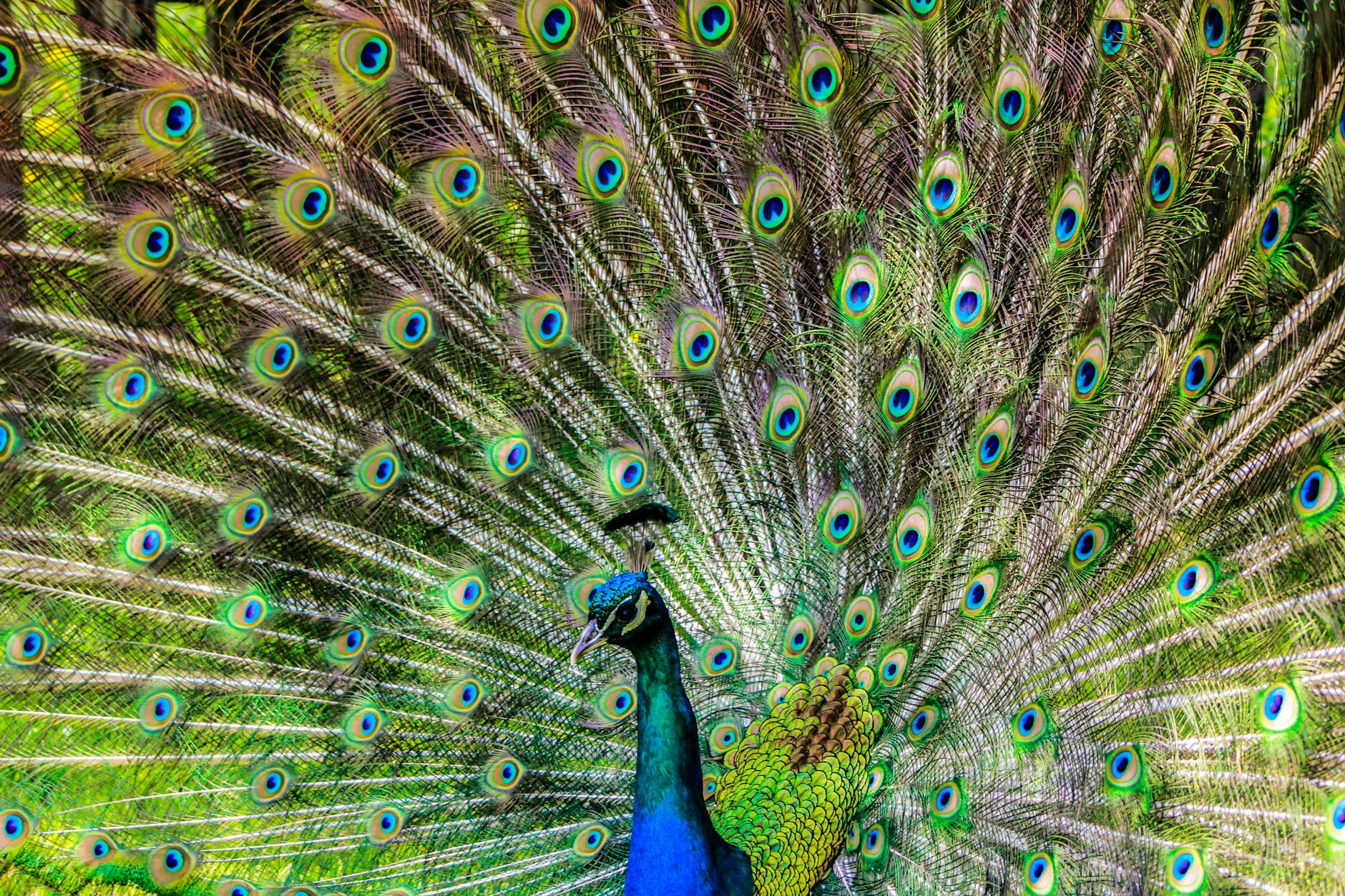
Vibrant feathers sold as decorative items or incorporated into jewellery and accessories are a staple of markets in tropical destinations across Central America, Africa, and Southeast Asia. Many bird species whose feathers are commonly traded are protected under the Migratory Bird Treaty Act in the United States and equivalent legislation in other countries. Feathers from parrots, macaws, and birds of prey are particularly regulated and possession without a permit can result in criminal charges. The difficulty is that identifying the exact species from a feather alone requires expert knowledge that neither the buyer nor always the customs officer may possess, leading to precautionary confiscation. Feathered crafts made from certified farmed poultry or synthetic materials provide an aesthetically similar alternative without the legal risk.
Homemade Alcohol
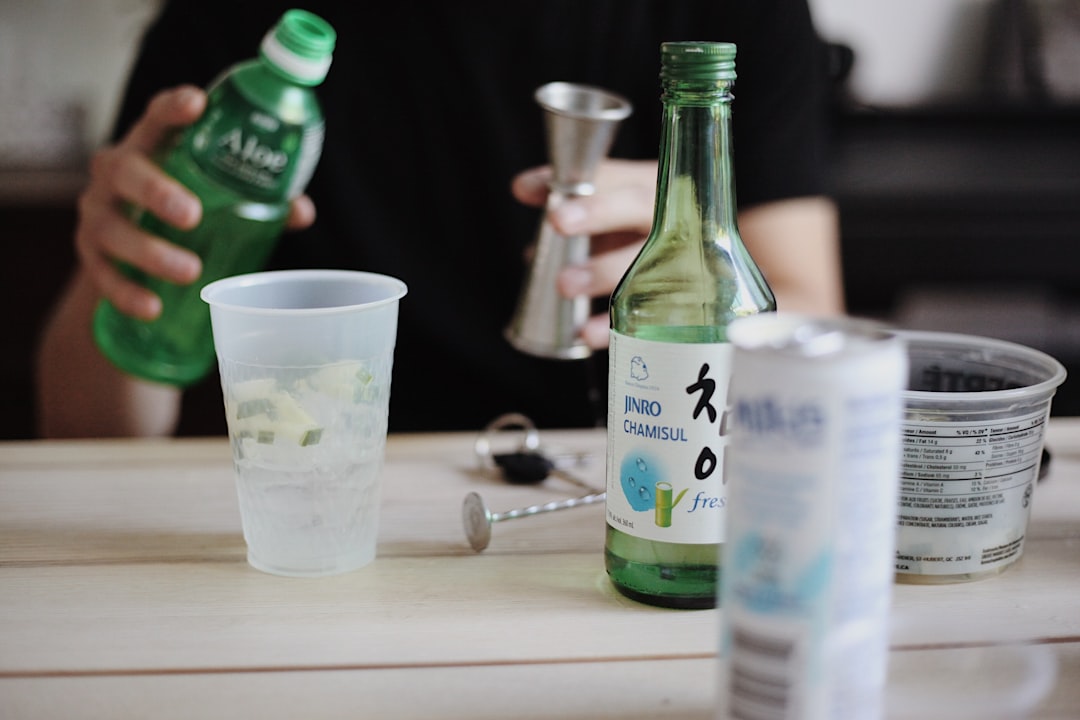
Home-brewed spirits, infused wines, and artisan liqueurs made by locals are often offered to travellers as deeply personal and generous gifts that feel impossible to refuse. Unlicensed alcohol lacking official labels, excise tax stamps, or producer registration documentation is classified as contraband in most countries regardless of its quality or the sincerity of the giver. Homemade spirits are also subject to methanol safety concerns that give customs and health authorities additional justification for confiscation. Carrying an unlabelled bottle of clear liquid through an international border raises immediate red flags that can result in a prolonged inspection of all luggage. Graciously accepting the gesture in the moment while leaving the bottle behind is often the wisest and most legally prudent decision.
Cuban Artwork
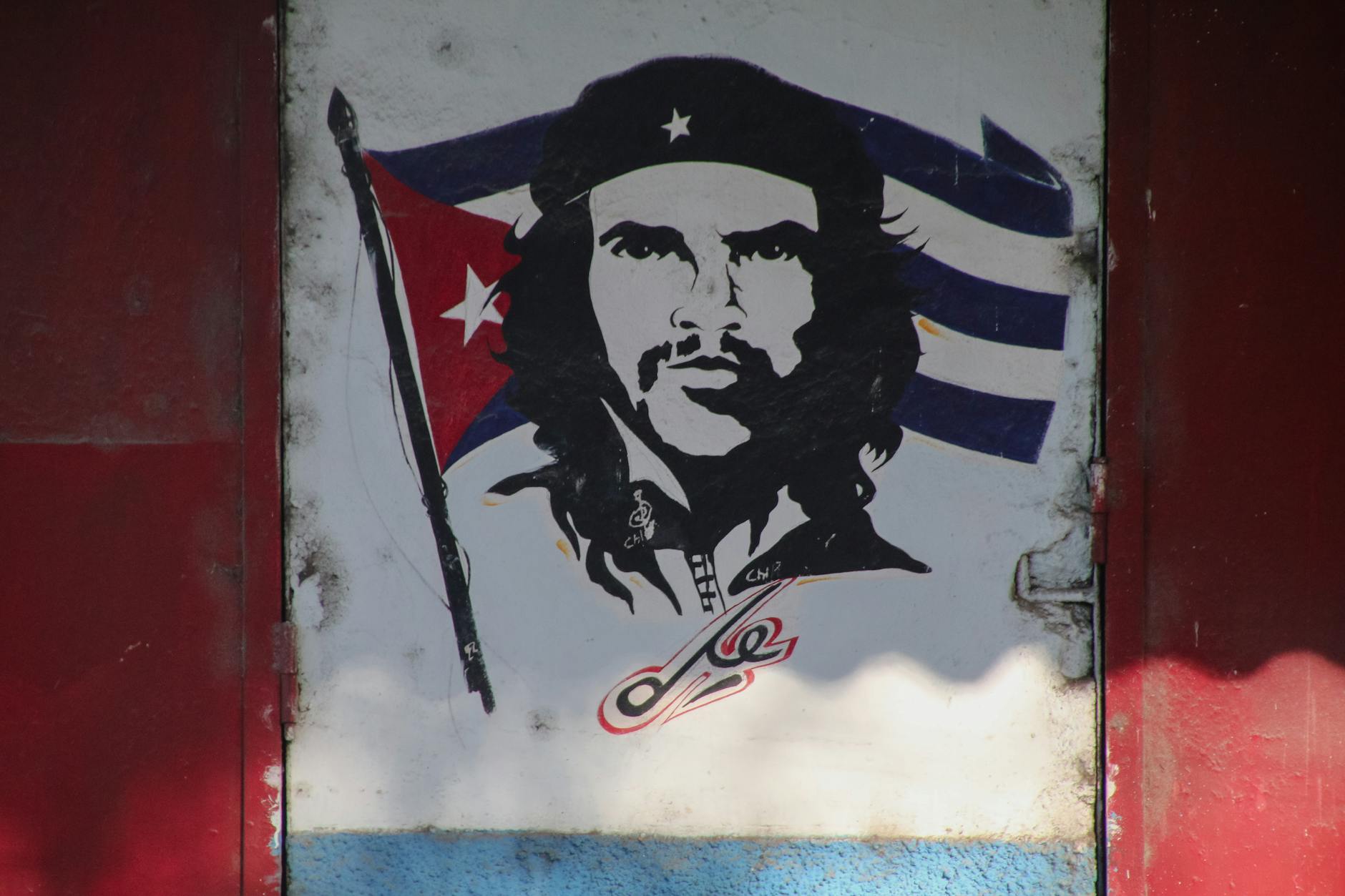
Original paintings, prints, and handcrafted artworks purchased in Cuba are genuinely appealing souvenirs reflecting a vibrant and distinctive creative culture. Export of Cuban artwork is subject to regulation by the Cuban government which requires official documentation for pieces deemed to have cultural or historical significance. Items purchased informally from artists on the street or in private homes may lack the government-issued cultural export permit required to legally remove them from the country. On the import side travellers returning to the United States must also navigate the legal complexities surrounding Cuban goods under existing trade regulations. Purchasing artwork through established government-licensed galleries and retaining all receipts is the only reliable way to ensure a trouble-free border crossing.
Narghile Pipes
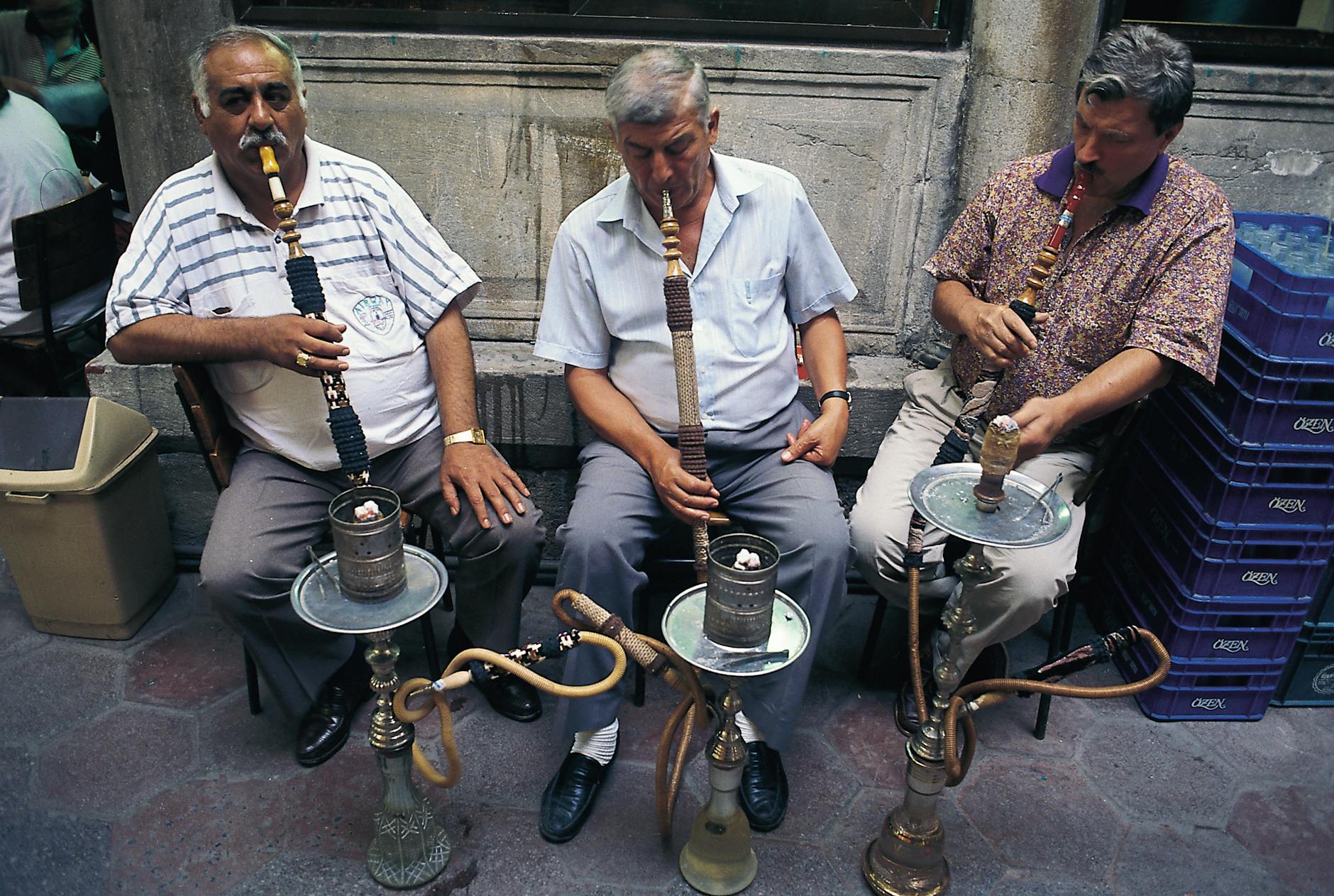
Ornate water pipes purchased in markets across the Middle East, North Africa, and Turkey are popular decorative souvenirs appreciated for their craftsmanship and cultural resonance. The issue arises not with the pipe itself but with residual tobacco or other plant matter that may remain inside the bowl or stem after use. Border biosecurity officers in countries like Australia treat any organic residue found inside a pipe as a potential agricultural contaminant subject to immediate confiscation of the item. Some destination countries also place restrictions on the import of smoking paraphernalia that has been used due to drug residue testing protocols. Purchasing a brand new sealed pipe rather than a used display model from a market stall removes most of the practical risk at the border.
Alpaca Wool
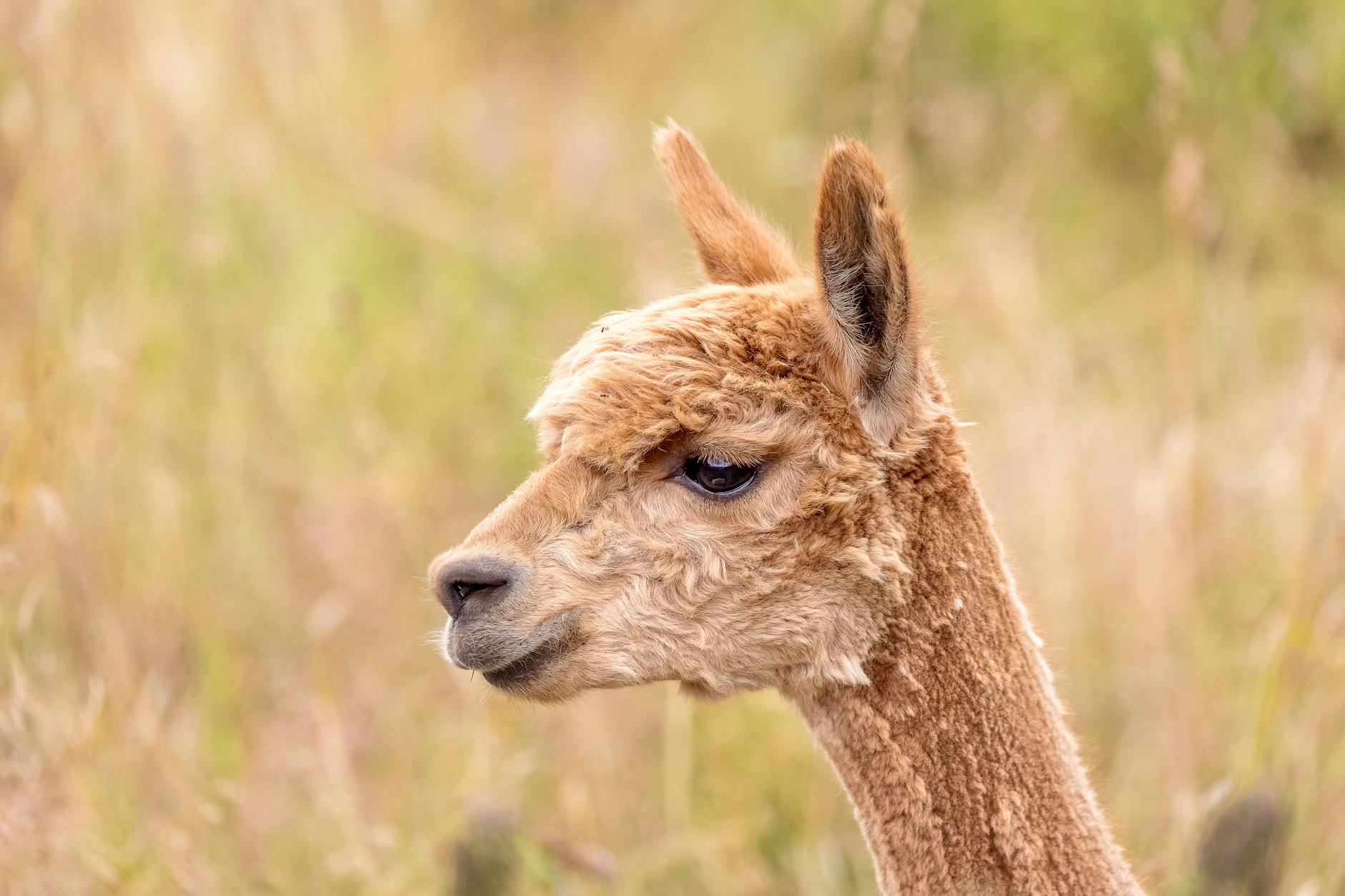
Soft alpaca textiles including scarves, blankets, and jumpers sold across Peru, Bolivia, and Ecuador are among the most beloved and seemingly benign souvenirs available in South America. Garments and textiles made from animal fibres are generally permitted for import but raw or unprocessed fleece represents a different category entirely due to the risk of carrying foot-and-mouth disease. Items labelled as alpaca but actually containing undeclared camelid or sheep fibre blends can create documentation problems if a country’s import rules apply specifically to certain animal species. Australia and New Zealand may require declaration of all animal fibre products for biosecurity inspection even when the item is a finished garment. Choosing machine-washable commercially processed textiles with clear labelling ensures that these beautiful crafts complete the journey home without incident.
Turtle Products
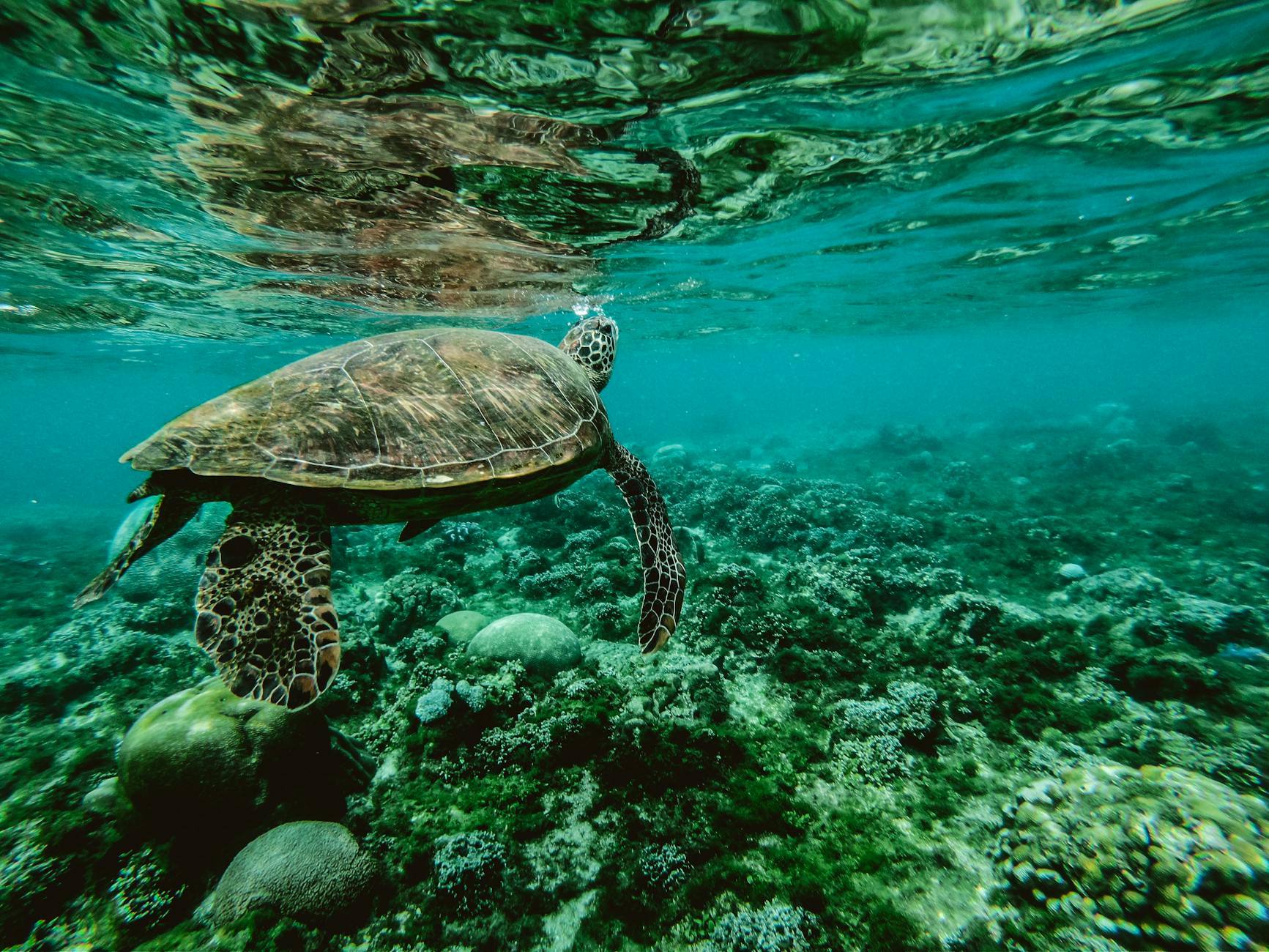
Jewellery, combs, hair accessories, and decorative items crafted from turtle shell have been prized across cultures for centuries and continue to appear in coastal souvenir markets worldwide. The hawksbill turtle whose shell is most commonly used for such crafts is listed as a critically endangered species under CITES making trade in its products one of the most serious wildlife offences covered by international customs law. Modern imitations made from plastic or resin are visually almost identical to genuine shell and yet even the imitations can be detained if officers suspect the material may be authentic. Penalties for importing genuine turtle shell products can include significant fines and in some jurisdictions criminal prosecution. Avoiding all products marketed as turtle shell regardless of the vendor’s assurances about their origin is the only safe approach.
Replica Weapons
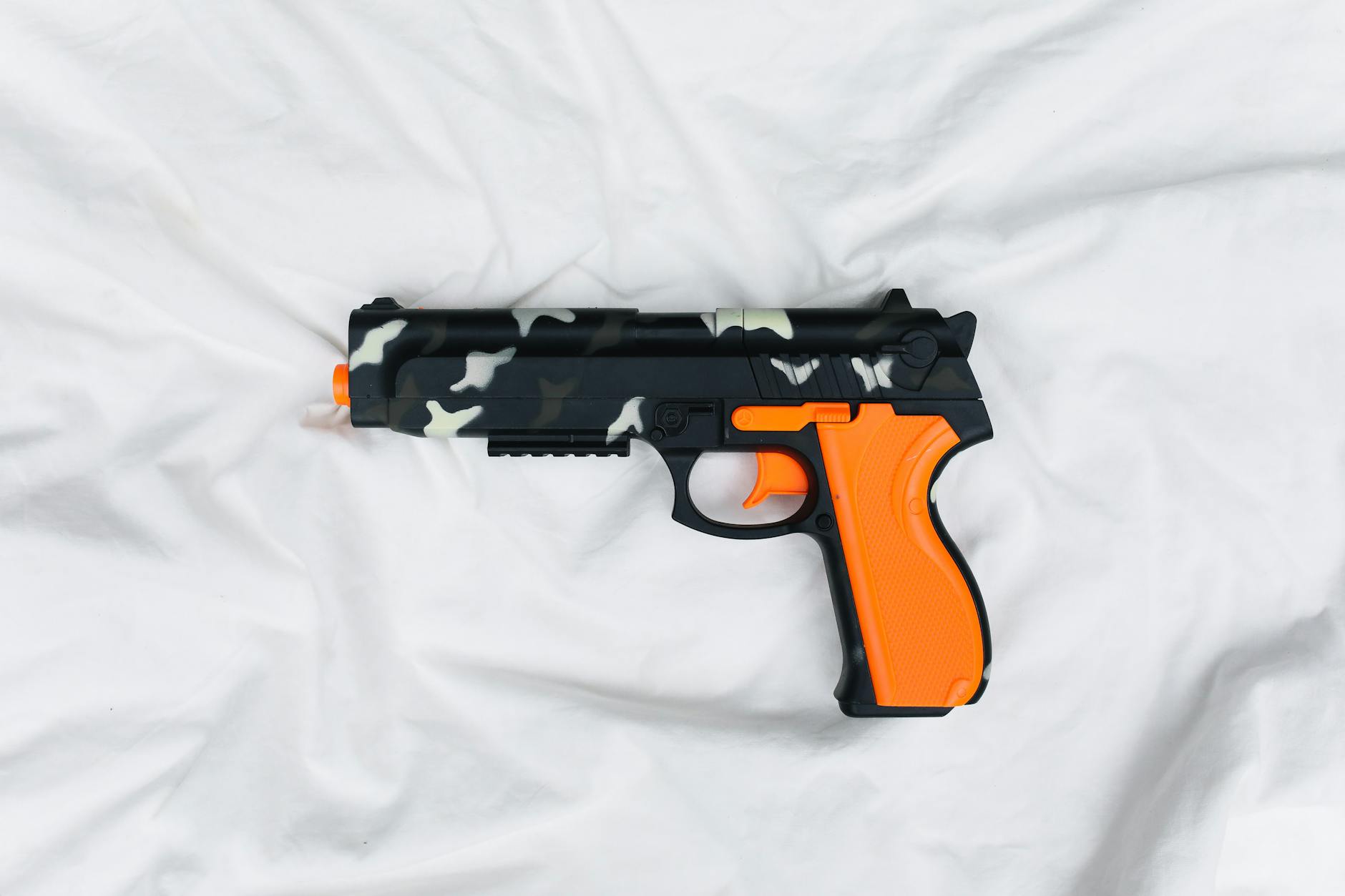
Decorative swords, daggers, antique-style pistols, and ceremonial knives make striking display pieces and are sold freely in markets from Morocco to Japan. The classification of replica and decorative weapons varies enormously between countries with some treating even ornamental blades as offensive weapons requiring import permits. Replica firearms that are capable of being converted to fire real ammunition are classified as weapons under firearms legislation in most destination countries regardless of their decorative intent. Carrying any bladed item in carry-on luggage is prohibited under aviation security rules worldwide even if the item is intended purely as a souvenir. Shipping decorative weapons as declared cargo through an official courier service with proper documentation is the only reliably legal method of bringing them home.
Orchids and Cacti

Wild orchids collected from tropical forests and certain cactus species harvested in desert environments are among the most striking natural souvenirs a traveller might be tempted to acquire. Both plant families contain numerous species listed under CITES Appendix I and II which restricts or prohibits their international trade to prevent exploitation of wild populations. Nursery-grown specimens purchased from licensed commercial sellers may be legal to export but still require a phytosanitary certificate and often a CITES export permit to cross international borders. The visual distinction between a legally sourced cultivated plant and an illegally collected wild specimen is impossible for most customs officers to determine without documentation. Any orchid or cactus specimen without accompanying export and health certification will routinely be confiscated at the border.
Dried Fish
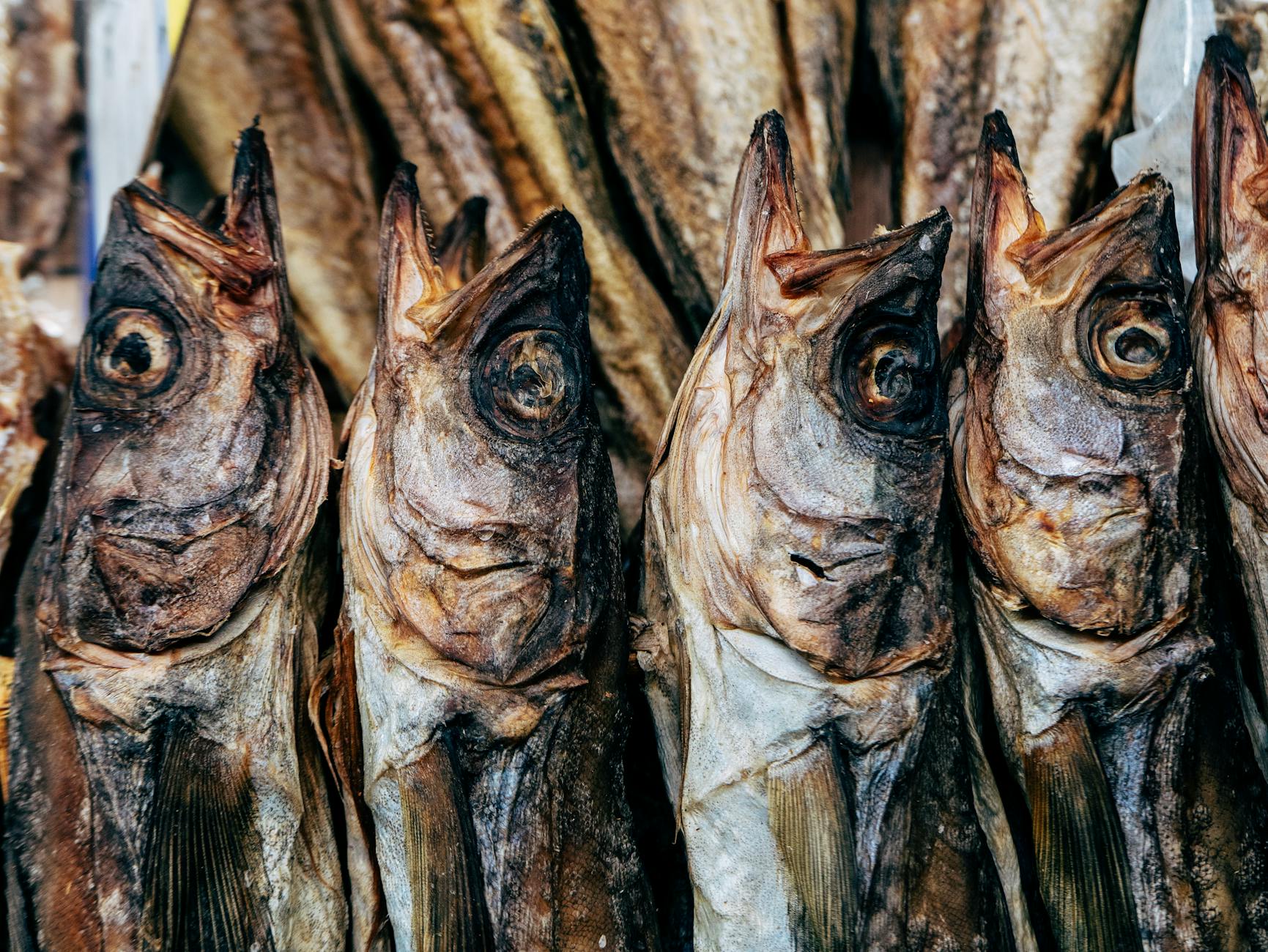
Packets of dried, salted, or smoked fish are a staple food souvenir in coastal nations across Asia, Africa, and the Pacific and travellers routinely pack them as flavourful reminders of a destination. Agricultural import regulations in countries including Australia, the United States, and Canada restrict or ban the import of fish products that lack official processing certification due to disease and contamination risks. Commercially packaged dried fish with ingredient labels and official health inspection stamps from the country of origin pass through customs far more reliably than fish dried and wrapped informally by market vendors. Species-specific restrictions also apply in some destinations as certain fish products may be derived from protected marine populations. Carrying more than personal-use quantities of any seafood product will almost certainly prompt a declaration and inspection process at the border.
Marble Fragments
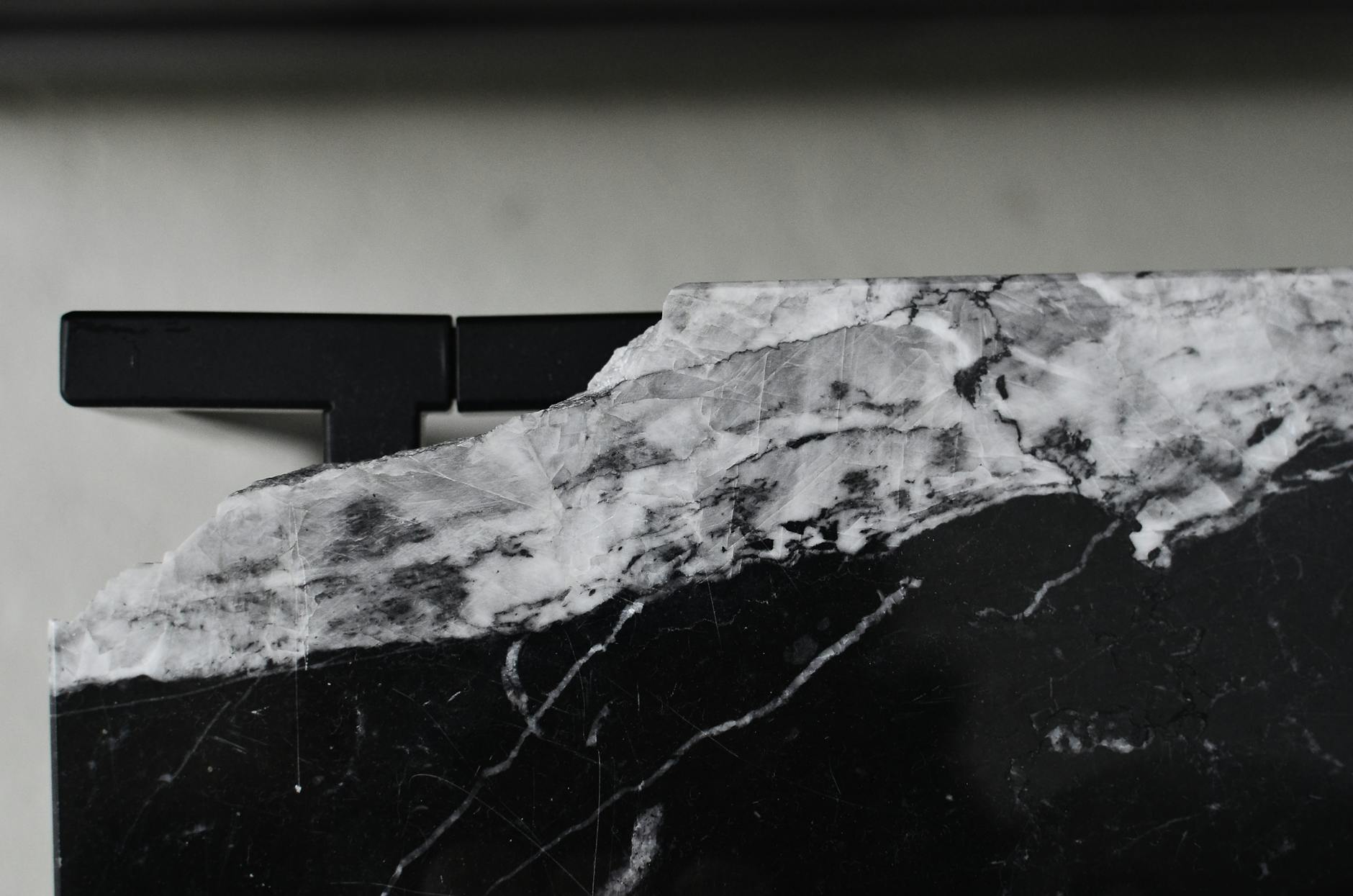
Small chips and fragments of marble or stone collected from ancient ruins are carried home by travellers every year as tangible connections to the history they have witnessed. In countries including Greece, Italy, Turkey, and Egypt the removal of any material from an archaeological site regardless of its size is classified as theft of cultural heritage under national and international law. Customs officers in many destination countries are briefed to look for stone fragments, pottery shards, and similar materials in the luggage of travellers arriving from historically significant nations. The argument that a fragment was simply lying loose on the ground provides no legal protection as the material is considered state property the moment it originates from a protected site. Purchasing a certified replica from an authorised museum shop satisfies the same desire for a tangible connection to history without any of the legal consequences.
Perfume in Excess
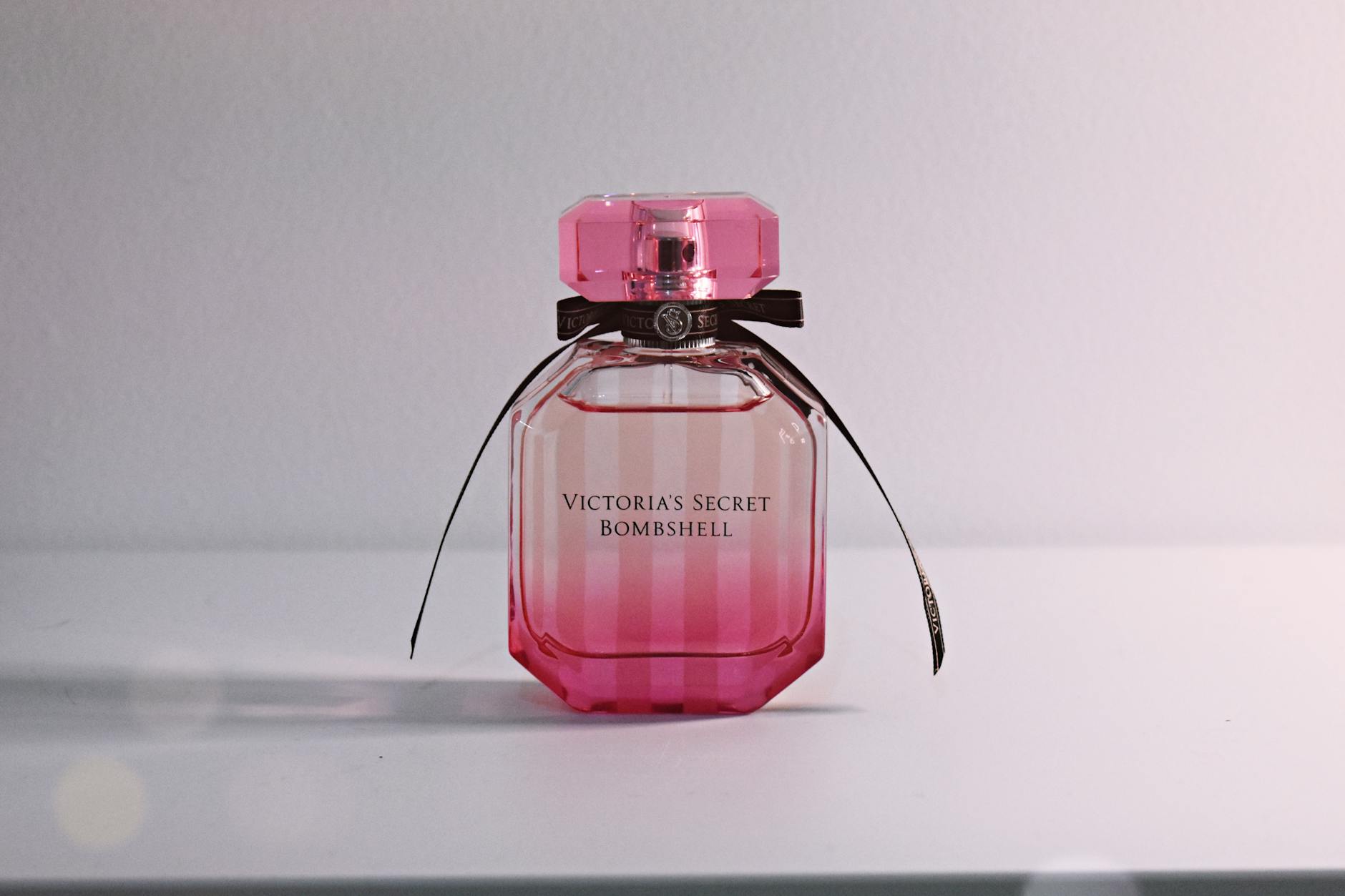
Artisan perfumes, attars, and essential oil blends purchased in the souks of Morocco, Oman, or India make deeply evocative and luxurious mementos of a journey. The issue is not the fragrance itself but the volume carried as aviation security rules impose a strict 100ml liquid limit per container for carry-on luggage and duty-free allowances cap the total value and quantity of goods imported. Perfumes containing certain restricted botanical ingredients such as oud oil derived from protected agarwood species may face additional scrutiny under CITES regulations depending on concentration and quantity. Bottles lacking official labels and ingredient declarations are treated as unidentified cosmetic products which can trigger additional inspection at both security and customs checkpoints. Decanting a small amount into a travel-sized container and packing the original sealed bottle in checked luggage with receipts retained is the most practical strategy for bringing fine fragrance home legally.
If any of these souvenirs are already in your collection or if you have had your own customs encounter with an unexpected item, share your story in the comments.




