
The wellness industry has built a thriving market around snacks marketed as cognitive enhancers, memory boosters and focus sharpeners. Packaging covered in green leaves, scientific-sounding claims and the word “natural” has convinced millions of consumers that certain foods are actively improving their mental performance. The reality supported by nutritional research tells a more complicated and often contradictory story. Many of the most popular snacks sold under the brain food banner contain ingredients that science links to cognitive sluggishness, inflammation and impaired concentration when consumed regularly.
Granola Bars

Granola bars occupy a prominent position in the health food aisle and are frequently marketed with language about sustained energy and mental clarity. The majority of commercially produced granola bars contain sugar levels comparable to candy bars, with many popular varieties exceeding 20 grams per serving. A rapid spike in blood glucose followed by an equally rapid crash is well documented as a driver of brain fog, poor concentration and mood instability. The oats and nuts that give granola bars their healthy reputation are often present in quantities too small to meaningfully offset the sugar content. Regular consumption of high-sugar granola bars has been associated in nutritional studies with patterns of energy fluctuation that directly undermine sustained cognitive performance.
Trail Mix
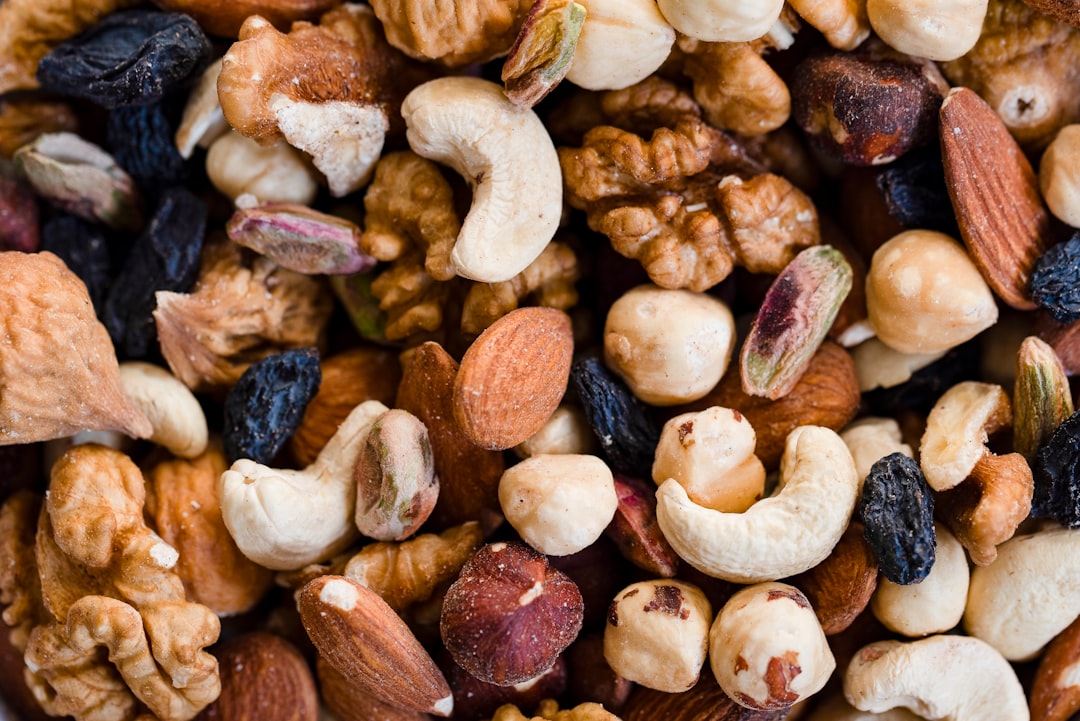
Trail mix carries decades of association with outdoor endurance and physical and mental stamina, making it a popular desk snack among productivity-focused consumers. Commercial trail mix varieties almost universally include chocolate chips, yogurt-covered raisins or sweetened dried fruits that dramatically increase the sugar load of the product. Dried fruits in particular contain concentrated fructose that the liver processes differently from whole fruit, with excess fructose linked to inflammation that affects brain function over time. The salt content in many commercial mixes also contributes to dehydration when consumed without adequate water, and even mild dehydration measurably impairs cognitive performance. Homemade versions with unsweetened ingredients perform significantly better nutritionally than the branded varieties most consumers actually purchase.
Rice Cakes

Rice cakes became a staple of diet culture and are frequently recommended as a light, brain-friendly snack due to their low calorie count and simple ingredient list. Their glycemic index is extremely high, meaning they cause blood sugar to rise faster than many foods that are openly recognized as sugary treats. A rapid glucose spike from a high-glycemic food triggers an equally sharp insulin response, leading to the kind of energy and concentration crash that is counterproductive to sustained mental work. Rice cakes also provide virtually no fiber, protein or healthy fat, which are the three macronutrients most reliably associated with stable cognitive function between meals. Eating them plain or topped with sweet spreads compounds the glycemic impact and offers minimal nutritional compensation.
Flavored Almonds
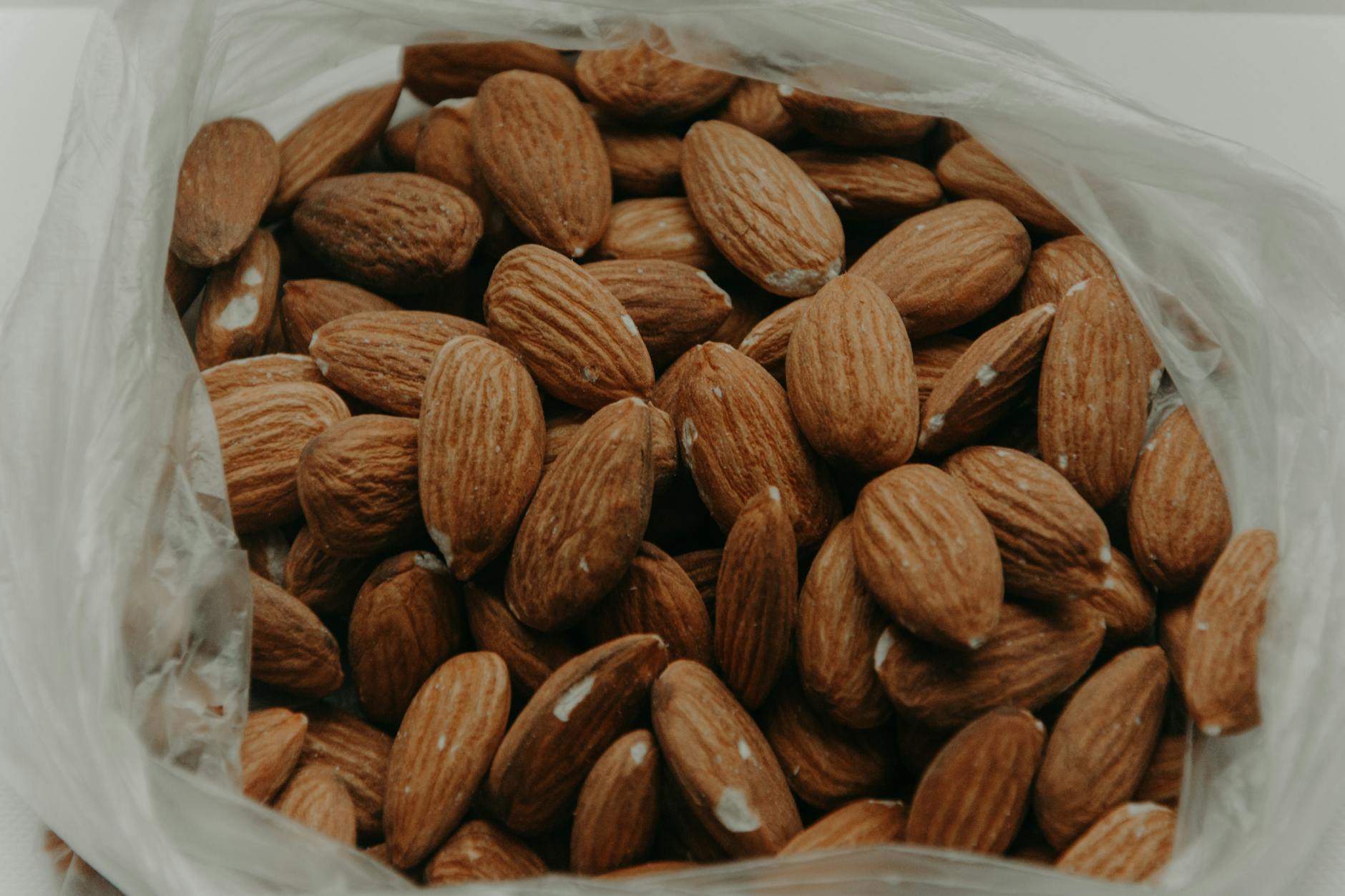
Plain almonds have a genuinely strong scientific foundation as a brain-supportive food due to their vitamin E content, healthy fats and magnesium. The flavored varieties that dominate store shelves introduce a very different nutritional profile through coatings of sugar, honey, artificial flavoring compounds and significant amounts of sodium. Many honey-roasted and chocolate-covered almond products contain more added sugar per serving than the almond content justifies from a health standpoint. Artificial flavoring agents used in savory varieties like ranch or sriracha almonds have been studied in relation to gut microbiome disruption, and gut health is now understood to directly influence neurotransmitter production and cognitive clarity. The marketing imagery of these products leans heavily on the reputation of plain almonds while the actual nutritional content diverges significantly.
Coconut Water

Coconut water became one of the fastest-growing wellness beverages globally on the strength of claims about electrolyte replenishment, hydration and mental alertness. While it does contain potassium and some magnesium, the sugar content of most commercially packaged coconut water is substantial enough to trigger blood glucose fluctuations in regular consumers. Many flavored or blended coconut water products add further sugars and juices that push the product firmly into the sugary drink category despite its health food branding. The electrolyte concentrations in plain coconut water are also not as exceptional as marketing suggests, with plain water and a balanced diet providing comparable hydration outcomes for most people. Consuming it as a substitute for water throughout a workday introduces a consistent low-level sugar load that accumulates meaningfully over time.
Protein Cookies

The protein cookie category has expanded rapidly in response to consumer demand for indulgent foods that carry a functional health benefit. Many of these products achieve their protein numbers through isolates and concentrates that are processed with chemical solvents and stripped of the cofactors found in whole food protein sources. Artificial sweeteners used to keep sugar content low in protein cookies have been studied in relation to altered gut bacteria populations and changes in glucose metabolism that may paradoxically increase sugar cravings. The palatability engineering built into these products is specifically designed to override satiety signals, encouraging overconsumption beyond a single serving. Neurologically, the reward pathway stimulation from highly engineered sweet and high-protein foods can create dependency patterns that interfere with the brain’s response to less stimulating but more nutritionally complete foods.
Veggie Chips

Veggie chips are marketed with imagery of beets, spinach and kale and positioned clearly as a vegetable-forward alternative to conventional potato chips. The vegetable content in most commercially produced veggie chips is minimal and present primarily in powdered form, contributing negligible fiber or micronutrients to the product. The base ingredient in the majority of these products is still potato starch or corn starch, giving them a glycemic and nutritional profile nearly identical to standard chips. The frying process used in production oxidizes the small amounts of vegetable-derived compounds present, further reducing any potential cognitive benefit from the original plant ingredients. Consumers who substitute veggie chips for whole vegetables in their diet are receiving the sensory satisfaction of vegetable consumption without the neurological and physiological benefits.
Peanut Butter Packets

Single-serve peanut butter packets have become popular as portable protein snacks associated with sustained energy and focus for busy professionals and students. Many of the most widely distributed brands include added sugars, hydrogenated oils and emulsifiers that are not present in traditional peanut butter made from only nuts and salt. Partially hydrogenated oils contain trans fats that research has consistently linked to increased systemic inflammation, including neuroinflammation that directly impairs memory and processing speed. The portion sizes in commercial packets are also frequently calibrated to encourage consumption of multiple servings, multiplying the intake of any problematic additives. Reading ingredient labels carefully reveals a significant divide between peanut butter products that support brain health and those that undermine it despite identical marketing language.
Seaweed Snacks

Seaweed snacks emerged as a trendy brain food on the strength of iodine content, mineral density and associations with the dietary patterns of populations with strong longevity records. The sodium content in commercially packaged seaweed snacks is extremely high relative to serving size, with some varieties delivering a significant fraction of the daily recommended sodium intake in a single small package. Excessive sodium intake is associated with increased blood pressure and reduced cerebral blood flow, both of which negatively affect cognitive function and mental clarity. The oils used to season and crisp many seaweed snack products include refined vegetable oils high in omega-6 fatty acids that, when consumed in excess, promote inflammatory pathways linked to mood disruption and cognitive decline. The genuine nutritional benefits of whole seaweed consumed in traditional culinary contexts do not automatically transfer to the heavily processed packaged version.
Dark Chocolate Bites

Dark chocolate with a high cocoa percentage has legitimate research support for its flavonoid content and short-term effects on cerebral blood flow and focus. The small individually wrapped dark chocolate bites sold as brain-supporting snacks are typically sweetened well beyond the threshold at which flavonoid benefits are clinically meaningful. The sugar content necessary to make very dark chocolate commercially palatable introduces a glycemic response that counteracts the vascular benefits of the cocoa compounds. Many mass-market dark chocolate products also contain emulsifiers and artificial flavoring that displace cocoa solids and reduce the product’s actual flavonoid concentration. Research supporting chocolate’s cognitive benefits typically uses cocoa percentages of 70 percent or higher in quantities that bear little resemblance to how most consumers actually eat packaged chocolate snacks.
Yogurt Parfaits

Yogurt is frequently cited in nutritional literature for its probiotic content and the established gut-brain axis connection that links digestive microbiome health to mood and cognitive performance. Pre-packaged yogurt parfaits and flavored yogurt cups sold in convenience stores and coffee chains typically contain sugar levels that rival dessert servings and overwhelm any probiotic benefit the product might offer. The granola layers added to parfait products contribute additional sugar and refined carbohydrates that accelerate the blood glucose response. Fruit-flavored yogurt varieties often contain more artificial flavoring than actual fruit, removing the polyphenol and fiber contribution that makes whole fruit a genuinely brain-supportive addition to dairy. Plain unsweetened yogurt from the same dairy category performs dramatically differently in terms of cognitive and metabolic impact compared to the sweetened products most consumers choose.
Smoothie Pouches

Ready-to-drink smoothie pouches are sold with messaging about whole fruits, vegetables and cognitive support and are popular with parents packing them as smart snacks for children and adults alike. The blending and processing of fruit removes the structural fiber matrix of whole fruit, causing the naturally occurring sugars to be absorbed much more rapidly into the bloodstream than eating the equivalent fruit whole would produce. Commercial smoothie pouches frequently add fruit juice concentrates and purees to improve palatability, compounding the sugar load beyond what the listed fruits alone would contain. The rapid glucose absorption from liquid fruit products is particularly pronounced when consumed without accompanying protein or fat to slow digestion. Nutritional researchers studying pediatric attention and cognitive performance have identified high liquid sugar intake as a contributing factor to concentration difficulties in school-age children.
Multigrain Crackers
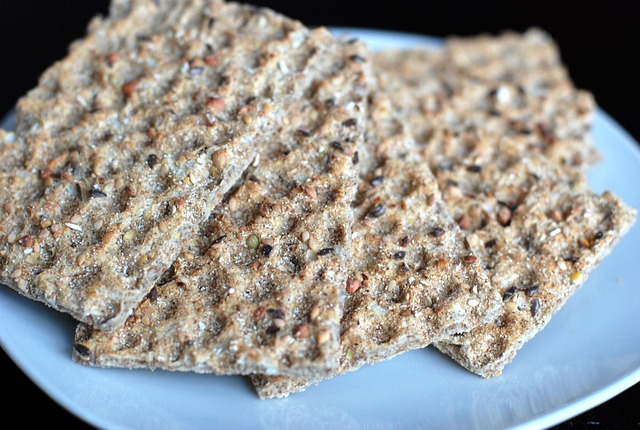
Multigrain crackers benefit from the positive associations consumers have built around words like “whole grain” and “multigrain” through decades of nutritional messaging. Regulatory standards for the term “multigrain” require only that more than one grain type be present, with no minimum requirement for whole grain content or fiber density. Many multigrain crackers list enriched white flour as their primary ingredient, with smaller quantities of oat flakes or seeds sprinkled in to justify the multigrain label. The refined carbohydrate base of these products produces a blood sugar response similar to white bread, and the brain fog associated with post-meal glucose crashes is equally applicable. The addition of flax seeds or sesame visible on the exterior of the cracker contributes negligible omega-3 or micronutrient value when present in the quantities used in commercial production.
Dried Blueberries
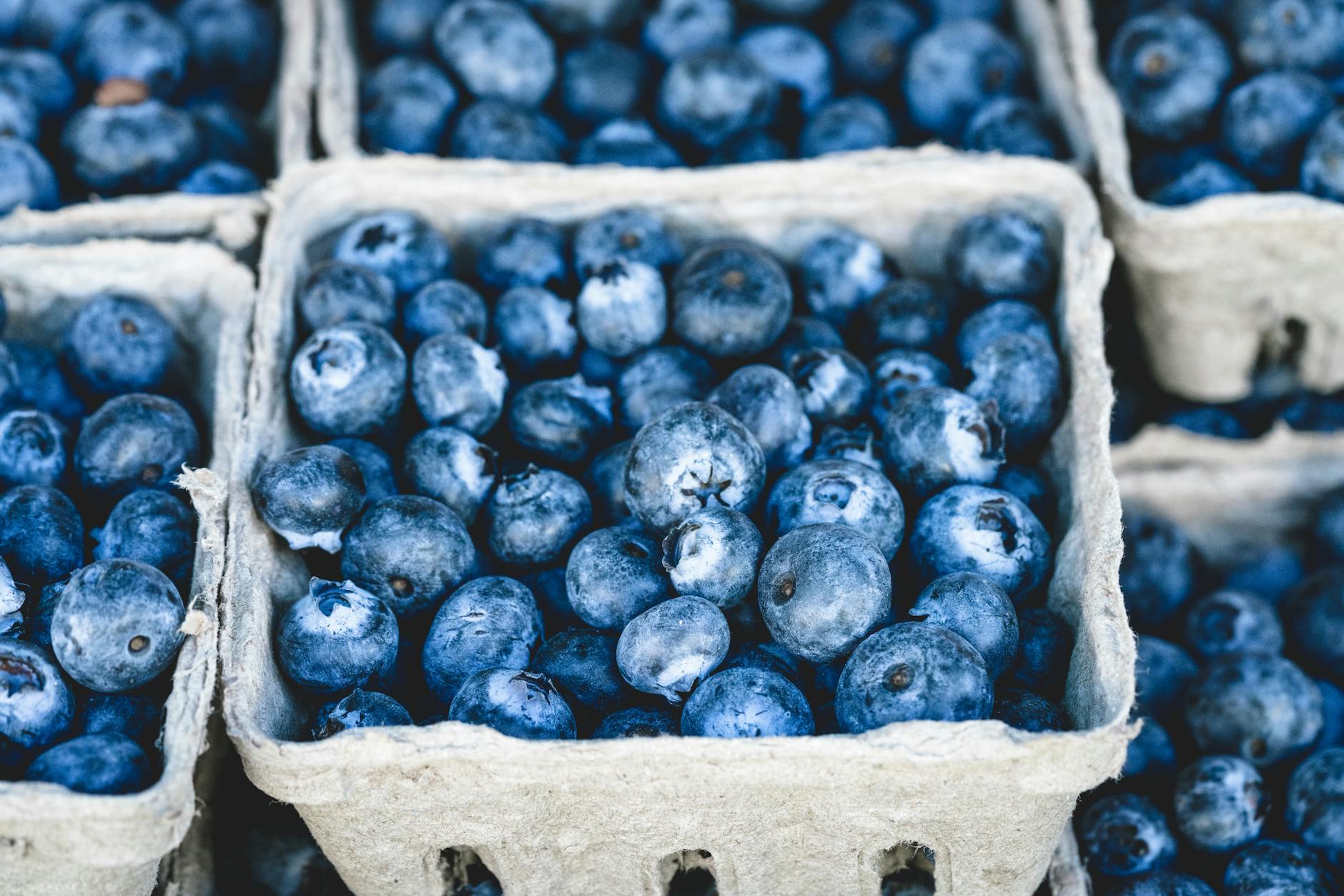
Fresh blueberries carry exceptional scientific support as a brain food due to their anthocyanin content and established links to improved memory, processing speed and protection against oxidative stress in neural tissue. Commercially dried blueberries sold as snacks are almost universally sweetened with added sugar and infused with fruit juice to compensate for the tartness that develops during the drying process. The heating involved in commercial drying degrades a meaningful proportion of the anthocyanin compounds responsible for the fruit’s cognitive benefits. Gram for gram, dried blueberries deliver substantially more sugar and fewer active beneficial compounds than the fresh version, fundamentally changing their metabolic and neurological impact. The association with fresh blueberry research leads consumers to assume equivalence between the two products that nutritional analysis does not support.
Matcha Products

Matcha has built a strong evidence base for its combination of caffeine and L-theanine, which together produce a state of calm focus that distinguishes it from coffee’s more jagged stimulant effect. Matcha-flavored snack bars, cookies and chocolate products sold in health food stores capture the marketing appeal of matcha while containing quantities of the actual compound far too small to produce any measurable cognitive effect. The sugar content of matcha-flavored commercial products frequently exceeds the threshold that triggers glycemic disruption, directly counteracting any alertness benefit the trace matcha might otherwise provide. Artificial matcha flavoring used in lower-cost products contains none of the L-theanine or catechins present in ceremonial or culinary grade matcha powder. Consumers who purchase these products expecting the focus benefits documented in matcha research are responding to branding rather than bioavailability.
Nut Butter Bars

Nut butter bars featuring almonds, cashews or macadamia nuts are positioned in the health food market as high-fat, low-sugar alternatives to conventional snack bars and are popular among consumers following low-carbohydrate dietary approaches. Many commercial nut butter bars use brown rice syrup, tapioca syrup or agave nectar as binding agents, all of which have high glycemic impacts comparable to or exceeding that of table sugar. The fructose concentration in agave-based products is particularly high, and excess dietary fructose has been studied in relation to reduced brain-derived neurotrophic factor levels that are associated with learning and memory function. The nut content that gives these bars their nutritional credibility is often present in quantities that provide meaningful caloric density but insufficient micronutrient value to support the cognitive claims on the packaging. Label reading beyond the front panel marketing claims consistently reveals a more complicated nutritional picture than the product photography suggests.
Popcorn Varieties

Air-popped plain popcorn is a whole grain snack with a reasonable fiber content that compares favorably to most other grain-based snack foods. The flavored microwave and pre-bagged varieties marketed as lighter snacking options frequently contain artificial butter flavoring compounds, seed oils and significant sodium that alter the product’s health profile entirely. Diacetyl, an artificial butter flavoring compound used historically in microwave popcorn, has been studied in relation to neurological concerns significant enough to prompt reformulation by major brands in response to occupational exposure research. Kettle corn and caramel popcorn varieties introduce sugar coatings that combine with the starchy base of corn to create a high-glycemic snack that produces energy disruption inconsistent with sustained cognitive performance. The whole grain credential of popcorn requires the product to remain relatively unprocessed to be meaningful, a condition most commercially flavored varieties do not meet.
Probiotic Snack Bars
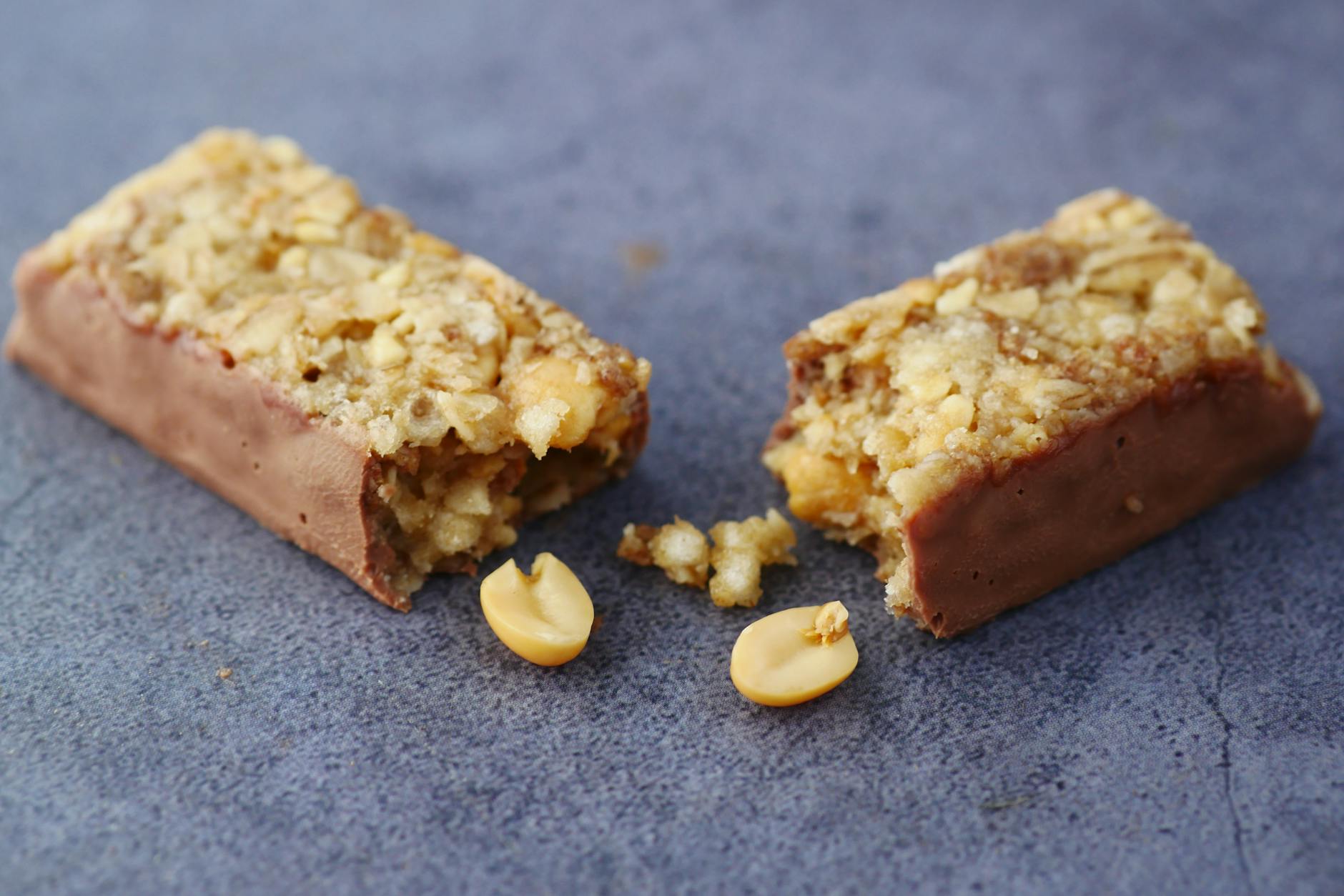
Probiotic snack bars represent an attempt to deliver gut-brain axis benefits in a convenient packaged format, capitalizing on growing consumer awareness of the microbiome’s role in cognitive and emotional regulation. The probiotic strains added to shelf-stable snack bars face significant viability challenges because most beneficial bacteria require refrigeration and specific conditions to remain active through production, distribution and storage. Studies examining probiotic content in bars that have been stored at room temperature for their typical shelf life find that the live culture counts frequently fall far below levels considered clinically effective. The sugar content used to make these bars palatable creates a prebiotic environment in the gut that favors bacterial strains associated with inflammation rather than the beneficial populations the probiotic addition is intended to support. Consumers paying a premium for probiotic functionality in a shelf-stable bar format are frequently purchasing a health narrative that the product’s biological reality cannot fulfill.
Fruit Leather

Fruit leather and fruit roll-ups marketed as natural fruit snacks are made from fruit purees that have been concentrated, heated and dried in ways that transform the original fruit’s nutritional profile significantly. The concentration process removes water while retaining and intensifying the naturally occurring and often added sugars, resulting in a product with a very high sugar density relative to its small physical size. The fiber content of the original fruit is partially degraded through the heating and rolling process, reducing the buffering effect that whole fruit fiber provides against rapid glucose absorption. Many commercial fruit leather products add corn syrup or other sweeteners to standardize flavor across production batches, compounding the glycemic impact. The chewy texture and high sugar content also create a stickiness that oral health researchers have associated with prolonged sugar contact with tooth enamel, contributing to a feedback loop between poor dental health and systemic inflammation.
Hemp Seed Bars
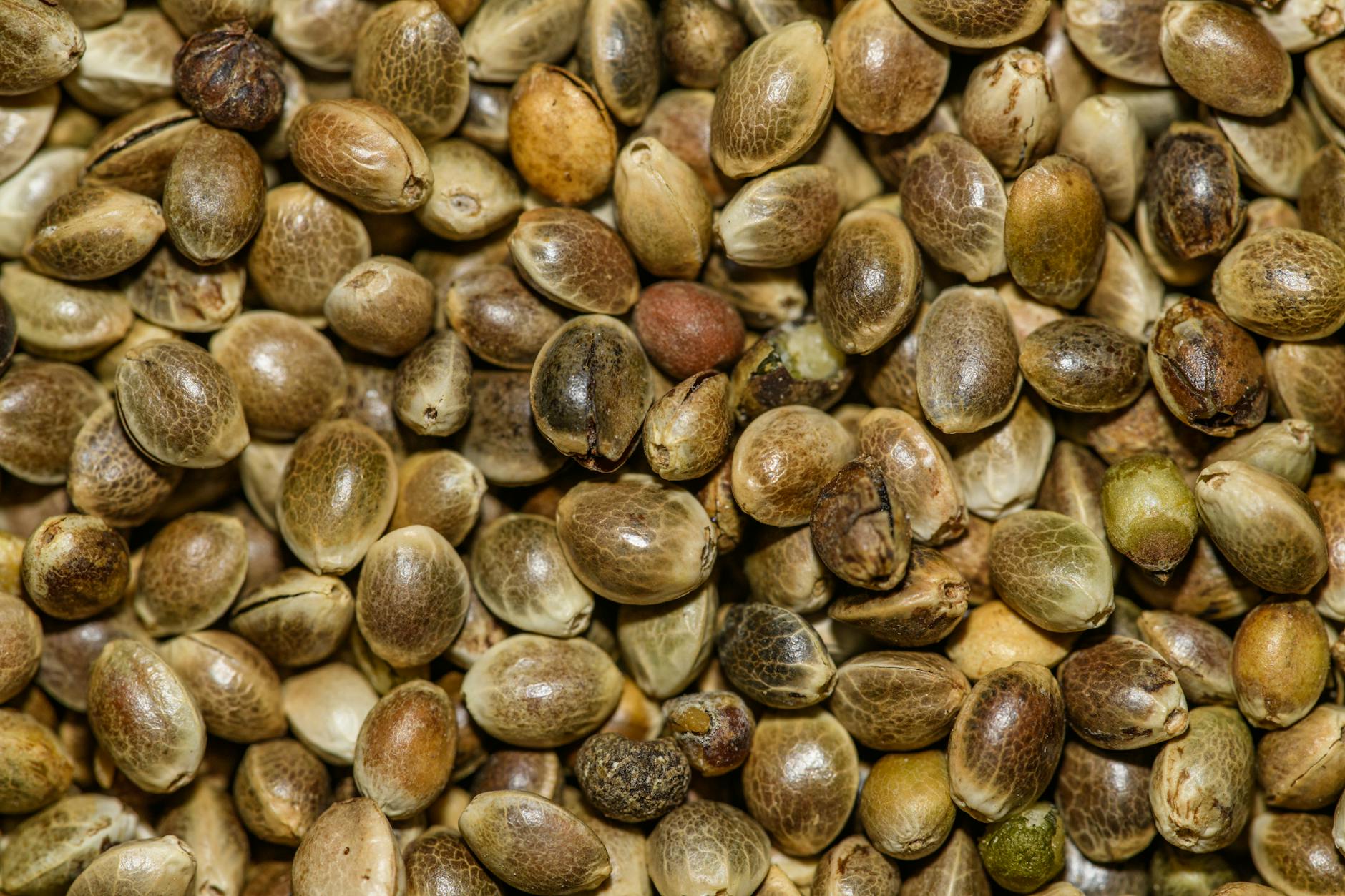
Hemp seeds themselves are a legitimately nutritious ingredient containing a favorable ratio of omega-3 to omega-6 fatty acids along with complete protein and minerals associated with neurological function. Hemp seed bars commercially produced for the snack market typically combine hemp seeds with dates, brown rice syrup or honey as binding agents that significantly alter the glycemic impact of the final product. The quantities of hemp seed present in most bars are not sufficient to deliver omega-3 levels that would produce measurable cognitive benefits in the absence of other dietary sources. Processing the bars at the temperatures required for commercial production can oxidize the delicate polyunsaturated fats in hemp seeds, reducing the quality and bioavailability of the fats that represent the ingredient’s primary brain health value. The gap between the nutritional promise of raw hemp seeds and the actual content of bars bearing their name is wide enough to make the cognitive marketing claims difficult to substantiate.
Vitamin-Fortified Chips
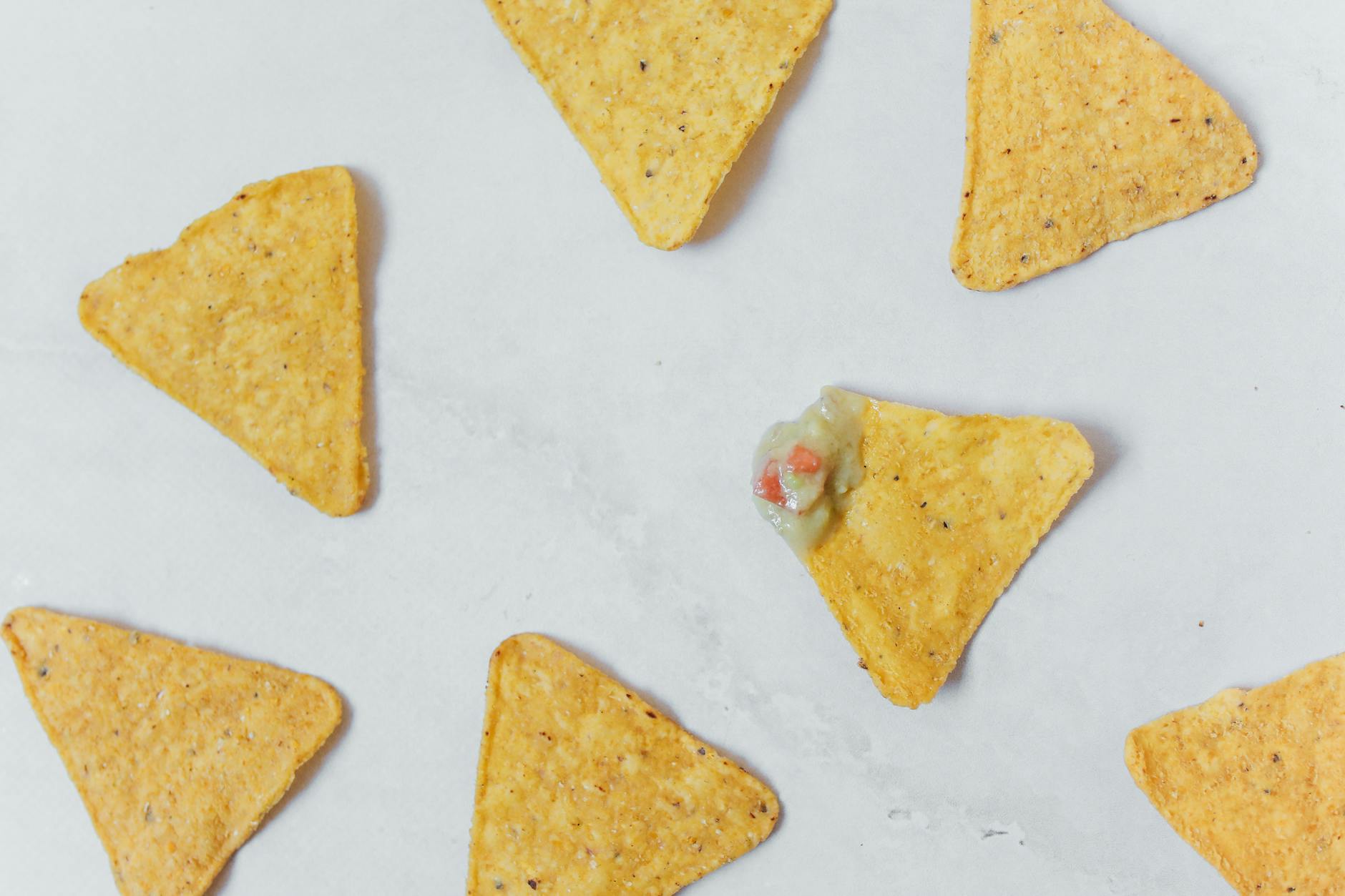
A growing category of snack chips adds vitamins and minerals to an otherwise standard chip formulation and markets the result as a nutritionally enriched brain-supporting snack. The synthetic vitamins used in fortification are added after a high-heat frying or baking process that would have destroyed any naturally occurring nutrients in the base ingredients. Bioavailability of synthetic vitamins added to highly processed foods is consistently lower than the bioavailability of the same nutrients consumed in whole food form, limiting the practical cognitive benefit even when label quantities appear significant. The base ingredients of these products remain refined starches and seed oils that produce the same glycemic and inflammatory responses as conventional chips regardless of the vitamin overlay. Regulatory frameworks in most countries permit front-of-pack vitamin claims based on added amounts rather than absorbed amounts, creating a significant gap between what the label implies and what the body receives.
Cacao Nibs

Raw cacao nibs occupy a premium position in the brain food market based on their exceptionally high flavonoid content and associations with antioxidant protection for neural tissue. The products sold as cacao nib snack mixes, coated nibs or cacao nib chocolate blends in health food stores frequently coat the nibs in sweeteners or combine them with ingredients that counteract the very properties the cacao component provides. Even plain cacao nibs, while genuinely nutritious, are often consumed in quantities far exceeding a single serving when packaged as a snack, and excessive theobromine intake from large quantities of cacao has been linked to sleep disruption that profoundly impairs next-day cognitive function. The bitter taste of truly unprocessed cacao nibs without any sweetening leads most consumers toward processed versions that compromise the ingredient’s integrity. Understanding the difference between cacao nibs in their genuinely raw form and the processed products sold under the same name requires a level of label literacy that most marketing environments do not encourage.
Electrolyte Gummies

Electrolyte gummies have entered the brain food snack space on the premise that optimal electrolyte balance supports neural transmission, focus and mental endurance during demanding cognitive tasks. The gelatin and sugar base of most commercial electrolyte gummies delivers a significant sugar load that offsets the electrolyte benefit for the majority of consumers who are not engaged in prolonged physical exertion at the time of consumption. Electrolyte needs for cognitive work performed in a climate-controlled environment are easily met through a balanced diet and adequate water intake, making supplemental gummies unnecessary for most desk-based consumers. The artificial coloring compounds used in brightly colored gummy products have been studied in relation to attention and behavior, particularly in children, with some research suggesting negative associations with concentration that directly contradict the products’ positioning. The novelty and palatability of gummy delivery formats drive purchase behavior that nutritional need does not justify for the majority of the target market.
Quinoa Puffs

Quinoa is genuinely exceptional among grains for its complete amino acid profile and relatively high protein content compared to corn or wheat-based alternatives. Puffed or extruded quinoa snack products undergo high-temperature, high-pressure processing that disrupts the protein structure and significantly reduces the amino acid availability that makes whole quinoa nutritionally distinctive. The puffing process also increases the surface area of the starch granules, dramatically raising the glycemic index of the product relative to cooked whole quinoa. Most quinoa puff products add flavoring salts, oils and sometimes sweeteners that further transform the nutritional character of the base ingredient. The quinoa content that lends marketing credibility to these products bears a limited nutritional relationship to the whole grain research that established quinoa’s brain food reputation in the first place.
Omega-3 Crackers

Crackers fortified with omega-3 fatty acids or made with flaxseed represent an attempt to deliver one of the most well-documented brain-supportive nutrients in a convenient snack format. The omega-3 fatty acids most beneficial to brain function are the long-chain forms EPA and DHA found in marine sources, while flaxseed-derived crackers provide ALA, a short-chain form that the human body converts to EPA and DHA with an efficiency rate that research estimates at below 10 percent. The heat involved in baking crackers oxidizes the highly unstable polyunsaturated fatty acids in flaxseed, producing lipid peroxides that are associated with oxidative stress rather than the anti-inflammatory benefits omega-3 consumption is supposed to deliver. The refined flour base of most omega-3 crackers produces a glycemic response that promotes the same inflammatory pathways the omega-3 addition is intended to counteract. Whole ground flaxseed added to food at home without heat application represents a meaningfully different and more effective delivery method than the baked cracker format allows.
If these revelations about your go-to brain snacks surprised you or if you have discovered better alternatives that genuinely support your focus and mental clarity, share your thoughts in the comments.




