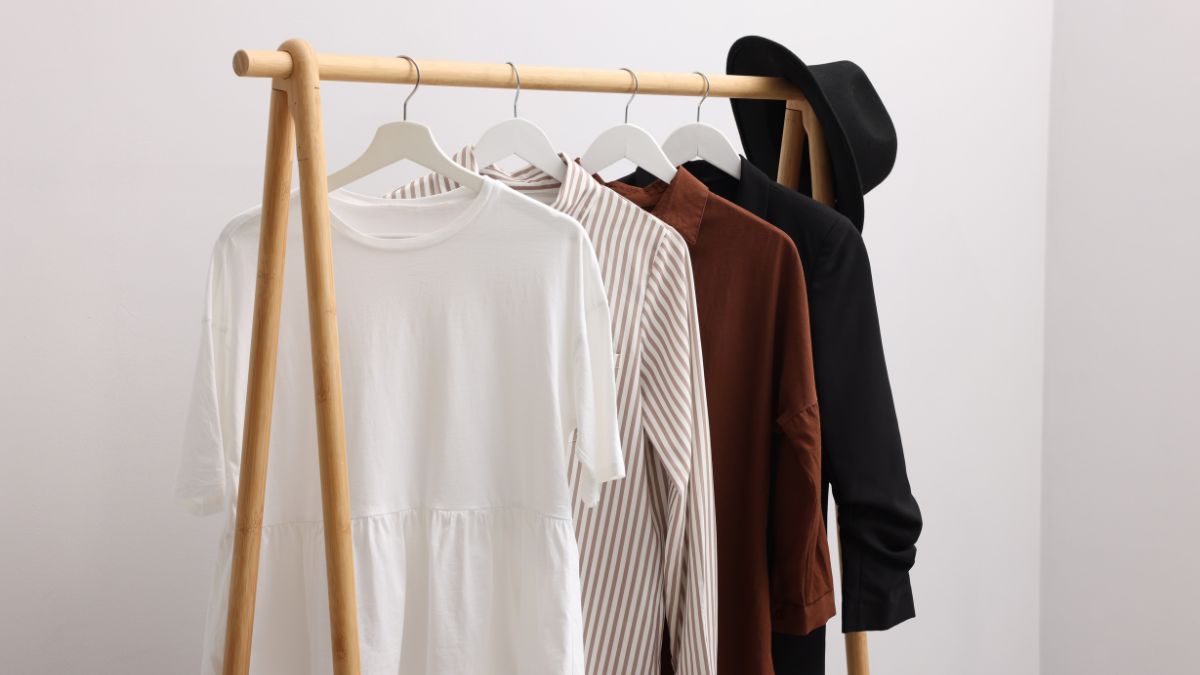
The relationship between clothing choices and perceived age is far more scientific than most people realize, rooted in principles of proportion, light reflection, fabric behavior and color psychology. Stylists who work with clients across age demographics consistently identify specific garments and styling habits that add years to appearance regardless of how well someone has maintained their physical health. The good news is that the adjustments required are often simple and immediate in their visible impact. Understanding which items are working against rather than for a mature wardrobe is the first step toward dressing in a way that reflects vitality and contemporary style.
Shapeless Cardigans
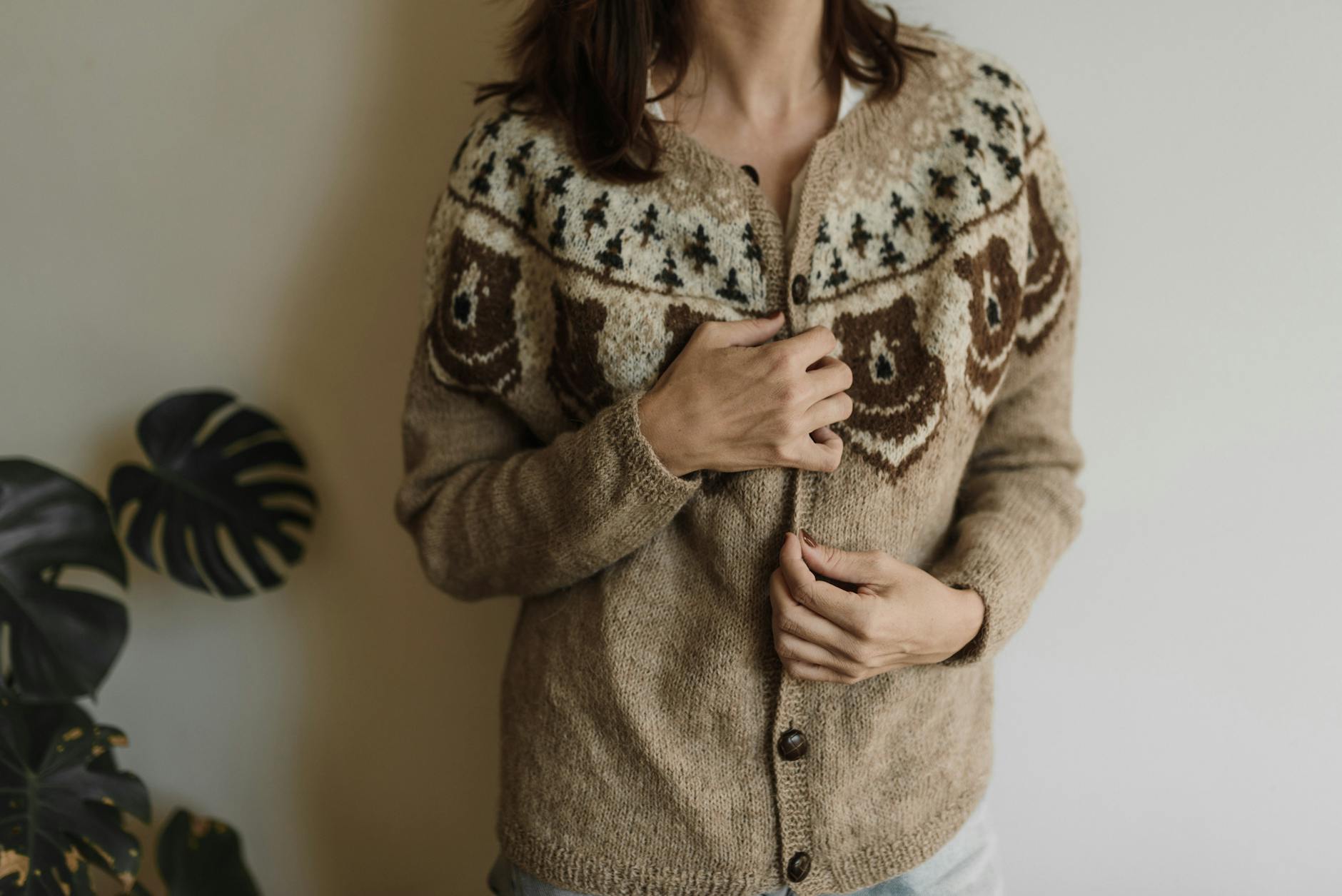
Oversized shapeless cardigans became a wardrobe staple for many people during their thirties and the habit tends to persist well into the following decades. The boxy silhouette of a shapeless cardigan eliminates any definition at the waist, which is one of the primary visual cues the eye uses to assess youth and vitality in a figure. Fabric choices in mass-market cardigans tend toward synthetic blends that pill quickly and reflect light unevenly, adding a visual dullness to the overall appearance. A fitted or belted alternative in the same general category of layering piece performs entirely differently in terms of how it shapes and elongates the body. Style professionals consistently rank waist definition as one of the single most rejuvenating adjustments available to dressers over forty.
Mom Jeans

The term refers specifically to high-waisted, wide-leg denim with a relaxed seat and tapered ankle that creates a silhouette strongly associated with a particular era of casual dressing. While a carefully styled contemporary high-waist jean can work well for mature figures, the specific proportions of the classic mom jean shorten the visual leg line and widen the hip area in ways that age the overall appearance. The faded and stonewashed finishes most associated with this style read as dated rather than vintage in a way that contemporary consumers perceive subconsciously as a generational marker. Dark straight or slim denim in a mid to high rise with a clean finish creates a far more elongating and current silhouette using the same category of garment. The distinction between a flattering structured denim and its shapeless counterpart comes down almost entirely to cut and finish rather than the concept of jeans itself.
Shoulder Pads
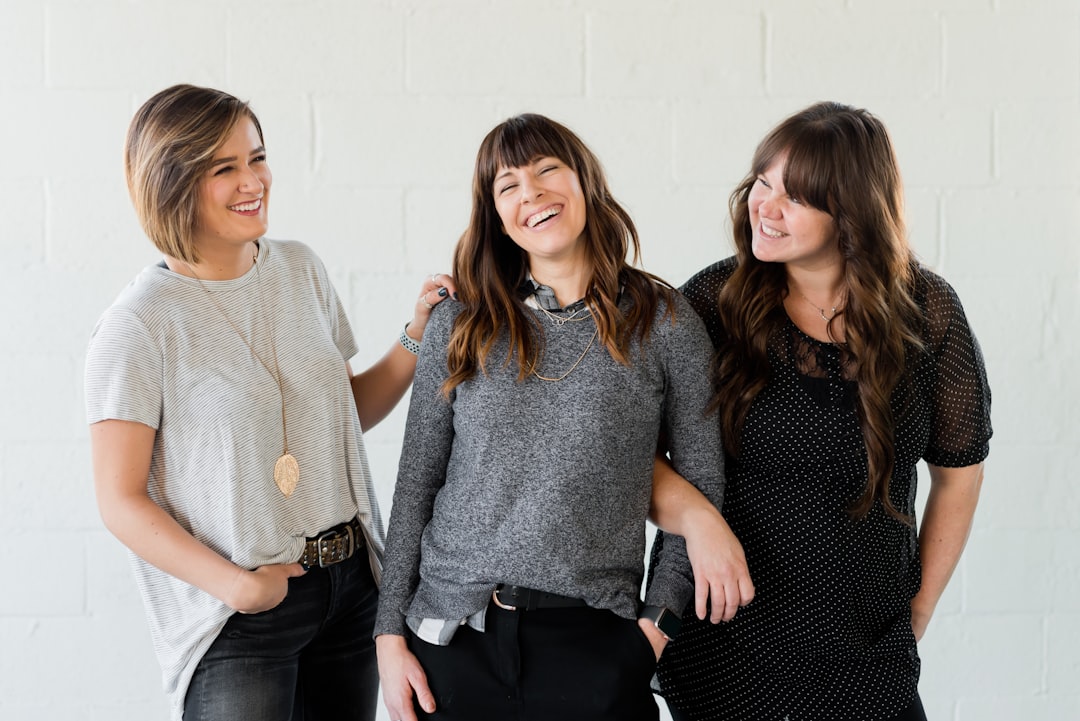
Structured shoulder padding beyond what is needed for a jacket to maintain its shape is one of the most reliably age-adding elements in a mature wardrobe. Strong shoulder architecture was a defining feature of power dressing in the 1980s and its silhouette is so strongly coded to that era that wearing it reads as temporally specific rather than timeless. Broad padded shoulders also visually shorten the neck and expand the upper body in a way that disrupts the proportional balance associated with a youthful and contemporary appearance. The natural shoulder construction found in modern tailoring creates a cleaner line that works with the body’s existing structure rather than imposing an artificial shape over it. Replacing heavily padded blazers with structured but natural-shoulder alternatives is one of the more immediately visible wardrobe upgrades available.
Velour Tracksuits
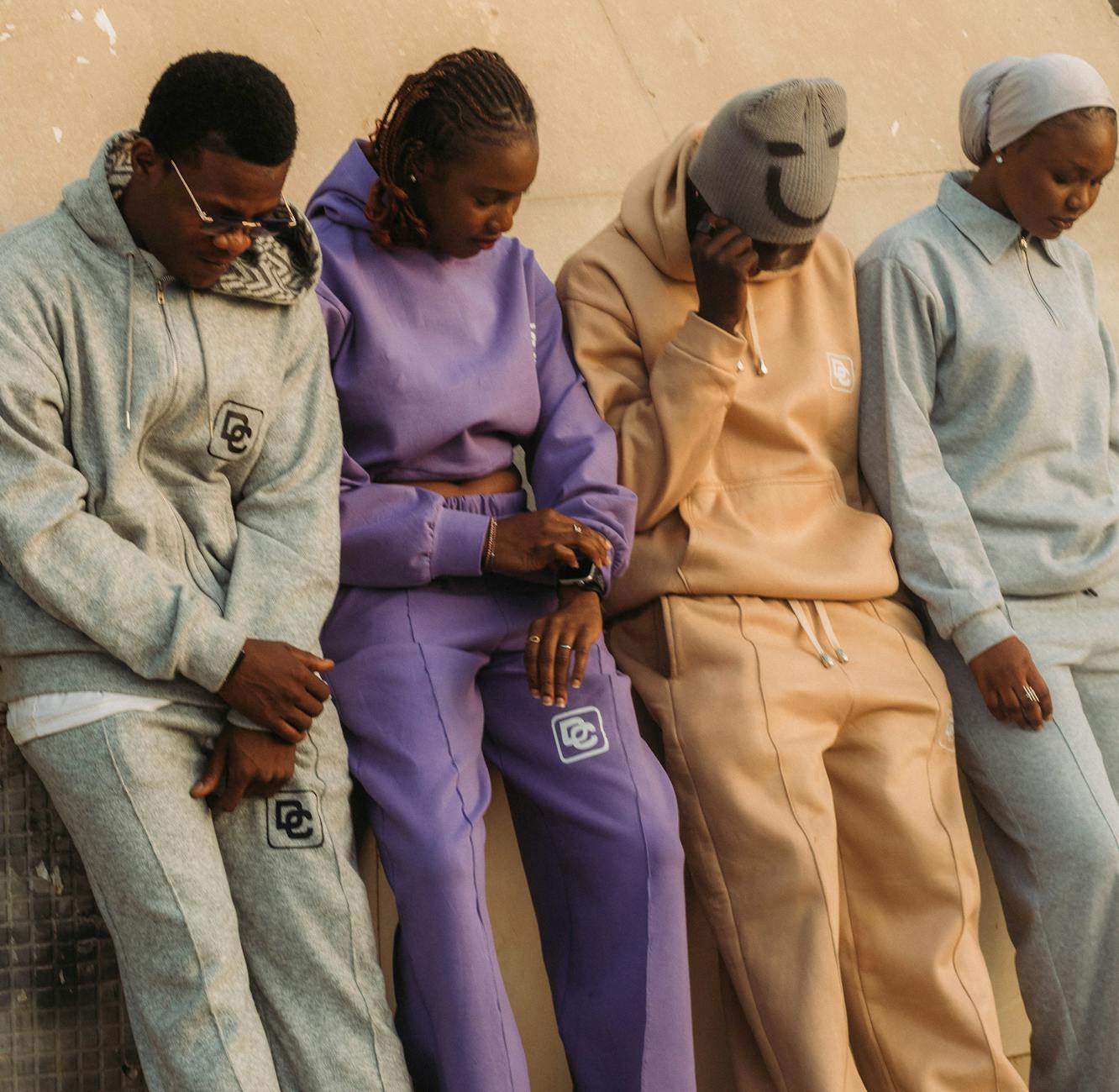
The velour tracksuit had a cultural moment in the early 2000s and pieces from that era or direct reproductions of them continue to circulate in casual wardrobes. The fabric itself presents two specific problems for mature dressers in that it both clings to and simultaneously adds visual weight to areas of the body that most people over forty prefer to minimize. The matching top and bottom format creates a monolithic silhouette that removes all proportion and line from the overall look, which stylists identify as one of the fastest ways to visually add years to an appearance. Contemporary casual dressing in elevated basics such as well-fitted French terry or structured jersey achieves the comfort goal without the silhouette and fabric penalties of velour. The associations the fabric carries with early 2000s leisure culture also contribute a temporal coding that reads as dated rather than retro.
Pantyhose
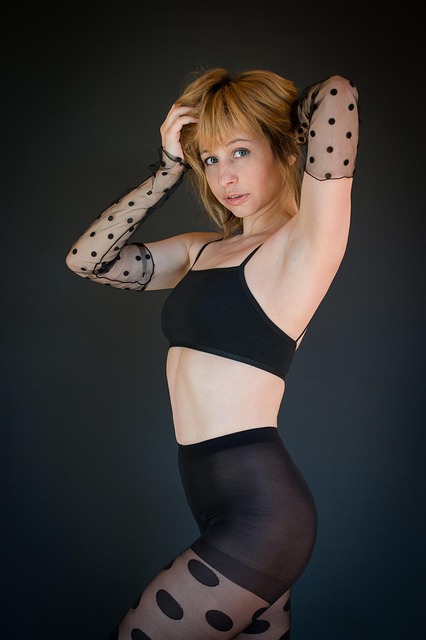
Sheer nude pantyhose became a standard element of professional and formal dressing for women across several decades and the habit persists among many dressers over forty even as the broader fashion landscape has largely moved away from it. The specific shade of sheer beige associated with traditional pantyhose creates a visual interruption between shoe and leg that shortens the visual line and draws attention to the transition point in a way that bare legs or tonal opaque hosiery do not. The shiny finish of most mass-market pantyhose also reflects light in a way that emphasizes rather than smooths the appearance of the leg. Contemporary alternatives including a well-fitted quality opaque tight in a dark tone or a skin-toned seamless option perform much more favorably in terms of the visual effect they create. The overall perception of sheer nude hosiery in current dressing culture is strongly associated with a previous era of formal dress codes that makes it read as generationally dated.
Graphic Tees
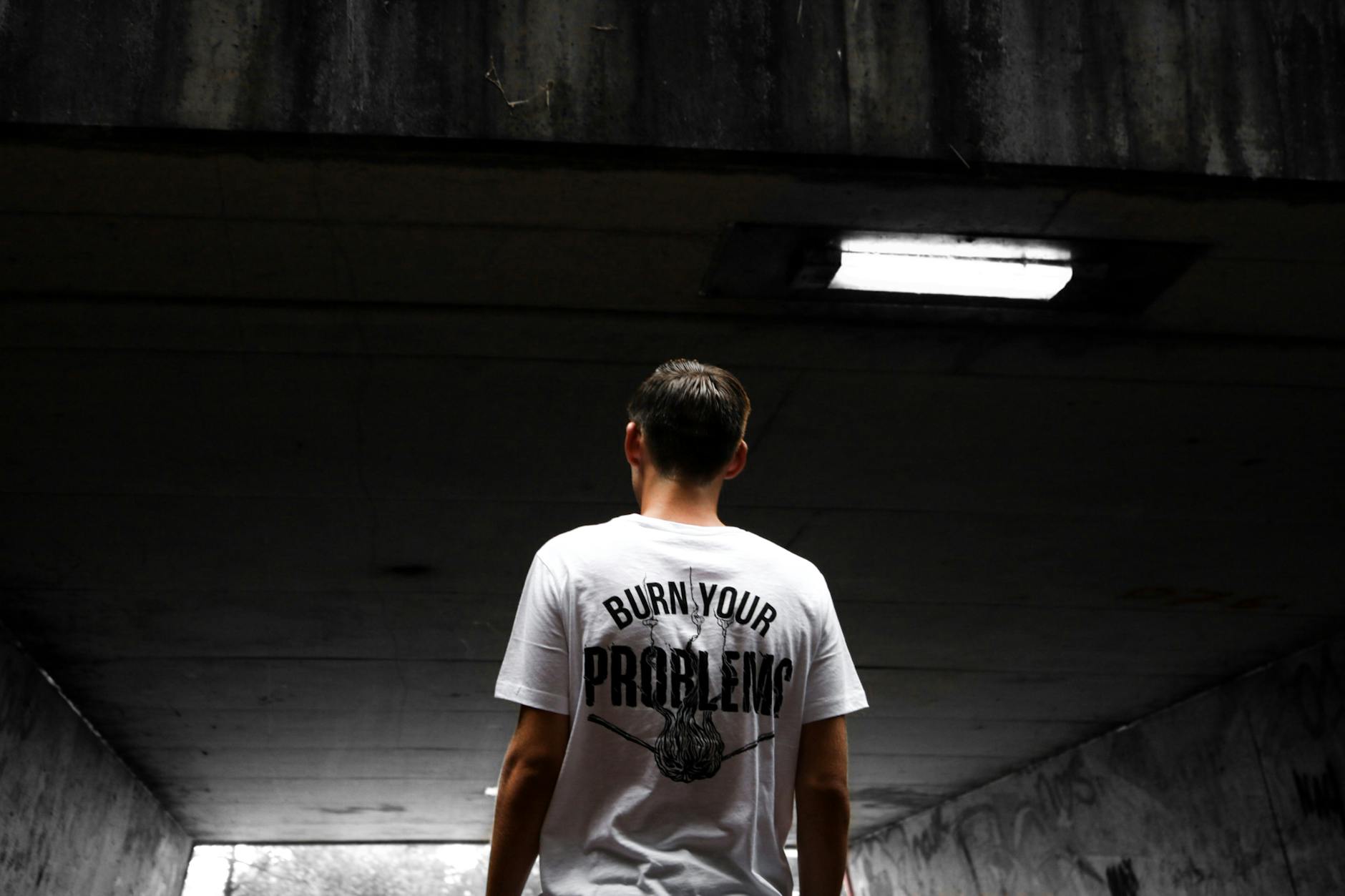
Graphic tees featuring licensed imagery, band names, novelty slogans or faded printed artwork create a specific set of challenges for mature dressers that are distinct from the objections that apply to younger wearers. The text and imagery on graphic tees draw the eye directly to the chest and midsection, which for most people over forty is not the area of the body they wish to emphasize. Large novelty graphics also reduce the visual sophistication of an outfit in a way that fights against the polished impression most mature dressers are working toward. A well-chosen solid or subtly textured tee in a quality fabric performs all the casual layering functions of a graphic version without the visual noise. Style editors who work with mature clients note that eliminating graphic tees is one of the fastest single-item changes that yields an immediate perception upgrade.
Cargo Shorts

Cargo shorts create a specific set of proportion problems for most body types over forty, with the hemline typically falling at or just below the knee in a way that is considered the least flattering point at which to visually cut the leg. The multiple exterior pockets that define the style add bulk at the widest point of the thigh and hip area, emphasizing rather than streamlining the lower body silhouette. The utilitarian aesthetic of cargo shorts reads as strongly casual in a way that limits their versatility and creates a visual impression of low investment in personal presentation. A clean chino or linen short in a tailored cut with a hemline that falls above the knee creates a dramatically more flattering and contemporary appearance using the same general category of warm-weather garment. The bulk and dropped hemline of cargo shorts are among the most consistently cited proportion errors in menswear styling for mature dressers.
Fleece Pullovers
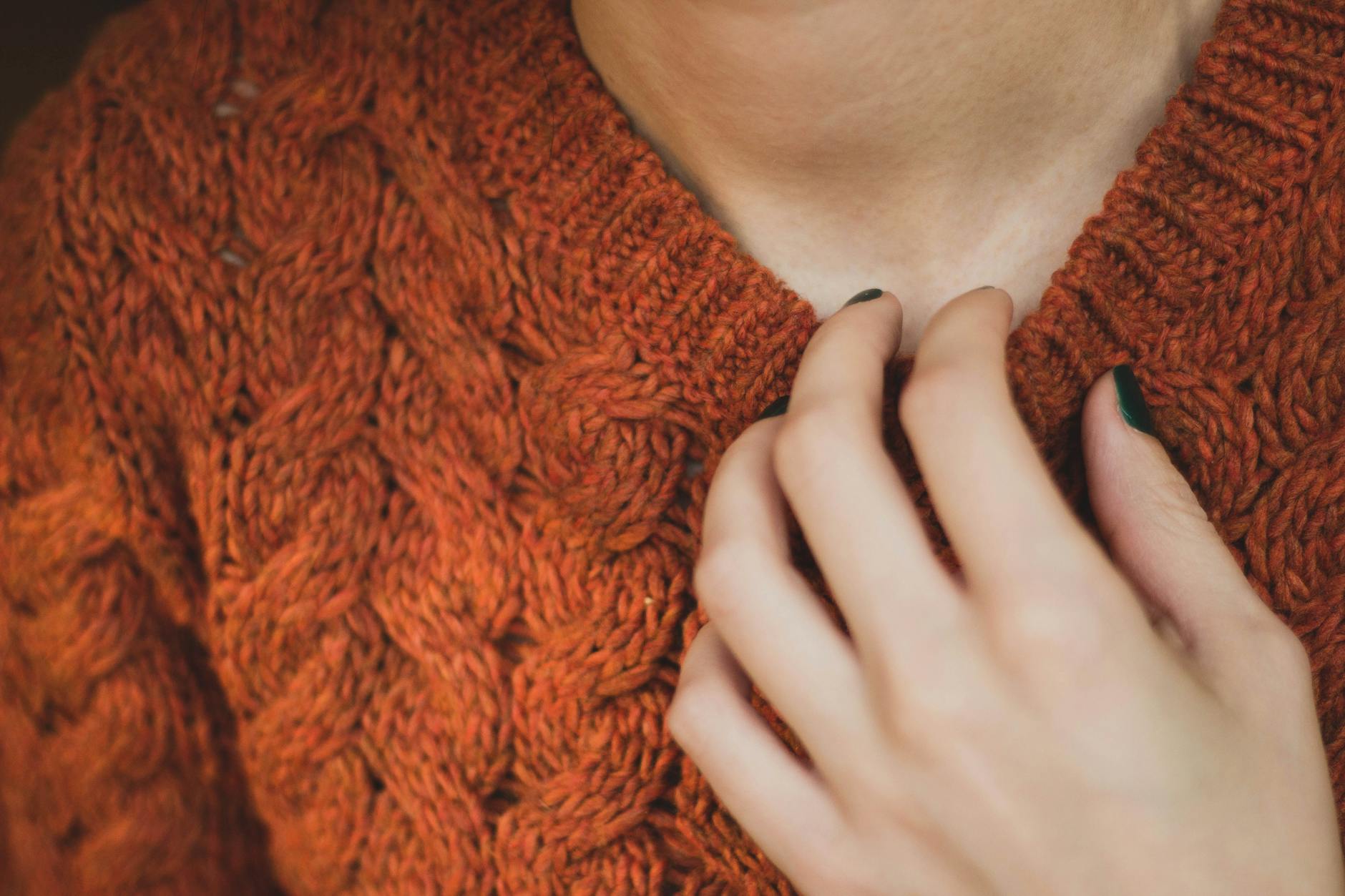
The standard zip or pullover fleece occupies a functional outdoor and athleisure category but creates significant visual challenges when incorporated into everyday casual dressing by those over forty. The texture of synthetic fleece fabric reflects light diffusely and unevenly, creating a matte surface that can make the complexion appear similarly flat and dull when worn close to the face. The shapelessness inherent in most fleece designs compounds the silhouette issues common to other oversized casual pieces, eliminating waist definition and adding visual bulk across the torso. The strongly utilitarian and athletic coding of fleece means it reads as deliberately casual in a way that can appear as a disengagement from personal style rather than a conscious aesthetic choice. Replacing a fleece with a structured merino wool or cashmere pullover achieves the warmth and comfort goal while producing a dramatically more refined and flattering visual result.
Platform Sneakers
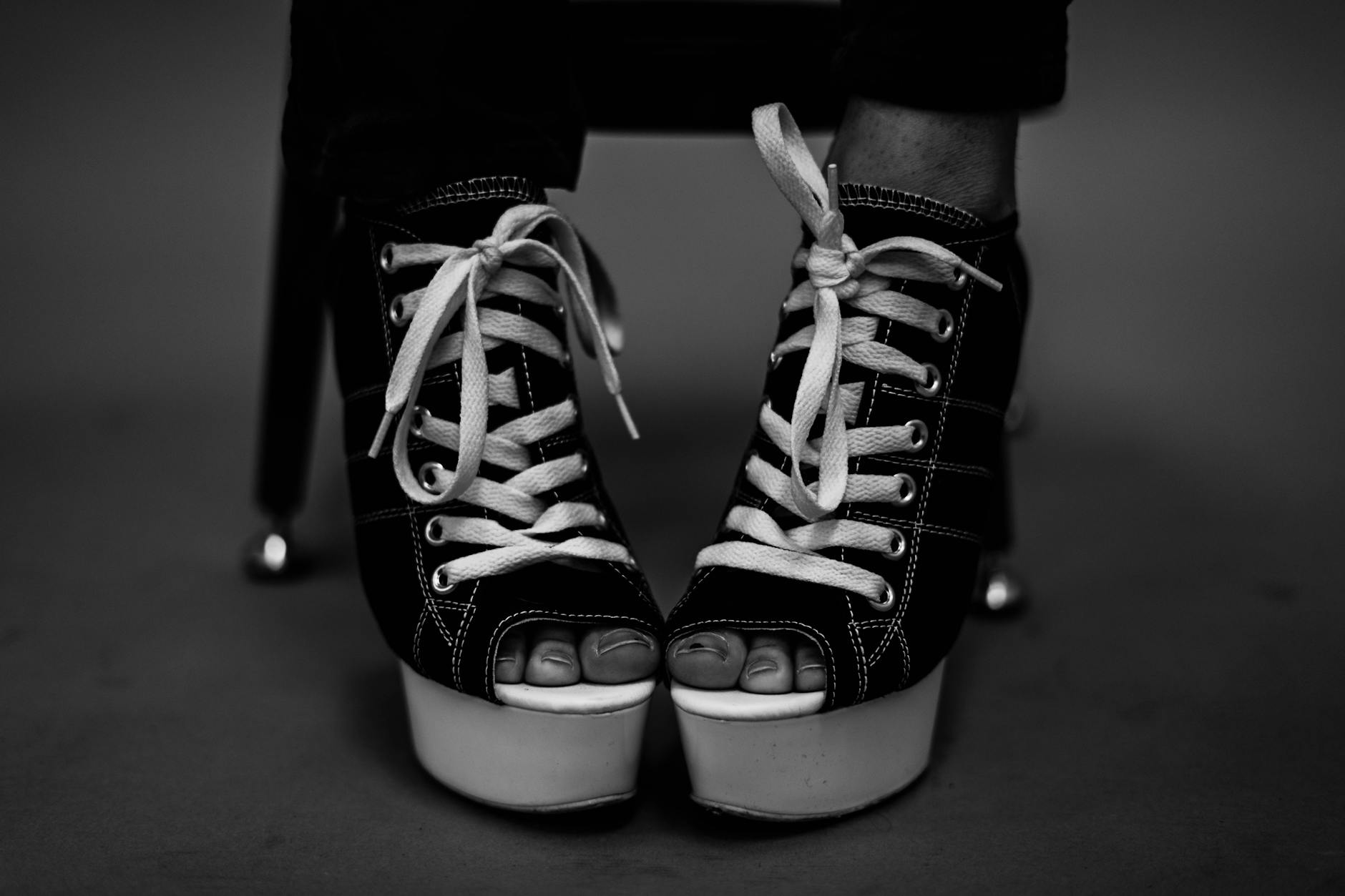
Platform sneakers add height through a thick rubber or foam sole that creates a chunky, visually heavy base to any outfit. While platform footwear has cycled through fashion repeatedly, the chunky platform sneaker specifically creates a bottom-heavy silhouette that draws the eye downward and disrupts the clean proportional line that elongates a figure. For mature dressers, the combination of a bulky sole with casual sportswear styling creates a visual disconnect that can read as an attempt to adopt a youth-coded trend rather than a considered style choice. A sleek low-profile sneaker in a clean white, neutral or tonal colorway achieves the casual footwear goal with a much more streamlined and lengthening visual effect. The proportional weight of the shoe relative to the rest of the outfit is a consideration that becomes increasingly important as part of building a flattering silhouette after forty.
Stiff Denim Skirts
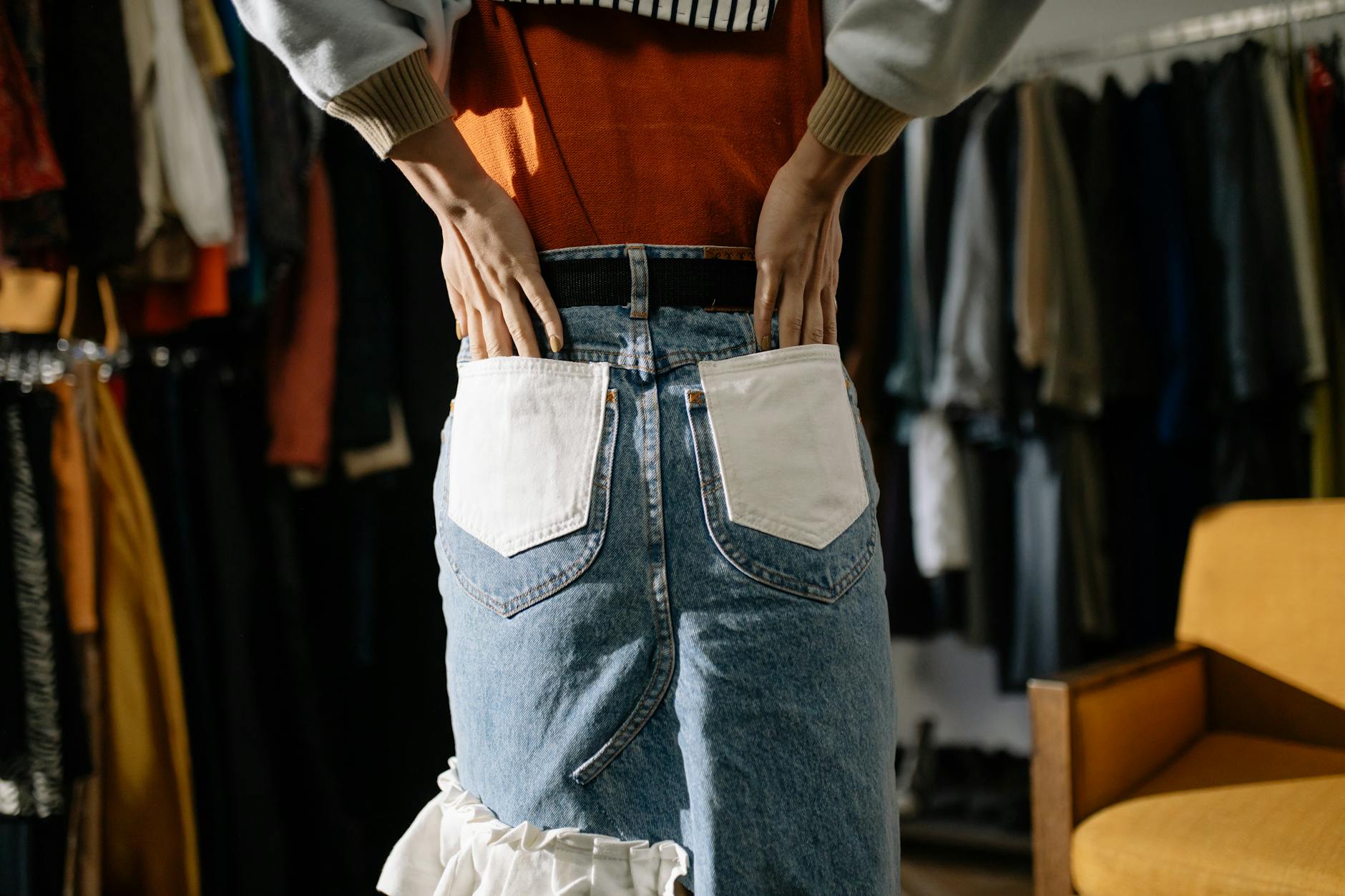
The rigid knee-length denim skirt creates a silhouette that is strongly associated with a particular period of casual fashion and presents specific proportion challenges for mature dressers. The stiff fabric of most denim skirts does not move with the body, creating a boxy and somewhat tubular shape from hip to hem that adds visual weight without adding elegance. The typical knee-length hemline of these skirts falls at a point that most style professionals identify as one of the more challenging lengths for mature figures, interrupting the visual leg line at an unflattering point. A denim skirt in a softer fabric blend with more fluid movement or a length that falls either above the knee or at the mid-calf performs very differently in terms of its visual effect. The combination of stiffness, length and the utilitarian connotations of traditional denim fabric makes this particular style one of the most consistently aged-looking items in a casual wardrobe.
Ill-Fitted Suits
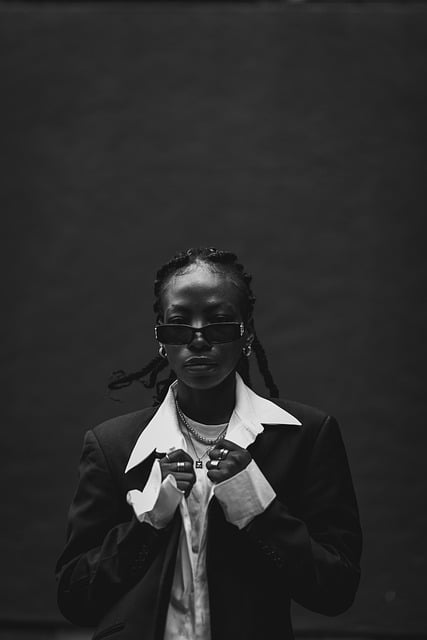
A suit that does not fit correctly at the shoulders, chest, waist or trouser break is one of the most effective ways to add perceived years to any appearance, particularly after forty when body proportions may have shifted from when the suit was originally purchased or tailored. Shoulder seams that extend beyond the natural shoulder line create a drooping, deflated appearance that reads as age and diminished vitality regardless of the quality or price of the original garment. Excess fabric pooling at the waist, chest or thighs signals a mismatch between the garment and the body that the eye interprets as neglect or outdated purchase. A modestly priced suit that has been professionally tailored to the current body will almost always read as more polished and youthful than an expensive suit bought in a larger size and worn without alteration. Investment in tailoring rather than in new suits is consistently cited by menswear stylists as the highest-return expenditure available to mature male dressers.
Acid Wash
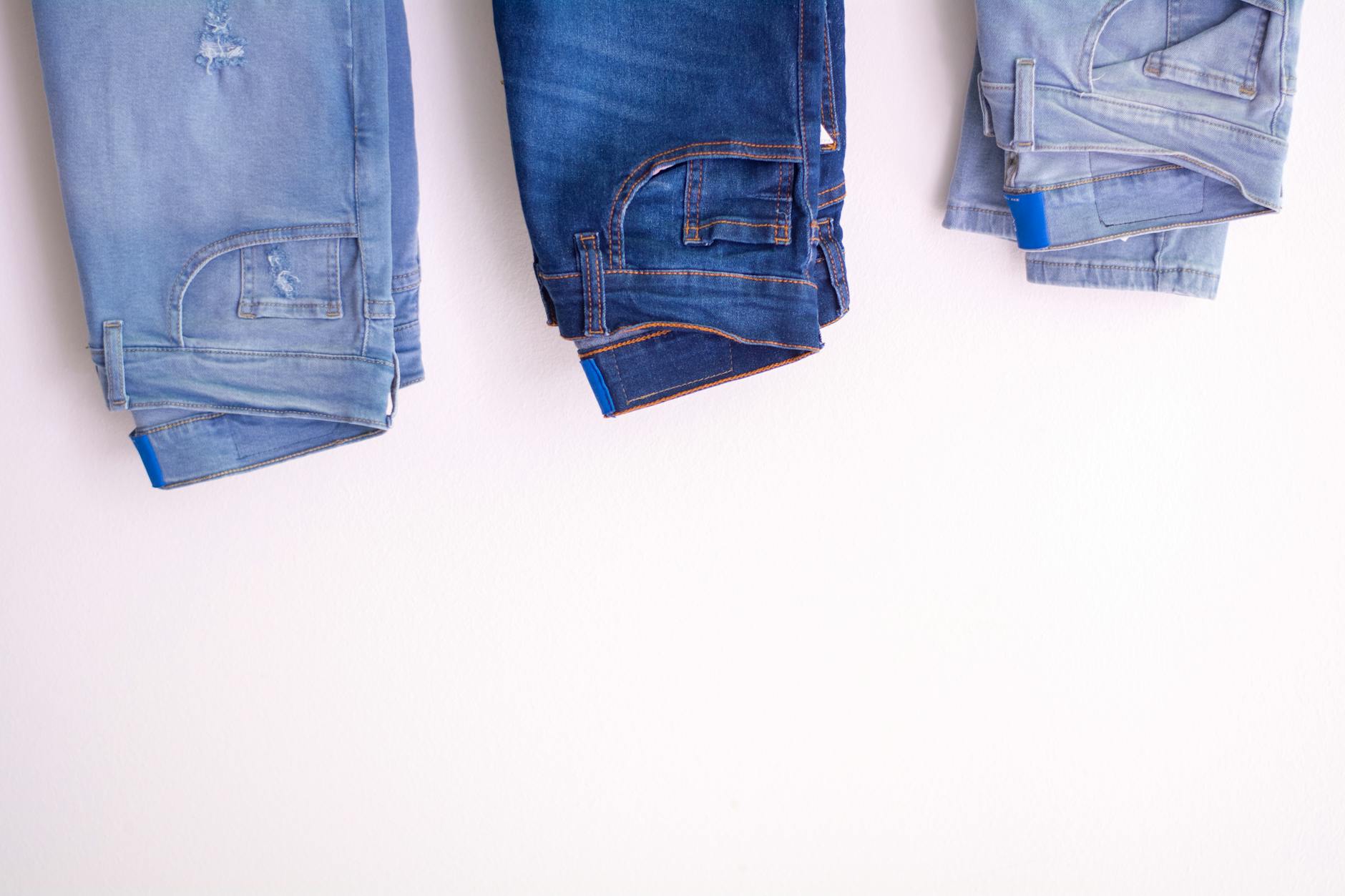
Acid wash denim in jackets, jeans or skirts carries one of the strongest temporal associations in fashion, linked visually and culturally to a very specific decade in a way that is difficult to separate from its era of origin. The high-contrast bleached pattern of acid wash creates visual noise across the surface of the garment that draws attention to and emphasizes the fabric rather than creating a clean backdrop for the wearer. For mature dressers the temporal coding of acid wash is particularly counterproductive because it connects the wearer visually to the period of the trend’s origin rather than to a current or timeless aesthetic. Contemporary denim in clean, uniform finishes ranging from dark indigo to light but consistent wash tones avoids the era-specificity that acid wash carries. The contrast between acid wash’s chaotic surface pattern and the clean lines of modern denim silhouettes makes it one of the more immediately dating choices in a casual wardrobe.
Bandage Dresses

The bandage dress is constructed from horizontally ribbed stretch fabric that wraps tightly around the body with the intention of sculpting and compressing the figure. While the compression effect can create a smooth silhouette, the rigid horizontal banding of the fabric draws the eye across rather than along the body, emphasizing width at every level from bust to hip. The extremely body-conscious nature of bandage dresses also leaves no margin for the natural softness that develops in most figures over forty, making any deviation from a highly toned physique immediately visible. The styling associations of bandage dresses are strongly linked to a specific era of early 2000s going-out culture that contemporary fashion has moved significantly away from. A fluid wrap dress or a draped midi silhouette achieves a far more flattering and sophisticated result using the same category of occasion dressing.
Trucker Hats
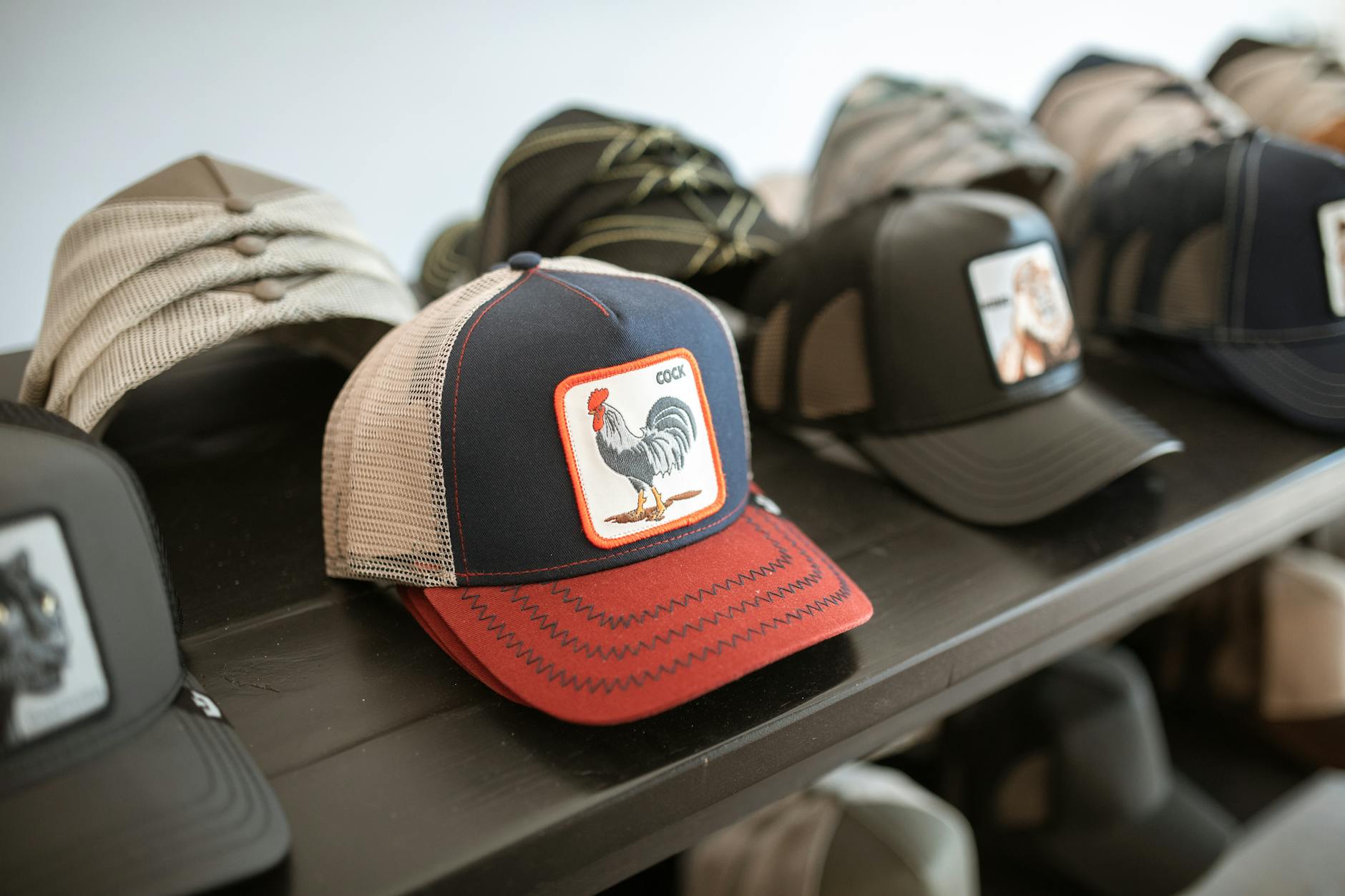
The trucker hat with its foam front panel and mesh back became a fashion item through celebrity adoption in the early 2000s and like many trends from that period, carries a strong temporal association that makes it read as dated rather than vintage. For dressers over forty, the casual ironic coding of the trucker hat creates a visual disconnect between the formality level of most mature wardrobes and the very specific youth culture context in which the hat was originally reclaimed as a fashion accessory. The high foam crown also adds visual height to the top of the head in a way that disrupts proportional balance with the face and upper body in a particularly unflattering manner for mature facial structures. A structured baseball cap in a quality material, a classic fedora or a straw hat achieves the headwear function with significantly more proportional harmony and aesthetic versatility. Headwear choice has a disproportionate influence on overall perceived age because of its proximity to the face.
Neon Colors

Neon and fluorescent colors create a strong visual brightness that immediately captures attention, but for mature skin tones the reflective quality of neon fabric works against rather than for the complexion. As skin tone naturally shifts with age, becoming either more sallow, more ruddy or more uneven in its base coloring, highly saturated neon shades reflect that discoloration back toward the face and amplify its visibility rather than flattering the skin. The trend associations of neon are also strongly linked to specific periods of youth culture fashion including the 1980s and the early 2010s revival, giving them an era-specific coding that reads as generationally dated for wearers who were adults during those original trend cycles. Rich jewel tones and deep saturated colors achieve visual impact and vibrancy without the complexion-challenging reflective quality of true neons. Color consultants working with mature clients consistently move them away from fluorescent saturation and toward tones with more depth and complexity.
Ultra-Low Rise Jeans
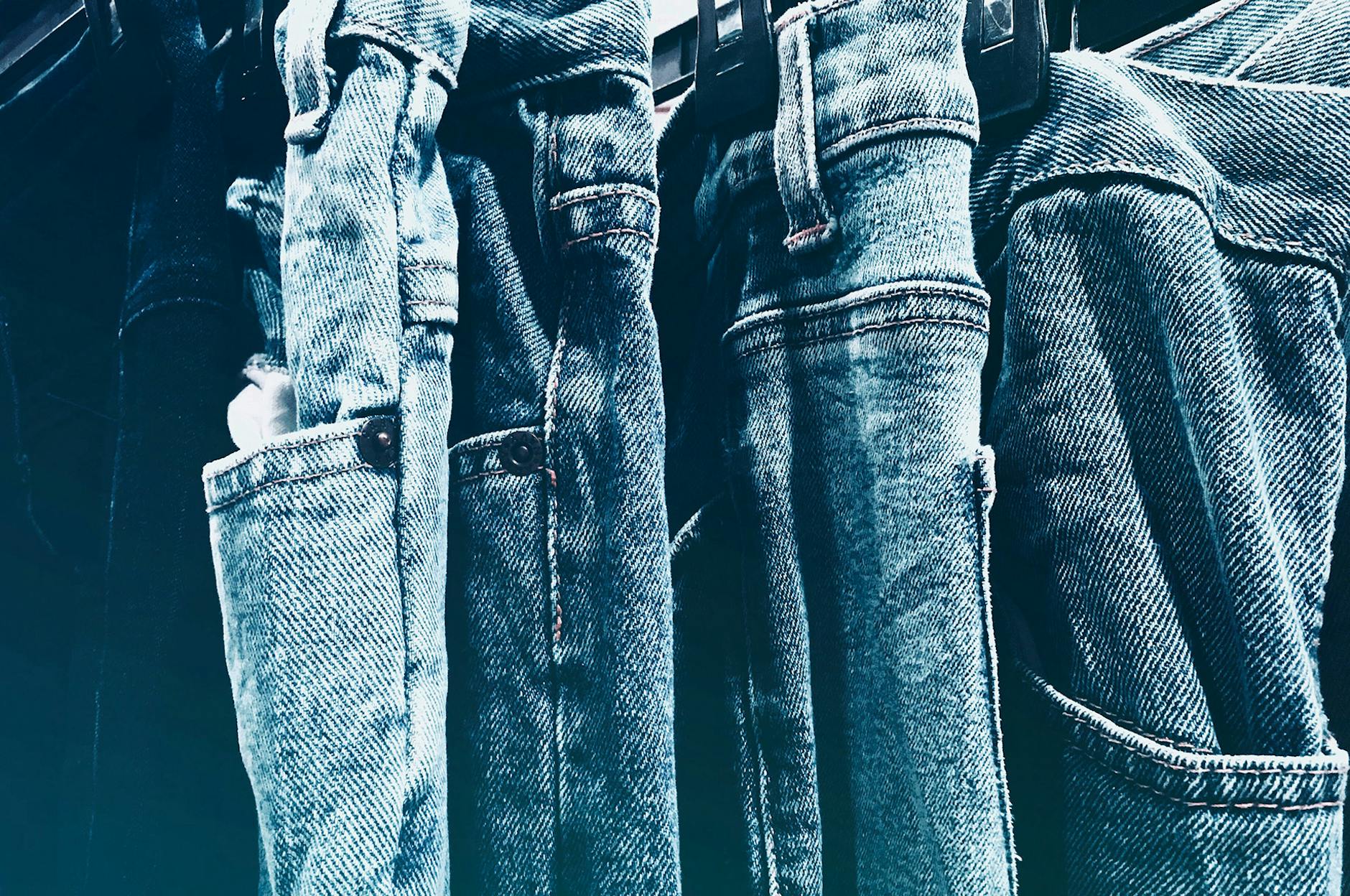
The ultra-low rise jean sits several inches below the natural waist and was the dominant denim silhouette of the early 2000s. For dressers over forty, the low rise creates a very specific set of proportion problems beginning with the visual shortening of the torso that results from the waistband sitting at the hip rather than at or above the natural waist. The exposure of the midriff or lower back that low rise denim tends to create when bending, sitting or moving is also a styling challenge that most mature dressers prefer to avoid. The midsection is the area of the body that most commonly shows the first visible changes associated with age-related metabolic shifts, and a waistband that sits below rather than supporting this area highlights rather than minimizes those changes. A mid to high rise denim cut elongates the torso, supports the midsection and creates a dramatically more flattering and proportionally balanced silhouette.
Visible Undergarments
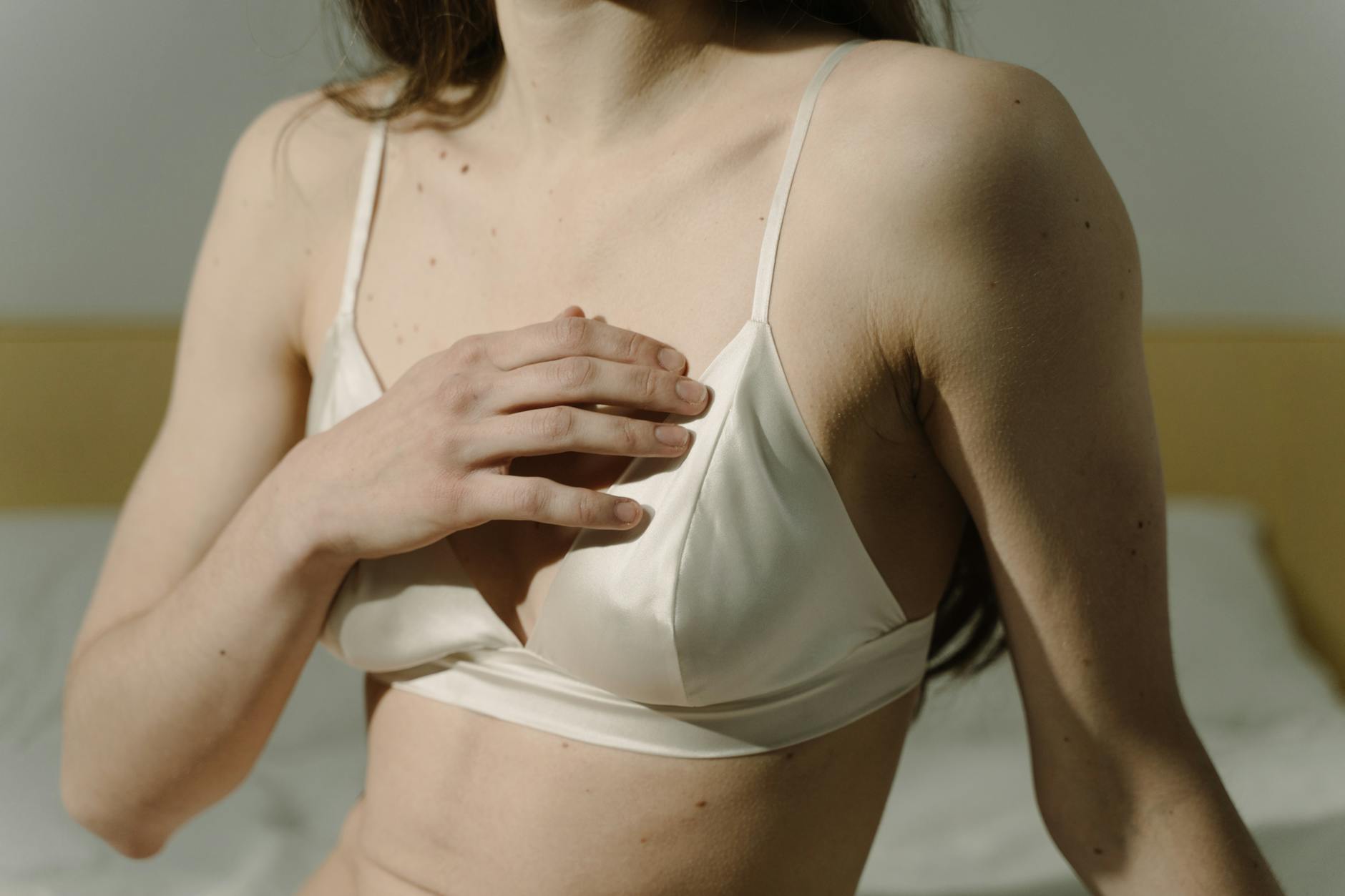
Intentionally visible bra straps, underwear waistbands or undergarment lines were a specific styling trend of the early 2000s that like many elements of that era’s fashion, reads as very temporally specific when worn today. For mature dressers the visible undergarment trend creates a conflict between the polished presentation most people over forty are cultivating and the ironic casual aesthetic the trend was originally designed to project. Bra straps in contrasting colors showing through sheer or wide-neck tops disrupt the clean line of the shoulder and collarbone area, which is one of the most elegant and youthful features that clothing can either reveal or interrupt. Seamless and skin-toned undergarment options that disappear under clothing create a smooth and polished foundation that allows the garment itself to read with the clarity of its intended design. The investment in quality foundational pieces is consistently cited by stylists as one of the highest-return wardrobe investments for mature dressers.
Rhinestone Details
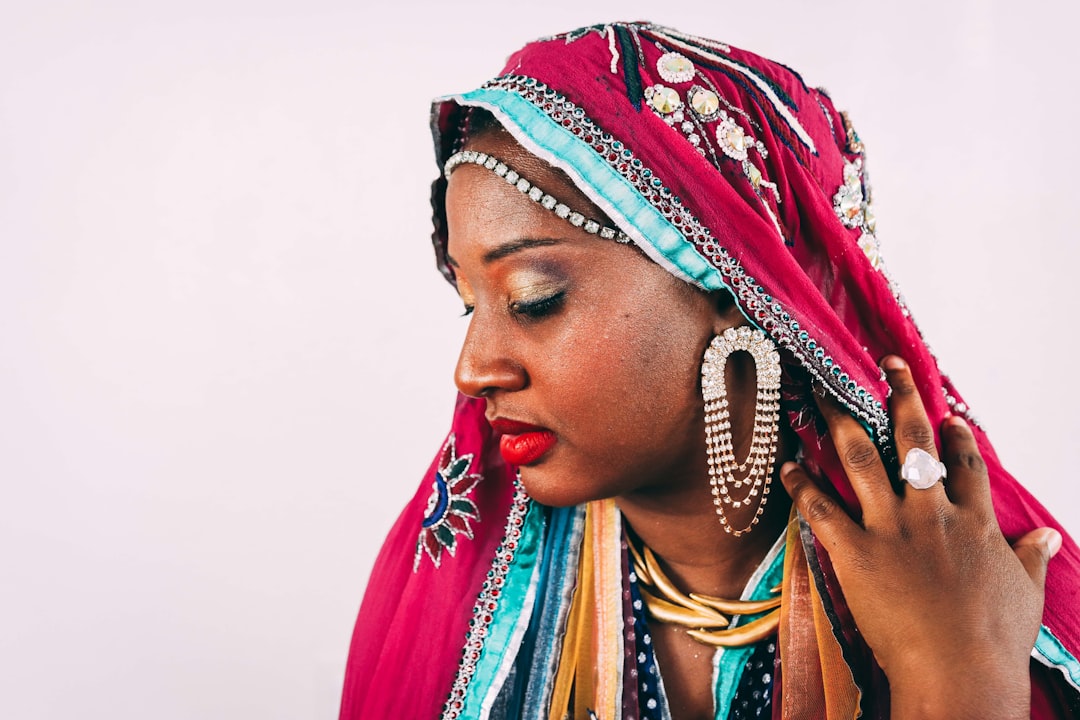
Rhinestone and crystal embellishments on casual clothing including jeans, T-shirts and sweatshirts were a defining decorative element of early 2000s fashion that maintains a strong temporal association with that era. Large rhinestone lettering across the back of jeans or scattered crystal detailing on a casual top creates a very specific visual register that reads as heavily dated by contemporary fashion standards. The reflective scatter of multiple small stone embellishments also draws the eye to areas of the body that most mature dressers prefer to minimize, particularly across the seat, chest and midriff. Fine jewelry and subtle metallic accessories achieve the sparkle and decoration goal with far more sophistication and versatility than embellished casual garments. The distinction between decorative embellishment that reads as elegant and embellishment that reads as dated comes down largely to the scale, placement and cultural associations of the specific technique.
Socks with Sandals
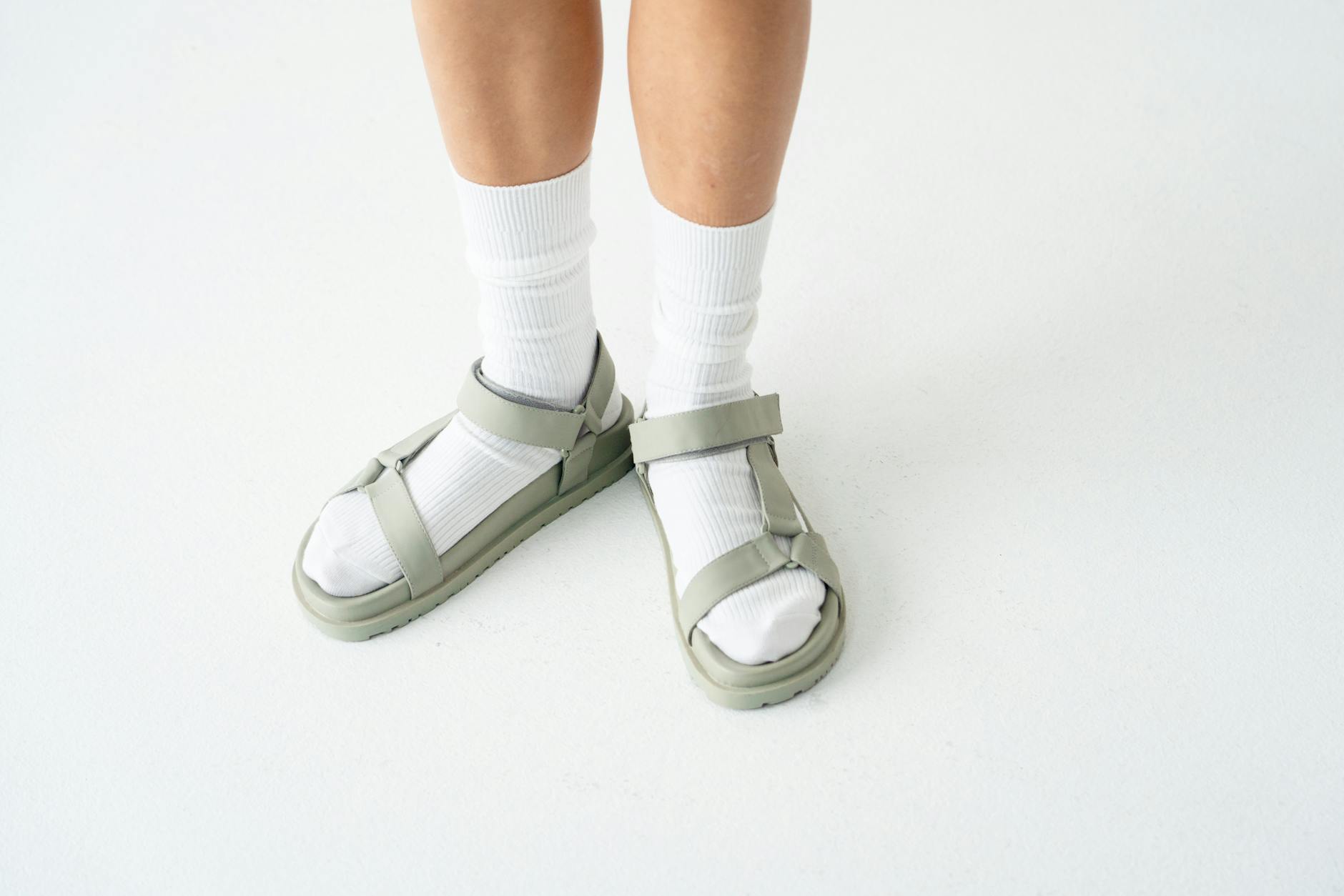
The combination of socks with open-toed sandals was for many years considered an unchallenged example of a fashion error associated primarily with older male tourists. A version of the combination has been adopted deliberately as a contemporary style statement by younger dressers pairing ankle socks with chunky sandals as part of a specific streetwear aesthetic. For mature dressers who are not intentionally engaging with that specific contemporary reference, however, the combination reads as the original version rather than its fashion-forward revival and therefore reinforces rather than contradicts age-related style assumptions. The interruption of the foot and ankle line by a sock within a sandal also visually shortens the leg by creating a break in the skin tone at the ankle. Clean feet in well-fitted sandals or a deliberate and informed styling of the contemporary sock-sandal look as part of a considered outfit represents the two most successful approaches to this footwear question.
Novelty Prints

Novelty prints featuring cats, food items, pop culture references or repetitive cartoon imagery on shirts, blouses and dresses create a visual effect that most style professionals identify as working directly against a sophisticated and contemporary mature wardrobe. The busy and often humorous nature of novelty prints draws the eye to the print itself rather than to the face of the wearer, which is the opposite of what flattering clothing is intended to accomplish. The humor-coded messaging of novelty prints also creates a particular impression about the wearer’s engagement with personal style that can read as a deliberate retreat from fashion rather than a considered aesthetic position. Classic prints including stripes, subtle florals, geometric patterns and abstract designs achieve visual interest without the temporally and culturally specific associations of novelty imagery. The transition from novelty to classic prints is one of the simplest changes available to a mature wardrobe with an immediately visible effect on the overall impression of polish and intentionality.
Matching Sets in Loud Patterns
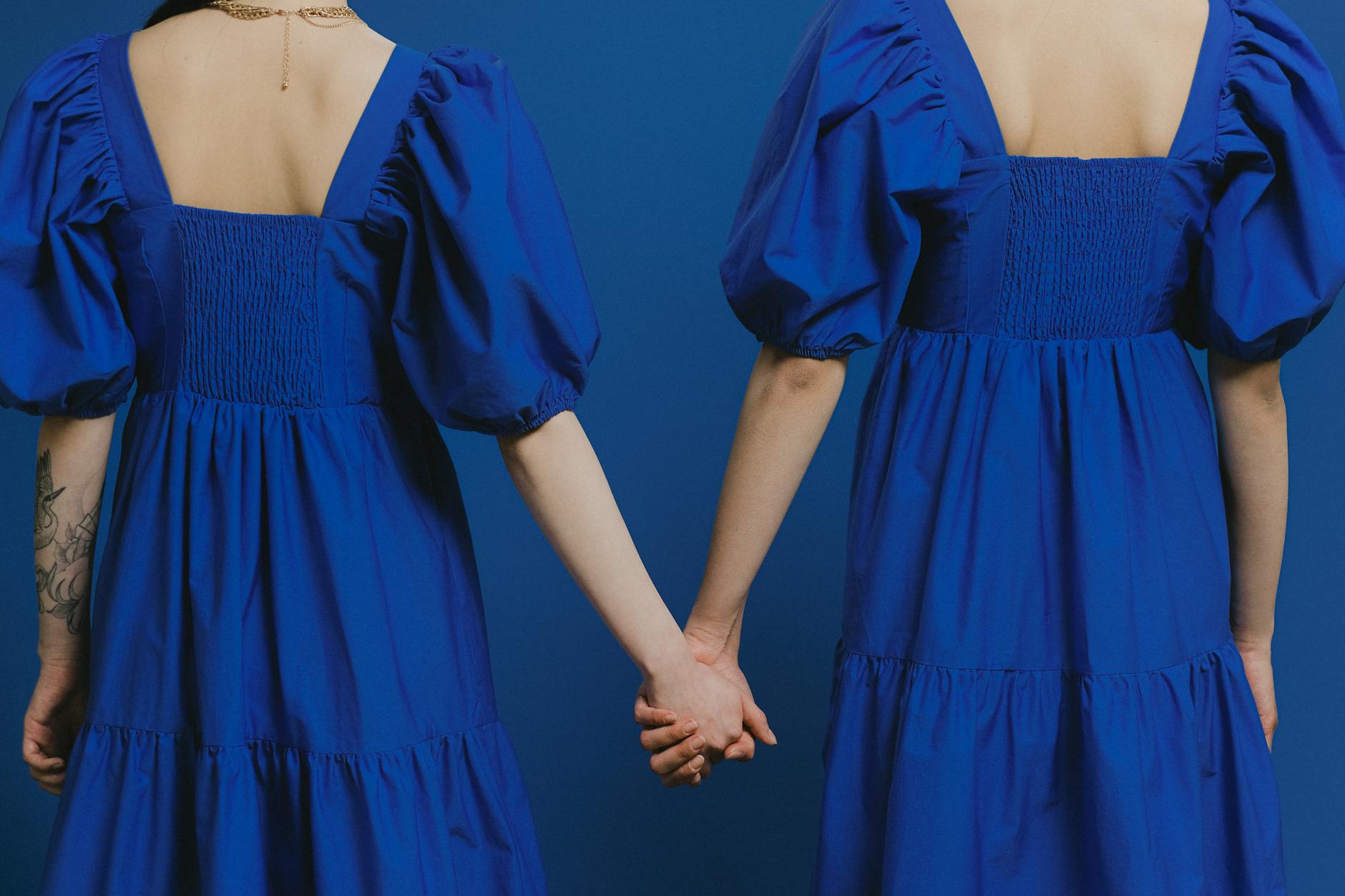
Head-to-toe matching sets in very loud or clashing patterns create an overwhelming visual effect that draws attention to the outfit rather than to the person wearing it, which is counterproductive to the goal of appearing vibrant and vital rather than costume-clad. The monolithic nature of a matching loud-pattern set also eliminates any proportional play between top and bottom that could create a more flattering or interesting silhouette. For mature complexions, very saturated or clashing patterns worn in matching sets close to the face can exaggerate skin tone unevenness and create a visual competition between the pattern and the features of the wearer. A tonal or complementary approach to pattern mixing, using one patterned piece anchored by a solid in a drawn color from the print, achieves visual interest with far more flattering results. The restraint of allowing one element of an outfit to carry visual interest while the rest provides a clean foundation is a fundamental principle of sophisticated mature dressing.
Oversized Logo Pieces
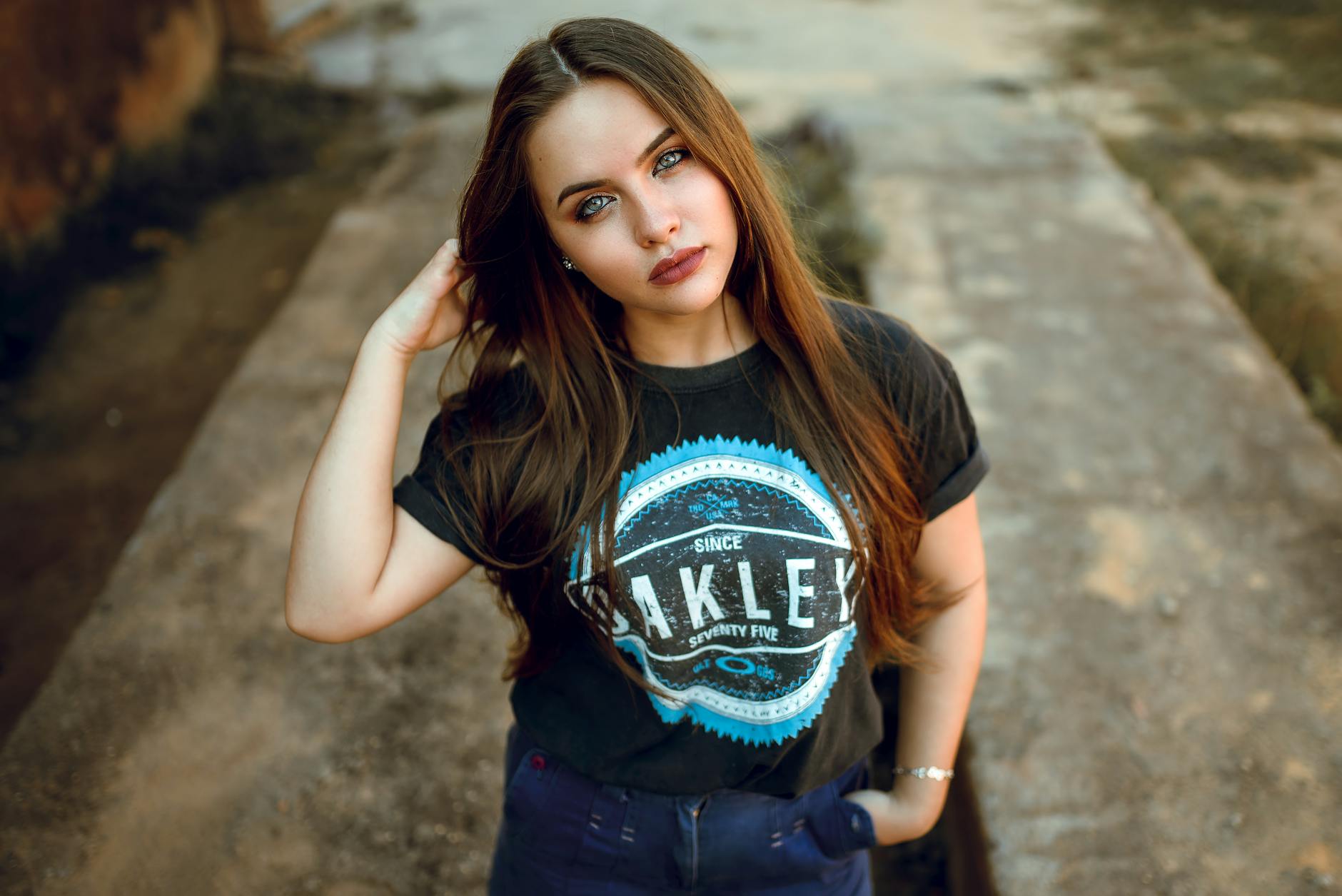
Large branded logos on outerwear, sweatshirts and accessories create a very specific impression about the relationship between the wearer and the brand that shifts significantly in its reading between younger and older consumers. For mature dressers, very large external branding can read as an attempt to purchase identity through visible luxury signals rather than as a confident expression of personal style. The logo itself also functions as a graphic element that draws the eye to wherever it is placed on the body, which for large chest or back logos means directing attention to areas most mature dressers prefer not to emphasize. Understated quality pieces with minimal or no external branding communicate sophistication and confidence in a way that oversized logos typically do not achieve for wearers over forty. The shift from branded to understated as a marker of taste sophistication is one of the most consistently observed patterns in how mature high-income dressers approach their wardrobes.
Frosted Tips
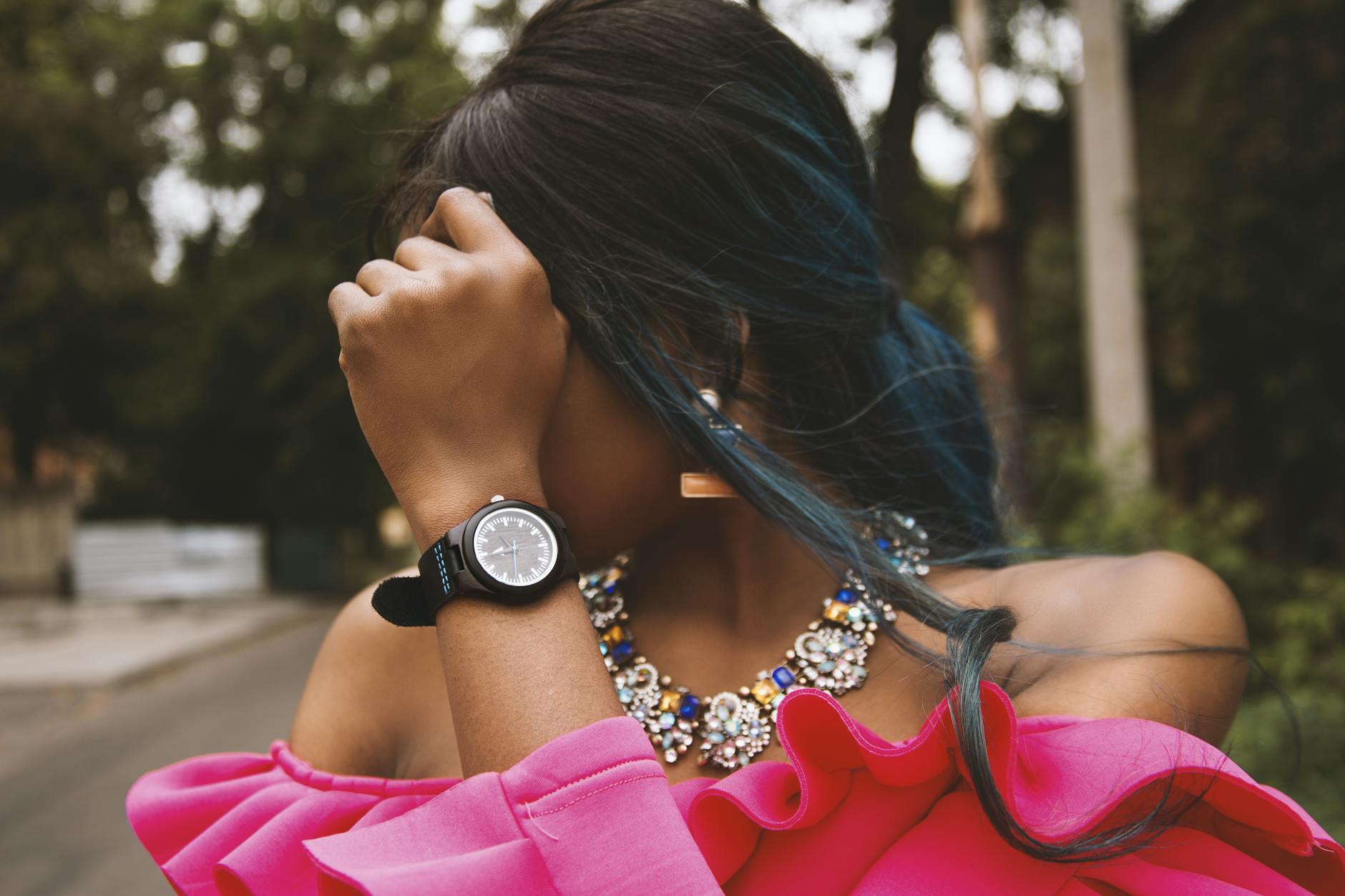
While not a clothing item, frosted or highlighted tips on darker hair are a styling choice so strongly coded to the late 1990s and early 2000s that their inclusion in a mature styling discussion is consistently warranted by fashion editors and personal stylists. The high-contrast bleached tip on a darker base creates a very specific visual association with that era’s male celebrity styling that reads as temporally frozen rather than timelessly maintained. For mature hair that may already have some natural lightening or graying, the addition of artificially frosted tips creates a conflicting and complicated color story that typically does not resolve into a flattering or youthful result. Contemporary color techniques including lived-in highlights, balayage or a clean uniform tone in either the natural or a chosen direction produce results that read as intentional and current rather than era-specific. Hair color is one of the most powerful tools available for managing perceived age and the choice of technique has a significant and immediate visual impact.
Tube Tops
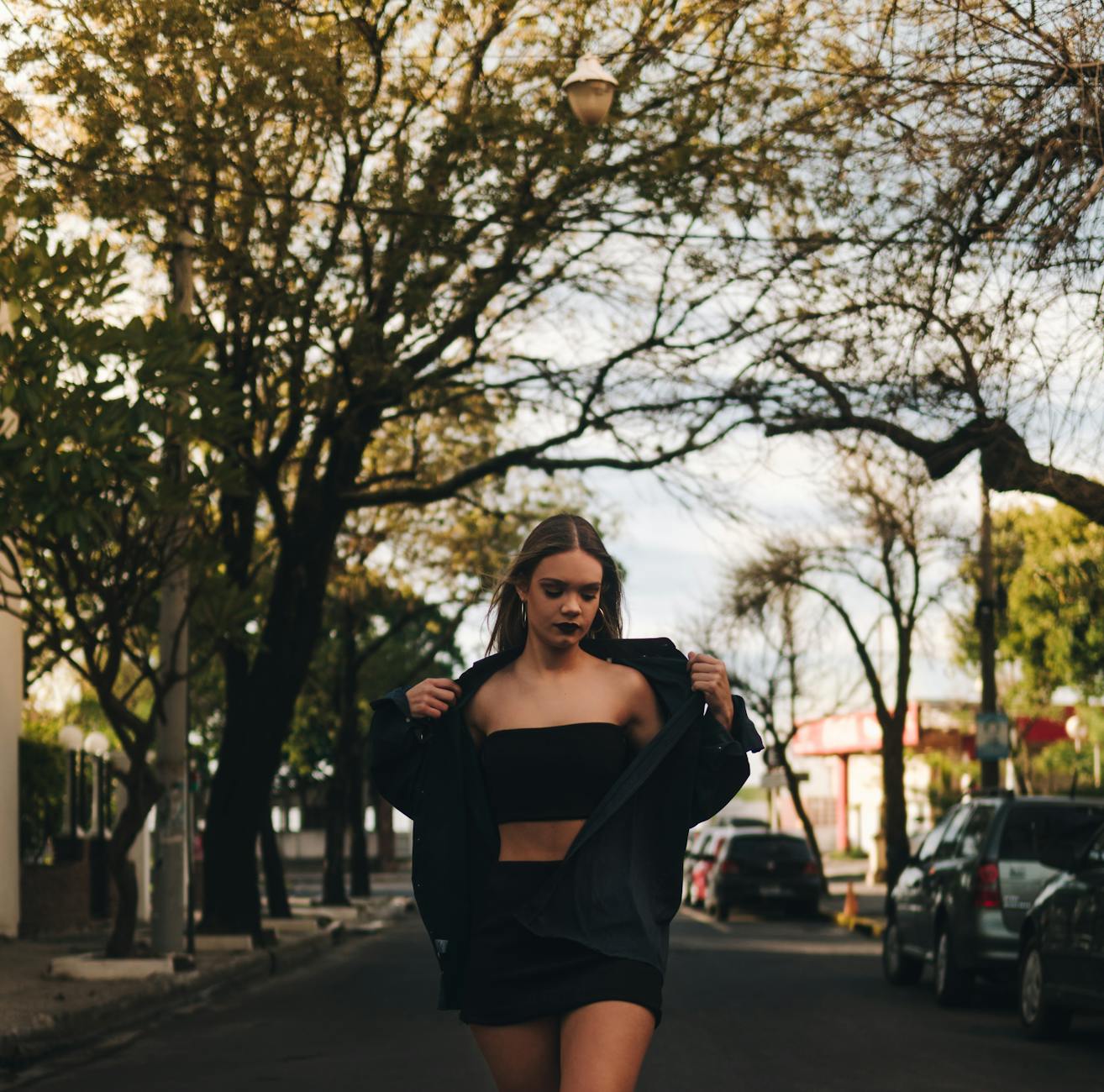
The strapless tube top presents a specific set of challenges for mature dressers related to both fit behavior and the associations the garment carries from its original period of widespread popularity. Without shoulder straps to anchor the garment to the body, tube tops rely entirely on the tension of stretched fabric across the chest to stay in place, a construction that becomes less reliable and more visually precarious as body composition changes with age. The exposure of the bare shoulder and upper arm that a tube top creates can be flattering when the wearer is comfortable with that area but offers none of the strategic coverage or structuring that a well-chosen sleeve provides. The styling associations of the tube top are strongly connected to a very specific casual going-out aesthetic of the late 1990s and early 2000s. A strapless structured bustier top or a fitted bandeau with a sheer overlay achieves the summer formality or casual goal with significantly more support and contemporary relevance.
Boxy Sweatshirts
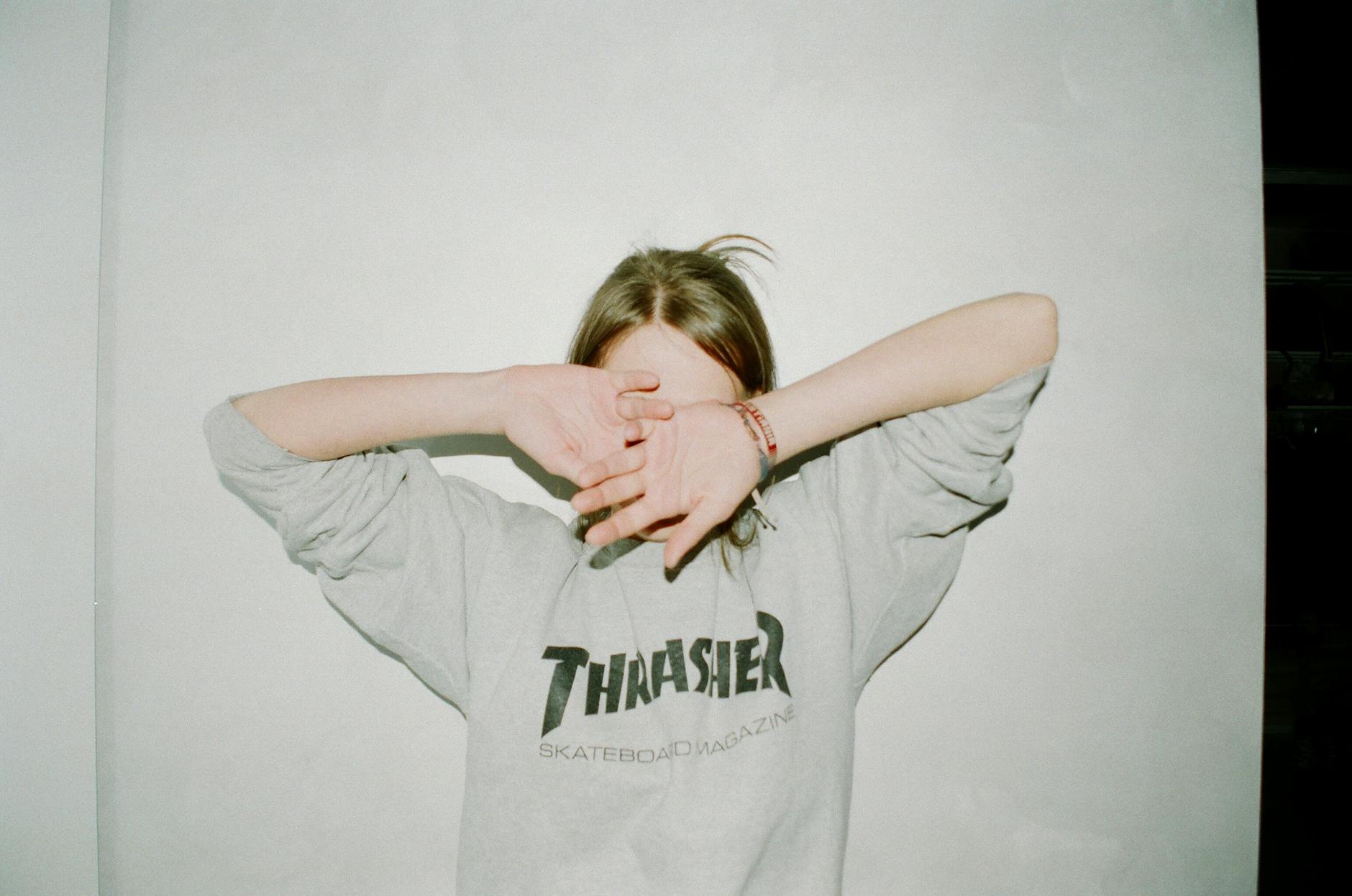
The oversized boxy sweatshirt in its most common form creates a shapeless rectangular silhouette from shoulder to hip that is the most effective possible way to eliminate any waist definition or proportional interest from an outfit. Worn with matching sweatpants it compounds the silhouette problem exponentially, and worn with slim bottoms it creates a proportional imbalance at the top that shortens the visual leg line. The fabric weight of standard fleece sweatshirts also behaves in a way that adds visual bulk even when the actual garment is not particularly heavy, due to how the material holds its shape away from the body. A cropped sweatshirt with a slightly fitted profile achieves the casual comfort goal while maintaining proportional balance with the lower body and revealing the waist. The length and fit of the top half of any casual outfit has an outsized influence on the overall impression of proportion and vitality that the full look conveys.
If any of these style insights resonate with your own wardrobe evolution or if you have discovered a game-changing swap that transformed how you present yourself after forty, share your experience in the comments.




