
The organic food industry generates hundreds of billions of dollars annually on the foundational promise that choosing organic automatically means choosing healthier. Shoppers who pay the significant premium attached to the organic label are often operating under the assumption that the certification extends beyond pesticide reduction into broader nutritional superiority. Nutritional science tells a more nuanced story in which the organic designation addresses farming practices without making any claims about caloric density, macronutrient balance or the metabolic effects of regular consumption. Many of the most popular organic products on the market today are contributing to weight gain in their most devoted consumers precisely because the halo effect of the label disables the critical evaluation that would otherwise apply.
Organic Honey
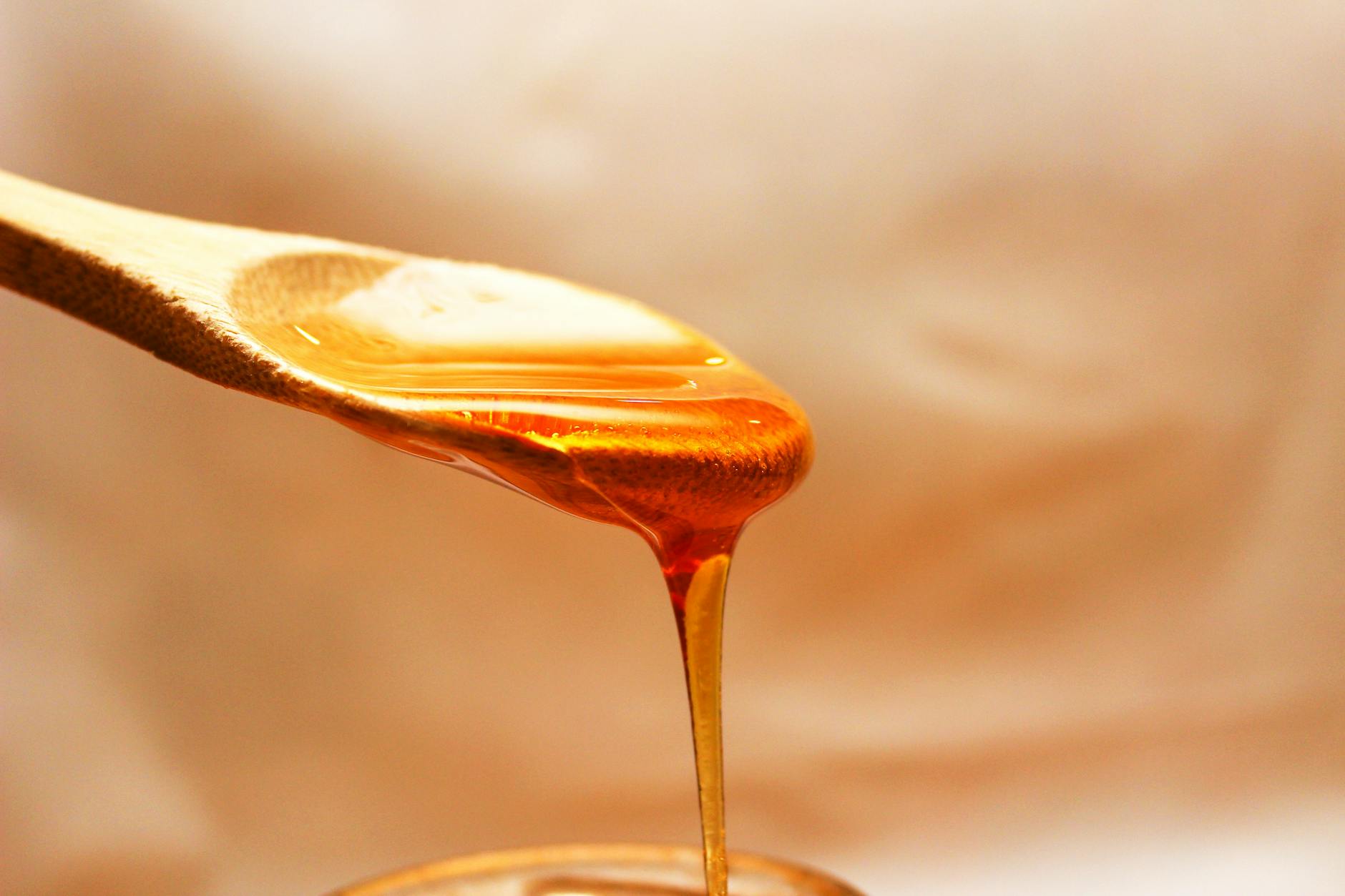
Honey carries a powerful health reputation built on genuine antimicrobial properties, antioxidant content and its status as an ancient and unprocessed natural food. The organic certification on honey addresses the foraging environment of the bees and the absence of synthetic treatments in hive management without altering the fundamental sugar composition of the product itself. Organic honey is approximately 80 percent sugar by composition, with fructose making up the largest fraction, and fructose metabolism in the liver produces outcomes including triglyceride synthesis and fat storage that are identical regardless of whether the source is organic or conventional. Consumers who switch from refined sugar to organic honey as a wholesale substitution and use it with the liberal hand that feels justified by its natural status are frequently consuming significantly more calories than their previous habits involved. The spoonful added to tea, the drizzle over yogurt and the glaze on roasted vegetables accumulate into a caloric load that the organic label does nothing to reduce.
Organic Peanut Butter
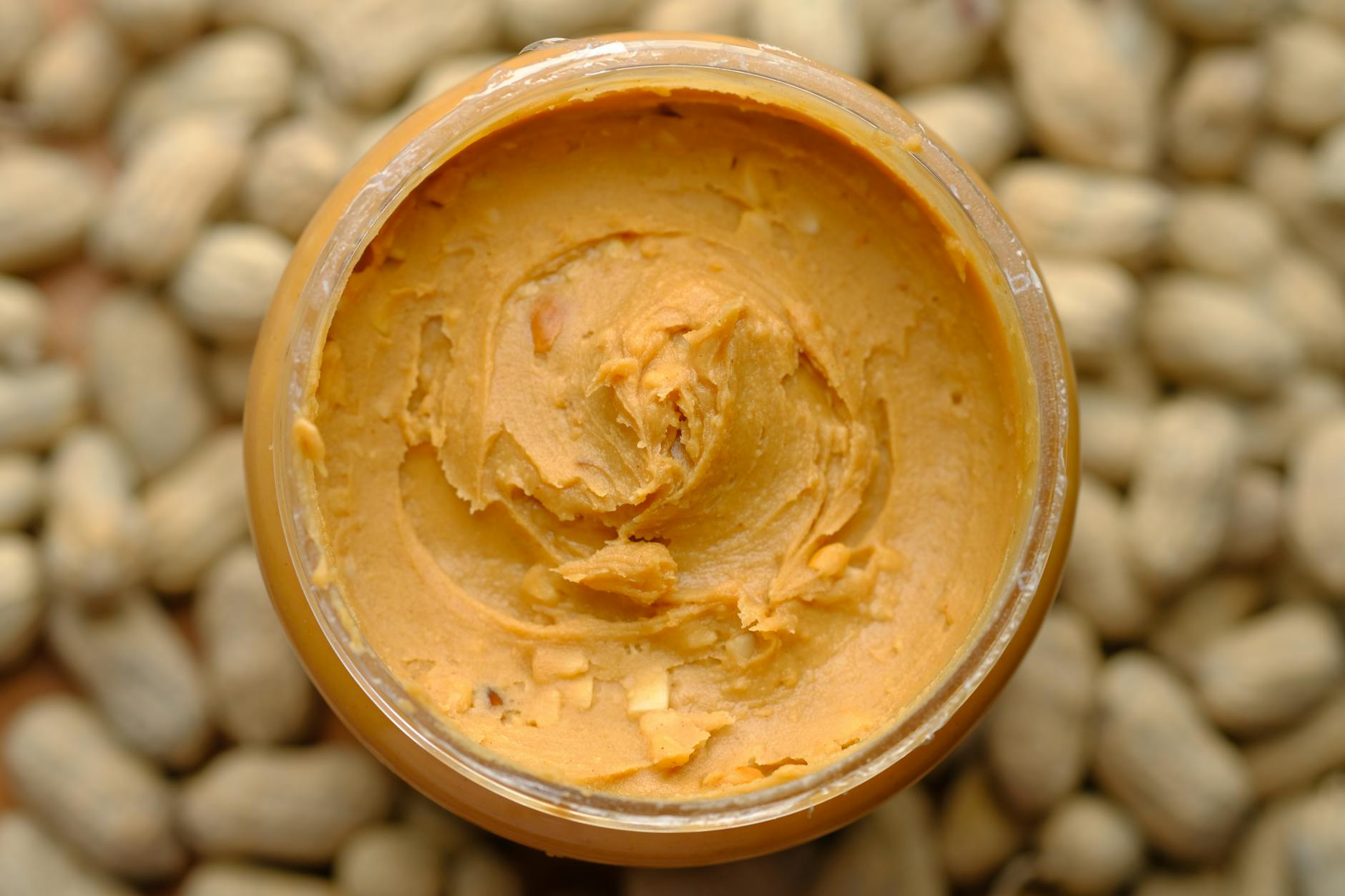
Natural and organic peanut butter is positioned as a clean alternative to conventional spreads that contain hydrogenated oils and added sugars, and in terms of those specific additives the positioning is accurate. The caloric density of organic peanut butter is essentially identical to any other variety, with two tablespoons delivering approximately 190 calories and 16 grams of fat regardless of the farming certification on the jar. Research into consumer behavior around health-labeled foods consistently finds that people eat larger portions of foods they have categorized as healthy, and organic peanut butter is one of the most frequently cited examples of this phenomenon in nutritional psychology literature. The absence of stabilizers in natural peanut butter also means the oil separates and must be stirred back in, a process that reincorporates every calorie of that separated fat back into the portion being consumed. Serving sizes measured by the tablespoon rather than by the heaping scoop reveal a significant gap between assumed and actual caloric intake.
Organic Granola
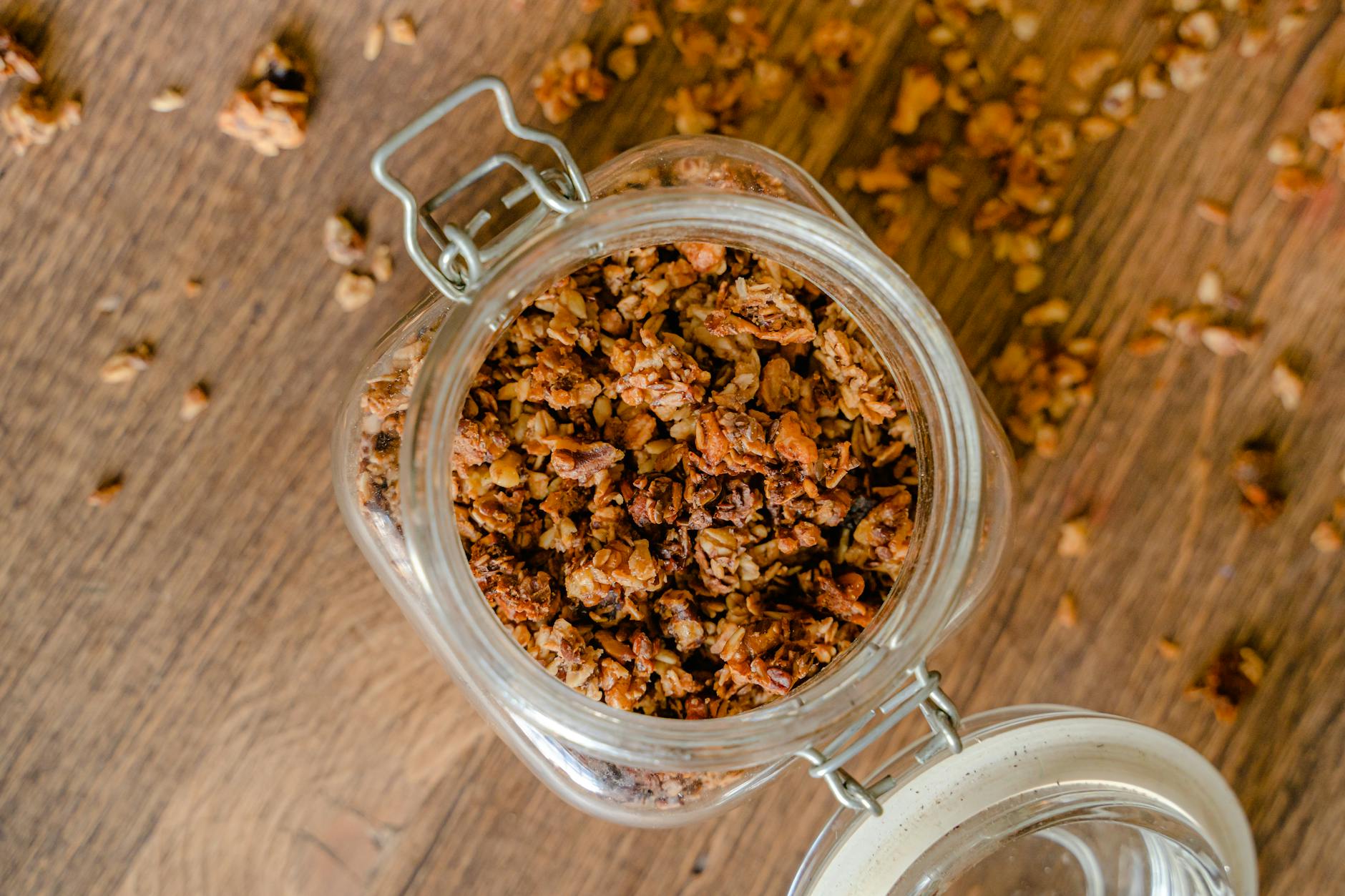
Granola achieved its health food status through association with outdoor living, whole ingredients and the natural food movement of the 1970s, and the organic version inherits and amplifies all of those associations. The caloric density of organic granola is exceptionally high because the primary ingredients including oats, nuts, seeds and sweeteners are all individually energy-dense and combined in a format that is extremely easy to overconsume. A standard serving of organic granola is typically a quarter cup, a quantity that most people who eat granola regularly would not recognize as a full serving because it disappears into a bowl of yogurt or milk with room to spare. The organic sweeteners used including maple syrup, agave and coconut sugar differ from refined sugar primarily in their marketing narratives rather than in their caloric content or metabolic effect. Nutritional analysis of organic granola consistently places it closer to a caloric density of cookie or pastry than the light and virtuous breakfast food its branding implies.
Organic Avocado Oil
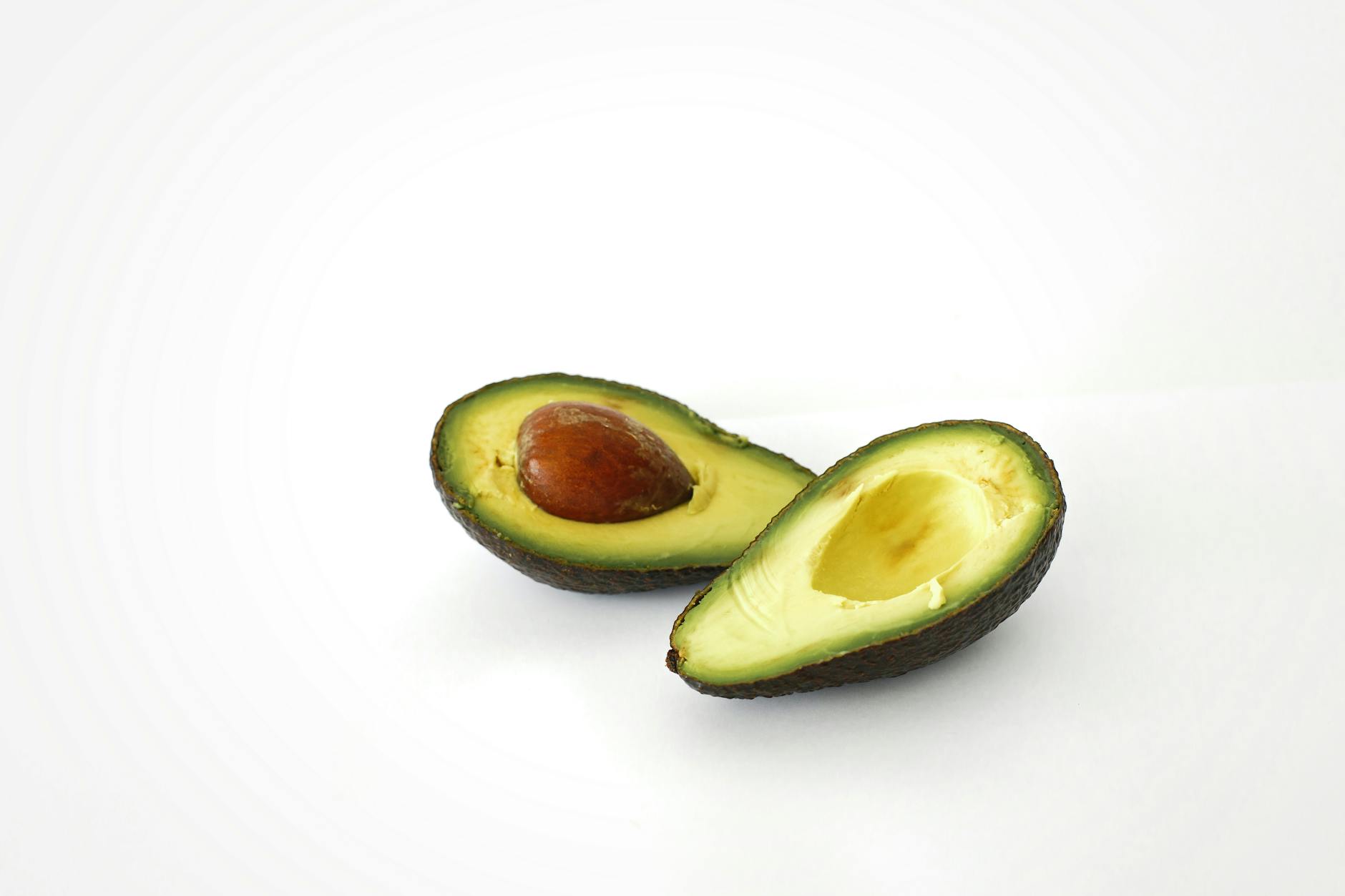
Avocado oil pressed from organic avocados and marketed for its high smoke point and oleic acid content has become a premium cooking oil choice among health-conscious consumers. The nutritional benefits of avocado oil are genuine in terms of its fatty acid profile and its stability under heat compared to more delicate oils, but the organic certification has no bearing on any of these properties. All culinary oils regardless of their source or certification deliver approximately 120 calories per tablespoon, making avocado oil calorie-for-calorie identical to refined vegetable oil, butter or any other fat used in cooking. The perception of health virtue associated with organic avocado oil leads many consumers to use it with significantly more generosity than they would apply to an oil they perceived as less healthy, with a heavy pour into a pan adding several hundred calories before any food is introduced. The health benefit of the fatty acid profile of avocado oil requires consumption within appropriate caloric parameters that its premium status tends to undermine in practice.
Organic Maple Syrup

Maple syrup tapped from organically managed trees and marketed as a mineral-rich natural sweetener has become the preferred alternative to refined sugar among consumers pursuing a cleaner diet. The mineral content of maple syrup including manganese and zinc is present in quantities that are nutritionally meaningful only in volumes of consumption that would simultaneously deliver a very significant sugar and caloric load. Organic maple syrup contains approximately 52 calories per tablespoon with a sugar content of around 12 grams, and the generous pours that feel appropriate given its natural and organic status frequently represent three to four tablespoons worth of caloric reality. The glycemic index of maple syrup is somewhat lower than refined sugar but not sufficiently different to meaningfully change its metabolic impact when consumed in the quantities typical of breakfast table use. Swapping refined sugar for organic maple syrup without adjusting the volume used is a substitution that often increases rather than decreases caloric intake due to the more liquid and pourable format.
Organic Coconut Milk
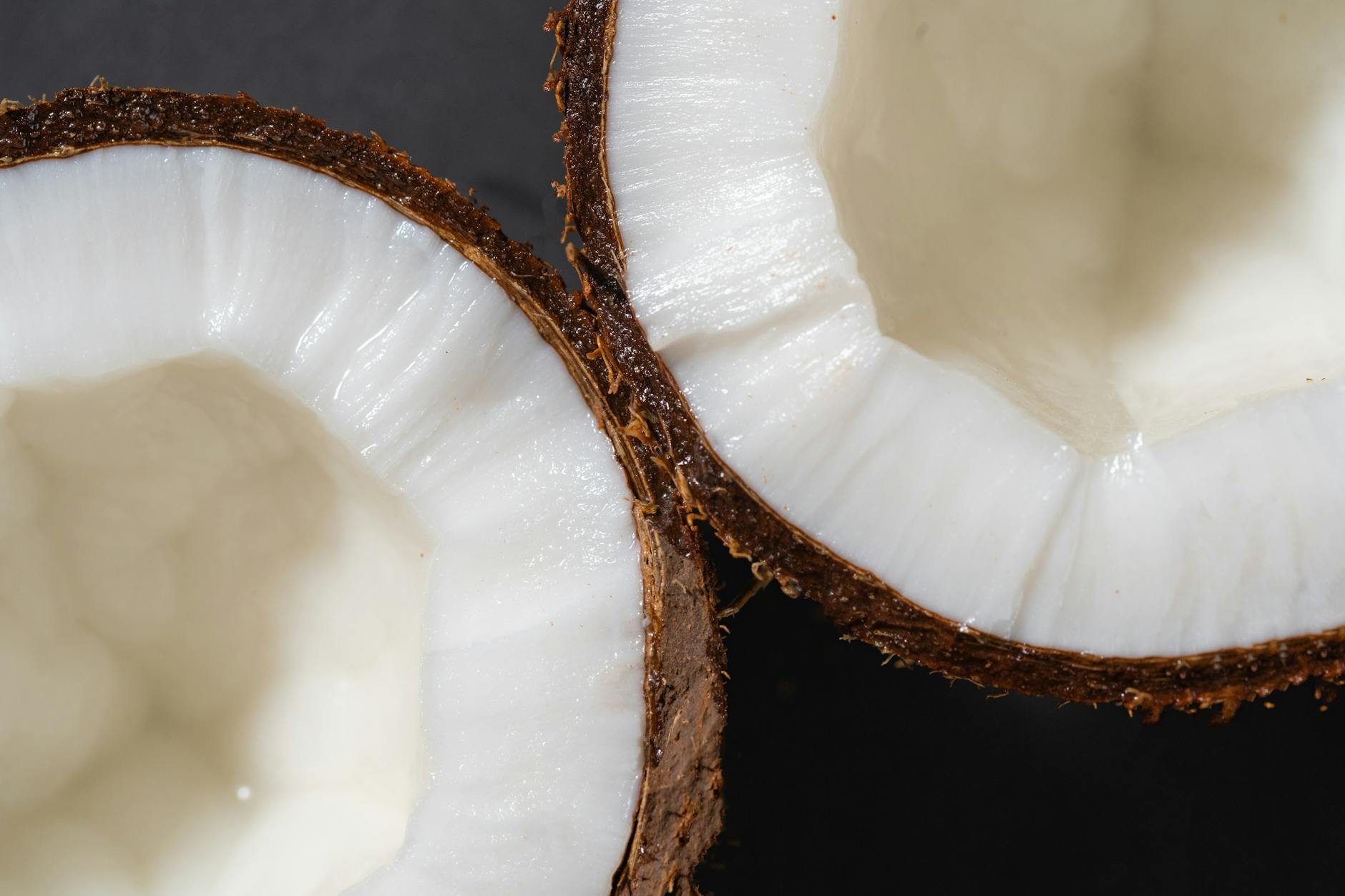
Full-fat organic coconut milk has been embraced by dairy-free consumers and followers of grain-free dietary approaches as a rich and nourishing alternative to conventional dairy products. The fat content of full-fat organic coconut milk is extremely high, with a standard can containing approximately 400 to 500 calories derived primarily from saturated fat in the form of medium-chain triglycerides. While medium-chain triglycerides have been studied in relation to satiety and metabolic rate, the quantities present in coconut milk as a cooking ingredient do not appear to produce the thermogenic effects suggested by the most optimistic interpretations of that research. Recipes that substitute coconut milk for broth, water or lighter dairy alternatives introduce a dramatic caloric uplift that is not reflected in the visual appearance of the finished dish. Consumers who build organic coconut milk into daily smoothies, curries and coffee drinks without accounting for its caloric density are frequently adding several hundred untracked calories to their daily intake.
Organic Agave Nectar

Agave nectar was positioned as a superior sweetener due to its low glycemic index and natural plant origin, with the organic version adding a further layer of perceived purity to those claims. The low glycemic index of agave is a product of its extremely high fructose content, which at 70 to 90 percent fructose is higher than high-fructose corn syrup, and fructose bypasses the normal blood glucose regulation pathway to be processed almost entirely in the liver. Hepatic fructose metabolism produces triglycerides and promotes fat storage in ways that are not captured by glycemic index measurement, making the low glycemic index of agave a technically accurate but deeply misleading health claim. Organic agave nectar is also more calorie-dense than refined sugar, with a tablespoon delivering slightly more calories than the equivalent measure of table sugar while appearing to be a lighter and more natural option. The widespread adoption of agave as a health-food sweetener represents one of the more thoroughly studied examples of how a single accurate nutritional claim can obscure a significantly more complicated metabolic reality.
Organic Trail Mix
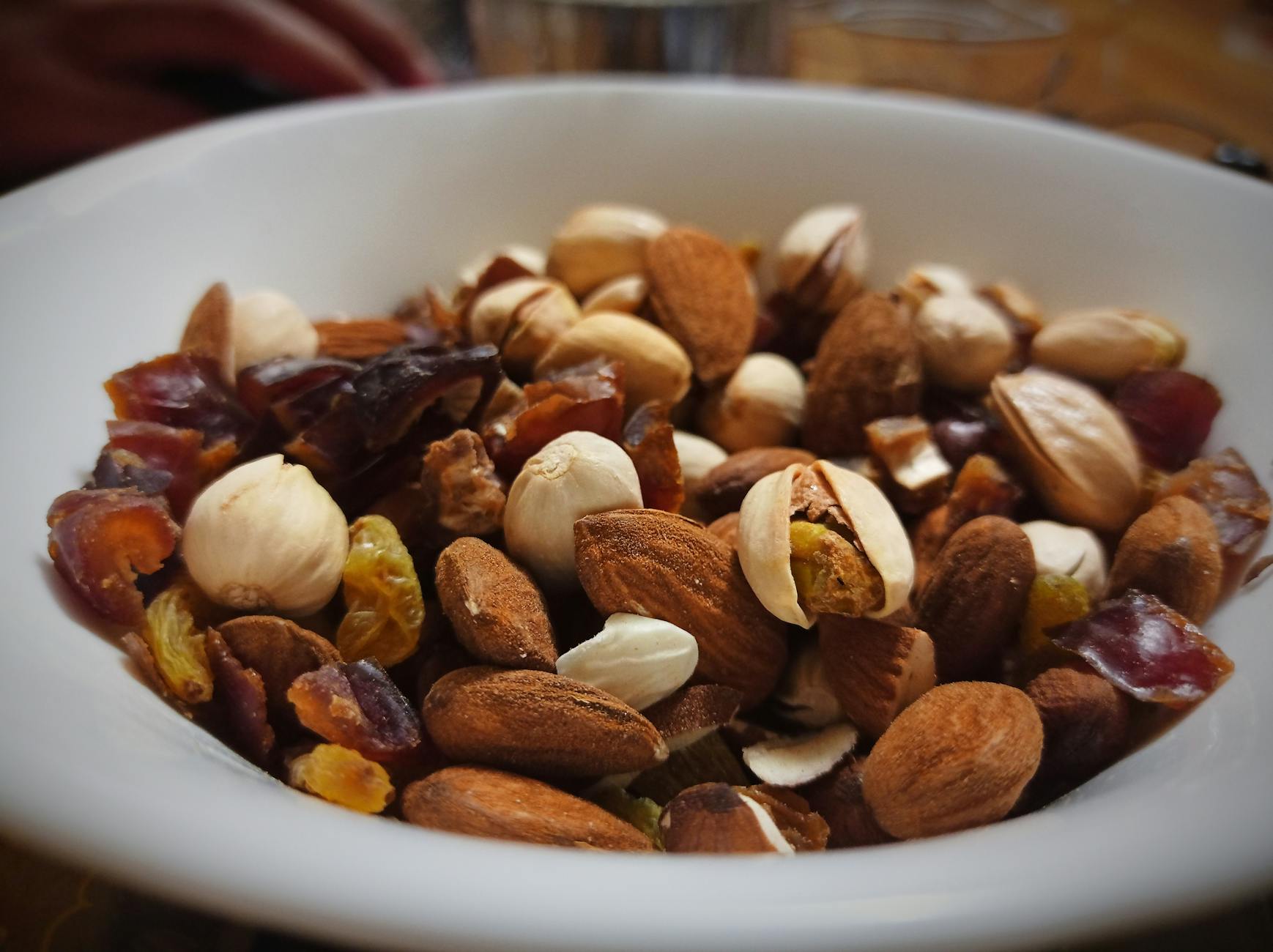
Organic trail mix combines nuts, seeds, dried fruit and often chocolate or yogurt-covered additions sourced from certified organic producers, creating a snack that checks every visible box of health food credibility. The caloric density of trail mix is among the highest of any portable snack food, with a single quarter-cup serving delivering 150 to 200 calories from a combination of fat-dense nuts and sugar-dense dried fruit. The organic certification has no effect on the caloric or macronutrient content of any of the individual components, and the combination of sweet and salty elements in trail mix is specifically recognized in food science research as one of the flavor profiles most likely to override satiety signaling and encourage continued eating. Dried fruit in organic trail mix contains concentrated fructose in quantities that no whole fruit serving would naturally deliver, and without the fiber matrix of whole fruit to slow absorption the sugar load reaches the bloodstream very quickly. Consuming organic trail mix directly from a bag without measuring a defined portion is one of the most reliable pathways to significant unintended caloric overconsumption available in the health food aisle.
Organic Nut Milk
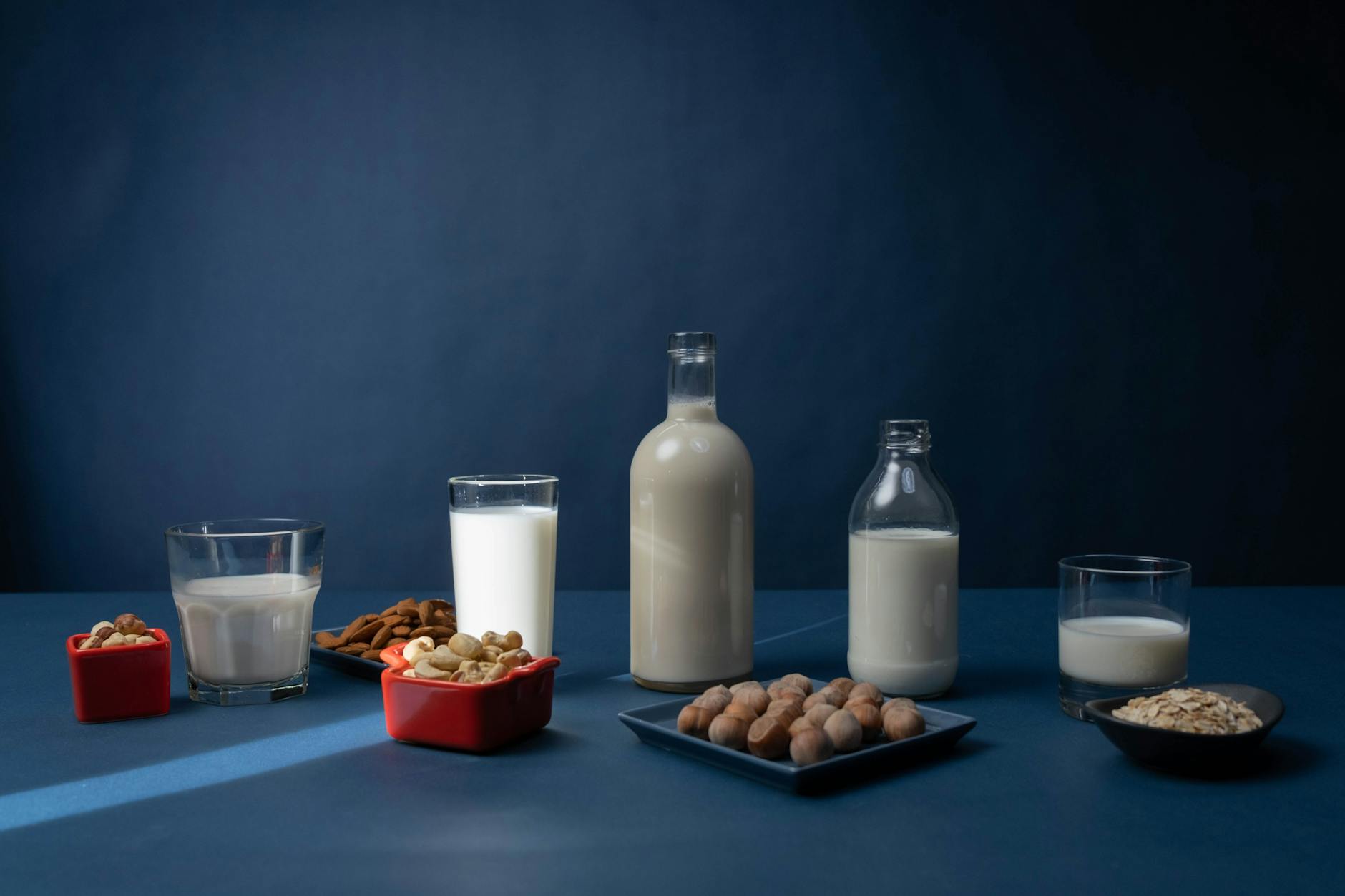
Organic almond, oat and cashew milks have replaced conventional dairy in the refrigerators of millions of health-conscious consumers, with the organic version carrying the additional assurance of cleaner agricultural sourcing. Oat milk in particular has a carbohydrate and sugar profile that surprises most consumers, with many commercial organic oat milks delivering 15 to 20 grams of carbohydrate per serving due to the enzymatic process used to create a creamy texture from whole oats. Consumers who use organic oat milk generously in multiple daily coffees, smoothies and cooking applications accumulate a carbohydrate and caloric load that significantly exceeds what they would have consumed from unsweetened conventional dairy milk. Almond milk in its organic form is very low in calories but also very low in protein and nutrients, meaning it does not provide the satiety contribution of dairy, leading to compensation through other food sources that often adds more calories than the original dairy would have contained. The category of organic nut milks encompasses products with dramatically different nutritional profiles that the shared organic and plant-based branding obscures for most consumers.
Organic Dark Chocolate
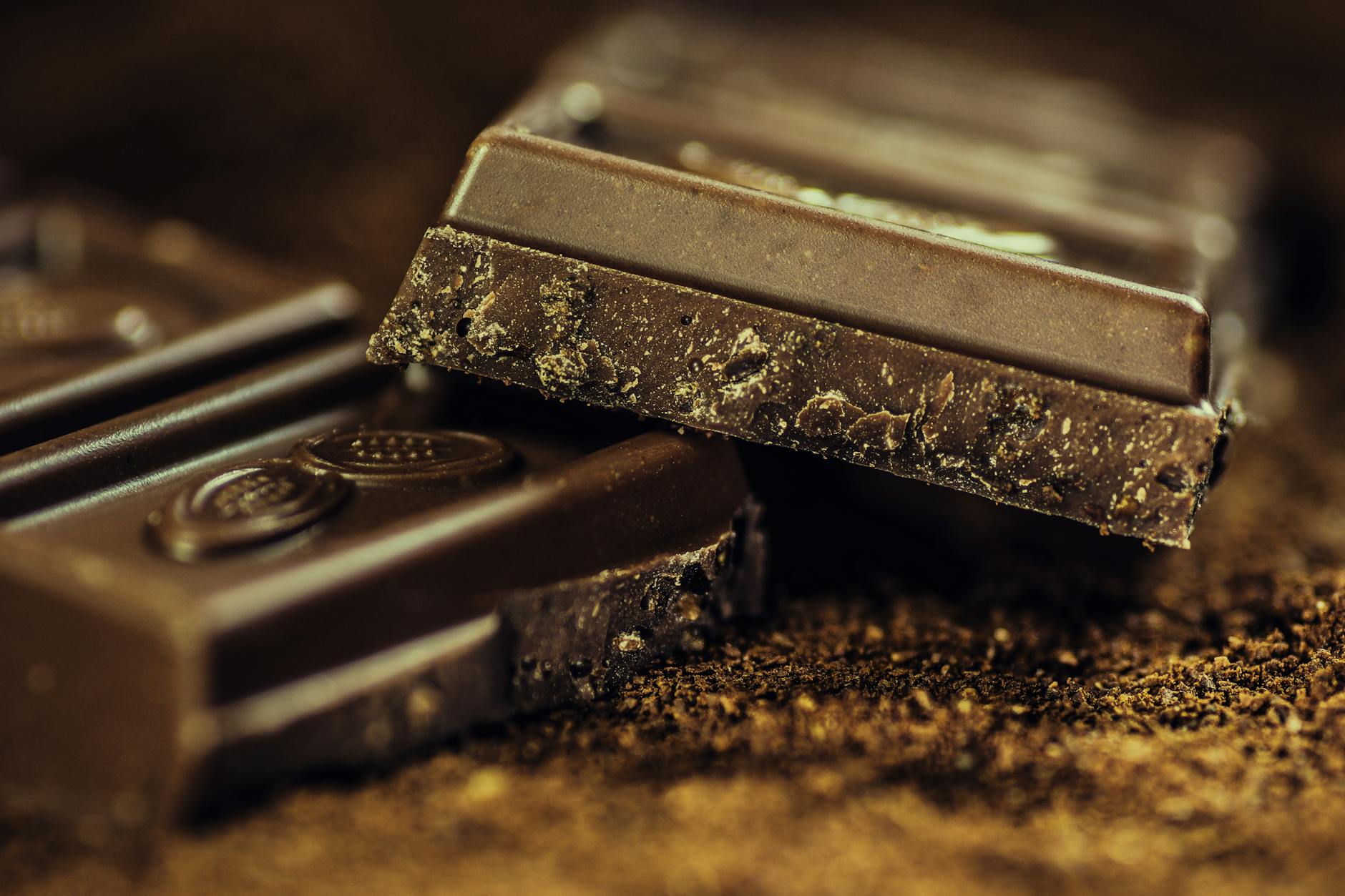
Dark chocolate with a cocoa percentage above 70 percent has genuine scientific support for its flavonoid content and cardiovascular associations, and the organic version of these products carries a further layer of credibility through sustainable sourcing and cleaner ingredient lists. A standard 40-gram serving of organic dark chocolate delivers approximately 220 calories and 13 grams of fat, and the perception of health virtue associated with the organic and high-cocoa designation reliably leads consumers to underestimate their actual intake. The individual squares into which premium dark chocolate is divided are designed to suggest a single-serving unit but typically represent a fraction of the full bar, and eating to satisfaction rather than to a measured serving frequently means consuming the majority of the bar in a single sitting. Organic chocolate also tends to use less sugar than conventional milk chocolate, which makes it taste less immediately sweet and creates the impression that it is a less indulgent choice when the caloric density is essentially equivalent. The health narrative around dark chocolate is accurate within very specific serving parameters that bear little resemblance to how most people who keep a bar in their desk drawer actually consume it.
Organic Quinoa Bowls
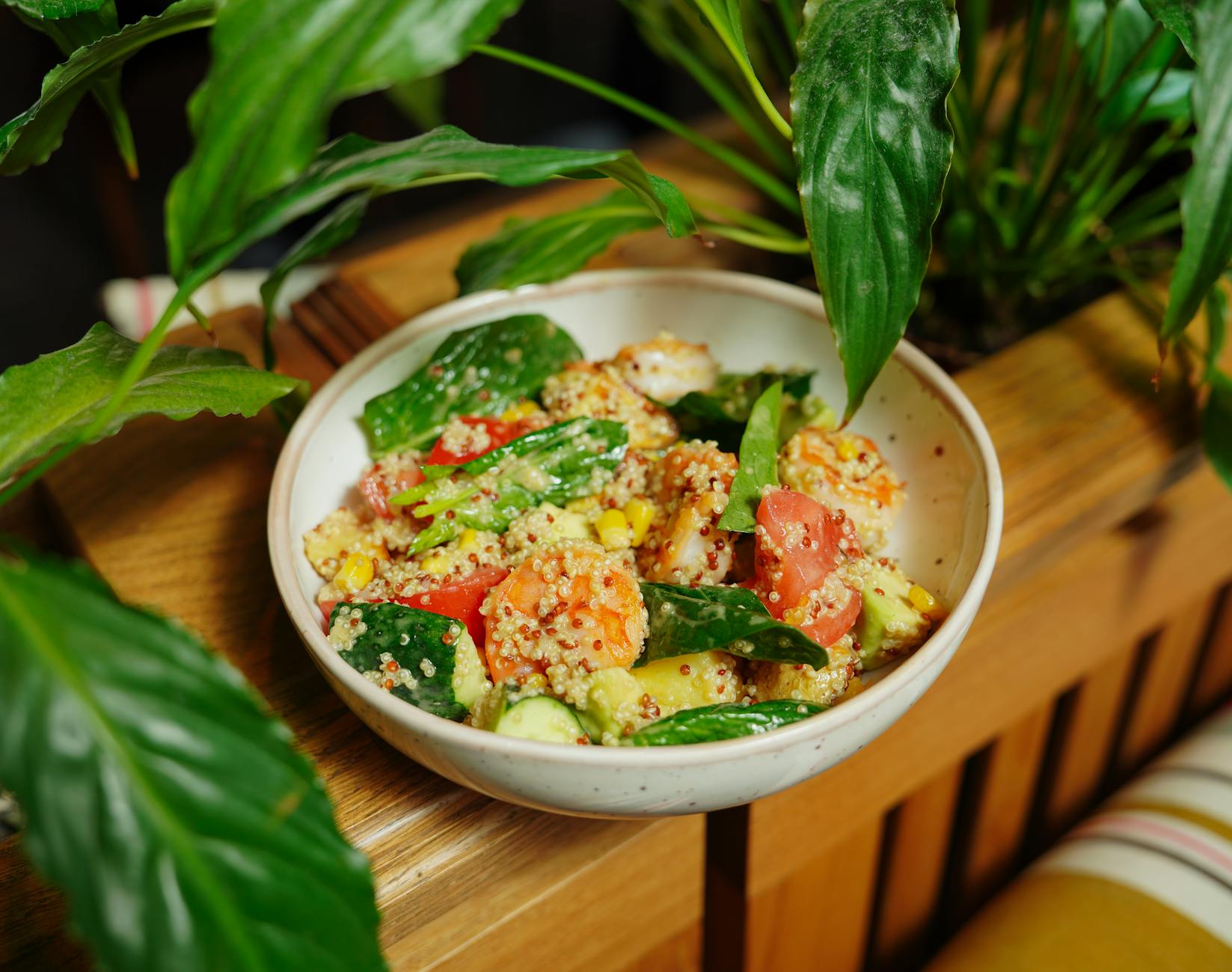
Quinoa has a strong scientific foundation as a complete protein grain with a respectable fiber content and a lower glycemic index than most other grain staples, and organic quinoa builds on these genuine nutritional properties. Pre-made organic quinoa bowls sold in health food stores and meal kit services frequently combine a generous grain base with calorie-dense additions including roasted vegetables cooked in liberal amounts of oil, tahini or nut-based dressings, avocado and seeds that collectively create a meal with a very high total caloric content. The clean and virtuous appearance of a bowl of grains and vegetables bypasses the caloric scrutiny that a similarly calorie-dense plate of more traditionally indulgent food would receive, leading to consumption without the mental accounting that would normally apply. Dressings and sauces in pre-prepared organic bowls frequently represent 200 to 400 calories of the total meal, a contribution that is invisible because liquids are consistently underestimated in consumer caloric assessment. The wholesomeness of the individual components in an organic quinoa bowl does not prevent their combination from delivering 700 to 900 calories in formats that most consumers assume represent a light and virtuous meal choice.
Organic Smoothie Packs
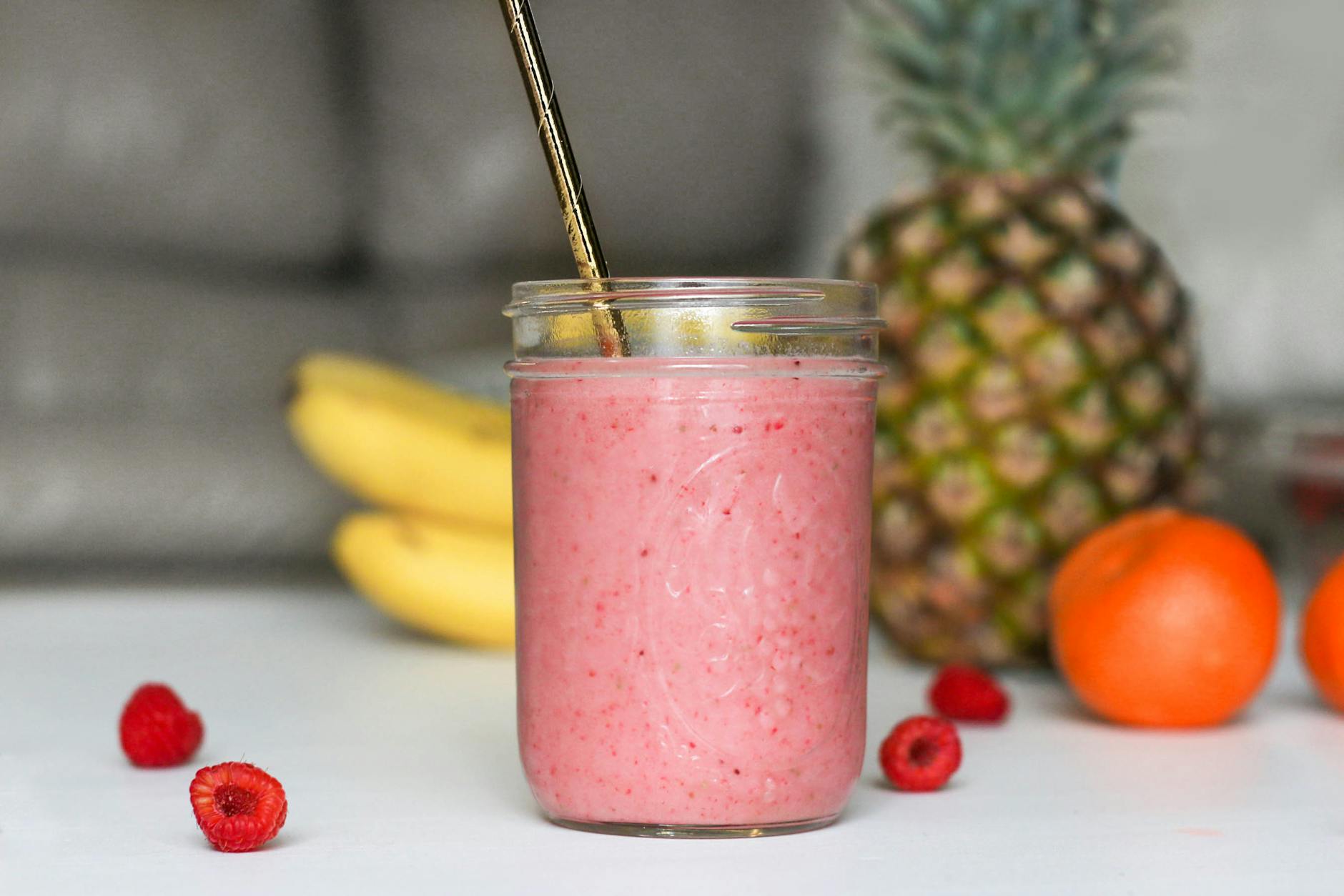
Frozen organic smoothie packs containing pre-portioned combinations of fruit, vegetables and sometimes seeds or nut butter are marketed as a streamlined path to nutritious eating without the preparation time that fresh ingredients require. The fruit-forward composition of most smoothie packs means that blending a single pack with a liquid base creates a drink with a significant natural sugar load that is absorbed very rapidly because the blending process has already broken down the fiber structure of the fruit. Adding recommended liquid bases of organic juice rather than water or unsweetened plant milk compounds the sugar content to a degree that places some prepared organic smoothies in the same blood glucose impact category as a sweetened soft drink despite their entirely natural ingredient list. Consumers who use organic smoothie packs as a low-calorie meal replacement are frequently underestimating the caloric content of the finished drink, particularly when additions of banana, mango or pineapple are combined with a nut butter or seed packet. The act of drinking rather than eating calories consistently produces lower satiety for the same caloric intake, making liquid meals less effective at preventing compensatory eating later in the day.
Organic Cheese

Cheese produced from the milk of organically managed herds and marketed with emphasis on grass-feeding, animal welfare and cleaner production methods occupies a premium position in the specialty food market. The caloric and fat content of organic cheese is essentially identical to conventional cheese of the same variety, with the organic certification affecting farming practice rather than the macronutrient composition of the final product. Hard cheeses including organic cheddar, parmesan and manchego deliver approximately 110 to 120 calories per ounce, a serving size that most people who eat cheese casually would not recognize as a meaningful portion. The premium quality and complex flavor of artisan organic cheeses can actually encourage greater consumption relative to standard varieties because the eating experience is more pleasurable and the health framing reduces the psychological resistance that would otherwise moderate intake. Cheeseboards assembled with organic and artisan varieties frequently deliver very high total caloric loads that the aesthetic presentation and the narrative of quality and naturalness make difficult to accurately estimate.
Organic Pasta

Organic pasta made from semolina wheat sourced from certified organic farms is nutritionally near-identical to conventional pasta in terms of its caloric density, carbohydrate content and glycemic impact. The organic certification addresses pesticide exposure in wheat farming without altering the refined carbohydrate structure of the pasta itself, and the body processes organic semolina pasta and conventional semolina pasta through essentially the same metabolic pathway. Portion distortion is particularly severe with pasta because the recommended serving of approximately two ounces of dry pasta expands to a much smaller finished volume than most restaurant and home serving sizes, meaning actual consumption of three to four times the standard portion is common across all pasta varieties including organic. Organic pasta is frequently paired with calorie-dense organic sauces including those made with olive oil, organic cream, cashew-based vegan alternatives or generous amounts of cheese, with the total caloric content of the finished dish far exceeding what the pasta itself represents. The virtuous framing of an organic pasta dinner consistently suppresses the caloric accounting that would accompany a more obviously indulgent meal choice.
Organic Olive Oil

Extra virgin olive oil produced from organically grown olives and cold-pressed without chemical intervention is a genuinely superior product in terms of its polyphenol content, flavor complexity and fatty acid profile relative to refined conventional oils. The health reputation of olive oil is among the strongest in nutritional science, supported by decades of Mediterranean diet research linking its consumption to cardiovascular health and longevity outcomes. Every tablespoon of organic extra virgin olive oil delivers 119 calories regardless of its quality, and the liberal use that its health status inspires in cooking, dressing and finishing applications creates caloric additions to meals that are consistently invisible in consumer self-reporting of daily intake. Studies examining how health labeling affects cooking behavior find that oils presented as healthy are used in significantly larger volumes than oils presented as neutral or indulgent. The genuine health benefits of organic olive oil require consumption within caloric parameters that the oil’s premium health status actively works against in most kitchen environments.
Organic Protein Powder

Organic protein powders derived from pea, hemp, brown rice or organic whey carry a clean ingredient positioning that resonates strongly with consumers who are simultaneously pursuing weight management and muscle support goals. Many organic protein powder products include added organic ingredients such as dates, coconut sugar, cacao or nut butter bases that significantly increase the caloric content per serving beyond what the protein content alone would represent. Consumers who add organic protein powder to already calorie-containing smoothie bases with added fruit, nut milk and seed additions may be creating drinks of 500 to 700 calories that they are using as snacks rather than meal replacements. The satiety contribution of protein is genuine and well-documented, but it is not unlimited in its appetite-suppressing effect and does not cancel the caloric contribution of accompanying ingredients. Organic protein powder used strategically within an accurately tracked dietary framework performs very differently from the same product used as an assumed shortcut to simultaneous muscle gain and fat loss.
Organic Rice Cakes
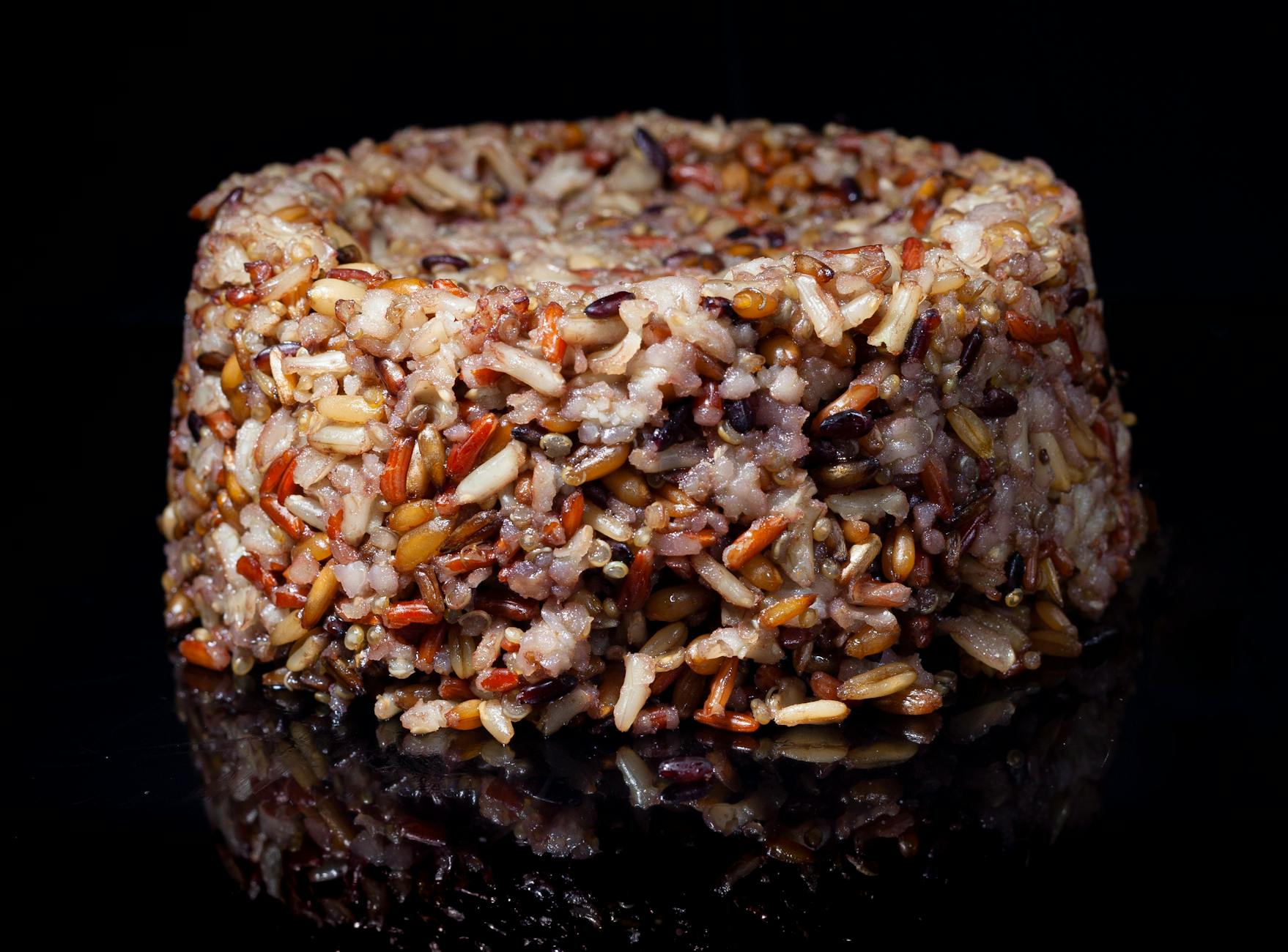
Organic rice cakes made from whole grain brown rice sourced from certified organic paddies are among the most popular low-calorie snack choices in the health food market and are widely used as a platform for other toppings. The glycemic index of rice cakes is extremely high, measuring above white bread on most standardized scales, meaning that even the organic whole grain version produces a rapid blood glucose spike followed by a sharp insulin response and subsequent energy and hunger crash. The hunger crash that follows high-glycemic snacking is one of the most reliable drivers of compensatory eating within one to two hours, and organic rice cakes consumed as an appetite management tool frequently produce the opposite of their intended effect. The toppings added to make rice cakes palatable including organic nut butters, avocado, hummus and coconut oil significantly increase the caloric content of what began as a 35-calorie cracker in ways that the light and airy nature of the base food makes difficult to mentally account for. Consumer tracking data consistently shows that rice cake-based snacking occasions deliver higher total caloric intake than the initial choice of a low-calorie base would suggest.
Organic Hummus
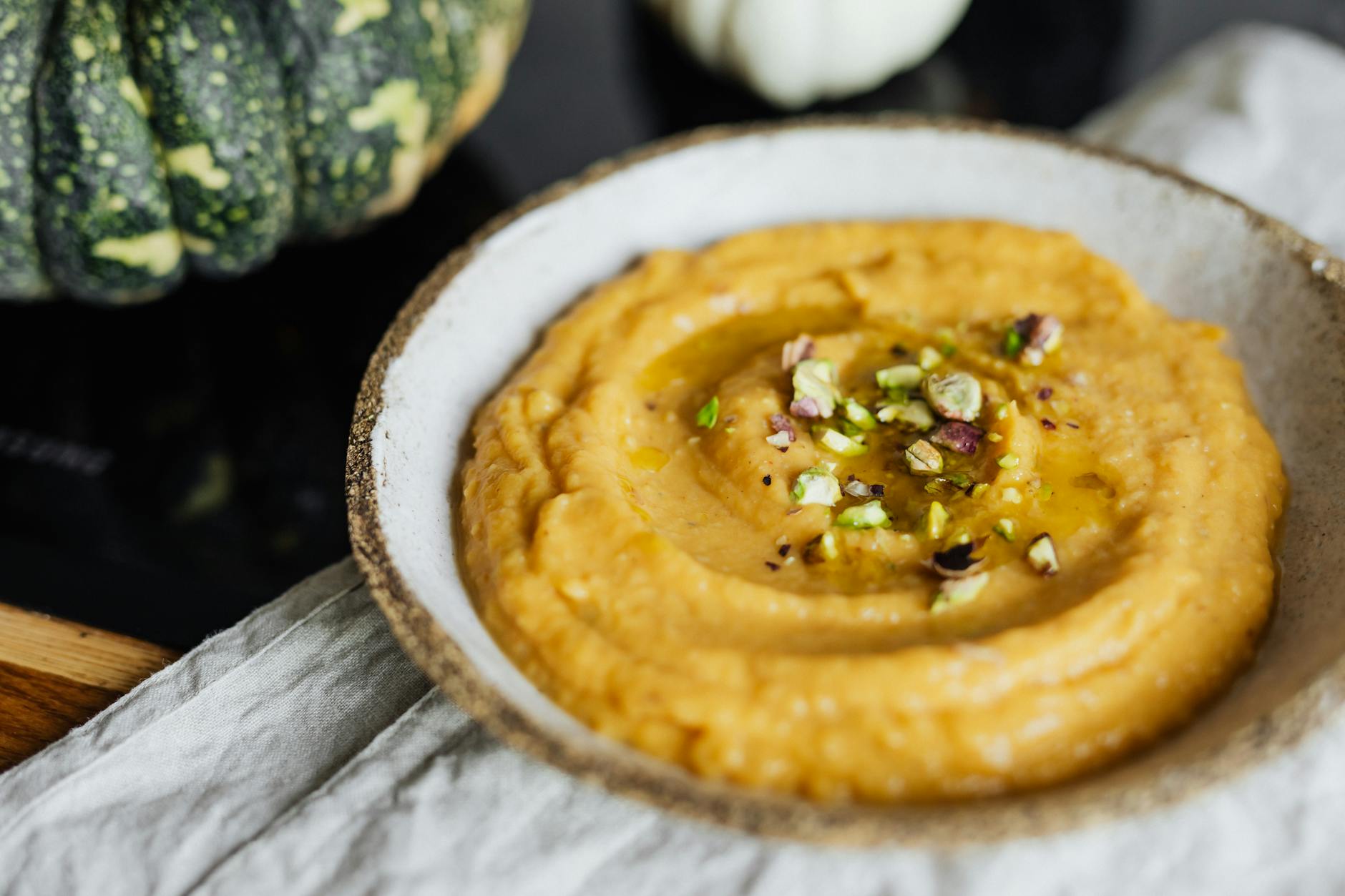
Organic hummus made from certified organic chickpeas, tahini and olive oil is positioned as a high-protein, high-fiber and entirely plant-based snack with a nutritional profile that makes it feel like an unlimited healthy option relative to conventional dips and spreads. The caloric density of hummus is approximately 70 calories per two-tablespoon serving, a quantity that disappears in a single scoop of a pita chip or vegetable, making it very easy to consume six to eight servings in a casual snacking session without any sense of having eaten a significant amount of food. Tahini, the sesame seed paste that gives hummus much of its flavor and texture, is itself an extremely calorie-dense ingredient that adds fat and calories in proportion to how generously it appears in the recipe. Organic hummus consumed with organic seed crackers or pita creates a combination of calorie-dense foods where each individual component benefits from a health halo that suppresses awareness of the accumulating total. Portion-controlled individual servings of organic hummus purchased in single-serve packaging reveal through their calorie counts how significant the gap between perceived and actual intake tends to be in free-serve snacking situations.
Organic Dried Mango
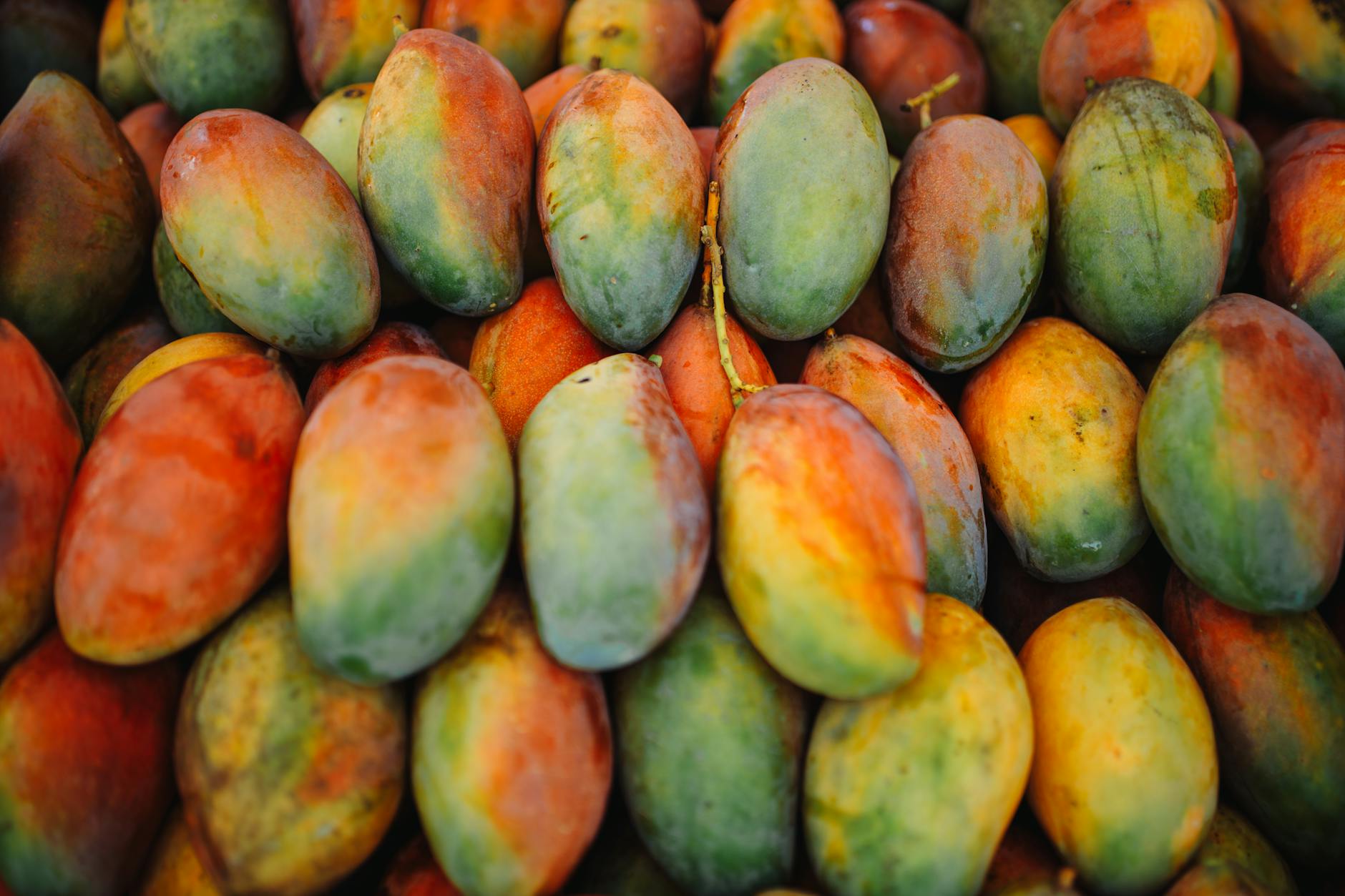
Organic dried mango sourced from farms free of synthetic pesticides and sulfur dioxide preservatives carries a clean and natural image that positions it as a guilt-free fruit snack for health-conscious consumers. The dehydration process that creates dried mango removes approximately 80 percent of the fruit’s water content while concentrating its natural sugars, calories and carbohydrates into a dramatically smaller and denser form. A single cup of fresh mango contains approximately 100 calories and a significant volume of water and fiber that contributes to satiety, while the equivalent cup of dried mango delivers around 320 calories in a form that provides very little satiety signaling relative to its caloric contribution. The organic certification removes the preservatives that are the primary objection many consumers have to conventional dried fruit without altering the fundamental issue of concentrated sugar and caloric density. Dried mango is also specifically engineered by its texture and flavor intensity to encourage continued eating past any reasonable serving, making bag-level consumption rather than portion-level consumption the more common behavioral reality.
Organic Kefir
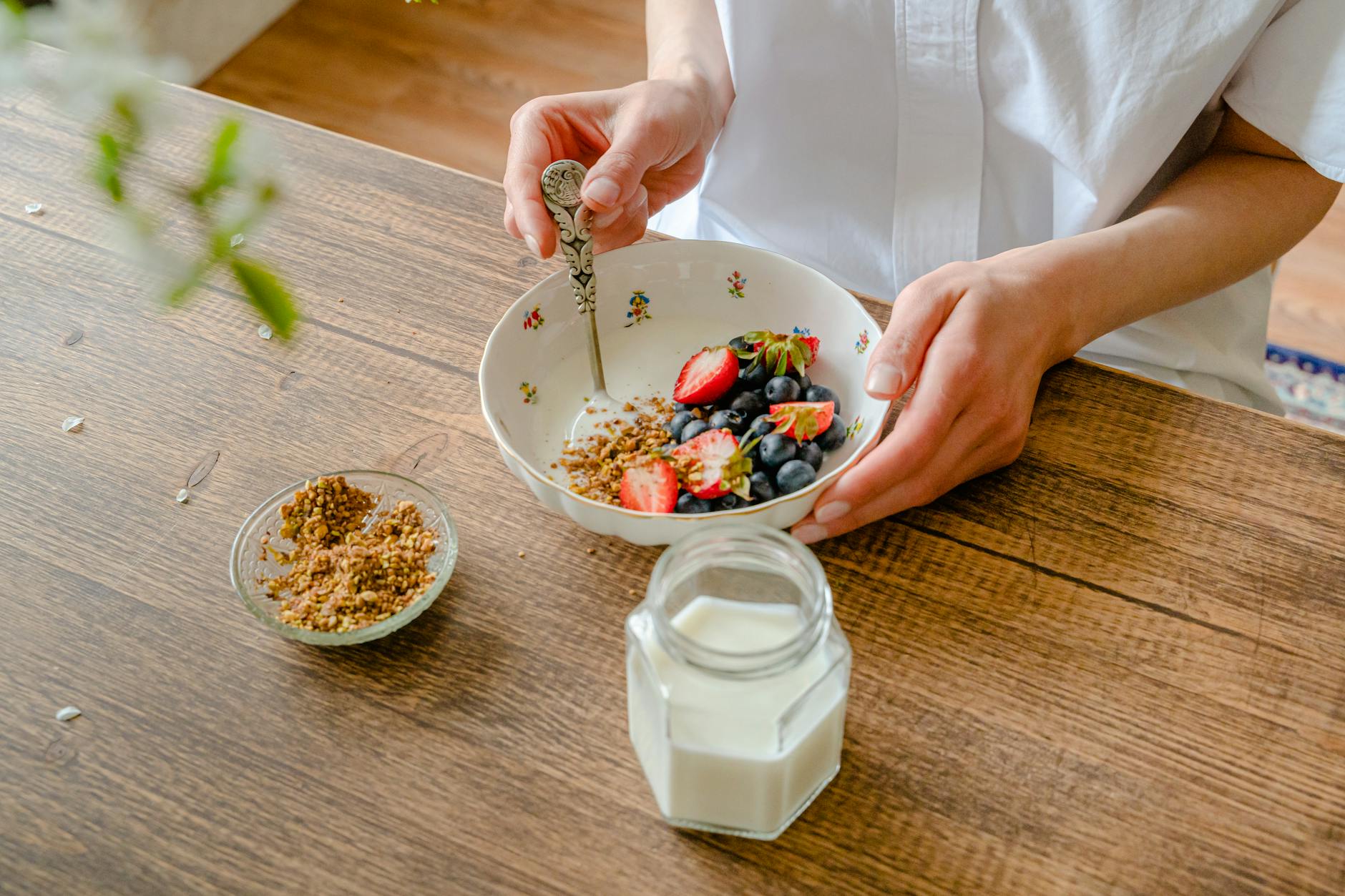
Kefir produced from the milk of organically managed cows or goats and fermented with live bacterial cultures occupies a unique position in the health food market due to its probiotic content and the growing body of research linking gut microbiome health to metabolic function and weight regulation. Full-fat organic kefir contains approximately 150 to 180 calories per cup with a meaningful fat content that contributes to its smooth and satisfying texture, and the health narrative around its probiotic properties leads many consumers to drink it in quantities well beyond what would be necessary to obtain any microbiome benefit. Flavored organic kefir products that add fruit purees, honey or organic cane sugar to improve palatability deliver substantially more sugar and calories per serving than the plain version, often approaching the sugar content of conventional flavored yogurt drinks that carry no health positioning. The probiotic benefit of kefir is genuine but does not extend to a metabolic free pass that cancels the caloric impact of the surrounding dairy and sugar matrix. Consumers who replace a low-calorie beverage with full-fat flavored organic kefir as a health upgrade may be adding 200 or more net calories to their daily intake without a compensating reduction elsewhere.
Organic Flaxseed Oil
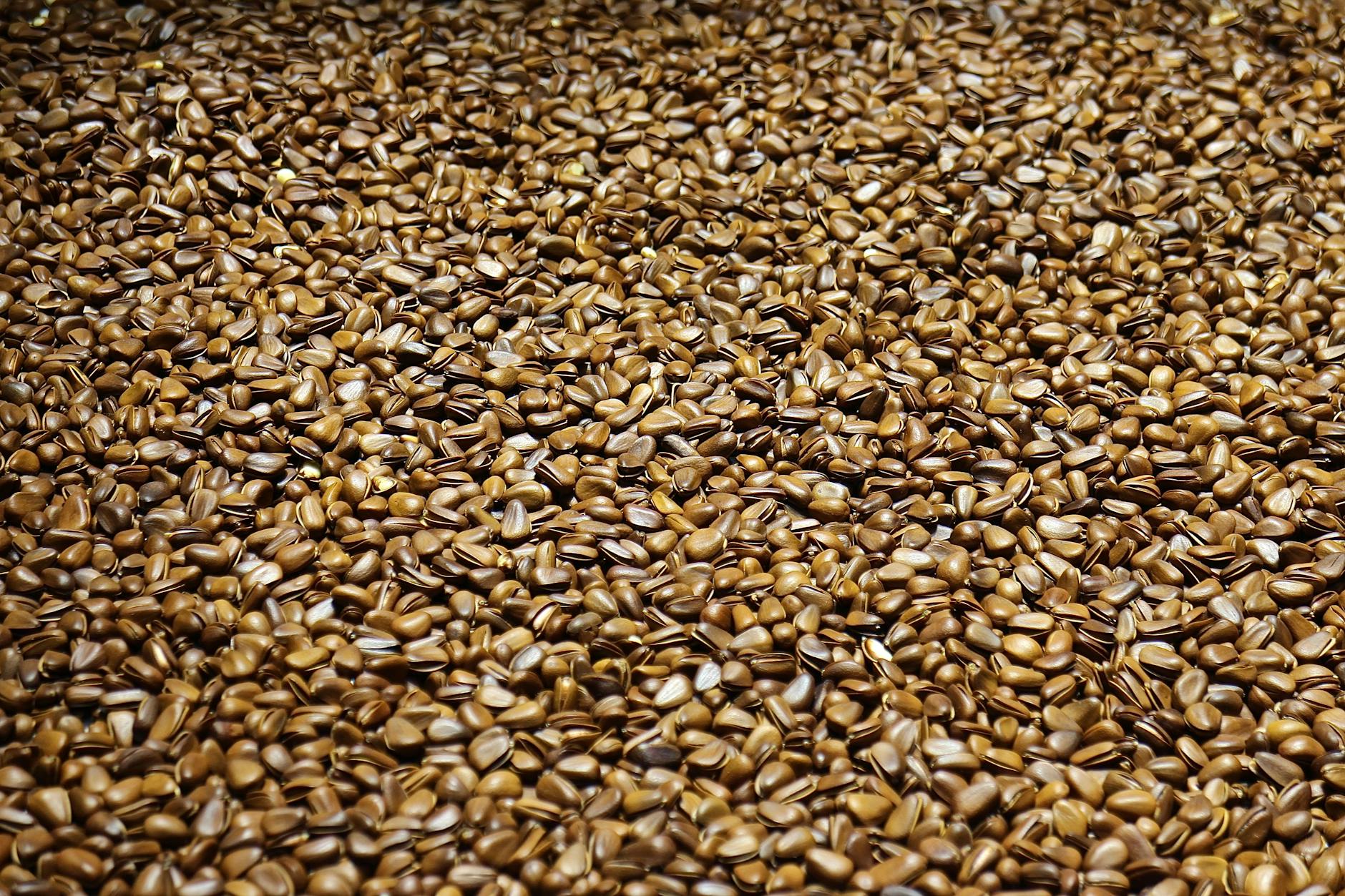
Flaxseed oil cold-pressed from organically grown flax is one of the richest plant-based sources of alpha-linolenic acid and has a well-established reputation in natural health communities as an essential fatty acid supplement and general wellness tonic. The caloric content of flaxseed oil is identical to every other culinary oil at approximately 120 calories per tablespoon, and the health supplement framing of the product leads many consumers to add it to meals and smoothies as an addition rather than as a replacement for other fats in their diet. Flaxseed oil used as a smoothie addition alongside nut milk, protein powder, fruit and seeds creates a caloric stack where each individually healthy ingredient contributes to a total that may significantly exceed what a complete meal would be expected to deliver. The oxidative instability of flaxseed oil also means that it degrades rapidly when exposed to heat, light or air, and degraded polyunsaturated oils produce compounds associated with oxidative stress rather than the anti-inflammatory outcomes that motivate its purchase. Consumers who purchase organic flaxseed oil for its omega-3 benefit are often better served by whole organic flaxseed that delivers the fatty acids alongside fiber in a form that contributes to satiety rather than adding a pure fat caloric load.
Organic Sourdough

Artisan organic sourdough bread fermented with wild yeast cultures and made from organic stone-milled wheat flour has achieved an almost mythological status in the clean eating community based on its fermentation process and the suggestion that its organic and traditional credentials make it metabolically distinct from conventional bread. The fermentation process in genuine long-fermented sourdough does reduce phytic acid content and may modestly lower the glycemic response relative to standard white bread, but the caloric content of a thick slice of artisan organic sourdough is substantial and the improvement in glycemic impact does not transform it into a low-carbohydrate or calorie-neutral food. The dense and flavorful nature of high-quality organic sourdough also makes it exceptionally easy to eat in quantities well beyond the standard slice, particularly when accompanied by organic butter, olive oil or avocado. Many products sold as organic sourdough at mainstream retailers use accelerated fermentation processes that do not produce the modest glycemic benefits associated with traditional long fermentation, meaning the consumer may be receiving neither the metabolic benefit nor accurate caloric information about their choice. The ritual and craft associations of artisan organic sourdough create an emotional relationship with the food that makes objective portion awareness particularly difficult to maintain.
Organic Coconut Sugar
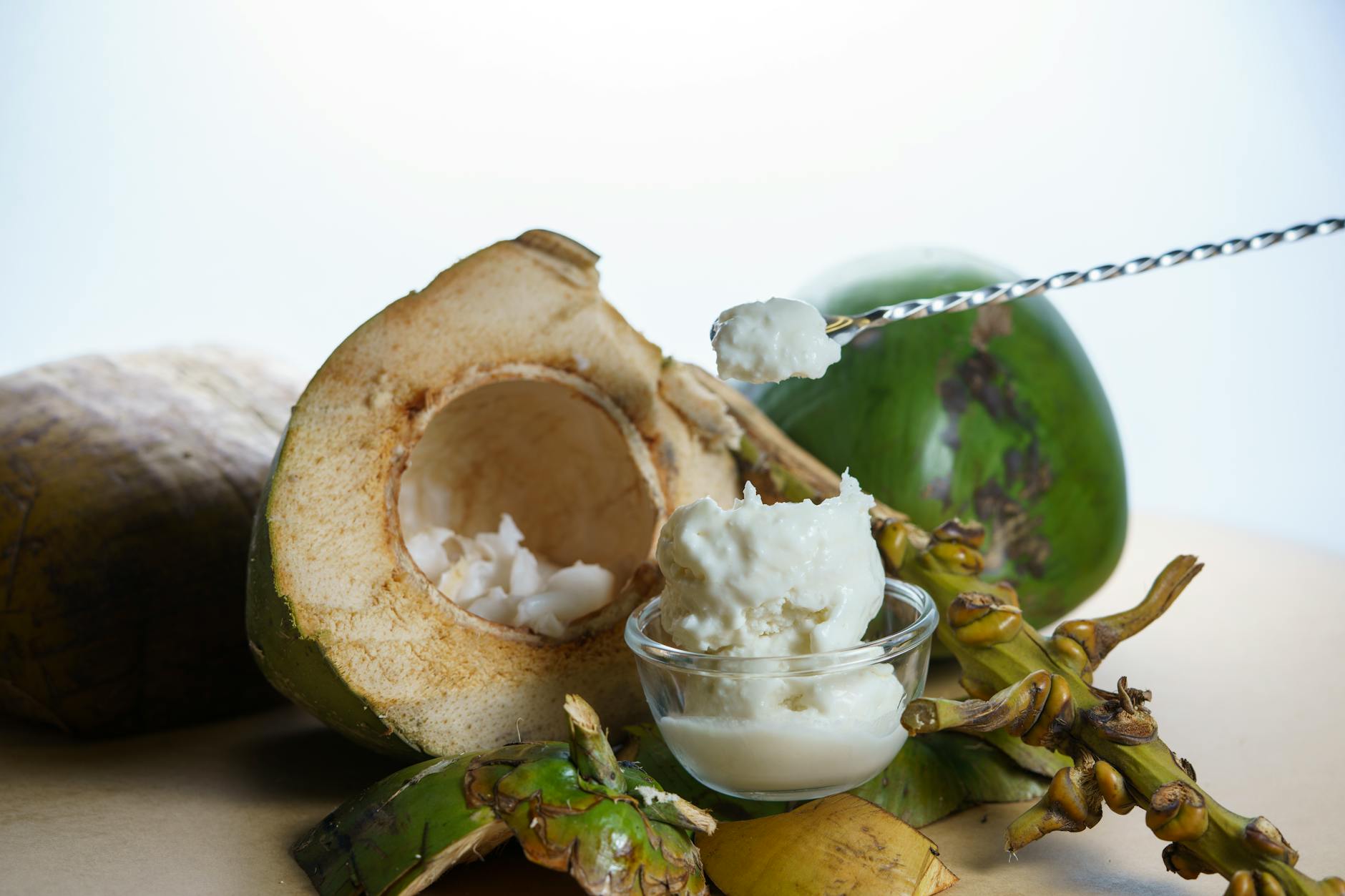
Coconut sugar produced from the nectar of organic coconut palm blossoms is marketed as a low-glycemic and mineral-rich alternative to refined cane sugar that fits comfortably into a clean and natural dietary approach. The glycemic index of coconut sugar is modestly lower than refined white sugar but the difference is small enough that researchers debate its practical significance for blood glucose management in real eating contexts. The mineral content of coconut sugar including iron, zinc and potassium is present in such small quantities that achieving a nutritionally meaningful dose would require consuming volumes of coconut sugar that would simultaneously deliver a very large amount of sugar and calories. Coconut sugar is calorie-for-calorie equivalent to refined sugar and is metabolized by the body through essentially the same biochemical pathway, with fructose comprising approximately 45 percent of its sugar content. Consumers who switch from refined sugar to organic coconut sugar without reducing their total sweetener use are making a change that improves the narrative around their diet without producing meaningful differences in its metabolic reality.
Organic Seed Crackers
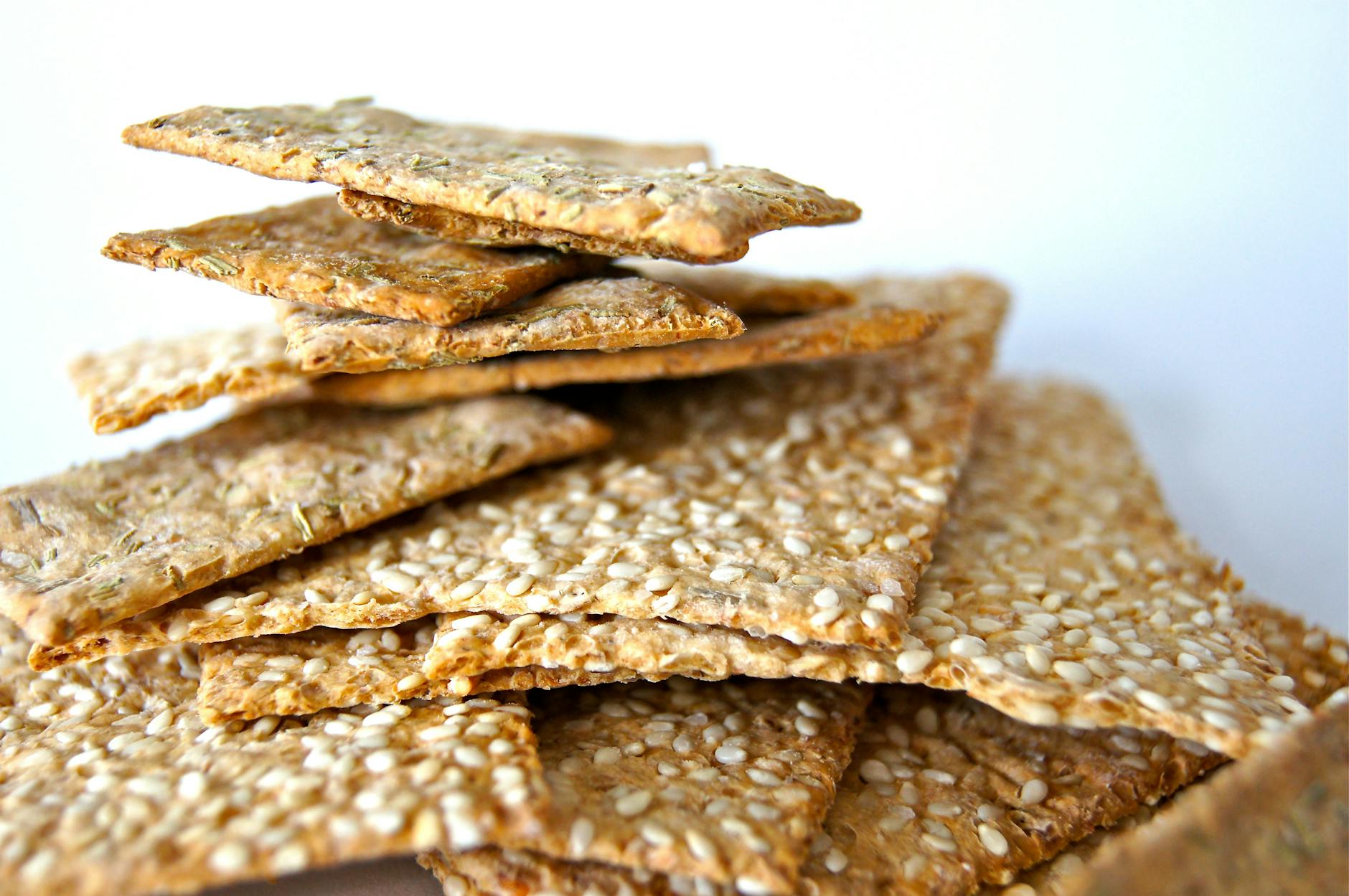
Organic seed crackers made from combinations of chia, flax, sesame, sunflower and pumpkin seeds are positioned as a nutrient-dense and grain-free alternative to conventional crackers for consumers avoiding refined carbohydrates. The fat content of seeds means that seed crackers are significantly more calorie-dense per gram than grain-based crackers, with many organic seed cracker products delivering 140 to 160 calories per serving despite a serving size that appears visually modest. The omega-3 content of flax and chia seeds in these crackers is a genuine nutritional positive but does not alter the caloric density of the product, and the health narrative around seed nutrition creates a perception of these crackers as a free or low-impact snacking option. Pairing organic seed crackers with calorie-dense toppings including organic nut butters, avocado, smoked salmon or organic cheese creates snacking occasions that can deliver 400 to 600 calories in a format that feels like a light and virtuous alternative to a meal. The grain-free and organic positioning of seed crackers removes the psychological guardrails that might moderate consumption of a product more obviously recognized as calorie-dense.
Organic Acai Bowls
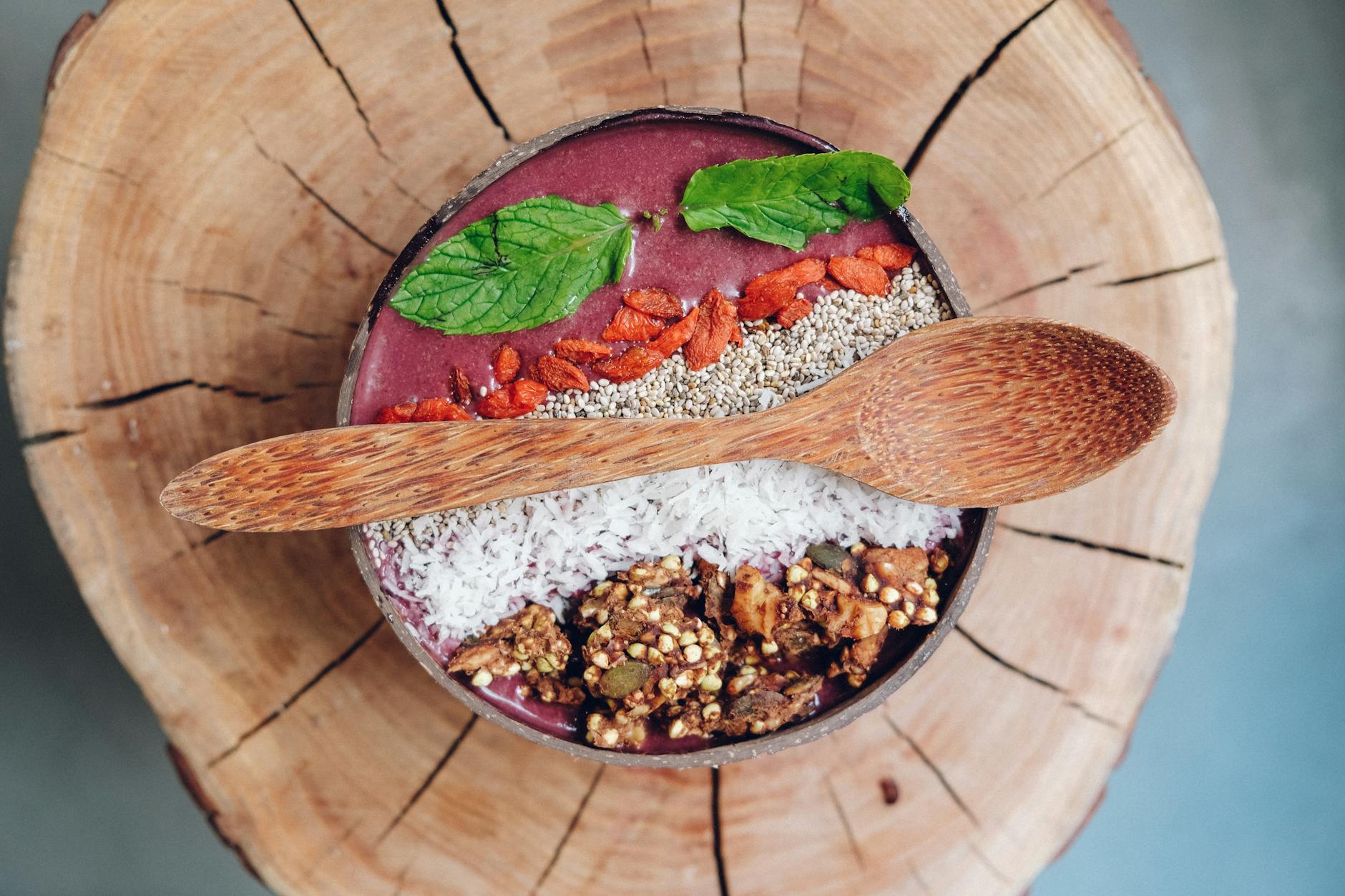
Acai berries sourced from organic Amazonian farms and blended into the thick purple base of the now globally popular acai bowl carry exceptional antioxidant credentials and a visual aesthetic that has made the format one of the most photographed health foods of the past decade. The acai base of these bowls is typically blended with banana and sometimes other frozen fruits to achieve its characteristic thick texture, with the banana contribution adding significant natural sugar and calories that the acai branding overshadows. Commercial organic acai bowls topped with organic granola, coconut flakes, honey drizzle, nut butter and fresh fruit regularly deliver 600 to 900 calories in a format that most consumers classify as a light and nutritious breakfast or snack. The antioxidant content of acai is genuine and meaningful within appropriate serving contexts, but the caloric reality of a fully constructed acai bowl exceeds many meals that would be approached with far more caloric awareness. Consumer research into perceived versus actual calorie counts of acai bowls consistently finds one of the largest gaps of any popular health food format, with average estimates falling 40 to 50 percent below the actual measured caloric content.
If the organic halo has been quietly expanding your waistline or if you have found strategies for navigating the health food aisle more accurately, share your experience in the comments.




