
The hours before bed hold more power over the following day than most people realize. Small, consistent habits practiced in the evening can sharpen mental clarity, reduce decision fatigue, and set the stage for a more productive morning. Research increasingly supports the idea that how a person winds down is just as important as how they wake up. These twenty-five routines have been recognized across wellness, productivity, and behavioral science communities for their ability to meaningfully improve next-day performance.
Digital Sunset

Powering down screens at least an hour before bed allows the brain to shift out of stimulation mode and into a natural wind-down state. The blue light emitted by phones, tablets, and computers suppresses melatonin production, which delays the onset of deep sleep. Without this interruption, the brain moves through restorative sleep cycles more efficiently, leading to sharper focus the following morning. Many people who adopt this habit report feeling more mentally present and less reactive throughout the next day. Consistent practice over time can also reduce overall screen dependency and improve attention span.
Journaling

Writing down the events of the day allows the brain to process unresolved thoughts rather than cycling through them during sleep. A simple brain dump of worries, tasks, and observations clears mental clutter and creates a sense of psychological closure. This practice has been linked to reduced anxiety and improved emotional regulation, both of which contribute to stronger concentration the next day. Gratitude-focused journaling in particular has shown measurable effects on mood and motivational clarity. Even five to ten minutes of freewriting before bed can produce noticeable shifts in next-morning focus.
Tomorrow’s To-Do List

Writing out the next day’s priorities the night before transfers those tasks from working memory to paper, freeing the mind to relax fully. This simple act reduces the cognitive load that often keeps people lying awake mentally rehearsing responsibilities. When morning arrives, there is no need to spend energy figuring out where to begin because a clear plan already exists. Studies in productivity science suggest that pre-planned days produce significantly higher task completion rates. The list also signals to the brain that the workday has ended, making it easier to transition into genuine rest.
Herbal Tea Ritual

Preparing and drinking a cup of herbal tea in the evening serves as both a physical and psychological wind-down cue. Chamomile, valerian root, and passionflower are among the most studied herbs for their mild sedative and calming properties. The act of warming water, steeping leaves, and sitting quietly with a warm cup introduces a deliberate slowness that counters the pace of a busy day. This ritual has been associated with lower cortisol levels in the evening, which supports deeper and more restorative sleep. A well-rested brain consolidates learning and memory overnight, which directly improves focus and recall the following day.
Light Stretching

A short stretching sequence in the evening releases physical tension accumulated throughout the day and signals the nervous system to downshift. Tight hips, shoulders, and lower back are common holding areas for stress, and gently releasing them before bed promotes muscular relaxation. This practice improves blood circulation without elevating heart rate, creating ideal conditions for quality sleep. Unlike vigorous exercise, which can be overstimulating close to bedtime, gentle stretching encourages the parasympathetic nervous system to take over. People who stretch regularly before sleep often report waking up feeling less stiff and more energized.
Bedroom Prep

Taking a few minutes to tidy and prepare the bedroom before sleep creates an environment that supports deeper rest and a smoother morning. A clean, organized space reduces visual stimulation and sends a subtle signal to the brain that the day is complete. Laying out clothes, setting a water glass on the nightstand, and adjusting the room temperature are small actions that eliminate friction from the morning routine. Sleep research consistently links cooler, darker, and quieter sleeping environments with longer and more restorative sleep cycles. Waking up in a calm, prepared space also reduces decision fatigue before the day has even begun.
Breathing Exercises

Slow, controlled breathing techniques practiced before bed activate the parasympathetic nervous system and lower the physiological markers of stress. The 4-7-8 method, box breathing, and diaphragmatic breathing are among the most widely used techniques for evening relaxation. These practices reduce heart rate and blood pressure, creating ideal internal conditions for entering deep sleep efficiently. The mental focus required to maintain a breathing pattern also serves as a form of moving meditation, displacing anxious or intrusive thoughts. Regular practice strengthens the body’s overall stress response, which has downstream benefits for concentration and composure throughout the next day.
Reading Fiction

Reading a physical book in the evening, particularly fiction, engages the imagination while gently pulling attention away from real-world concerns. Unlike non-fiction or work-related reading, narrative fiction requires a sustained but relaxed form of concentration that eases the mind into a quieter state. A 2009 University of Sussex study found that reading for just six minutes reduced stress levels by sixty-eight percent. This mental decompression translates into improved sleep quality, which directly supports cognitive function the following day. Choosing physical books over e-readers also avoids the sleep-disrupting effects of screen light.
Phone-Free Bedroom

Keeping the phone out of the bedroom entirely removes one of the most disruptive elements from the sleep environment. Notifications, screen glow, and the psychological pull of checking messages all fragment sleep and increase mental arousal at the worst possible time. Without the phone nearby, the brain is less likely to enter a state of low-level vigilance during sleep, which is a significant drain on cognitive recovery. Many productivity researchers cite the phone-free bedroom as one of the highest-leverage habits for improving next-day energy and focus. A simple alarm clock can serve the practical functions of a phone without any of the sleep-disrupting consequences.
Magnesium Intake

Magnesium is one of the most researched minerals in relation to sleep quality and cognitive performance. Taken in supplement form or consumed through magnesium-rich foods such as pumpkin seeds, dark chocolate, and leafy greens in the evening, it supports the regulation of neurotransmitters that calm the nervous system. Low magnesium levels have been associated with increased cortisol, poorer sleep architecture, and reduced ability to concentrate. Supplementing with magnesium glycinate in particular has shown promising results in clinical settings for improving sleep onset and duration. More consolidated sleep leads to sharper working memory and sustained attention the next morning.
Worry Dumping

Setting aside five minutes to write down every worry, concern, or unresolved thought before bed is a technique endorsed by sleep specialists and cognitive behavioral therapists alike. This practice, sometimes called a worry dump or concern log, gives the brain permission to release those thoughts temporarily rather than recycling them through the night. Studies have found that writing about worries is more effective at reducing presleep cognitive arousal than simply trying to think positively. The act of externalizing concerns onto paper creates psychological distance and a sense of provisional resolution. People who practice this regularly often report fewer middle-of-the-night awakenings and greater mental freshness in the morning.
Consistent Bedtime

Going to bed at the same time every night anchors the body’s circadian rhythm and trains the internal clock to expect sleep at a predictable hour. This consistency reduces the amount of time it takes to fall asleep and increases the proportion of deep, slow-wave sleep experienced each night. A stable sleep-wake cycle also regulates the timing of cortisol release, which plays a central role in morning alertness and sustained daytime energy. Even on weekends, maintaining the same bedtime within a thirty-minute window helps preserve this rhythm. The compounding effect of consistent sleep timing over weeks and months produces significant improvements in mood, memory, and focus.
Candle or Dim Lighting

Switching from bright overhead lighting to soft lamps or candles in the hour before bed mimics the natural reduction in light that occurs at sunset. This shift helps the brain begin producing melatonin at the appropriate time, aligning the body’s internal clock with the external environment. Bright artificial light in the evening has been shown to delay melatonin onset by up to three hours, which pushes back sleep quality even when bedtime stays the same. Warm, low-intensity light sources create a visually calming atmosphere that reinforces the psychological transition from activity to rest. Over time, this environmental cue becomes a powerful signal that helps the body prepare for deep sleep automatically.
Mindful Eating

Finishing the last meal at least two to three hours before bed allows the digestive system to complete its work before the body enters its recovery phase. Eating late disrupts sleep by raising core body temperature, triggering acid reflux, and keeping the metabolism active when it should be winding down. Sleep research consistently shows that late-night eating compresses the deepest stages of sleep, leading to grogginess and reduced cognitive sharpness the next morning. A light evening meal rich in tryptophan, such as turkey, eggs, or bananas, can support serotonin production and ease the transition into sleep. Mindful attention to evening nutrition is one of the more underrated levers for improving next-day mental performance.
Gratitude Practice
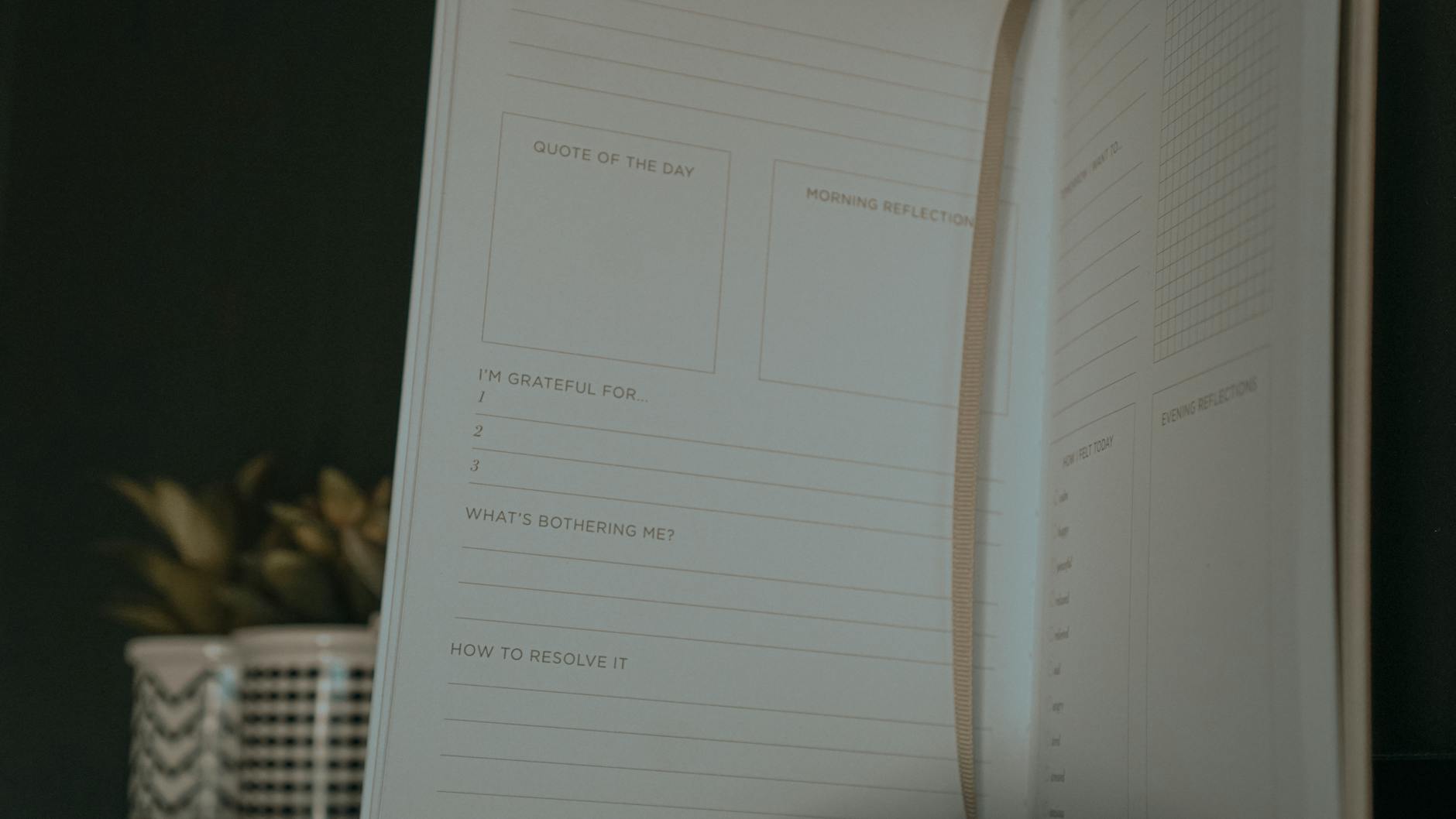
Spending two to three minutes identifying specific things that went well during the day activates the brain’s reward pathways and shifts the emotional tone before sleep. Gratitude journaling has been extensively studied in positive psychology and is consistently linked to lower levels of anxiety and greater psychological well-being. This practice reduces rumination, which is one of the most common causes of poor sleep quality and fragmented rest. A calmer emotional state at bedtime leads to more efficient sleep architecture, with greater time spent in the REM phase that supports memory consolidation and problem-solving. Starting the next day with a brain that has fully processed and recovered overnight creates a natural foundation for clearer thinking.
Cold Face Rinse

Splashing cold water on the face before bed is a simple technique used in both Ayurvedic tradition and modern wellness practice to signal the body that the day’s activity is ending. Cold water contact activates the mammalian diving reflex, which rapidly slows heart rate and induces a sense of calm. This physiological response takes effect within seconds, making it one of the fastest ways to transition the nervous system out of a stress-activated state. The practice also serves as a clean, tactile boundary between the activity of the day and the stillness of the night. It works particularly well when paired with other wind-down habits such as breathing exercises or reading.
Sleep Affirmations

Repeating short, calming affirmations before bed is a practice used within cognitive behavioral therapy for insomnia to counter the anxious self-talk that often delays sleep onset. Statements focused on rest, readiness, and the body’s natural ability to recover replace rumination with more neutral or positive mental content. This technique works by gradually retraining automatic thought patterns that associate bedtime with stress or pressure rather than restoration. Over time, the brain begins to link the pre-sleep period with safety and calm rather than unresolved tension. The emotional regulation benefits carry forward into the morning, contributing to a more grounded and focused start to the day.
Scent Ritual

Using a consistent calming scent as part of the evening routine leverages the brain’s olfactory system to create a powerful sleep association. Lavender is the most studied aromatherapy option for sleep, with research showing it can increase slow-wave sleep and reduce nighttime waking. Other effective options include cedarwood, bergamot, and sandalwood, all of which have demonstrated mild anxiolytic properties in clinical settings. Applying a few drops to a pillow, using a diffuser, or incorporating a scented lotion into a skincare routine can make this habit both sensory and practical. The consistent pairing of a specific scent with sleep time eventually makes the smell alone a reliable trigger for drowsiness and relaxation.
No Alcohol

Avoiding alcohol in the hours before bed is one of the most impactful changes a person can make for sleep quality and next-day cognitive performance. While alcohol initially induces drowsiness, it disrupts the REM phase of sleep, which is essential for memory consolidation, emotional processing, and creative thinking. People who drink before bed frequently experience fragmented sleep in the second half of the night, even when they are unaware of waking. The resulting sleep debt accumulates quickly and manifests as brain fog, slower reaction times, and difficulty sustaining attention. Replacing an evening drink with a non-alcoholic alternative such as sparkling water or herbal tea preserves the relaxation ritual without the neurological cost.
Walk After Dinner

A gentle ten-to-twenty-minute walk after the evening meal supports digestion, lowers blood sugar, and provides a natural buffer between the activity of the evening and the quiet of bedtime. Light post-meal movement has been shown to reduce postprandial glucose spikes, which can otherwise cause energy crashes and restlessness during the night. Walking also provides an opportunity for low-stimulation mental processing, allowing the day’s experiences to settle without the pressure of productivity. Exposure to evening outdoor light during the walk can further support healthy melatonin timing by reinforcing natural light cycles. The cumulative metabolic and psychological benefits of this habit translate reliably into more restorative sleep and sharper next-day focus.
Skin Care Routine

Following a consistent skincare routine in the evening functions as much as a psychological ritual as it does a physical one. The repetitive, sensory-focused sequence of cleansing, applying serums, and moisturizing creates a steady transition from external engagement to internal calm. Dermatologists note that skin undergoes its most active repair processes during deep sleep, making evening skincare both practical and well-timed. The deliberate self-care involved in this routine also builds a sense of personal investment and closure that reinforces the shift into rest. When performed consistently, the routine becomes a reliable mental cue that signals the brain it is time to begin the transition toward sleep.
Bedroom Temperature

Lowering the bedroom temperature to between sixty and sixty-seven degrees Fahrenheit in the evening aligns with the body’s natural thermoregulation process that precedes sleep. Core body temperature drops naturally as part of the circadian sleep cycle, and a cool room facilitates this process more efficiently. Research from sleep medicine consistently shows that cooler sleeping environments are associated with faster sleep onset, longer total sleep time, and more time spent in deep and REM stages. Even small adjustments such as opening a window, using a fan, or switching to lighter bedding can produce measurable improvements in sleep quality. The cognitive benefits of a cooler sleep environment include faster information processing and stronger working memory the following morning.
Brain Dump

Spending five to ten minutes before bed writing down every pending task, half-formed idea, and lingering concern clears the mental queue before sleep begins. This practice prevents the common phenomenon of lying awake with a racing mind by giving each thought a designated place outside the head. Unlike a structured to-do list, a brain dump requires no organization or prioritization and simply serves as a release valve for cognitive load. Neuroscientists describe this kind of mental offloading as a form of prospective memory management that reduces nocturnal rumination. People who practice brain dumping regularly report faster sleep onset, fewer sleep interruptions, and greater clarity when they sit down to work the following morning.
Visualization

Spending two to five minutes visualizing a calm, successful version of the following day is a technique used by athletes, executives, and performance coaches as part of structured evening preparation. Mental rehearsal activates many of the same neural pathways as actual experience, which means the brain partially processes future scenarios during this practice. This primes the prefrontal cortex for focused, goal-directed behavior and reduces the cognitive friction that often slows the start of a workday. Visualization also tends to generate a mild sense of anticipation and positive expectation, which supports motivation and emotional readiness. Practiced consistently, this habit creates a quiet but compounding advantage in sustained attention and purposeful action throughout the day ahead.
Reflection Practice

Taking three to five minutes at the end of the day to review what was accomplished, what was challenging, and what could be approached differently tomorrow supports metacognitive awareness and intentional growth. This kind of structured self-reflection has been studied in educational and organizational psychology for its ability to accelerate learning and improve decision-making over time. By processing the day consciously rather than letting it blur into sleep, the brain consolidates lessons and adjusts behavioral patterns more efficiently. Reflection also provides a natural sense of completion, which reduces the psychological carry-over of unfinished business into the sleep period. People who build this habit consistently tend to approach each new day with greater clarity, purpose, and the ability to sustain deep focus when it matters most.
Which of these evening routines do you already practice, and which are you thinking of adding to your night? Share your thoughts in the comments.




