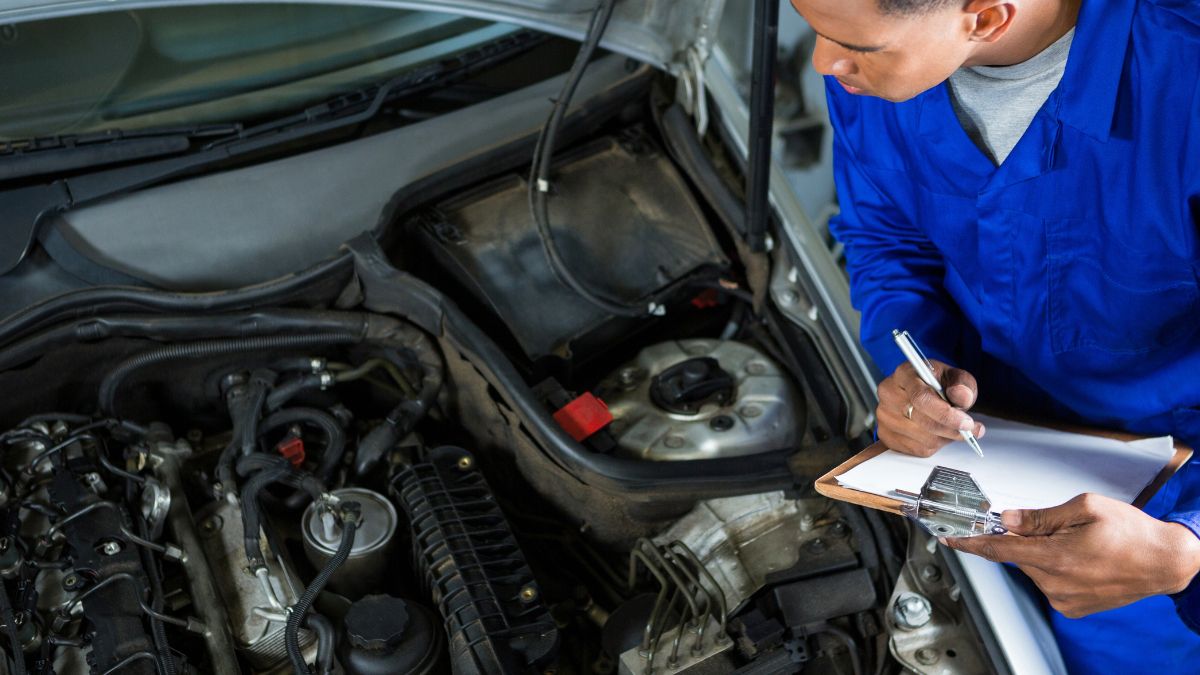
Every car owner relies on a trusted mechanic to keep their vehicle safe and roadworthy, but not every shop operates with honesty at its core. Some unethical mechanics take advantage of customers who lack technical knowledge by swapping out perfectly functional components for inferior or used replacements. Knowing what to watch for can save you hundreds or even thousands of dollars in unnecessary repairs. These are the warning signs that something dishonest may be happening under the hood.
Unusual Noises
A vehicle that runs quietly before a service appointment but develops new rattles, clunks, or squeals afterward is a serious red flag. Inferior replacement parts often fit poorly or lack the durability of the original components, causing them to vibrate or shift under normal driving conditions. A reputable mechanic will always test a vehicle after completing work to ensure no new sounds have developed. If your car sounds noticeably different after leaving the shop, return immediately and ask for an explanation. Cheap aftermarket parts are a common culprit behind post-service noise complaints.
Short Part Lifespan
Genuine or high-quality aftermarket parts are engineered to last for tens of thousands of miles under normal use. When a replaced component fails again within a suspiciously short timeframe, the part installed may have been used, counterfeit, or of extremely low quality. Reputable parts come with warranties, and a trustworthy mechanic will stand behind the work performed on your vehicle. Asking for the old parts back before any service begins is one of the most effective ways to hold a shop accountable. If a mechanic hesitates or refuses this reasonable request, consider it a significant warning sign.
Missing Warranty Paperwork

Every legitimate replacement part comes with documentation that includes the manufacturer name, part number, and warranty terms. A mechanic who installs quality components will have no reason to withhold this paperwork from the customer. If you request documentation and receive vague answers or nothing in writing, the parts used may not be what was originally quoted. Keeping records of every service visit, including invoices and part details, creates a paper trail that protects you as a consumer. Shops that operate with transparency will always provide complete records without hesitation.
Unexpected Fluid Issues
A vehicle brought in for a routine service should not develop fluid leaks or pressure problems shortly after leaving the shop. Low-quality replacement seals, gaskets, and hoses are prone to failing quickly, leading to oil, coolant, or brake fluid seeping where it should not. Reputable mechanics use parts that meet or exceed the specifications set by the original vehicle manufacturer. If you notice spots on your driveway or a burning smell under the hood days after a service, the replacement components may be substandard. Always inspect your vehicle carefully in the days following any repair work.
Inconsistent Invoices

A detailed and itemized invoice is the standard expectation from any professional automotive repair shop. When line items are vague, part numbers are missing, or the description of work done is overly general, it becomes difficult to verify what was actually installed. Cross-referencing the quoted parts with reputable online databases can reveal whether the pricing reflects genuine components or suspiciously cheap alternatives. Some dishonest mechanics will charge for premium parts while installing budget replacements and pocketing the difference. Requesting a fully itemized receipt before paying is a simple but powerful protective step.
Strange Dashboard Warnings
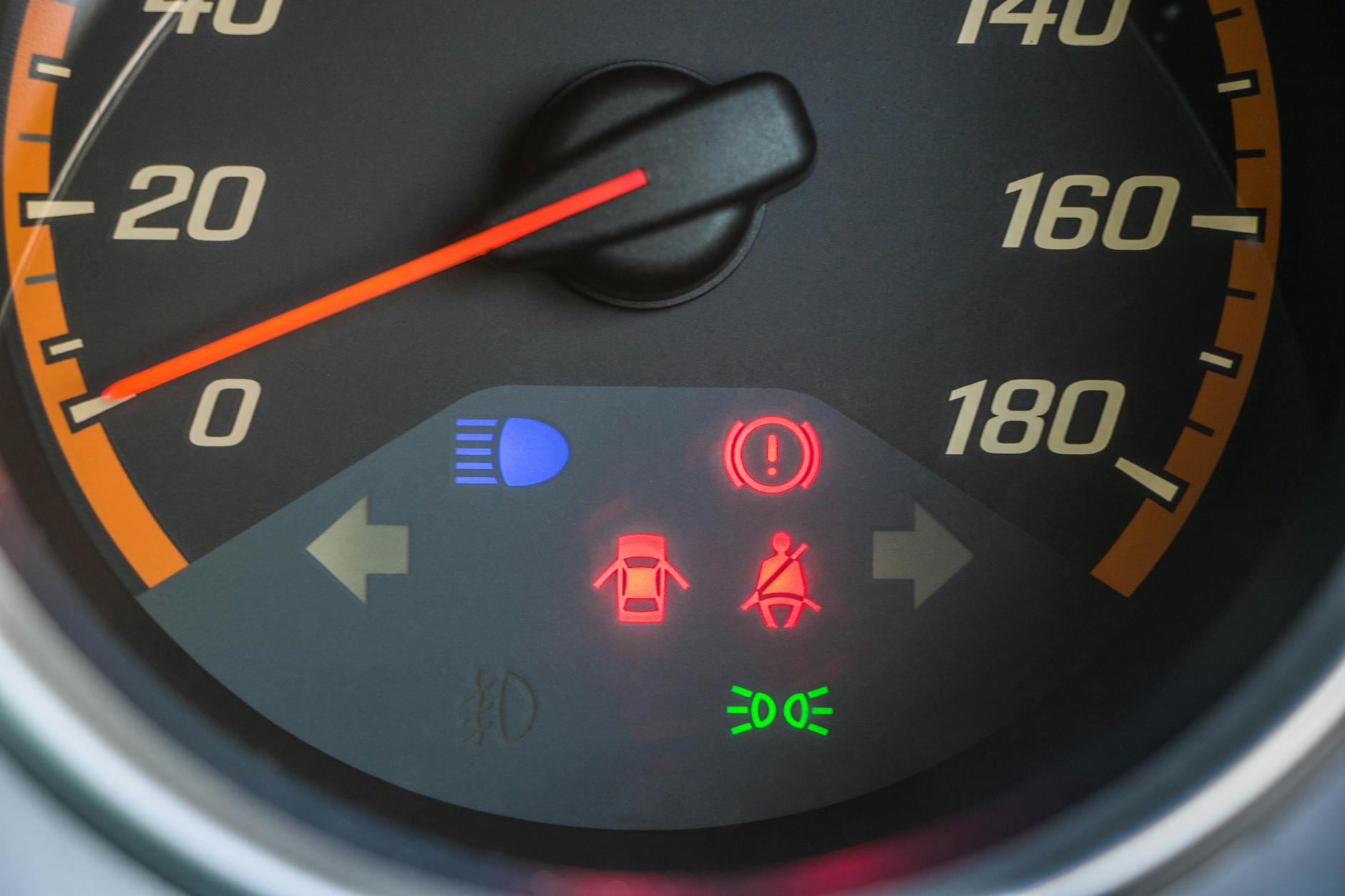
Modern vehicles rely on sophisticated onboard diagnostic systems that detect irregularities in component performance. A warning light that appears on the dashboard shortly after a repair is completed can indicate that a replacement part is not communicating properly with the vehicle’s systems. Genuine parts are calibrated to work seamlessly within the original electrical and mechanical architecture of a specific make and model. Cheap or mismatched components frequently trigger sensor errors that a quality part would never cause. Any new warning light following a service visit warrants an immediate return to the shop for clarification.
Visible Part Differences
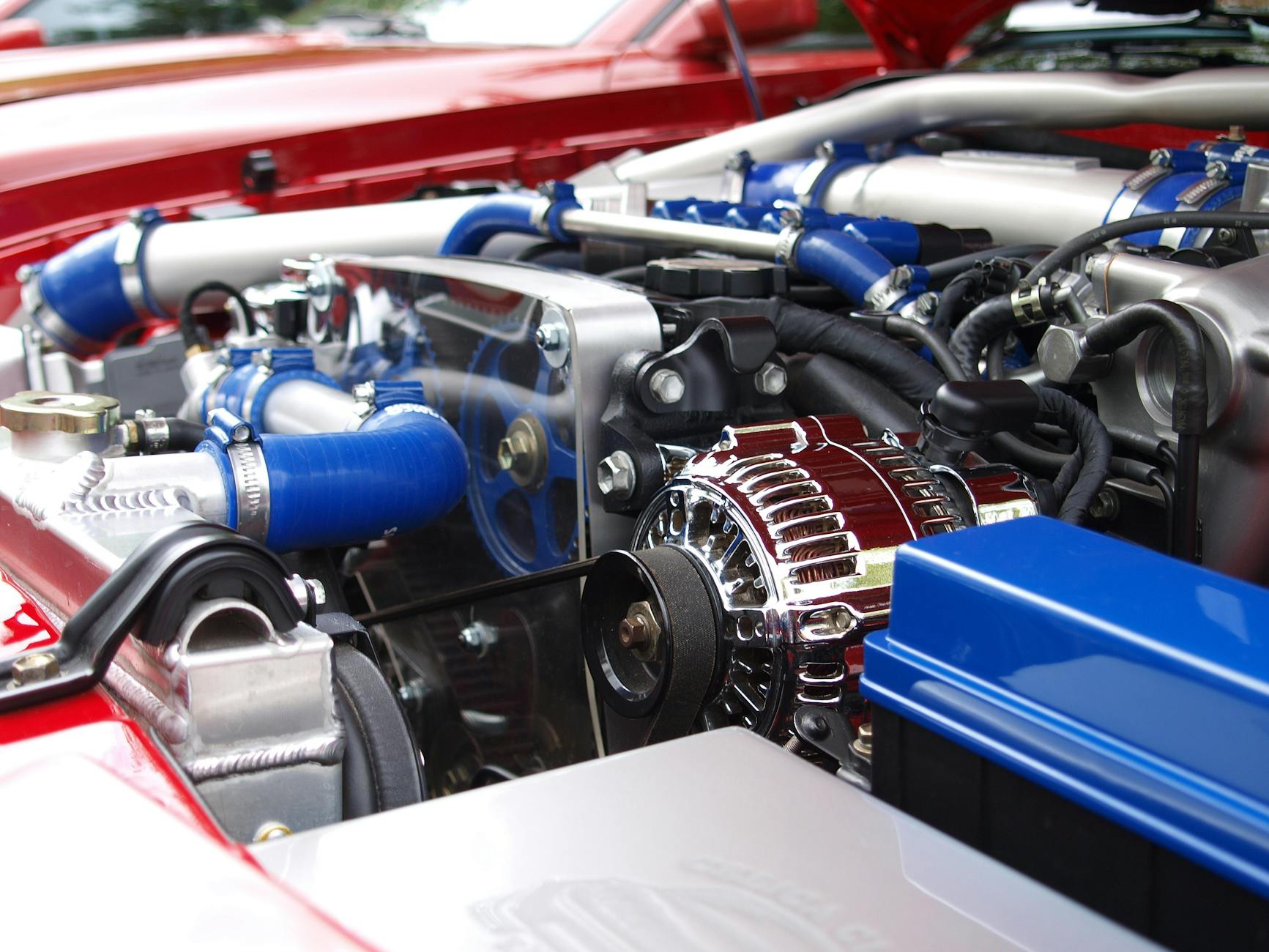
Taking a photo of major components before dropping your car off for service gives you a visual reference to compare against after the work is completed. Wear patterns, brand markings, and the general condition of a part can tell you a great deal about whether a new component was actually installed. A used part pulled from another vehicle may show corrosion, scratches, or faded branding that a genuinely new replacement would not have. Mechanics who engage in part swapping often count on customers not knowing what their original components looked like. A quick visual inspection under the hood after any service is a habit worth developing.
Resistance to Oversight

A confident and skilled mechanic welcomes questions and has no objection to explaining every aspect of a repair in plain language. When a shop discourages you from asking about the parts being used or becomes defensive when questioned about the work, it suggests something worth investigating. Trustworthy professionals understand that informed customers make better long-term clients and are happy to walk you through the repair process. Pushback against reasonable oversight is one of the clearest behavioral signs that a mechanic may not be operating honestly. Your comfort and understanding as a paying customer should always be treated as a priority.
Odor Changes

A vehicle that develops unusual burning smells after a repair may be experiencing heat-related issues caused by improperly fitted or low-grade components. Cheap rubber parts, substandard brake pads, and inferior engine components can emit distinct odors when they overheat or degrade under driving conditions. The smell of burning plastic or hot metal shortly after leaving a shop is never something to dismiss or ignore. Original equipment manufacturer parts and trusted aftermarket equivalents are tested to withstand the thermal demands of regular vehicle operation. Persistent unusual odors following a service visit should be investigated by an independent mechanic for a second opinion.
Handling Changes
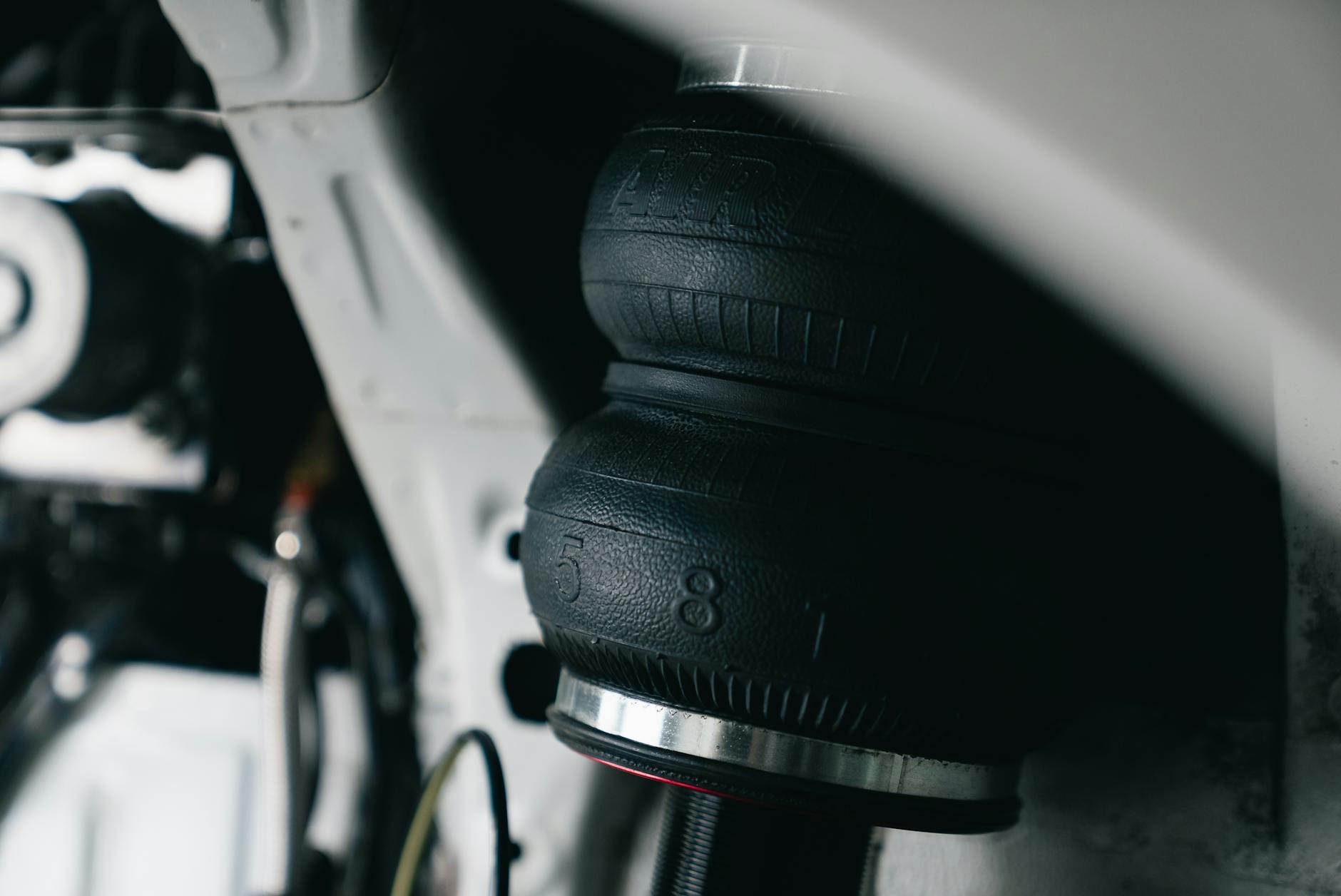
A car that feels noticeably different to drive after a suspension, steering, or brake repair may have received subpar replacement components. Cheap shock absorbers, control arm bushings, or tie rod ends can alter the way a vehicle responds to steering input and road conditions. These differences are sometimes subtle at first but tend to worsen over time as inferior parts continue to degrade. Any change in how the car pulls, bounces, or corners after a shop visit deserves immediate attention. Driving characteristics should improve or remain consistent after a legitimate repair, never deteriorate.
Unusually Fast Tire Wear
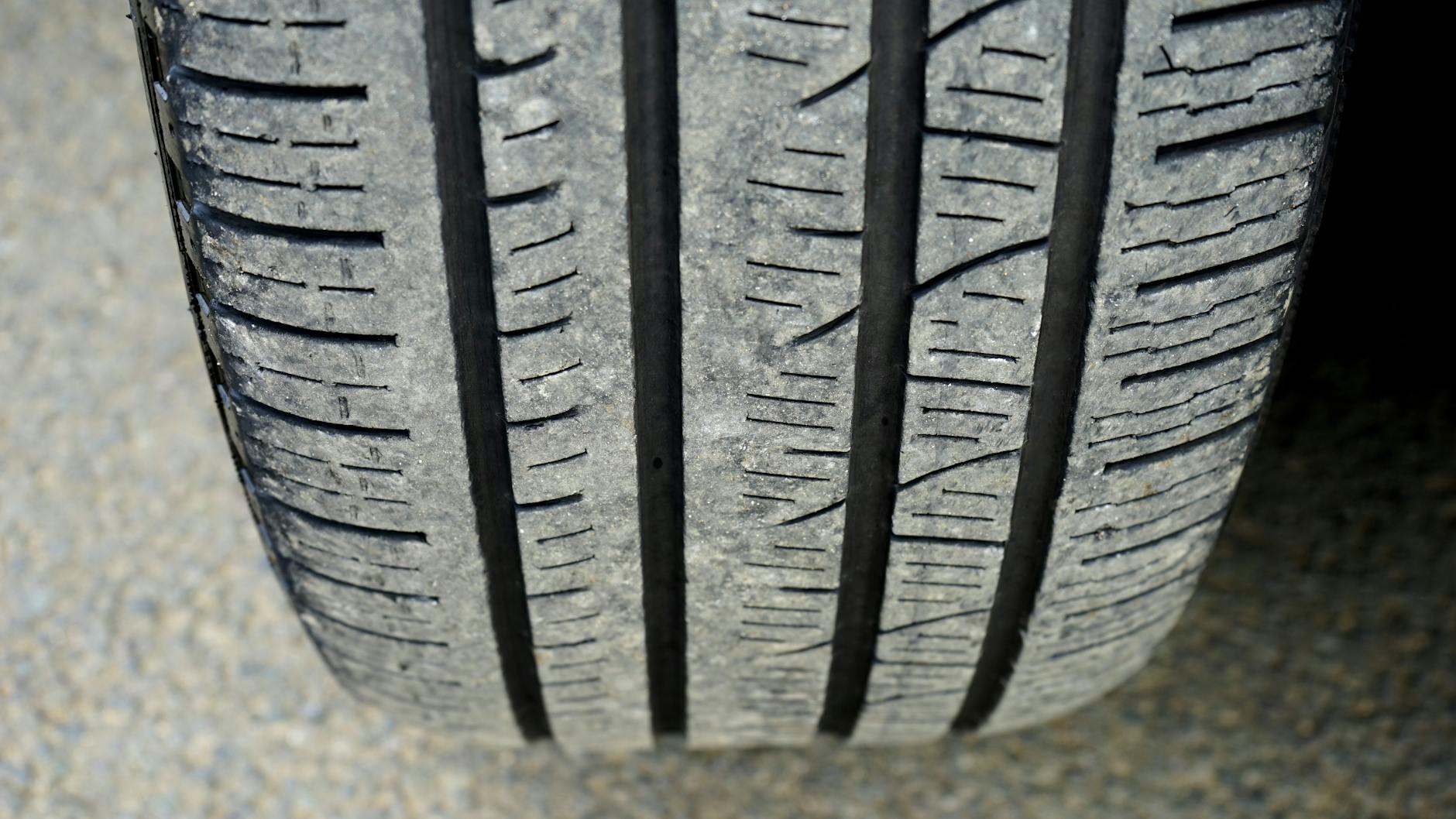
Tires that begin wearing unevenly or more rapidly than expected after a wheel alignment or suspension repair often indicate that the work was done incorrectly or with compromised parts. Proper alignment and quality suspension components are essential for distributing vehicle weight evenly across all four tires. When a mechanic uses worn or mismatched parts in these systems, the resulting geometry can accelerate tire degradation significantly. Checking your tire tread regularly in the weeks following any undercarriage work helps catch alignment issues early before they become costly. A dramatic change in tire wear patterns is worth flagging with a trusted second opinion.
Poor Paint Matching

Body shops that replace panels, bumpers, or trim pieces with salvaged or inferior parts sometimes struggle to achieve a consistent finish across the repaired area. A replacement panel sourced cheaply from a salvage yard may have pre-existing imperfections that affect how paint adheres to the surface. Even subtle differences in gloss, texture, or color tone between the new and original sections indicate that the replacement material may not have been new. A quality body repair using proper components should be virtually invisible to the untrained eye in most circumstances. Visible inconsistencies in bodywork are a fair basis for requesting documentation of the parts that were used.
Delayed Performance Decline
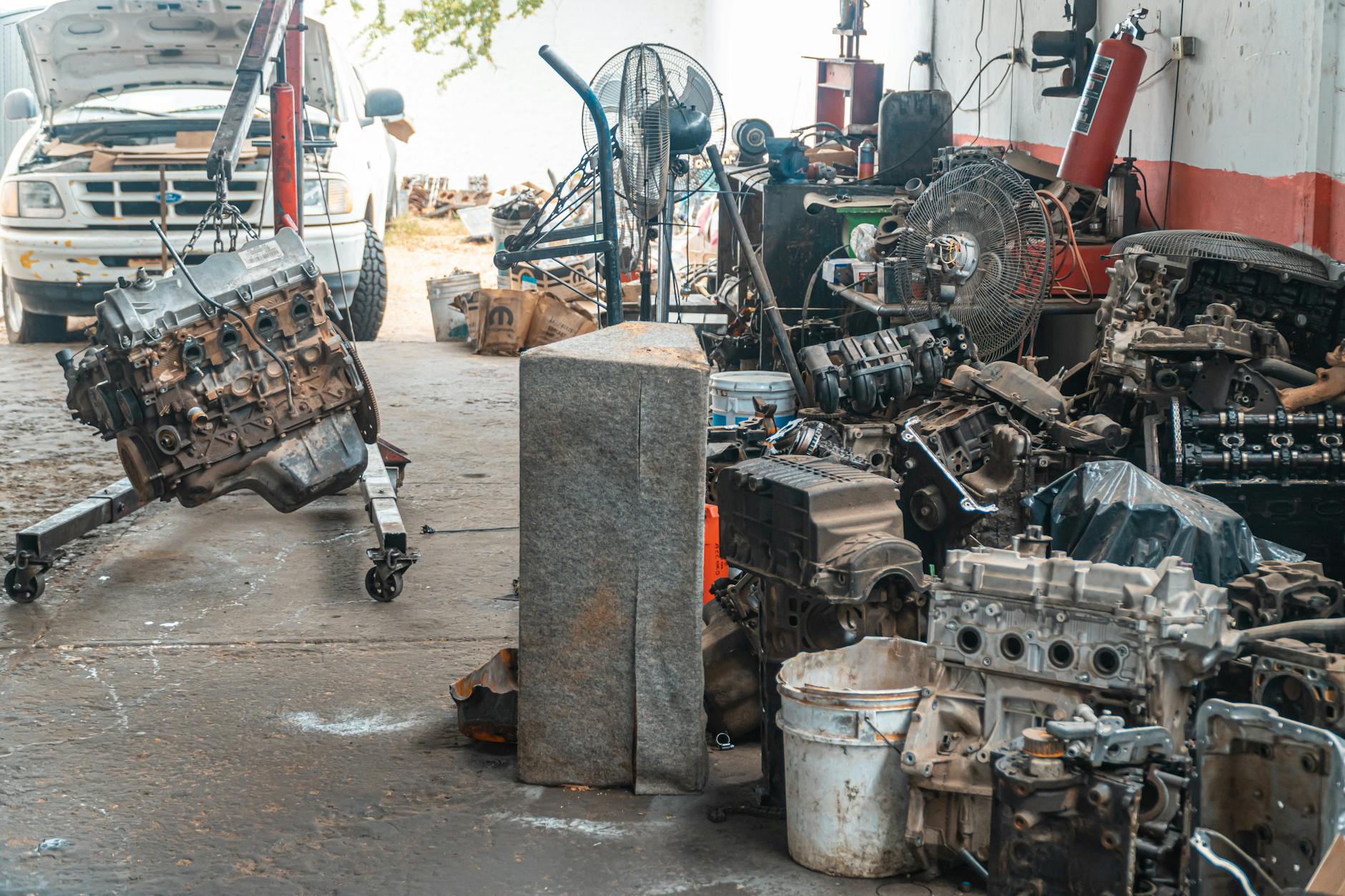
Some part substitutions are designed to pass an initial inspection but begin failing within weeks or months of installation. A mechanic operating dishonestly may calculate that by the time problems emerge, the customer will have difficulty connecting the failure back to their specific work. Keeping a maintenance log with dates, mileage, and descriptions of all services performed is one of the most effective tools a car owner can have. If multiple issues arise across different systems after a single shop visit, a pattern may be forming that warrants a formal complaint. Documenting everything creates leverage when disputing a repair or pursuing reimbursement.
Labor Time Discrepancies

A repair that a mechanic claims took several hours but shows no evidence of extensive disassembly raises legitimate questions about what actually happened during the service. Certain jobs require the removal of multiple components to access the part being replaced, and the vehicle should show signs of that level of work. If the engine bay looks undisturbed after a repair that should have involved significant access work, the claimed procedure may not have been completed as described. Researching typical labor times for specific repairs using online resources gives you a benchmark to evaluate the invoice you receive. A significant mismatch between reported and realistic labor hours is worth questioning directly.
Incorrect Fluid Colors

Engine oil, transmission fluid, coolant, and brake fluid each have specific colors and consistencies that reflect their age and condition. A fluid that appears visually unchanged after a service that was supposed to include replacement may indicate the flush or change was never performed. Fresh engine oil is typically amber and clear while coolant should appear bright and translucent in the appropriate color for the specific formulation used. Checking fluid reservoirs yourself immediately after a service appointment is a simple verification step available to any car owner. Mechanics who skip fluid services while charging for them rely on customers not looking under the hood themselves.
Excessive Vibration
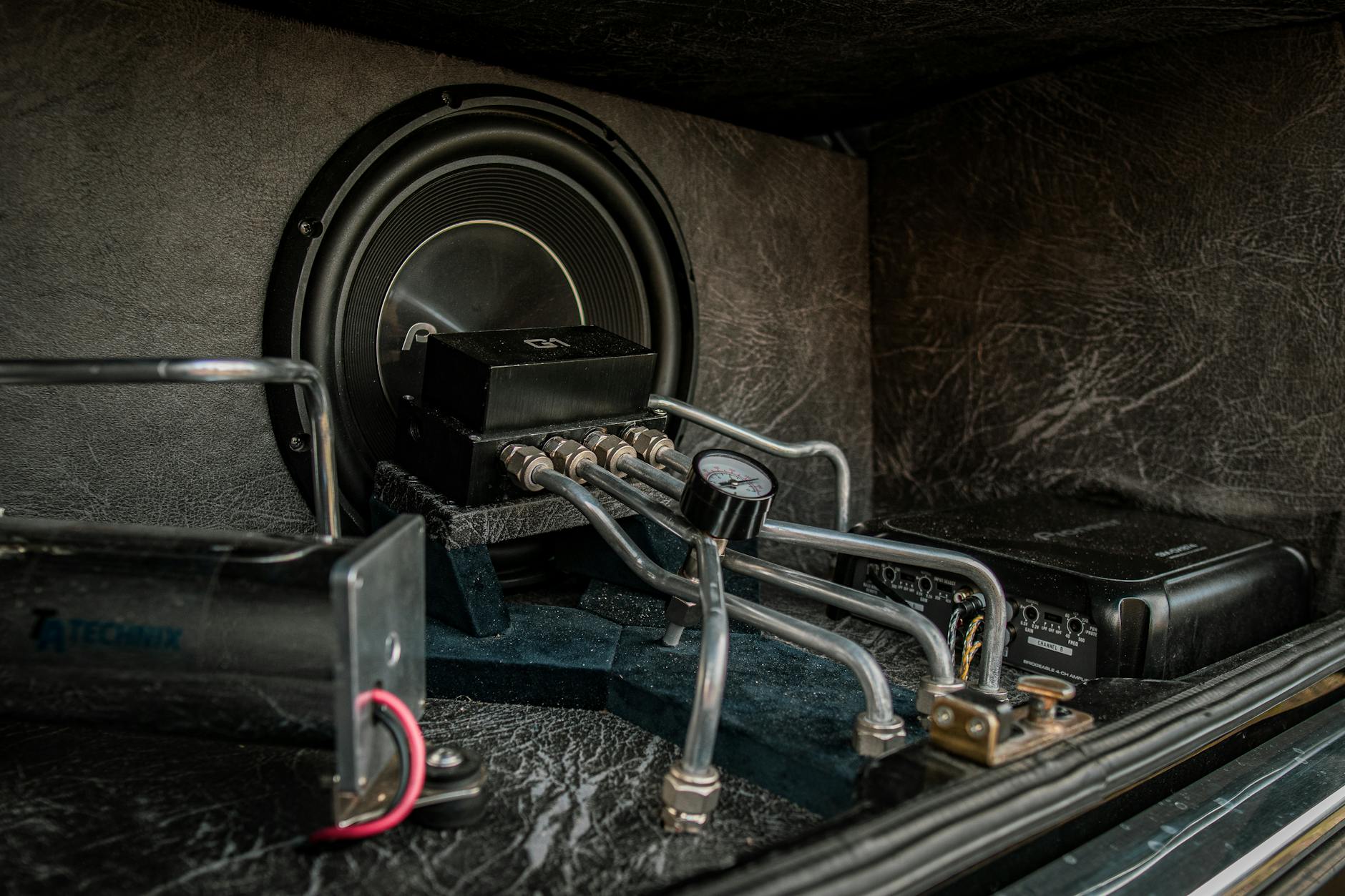
A vehicle that vibrates through the steering wheel, floor, or seat after a wheel, brake, or drivetrain service may have received improperly balanced or poorly manufactured replacement parts. Cheap brake rotors are particularly prone to producing vibration because their manufacturing tolerances are often less precise than original or quality aftermarket equivalents. Wheel bearings, CV axles, and driveshafts that fail to meet proper specifications can also introduce new vibrations into the driving experience. These sensations often worsen at specific speeds or during braking and should never be dismissed as normal after a repair. A vibration-free drive is the reasonable expectation following any legitimate wheel or brake service.
Sudden Electrical Issues
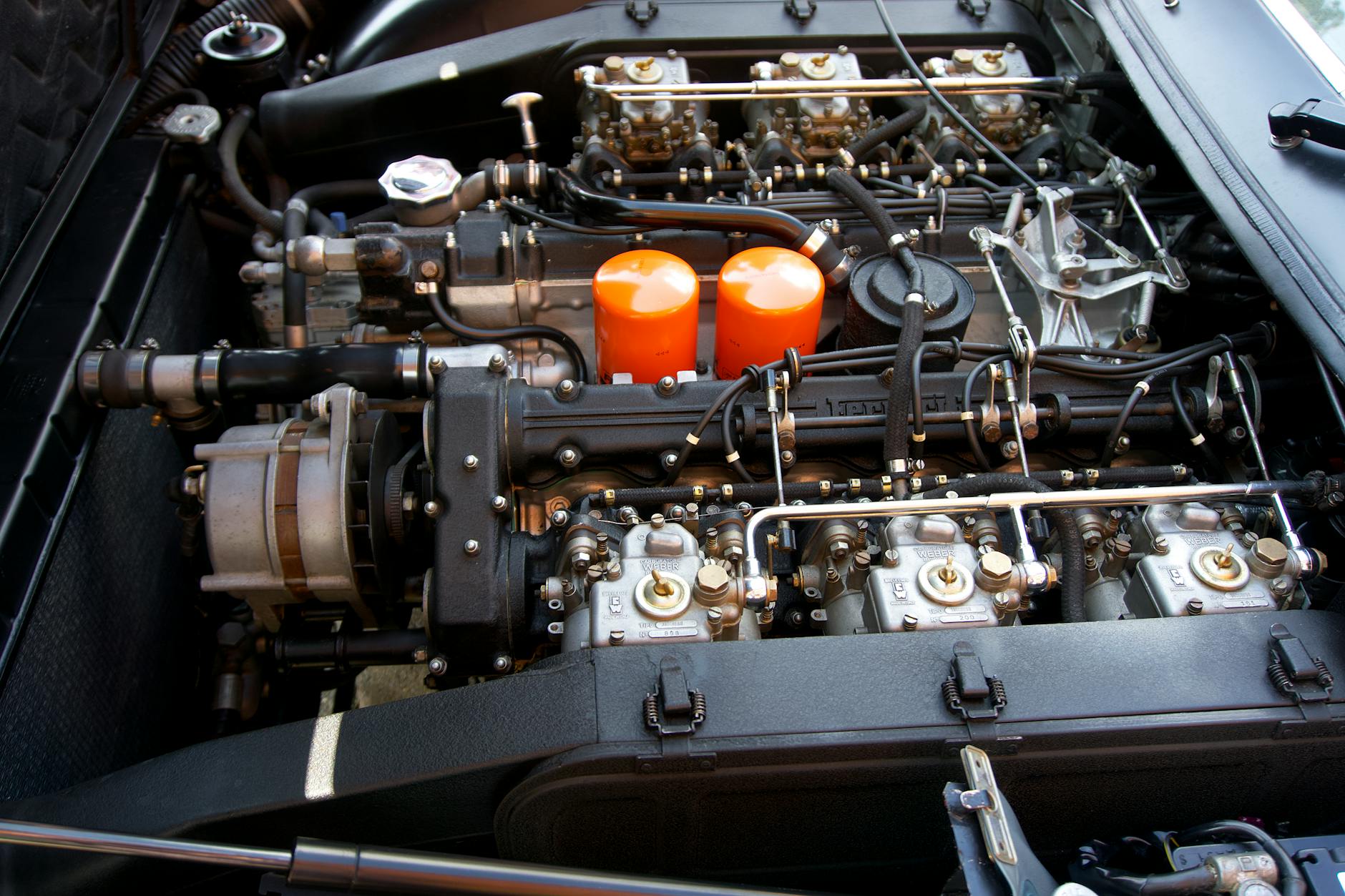
Modern vehicles are highly sensitive to the quality of sensors, modules, and wiring used during repairs that involve electrical systems. A mechanic who substitutes counterfeit or incompatible electronic components can introduce a cascade of seemingly unrelated faults throughout the vehicle. Issues such as erratic instrument readings, malfunctioning climate controls, or intermittent power losses after a repair are worth investigating. Genuine sensors and modules are programmed to communicate on precise frequencies and voltages that cheap substitutes frequently cannot replicate. Any new electrical symptom following a repair involving sensors or control units should be documented and questioned immediately.
Suspiciously Low Quotes

A repair estimate that comes in dramatically lower than every other shop you contacted may reflect an intention to cut corners on parts rather than genuine efficiency. Some mechanics use this tactic to win business before substituting the quality components included in the original quote with inferior alternatives. Price shopping across at least three reputable shops gives you a realistic baseline for what a fair and honest repair should cost. When a quote seems too good to be true, asking the shop to specify exact part brands and numbers in writing before agreeing to the service is a smart protective measure. Transparency in pricing is one of the most reliable indicators of a trustworthy automotive repair business.
Customer Review Patterns

Online reviews for automotive shops often reveal patterns that individual customers may not notice on their own. A history of complaints about parts failing shortly after repairs, unexpected additional charges, or defensive responses to questions is highly informative. Filtering for reviews that specifically mention honesty, part quality, or repeat issues provides more useful insight than overall star ratings alone. Checking multiple platforms rather than relying on a single review site gives a fuller picture of how a shop treats its customers over time. A mechanic’s reputation in the community is one of the best indicators of whether your vehicle will be in trustworthy hands.
Unwillingness to Show Old Parts
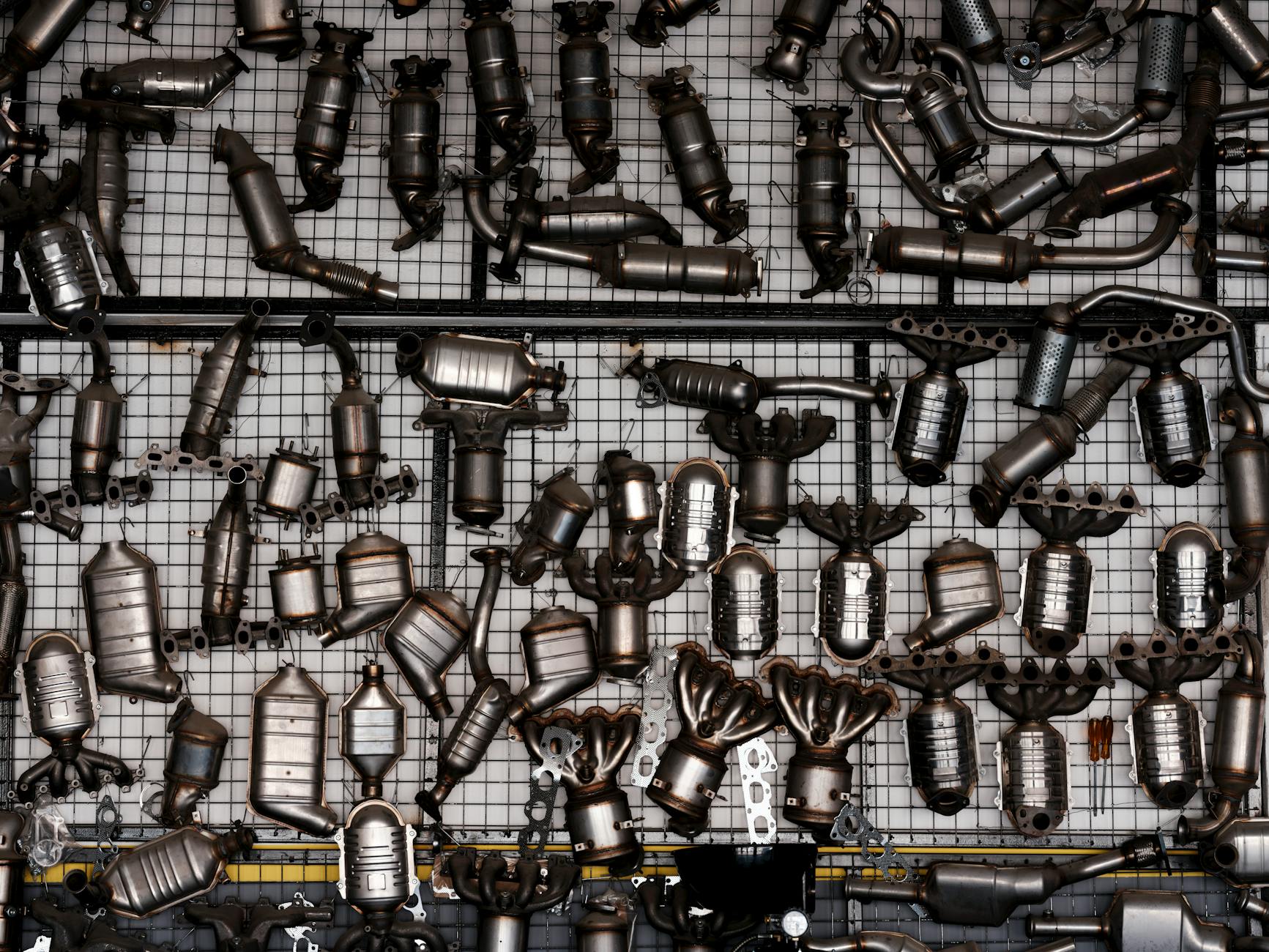
A standard and widely accepted practice in the automotive industry is returning the old parts to the customer upon request after a repair is completed. This simple act of accountability confirms that the component being replaced was genuinely removed and that a new part was actually installed. A mechanic who claims the old part was already disposed of or who becomes evasive when this request is made should be viewed with skepticism. Some shops will even attempt to show customers a different worn part that did not come from their vehicle as a form of misdirection. Requesting your old parts in advance and in writing before authorizing any repair is one of the most direct ways to protect yourself from dishonest practices.
If you have ever dealt with a dishonest mechanic or have tips for spotting part substitution fraud, share your experience in the comments.




