The supplement industry operates in a regulatory environment that allows products to reach consumers without the rigorous safety and efficacy testing required of pharmaceutical drugs, and the fitness influencer economy has become one of its most powerful distribution channels. Audiences who trust the bodies, lifestyles and apparent expertise of their favorite creators absorb supplement recommendations through a lens of aspiration and personal connection that bypasses the critical evaluation those same audiences would apply to a television commercial. The word natural on a supplement label carries no regulatory definition that guarantees safety, purity or appropriate dosage, yet it functions as one of the most persuasive purchase triggers in the category. What follows is a detailed examination of the specific risks embedded in the supplements most aggressively promoted across fitness social media platforms.
Kava

Kava is a root extract from the Pacific Islands traditionally consumed as a ceremonial beverage and promoted in supplement form by wellness influencers as a natural anxiety reducer and relaxation aid. The hepatotoxic potential of concentrated kava supplements has been documented in case reports from multiple countries, with the European Union, Canada and the United Kingdom all having issued warnings or restrictions on kava products following reports of severe liver damage including cases requiring transplantation. The mechanism of kava-induced liver injury is not fully understood, which makes predicting individual susceptibility particularly difficult and raises concerns about the safety of combining kava supplements with alcohol or other substances that also place demands on hepatic metabolism. Influencers who promote kava as a natural alternative to pharmaceutical anxiety treatments rarely disclose the liver monitoring recommendations that physicians make when patients use this substance even at traditional dose levels. The gap between kava’s genuine traditional use in food-form preparations and the concentrated standardized extracts sold in supplement capsules represents a meaningful difference in exposure that social media promotion consistently fails to acknowledge.
Ephedra Alternatives
Following the FDA ban on ephedra-containing supplements in 2004 after multiple deaths linked to cardiovascular complications, manufacturers developed a range of structurally similar alkaloid compounds marketed under different names to fill the stimulant fat-burner category. Bitter orange extract containing synephrine, country mallow containing pharmacologically active amines and various proprietary stimulant blends now occupy the pre-workout and fat loss supplement space with marketing language that implies the safety of novelty without the scrutiny of the banned predecessor. Synephrine has been associated in research and case reports with cardiac arrhythmias, hypertensive crisis and adverse cardiovascular events in individuals with no known pre-existing heart conditions, and its combination with caffeine in multi-ingredient products compounds these risks in ways that have not been systematically studied. Fitness influencers who experienced the ephedra era have replaced one family of stimulant recommendations with another without acknowledging the pharmacological similarity or the parallel risk profile. The regulatory gap that allowed ephedra to remain on the market for years after adverse event accumulation began is being repeated with its chemical successors in real time.
Colloidal Silver

Colloidal silver is promoted across natural health and fitness social media as an antimicrobial supplement, immune system enhancer and general wellness tonic with claimed benefits ranging from infection prevention to improved recovery. The FDA issued a ruling in 1999 stating that colloidal silver is not generally recognized as safe or effective for any condition, and no peer-reviewed clinical evidence has since been published supporting therapeutic benefit from its oral consumption in humans. Chronic consumption of colloidal silver causes argyria, a permanent and irreversible bluish-gray discoloration of the skin, mucous membranes and organs that results from silver particle deposition in tissue and has no known treatment. Silver ions consumed orally also disrupt the gut microbiome by killing beneficial bacterial populations with the same indiscriminate antimicrobial action that proponents tout as a benefit. The influencers promoting colloidal silver as a natural immune supplement are recommending a product that medical regulatory bodies in multiple countries have explicitly identified as offering no demonstrated benefit while carrying the risk of permanent physical change.
Aristolochic Acid Herbs
Several traditional herbal preparations that appear in natural supplement formulations and are promoted in wellness communities contain aristolochic acid, a compound found in plants of the Aristolochia family that has been classified as a Group 1 human carcinogen by the International Agency for Research on Cancer. Aristolochic acid nephropathy is a rapidly progressive kidney disease associated with exposure to these compounds, leading to end-stage renal failure in affected individuals and significantly elevated rates of urothelial carcinoma. The presence of aristolochic acid-containing plant material in multi-herb supplement formulations is not always apparent from label listings because of inconsistent botanical naming conventions, the use of traditional names that do not map to standard botanical taxonomy and adulteration of supplements with unlisted plant material. Fitness and wellness influencers who recommend traditional botanical blends rarely have the botanical training to identify aristolochic acid risk in products they promote, and third-party testing that would identify contamination is not required before sale. Several countries including the United States have issued import alerts and consumer warnings about specific herbal products containing these compounds, but enforcement in the supplement category remains inadequate relative to the scale of the problem.
Yohimbine
Yohimbine is an alkaloid derived from the bark of the West African Pausinystalia yohimbe tree and is promoted by fitness influencers as a natural fat burner, pre-workout stimulant and libido enhancer with a mechanistic story around alpha-2 adrenergic receptor antagonism that sounds scientifically credible in short-form video formats. The cardiovascular effects of yohimbine include significant increases in heart rate and blood pressure, and case reports have documented severe hypertensive crisis, cardiac arrhythmia, seizure and panic attack episodes in consumers with no identified predisposing conditions. The dose of yohimbine in commercial supplements is highly inconsistent, with independent laboratory testing finding that actual yohimbine content frequently deviates substantially from label claims in both directions, making it impossible for consumers to apply the dosing caution that even proponents recommend. Drug interactions with yohimbine are clinically significant, particularly with antidepressants in the MAOI and SNRI categories, and the combination of these medications with yohimbine-containing pre-workout products has been associated with serious adverse events. The confident and enthusiastic promotion of yohimbine by physique-focused influencers whose apparent tolerance for the compound may reflect individual variation that does not generalize to their audiences creates a pattern of recommendation that does not adequately communicate individual risk variability.
Pennyroyal
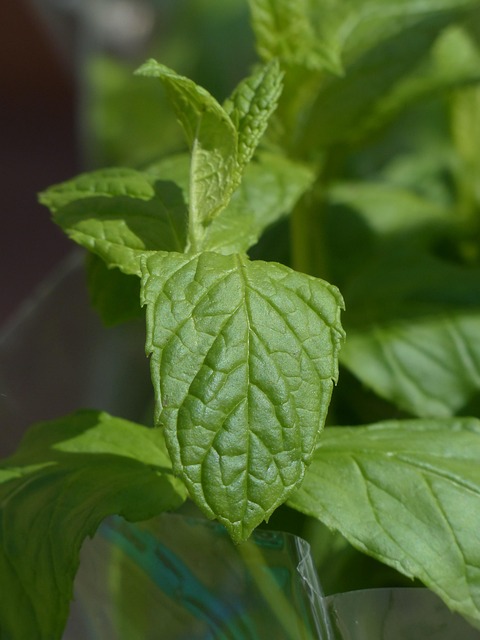
Pennyroyal is a member of the mint family whose essential oil and herbal preparations appear in natural wellness communities with claimed benefits including digestive support and menstrual regulation. The active compound in pennyroyal, pulegone, is metabolized in the liver to a reactive toxic intermediate that causes direct hepatocellular damage and has been responsible for documented fatalities from liver and multi-organ failure following consumption of pennyroyal oil in quantities that were not dramatically in excess of what some natural health sources have recommended. The margin between a dose that produces claimed effects and a dose capable of causing serious toxicity in pennyroyal preparations is narrow enough that regulatory bodies including the FDA have taken enforcement action against pennyroyal products and issued explicit consumer safety warnings. The promotion of pennyroyal in any form by wellness influencers who frame it within a category of gentle and traditional herbal remedies misrepresents a toxicological profile that is among the most serious in the botanical supplement category. Historical use of pennyroyal as an abortifacient reflects its genuine biological potency, which is inseparable from its toxicity at doses that wellness applications approach more closely than the natural framing implies.
Comfrey
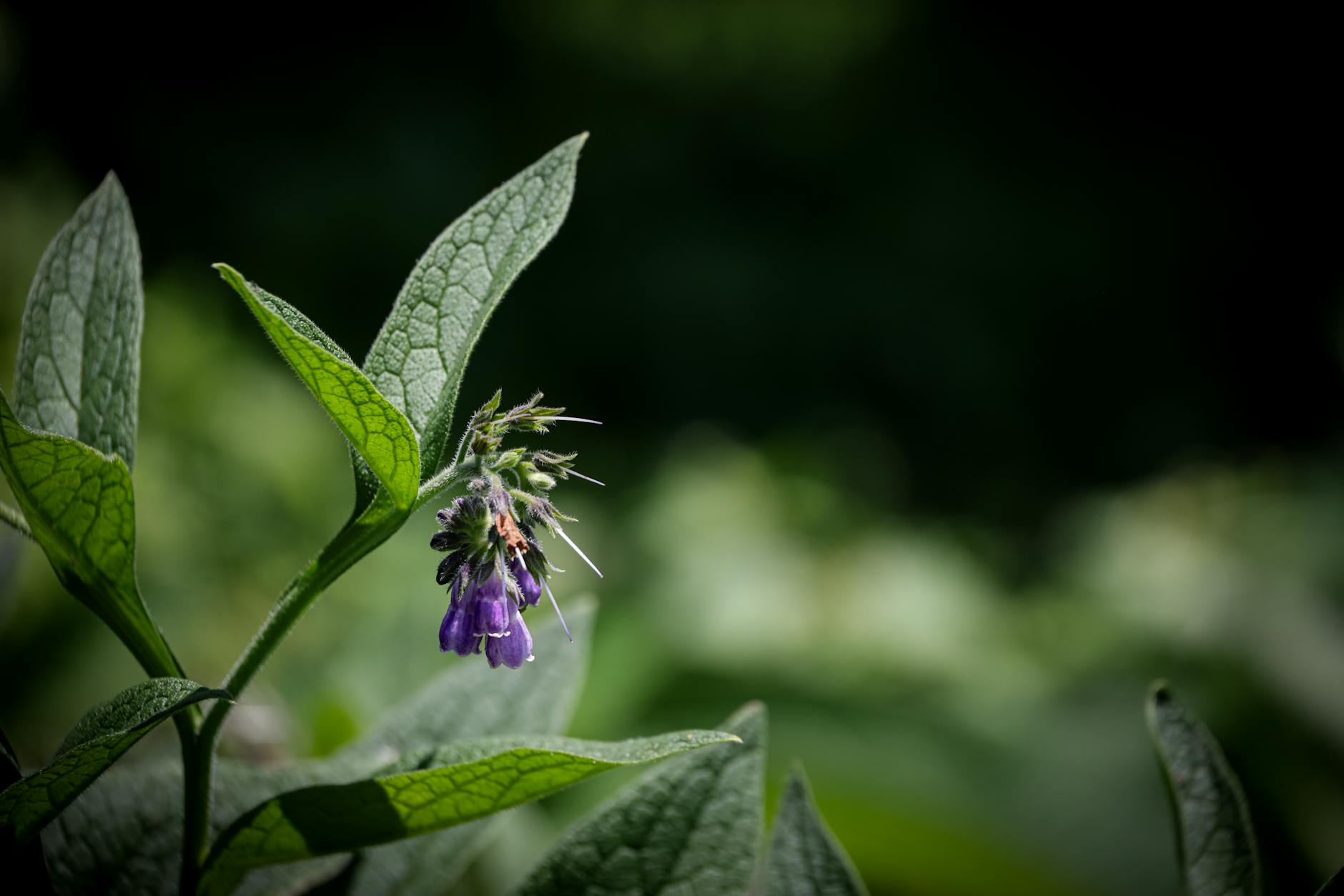
Comfrey is a plant with a long history of traditional use for musculoskeletal complaints and wound healing that continues to circulate in natural health communities as a supplement for joint support and tissue recovery. The pyrrolizidine alkaloids present in comfrey root and leaves are among the most well-documented naturally occurring hepatotoxins in the botanical world, causing veno-occlusive disease in which the small veins of the liver are progressively obstructed, leading to liver enlargement, ascites and in severe cases liver failure. Pyrrolizidine alkaloid toxicity is cumulative, meaning that low-dose exposure over time produces the same pathological changes as higher acute exposures and that the damage begins accumulating before clinical symptoms appear. The FDA recommended in 2001 that oral comfrey products be removed from the market and several European regulatory agencies have prohibited its sale as a dietary supplement, but comfrey continues to be sold in the United States as a supplement and to be promoted through wellness social media. Topical comfrey preparations have a different risk profile because transdermal absorption of pyrrolizidine alkaloids is substantially lower than oral absorption, but the distinction between topical and internal use is not consistently communicated in influencer content that promotes the herb.
Germanium Supplements
Inorganic germanium compounds sold as supplements under various natural and organic framings were identified in the 1980s and 1990s as the cause of a specific pattern of irreversible kidney damage in hundreds of consumers who used them based on health claims that ranged from immune enhancement to cancer treatment support. Organic germanium compounds including germanium sesquioxide have a different chemical structure from the inorganic forms most clearly associated with nephrotoxicity, but the challenge for consumers is that supplement labeling rarely makes this distinction clearly, and adulteration of organic germanium products with inorganic forms has been documented in market surveillance studies. The kidney damage associated with germanium toxicity is characterized by tubular degeneration that does not recover after cessation of exposure, meaning that the harm caused is permanent and that early discontinuation does not prevent the progression of established injury. Germanium continues to appear in multi-ingredient supplement formulations promoted through natural health networks, often without disclosure of the specific compound form or acknowledgment of the regulatory history of the ingredient. Consumer awareness of the distinction between organic and inorganic germanium requires a level of chemical literacy that supplement marketing does not support and that influencer promotion does not provide.
Chaparral
Chaparral is a desert shrub native to the American Southwest whose leaves have been used in traditional indigenous medicine and are promoted in natural supplement circles as a powerful antioxidant and cancer-preventive herb. The FDA issued a consumer advisory warning against using chaparral in 1992 following reports of acute toxic hepatitis and several cases of liver failure requiring transplantation in individuals using the herb, and the advisory remains current. The primary bioactive compound in chaparral, nordihydroguaiaretic acid, demonstrates antioxidant properties in laboratory settings that have been extrapolated into health claims without clinical evidence of efficacy or safety at the doses achievable through supplementation. Idiosyncratic liver reactions to chaparral appear to occur in a subset of users without a clear dose-response relationship, making risk prediction impossible and individual tolerance an unreliable guide to safety. The persistence of chaparral promotion in natural health communities despite its FDA advisory status illustrates how the regulatory history of botanical supplements fails to reach consumers through the channels where supplement recommendations are actually made and trusted.
Bitter Orange
Bitter orange extract standardized to synephrine content is one of the most widely promoted natural stimulant ingredients across fitness supplement lines following the removal of ephedra from the market. The structural and pharmacological similarity between synephrine and the ephedrine alkaloids that prompted the ephedra ban is acknowledged in scientific literature but consistently minimized in the marketing language and influencer content that promotes bitter orange as a safe natural metabolism booster. Independent cardiovascular research on synephrine has found dose-dependent increases in blood pressure and heart rate that are clinically significant for individuals with pre-existing cardiovascular conditions and potentially relevant for otherwise healthy consumers using high-dose formulations. Bitter orange products are almost universally sold in combination with caffeine and other stimulants in pre-workout and fat loss formulas, and the interaction effects of this combination have not been studied in long-term safety trials. The FDA has received adverse event reports involving bitter orange-containing supplements including reports of serious cardiovascular events, but the regulatory threshold for supplement removal requires a higher evidence burden than the pre-market safety standard applied to pharmaceutical drugs.
Thunder God Vine
Thunder God vine is a traditional Chinese medicinal plant whose extracts appear in supplements marketed for autoimmune conditions, inflammation and joint health across natural wellness communities. The plant contains a complex mixture of biologically active compounds with genuine immunosuppressive and anti-inflammatory properties that are being investigated for pharmaceutical applications, but these same properties create a significant risk profile when the herb is consumed as an unregulated supplement. Thunder god vine has well-documented adverse effects including significant reductions in bone mineral density with extended use, suppression of sperm production leading to male infertility, menstrual cycle disruption in women, gastrointestinal toxicity and a meaningful incidence of serious liver and kidney effects. The immunosuppressive effects of the plant’s active compounds are not selective, meaning that consumers using it for anti-inflammatory purposes are potentially suppressing immune surveillance functions that have no relation to the inflammatory condition being targeted. The gap between the controlled research context in which thunder god vine’s pharmacological properties are being studied and the unregulated supplement context in which consumers are exposed to variable doses of unstandardized extracts is precisely where serious harm becomes probable rather than theoretical.
Chromium Picolinate
Chromium picolinate is promoted widely in the fitness and weight management supplement space as a natural insulin sensitizer that improves blood sugar regulation, reduces carbohydrate cravings and supports fat loss without the pharmaceutical implications of insulin-modifying drugs. Laboratory research has raised concerns about the genotoxicity of picolinate, the specific organic acid compound to which chromium is bound in this supplement form, with cell culture studies demonstrating chromosomal damage at concentrations achievable through supplementation. The clinical evidence for the weight loss and insulin-sensitizing benefits that motivate most chromium picolinate purchases is inconsistent and methodologically weak, with most well-controlled trials showing minimal to no effect beyond placebo in the general population. The regulatory and scientific concern about chromium picolinate’s genotoxic potential led the European Food Safety Authority to issue an opinion in 2010 concluding that chromium picolinate raises concerns for genotoxicity and declining to establish a safe tolerable upper intake level. Fitness influencers who promote chromium picolinate as a safe and evidence-based natural supplement for physique goals are working from a selective reading of the research that omits the safety concerns that have driven European regulatory caution about the specific compound form.
Usnic Acid
Usnic acid is a compound derived from lichens that appeared in weight loss supplements in the early 2000s under the marketing name LipoKinetix and was linked to multiple cases of severe acute liver failure, including fatalities, before being removed from the specific product in which it was formulated. Usnic acid continues to appear in some natural supplement formulations and in lichen-derived herbal products that circulate through natural wellness networks, often without disclosure of its hepatotoxicity history. The mechanism of usnic acid liver toxicity involves uncoupling of mitochondrial oxidative phosphorylation, a fundamental disruption to cellular energy production that explains both the thermogenic effect proponents invoke in weight loss claims and the cell death that underlies the hepatotoxic response. The FDA issued a warning to consumers about LipoKinetix in 2001 and the subsequent case series documenting usnic acid-related liver failure was published in peer-reviewed literature, but this regulatory and clinical history does not appear in the natural supplement promotion that continues to invoke lichen-derived compounds as safe botanical ingredients. Weight loss claims made about thermogenic natural compounds systematically minimize the fact that the thermogenic mechanism is itself a form of cellular stress that the liver is particularly vulnerable to experiencing as toxicity.
Aconite
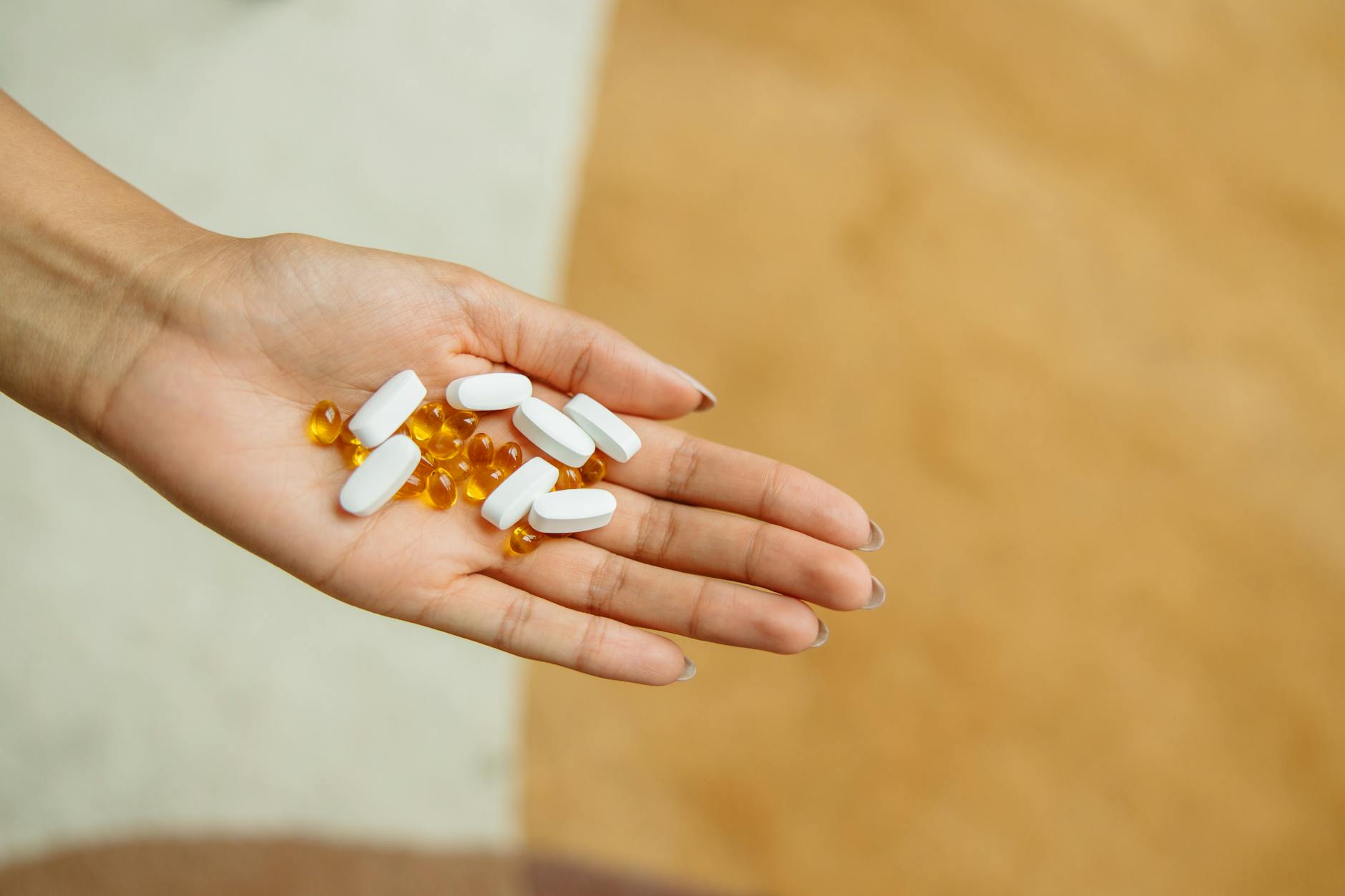
Aconite, derived from plants of the Aconitum genus including monkshood and wolfsbane, appears in traditional Ayurvedic and Chinese medicine formulations and is promoted in certain traditional medicine supplement communities for pain relief and various systemic health applications. Aconitine and related alkaloids in aconite plants are among the most potent cardiotoxic and neurotoxic compounds found in the botanical world, with mechanisms including sodium channel dysfunction that disrupts cardiac conduction and can cause fatal ventricular arrhythmia at doses that traditional preparation methods were designed to reduce but cannot eliminate. Poisoning from aconite-containing herbal products including both accidental and intentional exposures has been documented in contemporary toxicology literature from multiple countries, and the margin between a dose that produces the claimed analgesic effects and a dose capable of causing cardiac arrest is narrow enough to represent a genuine acute fatality risk. Traditional processing techniques including extended boiling that reduces aconitine content are not standardized in supplement manufacturing and cannot be assumed to be applied in products sold through online wellness channels. The promotion of any aconite-containing preparation outside a rigorous traditional medical framework with trained practitioner oversight represents a risk communication failure that social media wellness content is particularly poorly equipped to address.
Lobelia
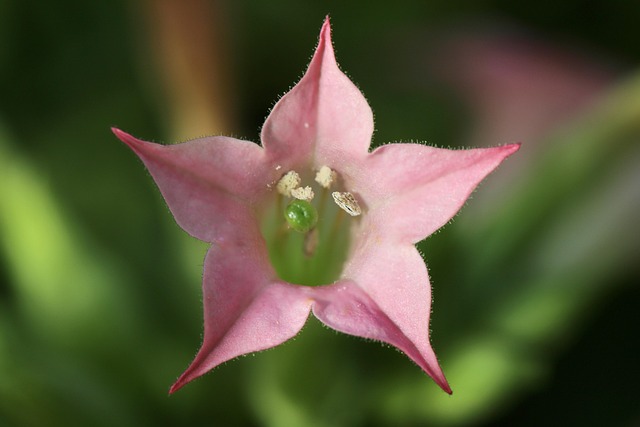
Lobelia inflata, also known as Indian tobacco, contains the alkaloid lobeline and is promoted in natural health communities as a respiratory herb, smoking cessation aid and bronchial support supplement. The therapeutic window of lobelia preparations is historically described as extremely narrow, with doses that produce claimed bronchodilatory effects sitting close to doses that cause nausea, vomiting, tremors, convulsions and in serious exposures respiratory depression and cardiac effects that have been associated with fatalities in historical and contemporary toxicology literature. The FDA has taken regulatory action against lobelia products and includes the herb on its list of unsafe botanical ingredients, but this regulatory history does not prevent lobelia from circulating in natural supplement formulations and wellness community recommendations. The pharmacological similarity between lobeline and nicotine, which underlies both the smoking cessation rationale for its use and its risk profile at higher doses, is not disclosed in the natural and botanical framing through which it is typically promoted. Wellness influencers who recommend lobelia-containing respiratory or detox preparations are recommending an ingredient with a documented toxicity history that the natural and traditional framing of the promotion consistently and materially misrepresents.
Deer Antler Velvet
Deer antler velvet, the growing cartilaginous tissue of deer antlers, is promoted by fitness influencers as a natural source of insulin-like growth factor 1 that supports muscle recovery, hormone optimization and performance enhancement with the implied suggestion of anabolic benefits without pharmaceutical risk. The oral bioavailability of IGF-1 from deer antler velvet is negligible because peptide hormones are degraded by digestive enzymes before reaching systemic circulation, meaning the primary mechanism behind the performance claims cannot function through oral supplementation as it is sold. Despite the lack of plausible oral bioavailability for its primary claimed active ingredient, deer antler velvet is prohibited by the World Anti-Doping Agency and tested for in elite athletic competition, creating a situation where an athlete could face sanctions for using a product whose mechanism of action is scientifically implausible. The spray and sublingual formats in which some deer antler velvet products are sold claim to improve bioavailability through mucosal absorption, but clinical evidence supporting significant IGF-1 absorption through these routes is absent from peer-reviewed literature. The combination of implausible mechanism, anti-doping prohibition and absence of controlled clinical efficacy data makes deer antler velvet one of the more thoroughly problematic supplements in the fitness influencer promotion landscape.
Stinging Nettle Root
Stinging nettle root extracts are promoted in testosterone optimization and men’s health supplement communities as natural aromatase inhibitors and sex hormone binding globulin reducers that support free testosterone levels without pharmaceutical intervention. The clinical evidence for meaningful hormonal effects of stinging nettle root supplementation in humans is sparse and methodologically weak, with most positive findings coming from in vitro studies whose results have not been replicated in adequately powered human trials. The aromatase inhibition mechanism promoted as the basis for testosterone support concerns researchers because suppressing estrogen synthesis in men has systemic consequences including effects on bone mineral density, lipid metabolism, cardiovascular function and cognitive performance that are clinically managed with pharmaceutical aromatase inhibitors rather than assumed to be safe as an unregulated supplement intervention. Nettle root’s interaction with blood thinning medications including warfarin is clinically documented, and consumers combining this supplement with anticoagulant therapy face a genuine drug interaction risk that influencer content does not communicate. The framing of hormonal manipulation through botanical supplements as fundamentally safer than pharmaceutical hormone management misrepresents the fact that the biological consequences of hormonal disruption are not determined by the natural or synthetic origin of the compound producing them.
Kratom
Kratom is a Southeast Asian plant whose leaves contain mitragynine and 7-hydroxymitragynine, alkaloids that act on opioid receptors in the brain and produce dose-dependent effects ranging from stimulant at low doses to sedative and analgesic at higher doses. The FDA has issued multiple warnings about kratom and stated that it has no confirmed safe uses, raises serious concerns about addiction, abuse and dependence potential, and has been associated with deaths in which it was identified as a contributing substance. Physical dependence and withdrawal syndrome associated with kratom use are well-documented and include symptoms indistinguishable from opioid withdrawal including anxiety, muscle aches, insomnia, irritability and nausea that emerge within 12 to 24 hours of cessation in regular users. Kratom products sold in the supplement and natural health market vary enormously in alkaloid concentration and are frequently adulterated with other substances including prescription opioids, creating an unpredictable potency profile that significantly elevates overdose risk relative to what a consistent natural plant product would present. Fitness and wellness influencers who recommend kratom for pain management, workout recovery or anxiety reduction are promoting a substance that the FDA has explicitly stated should not be marketed as a dietary supplement and whose opioid receptor activity is fundamentally incompatible with the natural and non-addictive framing those recommendations employ.
Tribulus Terrestris
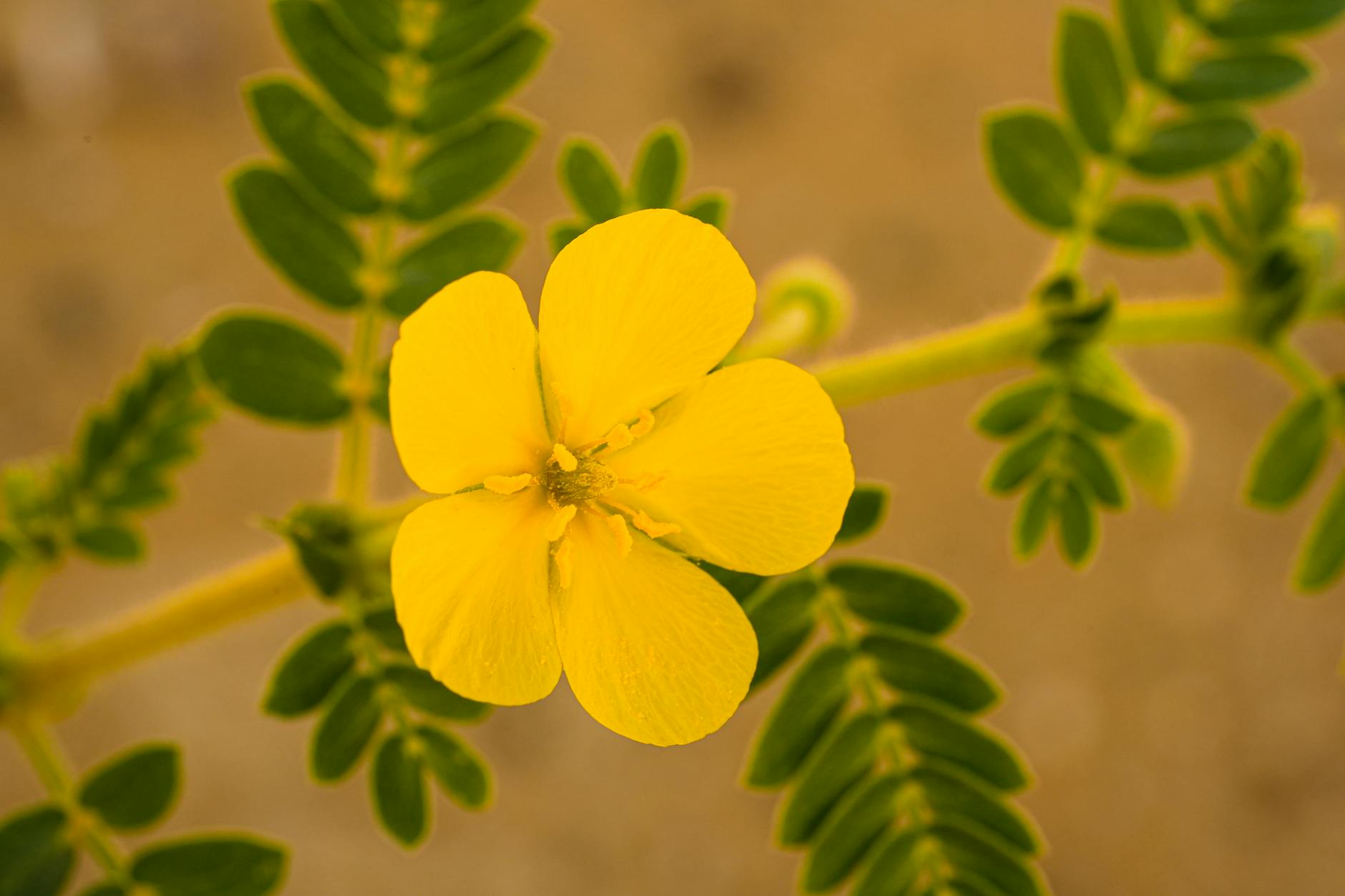
Tribulus terrestris is one of the most heavily promoted natural testosterone boosters in fitness supplement marketing, with claims about luteinizing hormone stimulation, free testosterone elevation and performance enhancement that have been circulating in bodybuilding communities for decades. The clinical research on tribulus terrestris in humans consistently fails to demonstrate meaningful effects on testosterone levels or body composition, with multiple well-designed randomized controlled trials finding no significant difference between tribulus supplementation and placebo on hormonal or performance outcomes. The proposed mechanism of action involving protodioscin-mediated luteinizing hormone stimulation was largely derived from animal studies and has not been demonstrated to translate to human endocrinology at achievable supplementation doses. Beyond the efficacy concerns, tribulus terrestris has been associated in case reports with bilateral interstitial pneumonitis, neurotoxicity in sheep consuming large quantities of the plant and drug interactions with antihypertensive and anticoagulant medications. The persistence of tribulus terrestris as a flagship ingredient in natural testosterone supplements despite decades of negative human clinical trial results demonstrates how athletic aspiration and social proof from influencer recommendation can maintain market demand in the complete absence of scientific support.
White Willow Bark
White willow bark is promoted as a natural aspirin alternative and anti-inflammatory supplement across natural health communities, with its salicin content cited as the basis for claims about pain relief, fever management and cardiovascular support without the gastrointestinal effects of pharmaceutical aspirin. The conversion of salicin to salicylic acid in the body produces the same pharmacological effect as aspirin through the same mechanism of cyclooxygenase inhibition, which means that the gastrointestinal, platelet and drug interaction risks associated with aspirin are also present with white willow bark supplementation, contrary to the natural and gentler framing of its promotion. Consumers with aspirin hypersensitivity, those taking blood thinning medications and those with peptic ulcer disease face the same contraindications with white willow bark as they do with pharmaceutical aspirin, and the natural framing of the supplement actively suppresses the disclosure of these equivalences. Children and adolescents given white willow bark supplements for viral illness symptoms face the same theoretical risk of Reye syndrome associated with aspirin administration in pediatric febrile illness. The substitution of white willow bark for pharmaceutical aspirin based on the belief that natural origin confers safety advantages is a risk communication failure with specific and well-defined populations who would be appropriately warned against aspirin use.
Wormwood
Wormwood, the herb from which the liqueur absinthe derives its active principle, contains the compound thujone, which acts as a GABA receptor antagonist and has demonstrated neurotoxic and convulsant effects at doses achievable through concentrated herbal extracts and essential oil preparations. Wormwood appears in natural supplement contexts as a digestive bitter, an antiparasitic and a detoxification herb, with the historical association of absinthe with neurological effects in heavy consumers providing a documented human toxicology record that supplement promotion does not acknowledge. The essential oil form of wormwood is the highest-risk preparation and has been associated with seizures, rhabdomyolysis and acute kidney injury in case reports following its consumption in quantities that online natural health content has recommended. Wormwood’s antiparasitic properties, which represent one of its primary supplement use cases in natural wellness communities, reflect genuine biological activity that also underlies its toxicity and cannot be separated from it by adjusting dose within the range of standard supplement servings. Regulatory agencies in several countries have established limits on thujone content in food products and beverages, but these limits do not apply to wormwood sold as a dietary supplement, leaving consumers without the protection that food safety standards would otherwise provide.
Pennyroyal Oil
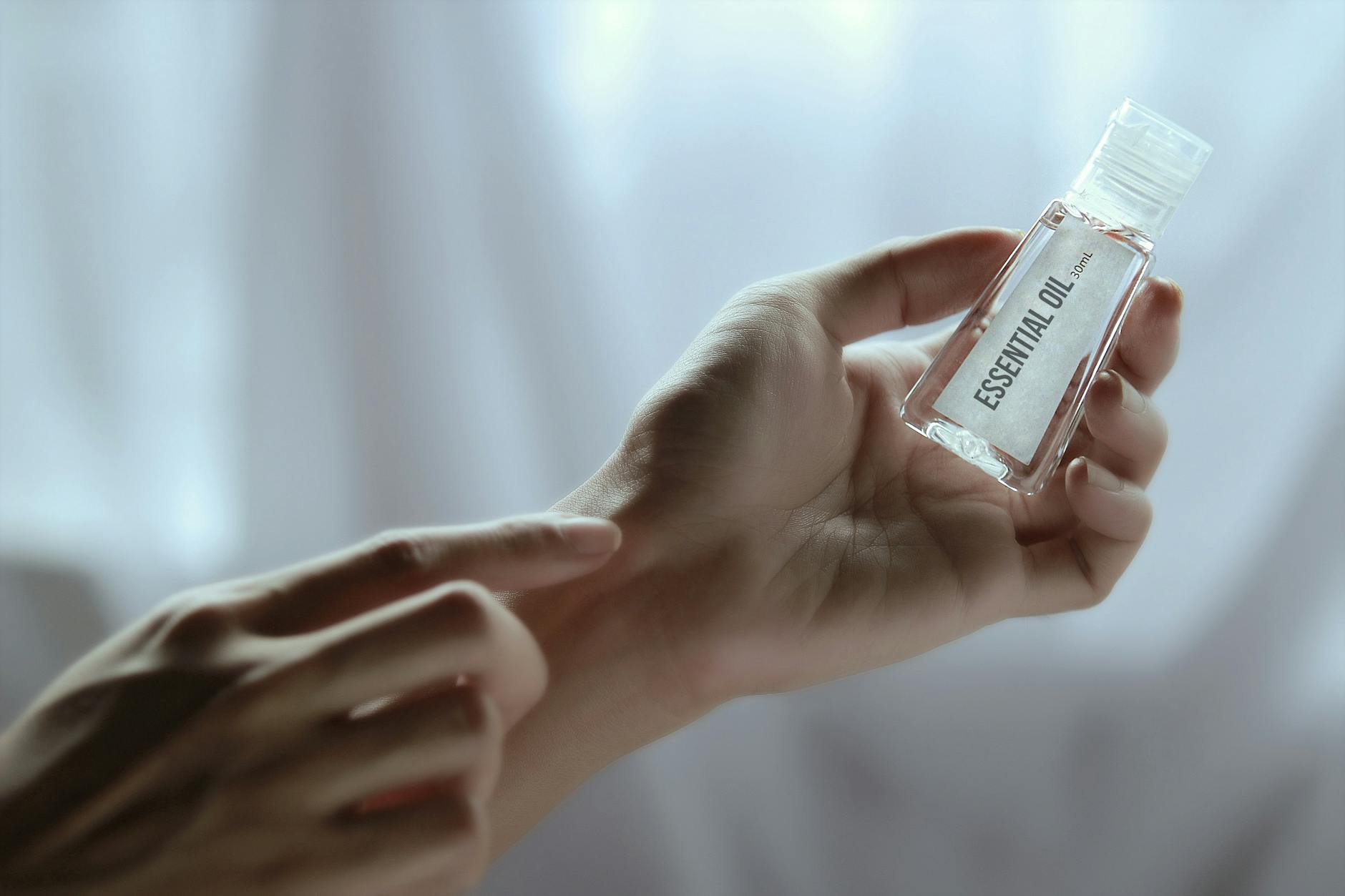
Pennyroyal oil deserves separate treatment from the herb because the concentrated essential oil form represents a dramatically higher and more acute risk profile than dried pennyroyal herb preparations, with fatalities documented from doses as low as one to two tablespoons in adults. The oil continues to circulate in natural wellness communities and online marketplaces as a menstrual regulator, abortifacient and insect repellent, with the domestic and natural framing of these applications failing to communicate that the doses required for the claimed effects overlap with doses capable of causing fatal liver failure. Pulegone and its toxic metabolite menthofuran are responsible for the hepatotoxic mechanism of pennyroyal oil, and the progression from exposure to severe liver injury can be rapid enough that clinical intervention after symptom onset has been insufficient to prevent death in documented cases. The persistence of pennyroyal oil in online natural health commerce despite FDA consumer warnings and a documented fatality record reflects the inadequacy of regulatory enforcement in the direct-to-consumer supplement and essential oil category. Wellness influencers who recommend essential oil protocols that include pennyroyal or who promote platforms where it is sold without adequate safety warning are participating in a distribution chain whose endpoint includes a product with a demonstrated capacity to cause death at kitchen-measurement doses.
Ashwagandha at High Doses
Ashwagandha is among the most widely promoted adaptogens in the fitness and wellness influencer ecosystem, with a genuine evidence base for modest effects on cortisol modulation and stress response that provides credible scientific scaffolding for its enthusiastic promotion. The hepatotoxicity of ashwagandha has been documented in a growing body of case reports describing cholestatic liver injury in individuals using the supplement at doses within or near the ranges commonly recommended in influencer content, with several cases requiring hospitalization and at least some cases progressing to serious liver injury despite dose cessation. The dose-response relationship for ashwagandha’s adverse hepatic effects has not been established, meaning that the frequently promoted practice of cycling at high doses for enhanced adaptogenic effect does not have a defined safe upper limit based on clinical evidence. Ashwagandha’s thyroid-stimulating activity, which has been documented in human studies, creates a specific risk for individuals with existing thyroid conditions or those using thyroid medication whose hormone levels could be meaningfully disrupted by unsupervised supplementation. The influential position ashwagandha occupies in natural supplement culture combined with its growing hepatotoxicity case series creates a situation where the supplement’s genuine partial evidence base is being leveraged to suppress appropriate caution about an emerging safety signal that its most prominent promoters are not communicating.
Lion’s Mane at Unregulated Doses

Lion’s mane mushroom has attracted significant attention in the nootropic and cognitive enhancement community based on research into its nerve growth factor stimulating properties, and fitness and wellness influencers have adopted it enthusiastically as a natural brain supplement with claims about focus, memory and neuroplasticity. The human clinical evidence for lion’s mane cognitive effects is limited to small trials with methodological limitations that the enthusiasm of influencer promotion substantially overstates, and the extrapolation from animal research and in vitro studies to human cognitive enhancement claims exceeds what the current evidence base supports. Allergic reactions to lion’s mane including respiratory symptoms consistent with occupational asthma in mushroom workers and skin reactions in supplement consumers have been documented, and individuals with mushroom allergies face a specific contraindication that the cognitive enhancement framing of lion’s mane promotion does not prompt them to consider. The standardization of active compounds across lion’s mane supplement products is inconsistent, with hericenone and erinacine content varying substantially between products and with the fruiting body versus mycelium distinction having meaningful implications for the bioactive compound profile that consumer labeling rarely makes transparent. The promotion of lion’s mane as a safe daily nootropic at escalating doses reflects the same confidence-ahead-of-evidence pattern that characterizes most of the supplement influencer ecosystem and that has historically preceded the identification of safety concerns in newly popular botanical ingredients.
St. John’s Wort
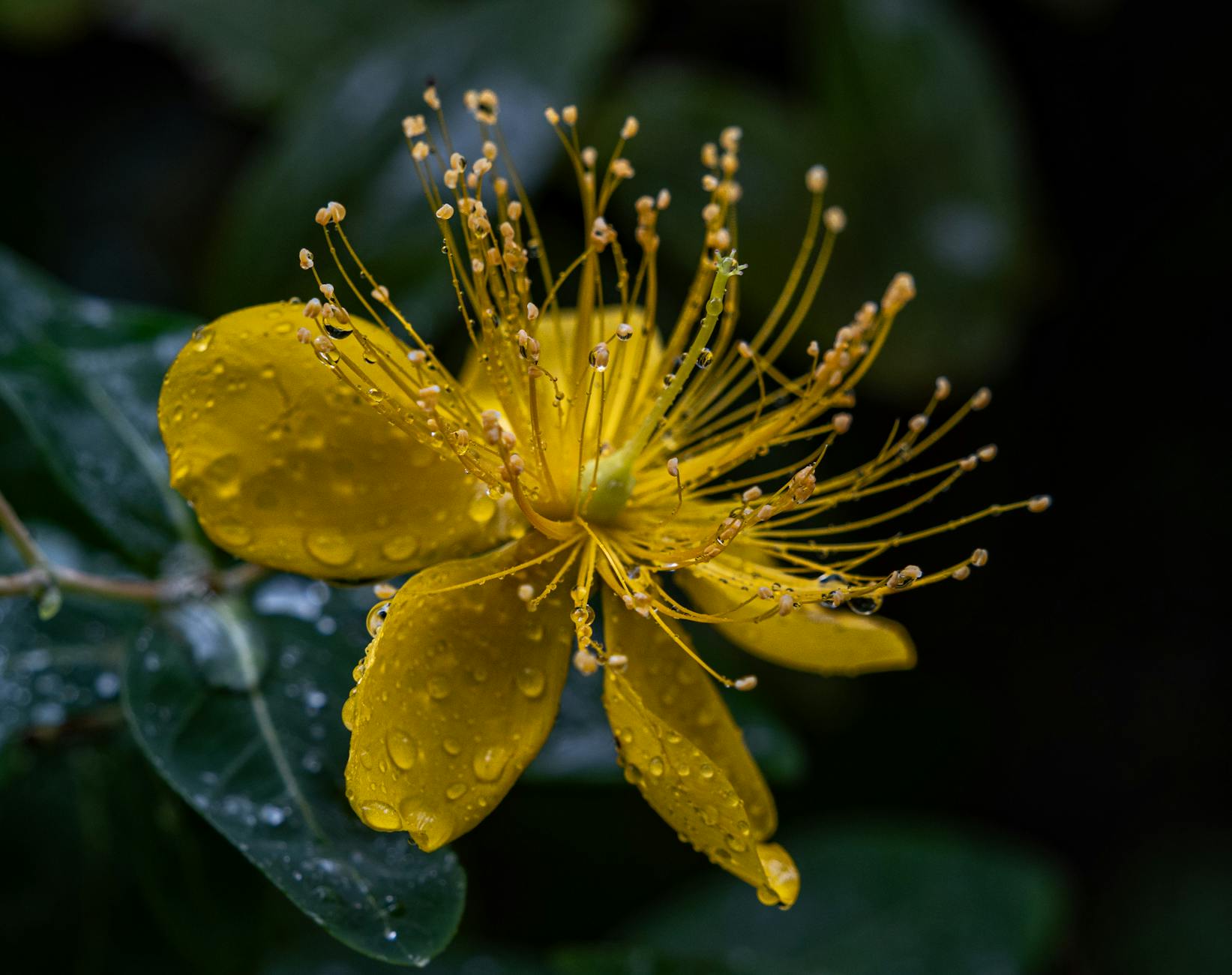
St. John’s Wort is one of the most extensively studied herbal supplements in the world and has genuine evidence supporting its efficacy for mild to moderate depression at standardized doses, making it a credible recommendation within its evidence-supported application. The drug interaction profile of St. John’s Wort is among the most clinically significant of any supplement available without prescription, with the herb acting as a powerful inducer of cytochrome P450 enzymes and P-glycoprotein that dramatically reduces the blood levels of a long and critical list of medications including oral contraceptives, antiretroviral HIV medications, immunosuppressants used in transplant patients, certain chemotherapy agents, anticoagulants and many others. The consequences of St. John’s Wort drug interactions include oral contraceptive failure leading to unintended pregnancy, transplant rejection in organ recipients, HIV treatment failure, reduced cancer treatment efficacy and excessive bleeding or clotting depending on the anticoagulant involved, all of which have been documented in clinical case reports. Fitness and wellness influencers who promote St. John’s Wort as a natural mood support supplement for a general audience that includes people on any of these medications are recommending a supplement whose risk-benefit calculation depends entirely on medication context that the audience has no way to disclose. The evidence base that makes St. John’s Wort one of the more credible herbal supplements also establishes its drug interaction risk with the same degree of scientific certainty, and communicating one without the other is a material omission with documented capacity for serious harm.
If any of these supplement risks have surprised you or if you have a personal experience with a promoted natural supplement that turned out to be less safe than advertised, share your story in the comments.




