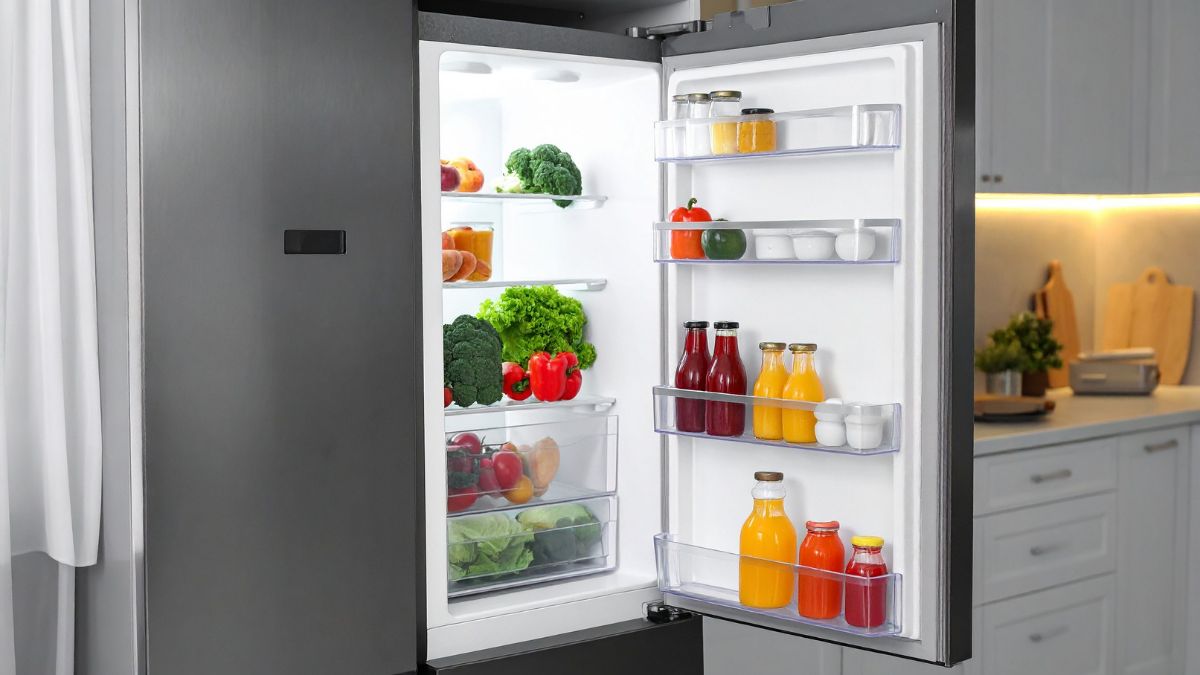
The refrigerator is one of the most misunderstood appliances in the modern kitchen, treated by most households as a universal preservation device that improves the longevity and safety of everything placed inside it. Food science tells a more nuanced story in which cold temperatures actively accelerate the deterioration of certain foods while simultaneously creating conditions that destroy the flavor, texture and nutritional value of others. The practice of refrigerating foods that belong at room temperature or in cool dry storage is responsible for an enormous volume of premature food waste in homes that believe they are practicing careful preservation. Understanding which foods actively suffer inside a refrigerator and why is the foundational knowledge for a kitchen that wastes less and tastes better.
Whole Tomatoes
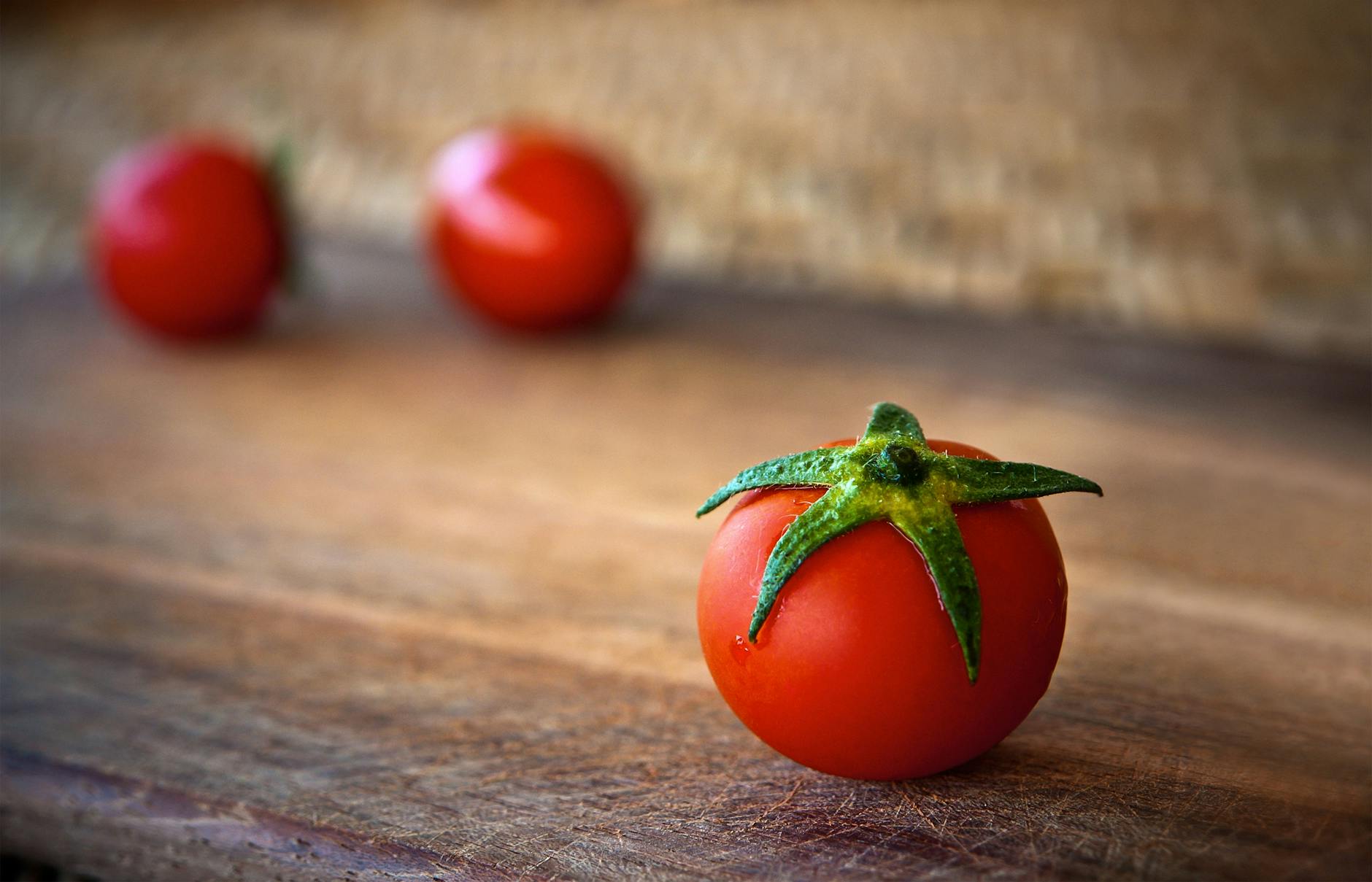
Tomatoes are one of the most refrigerated vegetables in the average household and one of the foods most definitively identified by food scientists as being damaged by cold storage. The cell walls of tomatoes contain enzymes that continue the ripening process at room temperature and are irreversibly deactivated by temperatures below 55 degrees Fahrenheit, producing a mealy, mushy interior texture that no amount of warming after the fact can restore. The volatile aromatic compounds responsible for the complex flavor of a ripe tomato are similarly suppressed by refrigeration temperatures, with research from the Proceedings of the National Academy of Sciences identifying specific gene expression changes triggered by cold exposure that permanently reduce flavor compound production. A tomato stored on a countertop away from direct sunlight at room temperature will maintain its texture and develop its flavor fully for five to seven days after reaching peak ripeness. Only tomatoes that have been cut or that are severely overripe and at risk of immediate spoilage benefit from refrigeration, and even then the texture compromise is an accepted trade-off rather than an ideal outcome.
Fresh Bread

Bread stored in a refrigerator undergoes a process called retrogradation in which starch molecules recrystallize at a significantly accelerated rate compared to room temperature storage, producing the dry, crumbly and stale texture that most people associate with old bread within 24 hours of refrigeration. The cold air of a refrigerator also draws moisture from bread more rapidly than room temperature air, compounding the staling effect through dehydration on top of the structural starch changes. A quality loaf stored in a bread box, a paper bag or wrapped in a clean kitchen towel at room temperature will maintain its texture and flavor for two to three days for most artisan varieties and longer for commercially produced sandwich breads. Bread that will not be consumed within three to four days is far better served by slicing and freezing, from which it recovers its texture almost completely upon toasting, than by refrigerating where the damage is progressive and irreversible. The widespread habit of refrigerating bread to prevent mold produces the irony of mold-free bread that is rendered inedible by staleness before mold would have had time to develop under proper room temperature storage.
Potatoes
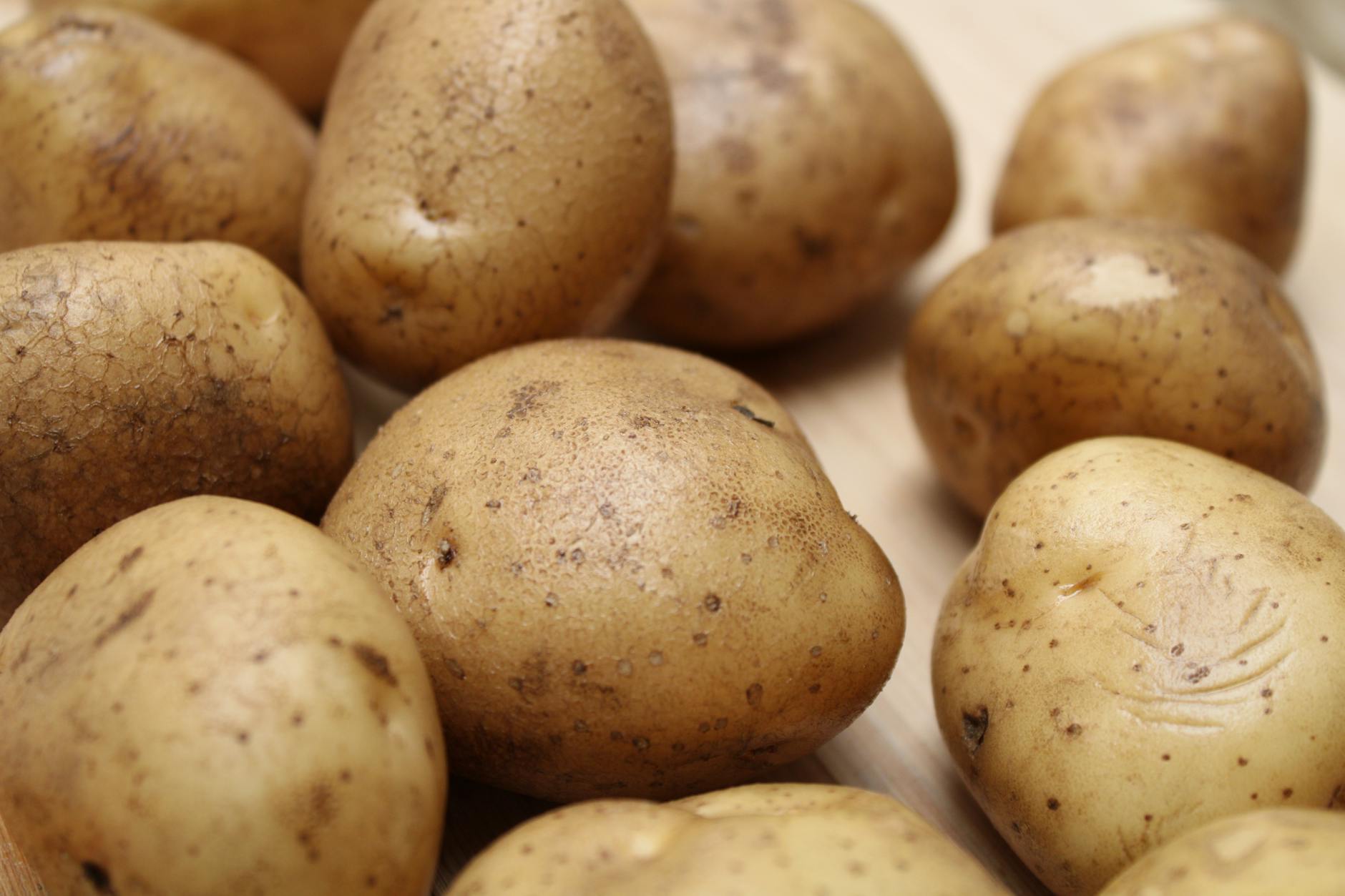
Raw potatoes stored in a refrigerator undergo a chemical transformation in which the cold temperature triggers the conversion of starch into sugar through a process called cold-induced sweetening, altering both the flavor and the cooking behavior of the potato in ways that persist even after the potato is returned to room temperature. The increased sugar content of refrigerated potatoes produces excessive browning and a sweet flavor when the potatoes are roasted or fried, and food safety researchers have identified an additional concern in that the Maillard reaction between the elevated sugars and amino acids in refrigerated potatoes produces higher levels of acrylamide during high-heat cooking than potatoes stored at appropriate temperatures. The ideal storage environment for raw potatoes is a cool, dark and well-ventilated space such as a pantry, cellar or dedicated vegetable storage container where temperatures remain between 45 and 55 degrees Fahrenheit without reaching the refrigerator’s typical 35 to 38 degrees. Potatoes stored correctly in cool dark conditions away from ethylene-producing fruits like apples and onions will maintain their quality for several weeks to several months depending on variety. The darkness component of proper potato storage is equally important as temperature because light exposure triggers greening and solanine production regardless of whether the potato is cold.
Onions
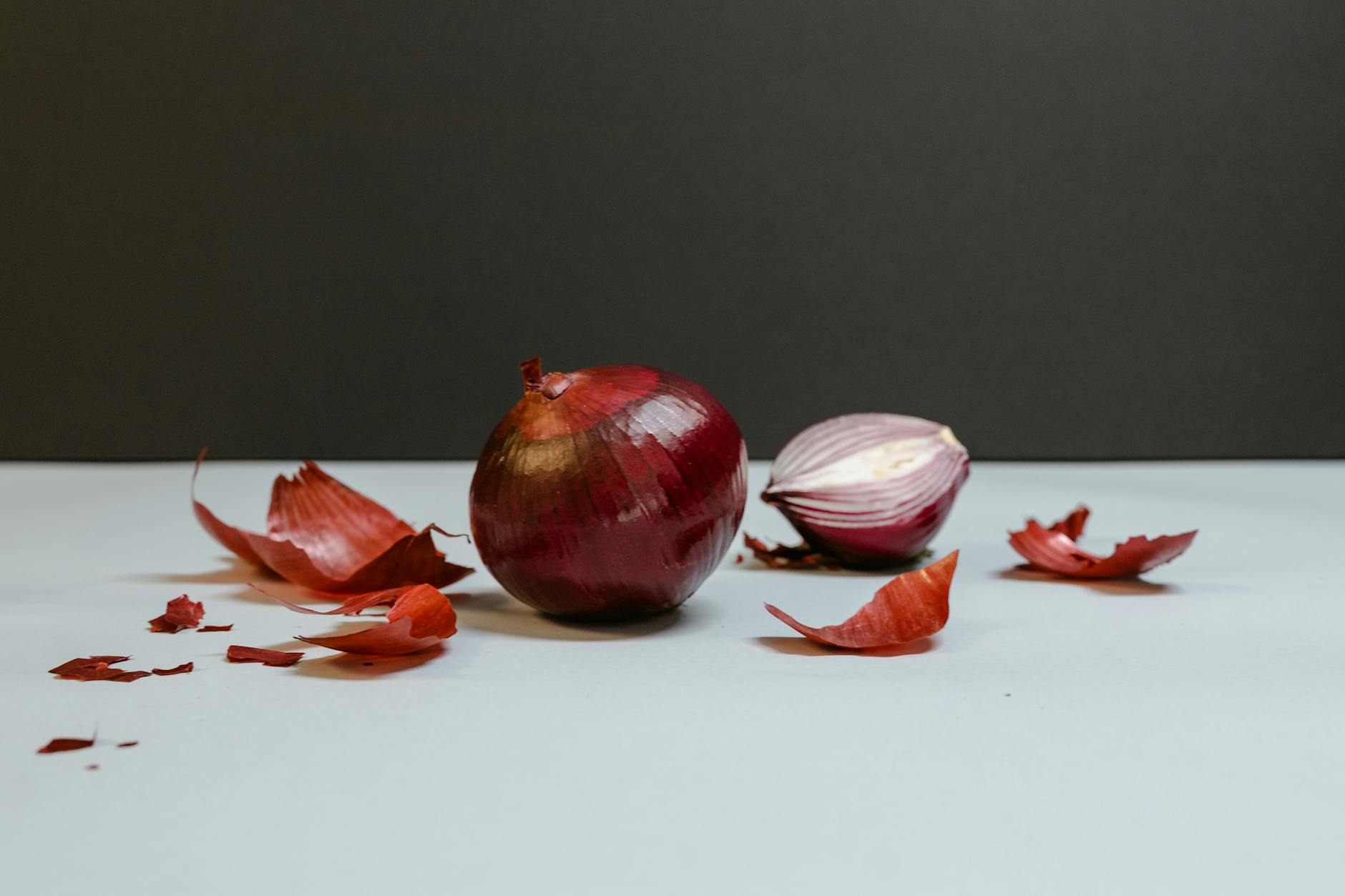
Whole uncut onions stored in a refrigerator absorb moisture from the surrounding environment and soften rapidly, losing the firm papery exterior and dry interior structure that characterizes a fresh onion and that indicates proper curing. The moisture absorption that refrigeration promotes also accelerates mold development on onion skins in a way that does not occur under proper dry storage conditions, meaning that refrigeration actively promotes the spoilage it is intended to prevent. Onions stored in the refrigerator also transfer their pungent volatile compounds to surrounding foods through the shared air environment, affecting the flavor of other refrigerated items in a way that is particularly problematic for dairy products and eggs. The correct storage environment for whole onions is a cool, dry and well-ventilated location away from potatoes, because potatoes and onions release gases and moisture that accelerate each other’s deterioration when stored in proximity. Whole onions stored correctly in a mesh bag or open container in a cool dry pantry will maintain their quality for one to two months, far exceeding what refrigeration produces.
Garlic
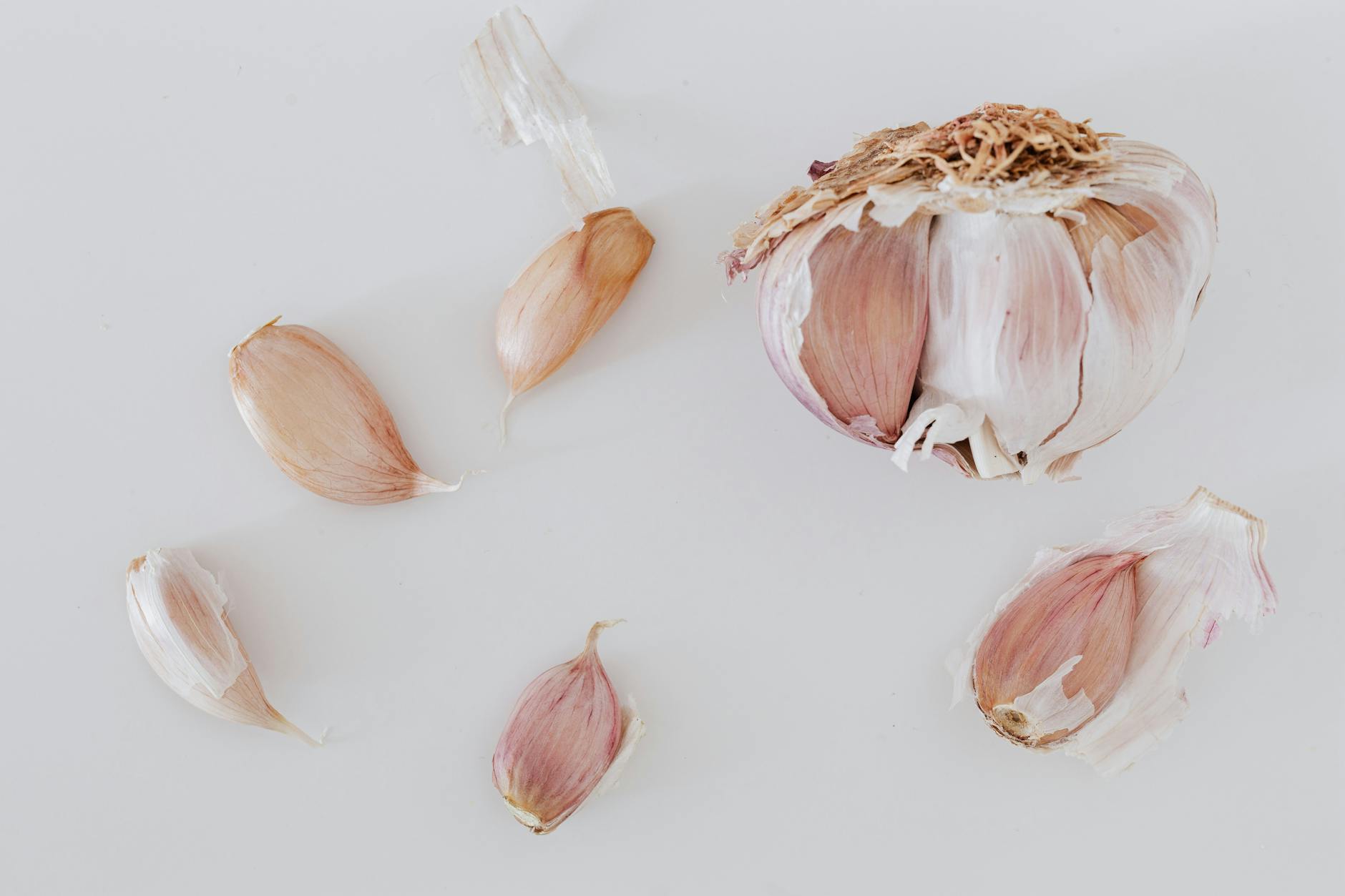
Whole unpeeled garlic heads stored in a refrigerator are subject to the same moisture-related deterioration that affects onions, with the cold and humid refrigerator environment promoting mold growth and softening of the cloves within the papery bulb casing. The moisture that accelerates garlic deterioration in a refrigerator also encourages sprouting, and sprouted garlic while not harmful develops a bitter flavor that affects the taste of any dish in which it is used. Garlic stored in a cool, dry location with good air circulation such as a countertop garlic keeper or a mesh basket will remain firm and flavorful for one to two months for a whole unbroken head and for several weeks after individual cloves are broken from the head. Peeled or chopped garlic is a different matter and should be stored in an airtight container in the refrigerator for up to a week or frozen for longer preservation once its protective papery casing has been removed. The practice of storing garlic in oil at room temperature rather than in a refrigerator carries a serious food safety warning because the anaerobic low-acid environment of oil-submerged garlic is one of the few domestic food preparation contexts that creates genuine botulism risk.
Honey

Honey is one of the rare foods with essentially indefinite shelf life under proper storage conditions because its low water activity, high sugar concentration, low pH and natural hydrogen peroxide content create an environment hostile to microbial growth. Refrigerating honey does nothing to extend its already remarkable shelf life and actively causes the glucose in honey to crystallize, transforming its smooth liquid consistency into a thick, grainy and difficult-to-use solid that many consumers mistake for spoilage. Crystallized honey is neither spoiled nor compromised in nutritional value and can be returned to liquid form by gentle warming, but the process is unnecessary if the honey had simply been stored at room temperature from the beginning. The ideal storage conditions for honey are a cool, dry pantry shelf away from direct sunlight and heat sources, in a tightly sealed container that prevents moisture absorption from the surrounding air. Raw and unfiltered honeys that retain more of their natural pollen and enzyme content are if anything more stable than processed honeys because their additional antimicrobial compounds provide further protection against the moisture that is the only realistic threat to honey’s longevity.
Coffee Beans

Ground coffee and whole bean coffee stored in a refrigerator are exposed to moisture and odor absorption that is directly counterproductive to the preservation of the volatile aromatic compounds that constitute coffee’s flavor and quality. Coffee is hygroscopic, meaning it actively draws moisture from the surrounding environment, and the humidity of a refrigerator is absorbed into the coffee along with the flavors of neighboring foods, producing a stale and flavor-contaminated product that has objectively worsened during what was intended as preservation. The condensation that forms on cold coffee when it is removed from the refrigerator and exposed to warmer room air accelerates the oxidation and moisture damage further, particularly for ground coffee where the increased surface area makes every exposure more impactful. The correct storage for coffee that will be used within two to four weeks of purchase is an airtight container kept at room temperature away from heat, light and moisture, all of which accelerate the off-gassing of aromatic compounds that makes fresh coffee taste good. Coffee that will not be used within that window is genuinely served well by freezer storage in an airtight container because the freezer’s dry cold preserves aromatics without the moisture and odor transfer problems of refrigeration.
Avocados
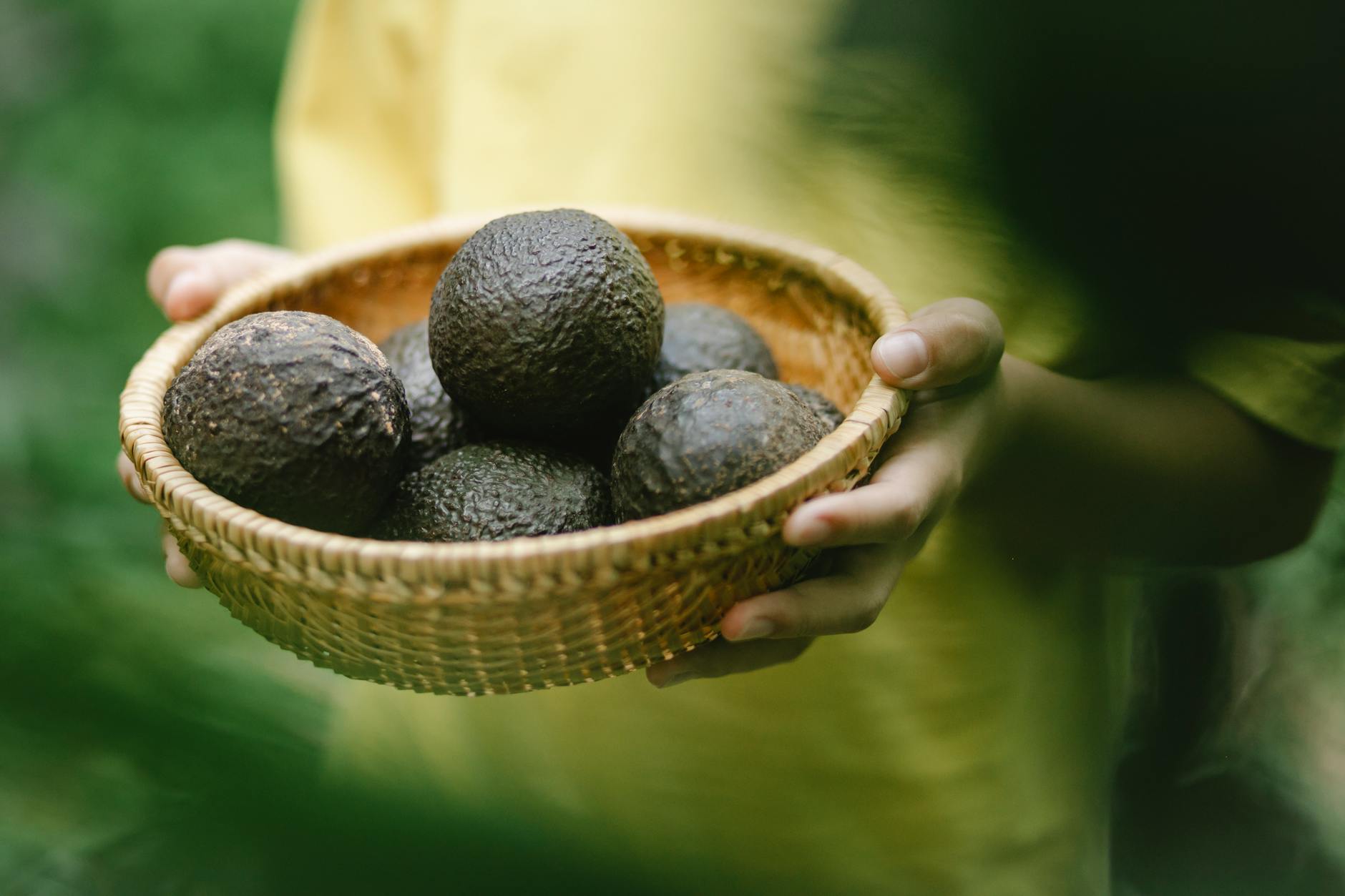
Unripe avocados placed in a refrigerator before they have reached ripeness will fail to ripen correctly because the enzymatic processes that convert the hard starch-rich flesh of an unripe avocado to the creamy, flavorful texture of a ripe one require temperatures above those of a standard refrigerator to proceed. Cold-interrupted avocados often develop dark stringy fibers throughout the flesh, a condition called chilling injury that results from the disruption of the ripening enzymes at temperatures below 50 degrees Fahrenheit and that produces an unpleasant texture regardless of the external appearance of the fruit. An unripe avocado belongs on the countertop at room temperature until it yields gently to pressure at the narrow end, a process that takes two to five days depending on initial ripeness at purchase. Once an avocado reaches perfect ripeness it can be moved to the refrigerator where cold storage will slow but not reverse the ripening and maintain it at peak quality for two to three additional days. Cut avocado with the pit left in the remaining half, wrapped tightly against the flesh surface to minimize air contact, is appropriately stored in the refrigerator for one to two days.
Stone Fruits
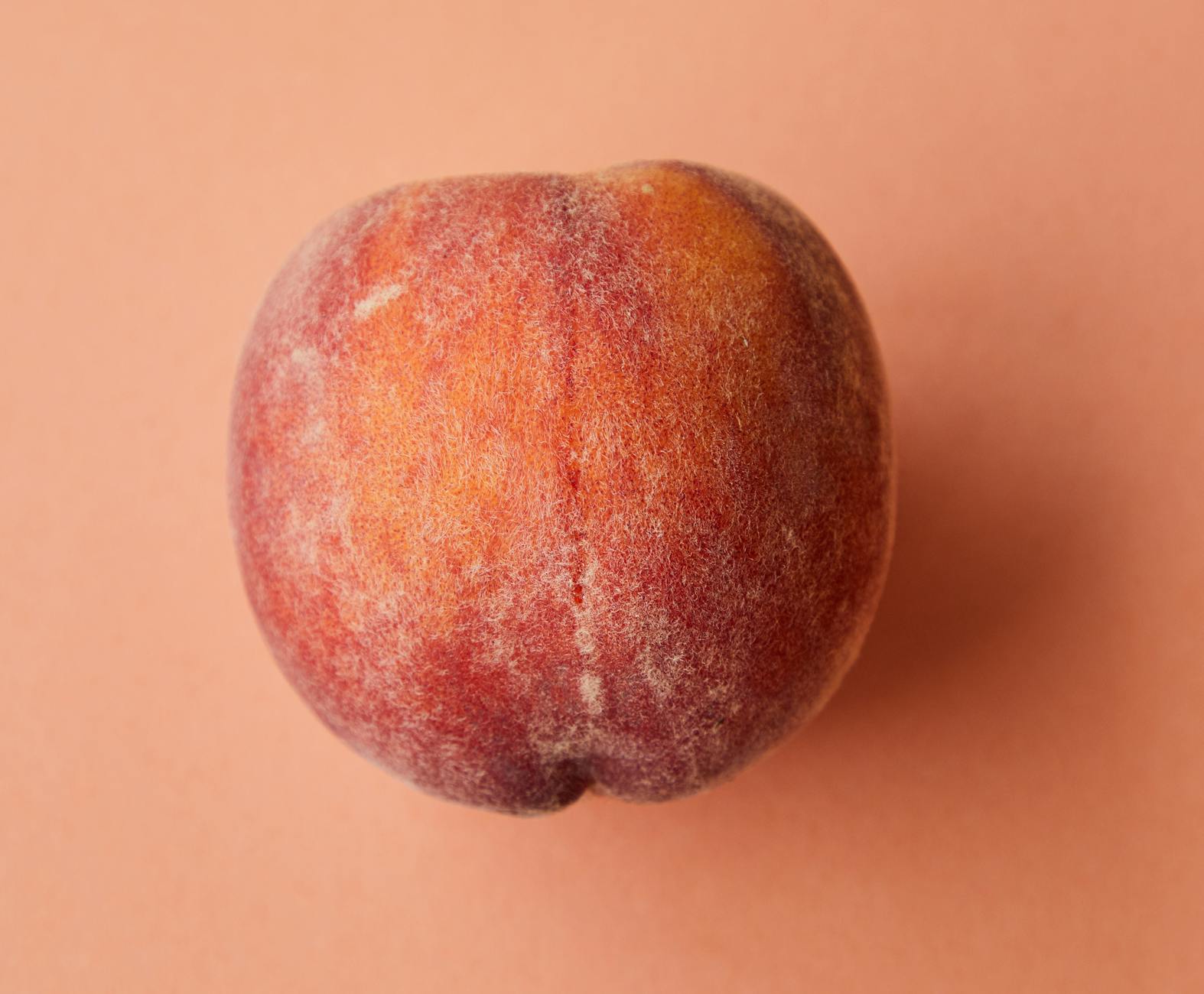
Peaches, plums, nectarines, apricots and cherries are stone fruits whose flavor and texture development depends on enzymatic ripening processes that are halted by refrigeration temperatures before they reach their full potential. A peach placed in the refrigerator before it is fully ripe will never develop the aromatic complexity and juicy softness that makes a tree-ripened peach one of the most pleasurable seasonal foods available, because the cold permanently damages the ripening enzymes responsible for those qualities. Stone fruits purchased firm from most supermarkets should be stored stem side down at room temperature until they are fragrant and yield slightly to gentle pressure, after which they can be refrigerated briefly if immediate consumption is not possible. The texture compromise of cold storage is more pronounced in peaches and nectarines than in plums and cherries, with the latter two tolerating brief refrigeration better without the dramatic mealiness that cold exposure produces in the more delicate stone fruits. Buying stone fruits at their peak ripeness from local or farmers market sources and planning to consume them within a day or two eliminates the refrigeration question entirely and produces the best eating experience available from these seasonal foods.
Tropical Fruits
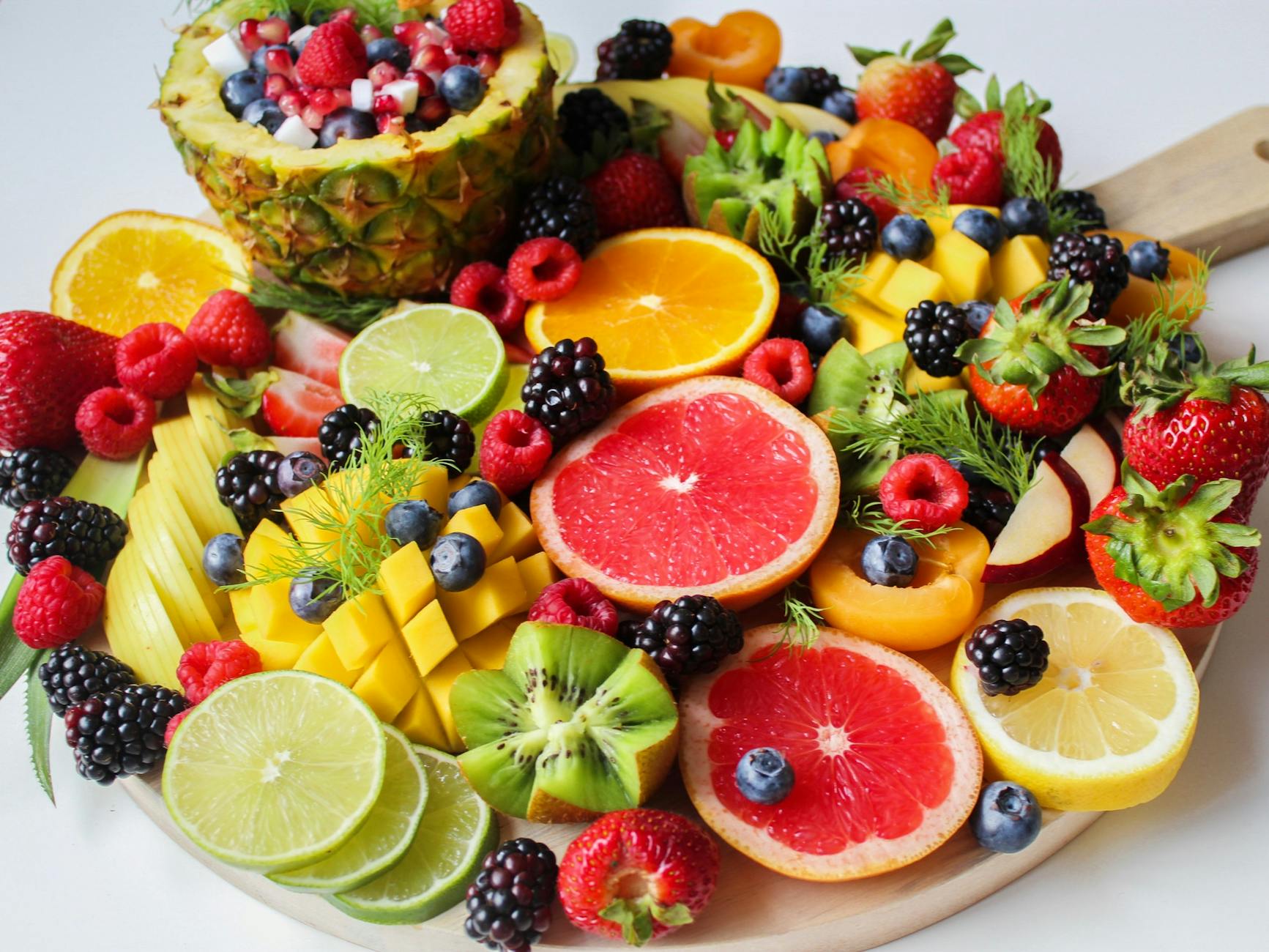
Mangoes, papayas, bananas, pineapples and other tropical fruits evolved in warm climates and have no biological tolerance for the near-freezing temperatures of a domestic refrigerator, responding to cold exposure with chilling injury that manifests as surface discoloration, internal browning, flavor loss and accelerated decay. The blackening of banana skins in the refrigerator is the most visually familiar example of chilling injury in tropical fruit, a response to cold that triggers massive cell membrane disruption and the release of polyphenol oxidase enzymes that produce the dark pigmentation. Tropical fruit stored at room temperature away from direct sunlight ripens correctly, develops its full flavor profile and maintains its texture through the natural process for which it evolved, making countertop storage not merely acceptable but the superior choice for both quality and longevity. Mango and papaya that have reached full ripeness can tolerate brief refrigeration of one to two days if consumption must be delayed, but the quality of the stored fruit will be noticeably diminished compared to fruit consumed at room temperature ripeness. The refrigerator is not a neutral storage environment for tropical fruits and its use for these items consistently produces outcomes that are worse in every measurable dimension than proper room temperature storage.
Fresh Herbs with Stems

Basil, cilantro, parsley and other fresh leafy herbs stored in a refrigerator are exposed to cold and low humidity conditions that cause cellular damage, wilting and blackening far more rapidly than the room temperature alternatives used by the professional kitchens that handle these herbs daily. Basil is the most cold-sensitive common culinary herb and shows visible chilling injury within 24 hours of refrigeration, with the characteristic black spotting and wilting that most home cooks associate with an herb approaching the end of its useful life but that is actually the direct result of inappropriate cold storage. The professional kitchen method of treating fresh herbs like cut flowers, trimming their stems and placing them in a glass of water at room temperature on a countertop away from direct sunlight, extends their usable life to one to two weeks compared to the two to three days most achieve in the refrigerator. Refrigerator-tolerant herbs including thyme, rosemary, sage and chives can be wrapped loosely in a damp paper towel and stored in the refrigerator in an unsealed bag with reasonable results, making herb cold-sensitivity a matter of variety rather than a blanket rule. The water glass method applied consistently to basil, cilantro and parsley in a well-lit but not directly sunny kitchen spot transforms the economics of buying fresh herbs by making a weekly bunch last a meaningful portion of the week reliably.
Winter Squash
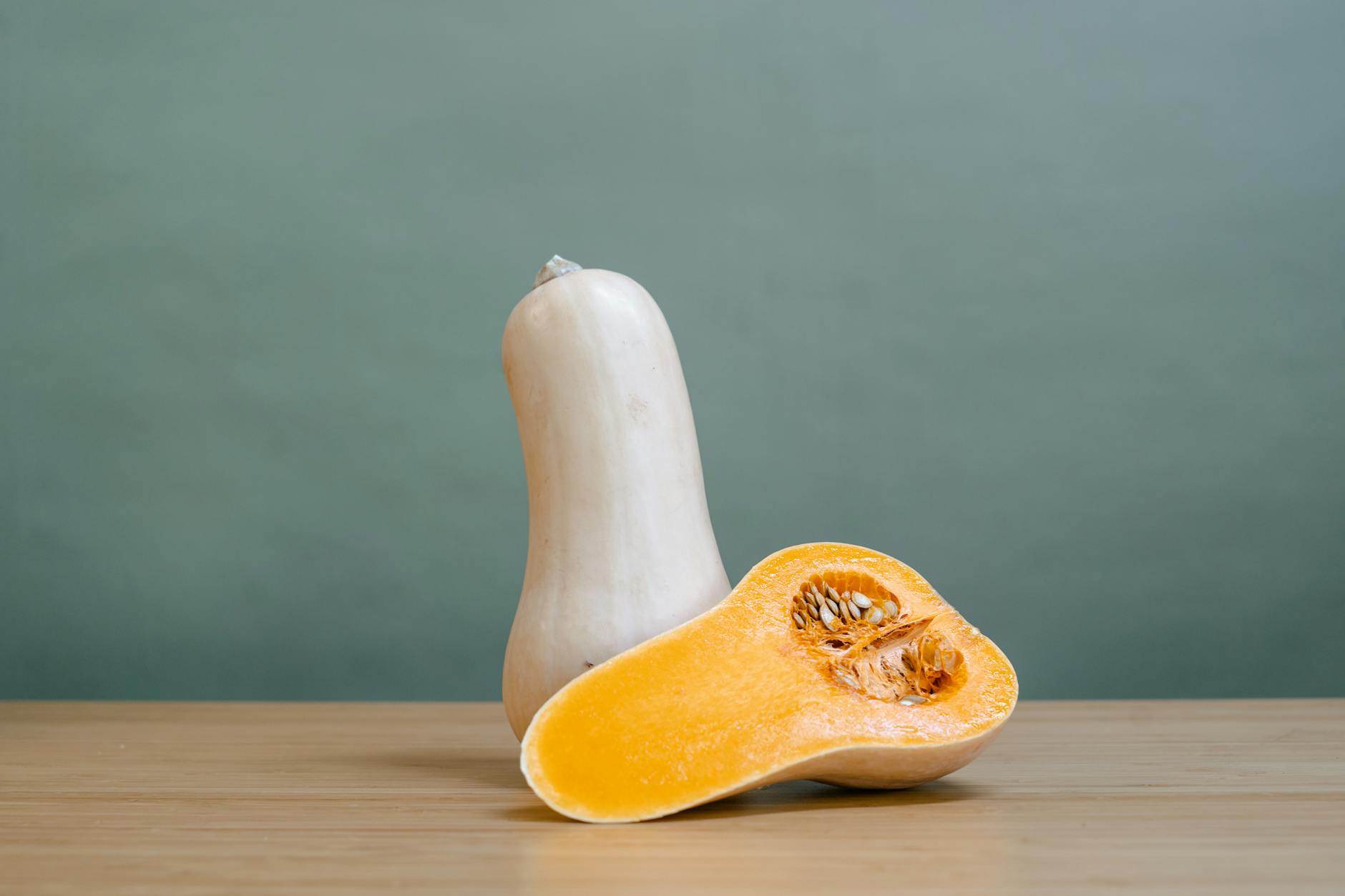
Butternut squash, acorn squash, spaghetti squash and other hard-skinned winter squashes are cured vegetables whose intact exterior protects them from spoilage for months under proper storage conditions that a refrigerator actively undermines. The curing process that prepares winter squash for long-term storage involves drying and hardening of the skin at temperatures between 80 and 85 degrees Fahrenheit, and the moisture of a refrigerator degrades this protective barrier, allowing mold and bacterial penetration that reduces rather than extends the squash’s useful life. Whole uncut winter squash stored in a cool dry location at room temperature or in a slightly cool pantry between 50 and 60 degrees Fahrenheit will maintain its quality for two to six months depending on variety, a longevity that makes it one of the most economically efficient vegetables available for household purchase. The refrigerator does not provide the appropriate temperature for whole winter squash storage because 35 to 38 degrees is below the threshold at which chilling injury to the flesh becomes a concern for extended storage periods. Cut winter squash is appropriately refrigerated in an airtight container for up to five days and represents one of the practical exceptions to the general rule about this vegetable family.
Melons
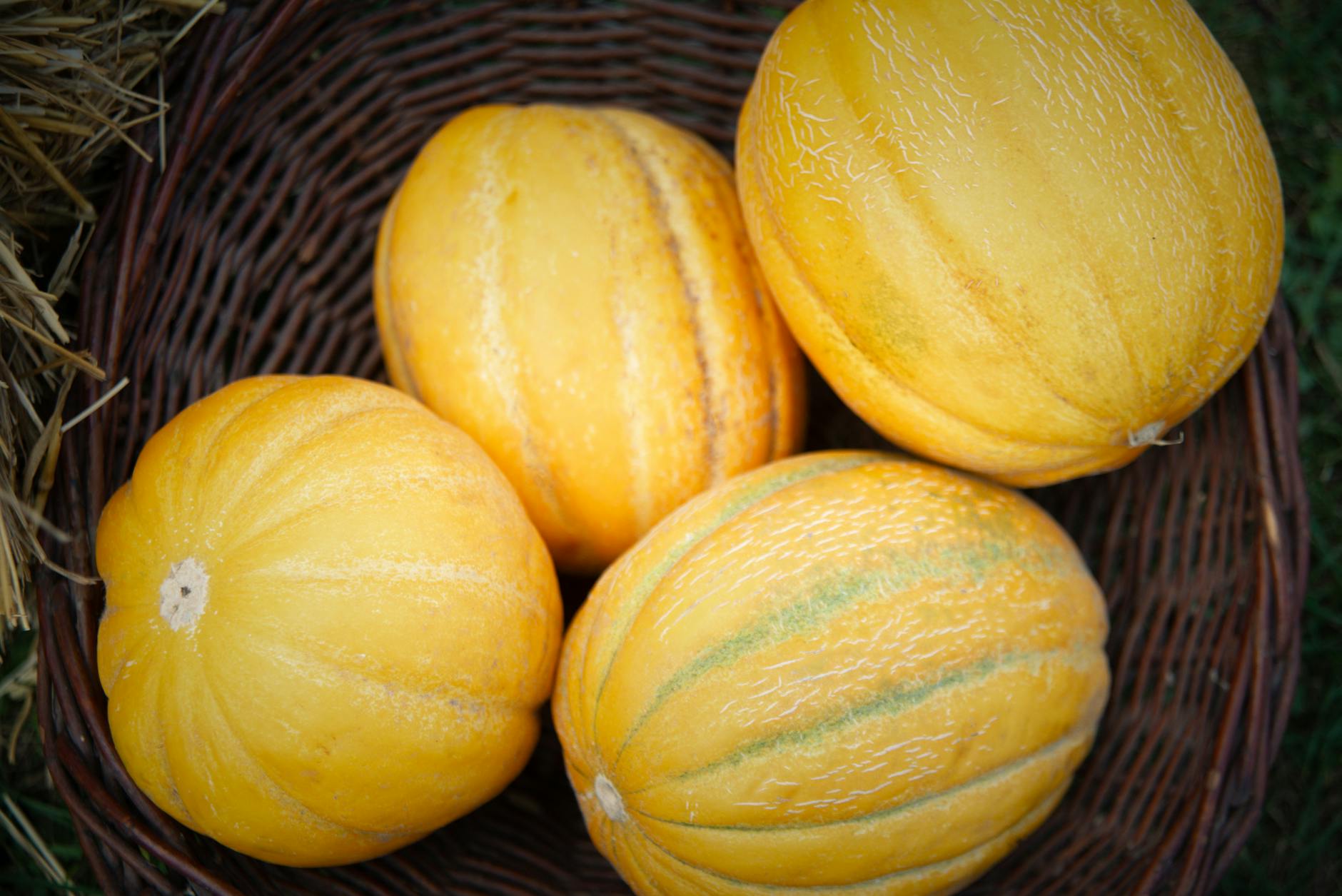
Whole uncut melons including watermelon, cantaloupe and honeydew store best at room temperature where they continue to develop their antioxidant content and aromatic flavor compounds until they reach peak ripeness in a way that refrigeration prevents. Research from the USDA found that watermelons stored at room temperature contained significantly higher levels of lycopene and beta-carotene than refrigerated melons, demonstrating that the nutritional development of these fruits actively continues after harvest and requires appropriate temperature conditions to complete. A whole melon on the countertop away from direct heat and sunlight will ripen evenly and develop its full sweetness and fragrance over several days to a week, providing a clear sensory signal of perfect ripeness that a refrigerated melon never achieves because cold storage halts the development process. Once cut, melons should be wrapped tightly and refrigerated where the cold temperature prevents the rapid multiplication of bacteria that the high sugar and water content of exposed melon flesh strongly supports. The common practice of refrigerating a whole uncut melon to have it cold and ready to serve sacrifices a meaningful portion of its flavor and nutritional development for the convenience of a chilled eating temperature that can be achieved with a brief refrigeration after cutting.
Eggs in Some Countries
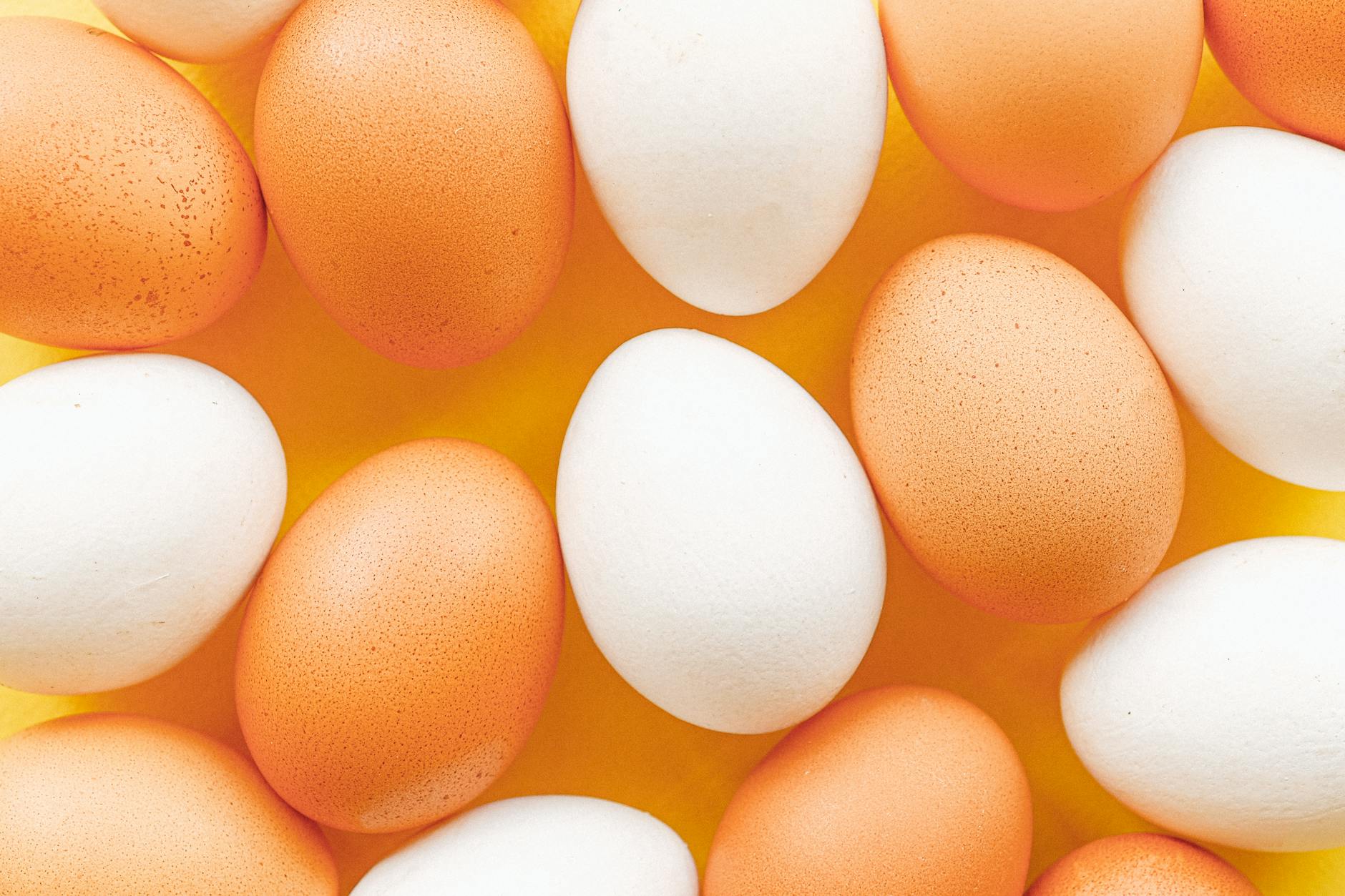
The question of whether eggs belong in the refrigerator is one of the most regionally variable food storage debates in the world and reflects a genuine difference in food safety practice between countries that wash eggs before sale and those that do not. In the United States, commercial eggs are washed during processing to remove surface contaminants including salmonella, but this washing also removes the natural bloom or cuticle coating on the eggshell that acts as a barrier against bacterial penetration, making refrigeration necessary to compensate for the lost protection. In most of Europe, the United Kingdom, Australia and many other countries, eggs are not commercially washed and retail with their natural bloom intact, allowing them to be stored safely at room temperature for several weeks without refrigeration risk. Consumers purchasing unwashed eggs from local farms or farmers markets in countries where commercial washing is standard are in a similar position to European consumers and can store those eggs at room temperature provided they have not been washed before purchase. The refrigerator shelf life advantage of cold-stored eggs is real and significant in the washed egg context, meaning this is one food storage decision where the correct answer genuinely depends on the source and handling history of the specific eggs being stored.
Citrus Fruits

Oranges, lemons, limes and grapefruits stored in a refrigerator undergo texture and flavor changes that reduce their quality below what proper room temperature storage produces, with the cold air drawing moisture from the peel and beginning a drying process that extends inward to the fruit flesh over time. The volatile aromatic oils concentrated in citrus peel that contribute to the fragrance and flavor of both the zest and the juice are suppressed at refrigerator temperatures in the same way that cold storage suppresses aromatic compounds in tomatoes and stone fruits. Whole citrus stored in a cool dry location at room temperature away from direct sunlight maintains its quality and juiciness for one to two weeks, with thicker-skinned varieties like oranges and grapefruits lasting longer than thin-skinned limes. The practical exception is citrus that will not be used within that window, for which refrigeration in the crisper drawer with moderate humidity provides a worthwhile extension of usable life despite the quality trade-off. Citrus purchased in large quantities from warehouse stores or when on sale is a genuine candidate for refrigeration given the volume and timeline involved, representing a practical compromise between ideal quality and waste prevention.
Pumpkin Seeds and Nuts
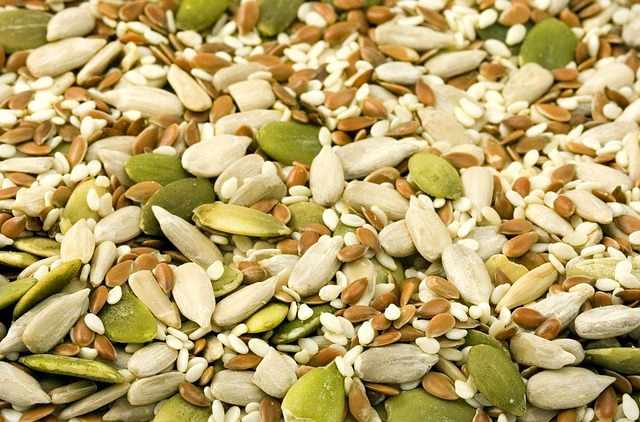
Raw nuts and seeds stored in the refrigerator do benefit from cold temperatures in terms of preventing rancidity of their polyunsaturated fat content, but the moisture and odor absorption that occur in a refrigerator without airtight containment produce off-flavors in a shorter time than the fats would have taken to turn rancid in proper room temperature storage. The key variable in nut and seed storage is not temperature but rather protection from light, oxygen and moisture, all of which accelerate oxidation of the fragile fats in these foods and produce the bitter and unpleasant flavor associated with rancidity. Nuts and seeds stored in airtight containers in a cool dry pantry away from light sources will maintain their quality for several months for most varieties, making refrigeration unnecessary for normal household consumption rates. Large quantities purchased in bulk that exceed several months of consumption are genuinely well served by freezer storage in airtight containers, where the combination of cold and oxygen exclusion provides the maximum protection against fat oxidation available in a domestic setting. The open bowl of mixed nuts left on a counter or in a loosely covered container in a refrigerator represents the worst of both storage worlds, combining oxygen exposure with moisture absorption to accelerate the very deterioration the refrigerator placement was intended to prevent.
Cooking Oils

Cooking oils stored in a refrigerator are subject to solidification and cloudiness that ranges from inconvenient for liquid oils like olive oil to essentially complete solidification for coconut oil, requiring warming before use in a way that adds friction to the cooking process without providing meaningful preservation benefit for most oil types. The primary enemies of cooking oil quality are heat, light and oxygen rather than temperature, and oils stored in dark glass bottles or opaque containers in a cool pantry away from the heat of a stovetop are adequately protected from the oxidative rancidity that appropriate storage seeks to prevent. Extra virgin olive oil stored in a dark cool pantry will maintain its quality for 18 to 24 months from harvest date, a timeline that exceeds the consumption rate of all but the most infrequent cooks without any refrigeration. Nut oils including walnut, hazelnut and flaxseed oil that have much higher concentrations of unstable polyunsaturated fats do benefit from refrigeration once opened because their susceptibility to oxidation is dramatically higher than that of olive or vegetable oils and their consumption rate in most kitchens is lower. The general rule of storing oils in darkness at room temperature applies to the majority of cooking oils used in regular kitchen practice, with refrigeration reserved for highly unstable specialty oils used occasionally.
Chocolate
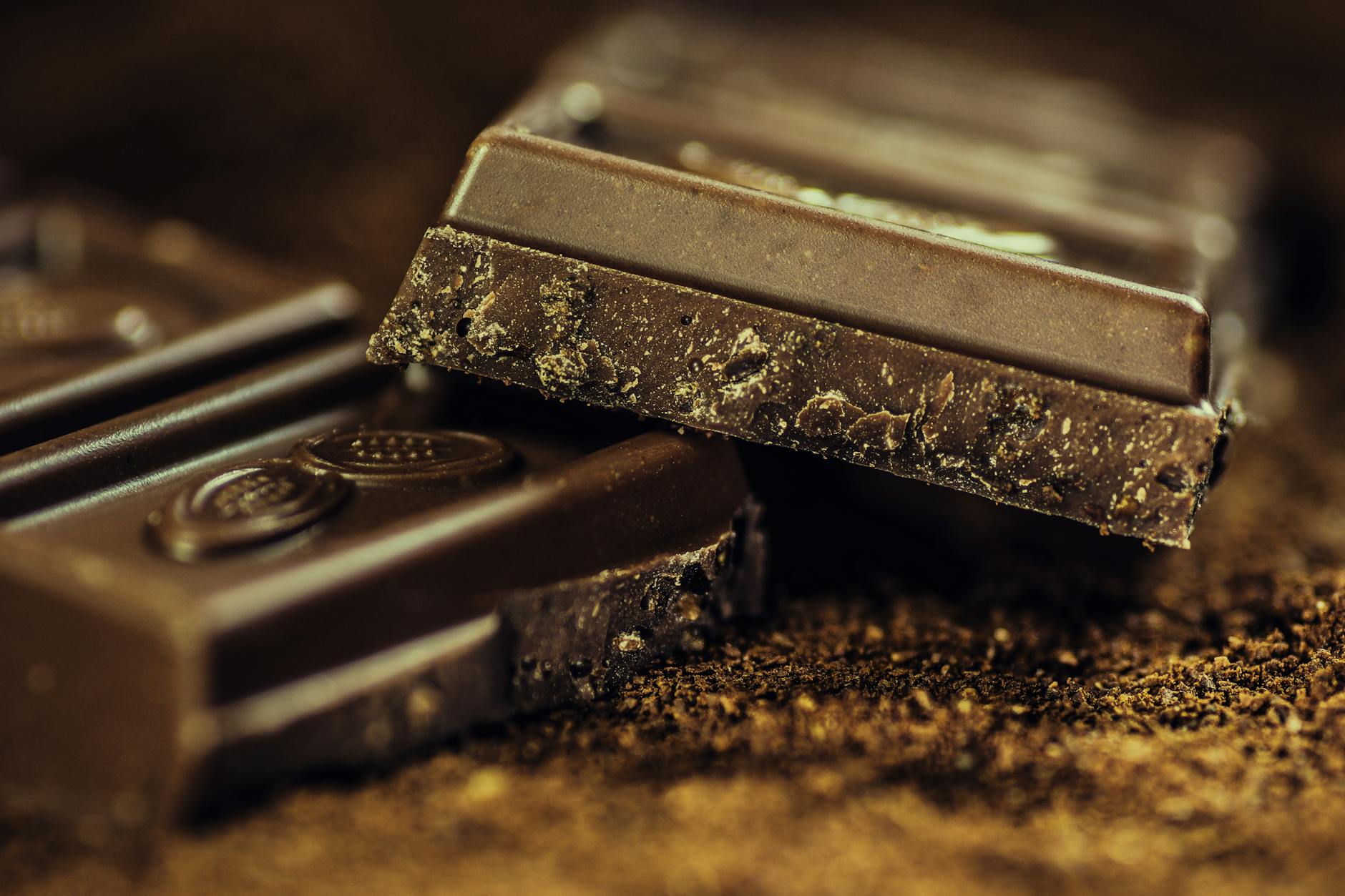
Chocolate stored in a refrigerator is subject to fat bloom, a process in which the cocoa butter crystals in chocolate migrate to the surface and recrystallize as a white or grey powdery coating that affects the appearance and snap of the chocolate without causing spoilage. The refrigerator also creates sugar bloom in chocolate when condensation forms on the surface during the transition from cold to room temperature, dissolving surface sugar that recrystallizes as the moisture evaporates and creating a grainy surface texture that alters the mouthfeel of what was originally a smooth chocolate. Both forms of bloom are cosmetic and do not make the chocolate unsafe to eat, but they do compromise the eating quality of a product that was carefully tempered to produce a specific texture and appearance. Chocolate stored in a cool dry location at temperatures between 60 and 70 degrees Fahrenheit in an airtight wrapper or container will maintain its quality for months for dark chocolate and several weeks for milk and white chocolate without any refrigeration. High humidity environments where room temperature storage may be problematic can justify refrigerator storage in a very tightly sealed airtight container that prevents moisture contact, but the container must be left sealed and the chocolate allowed to return fully to room temperature before opening to prevent condensation damage.
Jam and Preserves
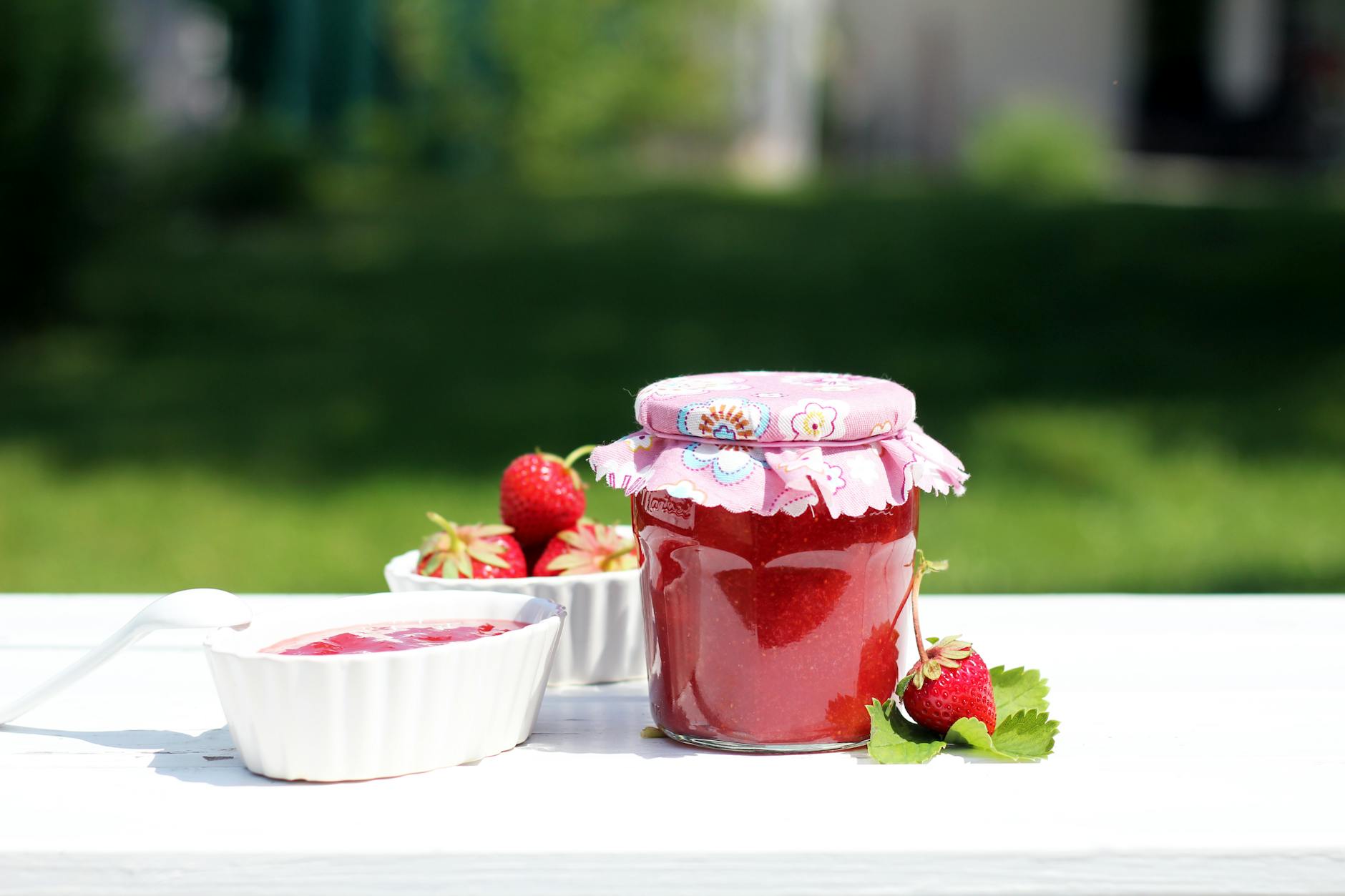
Commercially produced jam and preserves that have been heat-processed and vacuum sealed contain sugar concentrations and acid levels high enough to inhibit microbial growth at room temperature, making refrigeration unnecessary before a jar is opened and largely a matter of personal preference rather than food safety necessity after opening. The sugar content of commercial jam typically exceeds 55 to 60 percent, a concentration that creates an environment hostile to bacterial and yeast growth regardless of temperature, and the combination of this sugar level with the acidity of fruit preserves is what makes traditional preservation effective without refrigeration. An opened jar of commercial jam stored in a refrigerator will maintain its quality for one to three months, but the same jar stored in a cool dry pantry away from direct light will remain safe and flavorful for several weeks after opening, particularly in households where the jar is used consistently and the lid is replaced immediately after each use. Homemade jams without the standardized sugar and acid levels of commercial products represent a different food safety calculation and are more appropriately refrigerated after opening. The near-universal habit of refrigerating jam after opening is a combination of learned behavior and excessive caution rather than a food safety necessity for the correctly processed commercial products that represent the majority of household jam consumption.
Soy Sauce and Fish Sauce
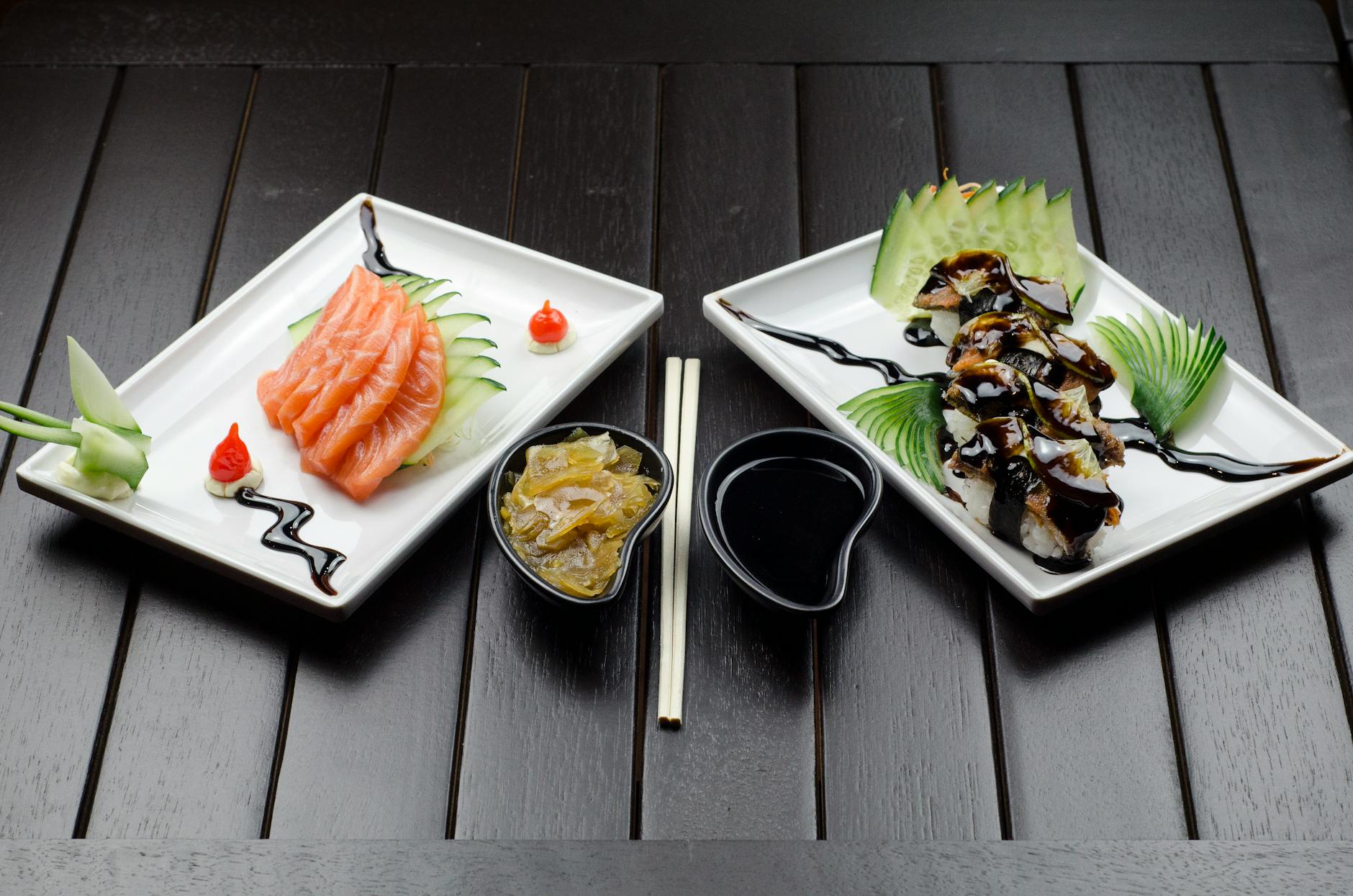
Soy sauce and fish sauce are fermented condiments with salt concentrations typically exceeding 15 percent and pH levels that together create conditions hostile to the bacterial growth that refrigeration is designed to prevent, making cold storage unnecessary for safety and counterproductive for the flavor experience these condiments provide. Soy sauce stored at room temperature in a sealed bottle will maintain its quality for several months after opening without developing any safety concerns, and the complex fermented flavor compounds that give quality soy sauce its depth are better expressed at room temperature than cold. Fish sauce with its very high salt content and low pH has a similarly robust resistance to microbial spoilage at room temperature and does not require refrigeration for safety in normal household use patterns where the bottle is consumed within several months of opening. The occupation of valuable refrigerator space by these shelf-stable condiments is one of the most common examples of refrigerator overcrowding that reduces airflow and efficiency throughout the appliance. Reviewing condiment refrigerator habits and moving stable fermented sauces to pantry storage frees meaningful refrigerator space while producing no reduction in the safety or quality of those condiments.
Dried Pasta and Rice
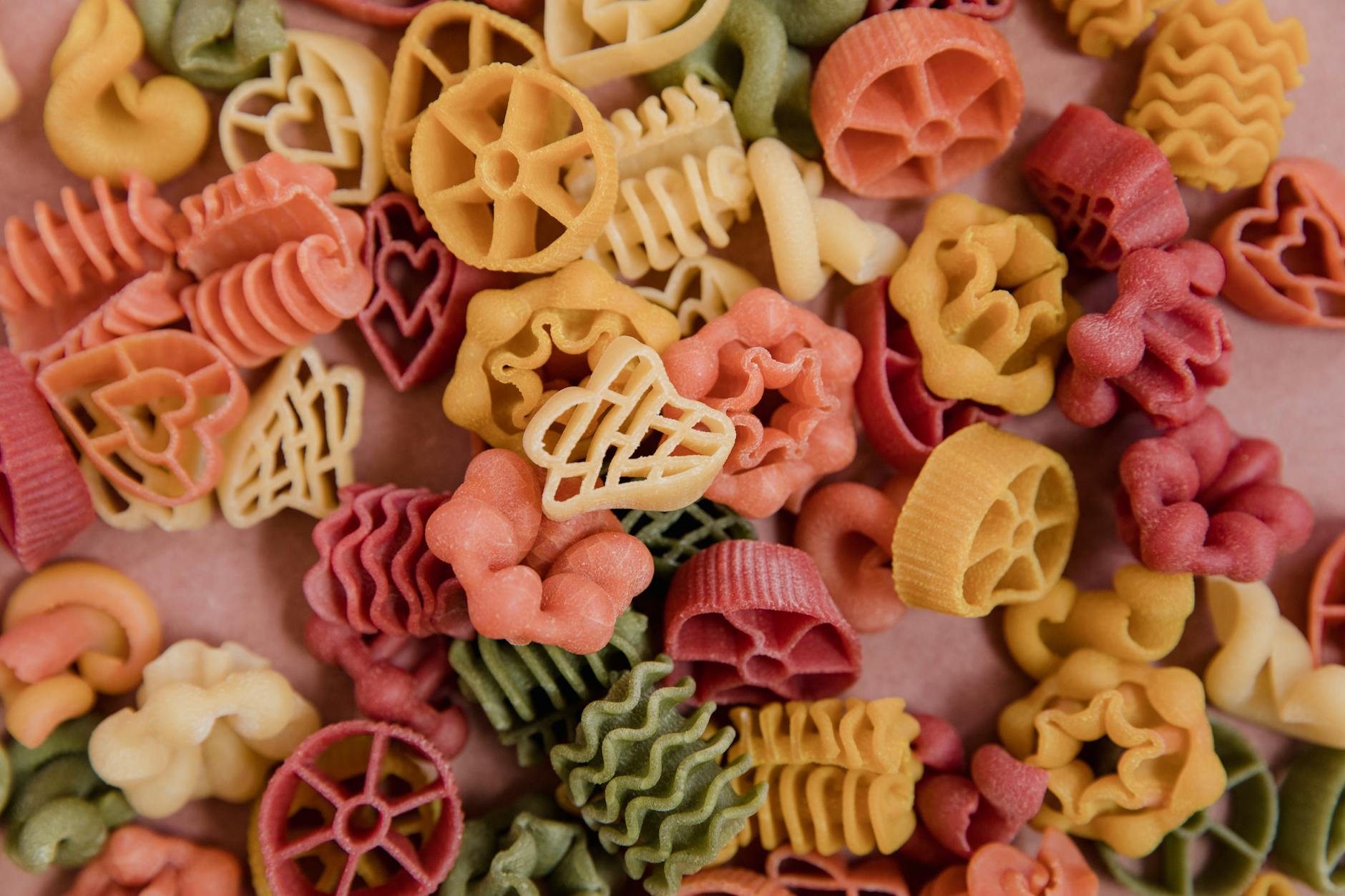
Dried pasta and uncooked rice stored in a refrigerator are exposed to the humidity that accelerates the absorption of moisture into these dry starches, promoting the clumping, texture change and in the case of rice the potential for weevil survival that appropriate dry storage prevents. The low moisture content that makes dried pasta and rice shelf-stable for one to three years under proper conditions is compromised by refrigerator humidity in a way that shortens rather than extends their useful life without providing any compensating food safety benefit. Dry storage in airtight containers in a cool pantry away from heat sources provides the optimal environment for dried pasta and rice, maintaining the low moisture content on which their exceptional shelf stability depends. The pantry airtight container approach also protects against the pest infiltration that is the primary practical threat to long-term dry grain and pasta storage in most household environments. Cooked pasta and rice are an entirely different matter and represent one of the more important refrigerator items for food safety reasons, requiring refrigeration within two hours of cooking and consumption within three to four days to avoid the Bacillus cereus toxin risk that reheated rice in particular is well documented to present.
Hot Sauce
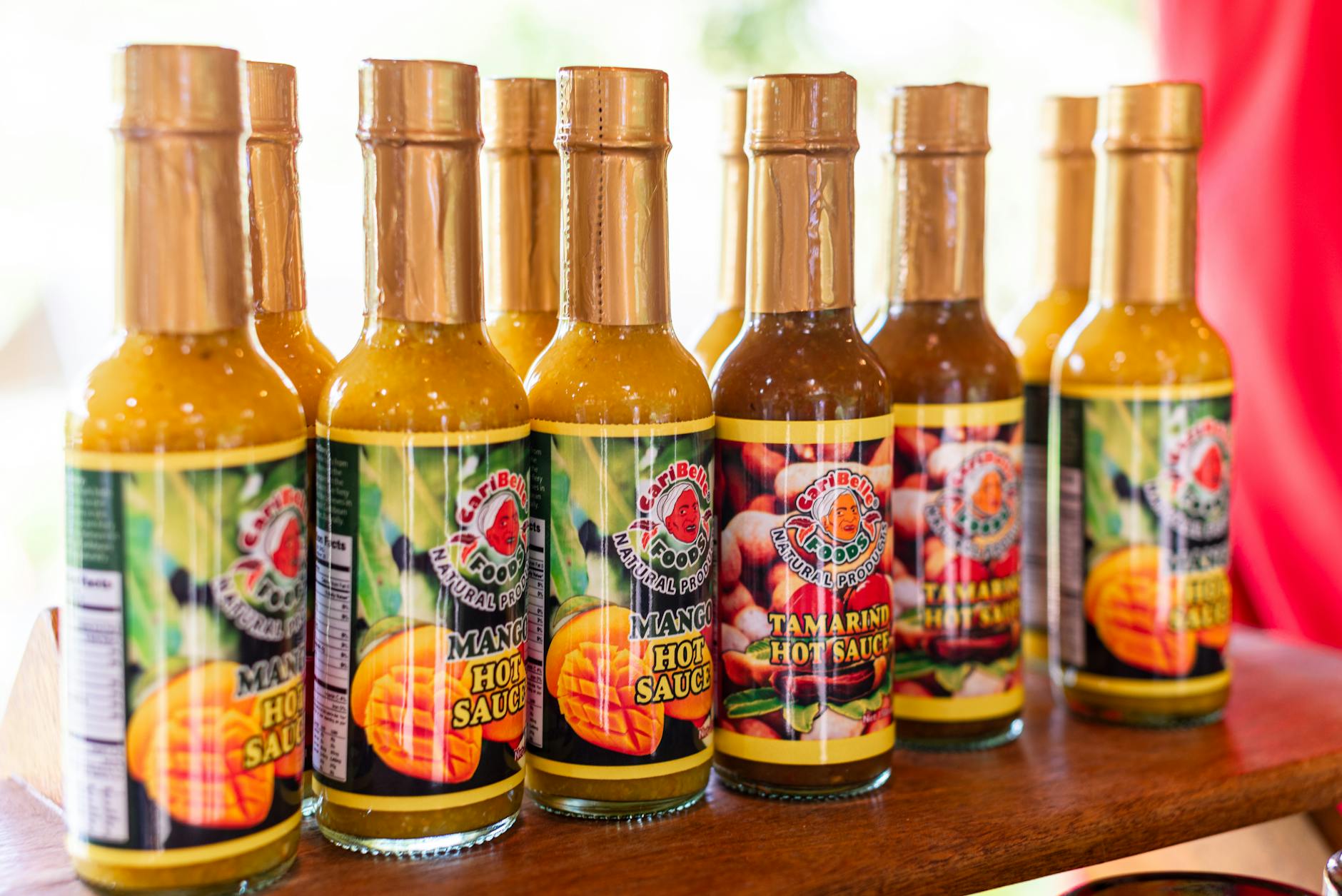
Most commercial hot sauces contain vinegar, salt and chili peppers in combinations that create an acidic, high-salt and often high-capsaicin environment that is effectively self-preserving at room temperature for periods well exceeding typical household consumption cycles. The pH of vinegar-based hot sauces typically falls well below the 4.6 threshold at which pathogenic bacterial growth is inhibited, and the combination of this acidity with the salt content provides redundant preservation that does not require the supplemental protection of refrigeration for safety. Hot sauce stored at room temperature will maintain its flavor and heat level for six to twelve months after opening in most formulations, with the vibrant and fresh pepper flavor that many hot sauce enthusiasts prize better expressed at room temperature than cold. Fermented hot sauces without vinegar as a primary preservative have a somewhat different profile and benefit more from refrigeration after opening to slow the ongoing fermentation that would otherwise continue to develop the flavor in directions that may not align with the consumer’s preference. The refrigerator door shelf occupied by multiple hot sauce bottles in most kitchens represents space that could be returned to items that genuinely require cold storage with no compromise to the safety or quality of the displaced condiments.
If any of these storage revelations have changed how you think about your own kitchen habits or if you have discovered a food storage insight that transformed your relationship with food waste, share your experience in the comments.




