The natural world is filled with masters of disguise that have spent millions of years perfecting the art of invisibility. From insects that mimic dead leaves to fish that vanish against the ocean floor, animal camouflage is one of evolution’s most extraordinary achievements. These remarkable adaptations serve purposes ranging from predator evasion to ambush hunting, and the diversity of strategies is nothing short of astonishing. Scientists continue to uncover new camouflage techniques that challenge our understanding of animal intelligence and biological engineering.
Mimic Octopus
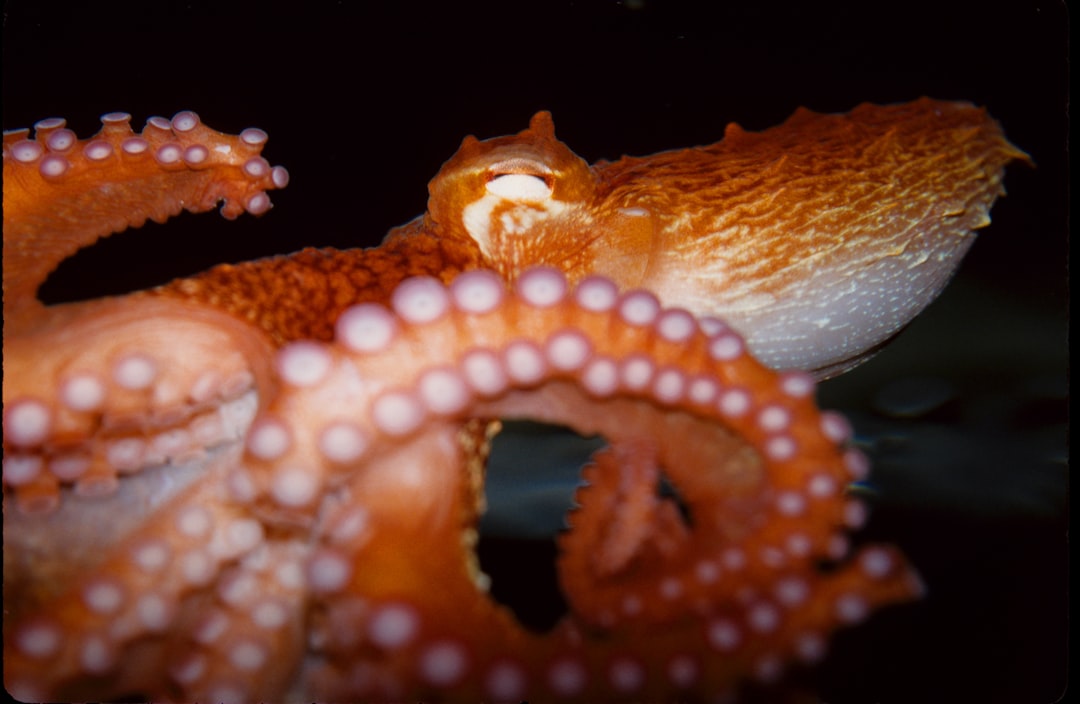
The mimic octopus is widely regarded as the most versatile disguise artist in the entire animal kingdom. Native to the tropical waters of Southeast Asia, this remarkable cephalopod can impersonate more than fifteen different species including lionfish, flatfish, and sea snakes. It selects its mimicry target based on local predators, choosing the most threatening look to deter whichever threat is nearby. Its skin contains specialized cells called chromatophores that allow it to shift color and texture in a matter of seconds. No other known animal combines behavioral mimicry with physical transformation at this level of sophistication.
Leaf-Tailed Gecko
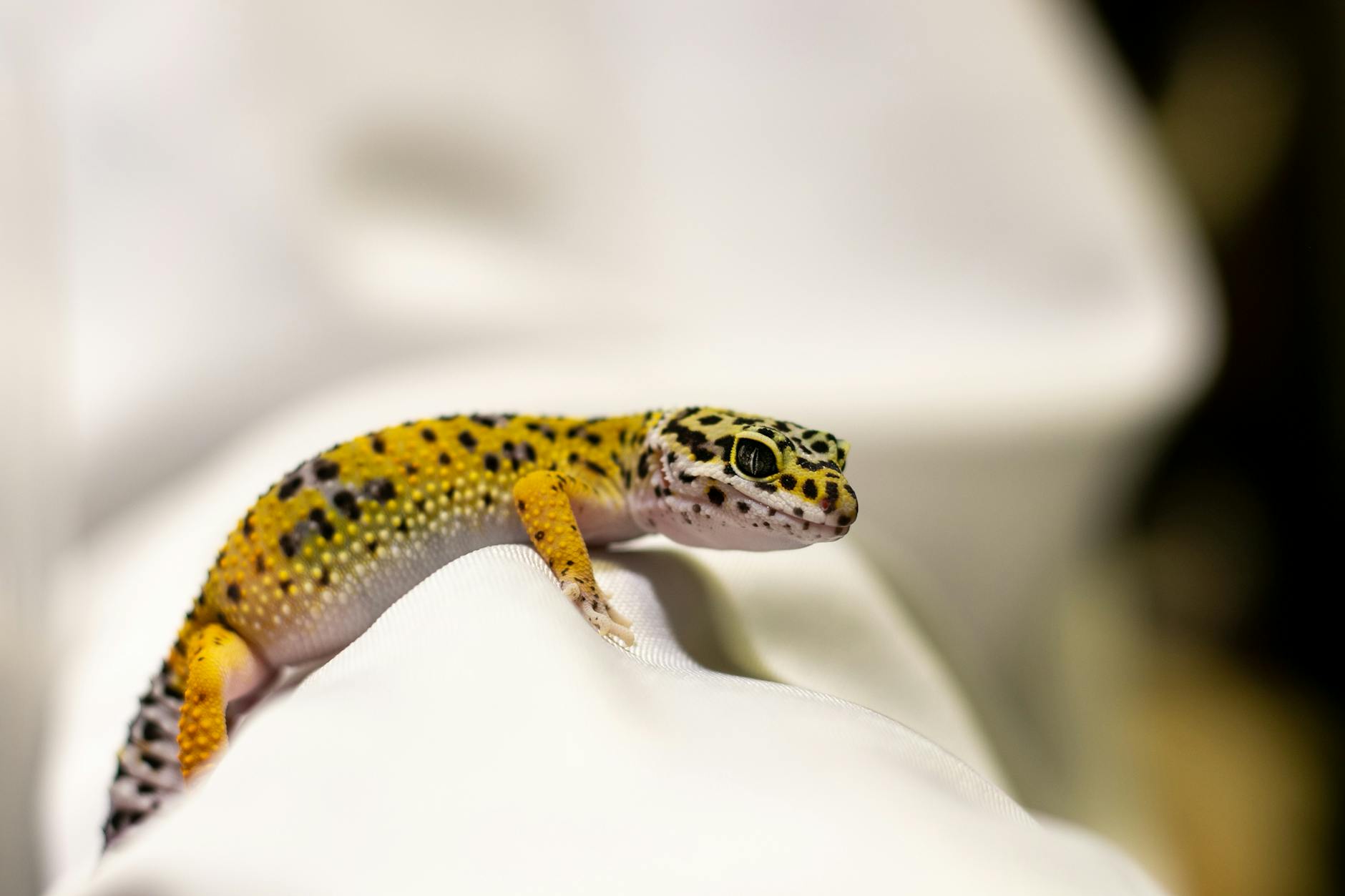
Found exclusively in the rainforests of Madagascar, the satanic leaf-tailed gecko is a textbook example of evolutionary perfection in disguise. Its flattened tail has evolved to look exactly like a dead or decaying leaf, complete with brown patches, curled edges, and vein-like markings. The gecko’s body is covered in rough, mottled skin that blends seamlessly with tree bark and decomposing forest matter. It rests motionless during the day, pressing itself flat against branches to eliminate any telltale shadow. Predators and researchers alike have walked directly past these animals without ever detecting their presence.
Arctic Fox
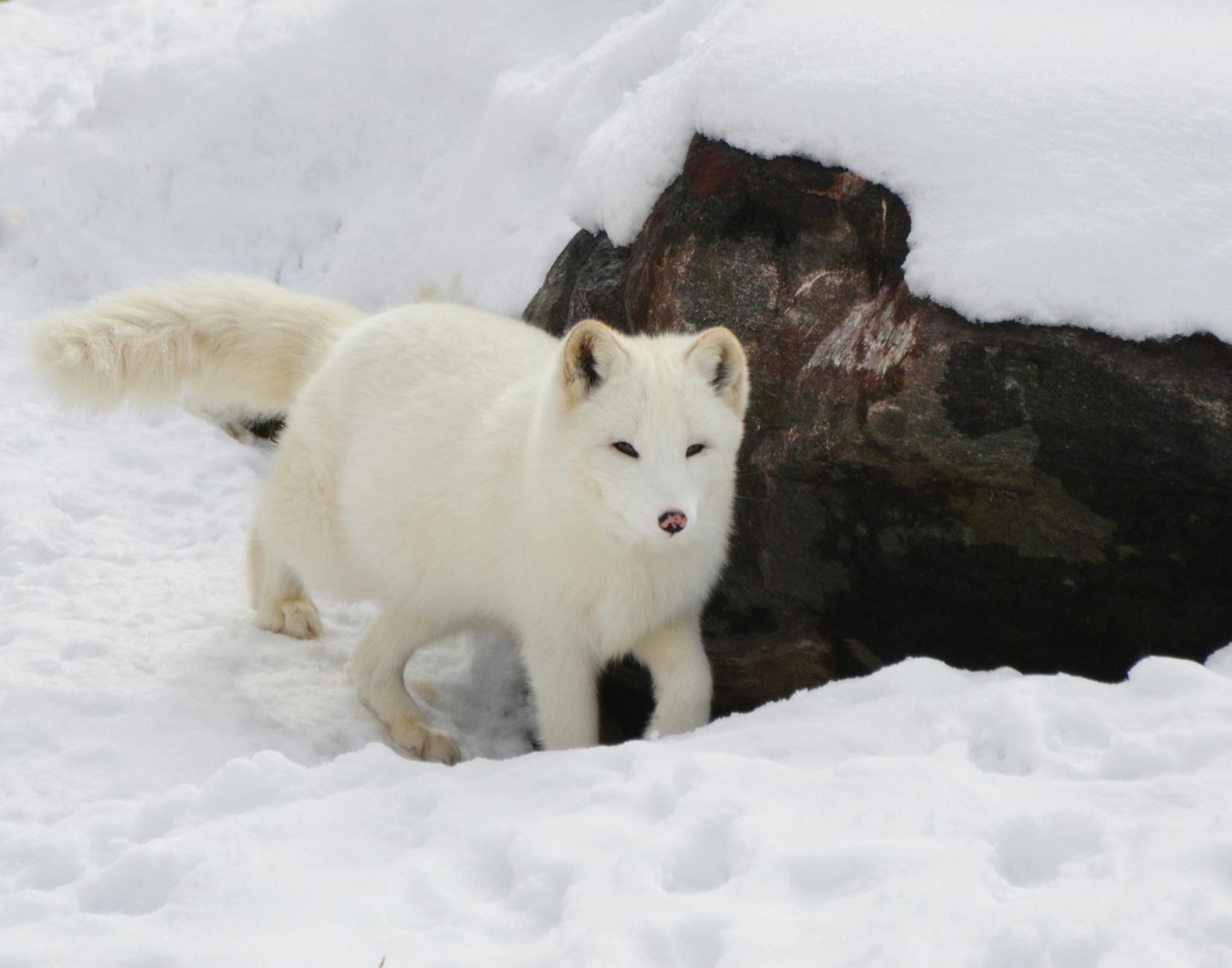
The Arctic fox undergoes one of the most dramatic seasonal camouflage transformations found in any land mammal. During winter, its coat turns a dense, brilliant white that renders it virtually invisible against snow-covered tundra and ice fields. As temperatures rise and snow recedes, the coat shifts to a mottled brown and gray that matches the rocky, patchy summer landscape. This twice-yearly transformation is triggered by changes in daylight hours rather than temperature, making it a remarkably precise biological clock. The adaptation allows the fox to hunt lemmings and birds effectively in both seasons without being detected.
Stick Insect
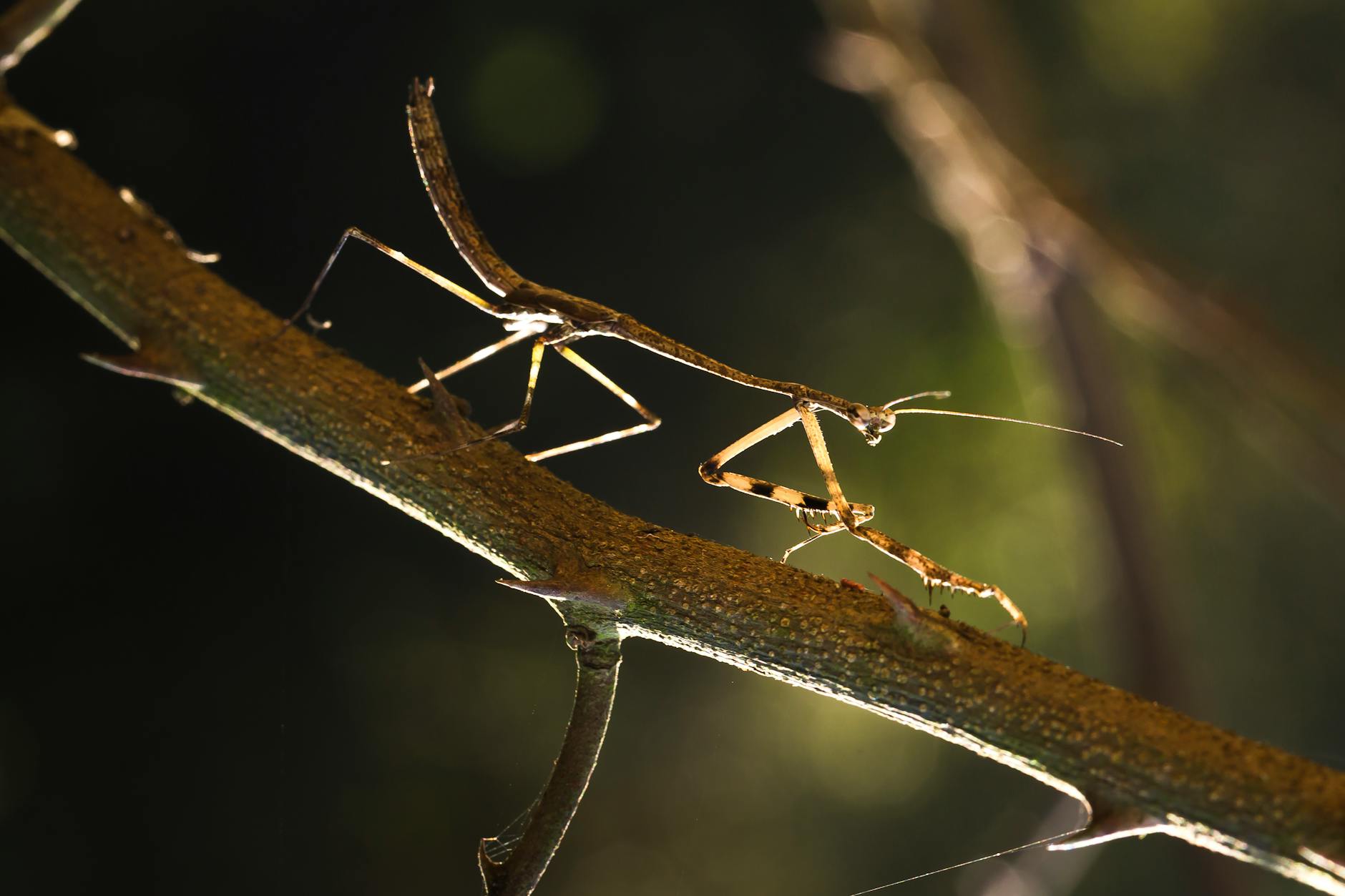
Stick insects represent one of the oldest and most widespread forms of camouflage found in the insect world. With bodies elongated to resemble twigs, branches, or bamboo shoots, these creatures disappear completely into the vegetation they inhabit. Many species also sway gently as they move, mimicking the natural motion of a branch in a light breeze. Some have evolved flattened limbs or leaf-like appendages to enhance the illusion further, making the disguise effective even at close range. There are over three thousand known species, each fine-tuned to the specific plant life of its native habitat.
Cuttlefish
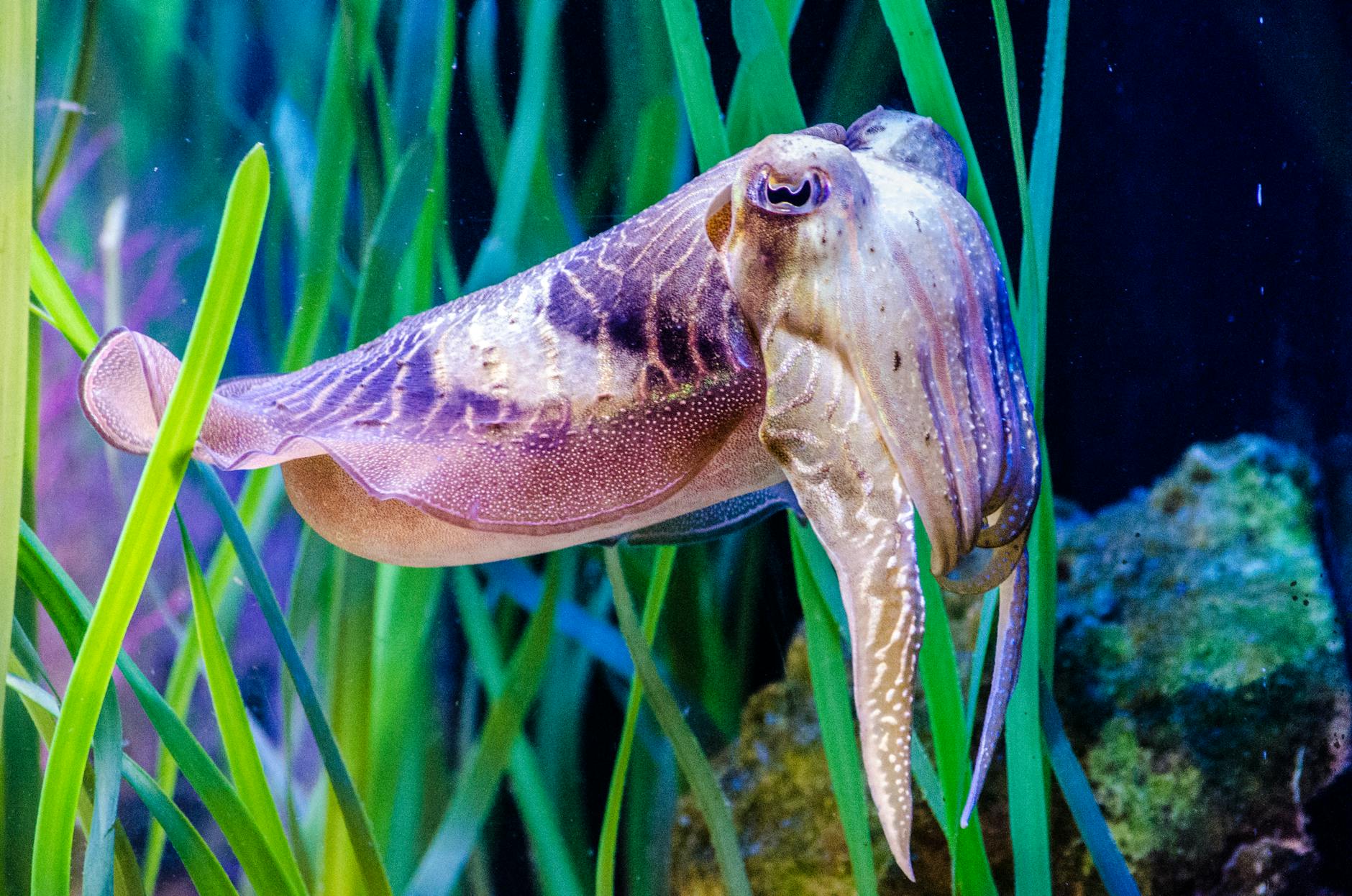
The cuttlefish possesses one of the most advanced and fastest-acting camouflage systems ever studied by scientists. It can alter the color, pattern, texture, and brightness of its skin almost instantaneously using millions of pigment-filled chromatophore cells beneath the surface. What makes this especially remarkable is that cuttlefish are colorblind, meaning they perceive their surroundings through light polarization and brightness rather than visible color. Despite this, they produce near-perfect color matches to their backgrounds, a paradox that continues to puzzle researchers. Their ability to generate moving patterns across their skin is also used for communication with other cuttlefish.
Pygmy Seahorse
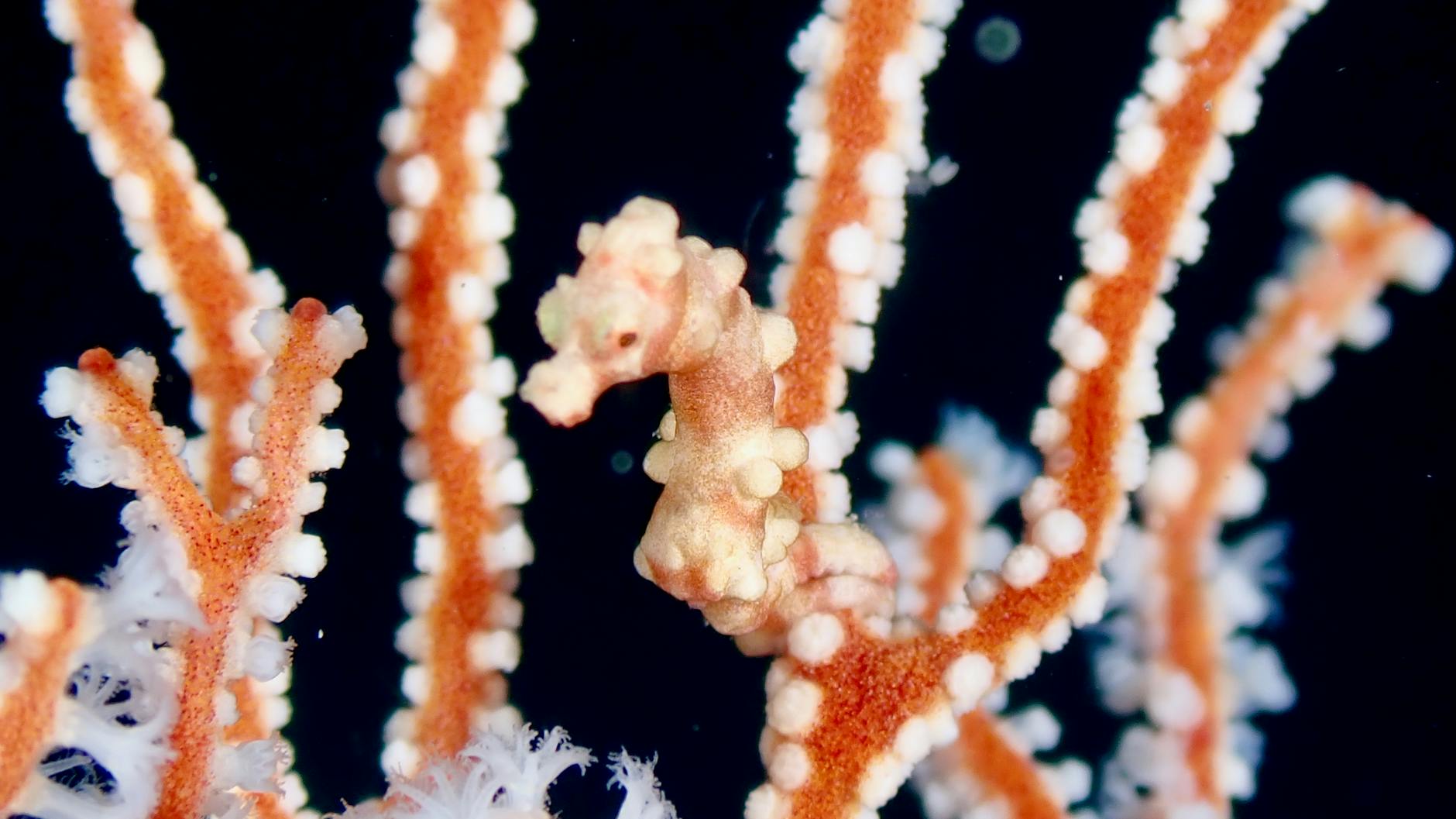
The pygmy seahorse is so perfectly camouflaged that it was only discovered by scientists after one was accidentally brought into a laboratory inside a piece of host coral. These tiny creatures live exclusively on specific species of fan coral and have evolved bodies that precisely replicate the coral’s color, texture, and tubercle patterns. Each seahorse attaches itself to a single coral fan and rarely ventures far, making the match between animal and habitat extremely precise. Their skin even grows small rounded projections that mirror the coral polyps surrounding them. At under two centimeters long, they remain one of the most challenging marine animals to spot in the wild.
Flounder
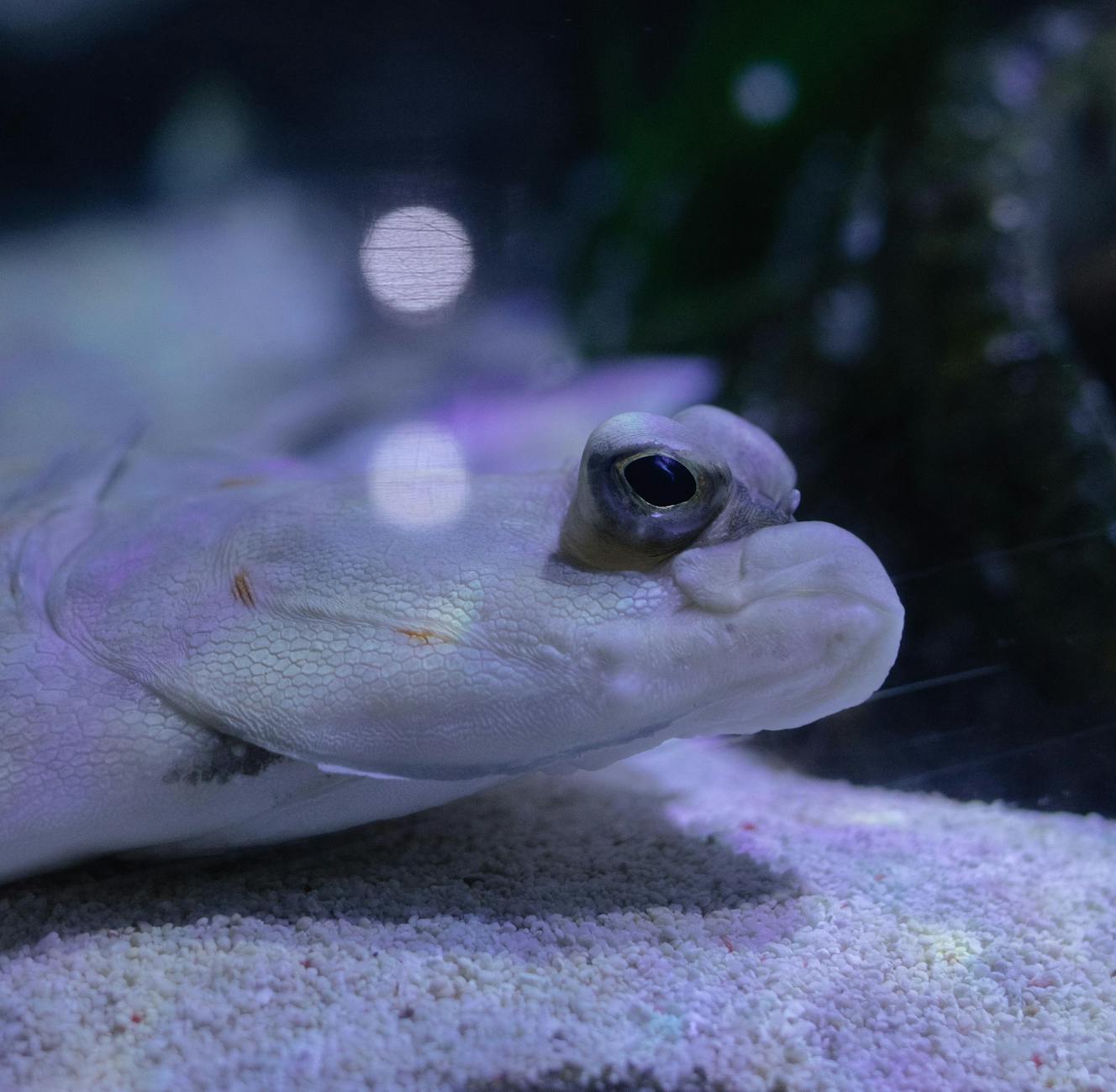
The flounder is a flatfish with an extraordinary ability to match the color, pattern, and texture of the sandy or rocky seafloor beneath it. Within seconds of settling onto a new surface, specialized skin cells begin rearranging pigment to replicate the surrounding substrate in fine detail. Studies have shown that flounders can mimic checkerboard patterns, gravel textures, and fine sand with impressive accuracy. They will also partially bury themselves in sediment to eliminate visible edges that might give away their outline. This combination of active pigment control and physical concealment makes them nearly impossible to detect even in clear, shallow water.
Dead Leaf Mantis
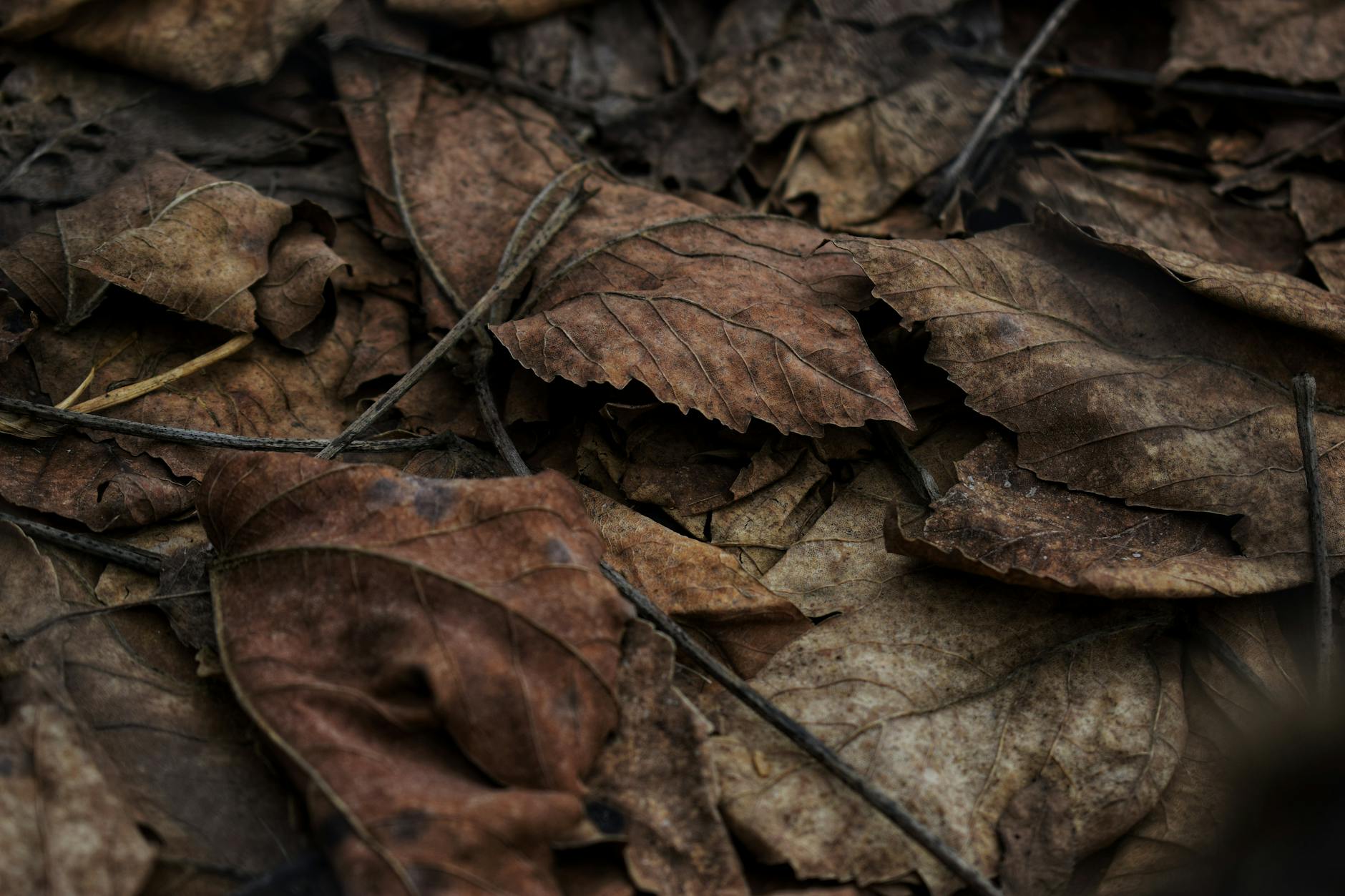
The dead leaf mantis takes its name from its uncanny resemblance to a dried, crumbling leaf lying on the forest floor. Its wings are shaped and veined to mimic the irregular outline of a decaying leaf, complete with brown and yellow tones that deepen as the insect ages. When threatened, it freezes completely and tilts its body to match the angle of surrounding foliage. This stillness is critical to the illusion, as any movement would immediately betray its location. The species is native to tropical forests across Southeast Asia and Africa, where the leaf litter it mimics is found in abundance year-round.
Snowshoe Hare
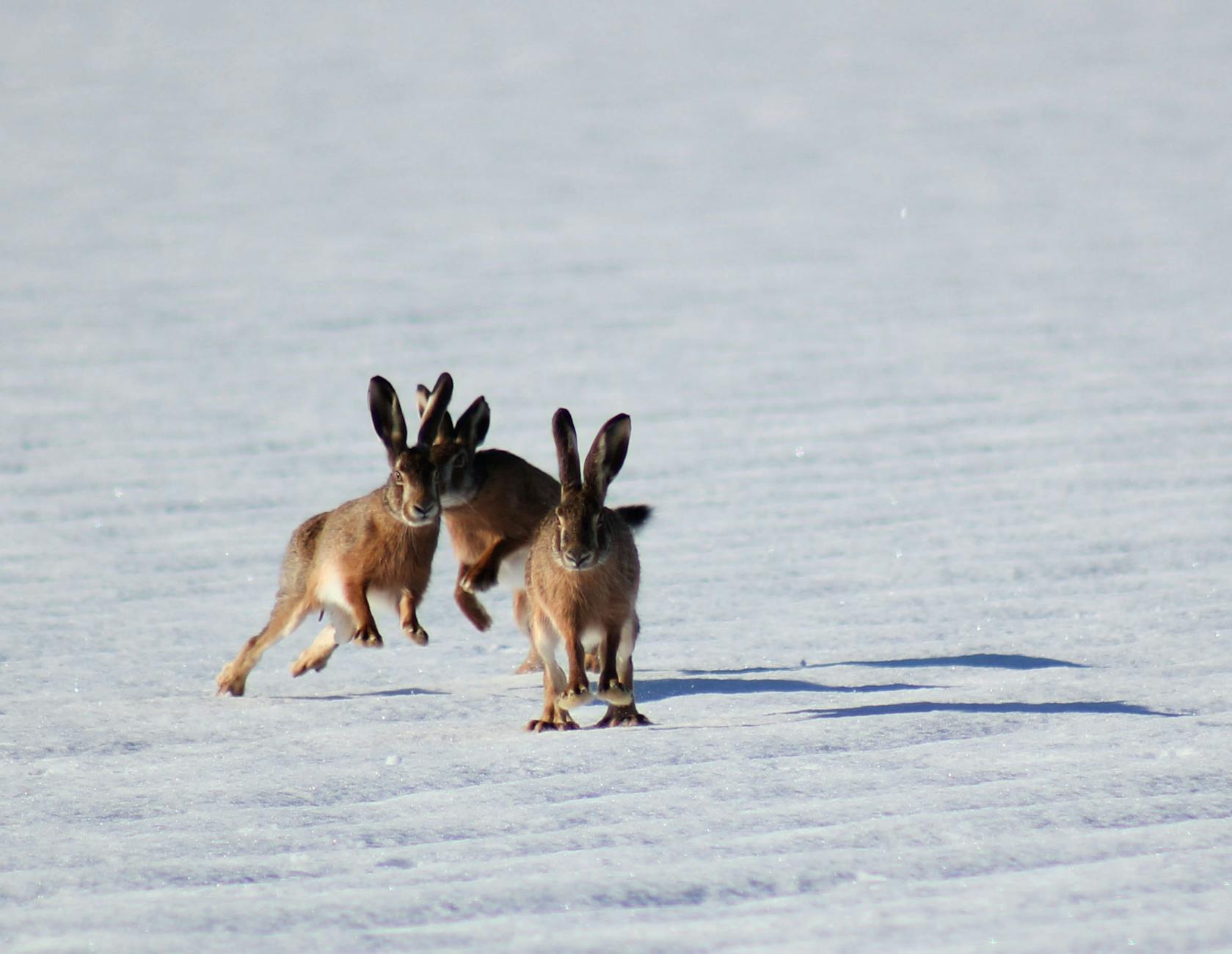
The snowshoe hare undergoes a seasonal coat transformation that closely mirrors the changing landscape of its northern forest habitat. In winter, its fur becomes thick and white, providing near-perfect concealment in snow-covered terrain while also offering insulation against extreme cold. As spring arrives and snow melts, the coat gradually shifts to a reddish-brown that matches the exposed soil, dry leaves, and bare branches of the forest floor. This color change is driven by photoperiod, the amount of daylight the animal receives each day, rather than actual snowfall. In years when snowpack recedes earlier than expected due to climate shifts, the mismatch between coat color and landscape temporarily reduces the hare’s survival advantage.
Uroplatus Lizard
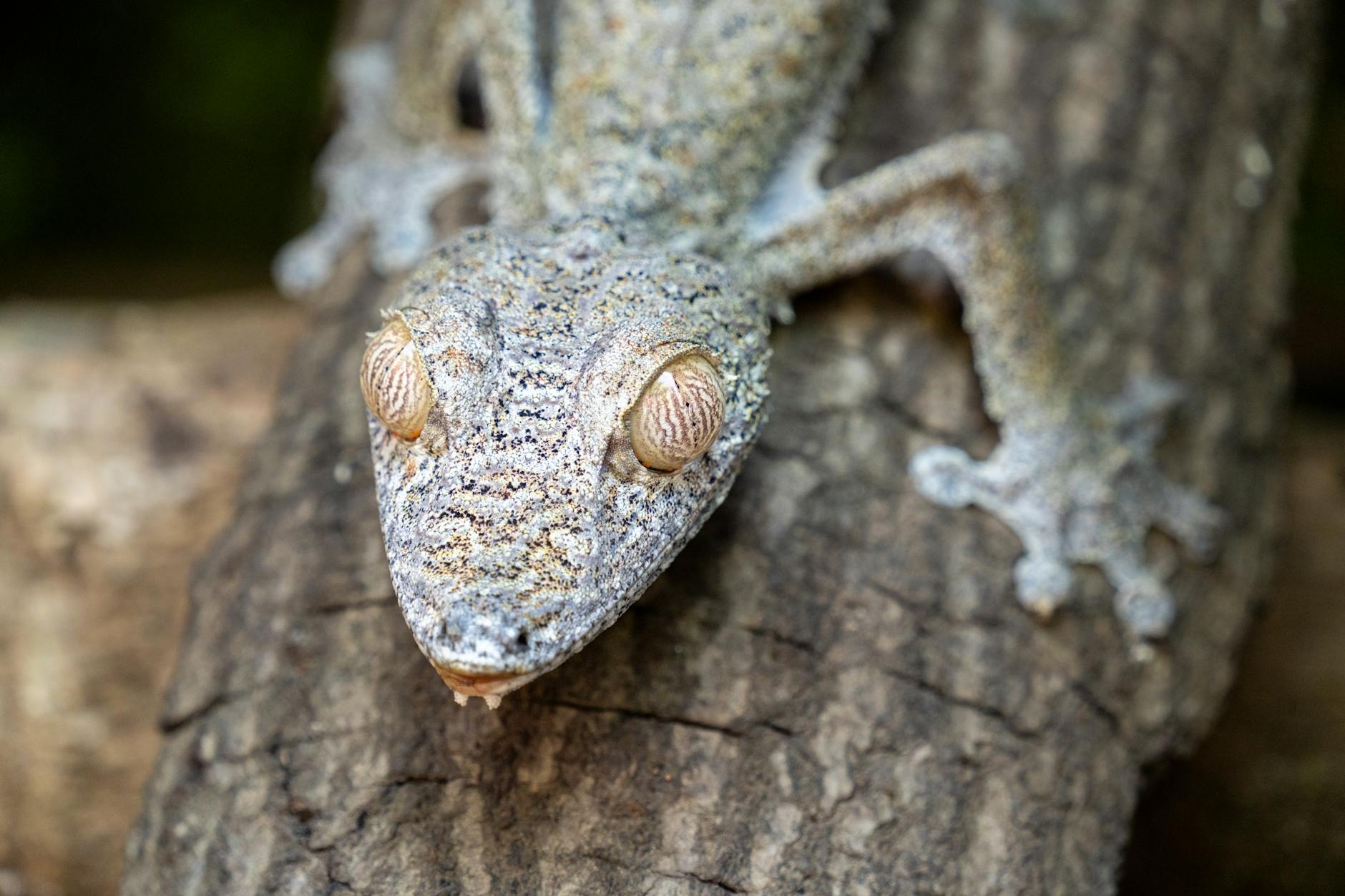
The Uroplatus genus of lizards from Madagascar has developed some of the most elaborate bark camouflage found anywhere among reptiles. Their flattened bodies are edged with dermal flaps called skin fringes that lie flat against tree surfaces, eliminating any shadow that might reveal their presence. Their skin texture and coloring precisely replicate the lichen, moss, and rough bark of the trees they inhabit. Even their eyes are mottled and patterned to break up the recognizable shape of a pupil. Some species have evolved to hang upside down on vertical surfaces, further disrupting visual recognition by appearing as nothing more than an irregular patch of bark.
Orchid Mantis
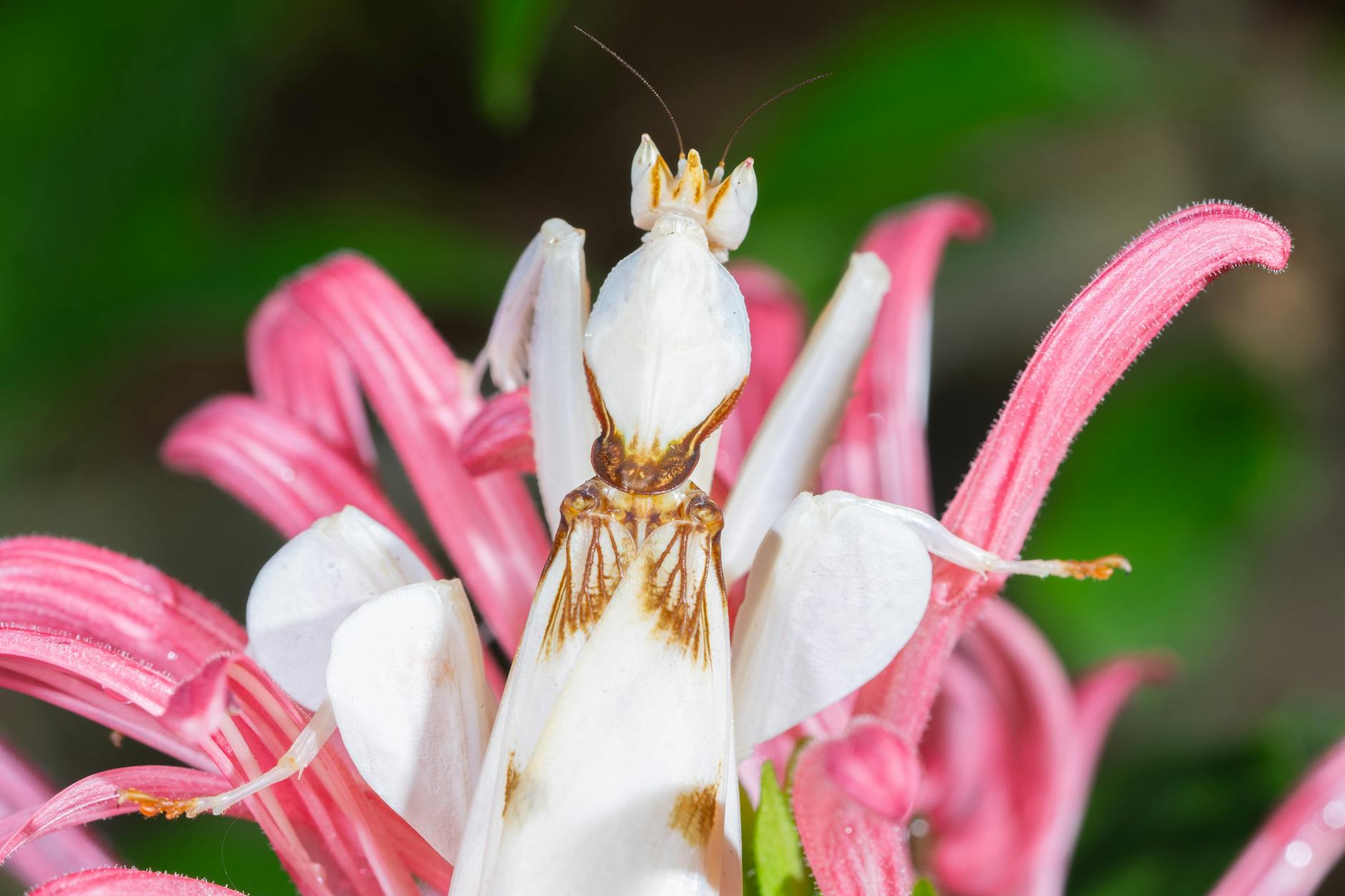
The orchid mantis is one of the most visually striking examples of aggressive mimicry found in any predatory insect. Found in the rainforests of Southeast Asia, it has evolved lobed legs and a pale pink or white body that closely resembles the petals of a tropical flower. Rather than hiding from prey, it uses this appearance to attract pollinators including bees and butterflies, which it then ambushes at close range. Research has shown that the orchid mantis is actually more attractive to some pollinators than real flowers, making its mimicry offensively effective rather than purely defensive. Young mantises are even more vividly colored than adults, suggesting the disguise is most critical in the early, vulnerable stages of life.
Stonefish
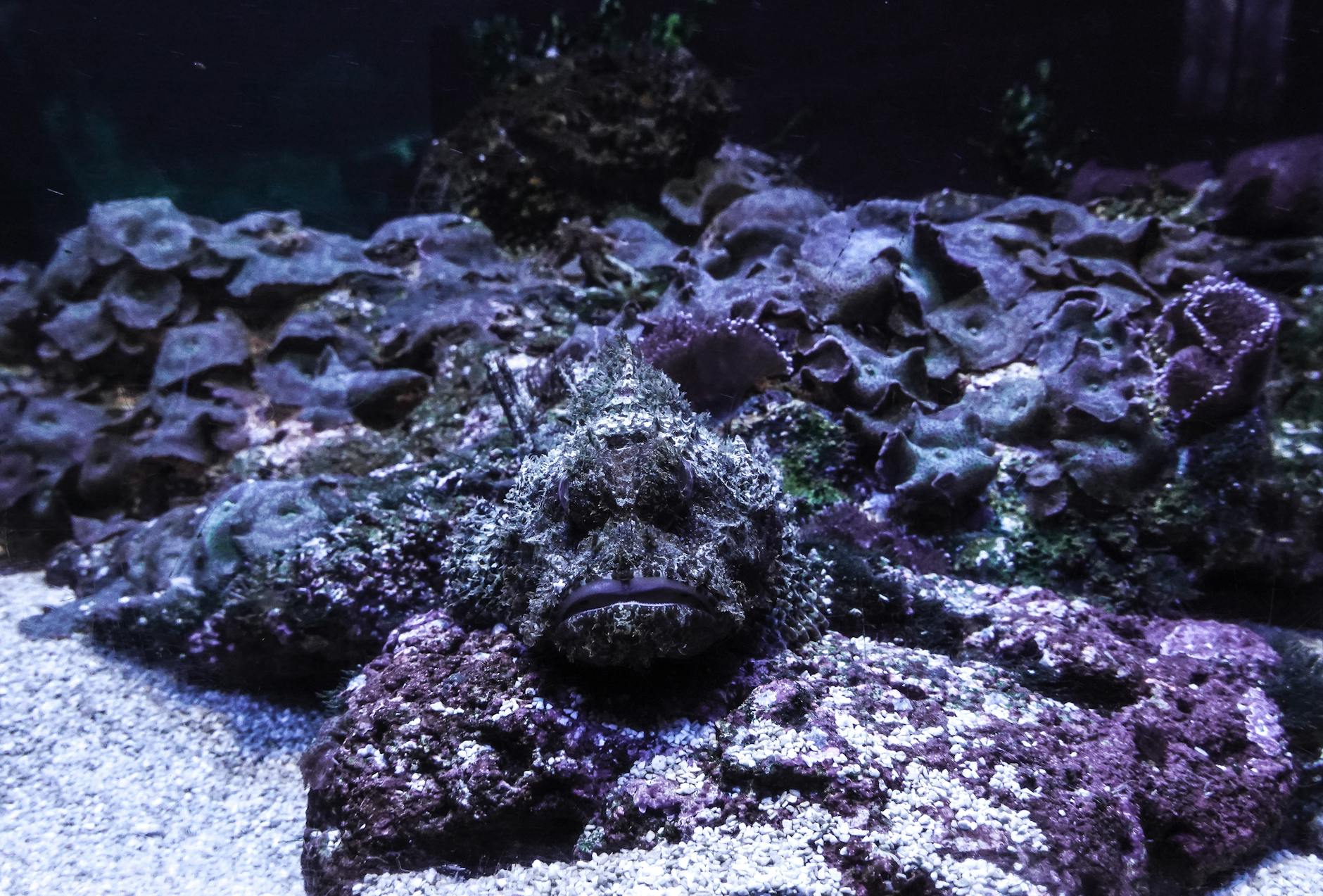
The stonefish holds the dual distinction of being both the world’s most venomous fish and one of its most effective ambush predators through camouflage. Its warty, irregular skin texture and muted brown-gray coloring make it indistinguishable from the encrusted rocks and coral rubble it rests among. The fish remains perfectly still on the seafloor for extended periods, waiting for small fish and crustaceans to swim within striking distance. Its strike is among the fastest of any predatory vertebrate, completing the attack in as little as fifteen milliseconds. The same camouflage that makes it a lethal predator also poses a serious danger to humans who inadvertently step on it in shallow coastal waters.
Toad-headed Agama
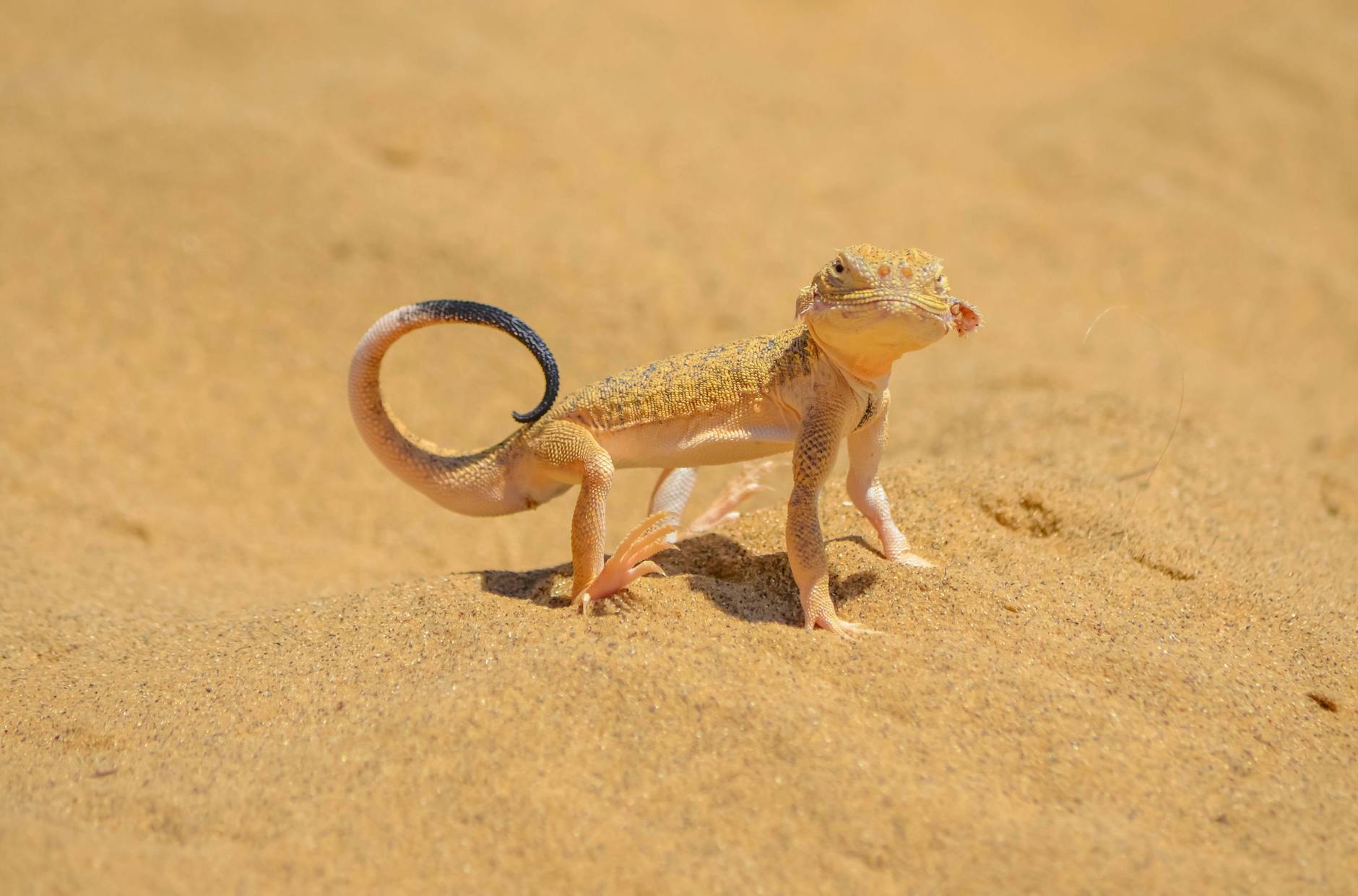
The toad-headed agama is a small lizard native to the arid deserts of Central Asia and the Middle East, where its sandy coloring provides exceptional concealment against bare, sun-baked terrain. Its broad, flat head and compact body minimize its shadow profile, reducing visual cues that might alert predators to its presence. When threatened, it performs a distinctive curling motion with its tail, which researchers believe may function as a threat display or distraction, drawing attention away from its body. The lizard’s scales carry subtle variation in tan, beige, and gray tones that replicate the natural color variation found in desert gravel and sand. It is also known to rapidly vibrate and sink into loose sand as a secondary escape mechanism when camouflage alone is insufficient.
Kallima Butterfly
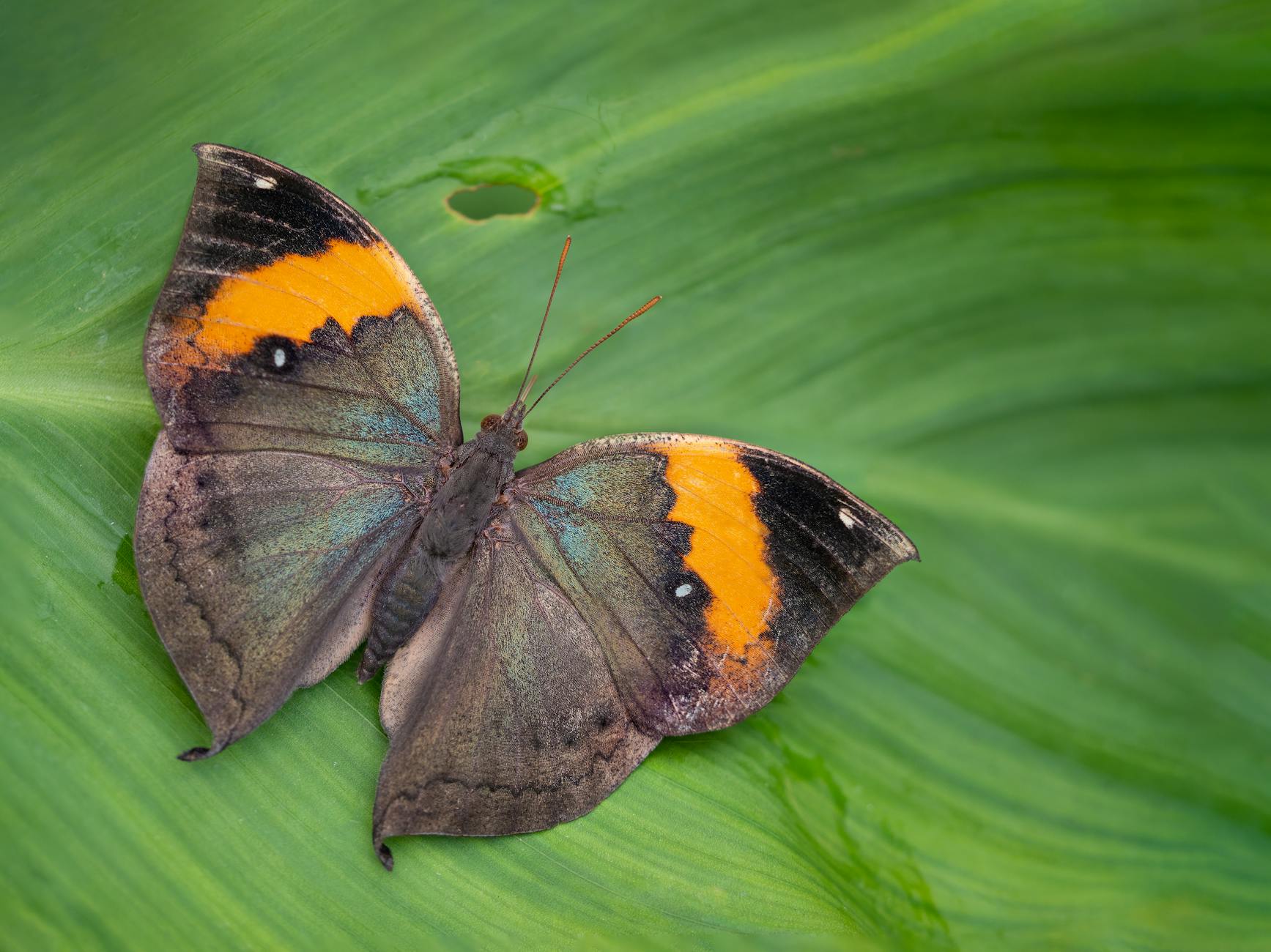
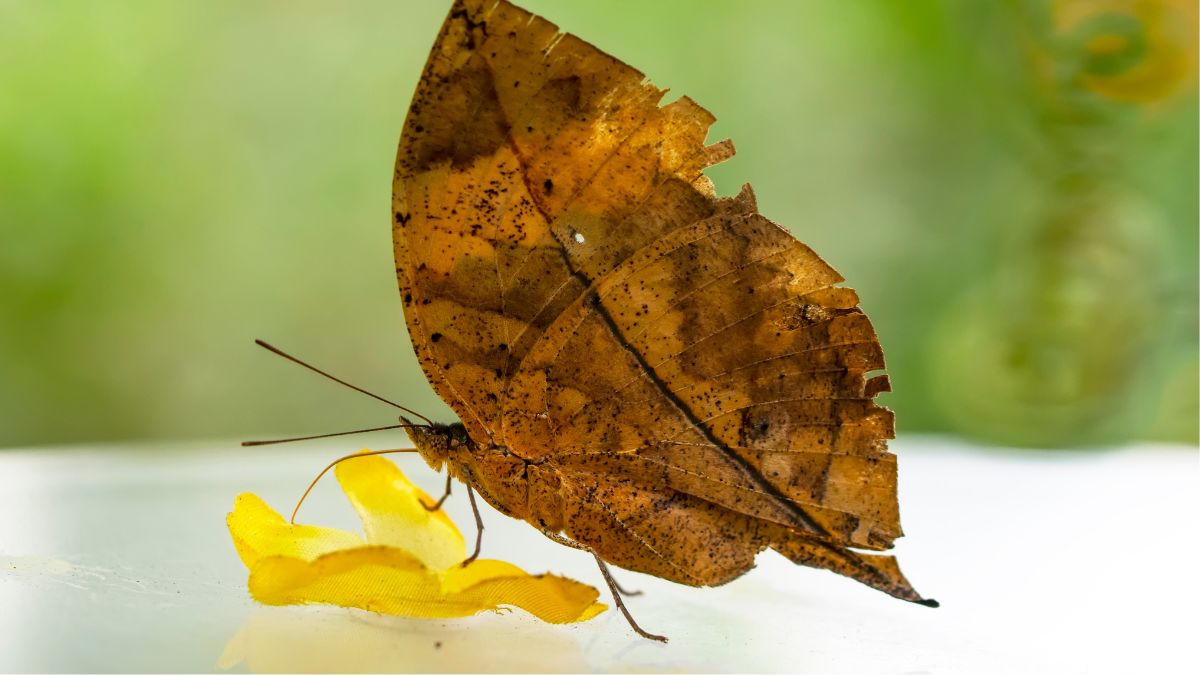
The Kallima butterfly, commonly known as the dead leaf butterfly, is a textbook subject in biology courses studying natural selection and camouflage. When its wings are folded at rest, the underside displays a perfect imitation of a dead leaf, including a central midrib line, lateral veins, brown tonal variation, and even markings that resemble fungal spots and insect damage. The tips of its wings taper to a narrow point that mimics the petiole of a leaf where it would connect to a stem. The disguise is so convincing that naturalists in the nineteenth century initially struggled to believe the markings were purely natural in origin. Found across South and Southeast Asia, the butterfly often rests in leaf litter where its camouflage renders it effectively invisible to birds and other visual predators.
Ptarmigan
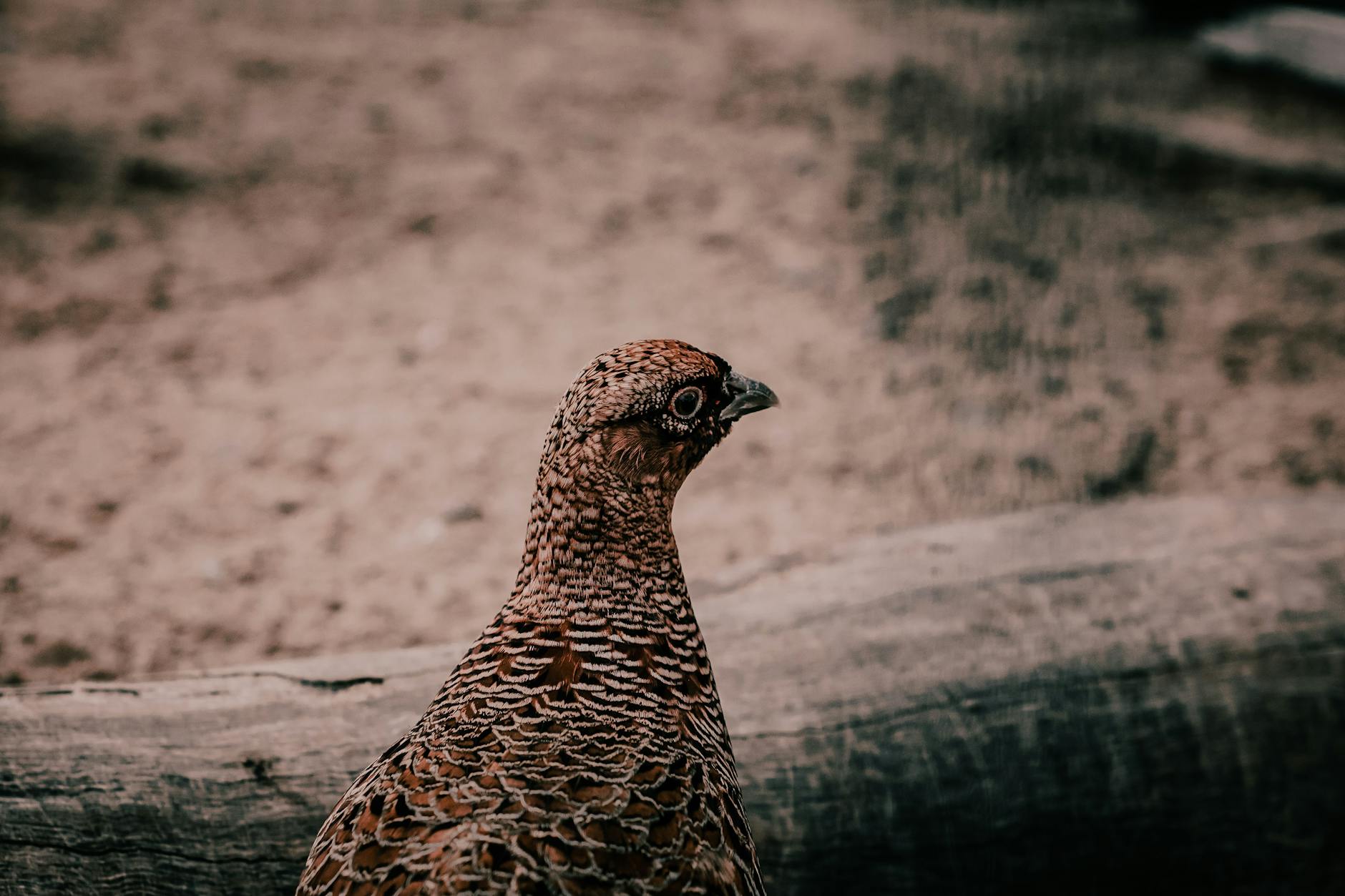
The ptarmigan is a ground-dwelling bird of Arctic and alpine regions that undergoes not two but three distinct plumage changes throughout the year to match its shifting environment. In winter, its feathers turn almost entirely white to blend with deep snow cover across open tundra and mountain slopes. During spring, a mottled brown and white transitional plumage matches the patchy landscape as snow begins to melt unevenly. By summer, the bird is covered in brown, black, and buff feathers that mirror the heather, lichen, and grasses of the open moorland. Even the feathers on its feet, which act as snowshoes in winter, contribute to its seasonal concealment by adding white coverage to its lower profile on the ground.
Which of these camouflage strategies amazed you the most? Share your thoughts in the comments.




