Every year, millions of travelers are drawn to destinations that promise stunning scenery, rich culture, and unforgettable experiences. What the glossy travel brochures rarely mention is that some of the world’s most photographed places also carry serious safety risks for visitors. Petty theft, violent crime, and organized scams can turn a dream vacation into a nightmare with little warning. Travelers who do their research before booking are far better positioned to enjoy these destinations while minimizing their exposure to danger. Awareness is not a reason to avoid adventure entirely but rather a tool to help you navigate these places with open eyes and realistic expectations.
Cancún
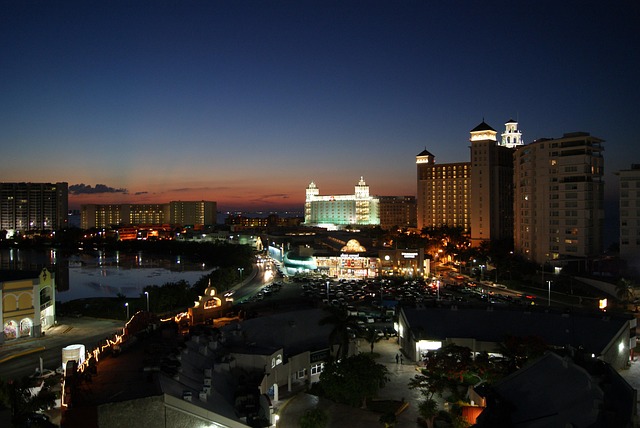
Cancún is one of Mexico’s most visited resort cities, drawing tourists with its turquoise Caribbean waters and vibrant nightlife. Beyond the hotel zone, however, the city has long struggled with drug cartel activity and elevated rates of violent crime. Tourist areas are generally patrolled, but travelers who venture outside designated zones face considerably higher risks. Petty theft and drink spiking at bars and clubs have also been widely reported by visitors. Staying within resort boundaries and using reputable transportation services goes a long way toward staying safe.
Rio de Janeiro
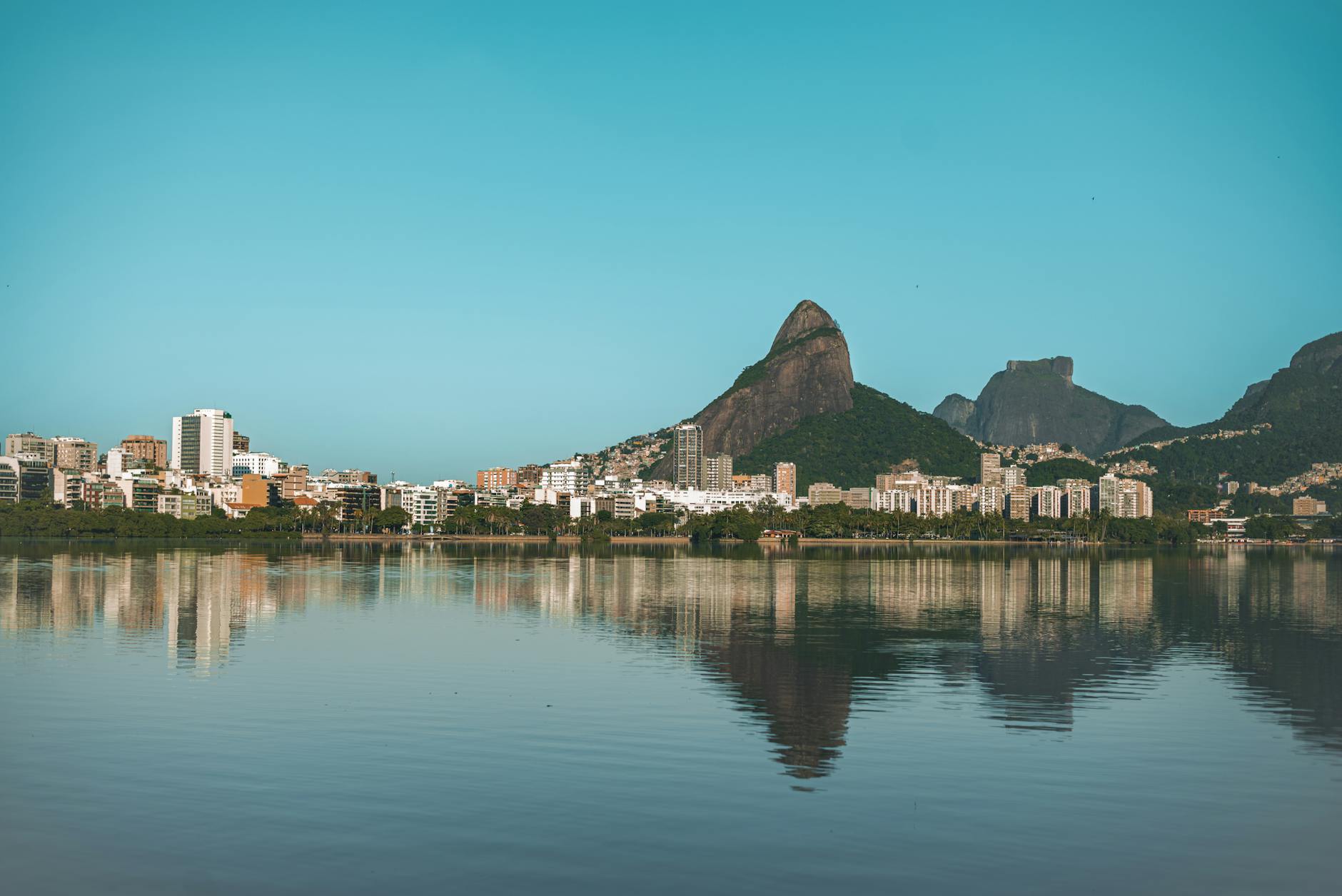
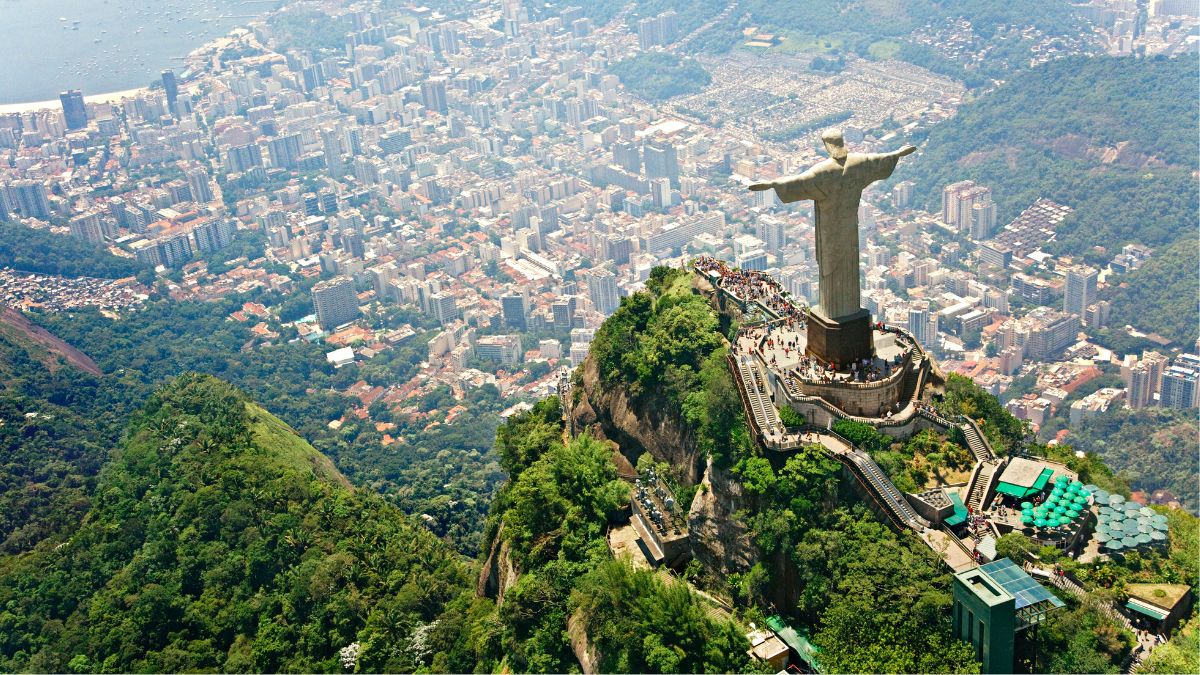
Rio de Janeiro is globally celebrated for its iconic beaches, samba culture, and the breathtaking statue of Christ the Redeemer. The city also consistently ranks among the most dangerous in South America, with high rates of armed robbery and gang-related violence. Favela communities surrounding tourist hotspots can shift quickly from vibrant cultural spaces to volatile environments. Pickpocketing on Copacabana and Ipanema beaches is extremely common, particularly during crowded festivals and events. Travelers are strongly advised to leave valuables at the hotel and remain vigilant at all times.
Phuket
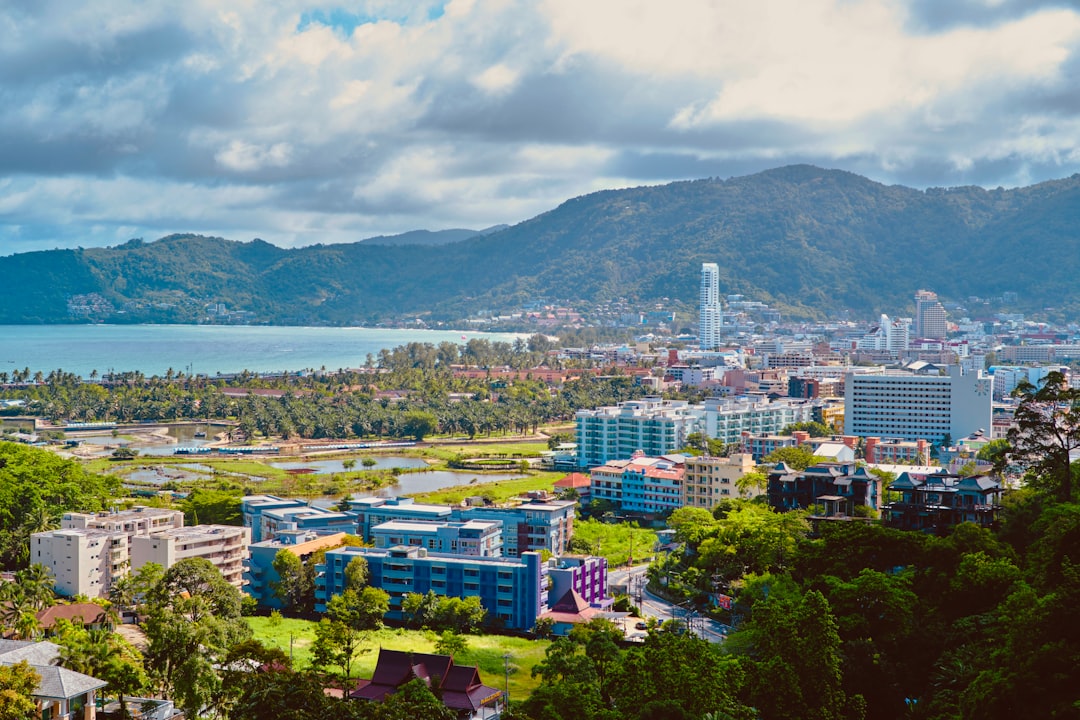
Phuket is Thailand’s largest island and one of Southeast Asia’s most beloved beach destinations, known for its dramatic limestone cliffs and lively beach towns. The island has a well-documented history of tourist scams, including overcharging by tuk-tuk drivers, gem scams, and fraudulent tour operators. Certain nightlife districts also carry risks of drink spiking and opportunistic theft after dark. Jet ski rental scams in particular have been flagged repeatedly by international travel advisors. Researching reputable vendors in advance and keeping a close eye on personal belongings significantly reduces exposure to these risks.
Cape Town
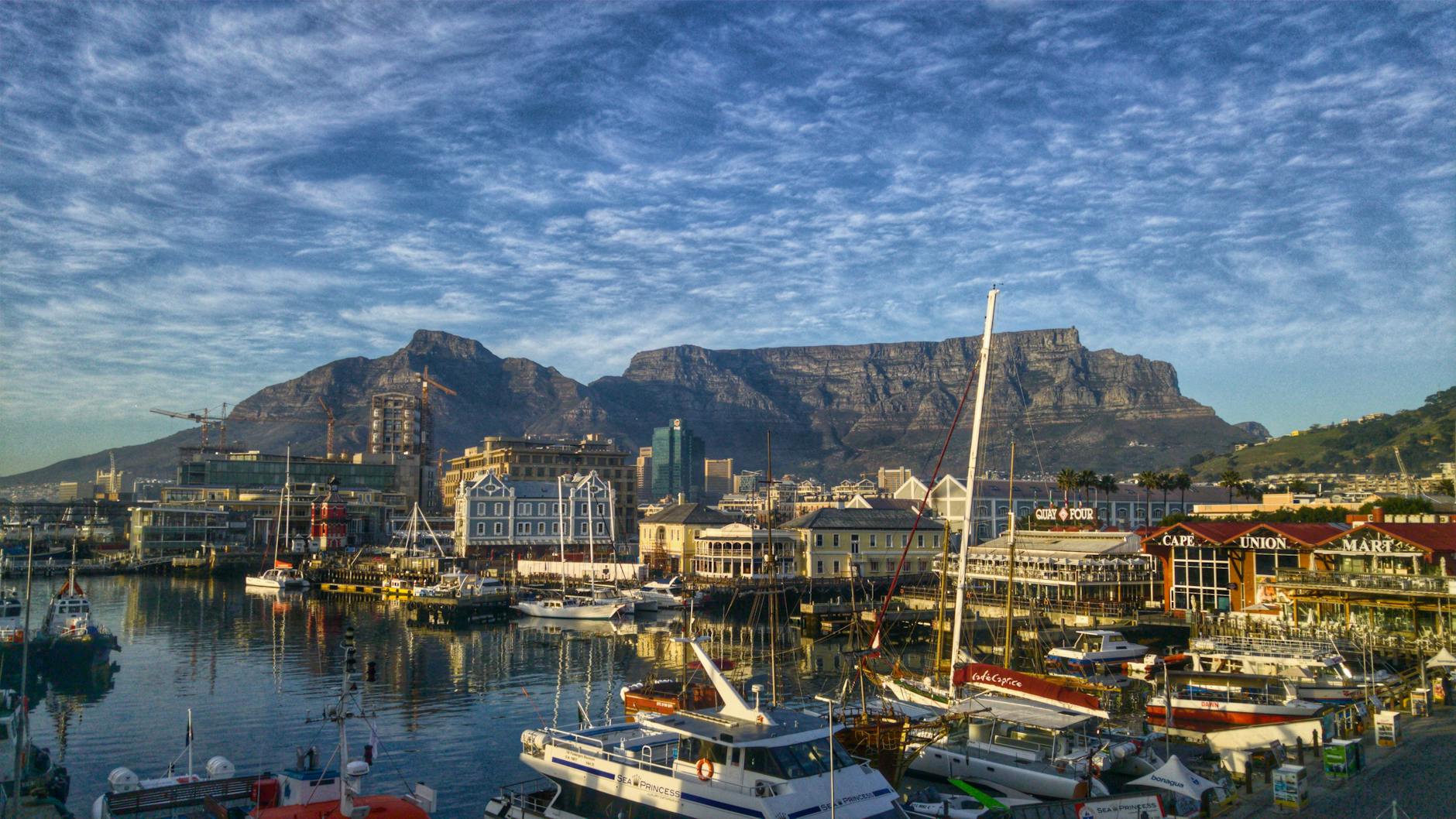
Cape Town is one of Africa’s most stunning cities, offering dramatic mountain scenery, world-class wine country, and a vibrant arts scene. It also has one of the highest murder rates of any major tourist city in the world, largely concentrated in specific townships and neighborhoods. Carjacking is a known concern, and tourists driving unfamiliar routes at night are particularly vulnerable. Muggings on popular hiking trails, including parts of Table Mountain, have been reported with increasing frequency. Guided tours and well-lit, populated areas are strongly recommended for visitors exploring the city.
Acapulco
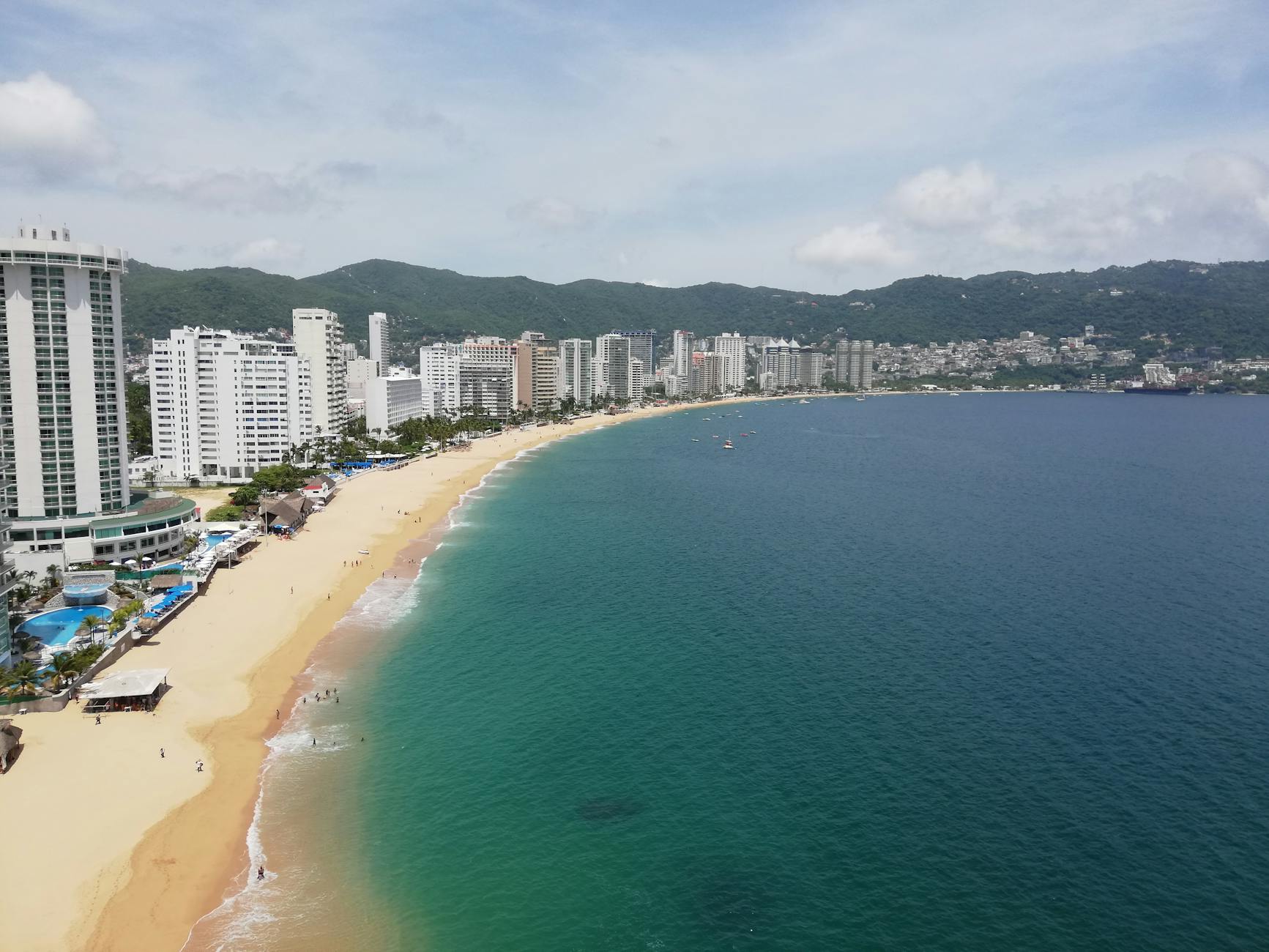
Acapulco was once Mexico’s most glamorous Pacific resort, famous for its cliff divers and golden beaches that attracted Hollywood celebrities for decades. In recent years, it has transformed into one of the most dangerous cities in the world due to ongoing cartel warfare. Travel advisories from multiple governments advise against all non-essential travel to the city. Violent crime, including kidnapping and homicide, occurs at alarming rates and is not limited to any single neighborhood. The city’s tourism infrastructure has significantly deteriorated as a result of the sustained security crisis.
Barcelona
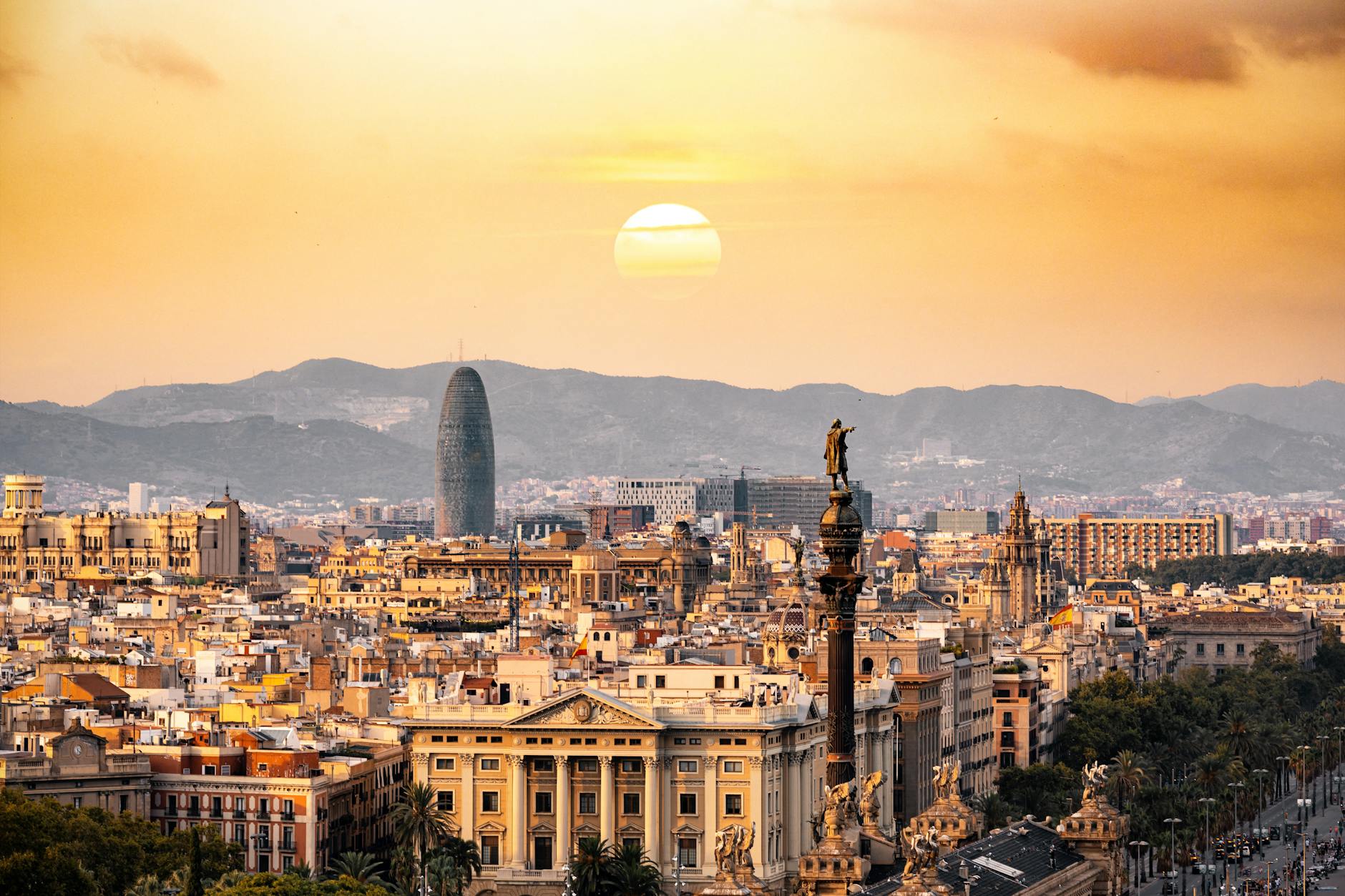
Barcelona is one of Europe’s most architecturally magnificent cities, home to Antoni Gaudí masterpieces and a world-renowned food scene that draws millions of visitors each year. It also holds the unfortunate distinction of being one of the continent’s pickpocketing capitals. The busy Las Ramblas promenade, the Gothic Quarter, and the city’s metro system are particularly well-known hunting grounds for skilled street thieves. Distraction techniques are commonly used, with criminals often working in coordinated teams to separate tourists from their wallets and phones. Using inside pockets, anti-theft bags, and staying alert in crowded spaces are practical precautions every visitor should take.
Nairobi
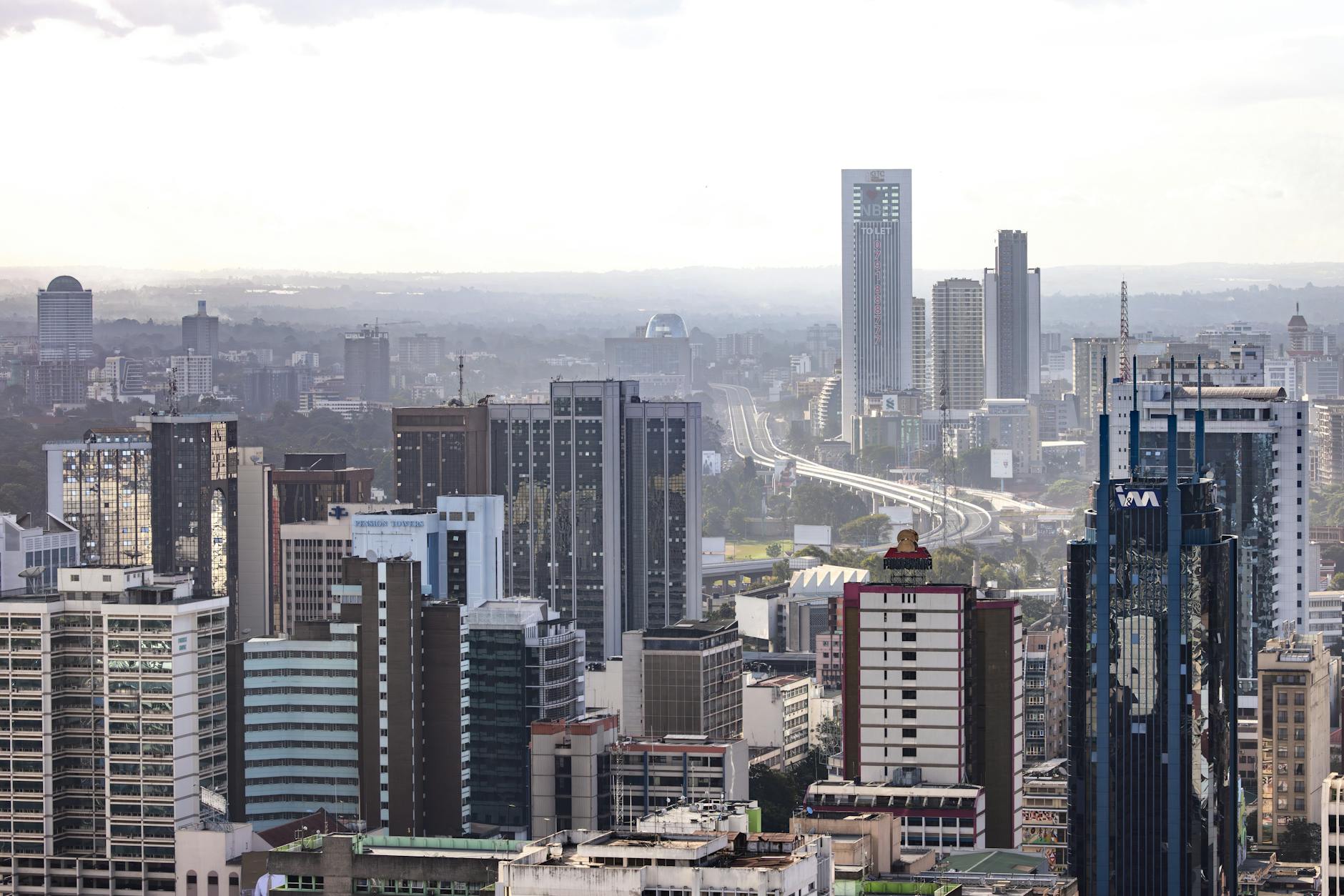
Nairobi is Kenya’s bustling capital and a major gateway for East African safari travel, offering a compelling mix of urban culture and wildlife access. Street crime, including mugging and carjacking, is a persistent concern in the city center and certain residential neighborhoods. Tourists visibly carrying expensive camera equipment or smartphones are frequently targeted by opportunistic thieves. The Nairobi Central Business District can become particularly risky after dark, with reduced police presence in some areas. Most safari operators recommend moving through the city quickly and relying on vetted private transportation.
Medellín
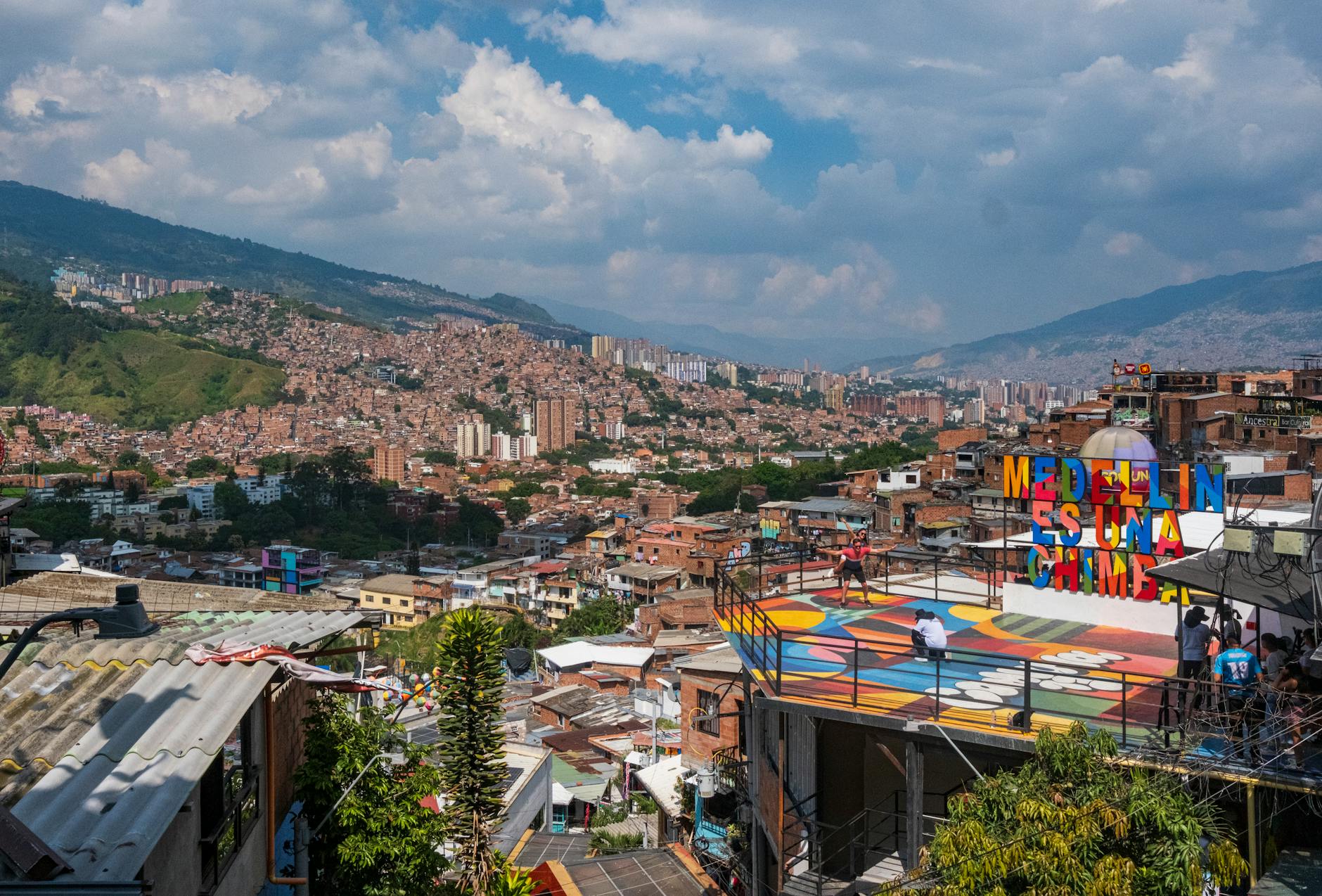
Medellín in Colombia has undergone a remarkable transformation from the global epicenter of drug violence in the 1980s and 1990s into a celebrated hub of innovation and urban renewal. Despite significant improvements, the city still carries elevated risks of petty theft, scams targeting tourists, and occasional violent incidents in certain districts. The practice known locally as scopolamine drugging, where strangers are incapacitated to facilitate robbery, has been documented in bars and tourist areas. Tourists who overshare their itineraries with strangers or accept food and drinks from unfamiliar sources are at greater risk. Sticking to well-regarded neighborhoods and booking accommodations through established platforms remains the safest approach.
New Orleans
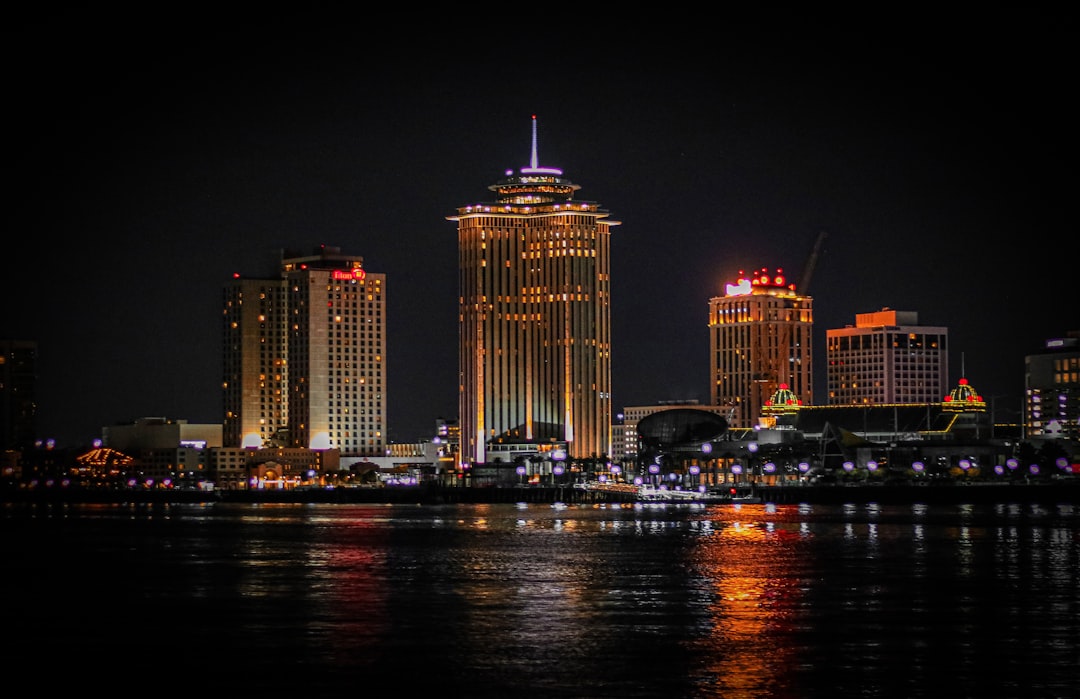
New Orleans is one of the most culturally unique cities in the United States, celebrated for its jazz heritage, Creole cuisine, and the electric atmosphere of the French Quarter. The city also has a persistently high violent crime rate, ranking among the most dangerous American cities for several consecutive years. Armed robbery and vehicle break-ins are frequently reported even in heavily touristed areas close to Bourbon Street. Travelers who stray beyond the well-lit entertainment corridors late at night face substantially elevated risk. Remaining in groups, using rideshare apps instead of walking alone after dark, and securing valuables in hotel safes are all strongly recommended practices.
Bali
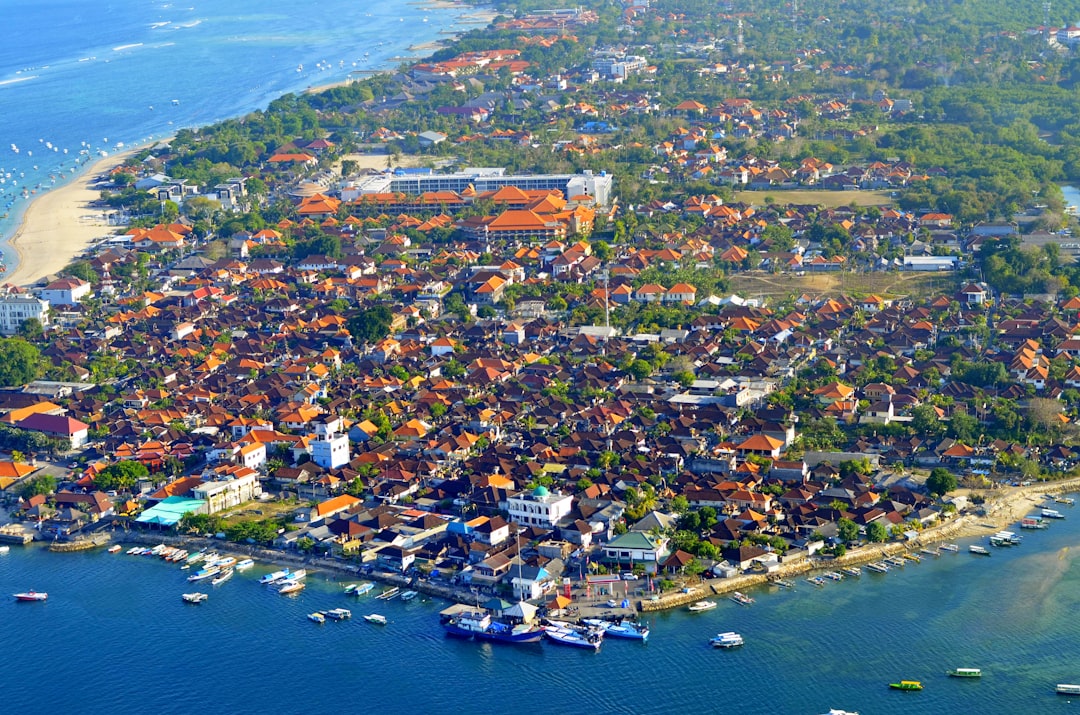
Bali has long captured the imagination of travelers seeking spiritual retreats, lush terraced rice fields, and a warm tropical culture. The island sees a significant volume of petty crime directed at tourists, including motorbike theft, bag snatching, and credit card skimming at ATMs. Certain areas around Kuta and Seminyak are particularly associated with tourist-targeted scams involving currency exchange and transportation. Drug laws in Indonesia are extraordinarily strict, and some tourists have been caught in setups deliberately orchestrated to extort bribes. Travelers should use bank-affiliated ATMs, secure their accommodations thoroughly, and be cautious when approached by unsolicited vendors.
Johannesburg
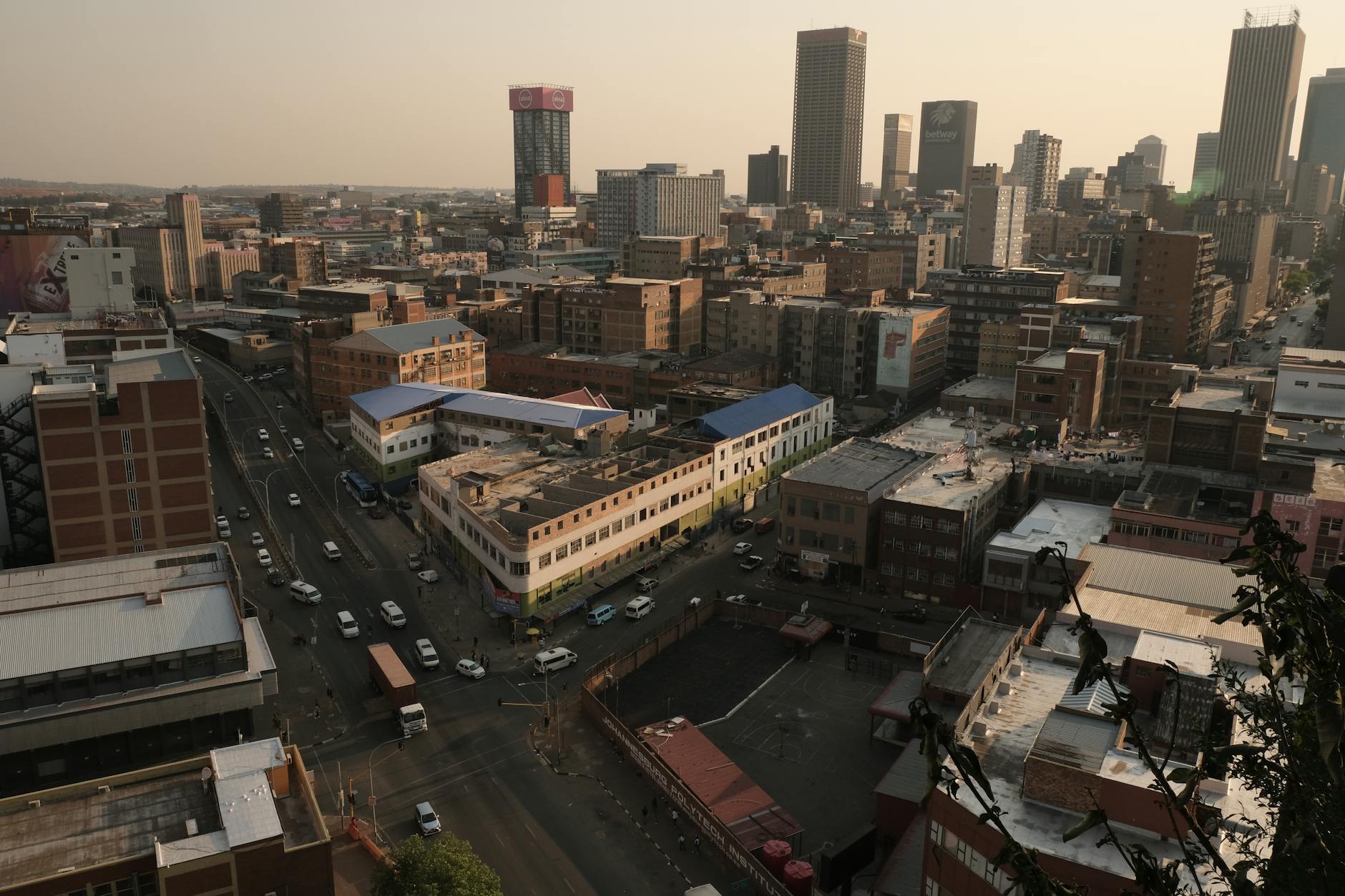
Johannesburg is South Africa’s largest city and economic powerhouse, offering world-class museums, dynamic neighborhoods, and easy access to surrounding game reserves. It is also one of the most dangerous cities on the planet by multiple international safety indices, with high rates of violent robbery, carjacking, and residential crime. Smash-and-grab vehicle incidents at traffic lights are common enough that locals keep windows up and doors locked even in daylight. Certain areas of the city center become extremely dangerous after business hours and are strongly avoided even by residents. Visitors are advised to arrange airport transfers through verified operators and to travel between destinations in private vehicles rather than on foot.
Montego Bay

Montego Bay is Jamaica’s second-largest city and a major cruise ship port, famous for its beautiful beaches, reggae culture, and duty-free shopping. The city and its surrounding parishes have experienced alarming spikes in violent crime in recent years, prompting travel advisories from multiple governments. Gang-related violence, while often concentrated in specific communities, can occasionally spill into tourist-adjacent areas. Tourists have reported incidents of harassment and robbery near popular beach strips and transportation hubs. Staying within resort zones and booking organized excursions through registered operators is the most consistently advised safety strategy.
Mexico City
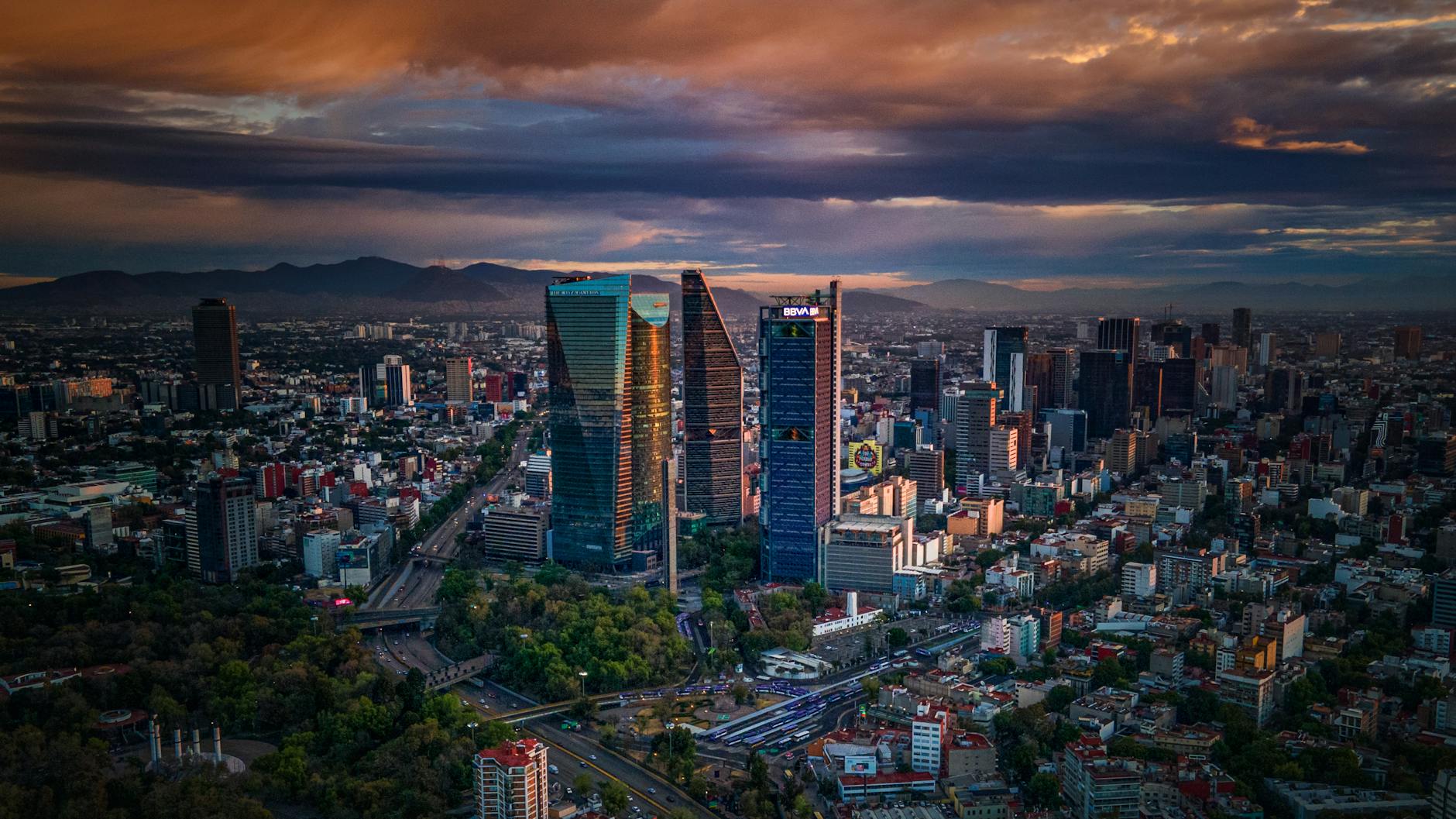
Mexico City is one of the largest and most culturally rich metropolises in the world, offering extraordinary museums, ancient ruins, and a culinary scene recognized by UNESCO. Certain districts of the city carry significant risks including express kidnapping, taxi-based robbery, and targeted theft of electronic devices. Street harassment and pickpocketing are particularly common in crowded markets and on the metro during peak hours. Visitors are advised to use app-based ride services exclusively rather than hailing taxis from the street. Neighborhoods such as Polanco and Condesa are generally considered safer for tourists, though vigilance remains essential throughout the city.
Marrakech
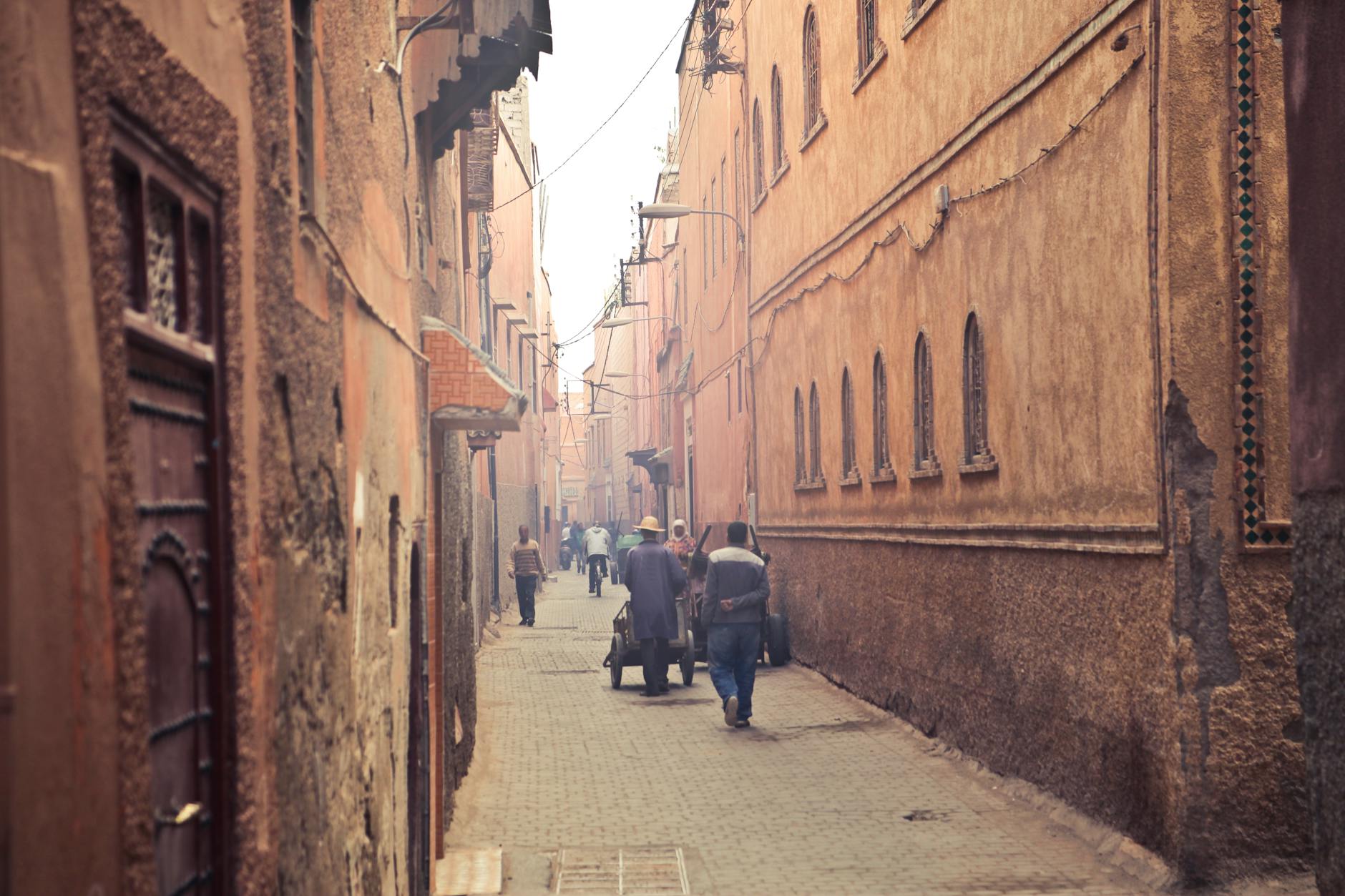
Marrakech draws travelers from around the world with its labyrinthine medina, ornate palaces, and the sensory spectacle of Djemaa el-Fna square. Scamming is among the most reported issues for tourists, with persistent false guides, inflated prices, and deliberate misdirection designed to disorient visitors in the winding souks. Harassment targeting solo female travelers in particular has been widely documented and discussed in international travel communities. Photography of locals and certain public spaces can lead to aggressive demands for payment if boundaries are not established clearly in advance. Hiring a licensed guide, agreeing on prices firmly before accepting any service, and dressing conservatively all help to minimize friction.
San José
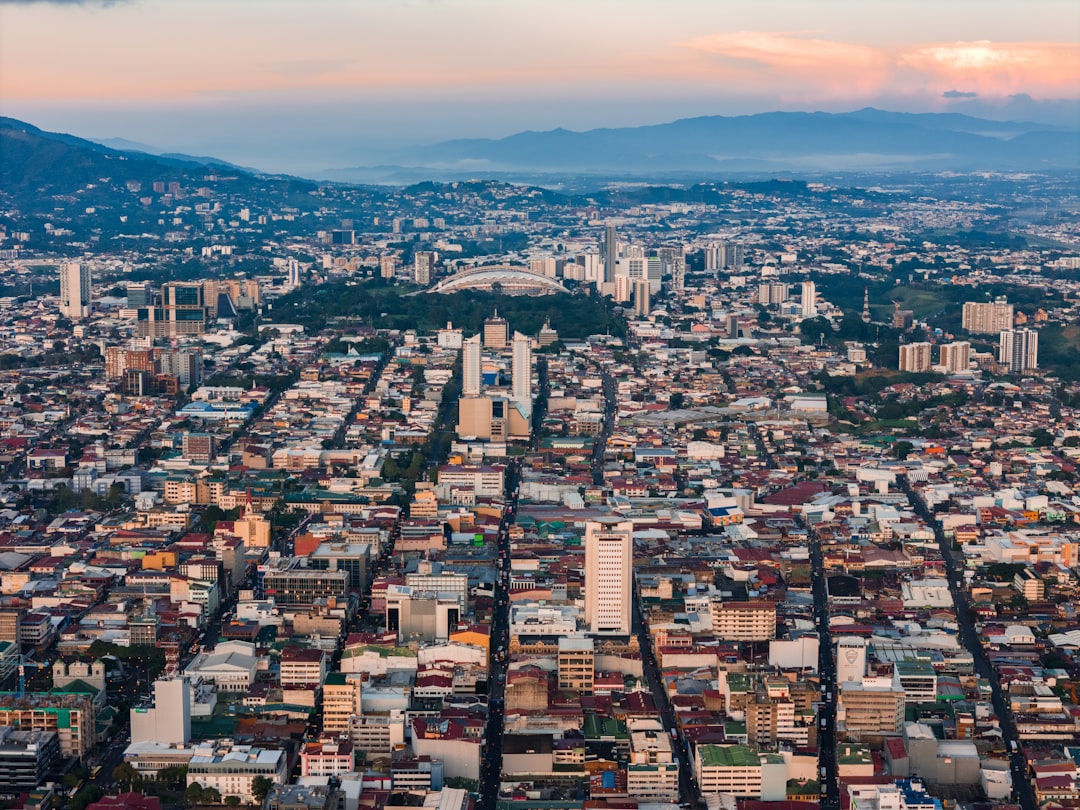
San José serves as the entry point for most travelers to Costa Rica, a country celebrated for its biodiversity, eco-tourism, and commitment to environmental conservation. The capital city itself presents a notably different picture, with elevated rates of petty theft, pickpocketing, and opportunistic street crime compared to the country’s rural destinations. The area surrounding the central market and bus terminals is particularly known for bag snatching and phone theft. Robberies targeting tourists in rental vehicles have also increased in frequency, especially when valuables are left visible inside parked cars. Most travel experts recommend passing through San José as efficiently as possible and heading directly to the country’s safer coastal and jungle regions.
Which of these destinations have you visited, and how was your experience with safety on the ground? Share your thoughts in the comments.




