Snacking tends to get a bad reputation, and it’s not hard to see why. Most people give little thought to what they grab between meals, often reaching for whatever is quickest and most convenient. That habit frequently leads to highly processed options like chips, candy, or packaged cookies. The problem isn’t snacking itself but rather the kinds of foods that end up in people’s hands when hunger strikes unexpectedly.
Cardiologist Dr. Colin Zhu argues that the solution is simpler than most people think. Rather than overhauling your entire diet, he suggests focusing on whole, minimally processed foods during those in-between moments. Highly processed snacks tend to be packed with refined calories, excess salt, unhealthy fats, and added sugars that can quietly take a toll on cardiovascular health over time. Swapping those out for better alternatives doesn’t require a lot of effort or expense.
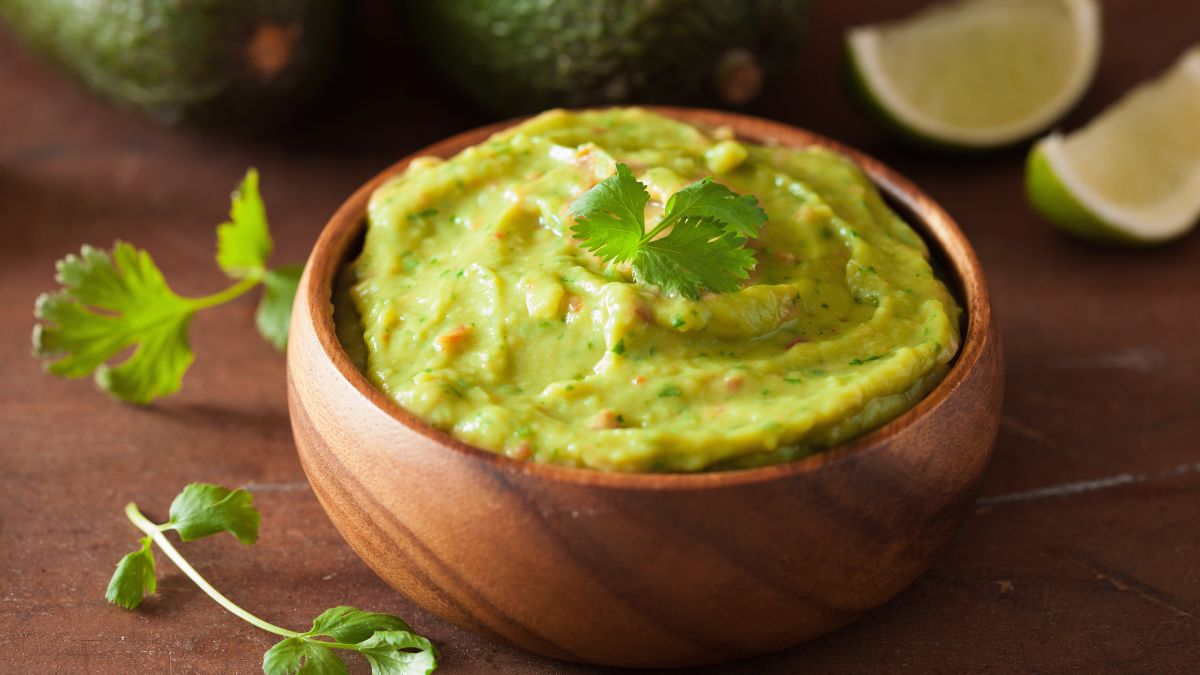
The first snack Dr. Zhu personally reaches for when he wants something savory is homemade salsa or guacamole paired with fresh vegetables. Instead of using chips for dipping, he prefers sliced red bell peppers, which add crunch without the extra sodium and refined carbohydrates. Avocado, the star ingredient in guacamole, is particularly valuable because it’s loaded with unsaturated fats that actively support heart function. As Dr. Zhu explained, “Such foods are filling and help maintain stable blood sugar levels,” making them a smart choice for anyone trying to avoid energy crashes throughout the day.
His second go-to recommendation is unsalted nuts, which he considers one of the most reliable heart-friendly snacks available. Regardless of the specific variety you choose, nuts consistently deliver a combination of unsaturated fats, dietary fiber, and essential minerals. That nutritional profile is almost impossible to find in anything that comes out of a vending machine or a brightly colored bag. Dr. Zhu notes that these nutrients work together to support healthy cholesterol levels, keep blood sugar from spiking, and extend that feeling of fullness so you’re less tempted to overeat later.
For those with a sweet tooth, Dr. Zhu’s third option offers a more satisfying alternative to reaching for a candy bar. He recommends dates, dark chocolate, and dried fruit, either enjoyed separately or mixed together into a simple snack. “These snacks provide fiber, healthy fats, and important minerals,” he explained, pointing out that they manage to satisfy sugar cravings without relying on added sugars or artificial preservatives. The natural sweetness in these foods comes packaged with actual nutritional value, which sets them apart from most processed sweets on the market.
What ties all three of these recommendations together is their emphasis on whole ingredients that the body can actually use. Processed snacks tend to deliver a quick burst of pleasure followed by a crash, while foods like nuts, avocado, and dried fruit provide a steadier, more sustainable kind of energy. The convenience factor is also worth mentioning since none of these options require cooking or extensive preparation. Even on a busy day, it’s relatively easy to throw a handful of nuts in a bag or slice some vegetables ahead of time.
Heart disease remains one of the leading causes of death in the United States, which makes everyday dietary choices more significant than they might seem in the moment. Cardiologists increasingly emphasize that cardiovascular health isn’t just shaped by major events like surgeries or prescriptions but by the small, repeated decisions people make day after day. Choosing what you snack on is one of those decisions, and it adds up over time. Small upgrades in food quality, made consistently, can have a measurable impact on long-term heart health.
From a broader nutritional standpoint, unsaturated fats, which are found abundantly in avocados, nuts, and dark chocolate, are associated with lower levels of LDL cholesterol, often referred to as the “bad” kind. Dietary fiber, present in dates, dried fruit, and most nuts, helps regulate digestion and has been linked to reduced cardiovascular risk. Dark chocolate, particularly varieties with a high cocoa content, contains flavonoids that have antioxidant properties and may help improve blood flow. Dates are also a natural source of potassium, a mineral that plays an important role in maintaining healthy blood pressure.
The bigger picture here is that eating for heart health doesn’t have to mean deprivation or bland food choices. There are flavorful, enjoyable options that genuinely support your cardiovascular system, and they’re often more accessible than people assume. Building better snacking habits is one of the easiest entry points into a heart-healthier lifestyle. It doesn’t require a dramatic overhaul, just a more intentional approach to what you keep on hand.
If you have a favorite heart-healthy snack or you’ve tried any of Dr. Zhu’s recommendations, share your thoughts in the comments!




