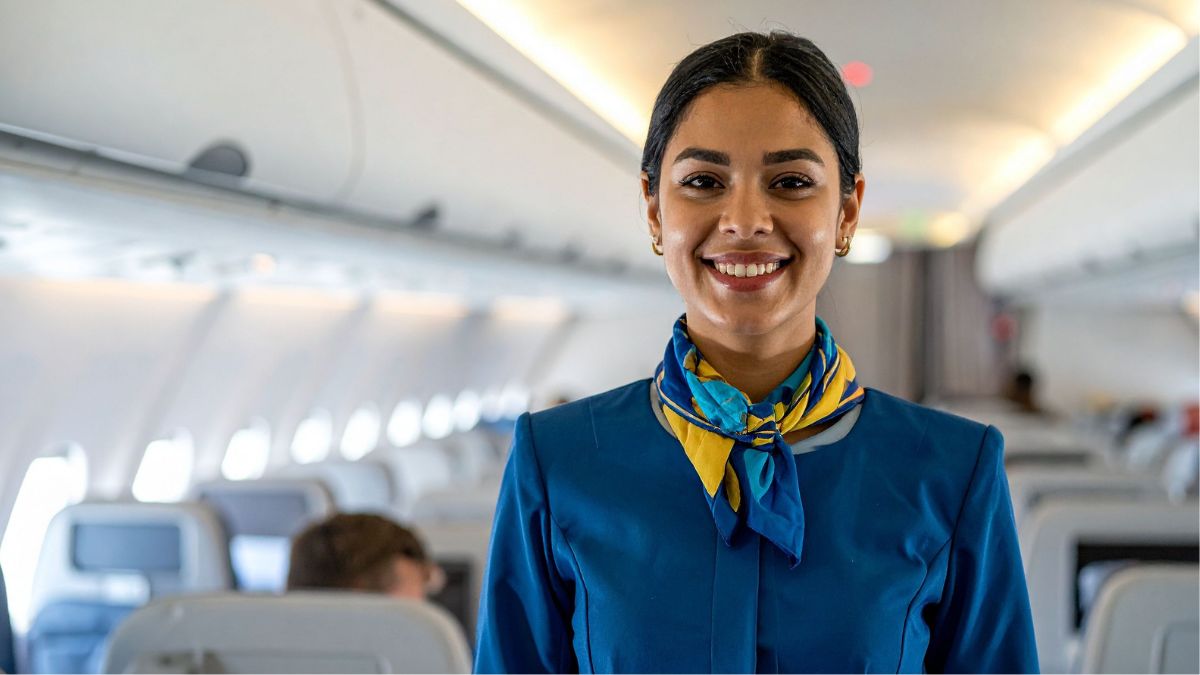
Flight attendants are among the most seasoned travelers in the world, logging hours in unfamiliar cities on a near-daily basis. Their routines are shaped not by leisure but by necessity, blending street-smart awareness with practical preparation honed through years of experience. The safety strategies they rely on go far beyond common tourist advice and offer genuinely useful guidance for any traveler stepping into an unfamiliar environment. Whether navigating a bustling metropolis or a quiet layover town, these professionals move through the world with a calm, confident awareness that keeps them secure. Here are the travel hacks flight attendants swear by to stay safe wherever their routes take them.
Hotel Room Check

Upon arriving at any hotel room, experienced flight attendants conduct a thorough sweep of the space before unpacking a single item. They check behind doors, inside closets, and under beds to ensure no one is present and that all locks are functioning properly. The deadbolt and door chain are always engaged, and a rubber door stopper is often tucked into carry-on luggage as an added layer of security. Windows are also checked to confirm they latch securely, particularly on lower floors. This quick but methodical habit creates a safe baseline before settling in for any stay.
Doorstop Alarm
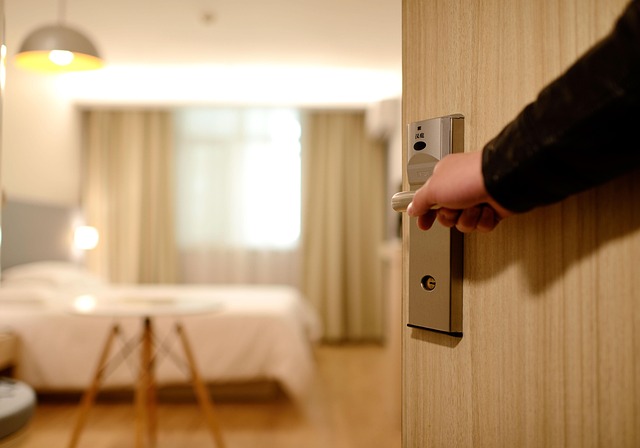
A portable door alarm is one of the most commonly recommended tools among flight attendant communities for solo travel safety. These compact devices wedge under the door and emit a loud alert if anyone attempts to push it open from the outside. They are inexpensive, lightweight, and take up almost no space in a travel bag. Many flight attendants use them in combination with the standard hotel deadbolt for a two-layer defense. The added noise deterrent is especially reassuring in budget accommodations or older hotels where door hardware may be less reliable.
Room Number Rule

Flight attendants are trained never to say their room number aloud in any public space within the hotel. If a front desk agent announces the room number loudly during check-in, they quietly request a new room assignment and a replacement key card. The concern is that anyone nearby in the lobby could overhear and use that information later. They write the number down discreetly rather than repeating it and avoid discussing it in elevators or corridors. This simple habit significantly reduces the risk of becoming a target within the accommodation itself.
Lobby Orientation

Before venturing out into a new city, seasoned flight attendants always spend a few minutes familiarizing themselves with the layout of their hotel. They identify the locations of emergency exits, the stairwells, and any secondary entrances or exits beyond the main lobby. Knowing exactly where to go in an emergency eliminates hesitation when every second counts. Many also take note of the address and nearest cross streets so they can communicate their location clearly if needed. This brief orientation habit is one of the first things trained into new crew members during safety courses.
Local SIM Card
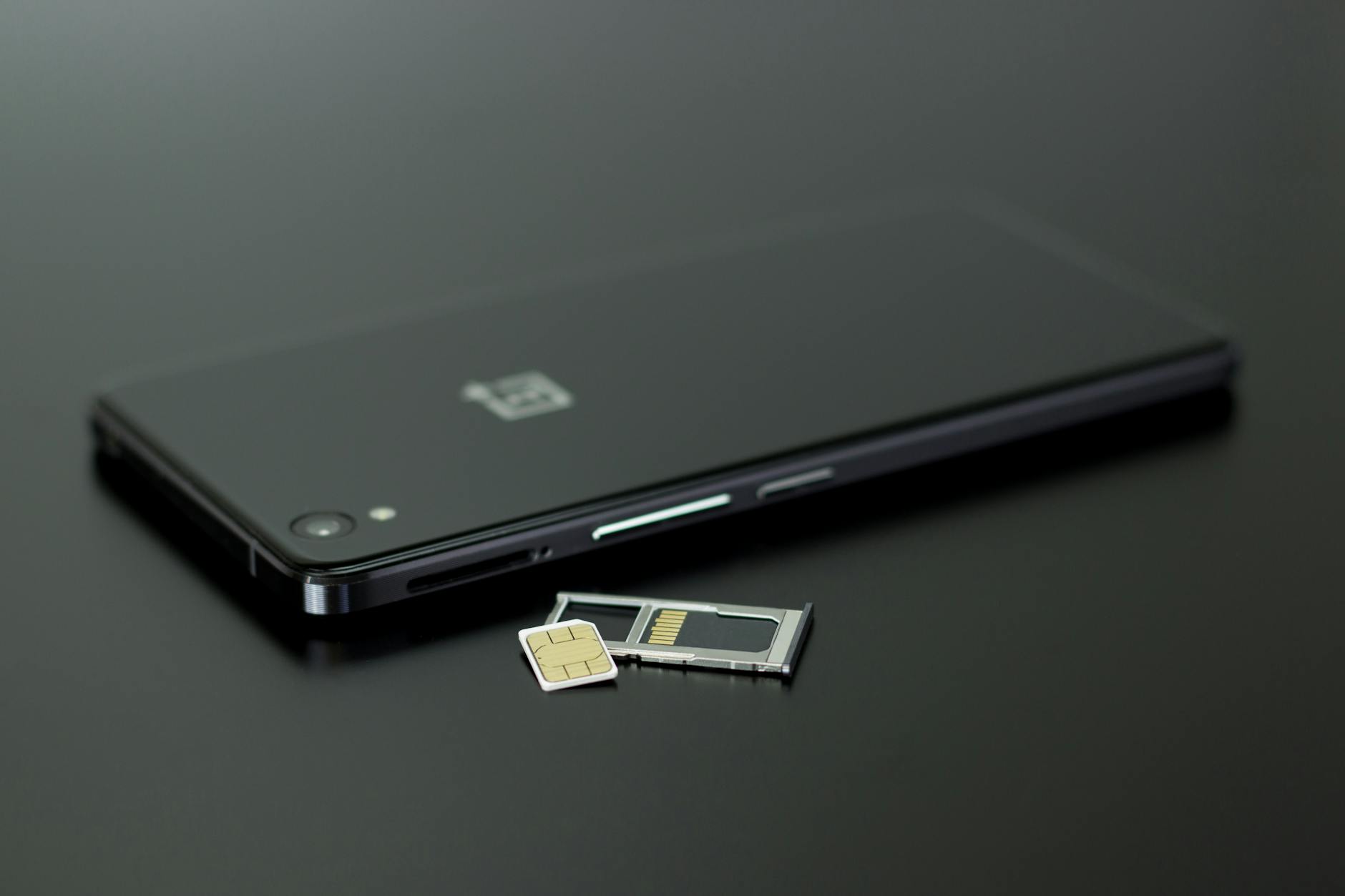
Staying connected is a non-negotiable priority for flight attendants traveling in unfamiliar cities, and a local SIM card is often their first purchase upon arrival. A working local number ensures that emergency calls are always accessible without relying on potentially unstable Wi-Fi connections. It also allows them to use navigation apps and local transport platforms without running up expensive roaming charges. Many keep a small notebook with key emergency numbers written down as a backup in case the phone is lost or damaged. Reliable connectivity is treated as a fundamental safety tool rather than a convenience.
Confidence Posture
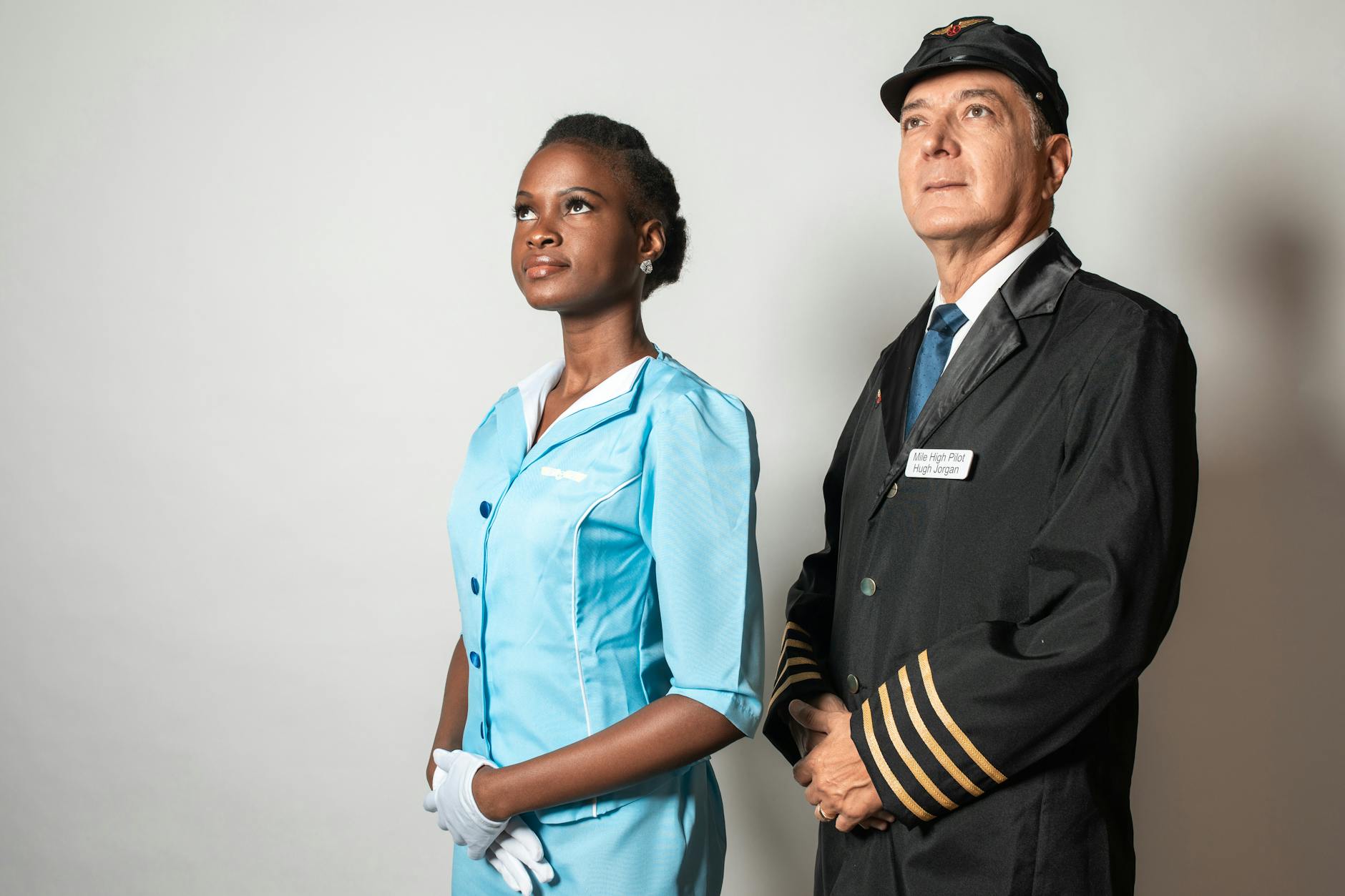
Flight attendants are well aware that body language plays a significant role in how travelers are perceived on the street. Walking with purpose, keeping the head up, and avoiding the appearance of confusion or distraction signals to potential opportunists that this is not an easy target. They avoid stopping suddenly in the middle of busy walkways to check phones or maps, and instead step to the side or duck into a shop. Appearing confident and directional, even when uncertain of the route, is a deliberate strategy. This kind of practiced awareness is something all crew members develop naturally over time in the field.
Digital Copies
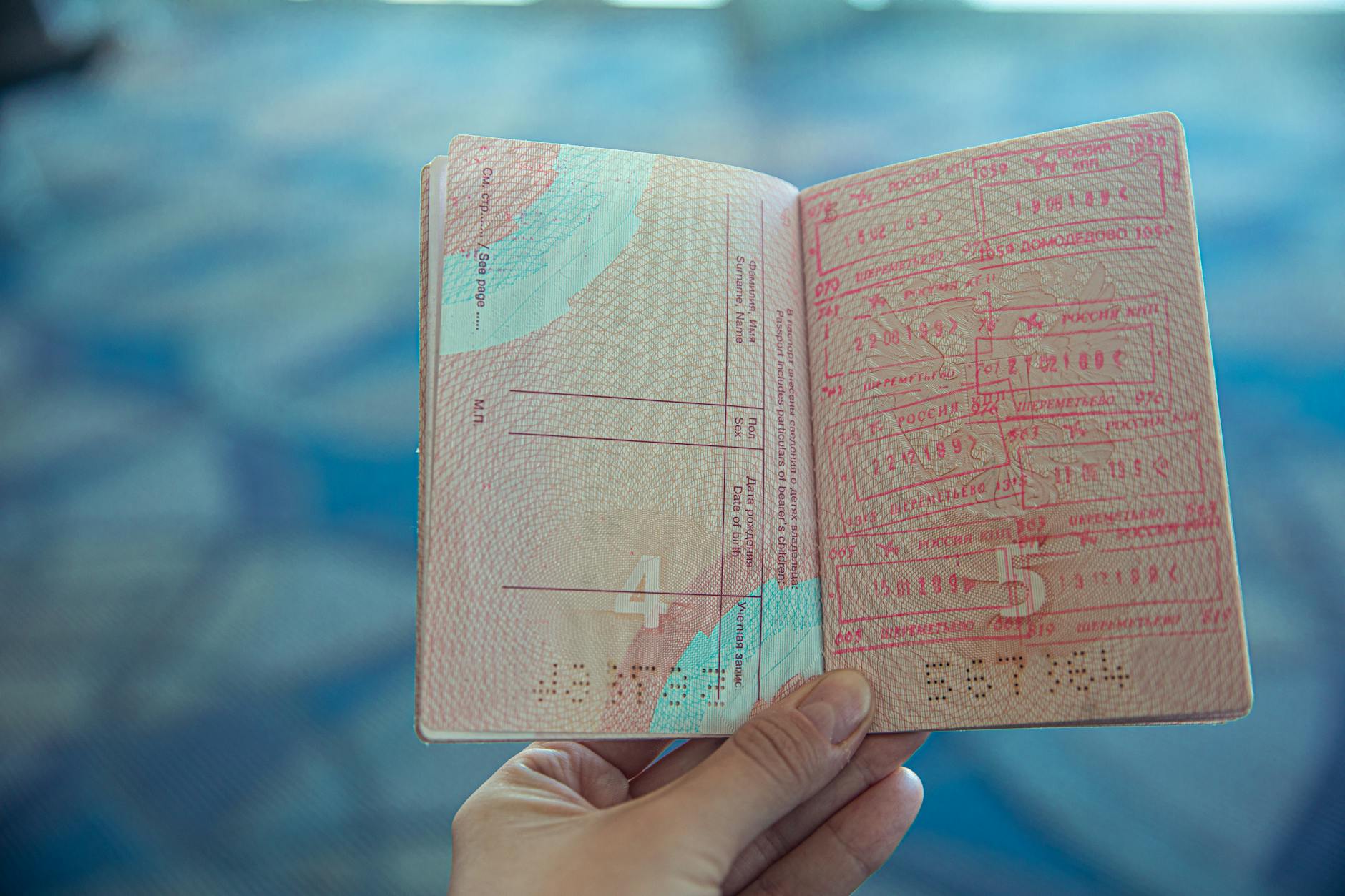
Before any trip, flight attendants create digital backups of every essential document including their passport, visa, travel insurance details, and any relevant medical information. These copies are stored in a secure cloud folder that can be accessed from any device with an internet connection. A second set of physical photocopies is often kept separately from the originals, typically in a different bag or hidden within luggage. Should a passport be lost or stolen, having accessible copies dramatically speeds up the reporting and replacement process with local authorities or embassies. This preparation takes only minutes but can save enormous amounts of time and stress in a crisis.
ATM Habits
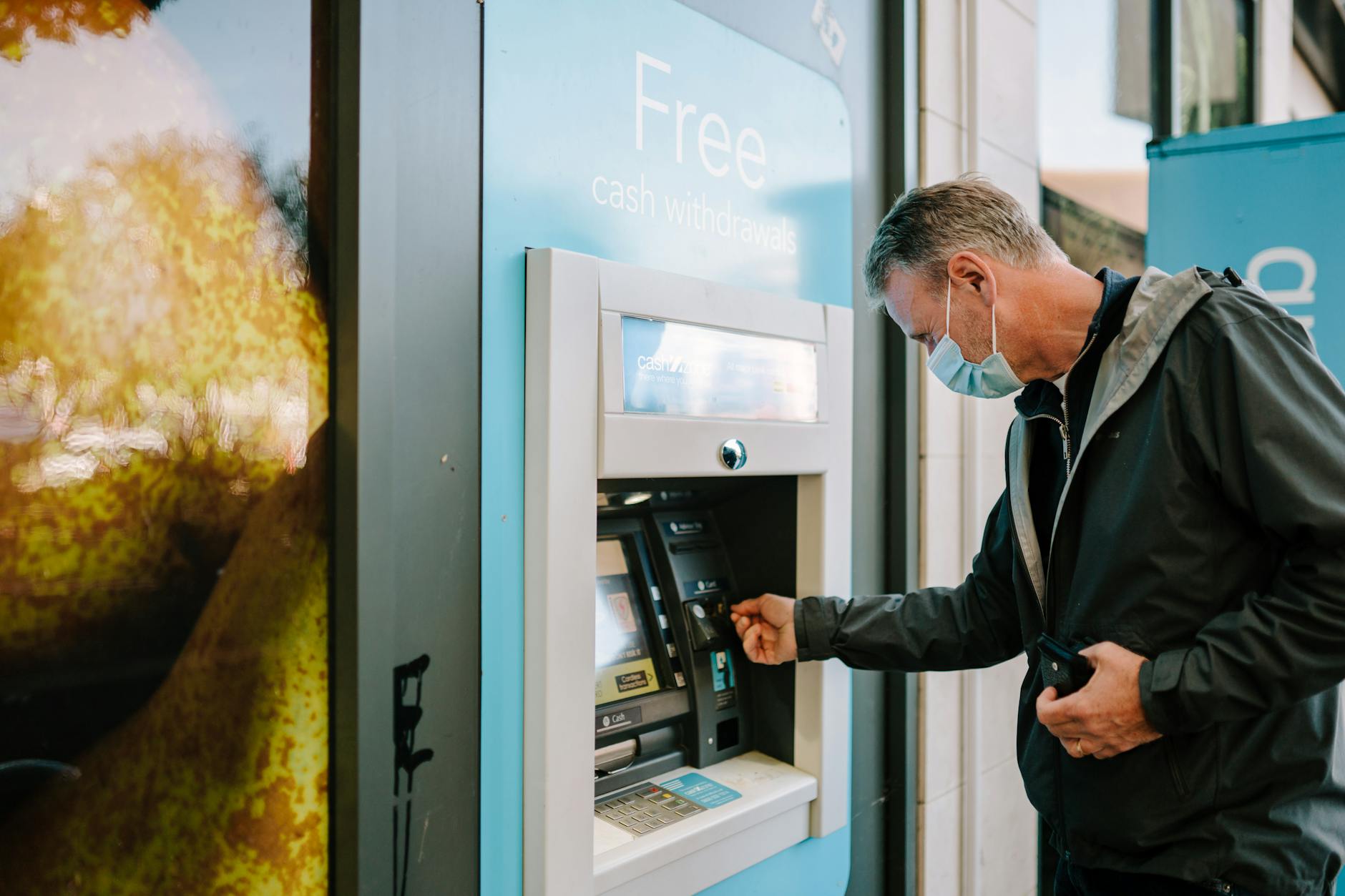
Flight attendants are deliberate about when and where they withdraw cash in foreign cities, treating ATM use as a moment of heightened vulnerability. They prefer machines located inside banks or busy shopping centers rather than standalone units on quiet streets. Withdrawals are typically made during daylight hours and in the company of at least one other person whenever possible. They shield the keypad with their hand as a matter of habit and move away from the machine promptly after collecting cash. Keeping only a modest amount of local currency on hand at any time reduces the impact of petty theft.
Neutral Dressing

Blending into the local environment is a widely practiced strategy among flight attendants when exploring new destinations off-duty. They deliberately choose neutral, understated clothing that avoids broadcasting wealth, nationality, or tourist status. Expensive jewelry, flashy logos, and branded airline merchandise are left in the hotel room during independent outings. The goal is to move through the city looking as unremarkable as possible, drawing minimal attention from street vendors, scammers, and thieves alike. Dressing with intentional modesty is considered one of the most effective passive safety tools available to any traveler.
Check-In Calls

Maintaining a regular check-in system with a trusted contact is standard practice for many flight attendants traveling solo on layovers. Before heading out, they inform a colleague or family member of their planned destination, expected return time, and the name of their hotel. A brief message upon returning confirms they are safely back, and any deviation from the plan is communicated promptly. This system creates an external record of their movements that can be shared with authorities if something goes wrong. Simple and low-effort, it adds a meaningful layer of accountability to solo urban exploration.
Rideshare Verification
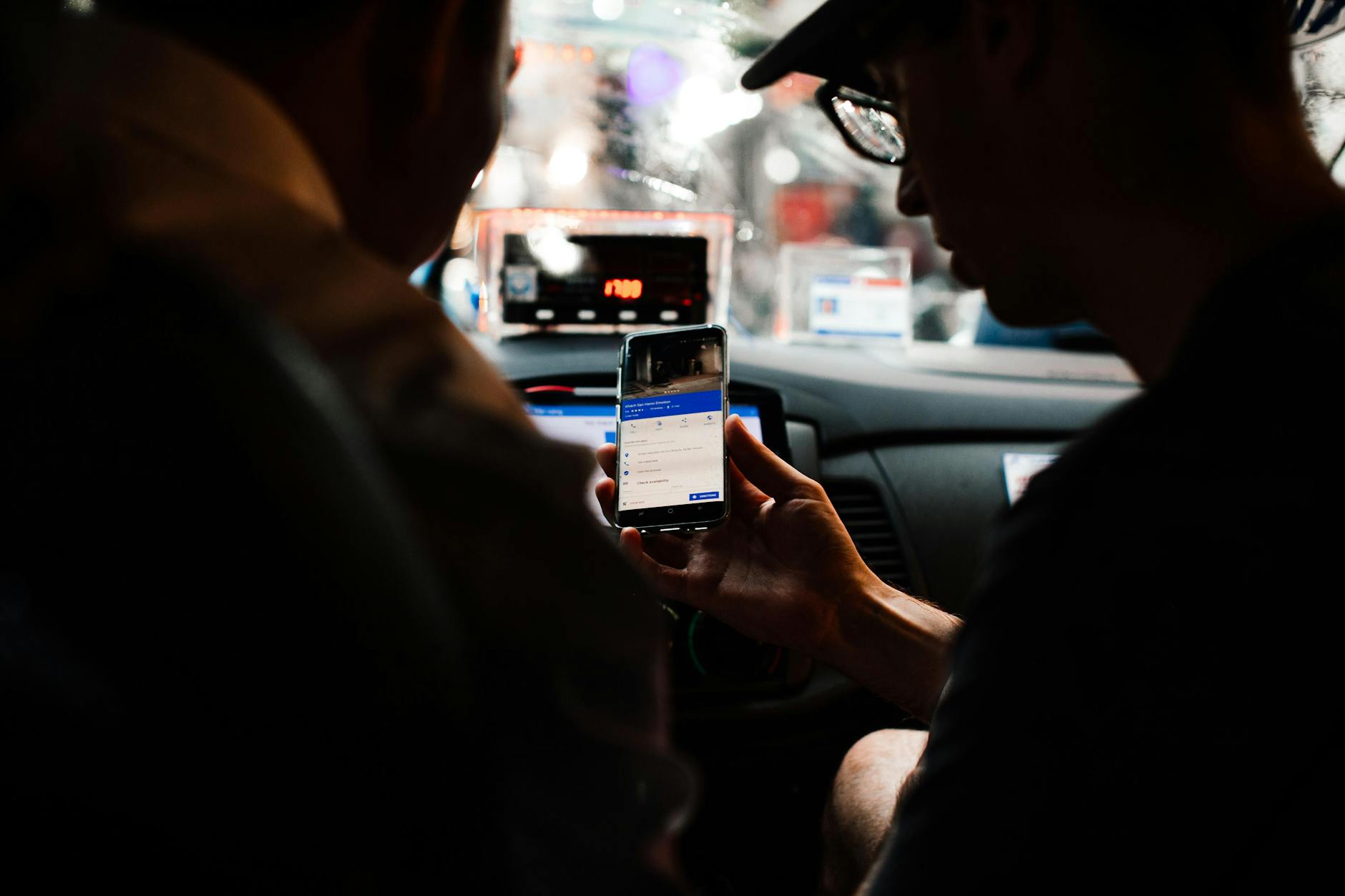
Flight attendants never enter a rideshare vehicle without first verifying the license plate, car model, and driver photo against the information displayed in the app. They confirm the driver knows their name before providing it themselves, a small reversal that protects against impersonation. Sitting in the back seat rather than the front is standard practice, as is sharing the live trip tracking link with a contact before departing. If anything about the situation feels wrong during the ride, they are comfortable asking to be let out in a public, populated area. Treating every rideshare interaction with a consistent protocol eliminates much of the risk associated with transportation in unfamiliar cities.
Crowded Route Planning
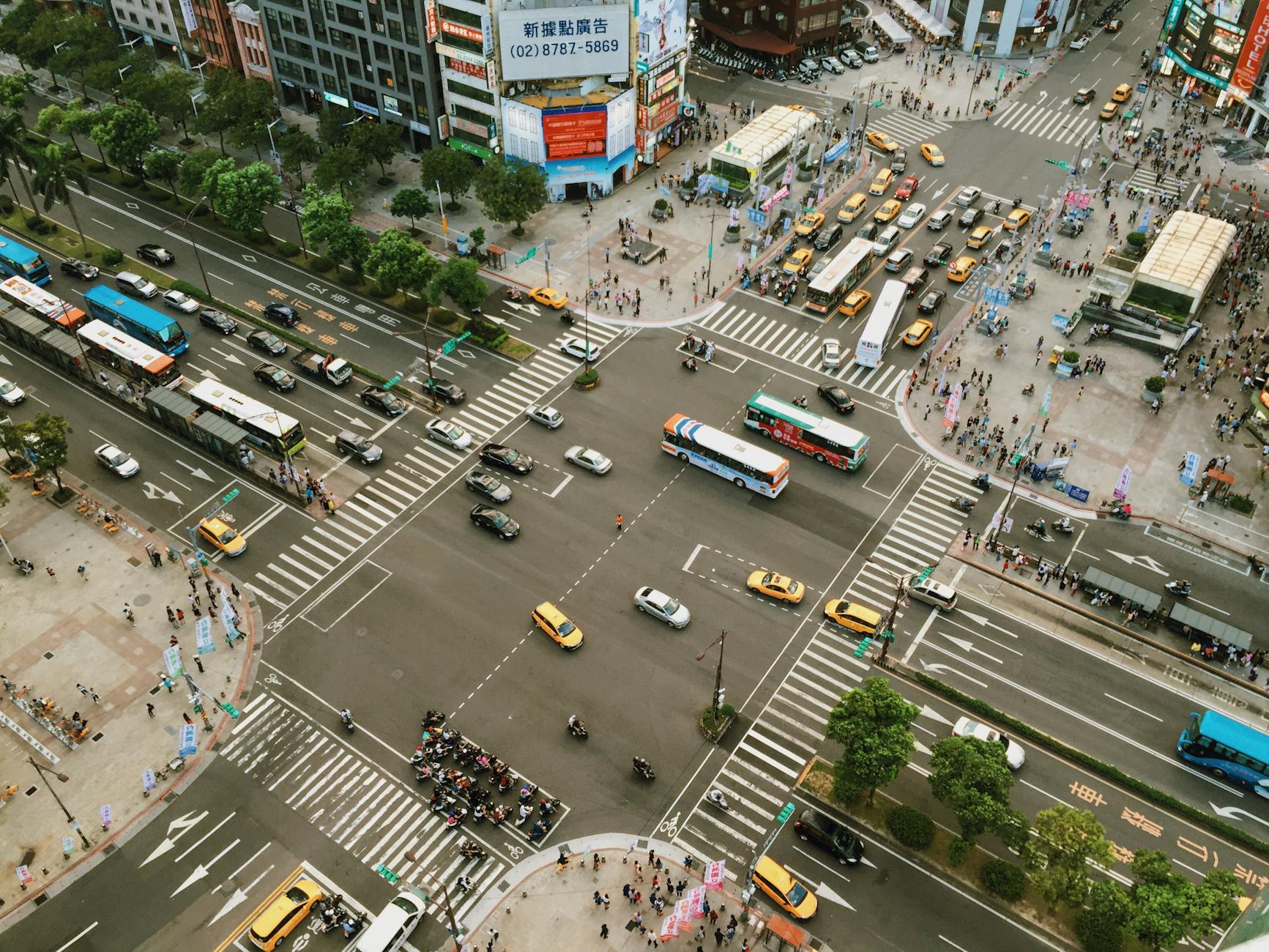
When mapping a route through an unfamiliar city, flight attendants consciously choose paths that run through busy, well-lit, and commercially active areas rather than shortcuts through quieter backstreets. They research the neighborhood in advance using current traveler forums and local guides rather than relying solely on mapping apps that prioritize distance over safety. Evening outings are planned along routes that remain populated throughout the night, particularly near restaurants, markets, and transit hubs. Walking near the curb and away from doorways and alleys is another practiced habit during solo navigation. Choosing the busier path over the faster one is a trade-off flight attendants make automatically.
Emergency Phrase Prep

Before arriving in any non-English-speaking destination, flight attendants prepare a short set of critical phrases in the local language covering help, directions to the nearest hospital, police, and their hotel name. These phrases are saved as a screenshot on their phone so they remain accessible without a data connection. Pronunciation is practiced in advance so communication under stress remains possible. Many also carry a printed card with this information tucked into a wallet or travel pouch for situations where the phone is unavailable. This small investment in language preparation can make an enormous difference when urgent assistance is needed.
Trust Instincts
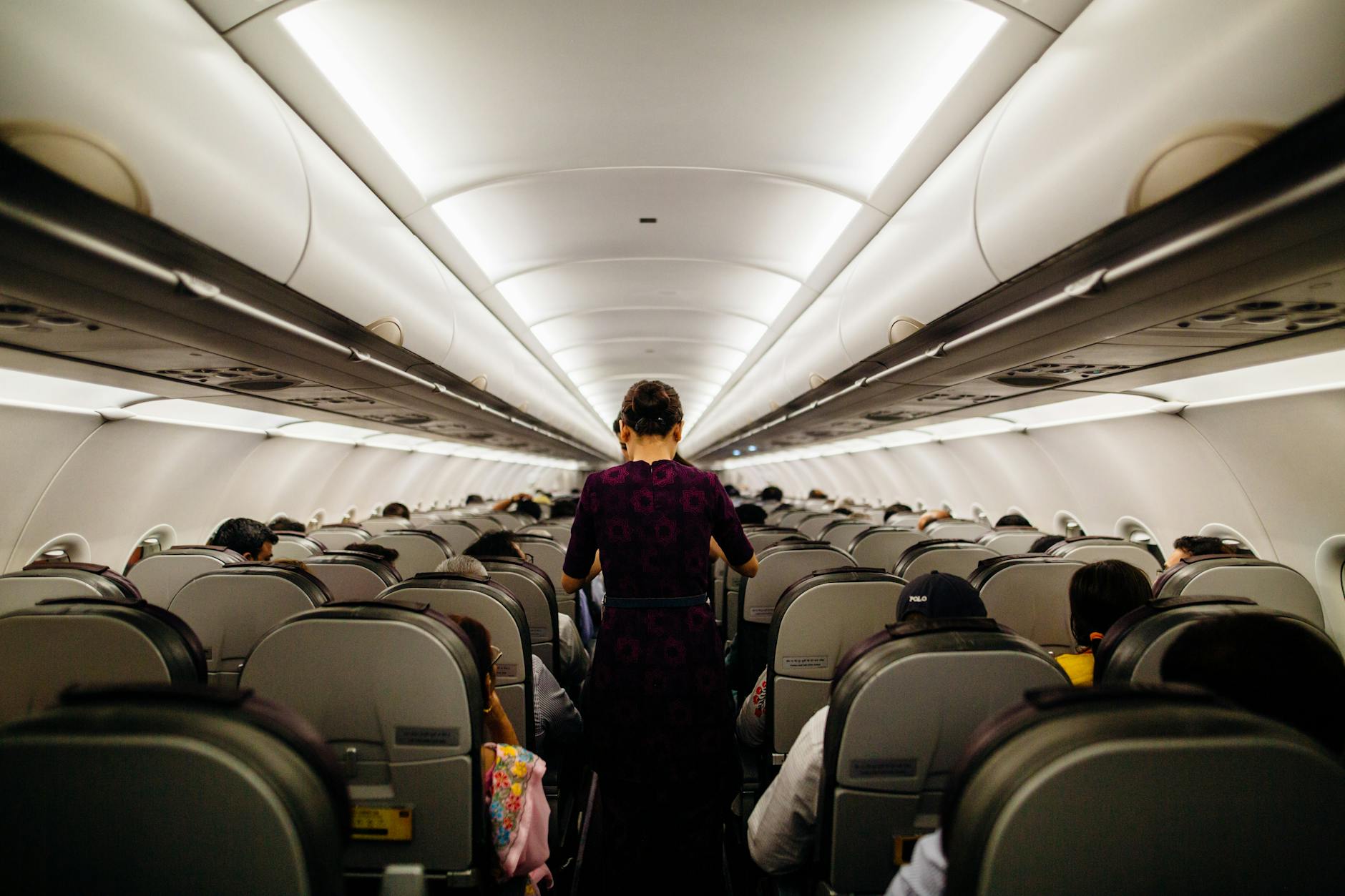
Flight attendants are trained observers of human behavior and place significant weight on gut instinct when assessing unfamiliar situations. If a street, venue, or interaction feels uncomfortable without an obvious reason, they trust that signal and remove themselves without hesitation or second-guessing. Years of working in high-pressure environments with unpredictable passengers have sharpened their ability to read subtle social cues accurately. They do not feel obligated to stay in any situation out of politeness or social pressure when personal safety feels uncertain. Treating instinct as a legitimate and reliable safety tool is one of the most transferable lessons from professional travel life.
Valuables Distribution
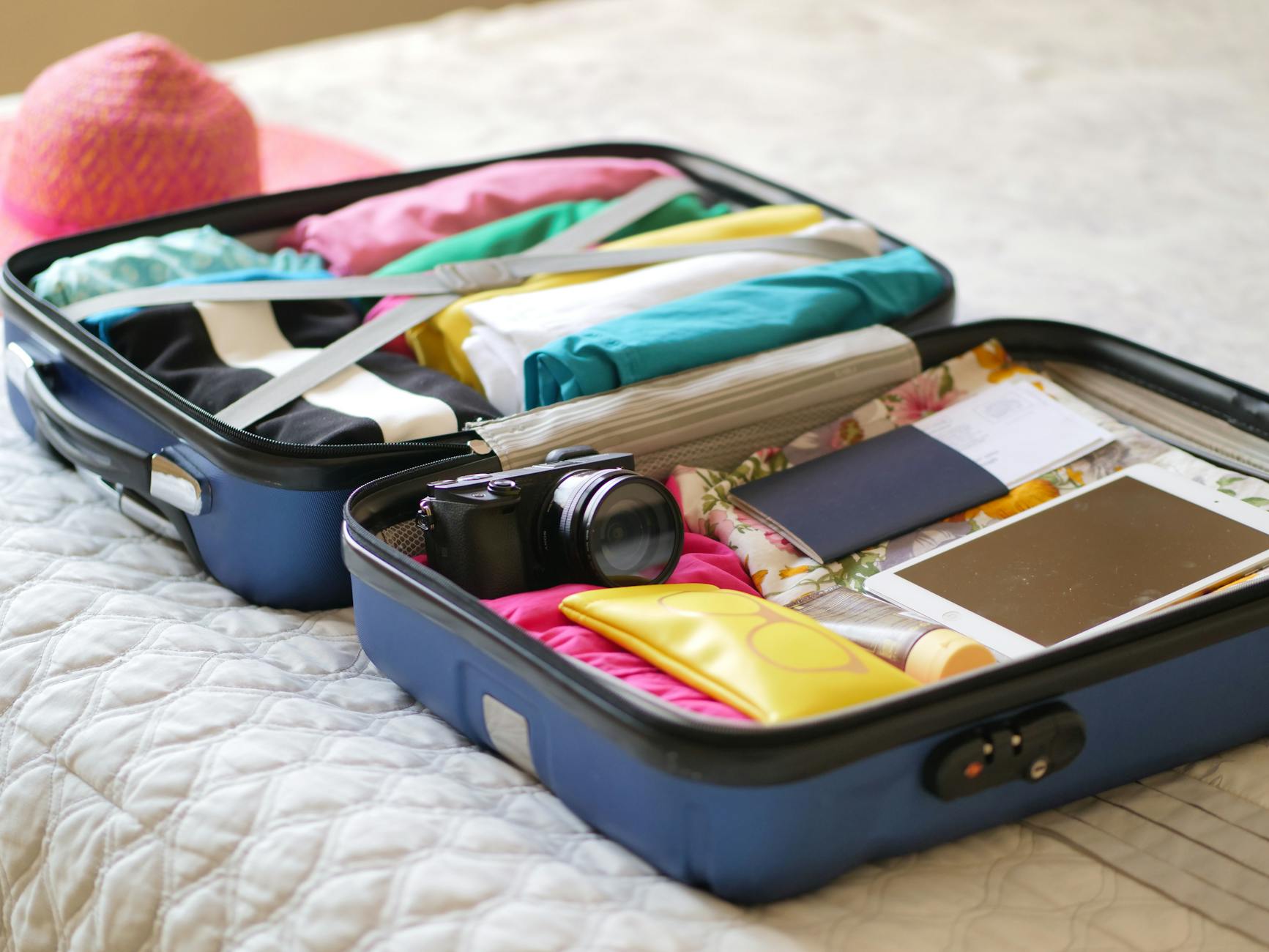
Rather than keeping all essential items in one bag or pocket, flight attendants deliberately distribute valuables across multiple locations on their person and in their luggage. A small amount of cash is kept in a front pocket for quick transactions while cards and the passport are secured in a concealed travel wallet worn under clothing. A backup card is always stored separately in the hotel room in case the main wallet is lost or stolen. This layered approach ensures that losing any single item does not result in a total loss of funds or identification. Spreading risk across multiple storage points is one of the simplest and most effective safety habits any traveler can adopt.
Share your own travel safety tips or favorite flight attendant tricks in the comments.




