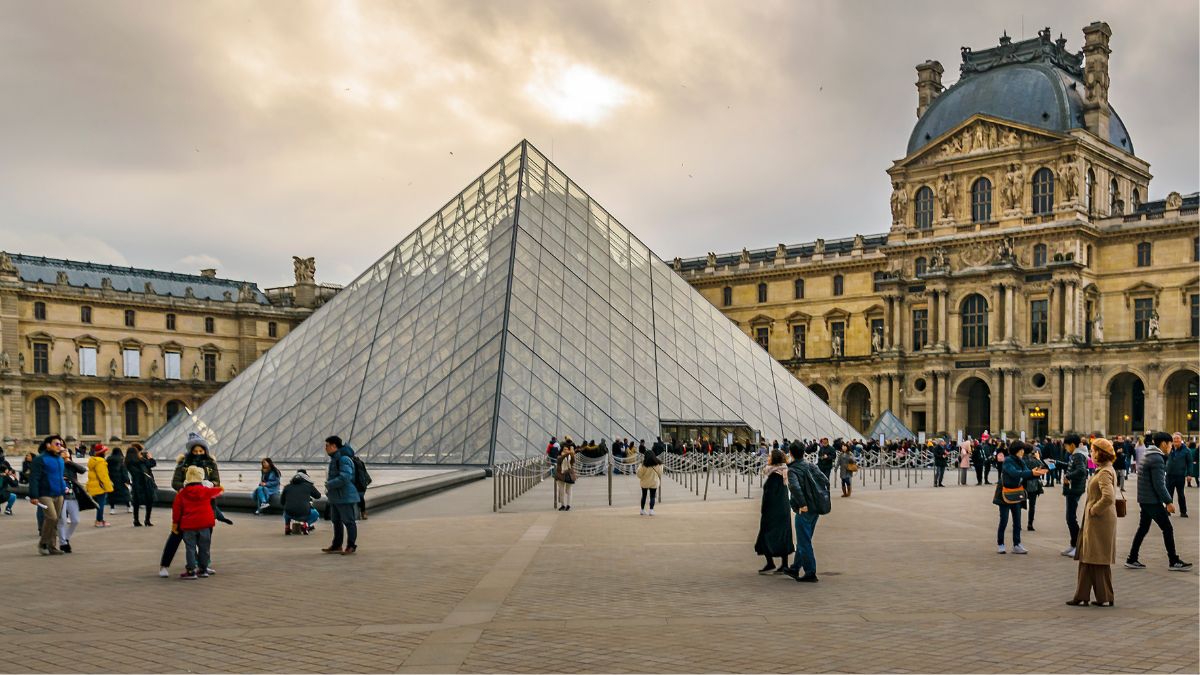
Some of the world’s most celebrated cultural institutions hold objects that were removed from their countries of origin under disputed or outright illegal circumstances. The debate over repatriation has intensified in recent decades as source nations grow more vocal and legal frameworks evolve. Many museums justify retention through arguments about universal access, preservation capacity, and historical acquisition legality. These twelve institutions have become central to the ongoing global conversation about who rightfully owns the past.
The British Museum
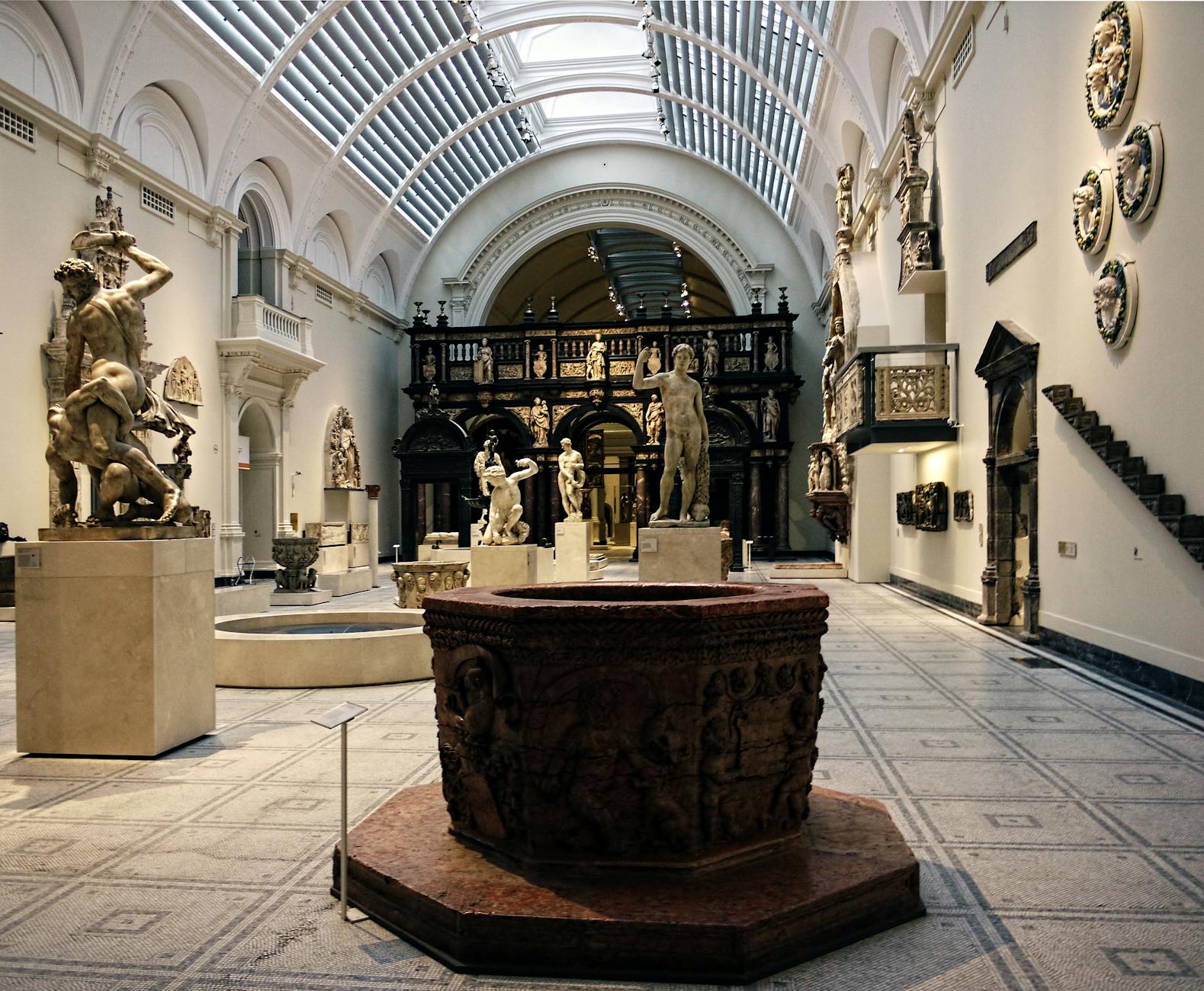
Located in London, the British Museum houses one of the largest and most contested collections of cultural objects ever assembled. Its holdings include items taken during the colonial era from civilizations across Africa, Asia, the Middle East, and the Americas. The Elgin Marbles, removed from the Parthenon in Athens in the early nineteenth century, remain among the most publicly debated objects in any museum worldwide. Greece has formally requested their return for decades, and the argument has drawn support from governments, artists, and international organizations. The museum maintains that it serves as a universal institution where global heritage can be accessed by the widest possible audience.
The Louvre
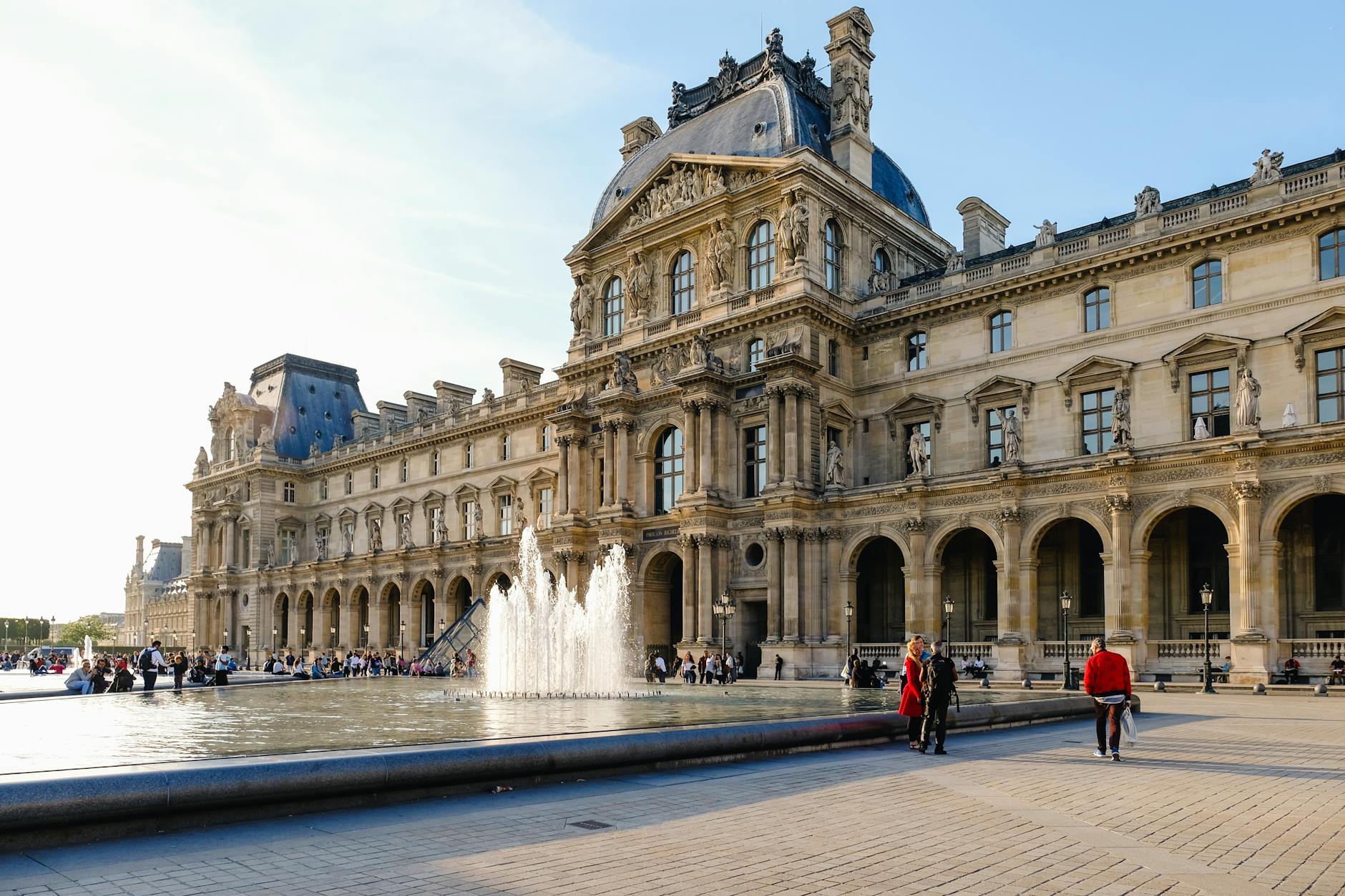
The Louvre in Paris holds a vast collection that includes thousands of objects acquired through conquest, colonial administration, and wartime seizure. Among its most contested pieces are ancient Egyptian artifacts removed during and after Napoleon Bonaparte’s military campaigns in North Africa. Egypt has repeatedly called for the return of specific works, including the Zodiac of Dendera, which was physically cut from the ceiling of a temple in 1821. French cultural patrimony law has historically made it difficult to legally transfer state-owned museum objects out of the country. Ongoing negotiations between France and several African nations have kept the Louvre’s acquisition history under sustained international scrutiny.
The Pergamon Museum
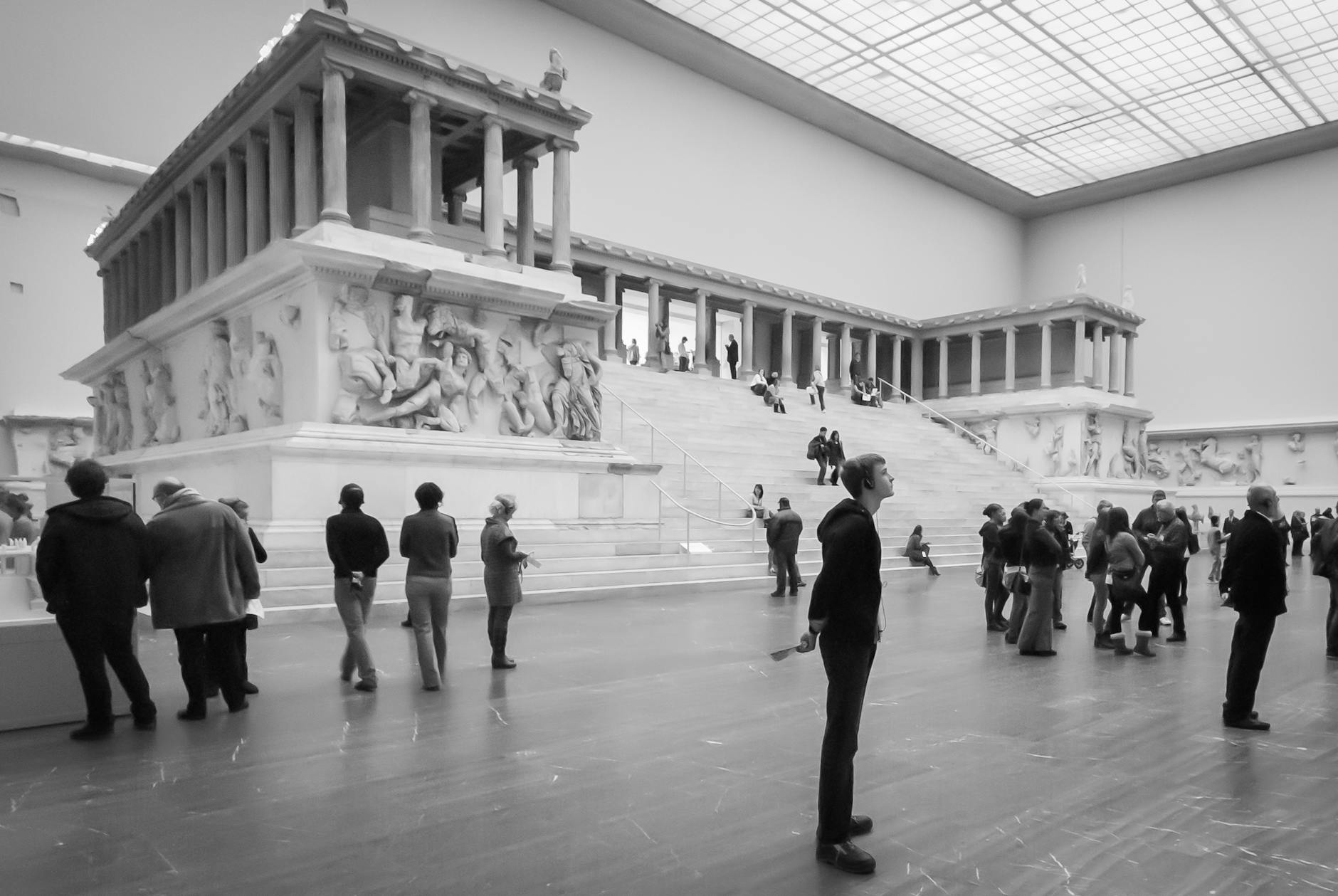
Situated in Berlin, the Pergamon Museum takes its name from the ancient Greek city whose monumental altar was dismantled and transported to Germany in the late nineteenth century. Turkish authorities have long argued that the altar and other architectural fragments were removed under coercive agreements with the declining Ottoman Empire. The museum also holds the Ishtar Gate from ancient Babylon, excavated by German archaeologists between 1902 and 1914 under conditions that modern standards would not permit. Iraq has listed the gate among cultural properties it wishes to see returned to their place of origin. Germany has engaged in some dialogue around repatriation but has not committed to returning the museum’s most iconic structures.
The Metropolitan Museum of Art
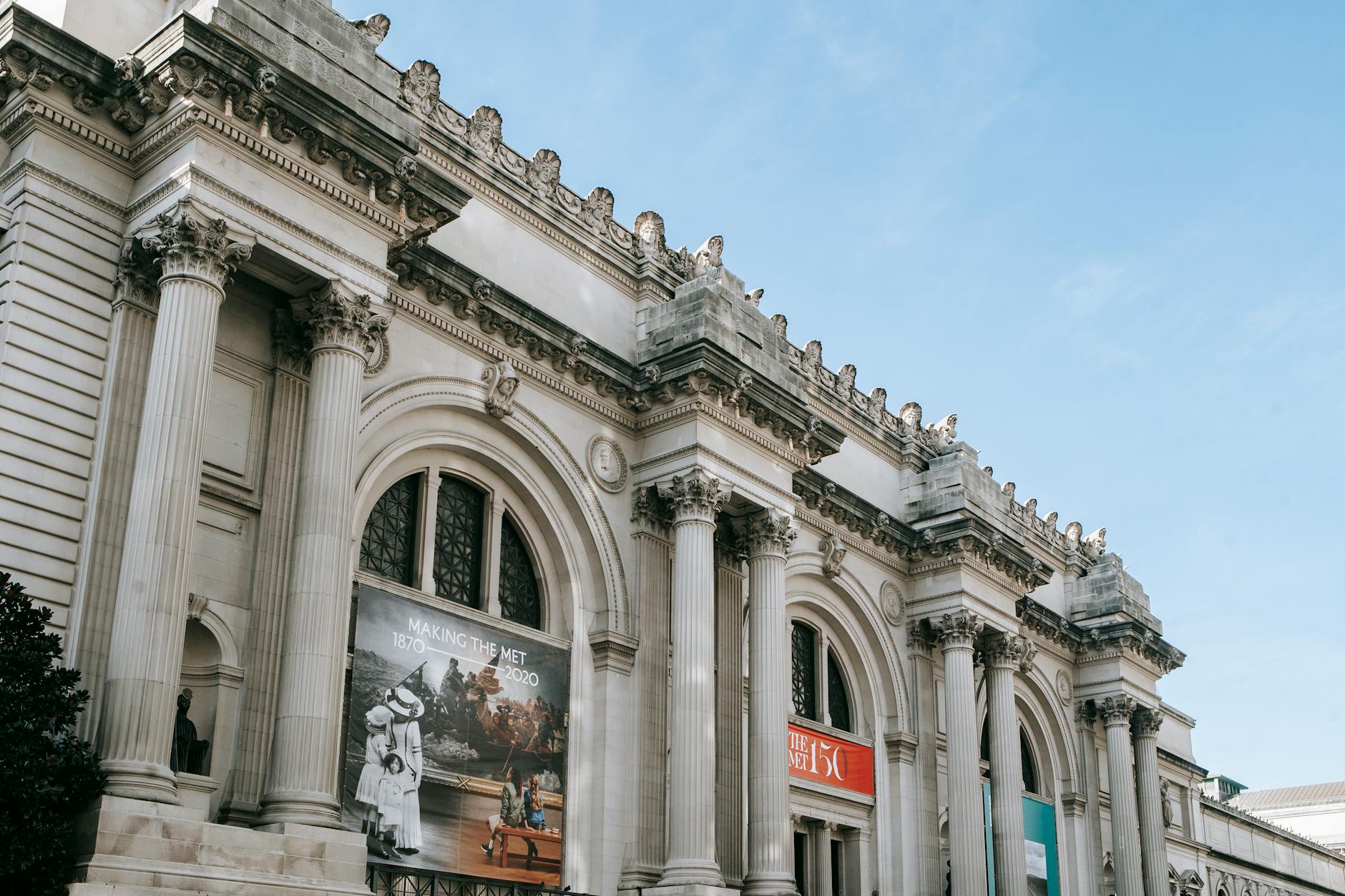
The Metropolitan Museum of Art in New York City has faced numerous legal challenges and diplomatic disputes over objects in its encyclopedic collection. Among the most high-profile cases involved the Euphronios Krater, an ancient Greek vase that was eventually returned to Italy in 2008 after evidence emerged that it had been looted. The museum still retains thousands of antiquities whose provenance documentation is incomplete or covers only recent decades rather than original excavation. Cambodia, Greece, and several African nations have identified specific objects they believe were unlawfully removed from their territories. The institution has updated its acquisitions policy in recent years but continues to hold items that remain subjects of formal repatriation claims.
The Rijksmuseum
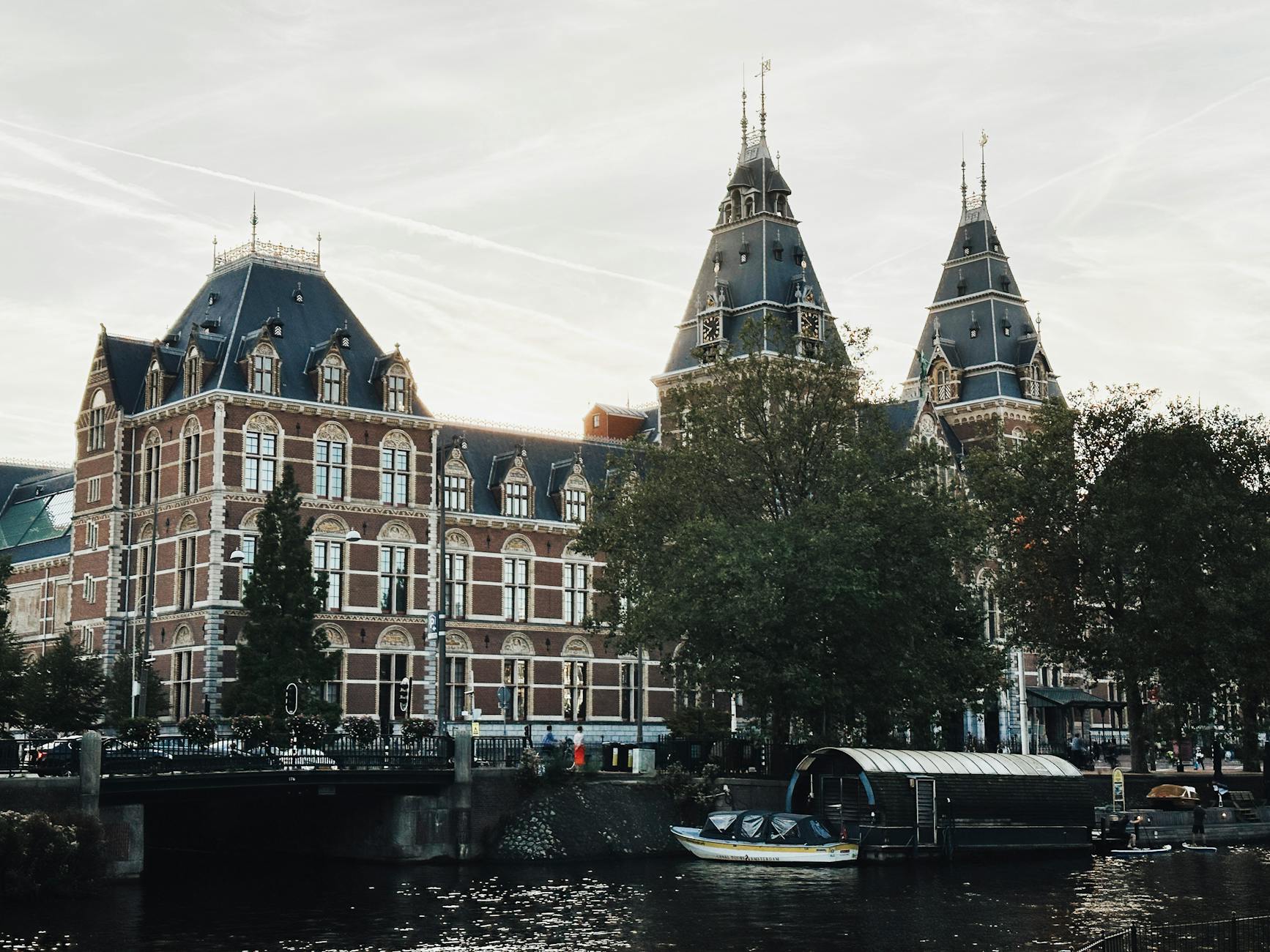
The Rijksmuseum in Amsterdam preserves an extensive collection tied to the commercial and colonial history of the Dutch Empire. Many objects were acquired through the Dutch East India Company and Dutch West India Company during centuries of trade operations that frequently exploited source communities. Indonesia, which was under Dutch colonial rule for over three hundred years, has submitted formal requests for the return of cultural objects held across Dutch institutions. In 2023 the Dutch government made a significant move by acknowledging a broader obligation to return colonial-era objects and began a process of reviewing specific claims. Despite this progress, the Rijksmuseum still retains a substantial number of items whose return has not yet been resolved.
The Boston Museum of Fine Arts
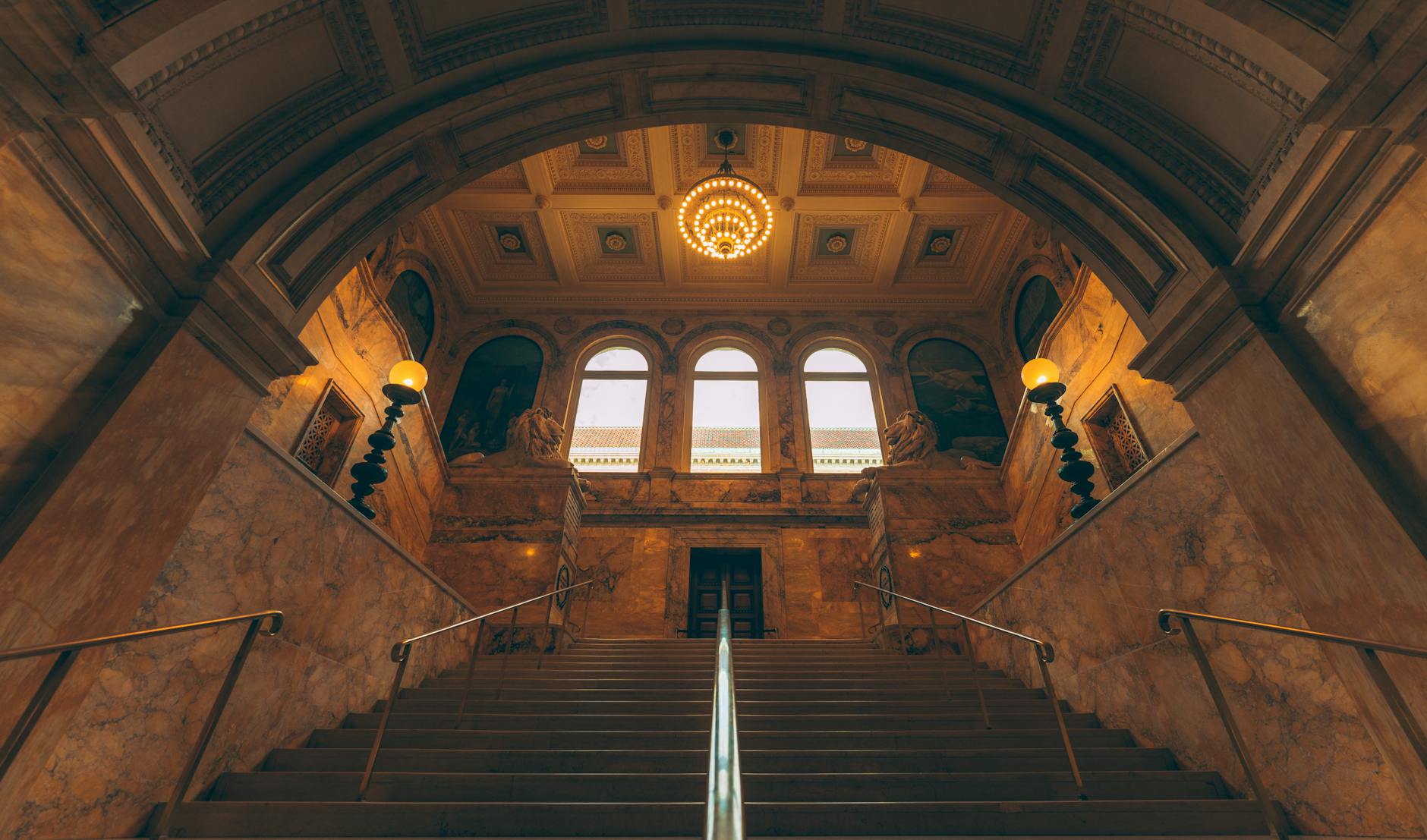
The Museum of Fine Arts in Boston holds a significant collection of ancient Egyptian and Asian art objects, some of which have been linked to unregulated excavations and informal export arrangements. Its Egyptian collection, assembled largely in the early twentieth century, includes mummies, funerary objects, and architectural fragments removed during a period when Egypt had limited control over its own archaeological sites. Thailand and Cambodia have both identified sculptures and decorative art pieces in the collection that they believe were illegally exported in the latter half of the twentieth century. The museum returned several Cambodian artifacts after an investigation by federal authorities in 2022 uncovered credible evidence of looting. A broader review of the institution’s antiquities holdings is ongoing as pressure from source nations continues to mount.
The Vatican Museums
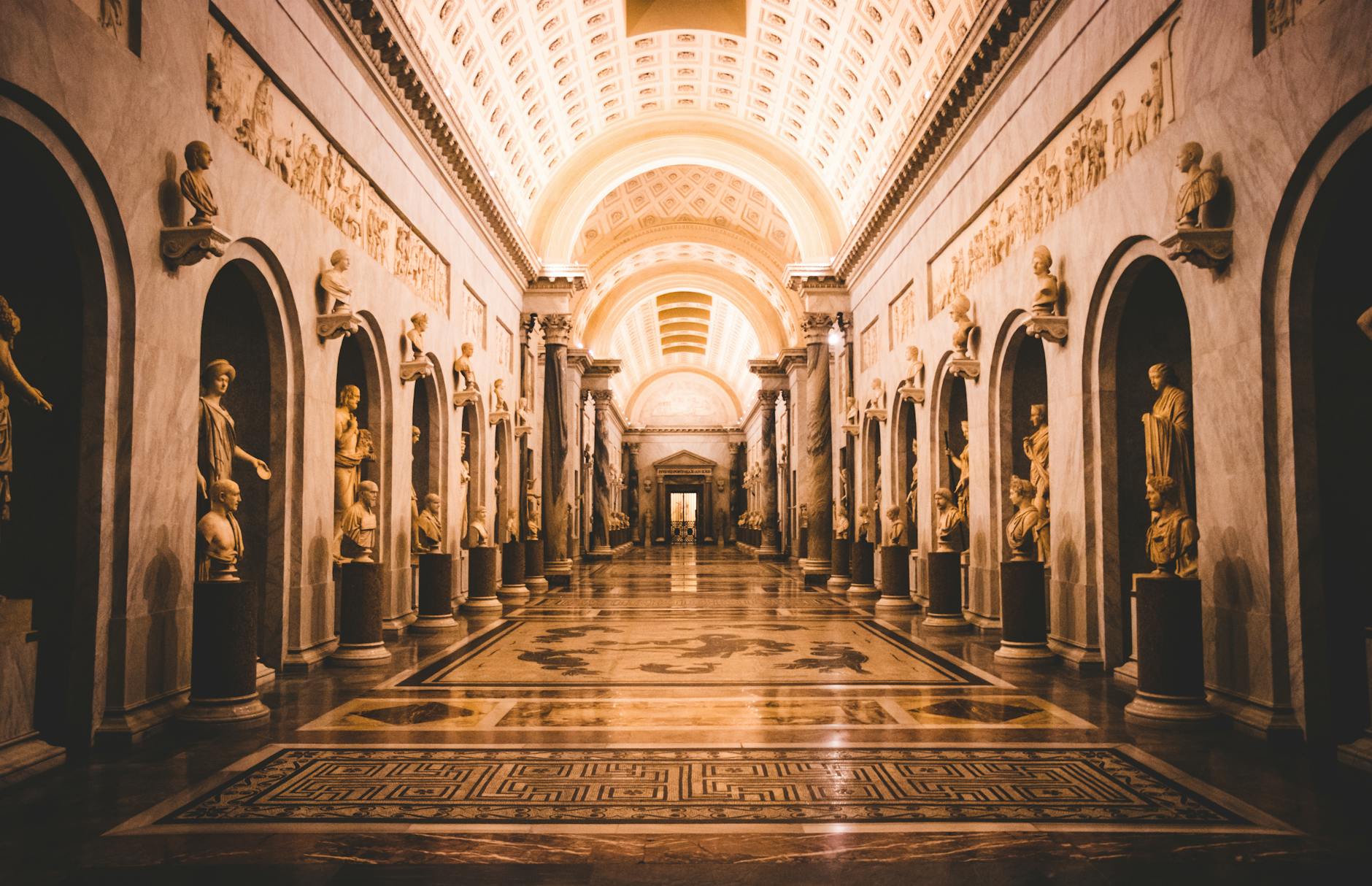
The Vatican Museums in Rome hold one of the most extensive and historically layered collections in the world, spanning ancient civilizations, Renaissance Europe, and objects gathered through centuries of papal influence. Greece has formally requested the return of Parthenon fragments held in the Vatican collection, and in a notable gesture, the Vatican returned three pieces to Athens in 2023. However, the broader collection contains thousands of objects acquired under circumstances that modern international law would not sanction. Indigenous communities from Latin America have also called attention to religious and ceremonial objects that were removed by missionaries and colonial administrators acting under ecclesiastical authority. The Vatican has signaled a greater openness to dialogue but has not established a systematic repatriation review process for its full holdings.
The Smithsonian Institution
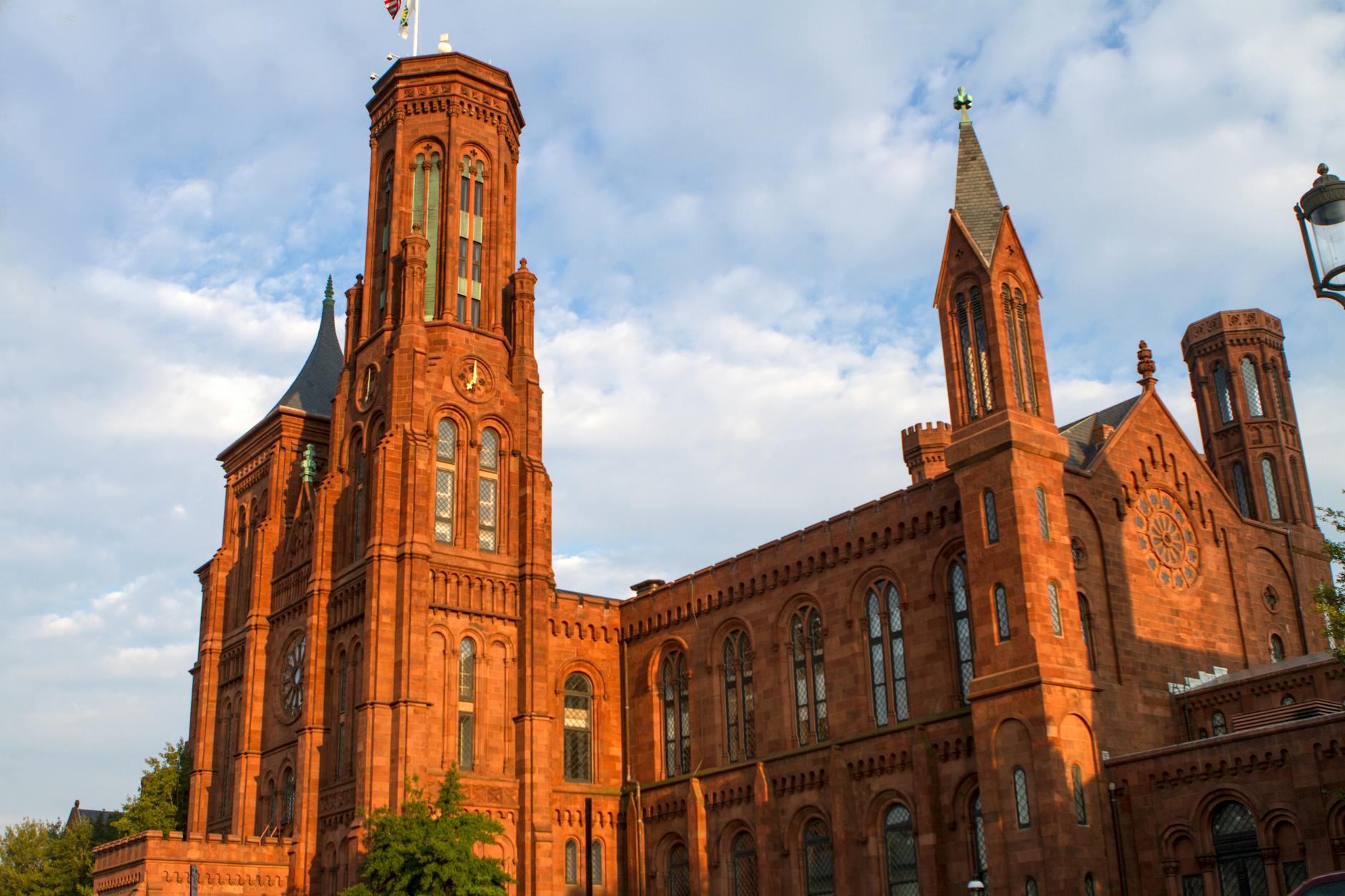
The Smithsonian Institution in Washington D.C. operates as a network of museums and research centers holding millions of objects from cultures around the world. Its National Museum of Natural History has been at the center of debates over the retention of human remains and sacred objects belonging to Native American and Native Hawaiian communities. The Native American Graves Protection and Repatriation Act passed in 1990 legally obligated federally funded institutions to return certain categories of objects, yet compliance across the Smithsonian’s vast holdings has been slow and inconsistent. Several African nations have identified ethnographic and ceremonial objects collected during the colonial period that they argue should be repatriated. The institution has made some returns but continues to hold large quantities of material that remains under active dispute.
The Penn Museum
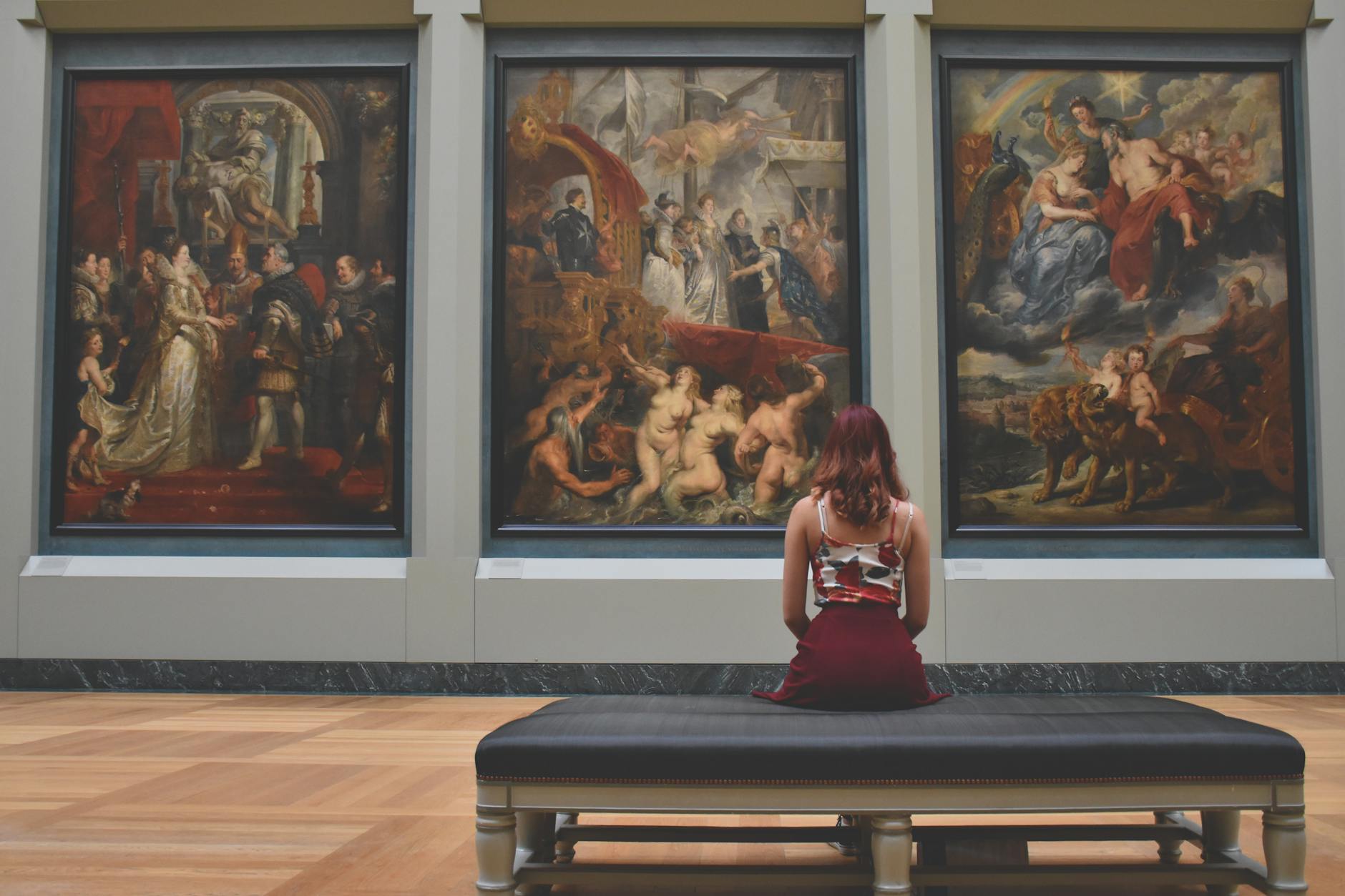
The Penn Museum at the University of Pennsylvania in Philadelphia holds a significant collection of Mesopotamian artifacts excavated in the late nineteenth and early twentieth centuries from sites including the ancient city of Ur in present-day Iraq. Excavations at Ur were conducted under agreements with the Ottoman and later British-administered Iraqi governments that allowed a share of finds to be exported, arrangements that contemporary scholars and governments view as inherently unequal. Iraq has identified objects from these digs that it considers part of its national cultural patrimony and has called for their return. The museum’s collection also includes human skeletal remains from multiple cultures, the retention of which has drawn criticism from descendant communities. Penn Museum has undertaken provenance research initiatives but has not returned its core Mesopotamian holdings.
The Ethnologisches Museum
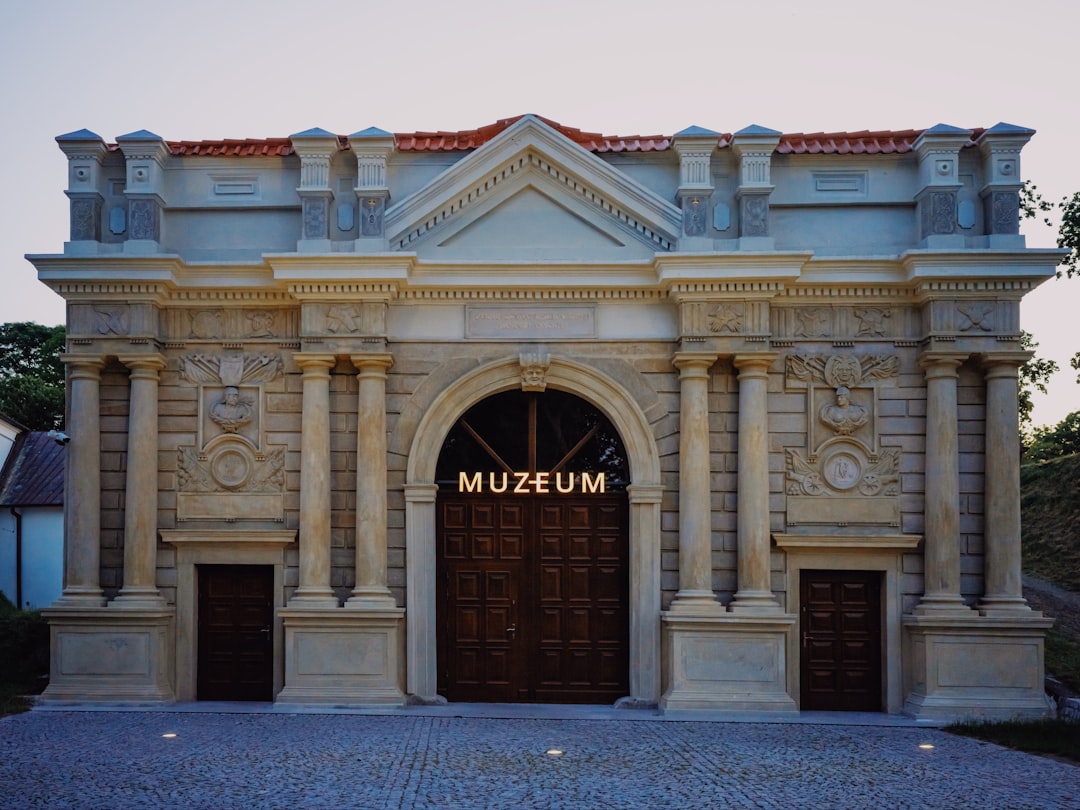
The Ethnologisches Museum in Berlin holds one of the largest collections of non-European cultural objects assembled during the German colonial period, with particular concentrations of material from Africa, Oceania, and the Americas. Its Benin collection, comprising hundreds of bronze sculptures and ivory carvings looted by British forces from the Kingdom of Benin in 1897, has been at the heart of international repatriation discussions for years. Germany made a landmark commitment in 2022 to return a significant number of Benin Bronzes to Nigeria, and initial transfers have taken place. However, thousands of additional objects in the museum’s holdings remain subjects of unresolved claims from source communities and nations. The museum’s relocation to the Humboldt Forum in central Berlin has amplified public debate about the ethical dimensions of displaying contested colonial collections.
The Musée du Quai Branly

The Musée du Quai Branly in Paris was designed specifically to house France’s collection of non-European art and cultural objects, many of which were gathered during the colonial period across Africa, Asia, Oceania, and the Americas. The museum holds over 300,000 objects, a substantial portion of which originated in communities that had no meaningful ability to consent to or refuse their removal. A landmark 2018 report commissioned by the French government recommended the unconditional return of African cultural heritage, but legislative action to enable transfers has been slow to materialize. Benin and Senegal have been among the most persistent in pressing formal claims against objects held at the institution. While some symbolic returns have occurred, the museum retains the vast majority of its contested collection.
The Harvard Art Museums
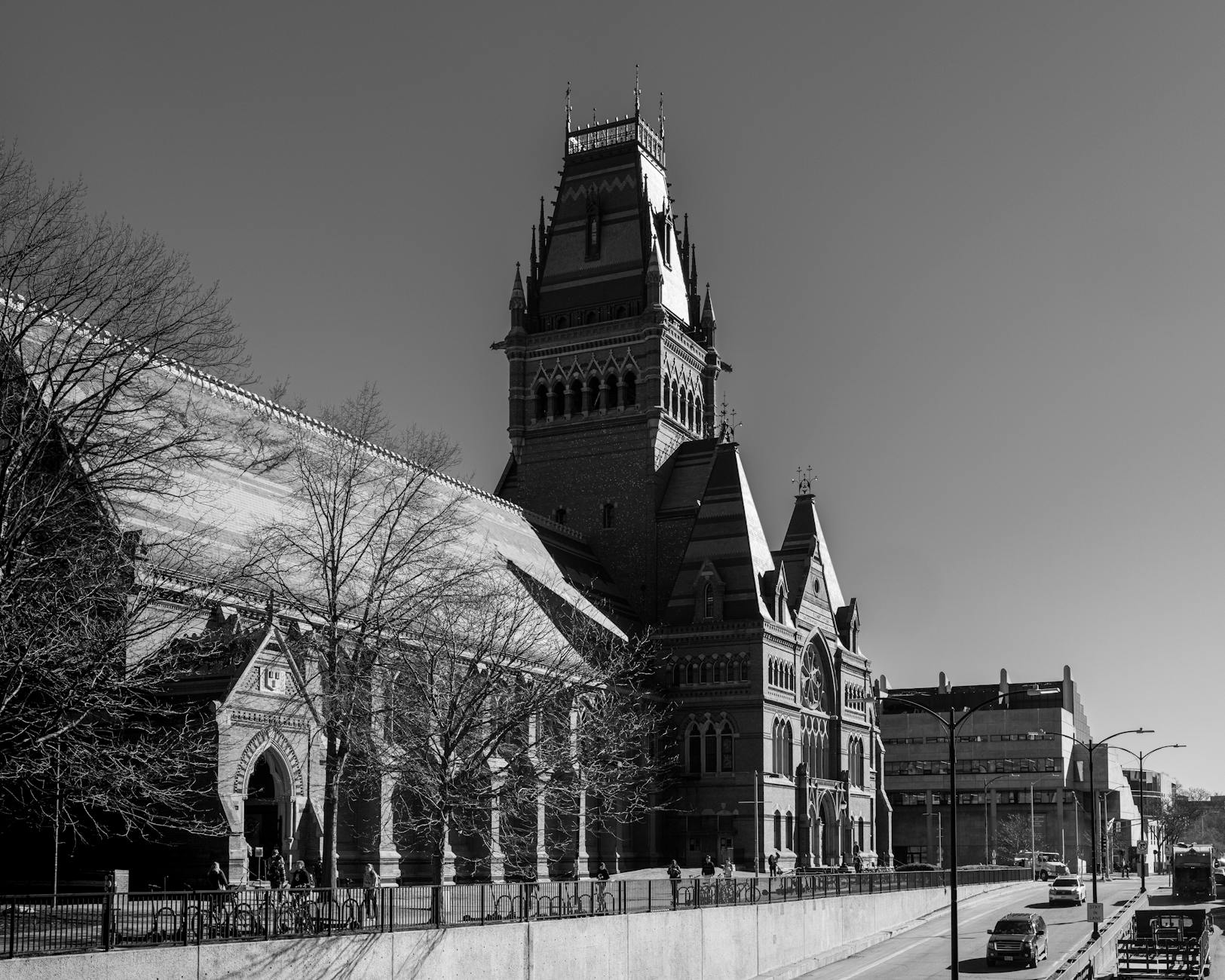
The Harvard Art Museums in Cambridge, Massachusetts oversee a collection built over more than a century through purchases, donations, and excavation partnerships that often operated outside the ethical norms now applied to acquisitions. The university’s Peabody Museum of Archaeology and Ethnology holds tens of thousands of objects from Indigenous North American cultures as well as materials from archaeological sites in the Middle East and Latin America. Harvard has faced particular scrutiny over its retention of human remains, with critics arguing that institutional compliance with repatriation law has lagged behind peer institutions. Greece has also identified fragments connected to ancient Athenian monuments within Harvard’s classical antiquities holdings. The university has begun proactive provenance reviews in some departments, but critics argue that the pace and scope of these efforts fall short of what justice requires.
Share which museum’s repatriation controversy you find most compelling in the comments.




