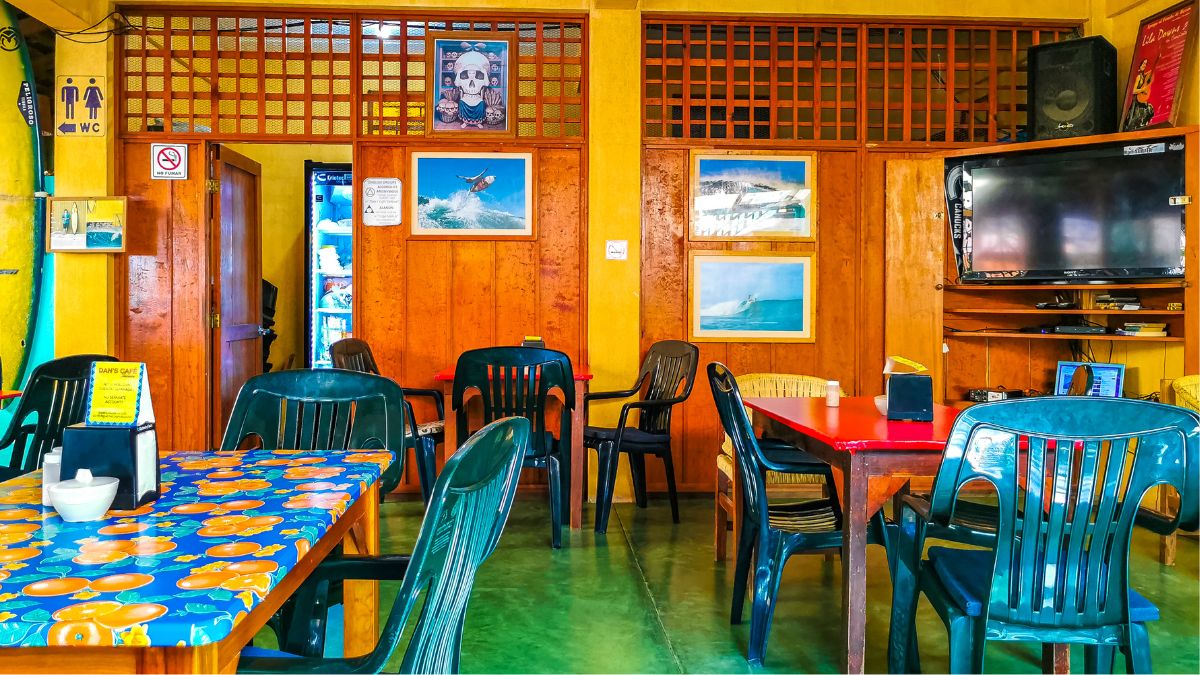
Dining out while traveling should be one of the most rewarding parts of any trip, yet far too many meals end in disappointment when a charming-looking spot turns out to be more theater than cuisine. Tourist trap restaurants are masters of illusion, relying on location and aesthetics rather than quality to fill their seats. Knowing what to look for before sitting down can save both your budget and your appetite. These fifteen subtle signs are the ones most savvy travelers have learned to spot the hard way.
Menu Photos

Restaurants with strong local reputations rarely need glossy photographs of every dish to convince guests to order. Photo-heavy menus are often designed to appeal to visitors who are unfamiliar with the cuisine and need visual reassurance. The images frequently bear little resemblance to what actually arrives at the table, and the gap between expectation and reality is rarely flattering. Menus built around pictures rather than descriptions tend to signal a kitchen more focused on volume than craft.
Street Hawkers
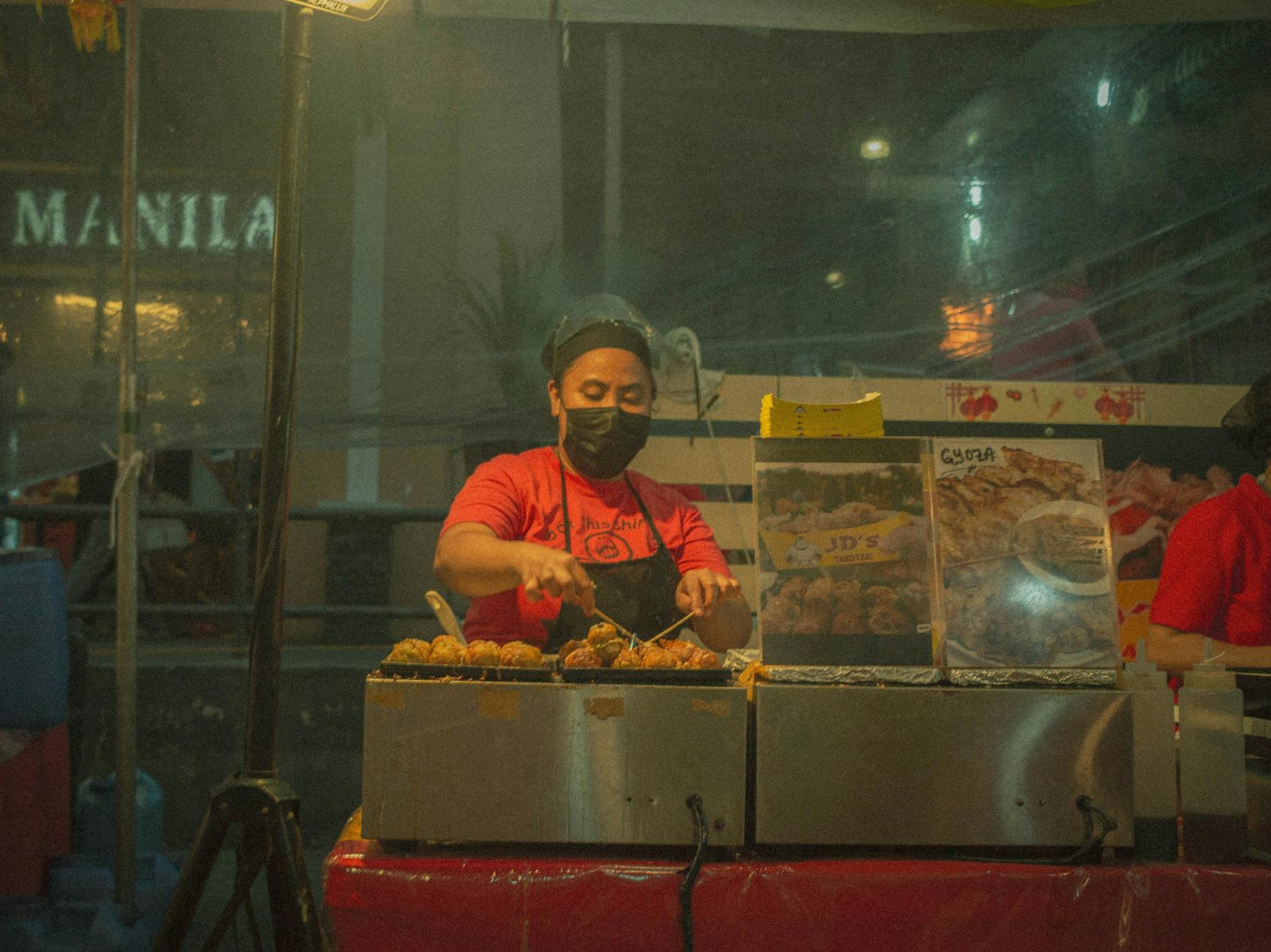
A host or staff member standing outside the restaurant and actively calling to passing tourists is one of the clearest signs of a low-quality establishment. Restaurants that earn loyalty through good food and word of mouth simply do not need to recruit diners off the sidewalk. This practice is common in heavily trafficked tourist areas where foot traffic is high and repeat customers are rare. The energy spent on pulling people in through the door is almost always energy not being spent in the kitchen.
Laminated Menus
Laminated menus are a practical choice for establishments expecting spills and rough handling from constant high turnover. They signal that the menu rarely changes and has been designed for durability rather than seasonal or locally inspired cooking. Restaurants with genuine culinary ambition tend to update their offerings regularly and print fresh menus to reflect those changes. The presence of lamination is a small detail that often points to a kitchen locked into a static, tourist-oriented formula.
QR Codes Only
Restaurants that have replaced physical menus entirely with QR code links to generic online menus sometimes do so to cut costs rather than embrace innovation. When the digital menu is poorly formatted, lacks descriptions, or reads identically to dozens of other restaurants nearby, it suggests a copy-and-paste operation rather than a thoughtful culinary concept. A lack of any printed material can also make it harder for diners to compare prices and dishes at a glance. This approach is increasingly common in areas where tourists are unlikely to scrutinize the details before committing to a table.
Multilingual Signs
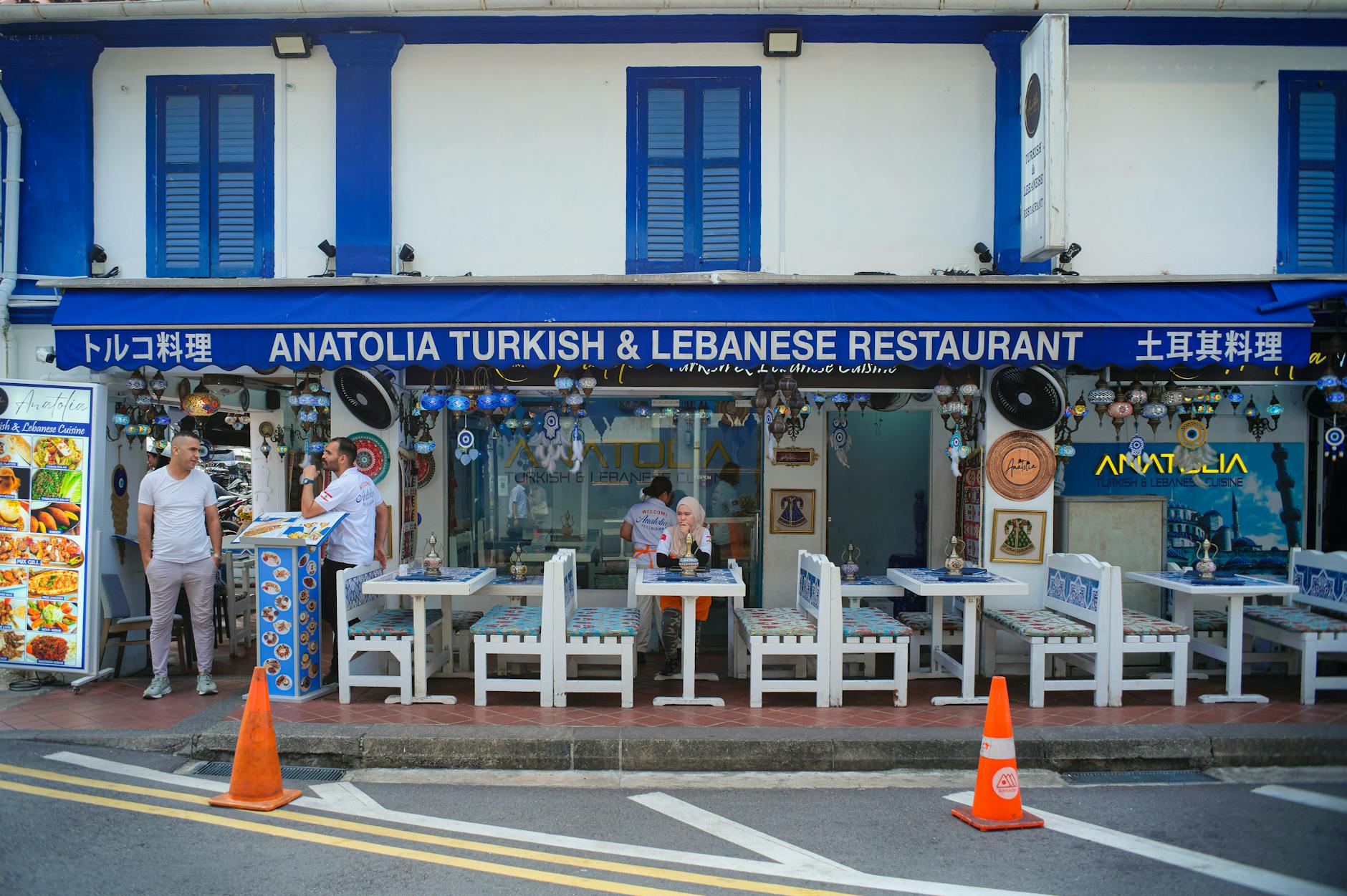
A restaurant displaying its menu in five or more languages outside the entrance is almost certainly targeting international foot traffic rather than a local dining audience. While multilingual accessibility is not inherently negative, the combination of this feature with other warning signs creates a telling pattern. Locals in any city generally do not need a menu translated into English, Mandarin, Spanish, and French to feel welcome. When translation breadth overtakes menu depth, the priorities of the establishment become clear.
Prime Location
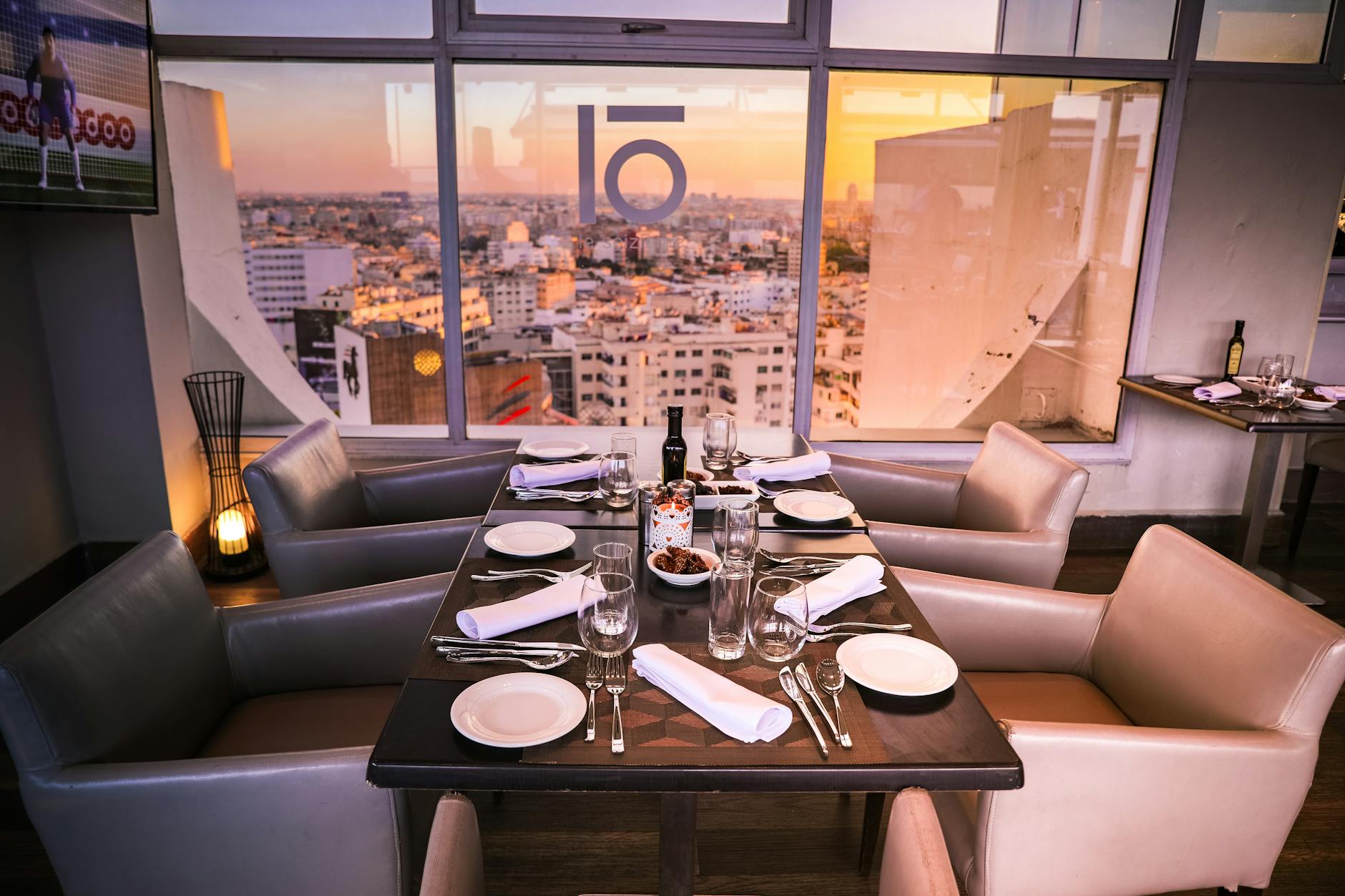
A restaurant occupying premium real estate directly on a famous square, beachfront, or landmark does not necessarily earn its position through food quality. Rent in these locations is extraordinarily high, which means the business model often depends on maximizing turnover and charging elevated prices rather than delivering exceptional value. Locals in most cities will actively avoid eating in these spots precisely because they know the economics rarely favor the diner. The best meals in any destination are almost always found one or two streets away from the most photographed corners.
No Locals
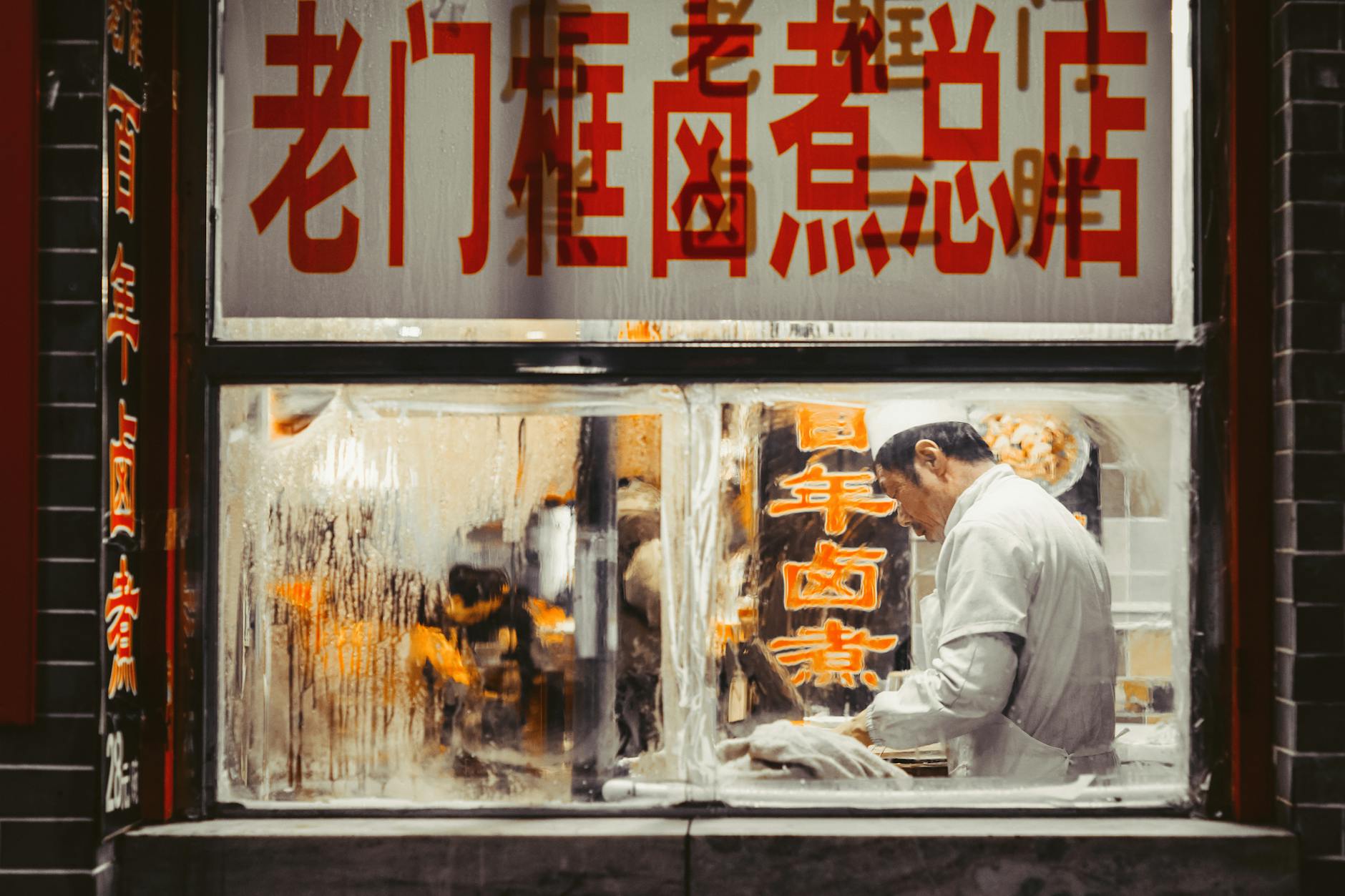
Walking past a restaurant at peak dining hours and seeing no local residents inside is one of the most reliable indicators that the food is not worth the visit. Locals know where the value and quality are in their own city and will consistently vote with their feet. A dining room filled entirely with tourists consulting travel apps and guidebooks is a strong signal that the restaurant depends on one-time visitors rather than earned loyalty. The absence of neighborhood regulars should always be treated as meaningful information.
Souvenir Menus
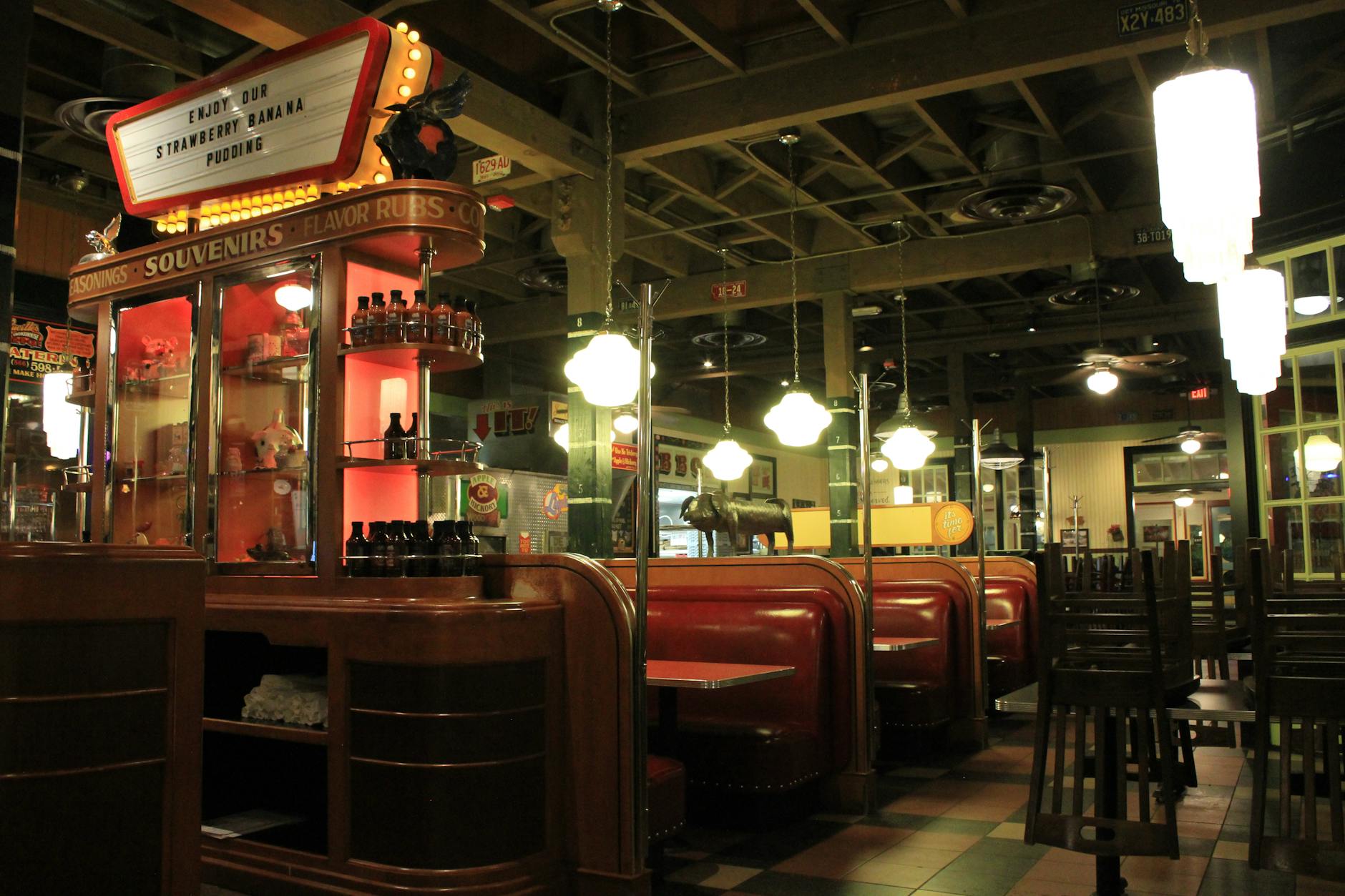
When a restaurant sells or gives away branded merchandise, refrigerator magnets, or printed keepsakes alongside its food, it is leaning heavily into the experience of tourism rather than the experience of dining. These items are designed to turn a meal into a memory, which is not necessarily problematic on its own, but frequently accompanies inflated prices and mediocre cooking. The energy and budget invested in branding and memorabilia often reveals where the business truly places its priorities. A kitchen confident in its food rarely needs to distract guests with souvenirs.
Rushed Service
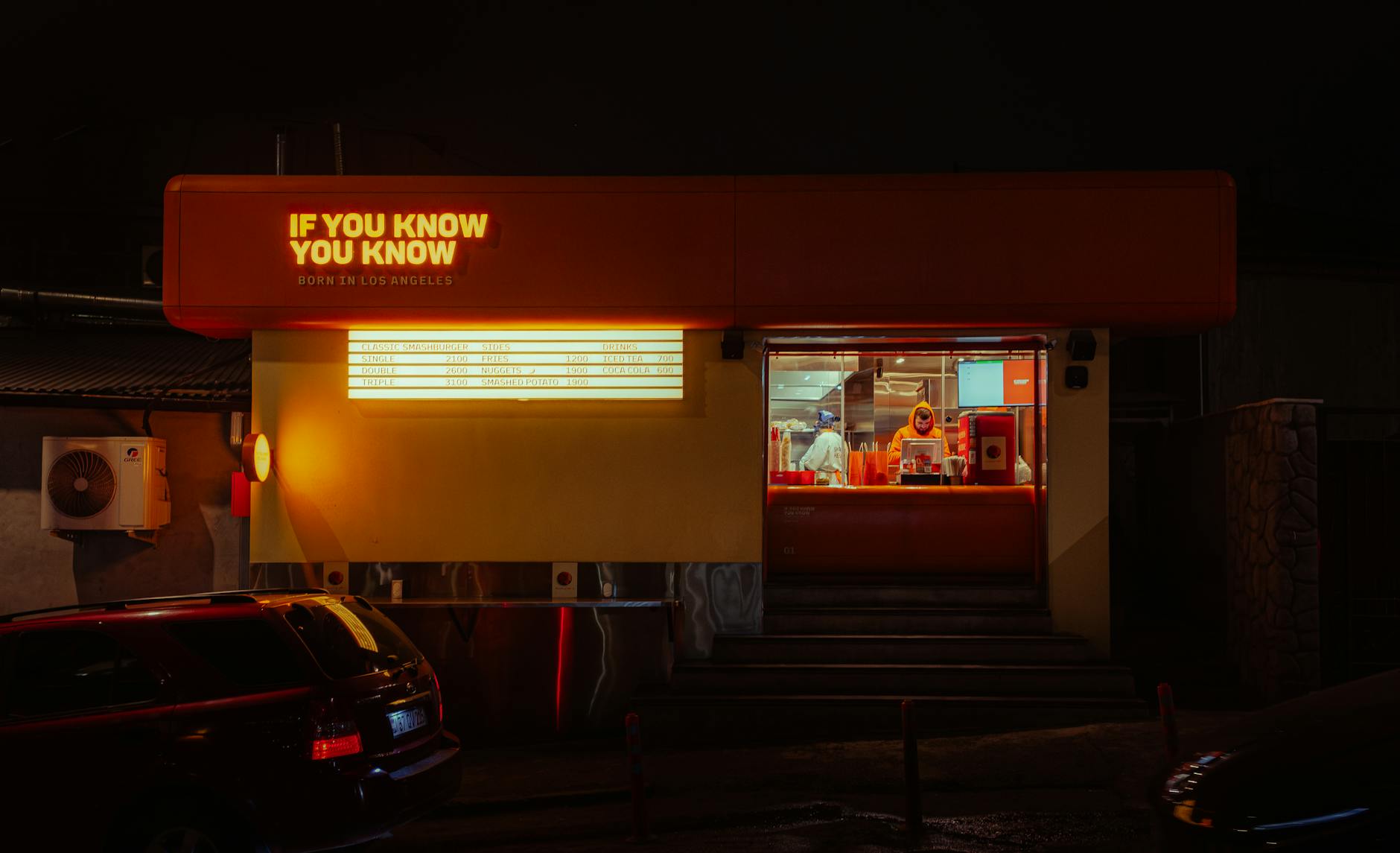
Being seated, handed a menu, asked for an order, and presented with the bill all within thirty minutes in a sit-down restaurant setting suggests that the establishment is optimized for volume rather than hospitality. Tourist trap restaurants depend on cycling through as many covers as possible during peak hours to maximize revenue from a transient audience. This pace leaves no room for the relaxed, attentive dining experience that characterizes genuinely good restaurants. Feeling hurried through a meal is rarely an accident and almost always reflects deliberate operational choices.
Generic Cuisine
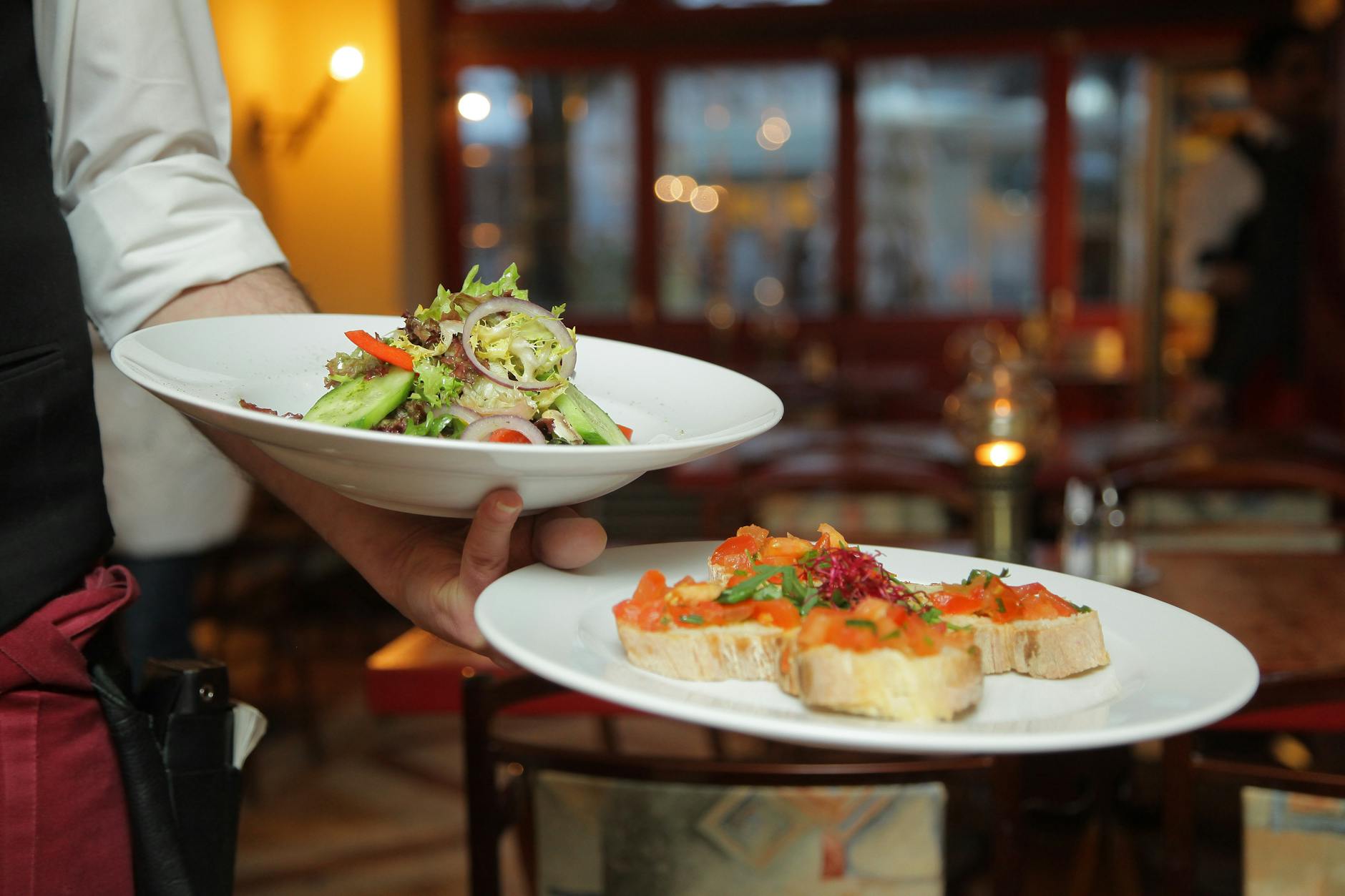
A menu that spans Italian pasta, sushi, burgers, nachos, and local specialties all at once is not a restaurant with range but rather one without identity. This scattershot approach is designed to ensure that every member of a tourist group finds something familiar regardless of their background or preferences. Kitchens capable of executing such a broad range of dishes at a high level are extraordinarily rare, and the reality is almost always a roster of mediocre renditions of everything. Depth and focus in a menu are almost always signs that the kitchen genuinely cares about what it is cooking.
Outdoor Televisions
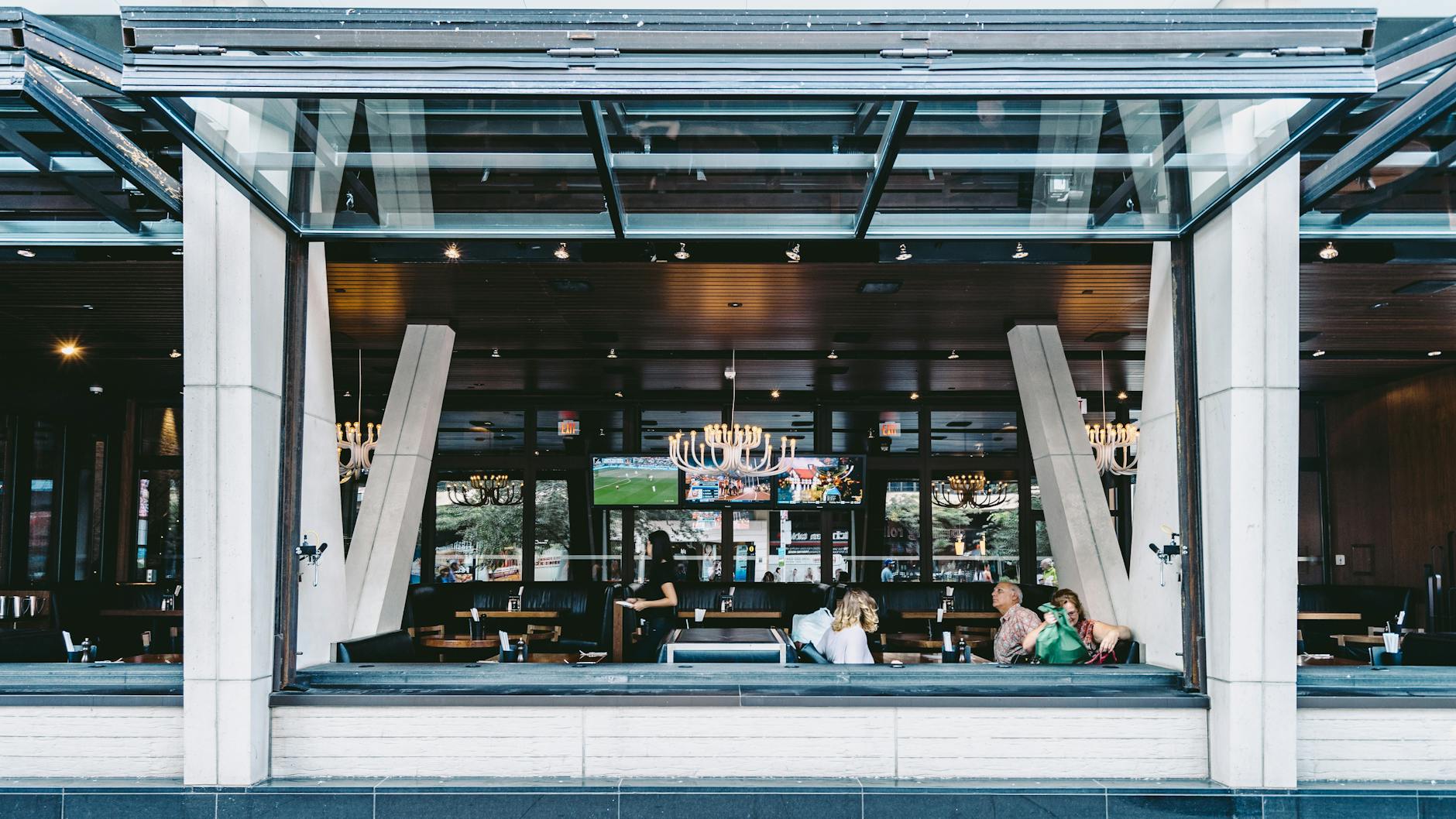
Restaurants that install large screens outdoors to broadcast sports, music videos, or entertainment aimed at luring passersby are converting their dining space into a form of visual marketing. While outdoor televisions can enhance the atmosphere in certain sports bar or casual contexts, their presence in a destination restaurant typically signals that the entertainment is compensating for something lacking in the food or service. Diners seated outside are as likely to be watching a screen as engaging with the meal in front of them. This setup caters to distraction rather than dining.
Identical Menus
When two or three restaurants directly next to each other along a tourist strip share menus that are nearly word for word identical, including the same dishes, the same pricing tiers, and the same promotional language, it strongly suggests a centralized or formulaic operation behind the scenes. This pattern is common in heavily visited coastal towns, historic districts, and airport-adjacent neighborhoods. The appearance of variety and competition masks what is effectively a single business model replicated across multiple storefronts. Genuine culinary variety in any destination is found where menus diverge rather than mirror each other.
Fake Reviews
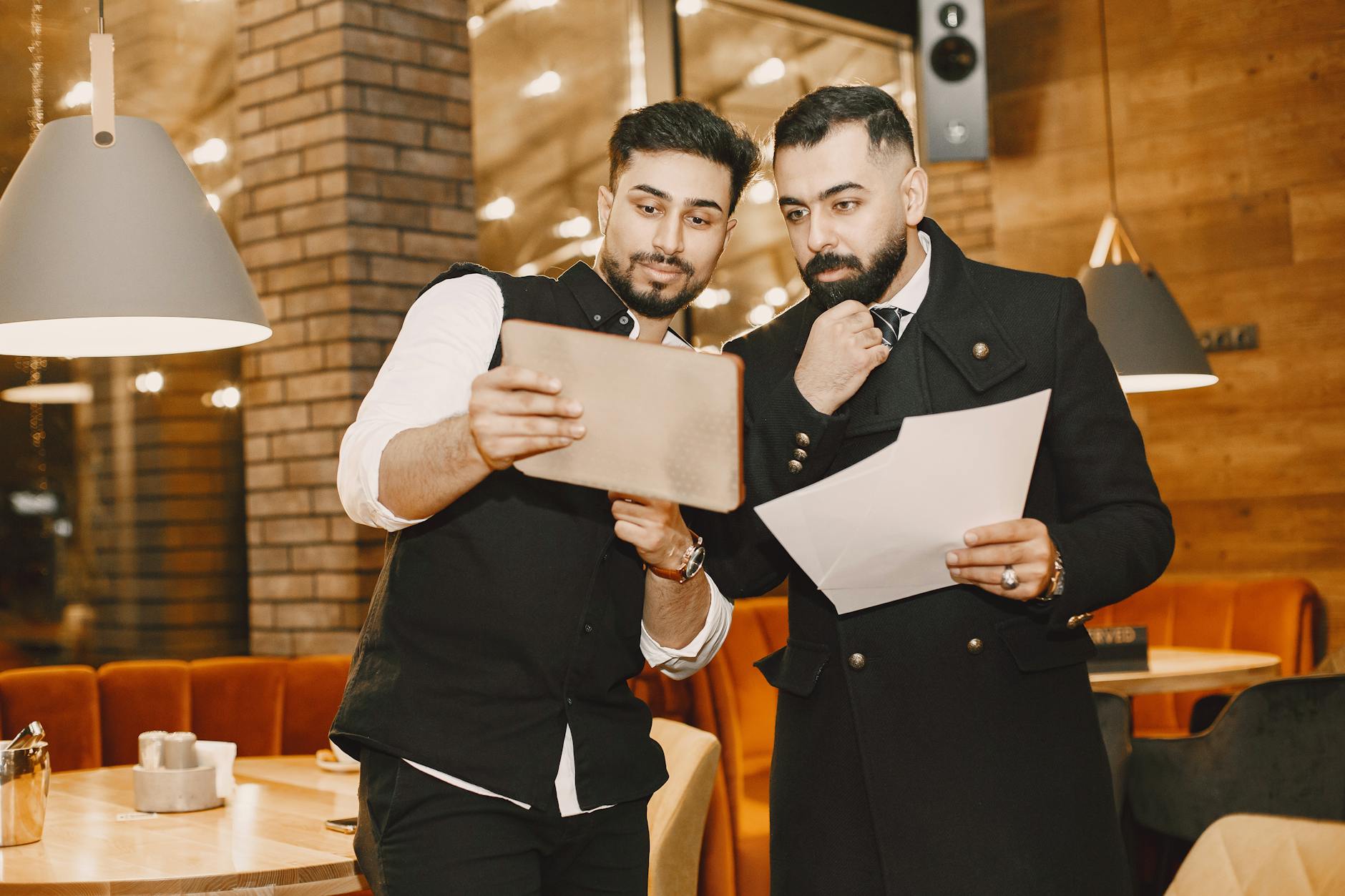
A restaurant with hundreds of five-star reviews that all share similar phrasing, were posted within a short window of time, or come from accounts with no other review history is displaying signs of a manufactured reputation. Platforms that aggregate reviews have become increasingly important to tourist dining decisions, which has created a strong incentive to game the system. Reading reviews critically rather than simply scanning the aggregate score takes an extra minute but frequently reveals patterns that should give pause. Authentic restaurants earn their reputations gradually through diverse and detailed feedback from real diners over time.
Aggressive Upselling
A server who pushes premium water, unnecessary appetizers, overpriced set menus, and dessert at every turn before the meal has even properly begun is operating on a commission-driven or target-driven model rather than a hospitality-driven one. This approach is standard in establishments that know most of their diners will never return and that each table must be maximized for revenue in a single sitting. Genuine restaurant culture in most countries treats upselling as a light suggestion rather than a repeated pressure. Feeling financially maneuvered during a meal is a reliable sign that the restaurant views its guests as transactions.
Empty Afternoons
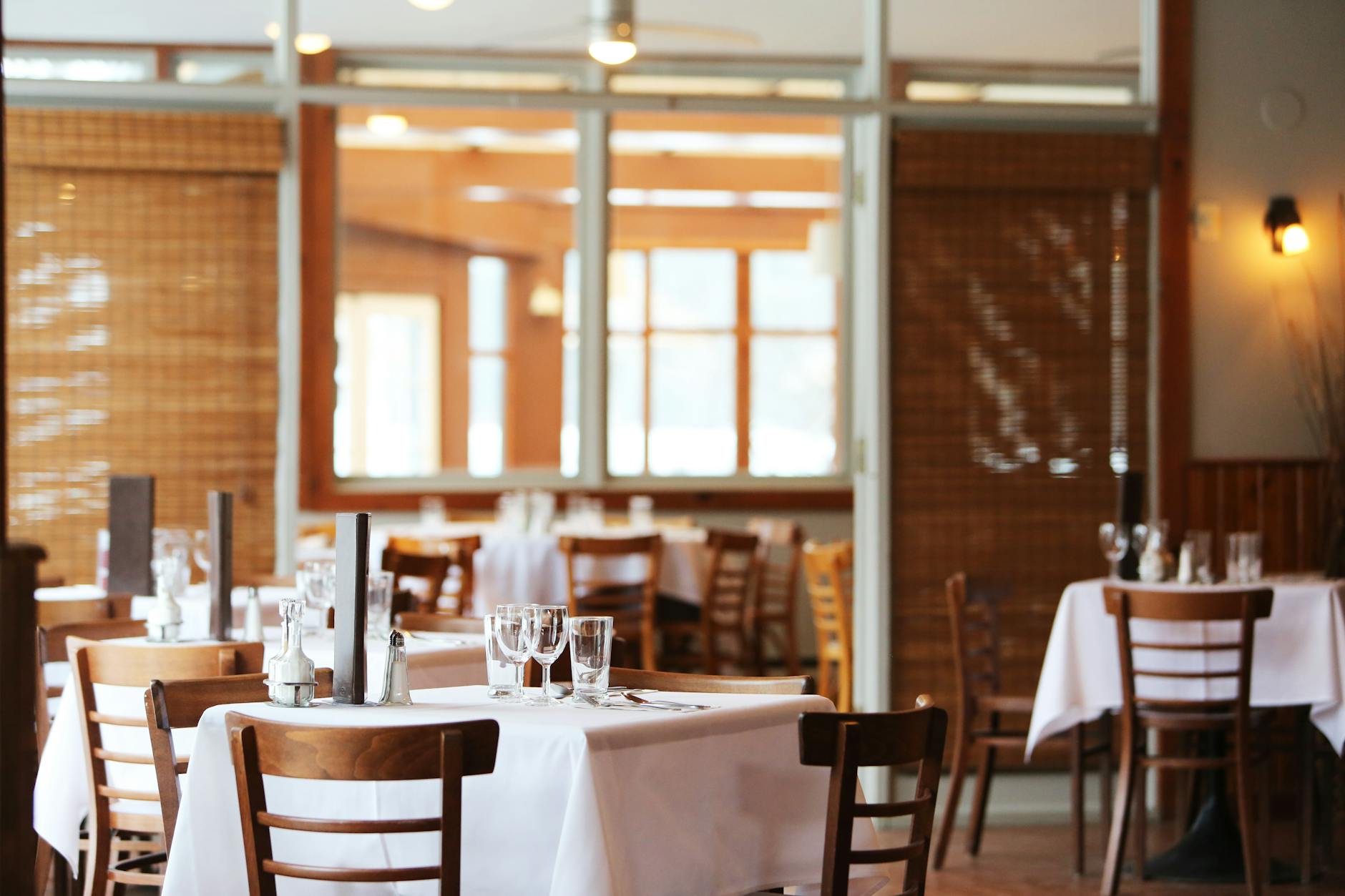
A restaurant that is entirely empty during the quieter hours between lunch and dinner but suddenly fills with tourists at peak times is revealing something important about the nature of its customer base. Establishments with loyal local followings tend to maintain a steadier rhythm of diners throughout the day because people return out of habit and genuine preference. The feast-or-famine pattern typical of tourist traps reflects a business model dependent on seasonal or circumstantial foot traffic rather than sustained reputation. A quiet but consistently occupied restaurant is almost always a more trustworthy dining choice than one that swings between empty and overwhelmed.
Have you spotted any of these warning signs on your travels? Share your restaurant stories and tips in the comments.




