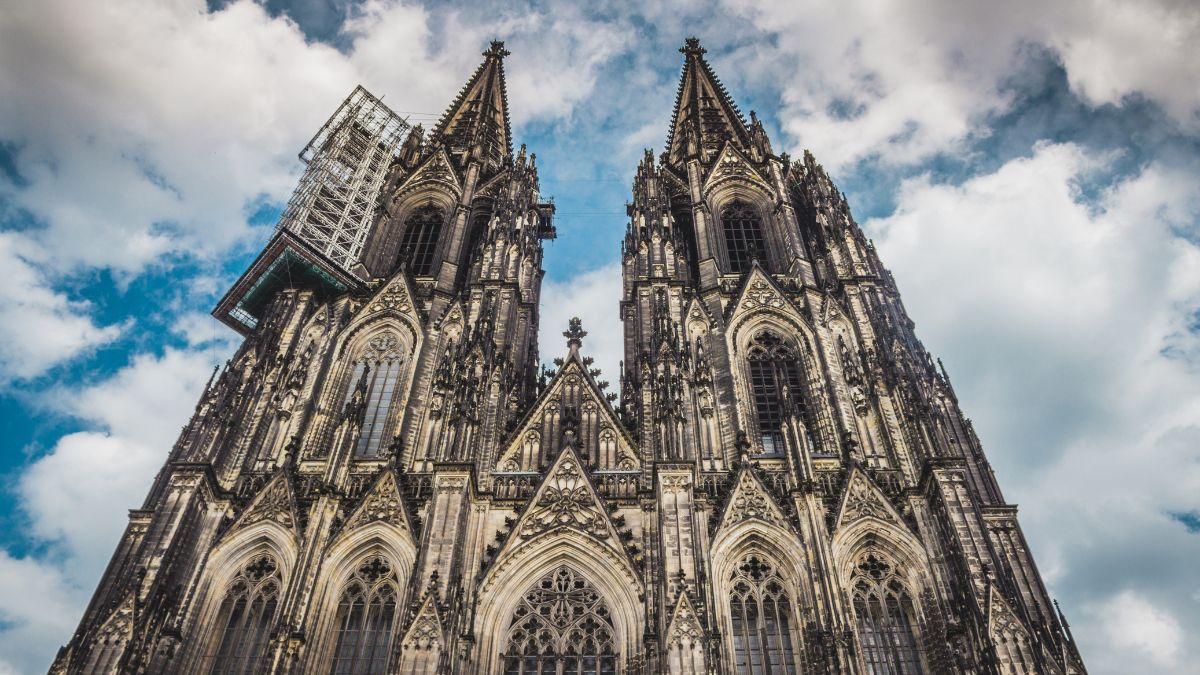
One of Germany’s most iconic and visited landmarks is preparing to make a significant policy change that is bound to spark debate among travelers and historians alike. Cologne Cathedral, a Gothic masterpiece that has drawn millions of visitors from around the world for centuries, is set to begin charging tourists for entry in the second half of this year. The move marks a notable shift for a place of worship that has long been freely accessible to all who wish to walk through its doors. Cathedral administrator Guido Assmann confirmed the upcoming change, making clear that the financial pressures behind the decision are very real.
Assmann was direct when explaining the reasoning behind the new policy. “We need to increase our own revenues,” he stated. The numbers tell a straightforward story about why the cathedral’s leadership felt action was necessary. In 2024, the cathedral’s expenses came to roughly $15.4 million, while revenues fell just short of that at approximately $15.2 million. That gap, modest as it may seem, reflects an ongoing challenge in sustaining one of the world’s most ambitious and costly religious buildings.
Despite the new admission requirement, not everyone will reach into their wallets to get inside. Assmann was careful to emphasize that the cathedral will remain fully free for worshippers who come to attend religious services or engage in personal prayer. The distinction is an important one, as it signals that the cathedral’s spiritual mission is not being placed behind a paywall. What is changing is the experience for the millions of tourists who visit primarily to admire the architecture, history, and art housed within its walls. The exact ticket price has not yet been announced, and the specific mechanism for collecting admissions is still being worked out.
The scale of tourism at Cologne Cathedral is genuinely staggering. Approximately six million people pass through the cathedral each year, making it one of the most visited sites anywhere in Germany. That enormous footfall, while a testament to the cathedral’s enduring appeal, also places immense wear on the structure and demands a significant ongoing investment in maintenance and restoration. The introduction of an entrance fee is seen as a way to create a more stable and predictable stream of income to meet those demands. It is a model that many major cultural and religious sites across Europe have adopted, though it remains relatively rare among German churches specifically.
Cologne Cathedral stands apart from most other churches in Germany, where free entry is still very much the norm. At many German houses of worship, revenues are generated primarily through optional paid experiences such as climbing the tower or visiting the church treasury, rather than charging simply to enter the main building. The Cologne Cathedral’s move could therefore represent a broader turning point in how German religious institutions approach the tension between open access and financial sustainability. Whether other churches will follow suit in the years ahead remains to be seen, but the conversation is clearly already underway.
For context, Cologne Cathedral is no ordinary building. Its construction began in 1248 and was not completed until 1880, making it one of the longest construction projects in human history. The cathedral is dedicated to Saint Peter and the Blessed Virgin Mary, and it houses the Shrine of the Three Kings, a gilded reliquary said to contain the remains of the Biblical Magi. It was designated a UNESCO World Heritage Site in 1996, a recognition of its extraordinary cultural, architectural, and historical significance. Standing at roughly 515 feet tall, it was the world’s tallest structure for a brief period after its completion in the 19th century. The cathedral survived World War II relatively intact despite heavy bombing of the surrounding city of Cologne, partly because Allied pilots used its distinctive twin spires as navigational landmarks. Today it is not only a functioning Catholic church under the Archdiocese of Cologne but also one of the defining symbols of German identity and craftsmanship.
Gothic cathedral architecture, the style that defines Cologne Cathedral’s exterior and interior, is characterized by pointed arches, ribbed vaults, flying buttresses, and large stained glass windows designed to flood interior spaces with light. These structural innovations allowed medieval builders to construct taller, more slender walls than had been possible before, transforming cathedrals into soaring monuments that seemed to reach toward the heavens. Maintaining such structures in the modern era requires teams of skilled stonemasons, engineers, and conservators working year-round to counteract the effects of weathering, pollution, and time. The cost of that work is enormous, and it explains why even the most beloved religious sites sometimes find themselves in difficult financial conversations.
What do you think about sacred spaces charging admission fees to tourists — is it a reasonable compromise or a step too far? Share your thoughts in the comments.




