
First impressions are formed within seconds, and the way a person carries themselves often speaks louder than any words they choose. Body language operates largely beneath conscious awareness, meaning most people have no idea they are sending off-putting signals to those around them. Small physical habits and postures can trigger instinctive negative reactions in others, creating distance before a conversation even begins. Understanding these common missteps is the first step toward building stronger, more genuine connections with the people in your life.
Crossed Arms

Crossing the arms over the chest is one of the most universally recognized signals of defensiveness and closed-off energy. Even when someone adopts this posture out of comfort or habit, others tend to read it as a sign of resistance or disapproval. It creates an invisible barrier between two people, making the interaction feel guarded and unwelcoming. In professional and social settings alike, this posture can cause others to hold back or disengage entirely. Keeping the arms relaxed and open at the sides sends a far more approachable and receptive message.
Eye Contact Avoidance

Failing to maintain appropriate eye contact during a conversation signals disinterest, insecurity, or even dishonesty to the person on the receiving end. People naturally look to the eyes as a gauge of engagement and trustworthiness, so a wandering gaze can feel dismissive. It may suggest that the person is distracted, uncomfortable, or simply not invested in the interaction. Even in casual conversations, consistent eye contact communicates respect and genuine attention. A steady but natural gaze goes a long way toward establishing warmth and credibility.
The Weak Handshake

A limp or half-hearted handshake registers almost immediately as a lack of confidence or enthusiasm. People unconsciously associate grip strength and firmness with trustworthiness and competence. A handshake that feels cold, brief, or disconnected can undermine an otherwise positive first impression in professional and social contexts. It signals a desire to disengage before the interaction has even properly started. A firm, brief handshake paired with eye contact sets a confident and welcoming tone from the very beginning.
Slouching

Poor posture communicates a lack of energy, confidence, and presence to those in the surrounding environment. When someone slouches during a conversation, it can read as boredom, low self-esteem, or indifference toward the interaction. Over time, consistently poor posture also affects how seriously a person is taken in professional settings. Standing or sitting tall projects assurance and signals that a person is fully present and engaged. Even small adjustments to alignment can dramatically shift how others perceive and respond to someone.
Phone Checking

Glancing at a phone during a conversation sends a clear message that something elsewhere feels more important than the person in front of you. This habit has become increasingly common but no less damaging to the quality of interpersonal interactions. It disrupts conversational flow and can make the other person feel undervalued or uninteresting. Repeated checking creates a pattern of distraction that erodes trust and rapport over time. Keeping the phone out of sight during face-to-face interactions demonstrates genuine respect and attentiveness.
Mirroring Absence

When people feel a natural connection with someone, they tend to unconsciously mirror that person’s gestures, posture, and expressions. A complete absence of this mirroring can make an interaction feel cold, one-sided, or robotic without either party fully understanding why. It signals a lack of empathy or emotional attunement, which people pick up on intuitively. This absence of natural physical rapport creates a subtle but persistent sense of disconnection. Practicing mindful mirroring in social interactions fosters a sense of harmony and mutual understanding.
Invading Personal Space

Standing or sitting too close to someone without their invitation triggers an immediate stress response rooted in the need for personal safety. Most people have a comfortable conversational distance that varies by culture and context, and overstepping it feels intrusive. Even when the intention is friendliness or enthusiasm, crowding someone’s space can cause them to recoil and associate that person with discomfort. It is especially counterproductive in early interactions when trust has not yet been established. Reading and respecting spatial cues shows emotional intelligence and social awareness.
The Hard Stare

Holding unbroken, intense eye contact for too long crosses from attentive into unsettling territory. A fixed, unblinking stare can feel aggressive, domineering, or socially awkward depending on the context and the relationship. People naturally need moments of visual rest during conversation, and denying them that can create a heightened sense of tension. This behavior often registers as an attempt to assert power or intimidate rather than to connect. Natural, occasional breaks in eye contact make interactions feel relaxed, balanced, and emotionally safe.
Pointing Feet Away

The direction in which a person points their feet during a conversation reveals a great deal about their true level of engagement. When both feet are angled away from the person they are speaking with, it signals a subconscious desire to exit the interaction. Others pick up on this cue without consciously identifying it, leading to a vague sense that the person is not genuinely present. This seemingly minor detail can undercut even the most verbally engaged conversation. Keeping the feet oriented toward the other person reinforces physical and emotional investment in the exchange.
Fake Smiling

A smile that does not reach the eyes is one of the most easily detected forms of insincere body language. Humans are wired to distinguish between a genuine Duchenne smile and a performed one, often within fractions of a second. When people sense a hollow smile, it registers as dishonesty or emotional distance rather than warmth. This can make the interaction feel transactional and leave the other person with a lingering sense of unease. Authentic emotional expression, even when it means a neutral face, is always better received than forced cheerfulness.
Lip Compression

Pressing the lips tightly together during a conversation is a subtle but powerful signal of withheld opinion, suppressed disagreement, or discomfort. While many people do this unconsciously when they feel the urge to speak but hold back, others read it as passive hostility. It creates a sense that something is being hidden or that the person is not being fully transparent. In group settings, this expression can make others feel they are the source of someone’s displeasure. Relaxing the jaw and mouth during conversations contributes to a more open and approachable physical presence.
Sighing
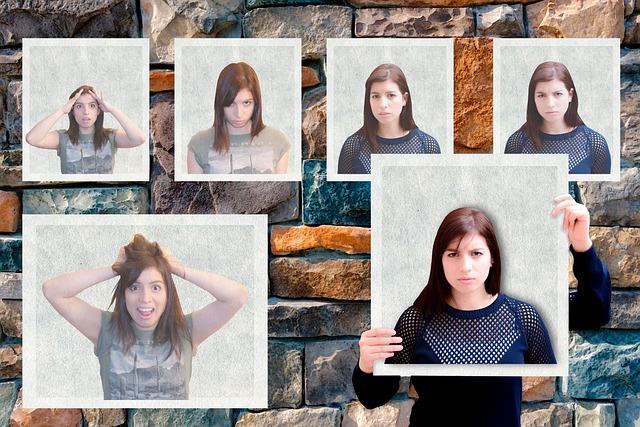
An audible sigh at the wrong moment during a conversation can communicate boredom, frustration, or impatience in a way that feels dismissive and rude. Even when a sigh is purely physiological, the timing can color the entire emotional tone of an exchange. People on the receiving end often internalize it as a judgment of what they are saying or how long they are taking to say it. Repeated sighing throughout an interaction compounds this effect and creates lasting negative associations. Mindful breath control in social situations helps maintain a composed and respectful outward presence.
The Eye Roll

Rolling the eyes is among the most contemptuous gestures a person can make in the presence of others, and its damage to a relationship can be immediate and lasting. It communicates disrespect, ridicule, and a sense of superiority that most people find deeply off-putting. Even a subtle or half-suppressed eye roll registers clearly to those nearby and poisons the atmosphere of an interaction. Relationship researchers have identified contemptuous gestures like this as among the most destructive forces in interpersonal dynamics. Replacing the impulse with a measured pause and a neutral expression preserves dignity on both sides of a conversation.
Avoiding Touch

In appropriate contexts such as a brief pat on the shoulder or a natural handshake, the absence of any physical acknowledgment can make a person seem distant and unapproachable. Touch is a fundamental human bonding mechanism, and its thoughtful use communicates warmth, empathy, and genuine engagement. People who never initiate appropriate contact in social settings can come across as cold or detached, even when their words suggest otherwise. This signal is particularly noticeable in contexts where others in the same group engage in natural, friendly physical interaction. Reading the social norms of an environment and participating accordingly fosters a sense of belonging and trust.
Nodding Excessively

While occasional nodding shows active listening and agreement, constant or exaggerated nodding produces the opposite effect. It begins to feel performative and insincere, as though the person is simply cycling through the motions of engagement without truly absorbing what is being said. Excessive nodding can also make the speaker feel rushed or as though the listener wants the conversation to wrap up quickly. It diminishes the quality of connection because it replaces genuine responsiveness with a reflexive filler gesture. Measured, deliberate nods tied to meaningful moments in a conversation are far more effective at conveying real attentiveness.
Fidgeting

Tapping fingers, bouncing a leg, playing with objects, or shifting constantly in a seat creates an undercurrent of restlessness that others find distracting and unsettling. It signals anxiety, impatience, or disengagement, and draws attention away from the content of the conversation. Chronic fidgeting can make others feel as though they are a burden or that the interaction is unwelcome. Over time, people tend to associate a fidgety companion with nervous, low-quality social experiences. Practicing stillness in the body during conversations projects calm and allows the other person to feel fully received.
Turning Away

Angling the torso away from someone during a conversation is one of the clearest physical indicators of disinterest or disengagement available to human observation. Even when the head remains facing forward, a body turned to the side communicates a readiness to leave and a lack of investment in the exchange. Others interpret this posture as a sign that the person feels trapped in the interaction rather than freely choosing to be part of it. It undermines the sense of mutual presence that makes conversations feel meaningful and worthwhile. Squaring up and facing someone directly with an open torso is one of the simplest and most powerful ways to demonstrate genuine engagement.
Share your thoughts on which body language habits you find most off-putting in the comments.




