
Jealousy is one of the most difficult emotions to detect in close relationships, especially when it comes from someone you trust deeply. Unlike obvious envy from acquaintances, a best friend’s jealousy often hides beneath layers of familiarity, shared history, and affection. The signs tend to be subtle at first but grow more noticeable over time as the pattern repeats across different areas of your life. Understanding these behaviors is not about casting blame but about gaining clarity on the health and balance of your most important friendships.
Backhanded Compliments

A backhanded compliment appears to be praise on the surface but carries a quiet sting underneath. When your friend says things like “You actually pulled that off” or “That was impressive for you,” the wording subtly diminishes your achievement rather than celebrating it. This pattern tends to emerge most often when you have recently succeeded at something meaningful, such as a promotion, a creative project, or a personal goal. Over time, these comments leave you feeling vaguely deflated even though you cannot always pinpoint why. A genuinely supportive friend offers praise without qualifiers or hidden comparisons.
Dismissive Reactions

When you share exciting news and your friend responds with indifference or quickly changes the subject, it may signal underlying jealousy. A dismissive reaction often looks like distraction, a flat “cool,” or an abrupt pivot to their own experiences. This behavior can feel confusing because it contradicts the emotional support you would expect from a close friend. The pattern becomes more telling when the same friend shows enthusiastic energy for other topics but consistently goes quiet around your wins. Genuine joy for someone else’s success is a natural expression of real friendship.
Unsolicited Criticism

A jealous friend will often offer criticism that was never asked for, particularly after you have accomplished something new. The feedback tends to arrive quickly and without encouragement, focusing on flaws or potential failures rather than acknowledging effort. This behavior can be disguised as honesty or “keeping it real,” making it easy to mistake for genuine concern. When the criticism targets your appearance, relationships, career choices, or lifestyle repeatedly, the frequency itself becomes a pattern worth noticing. Constructive feedback from a true friend is offered with care and always includes encouragement alongside any concern.
Competitive Behavior

Healthy competition between friends can be motivating, but jealousy turns competition into something more persistent and personal. A jealous best friend may start pursuing the same goals, opportunities, or interests shortly after you do, often framing it as coincidence. They may also reframe your shared experiences to position themselves as equally accomplished or more deserving. The competitive energy feels less like mutual ambition and more like a quiet race you never agreed to enter. When every conversation starts to feel like a subtle comparison, the dynamic has likely shifted away from genuine support.
Downplaying Achievements

Rather than celebrating your successes, a jealous friend tends to minimize them in conversation. They may attribute your accomplishments to luck, timing, or external advantages rather than acknowledging your effort or talent. This habit often comes paired with comments that shift attention to how others have done the same thing or done it better. Over time, this behavior chips away at your confidence and makes you hesitant to share good news. Someone who genuinely values you will recognize your hard work and speak about your achievements with pride.
Spreading Rumors

A jealous best friend may begin sharing distorted versions of your personal stories with others in your social circle. What started as private conversations becomes gossip that subtly frames you in a negative light. The rumors are often just believable enough to create doubt but carry an unmistakable undercurrent of competition or resentment. This behavior is one of the more serious warning signs because it represents a deliberate choice to undermine your reputation. Trust is the foundation of any close friendship, and breaching it through gossip reveals a significant imbalance in the relationship.
Copying Habits

Imitation can be a form of flattery, but when it happens persistently and without acknowledgment, it may point to jealousy. A jealous friend might start dressing like you, adopting your interests, replicating your goals, or mirroring your social behavior shortly after you introduce something new to your life. The pattern often goes unacknowledged, and if you bring it up, it is met with deflection or denial. What makes this behavior feel unsettling is the lack of original engagement with their own identity and path. A confident friend celebrates what makes you distinct rather than quietly absorbing it.
Mood Shifts

A jealous friend may display noticeable shifts in mood whenever good things happen in your life. They might seem withdrawn, irritable, or unusually quiet on days when you are visibly happy or celebrating. This emotional inconsistency creates a subtle tension where you begin to feel guilty or cautious about sharing positive experiences. The mood shifts are often explained away as stress or tiredness, making them easy to overlook at first. Over time, however, a recurring pattern of emotional withdrawal tied to your good news becomes difficult to ignore.
Exclusion Tactics

Jealousy sometimes expresses itself through subtle acts of social exclusion. Your friend may make plans with mutual acquaintances and conveniently forget to invite you, or they may create inner circles where you are quietly left out. When confronted, the exclusion is typically explained as an oversight or a small gathering with no real significance. The behavior becomes more telling when it happens repeatedly and consistently around events or milestones related to your social status or accomplishments. A loyal friend includes you and advocates for your presence rather than quietly engineering your absence.
Withholding Information

A jealous friend may start keeping useful information from you, particularly when it relates to opportunities that could benefit you. This might look like not mentioning a job opening in your field, forgetting to pass along an invitation, or staying quiet about a contact who could help your goals. The withholding is rarely confrontational and is almost always framed as forgetfulness or oversight. What distinguishes it from ordinary absent-mindedness is that the information withheld consistently relates to your advancement or happiness. A truly supportive friend actively looks for ways to help you grow and shares relevant opportunities without hesitation.
Fake Encouragement

Fake encouragement sounds like support on the surface but carries little genuine investment in your success. It often arrives as vague affirmations delivered quickly and without real engagement, such as “You’ll be fine” or “Sure, go for it” without follow-up or interest in the outcome. A jealous friend may offer this performative support because it allows them to appear encouraging while privately hoping the outcome falls short. The emptiness of the encouragement becomes clearest when comparing it to how they respond to their own pursuits or those of people they are not competing with. Real encouragement is specific, enthusiastic, and grounded in a genuine belief in your ability to succeed.
Oversharing Your Failures

When something goes wrong for you, a jealous friend may bring it up more frequently than necessary or share it with others without your permission. They might return to a past failure during unrelated conversations as though it needs repeating, or use it to frame your current situation in a limiting way. This behavior can be subtle, delivered under the guise of reflection or concern, which makes it difficult to call out directly. The pattern often contrasts sharply with how they treat their own mistakes, which are protected or quickly moved past. A respectful friend treats your setbacks with discretion and focuses on your growth rather than your stumbles.
Subtle Undermining

Subtle undermining occurs when a friend plants seeds of doubt in your mind before important moments in your life. They may question your qualifications before a job interview, express concern about your relationship just before a milestone, or casually mention negative opinions others supposedly hold about your choices. Each comment alone may seem like reasonable concern, but the timing and frequency reveal a consistent pattern of destabilization. This behavior is particularly damaging because it is designed to weaken your confidence at the exact moments when you need it most. A loyal friend builds you up in the moments that matter rather than introducing uncertainty.
Insincere Apologies
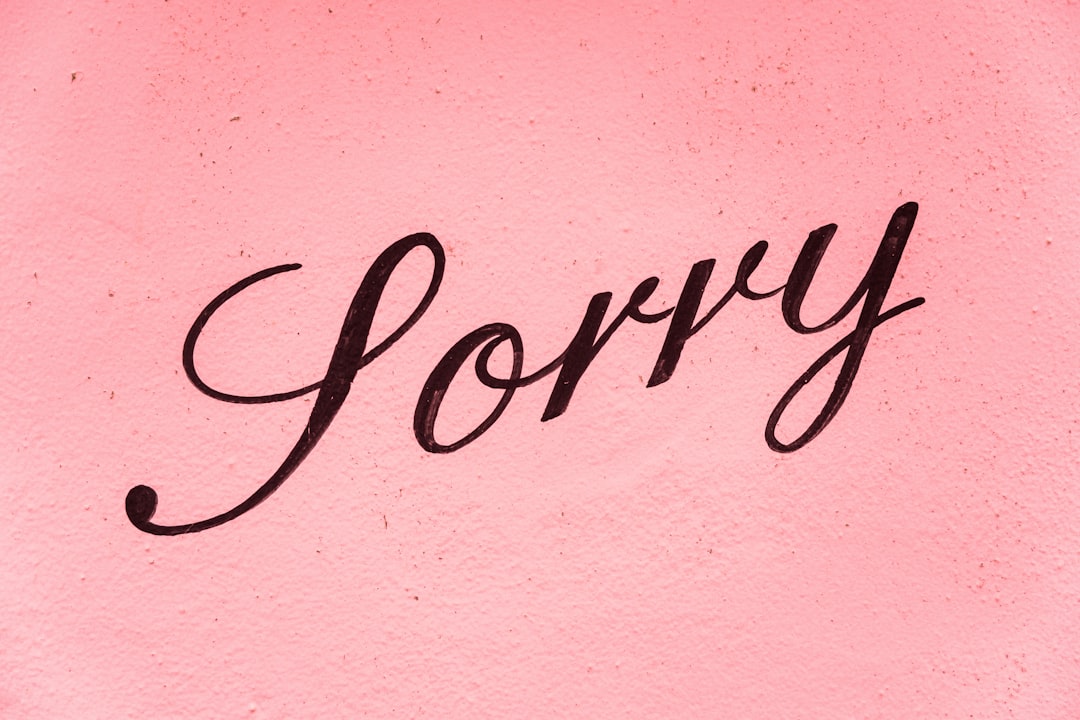
When a jealous friend is called out on hurtful behavior, their apologies often feel hollow or conditional. The apology may focus more on defending their intentions than acknowledging the impact of their actions, leaving you feeling unheard and still responsible for managing the situation. Phrases like “I’m sorry you felt that way” or “I was just being honest” signal that accountability is being avoided rather than embraced. A pattern of insincere apologies makes it difficult to resolve recurring issues because the underlying behavior never truly changes. Meaningful apologies from a trustworthy friend include acknowledgment, empathy, and a genuine effort to do better.
Projection

Projection occurs when a friend attributes their own feelings of jealousy or insecurity to you, accusing you of the very emotions they are experiencing. They may claim you are competitive with them, envious of their life, or trying to outshine them, despite little evidence to support those claims. This dynamic can be deeply confusing because it redirects the emotional conversation away from their behavior and places you on the defensive. Projection is often a subconscious response to discomfort with one’s own feelings, but it can cause real harm in a friendship when left unaddressed. Recognizing the pattern helps you respond with clarity rather than absorbing blame that does not belong to you.
Conditional Support

A jealous friend’s support often comes with invisible conditions attached. They may be warm and enthusiastic when things are going poorly for you but distant or critical when your life is thriving. Their engagement tends to peak during your struggles and fade during your successes, revealing that the connection feels more comfortable to them when a power imbalance exists. This inconsistency can be difficult to name because the friend is not absent entirely but simply unavailable in the moments that matter most. Unconditional support means showing up with the same energy during someone’s best days as during their hardest ones.
Silent Treatment

The silent treatment is a passive form of emotional withdrawal used to express displeasure without direct conversation. A jealous friend may go quiet for days after you share a significant accomplishment, receive public praise, or experience a visible improvement in your life circumstances. The silence is rarely explained and often ends as abruptly as it began, leaving you uncertain about what caused it or how to address it. Over time, this pattern trains you to mute your own excitement to avoid triggering their withdrawal. A mature friend expresses discomfort through honest dialogue rather than emotional disappearance.
Have you experienced any of these warning signs in a close friendship? Share your thoughts and experiences in the comments.




