Selecting the right dog for a household involves carefully evaluating how a breed interacts with the unpredictable energy of young children. Many breeds possess specific instincts or physical traits that make them unsuitable companions for toddlers who have not yet learned proper animal handling. Some dogs react poorly to sudden movements or loud noises while others may accidentally injure a small child simply due to their massive size. Understanding these limitations is essential for preventing unfortunate incidents and ensuring the wellbeing of the entire family. The following breeds present distinct challenges that often make them a poor match for families with small children.
Chihuahua
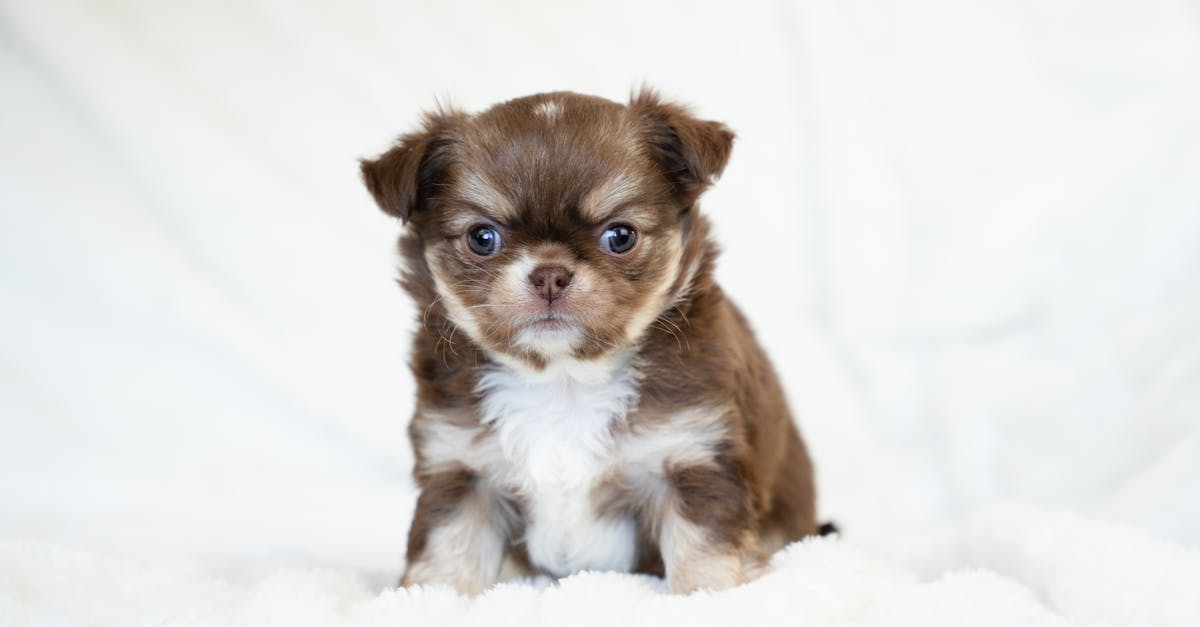
Chihuahuas are often cited as unsuitable for homes with toddlers due to their extremely fragile stature. Small children may accidentally injure these tiny dogs during rough play or while attempting to pick them up. This breed often reacts defensively with snapping or biting when they feel threatened or overwhelmed by loud noises. Their tendency to bond intensely with one person can also lead to jealousy issues when attention is diverted to a child. Families seeking a robust playmate will find this delicate breed requires too much protection from typical childhood behaviors.
Chow Chow

The Chow Chow is known for a cat-like personality that favors independence over constant affection. These dogs often have limited peripheral vision due to deep-set eyes and may snap if startled by a child approaching from the side. Their strong guarding instincts make them suspicious of strangers and potentially aggressive toward visiting playmates. They generally do not tolerate ear pulling or rough handling that small children often inflict on pets. Socialization is difficult for this breed and requires an experienced handler rather than a busy family environment.
Rottweiler

Rottweilers are powerful working dogs that require firm training and a job to do. While they can be loyal to their owners they may misinterpret the erratic behavior of running children as something to be herded or controlled. Their sheer size and muscle mass pose a significant risk of accidental knocking over for toddlers. Unsocialized Rottweilers may resort to protective aggression if they believe their family members are being threatened during roughhousing. This breed demands a level of supervision and training time that most parents of small children cannot provide.
Akita
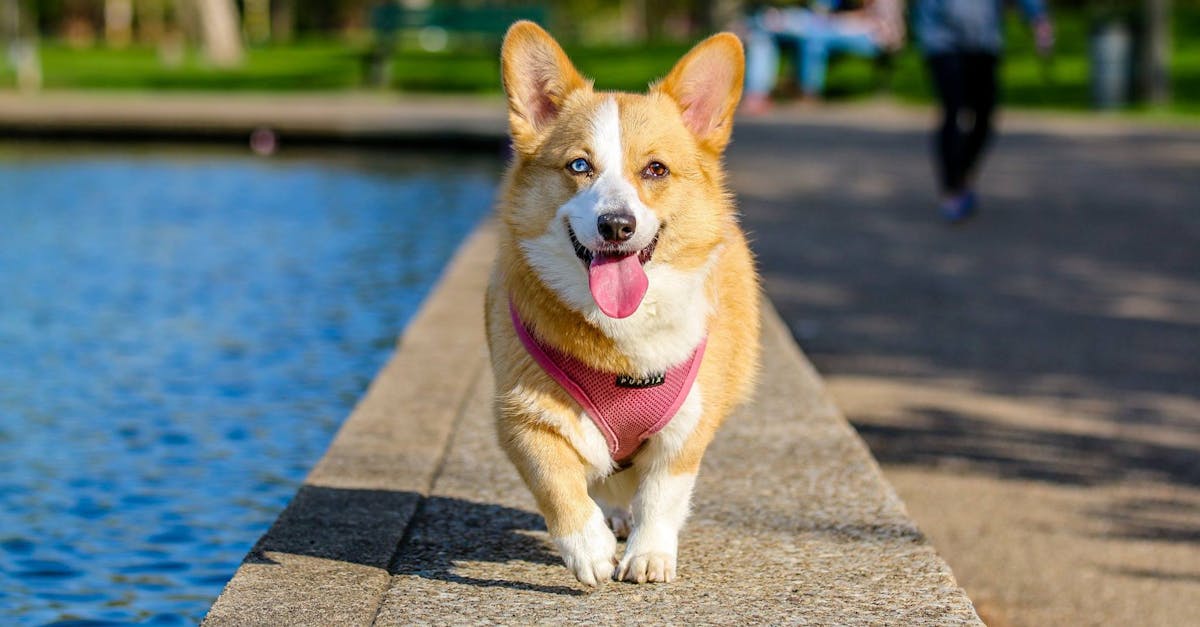
Akitas are dignified and courageous dogs that were originally bred for hunting and guarding in Japan. They are notoriously aloof with strangers and can be intolerant of other animals or children outside their immediate family unit. This breed often displays possessive behavior over food and toys which can be dangerous if a child approaches them while eating. Their shedding is intense and requires constant maintenance that adds to the workload of a busy parent. Akitas respond best to respectful boundaries that small children are rarely capable of understanding.
Dalmatian

Dalmatians were historically bred to run alongside carriages and possess an inexhaustible amount of energy. This high activity level often translates to a boisterous nature that can easily overwhelm or injure a small child. They are prone to deafness which can lead to startling easily and snapping if a child approaches them from behind. Without rigorous daily exercise this breed can become destructive and high-strung within a home setting. Their temperament is sometimes described as nervous which makes them a poor fit for the chaos of a growing family.
Siberian Husky

Siberian Huskies are escape artists with a strong desire to run and explore. They play roughly and often express excitement through nipping or jumping which can be terrifying for a toddler. This breed has a high prey drive that may be triggered by the squeaky sounds and running movements of small children. They are independent thinkers that require significant time for exercise and mental stimulation. The intense shedding and vocal nature of the Husky add stress to a household that is already managing the demands of young kids.
Alaskan Malamute

Alaskan Malamutes are massive sled dogs built for strength and endurance rather than gentle indoor companionship. They are known for being extremely possessive of their food and may react aggressively if a child wanders near their bowl. Their play style is physical and rough which often leads to accidental injuries during interaction with smaller family members. This breed requires a dominant leader and consistent training that is difficult to maintain with distractions. They are essentially working animals that struggle to adapt to the sedate lifestyle often required around infants.
Greyhound

Greyhounds are quiet and gentle indoors but they possess a powerful instinct to chase small moving objects. The fast movements of a toddler can trigger this prey drive and lead to dangerous situations. Their skin is incredibly thin and tears easily which means accidental scratches from a child can require veterinary attention. These dogs are easily startled by loud noises or sleep disruption and may snap out of fear. They prefer a calm and predictable environment that is rarely found in a home with young children.
Bullmastiff

The Bullmastiff is a giant guardian breed that is fiercely loyal but physically overwhelming. A young Bullmastiff is essentially a clumsy giant that can unintentionally crush or knock over a small child. They can be territorial and may not react well to the presence of your child’s friends entering the home. Their drooling is excessive and creates a sanitary challenge for parents trying to keep a clean home for crawling babies. While they are not inherently vicious their size alone makes them a hazard for families with unstable walkers.
Pekingese

The Pekingese was bred as a royal lapdog and expects to be treated with dignity and respect. They have very low tolerance for being poked or prodded and will not hesitate to defend themselves against rough handling. This breed is prone to back injuries and can be hurt easily if dropped or played with inappropriately. They can be possessive of their owners and toys which leads to conflict when sharing space with a child. Their loud barking at any disturbance can disrupt nap times and increase household stress levels.
Cane Corso

The Cane Corso is a serious working breed with a dominant personality that challenges even experienced owners. They require extensive socialization to prevent aggression toward strangers and other animals. This powerful dog acts as a guardian and may misinterpret innocent play between children as a threat that needs to be neutralized. They are large and muscular dogs that can cause severe injury even without malicious intent. Novice dog owners with children should avoid this breed due to the intense management it requires.
Weimaraner

Weimaraners are high-energy hunting dogs known as the grey ghost due to their distinctive coat. They are prone to severe separation anxiety and can become destructive if the family focuses too much attention on a new baby. Their play style is extremely bouncy and vigorous which poses a constant toppling risk for toddlers. This breed requires hours of running every day to remain calm indoors. Without an outlet for their energy they become high-strung and difficult to control around fragile family members.
Australian Cattle Dog

Australian Cattle Dogs are hard-wired to herd livestock by nipping at their heels. This instinct is difficult to suppress and often results in the dog nipping at the heels of running children. They are high-intensity working dogs that become bored and destructive without a demanding job to perform. Their rough play style is generally too intense for children under the age of ten. Parents will find it exhausting to constantly monitor and correct the herding behavior directed at their kids.
Border Collie
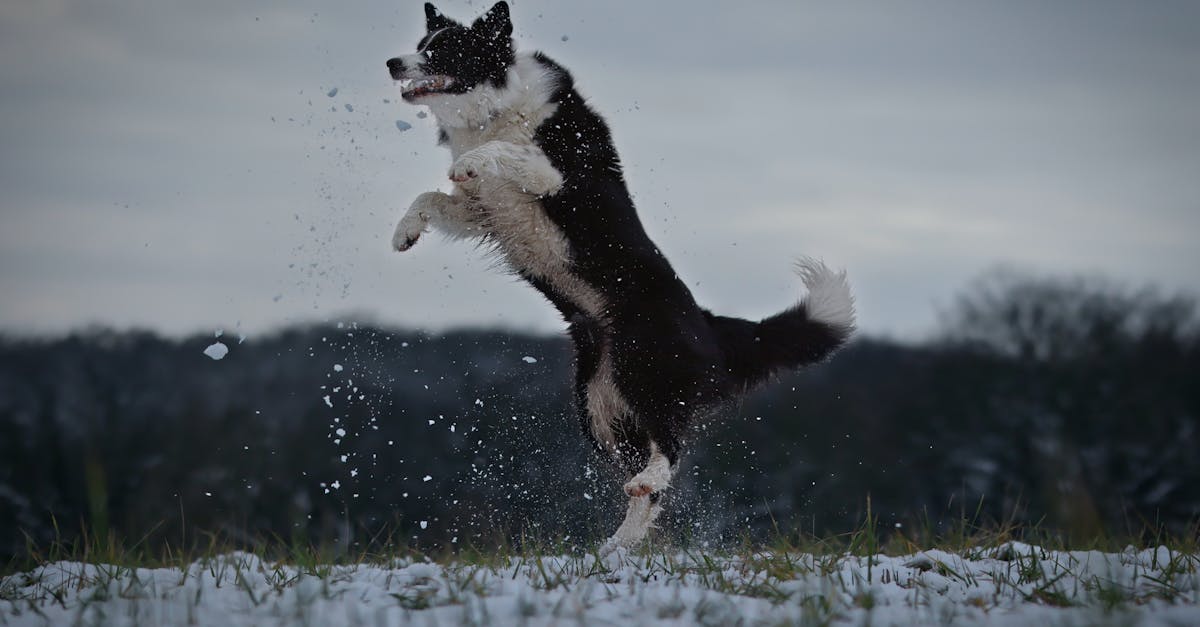
Border Collies are widely considered the most intelligent dog breed but this comes with a need for constant mental engagement. Like other herding breeds they have a strong instinct to control movement by staring and nipping. They are sensitive to noise and chaos which can cause them to become anxious or fearful in a busy household. A bored Border Collie will invent its own games that often involve destructive chewing or escaping the yard. Their intense focus and energy level are mismatched with the passive supervision parents can provide.
Shar Pei

The Shar Pei is an aloof breed originally used for fighting and guarding in China. Their limited vision due to skin folds can make them jumpy and reactive if approached suddenly by a child. They often suffer from painful skin conditions that make handling uncomfortable or irritating for them. This breed is naturally suspicious of strangers and requires careful introduction to new people. They bond usually with one person and may not accept the unpredictable actions of junior family members.
Doberman Pinscher
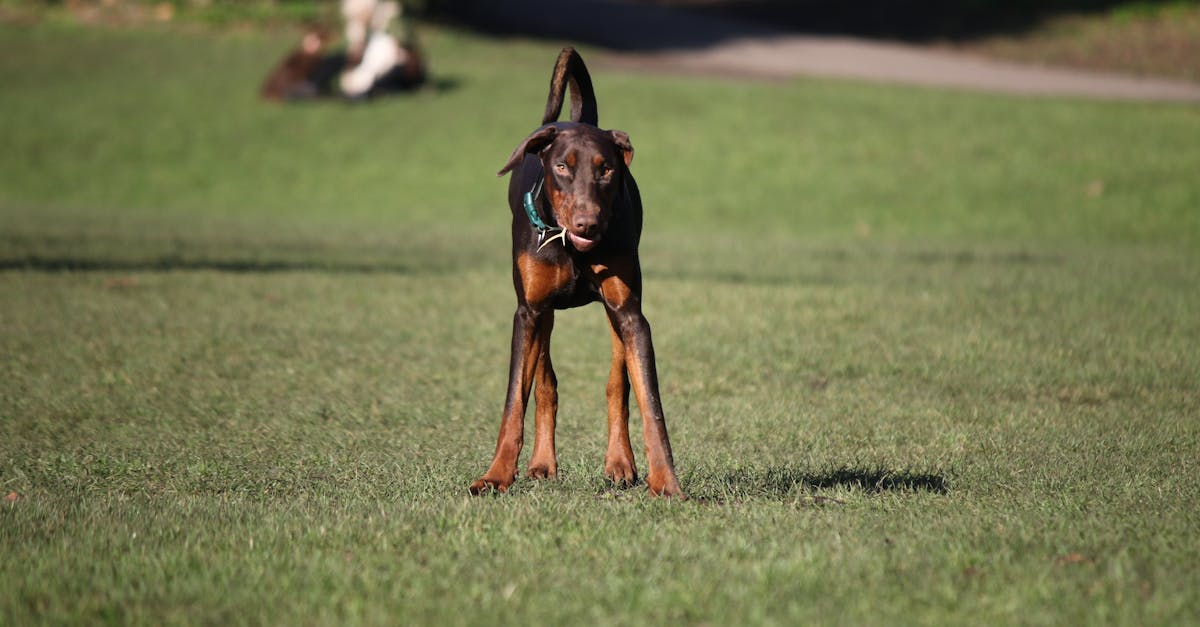
Doberman Pinschers are loyal guardians that form a strong attachment to their owners. They can be physically sensitive and may react defensively if a child accidentally hurts them during play. This breed requires a calm and confident handler to feel secure and well-adjusted. A chaotic environment with screaming children can make a Doberman anxious or neurotic. Their size and speed make accidental collisions with toddlers a frequent and dangerous occurrence.
Saint Bernard

The Saint Bernard is a gentle giant but its massive size presents a logistical nightmare for parents of small children. A puppy of this breed grows rapidly and becomes a heavy uncontrollable force before it is fully trained. They are prone to heat exhaustion and drooling which complicates indoor living arrangements. The tail of a Saint Bernard is at the perfect height to strike a toddler in the face with significant force. Unintentional trampling is a genuine risk that forces parents to keep the dog and child separated.
Great Dane

Great Danes are one of the tallest dog breeds and often unaware of their own size. They can easily sweep a table clear with their tail or knock a child down without noticing. Their rapid growth plates make their bones sensitive and they cannot tolerate children trying to ride them like horses. Large breeds have shorter lifespans which can introduce children to the concept of grief much earlier than parents might plan. Managing a dog that outweighs the parents requires physical strength that makes simultaneous childcare difficult.
Jack Russell Terrier
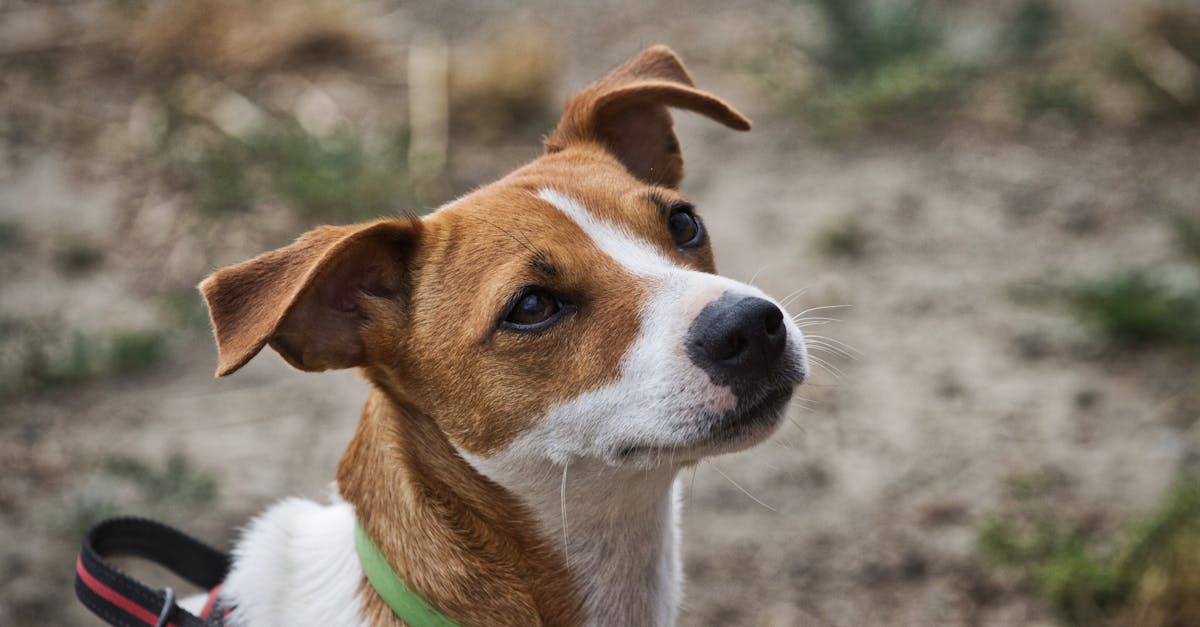
Jack Russell Terriers are hunting dogs packed into a small and deceptive body. They are known for their feistiness and have zero tolerance for ear pulling or tail grabbing. This breed is high energy and will dig or bark excessively if not exercised thoroughly. They often view small animals and sometimes crawling babies as prey to be chased. Their intense personality makes them better suited for active adults rather than families looking for a cuddly pet.
Afghan Hound

Afghan Hounds are aristocratic dogs that are famous for their independence and aloof nature. They are not eager to please and often ignore commands which makes training a frustration for families. This breed is sensitive to handling and does not enjoy the tactile affection that children typically offer. Their high maintenance grooming requirements consume hours of time that parents rarely have to spare. They are sight hounds that will bolt after movement and cannot be trusted off-leash around open doors.
Basenji
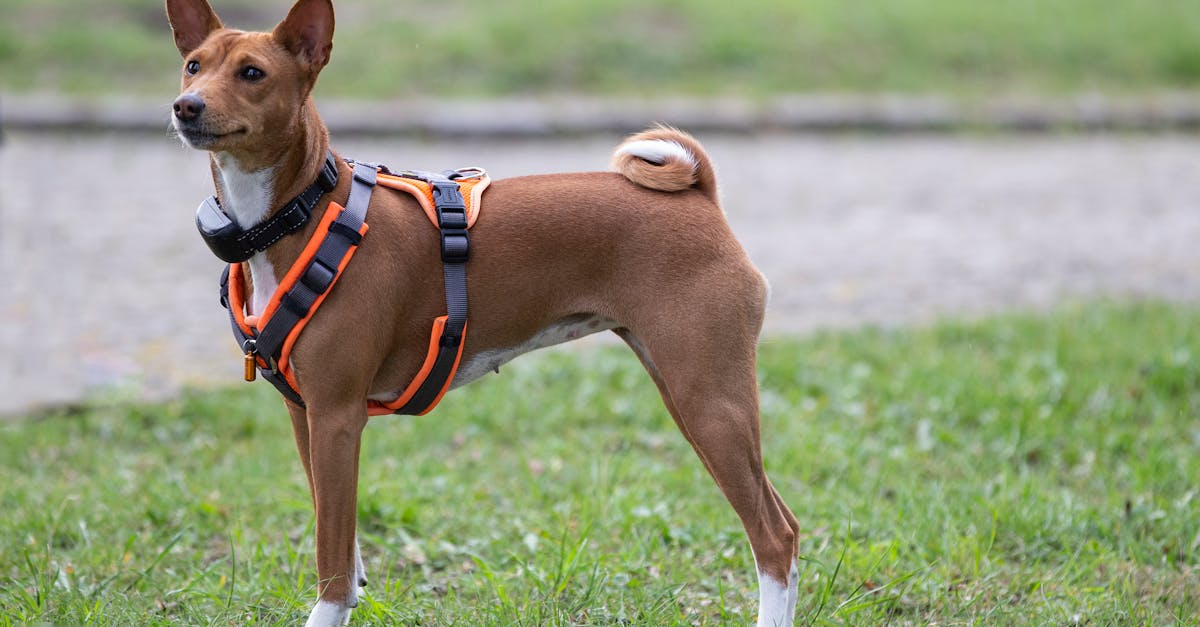
The Basenji is a primitive breed known for being barkless but they make a unique yodel sound. They are cat-like in their grooming and independence and generally dislike being held or cuddled. This breed has a high prey drive and can be difficult to train due to a lack of desire to please humans. They are escape artists that can climb fences and open doors. Their aloofness means they rarely form the close bond with children that families expect from a pet.
Fila Brasileiro
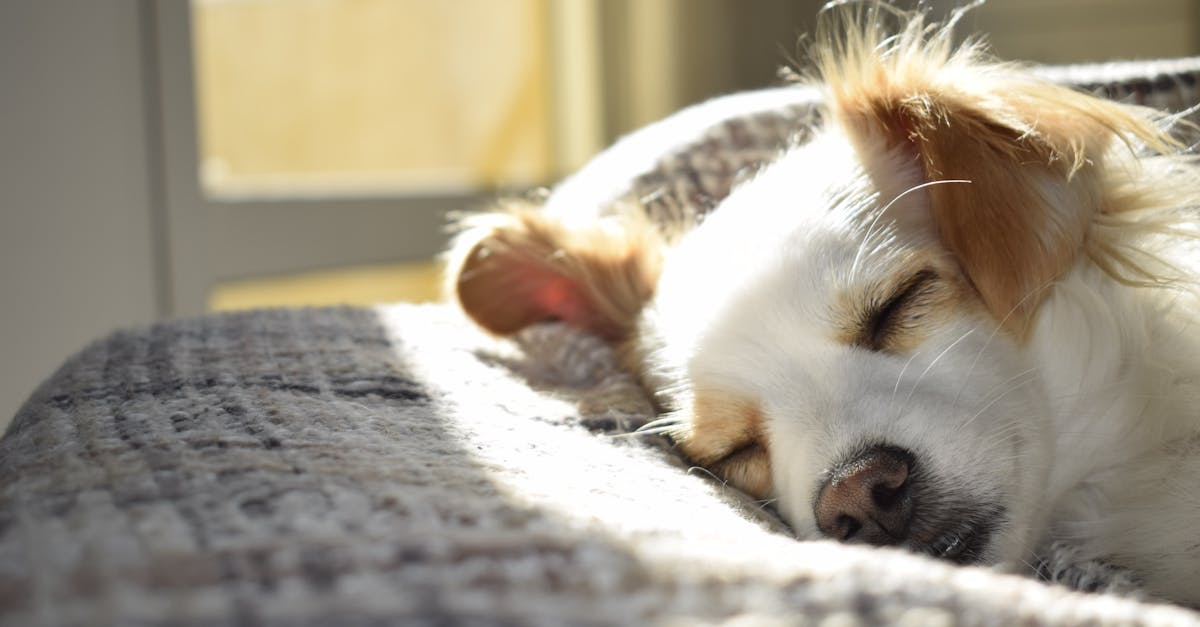
The Fila Brasileiro is a massive tracking dog known for its extreme aversion to strangers. This breed has a temperament that is naturally aggressive toward anyone outside its immediate family circle. They were bred to hunt jaguars and hold cattle which gives them immense power and a low threshold for irritation. Bringing playmates over for your children is virtually impossible with this breed in the home. They require an expert owner who can manage a potentially dangerous animal with absolute authority.
Presa Canario

The Presa Canario is a large mollosser-type dog originally bred for working livestock. They are dominant and powerful animals that require early and ongoing socialization to remain safe companions. Their prey drive is significant and can be triggered by the high-pitched sounds of children playing. This breed is naturally suspicious and will act without hesitation if they perceive a threat. They are simply too much dog for the average family to handle safely alongside raising children.
Tosa Inu

The Tosa Inu is a Japanese breed created specifically for dog fighting and is banned in several countries. They are stoic and quiet but possess a latent aggression that can surface without warning. Their size and fighting lineage make them totally inappropriate for a household environment with children. Even well-meaning Tosas can cause injury due to their sheer muscle mass and weight. This is a specialized breed for enthusiasts and not a family pet.
Dogo Argentino

The Dogo Argentino was bred to hunt big game such as wild boar and pumas in packs. They have a very high prey drive and an incredibly high pain tolerance. While they can be loyal to their family their instinct to dominate and hunt is always present. They require vigorous exercise and a firm hand that is incompatible with the gentle approach needed for kids. Small pets and running children can trigger predatory instincts that are difficult to stop once engaged.
Wolf Hybrid
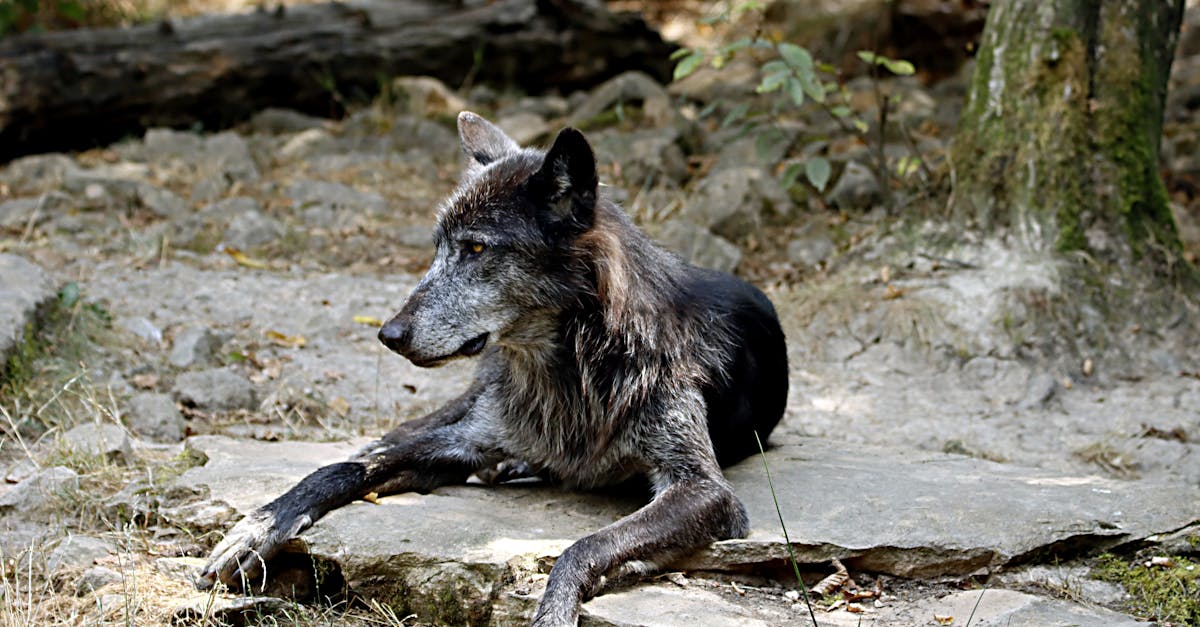
Wolf Hybrids possess the instincts of a wild animal mixed with the lack of fear of a domestic dog. Their behavior is unpredictable and they often go through hormonal changes that increase aggression as they mature. Predatory drift is a phenomenon where the animal switches from play to hunting mode instantly. They cannot be vaccinated effectively against rabies which poses a legal and health risk. Keeping a partially wild animal in a home with vulnerable children is widely considered irresponsible.
Skye Terrier

Skye Terriers are elegant dogs with a long coat but they possess a very serious temperament. They are not submissive and will snap if they feel their dominance is being challenged. This breed tends to hold a grudge and remembers negative interactions with children for a long time. They prefer a quiet one-person household and do not adapt well to the noise of a family. Their grooming needs are extensive and they do not tolerate the matting that comes from clumsy petting.
Toy Poodle

Toy Poodles are highly intelligent but physically delicate dogs that are prone to anxiety. Their bones are thin and can break easily if a child drops them or falls on them. This vulnerability often makes them fearful and defensive leading to fear-biting. They can be high-strung and bark excessively at the commotion typical of a household with kids. Families wanting a Poodle should consider the Standard variety which is much sturdier and more patient.
Miniature Pinscher

Miniature Pinschers are known as the King of Toys and have a dominant spirit in a tiny body. They are territorial and will guard their food and toys aggressively against children. This breed is fragile but acts tough which can lead to injuries when they challenge larger playmates. They are escape artists and require constant vigilance to keep contained. Their sharp bark and intolerance for rough handling make them a source of friction in a family home.
Caucasian Shepherd

The Caucasian Shepherd is a flock guardian breed designed to fight off wolves and bears. They are instinctively hostile toward anything they do not know and will guard their territory with ferocity. This breed is independent and does not look to humans for direction during a crisis. A child’s friend running into the yard could easily be mistaken for an intruder with catastrophic results. They are massive dogs that require a specific lifestyle far removed from the average suburban family.
Please share your experiences with these breeds or other family-friendly alternatives in the comments.




