The skin barrier serves as the primary defense against environmental aggressors and critical moisture loss. Many popular products contain harsh agents that strip natural lipids and compromise this delicate shield. Identifying potential irritants allows consumers to make safer choices for long-term skin health. This comprehensive guide highlights components that frequently cause dryness and sensitivity. Understanding ingredient labels is the first step toward restoring a healthy and resilient complexion.
Sodium Lauryl Sulfate

This surfactant creates the rich foam found in many facial cleansers and body washes. It works by breaking down oils to remove dirt but often acts too aggressively on delicate facial skin. Frequent use strips away essential lipids and leaves the moisture barrier vulnerable to cracks and irritation. Many dermatologists recommend switching to gentler alternatives to maintain optimal hydration levels. A compromised barrier from this ingredient often manifests as redness or a tight sensation after washing.
Alcohol Denat

Manufacturers often add denatured alcohol to toners and spot treatments for its quick-drying properties. This ingredient immediately degreases the skin which can feel satisfying for those with acne. The long-term effect is a severe depletion of the natural oils necessary for a healthy microbiome. Chronic exposure disrupts the skin barrier and signals the sebaceous glands to overproduce oil. This cycle frequently leads to increased breakouts and pronounced dehydration.
Walnut Shell Powder
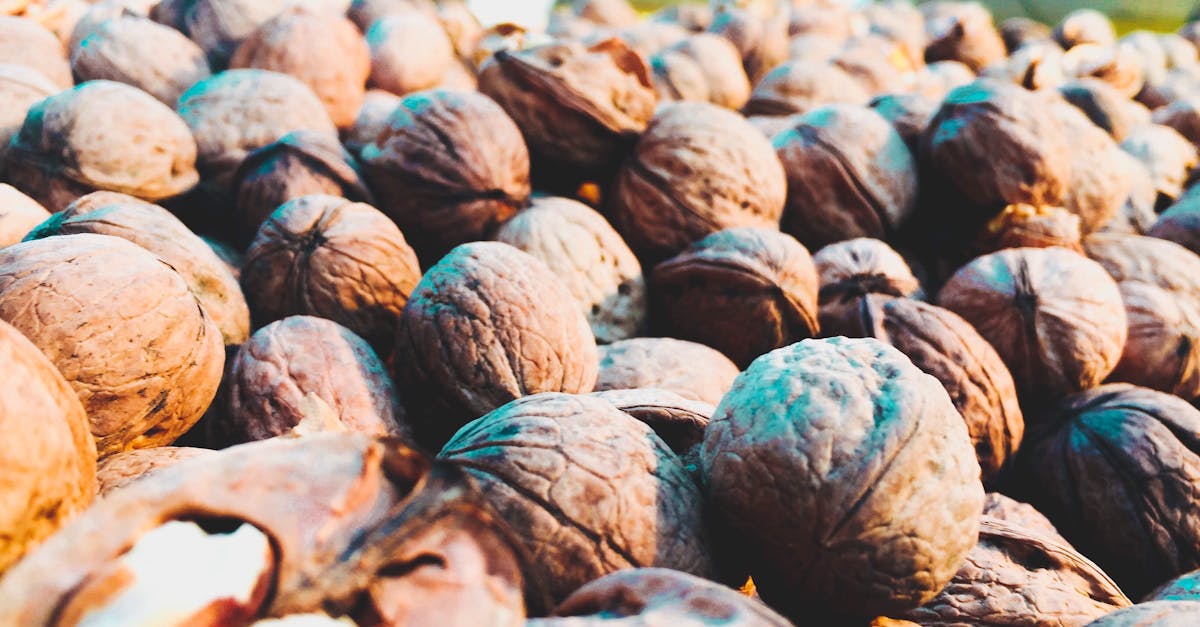
Physical exfoliants utilizing crushed walnut shells were once a staple in many skincare routines. The jagged edges of these particles cause microscopic tears across the surface of the epidermis. These micro-injuries weaken the skin barrier and invite bacteria to enter the deeper layers. Inflammation and increased sensitivity are common side effects of using such abrasive scrubs. Gentle chemical exfoliants usually offer a safer method for removing dead skin cells without physical trauma.
Lemon Juice

DIY skincare enthusiasts often tout lemon juice as a natural brightener for dark spots. The extremely low pH of this citrus fruit is far more acidic than the human skin barrier can handle. Direct application alters the acid mantle and leads to significant irritation and photosensitivity. Exposure to sunlight after using lemon juice can cause severe chemical burns and hyperpigmentation. It disrupts the natural pH balance necessary for a functioning protective layer.
Baking Soda
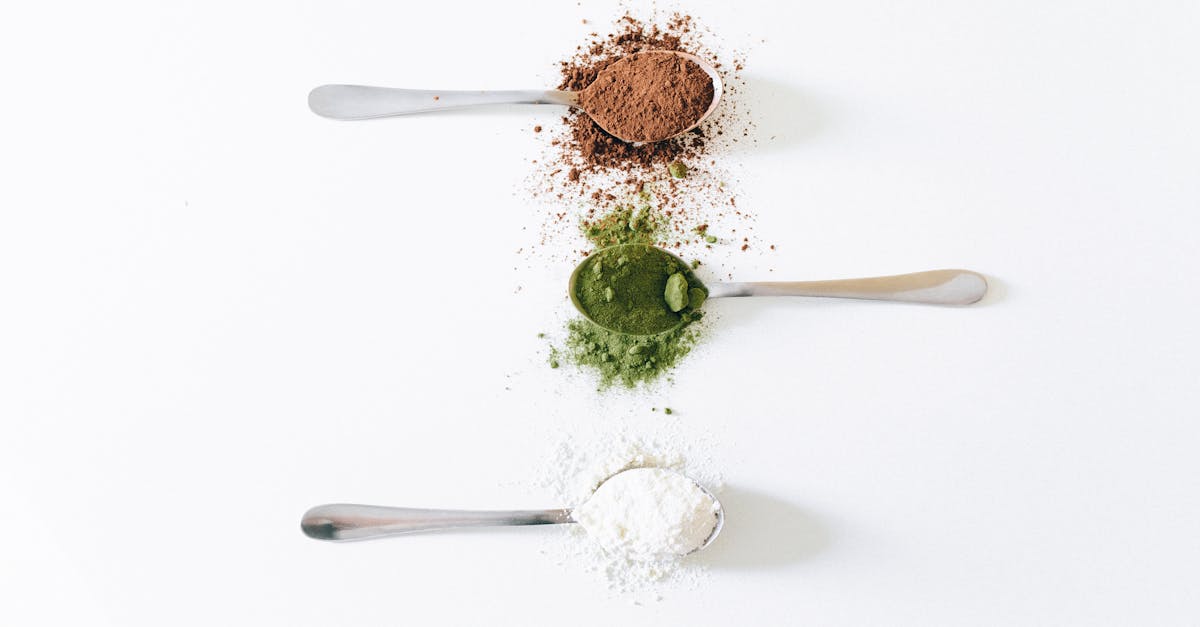
This common household ingredient is frequently misused as a manual exfoliant or neutralizing agent. Baking soda possesses a very high alkaline pH that is incompatible with the slightly acidic nature of the skin. Applying it to the face strips the acid mantle and creates an environment where harmful bacteria thrive. The resulting damage often presents as excessive dryness and a compromised ability to retain moisture. Restoring the barrier after such alkaline shock requires time and reparative ingredients.
Synthetic Fragrance

Companies add artificial scents to products to enhance the user experience and mask chemical odors. These volatile compounds are among the leading causes of allergic contact dermatitis and sensitivity. They can penetrate the skin barrier and trigger an inflammatory response that weakens the epidermis over time. Even those without a history of allergies may develop sensitization after prolonged exposure. Opting for fragrance-free formulations helps preserve the integrity of the skin shield.
Peppermint Oil

This essential oil provides a cooling and tingling sensation that many associate with cleanliness. The primary active component is menthol which is known to be a potent irritant for facial skin. Applying high concentrations can cause redness and contact dermatitis that degrades the moisture barrier. The volatile nature of peppermint oil leads to trans-epidermal water loss and dryness. Sensitive skin types are particularly prone to adverse reactions from this stimulating ingredient.
Menthol
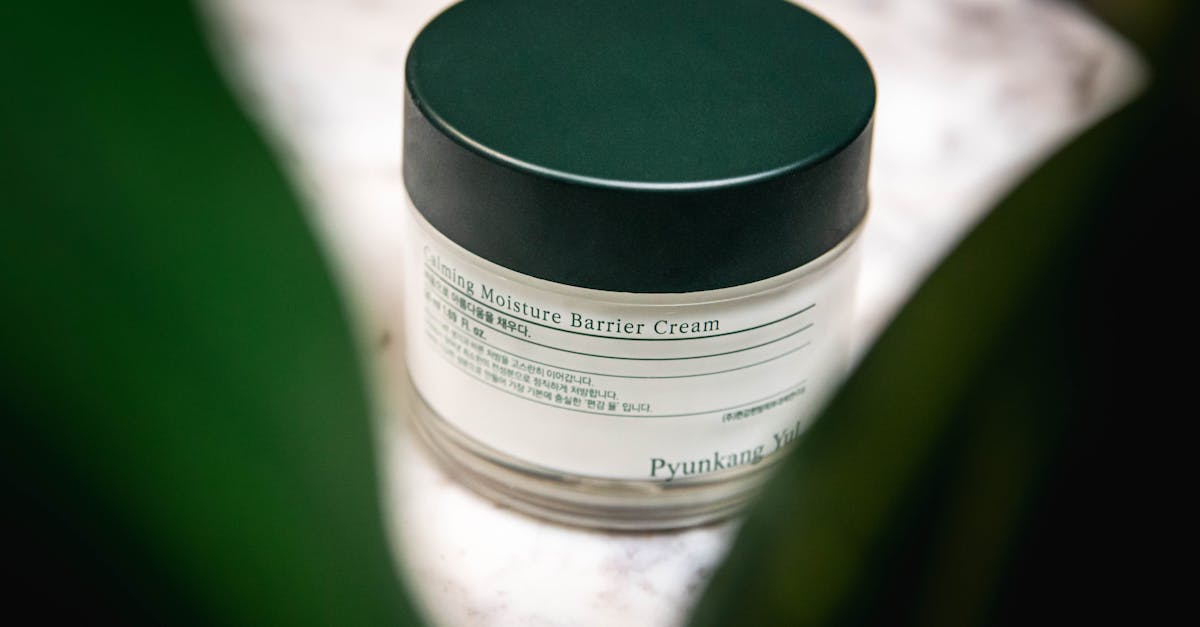
Menthol is often derived from peppermint or other mint oils and used for its refreshing effect. It works by stimulating nerve endings to create a false sense of cooling on the skin. This biological reaction is actually a form of irritation that stresses the skin barrier. Continual use can lead to chronic inflammation and a weakened defense against external pathogens. It is best to avoid leave-on products that rely heavily on this sensitizing compound.
Eucalyptus Oil

Eucalyptus oil is frequently found in products designed for oily or acne-prone skin types. The aromatic compounds in this oil can be incredibly drying and irritating to the face. Research indicates that it may deplete the skin of necessary lipids while causing inflammation. A compromised lipid barrier struggles to heal blemishes and becomes more susceptible to infection. Gentler botanical alternatives exist that do not pose the same risk of barrier disruption.
Lavender Oil

Lavender is widely praised for its calming scent but can be problematic when applied to the skin. It contains compounds like linalool and linalyl acetate that oxidize when exposed to air. These oxidized components become skin sensitizers capable of triggering allergic reactions and rashes. Regular application can degrade the skin barrier and increase susceptibility to environmental stressors. Fragrance-free products are generally safer for maintaining a robust protective layer.
Witch Hazel

This natural astringent is distilled from the bark and leaves of the Hamamelis virginiana plant. Most commercial preparations are distilled with alcohol which significantly increases the potential for dryness. The high tannin content can initially constrict pores but ultimately dehydrates the skin surface. Overuse strips away natural oils and disrupts the delicate balance of the acid mantle. Alcohol-free versions are less damaging but must still be used with caution.
Triclosan

Triclosan was historically used as an antibacterial agent in soaps and various personal care items. It disrupts the skin microbiome by killing beneficial bacteria along with harmful ones. This imbalance leaves the skin barrier defenseless and prone to irritation or infection. Regulatory bodies have restricted its use due to safety concerns and its impact on hormonal health. Preserving the natural flora of the skin is essential for a functioning barrier.
Methylisothiazolinone

This powerful preservative extends the shelf life of water-based skincare products. It has been identified as a significant allergen responsible for an epidemic of contact dermatitis. Exposure often results in red, itchy, and scaly skin that indicates barrier damage. Many manufacturers have phased it out of leave-on products due to these high sensitization rates. Checking labels for this ingredient is crucial for anyone experiencing unexplained eczema.
Formaldehyde Releasers

Certain preservatives release small amounts of formaldehyde over time to prevent bacterial growth. Ingredients like DMDM hydantoin and imidazolidinyl urea fall into this controversial category. Formaldehyde is a known carcinogen and a potent skin irritant that compromises barrier health. Sensitive individuals often react with inflammation and breakdown of the skin surface. Clean beauty standards frequently exclude these releasers to ensure better skin tolerance.
Oxybenzone
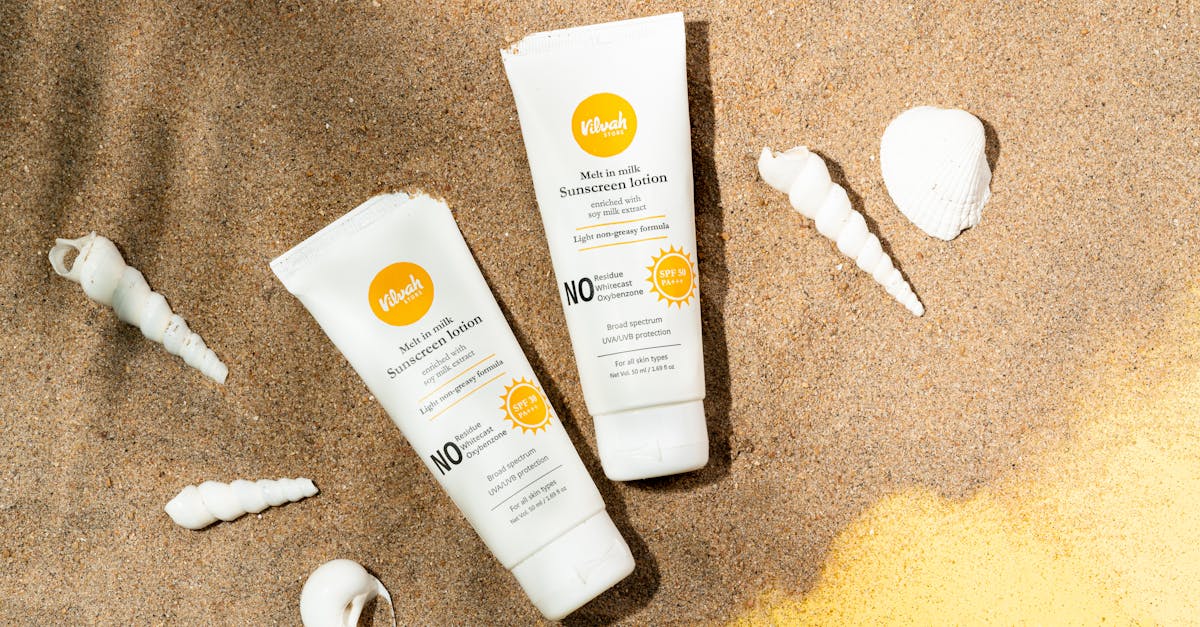
This chemical sunscreen filter absorbs UV rays but is frequently linked to skin reactions. It has a high rate of penetration and can accumulate in the body while causing localized irritation. The heat generated by the chemical reaction can exacerbate conditions like rosacea and weaken the barrier. Many consumers report stinging and redness after applying sunscreens containing this specific filter. Mineral alternatives like zinc oxide generally offer better protection with less risk of irritation.
Propylene Glycol
This humectant and penetration enhancer helps other ingredients absorb into the skin. While generally safe in low amounts it can cause irritation in higher concentrations or on damaged skin. It works by altering the structure of the skin barrier to allow substances to pass through. This mechanism can inadvertently let irritants in and let moisture out if the barrier is already weak. Those with eczema or rosacea often find this ingredient exacerbates their condition.
Imidazolidinyl Urea
This antimicrobial preservative is another member of the formaldehyde-releasing group of ingredients. It is notoriously irritating and is a common cause of contact dermatitis in sensitive individuals. The resulting inflammation weakens the skin’s ability to defend itself against external pollutants. Persistent irritation from such preservatives leads to a cycle of barrier damage and repair. Avoiding this ingredient helps reduce the toxic load on the skin surface.
Isopropyl Alcohol

Often called rubbing alcohol, this ingredient is too harsh for regular facial application. It dissolves the lipids that hold skin cells together and causes immediate barrier breakdown. The rapid evaporation cools the skin but leaves it completely stripped of moisture. This leads to a rough texture and creates pathways for bacteria to penetrate deeper layers. It is rarely found in modern high-quality skincare due to these damaging effects.
Benzoyl Peroxide

This acne-fighting staple is effective at killing bacteria but can be extremely drying. High concentrations or excessive frequency of use will rapidly peel and redden the skin. The oxidative stress caused by this ingredient can weaken the barrier if not countered with heavy moisturizers. It often causes the skin to become scaly and uncomfortable as a side effect of treatment. Lower percentages are usually sufficient for treating acne without destroying the moisture shield.
Hydrogen Peroxide
Some people use hydrogen peroxide as a home remedy to disinfect pimples or wounds. It is cytotoxic and kills healthy skin cells alongside bacteria which impedes the healing process. The oxidative damage disrupts the barrier function and can lead to scarring or prolonged redness. Dermatologists advise against using this harsh antiseptic on facial skin under any circumstances. Safer spot treatments exist that treat infection without harming the surrounding tissue.
Glycolic Acid

This alpha hydroxy acid is excellent for exfoliation but can be damaging in high percentages. Overusing glycolic acid dissolves the glue holding cells together too aggressively. This leads to a phenomenon known as over-exfoliation where the skin becomes raw and shiny. A compromised barrier from acid misuse takes weeks to fully regenerate and repair. It is vital to use this ingredient sparingly and always follow with sun protection.
Artificial Dyes
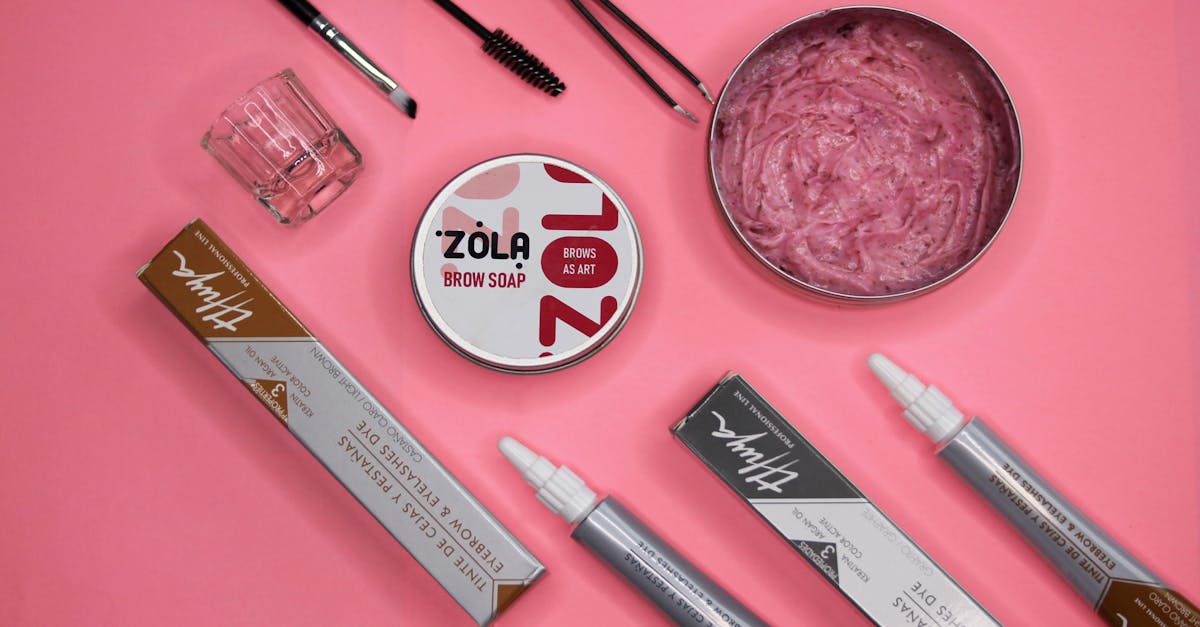
Synthetic colors like Red 40 or Blue 1 serve no functional purpose in skincare formulations. They are purely aesthetic additions that carry a risk of irritation and sensitization. These coal tar derivatives can trigger allergic reactions that manifest as barrier disruption. Inflammation caused by unnecessary dyes adds stress to the skin’s immune system. Selecting colorless products reduces the risk of adverse reactions significantly.
Limonene

Limonene is a chemical constituent found in the rinds of citrus fruits and used for fragrance. It creates a pleasant scent but is known to cause contact dermatitis when oxidized. The ingredient strips oils from the skin surface and increases sensitivity to sunlight. Chronic exposure leads to a weakened barrier and potential long-term allergies. Products labeled “unscented” may still contain masking fragrances like limonene.
Linalool
Similar to limonene, linalool is a floral fragrance component found in lavender and coriander. It is a common allergen that degrades the skin barrier upon oxidation. The immune response triggered by this compound results in redness and itching. Continued use on compromised skin prevents proper healing and maintenance of hydration. It is one of the most frequent offenders in fragrance-related skin allergies.
Sodium C14-16 Olefin Sulfonate
This cleansing agent is often used as a sulfate-free alternative in face washes. despite lacking the sulfate name it can still be incredibly drying and stripping. It creates a high pH environment that disrupts the natural acid mantle of the skin. Users often experience a tight and squeaky feeling which indicates moisture loss. Gentle glucosides or amino acid surfactants are better choices for barrier preservation.
Ammonium Lauryl Sulfate
This anionic surfactant is characterized by its large molecule size and high foaming ability. While slightly less penetrating than sodium lauryl sulfate it remains a potent irritant. It removes beneficial lipids necessary for a supple and intact skin barrier. Regular washing with this ingredient can lead to chronic dryness and surface roughness. It is often found in cheaper formulations where foam volume is prioritized over skin health.
Arnica

Arnica is frequently used in healing creams to reduce bruising and swelling. It contains compounds that can be toxic and irritating when applied to broken or sensitive skin. Prolonged use can cause a specific type of eczema known as arnica dermatitis. This reaction compromises the skin barrier and leads to blistering or peeling. It should be used with caution and discontinued immediately if irritation occurs.
Citronellol

This fragrance ingredient is derived from rose and geranium oils. It is classified as a known human immune system toxicant and allergen. The inflammatory response it triggers can weaken the epidermis and cause moisture loss. Sensitive skin types are particularly prone to developing rashes from this compound. Avoiding essential oil blends helps eliminate this risk factor from a skincare routine.
Eugenol

Eugenol gives clove oil and cinnamon their spicy aroma and acts as a natural antiseptic. It is a powerful sensitizer that can cause severe contact dermatitis and burns. The potency of this compound often overwhelms the skin barrier and leads to chemical trauma. Reactions can range from mild redness to painful blistering depending on concentration. It is generally too harsh for leave-on facial skincare products.
Geraniol

Found in rose and citronella oils, geraniol is another common volatile fragrance component. It creates a sweet floral scent but poses a high risk of skin sensitization. Repeated exposure trains the immune system to react negatively and weakens barrier function. The resulting inflammation accelerates skin aging and impairs natural repair processes. Fragrance-free options are superior for maintaining a calm and healthy complexion.
Cinnamal
This flavor and fragrance ingredient is the primary constituent of cinnamon bark oil. It is considered one of the most frequent causes of fragrance allergies in cosmetic products. Application causes vasodilation and irritation that disrupts the skin’s protective layer. The warming sensation it produces is actually a sign of inflammatory stress. Most dermatologists advise avoiding cinnamon derivatives in facial skincare entirely.
Methylchloroisothiazolinone
Often paired with methylisothiazolinone, this preservative is a chlorinated derivative with high allergen potential. It is effective against bacteria but notoriously aggressive toward human skin cells. The barrier damage caused by this ingredient often presents as itchy and inflamed patches. It is largely banned in leave-on products in many regions due to safety profiles. Rinse-off products may still contain it but can still cause issues for sensitive users.
Salicylic Acid
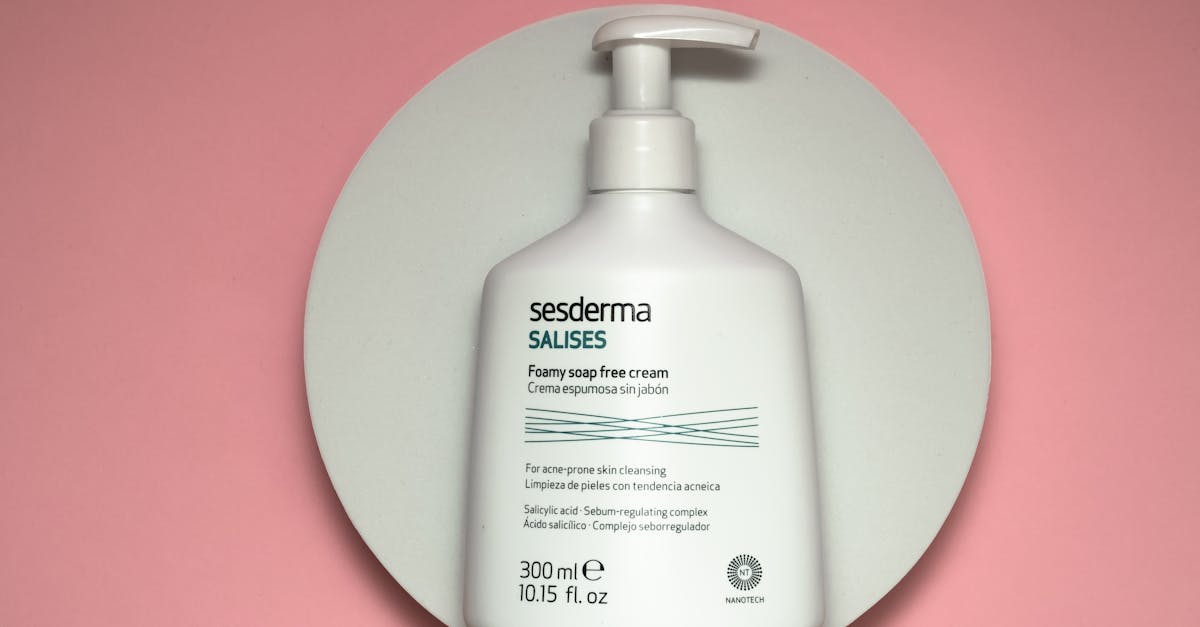
While a gold standard for treating blackheads, salicylic acid can destroy the barrier if overused. It penetrates deep into the pore lining to dissolve oil and can cause excessive dryness. Using high percentages or combining it with other actives leads to peeling and raw skin. A damaged barrier cannot retain water which paradoxically stimulates more oil production. Moderation is key to harnessing its benefits without compromising skin integrity.
Charcoal

Activated charcoal is marketed for its ability to draw out impurities and detoxify pores. It is extremely porous and indiscriminate in what it absorbs from the skin surface. This means it removes healthy oils and hydration along with dirt and debris. Regular use of charcoal masks or cleansers can leave the skin parched and the barrier depleted. Hydrating clay masks are often a gentler alternative for deep cleansing.
Apricot Kernels

Similar to walnut shells, ground apricot kernels are used as abrasive physical scrubs. The particles are uneven and sharp enough to cause micro-tears in the epidermis. These invisible wounds destroy the continuity of the skin barrier and invite infection. The immediate smoothness felt after use comes at the cost of long-term damage and sensitivity. Chemical exfoliation remains the preferred method for safe skin renewal.
Please share your own experiences with these ingredients and any barrier-repair tips you have in the comments.




