Home security requires a delicate balance between accessibility for the owner and invisibility to the intruder. Most burglars look in obvious spots like under the welcome mat or above the doorframe because they want to enter quickly. A truly effective hiding spot blends seamlessly into the landscaping or utilizes mundane objects that attract absolutely no attention. The best locations require specific knowledge to find and often involve a small amount of effort to access. This comprehensive guide outlines forty-five secure places to stash a spare key to ensure you are never locked out again.
Fake Sprinkler Head

A realistic sprinkler head offers an excellent disguise for a small key because it mimics functional landscaping equipment. You can bury the device flush with the ground so it appears to be part of the irrigation system. Most intruders will not pause to inspect every nozzle in the yard for a hidden compartment. This option works best when placed near other real sprinkler heads to maintain visual consistency. The durable plastic construction keeps the key dry and protected from the elements.
Inside a Wind Chime

The hollow tubes of a wind chime provide a clever and melodic hiding spot for a spare key. You can attach the key to a piece of string and suspend it inside one of the longer chimes. The key remains invisible from the outside and only reveals itself when you tilt the chime specifically. This location is particularly effective because the noise of the chimes acts as a natural deterrent to anyone tampering with them. It keeps the key high off the ground and away from prying eyes.
Magnetic Box Under the Car

A heavy-duty magnetic key box attached to the chassis of your car is a classic yet effective solution. You should place the box on a flat metal surface that is not easily visible from a standing position. This ensures the key is always with you when you return home and is not actually on the property when you are away. It prevents burglars from finding a key to the house while you are at work or on vacation. The method works perfectly for households where the car is parked in the driveway regularly.
Hollowed-Out Brick

A real brick with a hollowed center blends perfectly into a retaining wall or a pile of spare construction materials. You can mix this modified brick with regular ones to make it virtually indistinguishable. The weight and texture feel authentic so a casual observer would never suspect it contains a key. You simply need to remember which specific brick in the stack holds your entry method. This hideout offers excellent camouflage through repetition and mundane appearance.
Behind Vinyl Siding
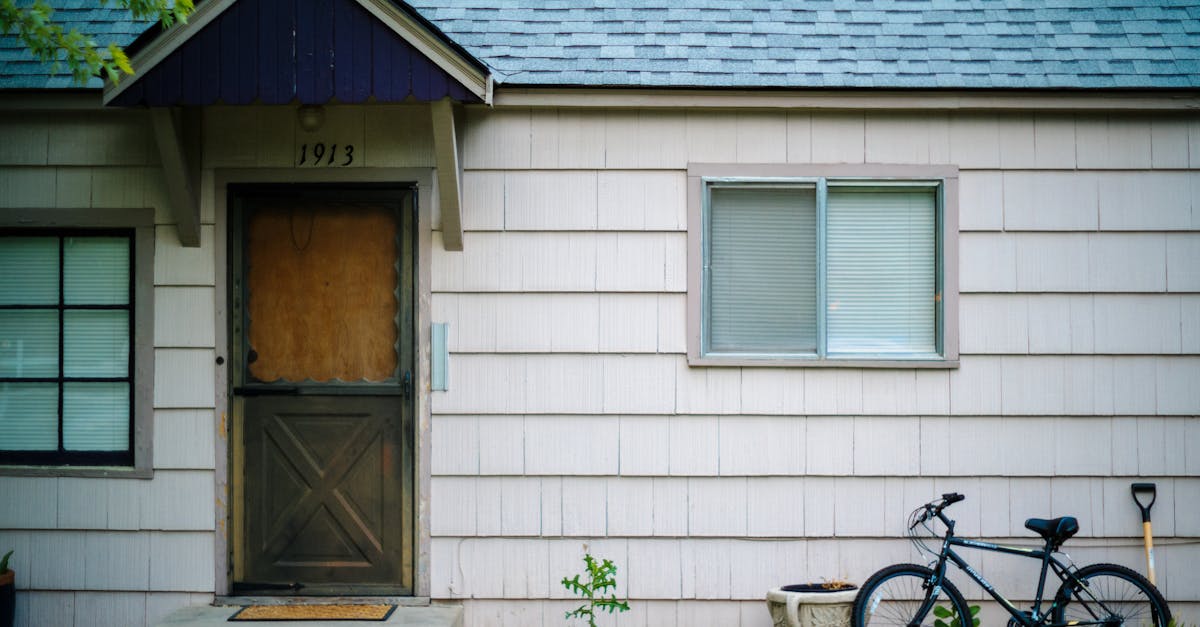
Vinyl siding often has a small amount of overlap where pliable seams can be lifted slightly. You can attach a key to a piece of fishing line and slide it underneath a specific panel near the door. The key remains completely hidden behind the exterior cladding of the house. Retrieval involves gently pulling the nearly invisible string to slide the key back out. This spot is obscure enough that thieves rarely spend the time to check every seam of the house.
Artificial Rock

High-quality artificial rocks utilize realistic textures and colors to match the geology of your garden. You should place this item among real stones or in a garden bed where it looks natural. Cheap plastic rocks stand out but a premium resin version is difficult to spot without handling it. You can bury the bottom slightly in the soil to enhance the illusion of permanence. This remains one of the most popular choices because of its simplicity and effectiveness when done correctly.
Inside a Birdhouse

An ornamental birdhouse hung high on a tree or porch post serves as a charming and functional hiding place. You can place the key inside the structure or tape it to the underside of the roof. Burglars typically ignore birdhouses because they are difficult to reach and usually contain nothing of value. The presence of actual birds or nesting material adds another layer of authenticity to the disguise. It keeps the key elevated and out of the immediate line of sight.
False Electric Outlet

A fake outdoor electrical outlet box creates a convincing illusion of a standard utility feature. You can mount this box on an exterior wall where an outlet would logically be located. The faceplate opens to reveal a small compartment perfect for storing a key and perhaps some emergency cash. Intruders rarely tamper with electrical fixtures due to the perceived danger of shock. This method uses the psychology of safety hazards to protect your property.
Under a Dog House

The space beneath a heavy dog house is a deterrent for anyone who is not familiar with your pet. You can place the key in a waterproof container and bury it shallowly under the floor of the structure. The presence of a dog or even the smell of one is usually enough to keep strangers away. This spot requires physical effort to access which makes it unattractive to opportunistic thieves. It utilizes your pet’s territory as a natural security zone.
Hollow Tree Knot

Natural cavities in trees provide an organic and unpredictable hiding spot for small objects. You can find a knot or hole in a tree on your property and tuck the key deep inside. It is wise to place the key in a small plastic bag to prevent rust or insect damage. The irregular patterns of bark make it very difficult for someone to scan for the key visually. This method takes advantage of the complex textures found in nature.
Fake Drain Cap

A plastic drain cap that fits into a PVC pipe in the ground can be modified to hold a key. You can install a short section of pipe in a garden bed that looks like a drainage cleanout. The cap screws off to reveal the key hanging on the underside or sitting in the pipe. It looks like a standard part of the home plumbing system and draws zero interest. This is a very subtle method that requires installation but offers high security.
Taped Behind a Downspout

The backside of a gutter downspout is a dark and neglected space that creates a great hiding spot. You can use heavy-duty duct tape to affix the key to the metal facing the wall. It is important to place it high enough that it is not visible from the side but low enough to reach. The paint color of the downspout usually masks the tape if you choose a matching color. Most people never look behind these functional metal tubes.
Inside a Barbecue Grill
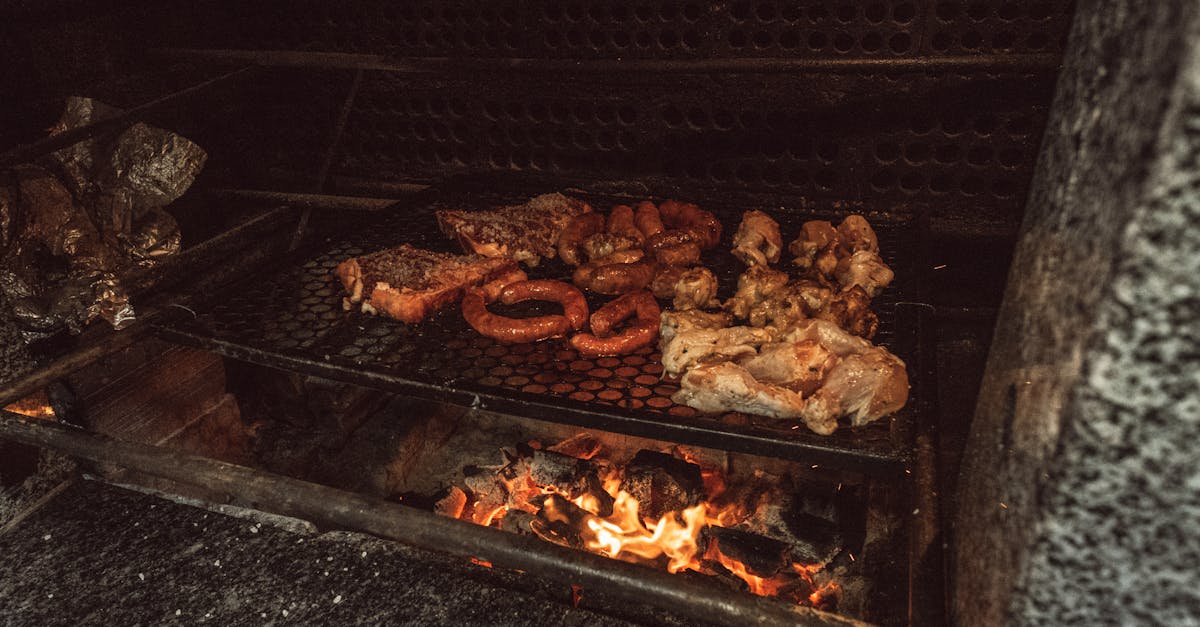
A covered barbecue grill in the backyard is a common item that rarely triggers suspicion of a hidden key. You can use a magnet to stick the key to the inside of the metal frame or under a side shelf. It is important to place it in an area that does not get hot when the grill is in use. The cover adds an extra step for any intruder who wants to investigate. This spot is convenient for homeowners who spend time in their backyard.
Fake Insect Box

Novelty hide-a-key devices shaped like large beetles or slugs can be effective if placed in a garden. These items look unappealing to touch which naturally repels curious hands. You should place the item in dirt or mulch where a real bug would naturally be found. The key sits inside a compartment in the belly of the fake insect. This relies on the “gross factor” to keep people from picking up the hiding container.
Medicine Bottle Buried in Soil

An orange prescription bottle is watertight and durable enough to be buried underground. You can dig a small hole near a memorable plant and cover the bottle with an inch of soil. The orange plastic is easy to see once you disturb the dirt but invisible from the surface. This method protects the key from rain and dirt corrosion completely. It allows you to bury the key anywhere in the yard without needing a specific object to hide it.
Inside a Garden Hose Reel

The interior hub of a garden hose reel offers a dry and concealed space for storage. You can tape the key to the inside of the drum where the hose wraps around. It is completely obscured by the layers of garden hose when the reel is full. An intruder would have to unwind the entire hose to inspect the center of the reel. This requires too much time and noise for a burglar to attempt.
Bicycle Handlebar Grip

The rubber grip on a bicycle handlebar can often be removed or has a hollow end cap. You can slide a slim key inside the metal tubing of the handlebars and replace the cap. This works well if you keep a bike locked on your porch or in an accessible shed. It effectively disguises the key as part of a completely different mode of transportation. You must ensure the bike is always locked up so the key is not stolen along with the cycle.
Hollow Fence Post Cap

Many vinyl or wooden fences use decorative caps to cover the tops of the posts. You can lift a loose cap and place the key inside the hollow post before replacing the top. This spot is usually above eye level and blends in with the repetitive design of the fence. There are often dozens of posts so finding the right one is like finding a needle in a haystack. It is a secure location that is very easy for the homeowner to access.
Under a Heavy Paver

A single heavy paving stone in a walkway or patio can serve as a secure lid for a key hole. You can dig a small depression under one specific corner of a large stone. The weight of the paver prevents it from being kicked aside accidentally or moved by wind. You need to mark the stone subtly so you remember which one to lift. This requires physical exertion to access which deters casual searching.
Fake Thermometer

An outdoor thermometer mounted on a wall can slide open or have a compartment on the back. These devices look like standard weather monitoring tools found on many patios. You should mount it in a location that looks logical for reading the temperature. The key is hidden behind the face of the instrument. It serves a dual purpose by actually telling the temperature while securing your home.
Inside an Outdoor Light Fixture

The housing of an outdoor sconce or lantern often has extra space inside the casing. You can unscrew the fixture slightly to slip a key into the electrical box area or tape it inside the shade. It is vital to ensure the key does not touch any live wires or get too hot from the bulb. This spot is generally ignored because it looks like a permanent electrical fixture. You will need a screwdriver to access it which adds a layer of security.
Taped to a Shovel

A shovel hanging in a tool shed or leaning against the house can hide a key on the back of the blade. You can use color-matched tape to secure the key to the neck or the underside of the handle. Tools are common items in yards and rarely inspected closely for attachments. The key blends in with the utility nature of the object. It is a simple solution for those with a cluttered gardening area.
Magnetic Box on AC Unit

The large metal condenser unit for your air conditioning is usually located in a side yard. You can attach a magnetic key holder to the back side of the unit facing the wall. The loud noise of the fan and the obscure location make it an unlikely target for search. The unit is typically dirty and industrial which discourages people from touching it. The metal housing provides a strong surface for the magnet to grip.
Inside a Tennis Ball

A tennis ball with a small slit cut into the rubber makes a great camouflage container. You can squeeze the ball to open the slit and insert the key before throwing it among other toys. It looks exactly like a dog toy or a stray ball left in the yard. No burglar is going to inspect a random tennis ball on the lawn. This is an incredibly cheap and stealthy way to hide a key in plain sight.
Fake Dog Poop

Novelty key hiders that look like dog waste are extremely effective due to social conditioning. Humans are naturally programmed to avoid stepping on or touching feces. You can place this fake item on the edge of the lawn or in a flower bed. The key is hidden inside a compartment on the bottom of the resin shape. It is arguably the most repulsive but safest place to hide an entry key.
Behind a Window Shutter

Decorative shutters often have a gap between the wood and the exterior wall of the house. You can tape a key to the back of the shutter or hang it on a small nail driven into the hidden side. This location is high up and requires a specific reach to access. It keeps the key near the entry points but completely out of view. The vertical slats of the shutter effectively screen the key from street view.
Inside a Dryer Vent

The external hood of a dryer vent usually has flappers that open when air blows out. You can use a magnet or tape to affix a key just inside the hood lip. It is important to place it where it will not block the lint trap or airflow. This is a utility feature that is generally dirty and ignored by visitors. The location is usually convenient to a side or back door.
Treehouse Floorboard

If you have a play structure or treehouse, a loose floorboard offers a classic hiding spot. You can pry up a board and create a small resting place for the key underneath. This requires a burglar to climb into a children’s play area which draws unwanted attention. The messy nature of kid structures helps mask the loose board. It is a nostalgic but practical solution for families.
Under a Potted Plant Saucer

The saucer that catches water under a heavy potted plant is a good alternative to a doormat. You can tape the key to the underside of the saucer itself rather than putting it in the dirt. This keeps the key clean and requires lifting the entire heavy plant to access it. You should choose a pot that is difficult to move to discourage casual lifting. It works best with large ceramic or concrete planters.
Fake Pinecone

A manufactured pinecone with a hidden compartment works well in yards with evergreen trees. You should toss the item under a tree where real pinecones have already fallen. It creates a “needle in a haystack” scenario for anyone trying to find it. The key is protected inside the resin shell. It is visually indistinguishable from the organic matter surrounding it.
Inside a Watering Can
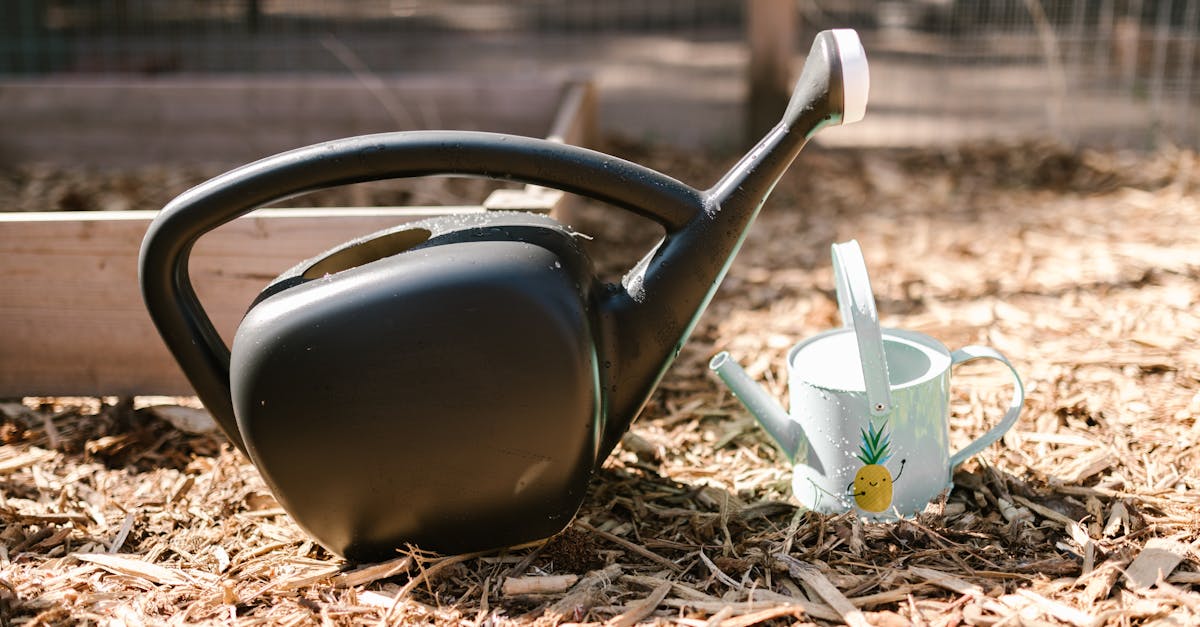
A plastic or metal watering can sitting by the garden often has a hollow handle or spout. You can reach deep inside the spout to tape the key to the inner wall. Alternatively, you can tape it to the very bottom of the can on the outside. Most people will not pick up a watering can to inspect the bottom. It is a common object that belongs in the environment.
False Bottom Planter

You can construct a planter box that has a small secret compartment built into the base. The top section holds real soil and flowers while the bottom hides the key. You access the key by sliding a panel or lifting the entire false bottom. This involves some DIY effort but results in a highly secure hiding spot. The weight of the soil makes the object feel solid and unsuspicious.
Behind a Mailbox

The back of a mailbox post or the underside of the box itself provides a flat surface for mounting. You can use strong outdoor tape to secure the key to the side facing away from the street. This works well because mailboxes are often at the perimeter of the property. It keeps the key far away from the house door which creates a buffer zone. Burglars typically focus on the house rather than the curb.
Inside a Compost Bin

A compost bin is full of decaying organic matter and is generally unpleasant to investigate. You can tape a key to the underside of the lid or the back of the bin exterior. The smell and “gross” nature of the contents act as a shield. Very few people are willing to dig around a compost area. It is a secure spot for those who are not squeamish.
Fake Garden Gnome

Hollow garden statues like gnomes or frogs can cover a key sitting on the ground. You can place the key on the dirt and simply set the hollow statue over it. To make it more secure, you can glue a magnet to the inside of the statue and stick the key there. This allows you to lift the gnome and have the key travel with it. It blends in with other kitschy yard decorations.
Under a Wooden Deck Board
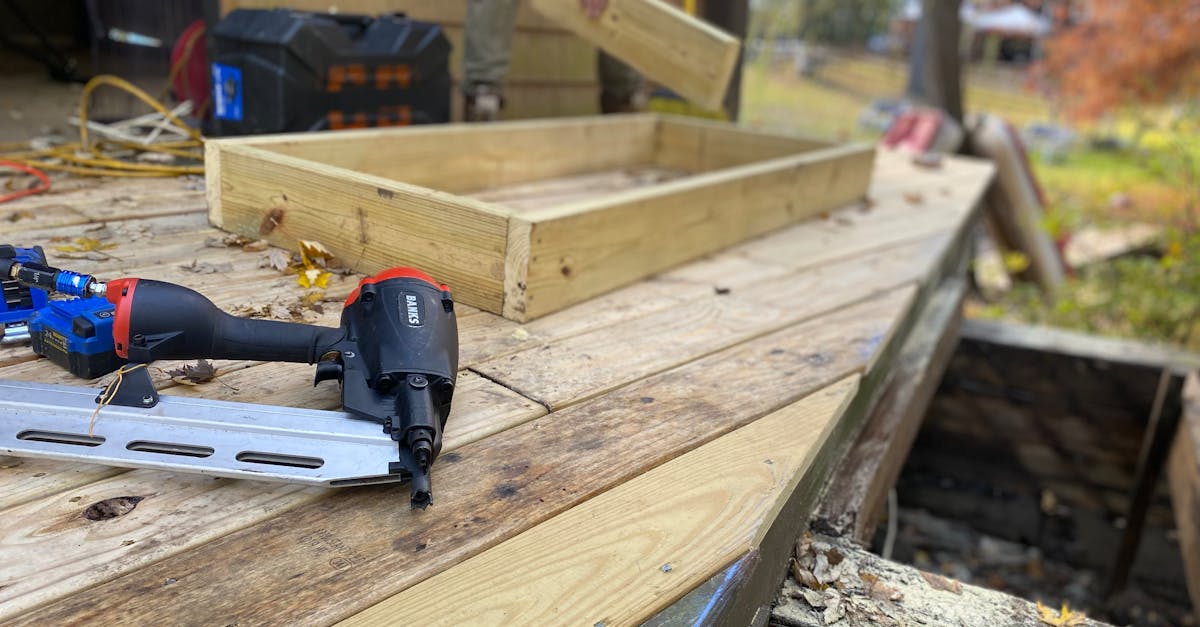
Wooden decks often have gaps between the planks that allow for clever concealment. You can tie the key to a fishing line and slip it through a gap so it hangs beneath the deck. A small nail or tack on the side of the plank can hold the line in place. You can retrieve it by pulling up the loop of string. It keeps the key suspended in the darkness under the porch.
Inside a Pool Skimmer

The plastic lid of a pool skimmer basket sits flush with the pool deck. You can tape a key to the underside of this lid. It is a wet environment so the key must be stainless steel or in a sealed bag. Intruders do not look in pool filters for house keys. It is a very specific location that only a homeowner would think to use.
Magnetic Box on Gas Meter

Gas meters are complex arrangements of pipes and valves usually painted gray. A gray magnetic key box can be attached to the back of the meter piping. The irregular shape of the meter hides the box from view. Utility equipment is generally ignored by criminals looking for valuables. It is a sturdy metal structure that holds magnets well.
Fake Stone Edging

Garden edging often comes in sections that look like connected stones or bricks. You can buy a hollow section or dig a space under one specific piece of edging. The key sits safely beneath the plastic or concrete border. This provides a continuous line of camouflage along the entire garden bed. It is difficult to spot the one loose section among the many fixed ones.
Inside a Bird Feeder

A tube-style bird feeder has a central column that is often filled with seeds. You can tape a key to the bottom of the feeder or inside the lid. The seeds obstruct the view of the key from the outside. You have to remove the feeder and open it to get the key. The presence of birds and seeds makes it a dynamic and living hiding spot.
Behind a Trellis
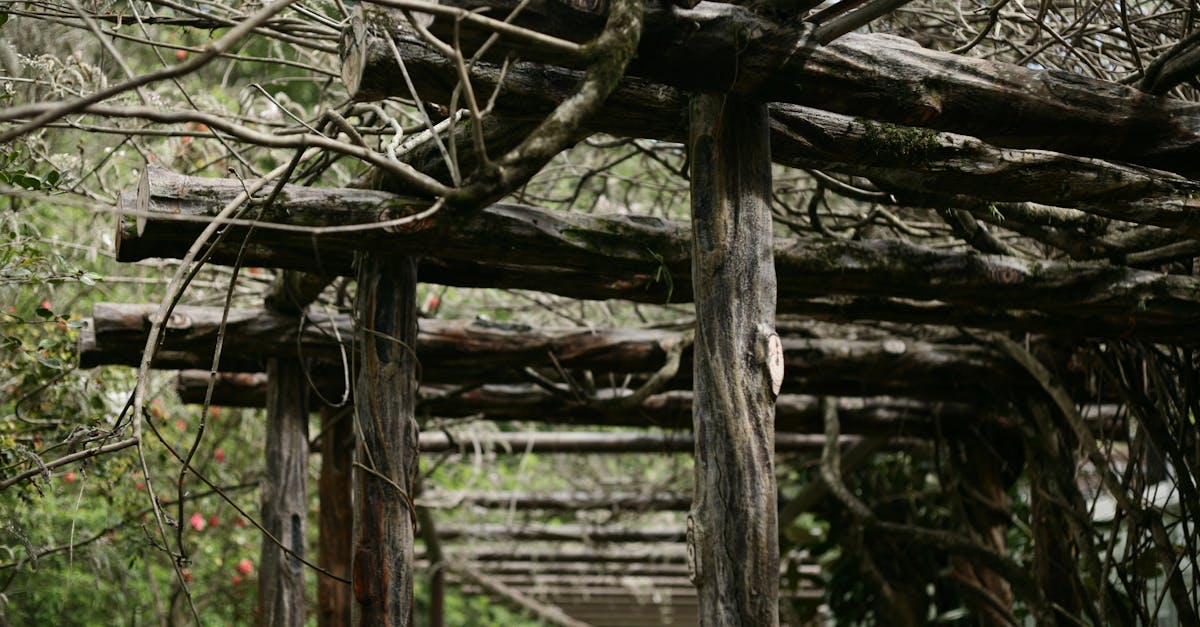
A garden trellis covered in climbing vines or roses offers dense visual cover. You can hang a key on a hook behind the lattice work where the plants are thickest. The thorns and foliage prevent people from reaching in randomly. You need to know the exact spot to reach through the leaves safely. It uses natural plant growth as a security screen.
Buried Vacuum Sealed Bag
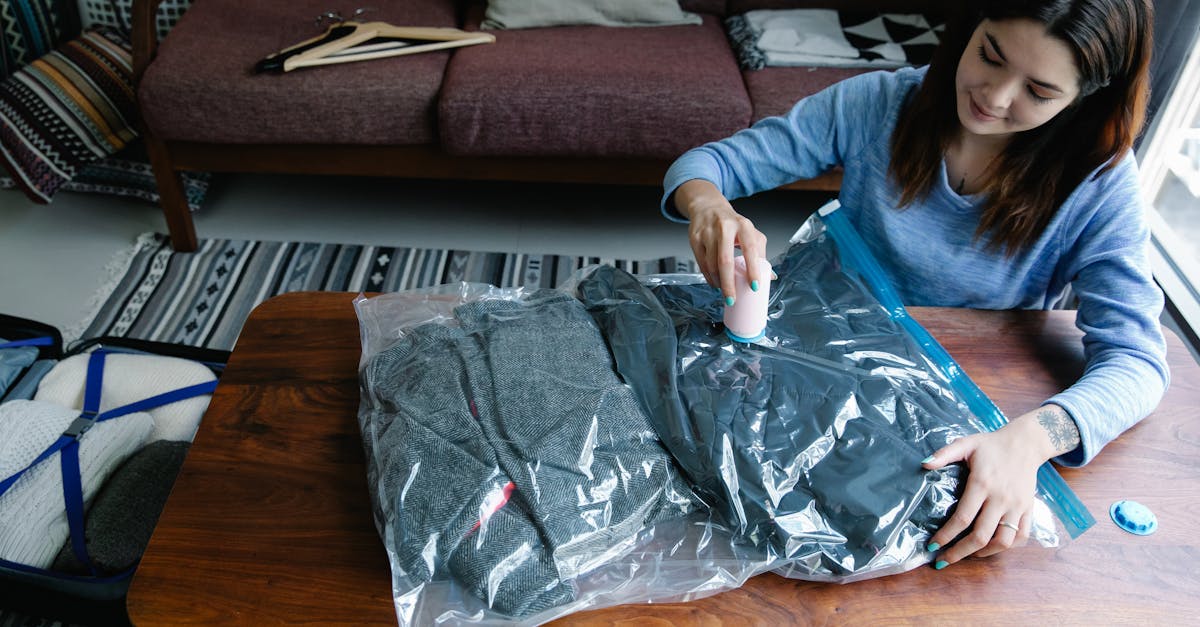
For long-term storage, you can vacuum seal a key and bury it in a random spot in the yard. You should choose a location that you can identify by triangulation from two permanent landmarks. This is not for daily use but for true emergencies. The plastic seal ensures the key remains pristine despite being underground for years. It is completely invisible to anyone scanning the property.
Inside a Rain Barrel Tap
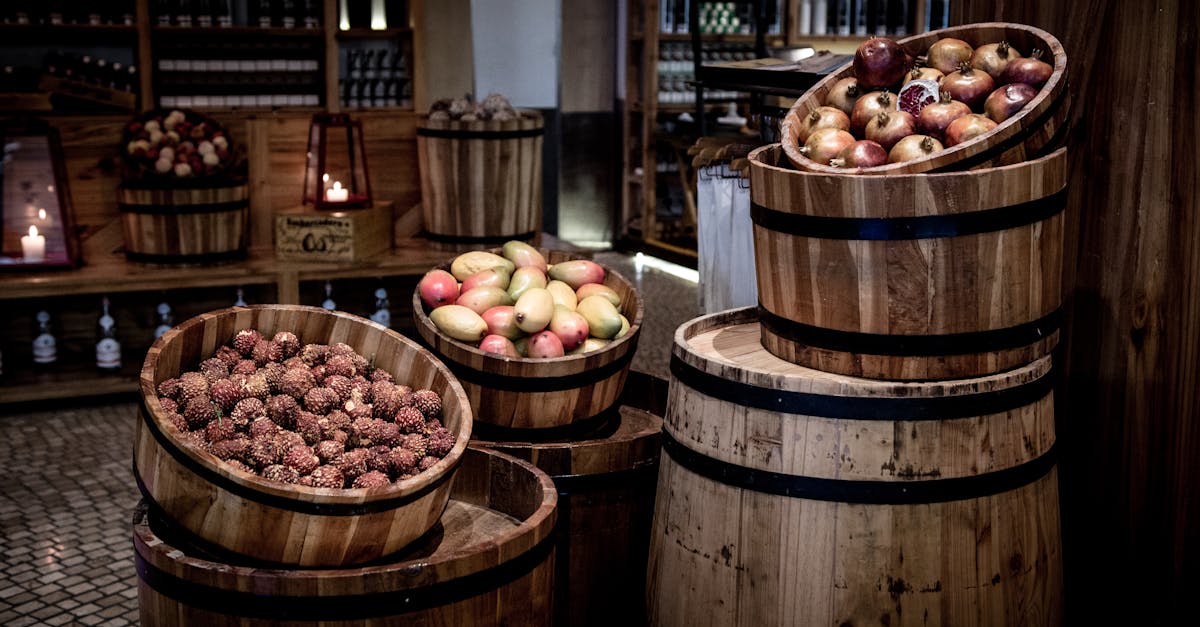
If you have a rain barrel, the spigot often has a large opening or a space behind the valve handle. You can tuck a small key into the mechanism if there is a gap. Alternatively, tape it to the back of the barrel near the wall. Rain barrels are large and bulky objects that offer plenty of blind spots. The key stays near the garden where it is unlikely to be found.
Fake Garage Door Keypad
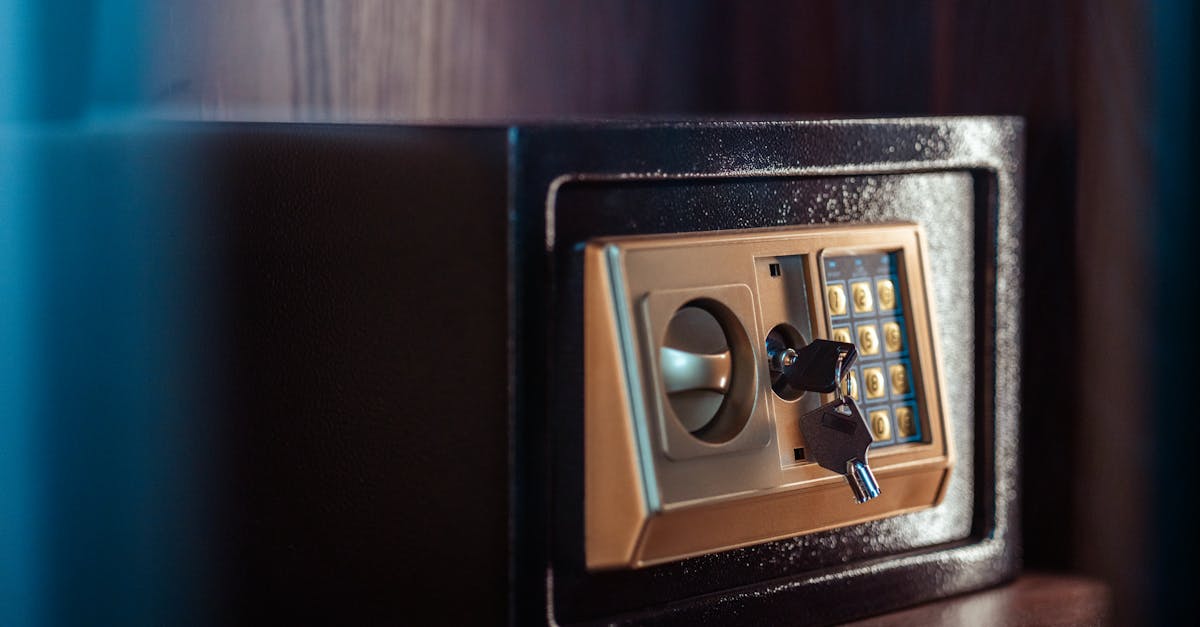
You can mount a broken or non-functional garage keypad to the wall. The casing can be hollowed out to hold a mechanical key inside. It looks like a digital entry system but is actually a physical storage box. Burglars will assume they need a code to use it and will not try to pry it open. It creates a digital decoy for a comprehensive analog solution.
Trusted Neighbor

Leaving a spare key with a reliable neighbor is the only method that removes the key from your property entirely. You should choose someone you trust implicitly and who is often home. They can keep the key in their own secure lockbox or safe. This eliminates the possibility of a burglar finding the key on your grounds. It also fosters a sense of community and mutual protection between households.
Tell us your most creative hiding spot or a tip we missed in the comments.




