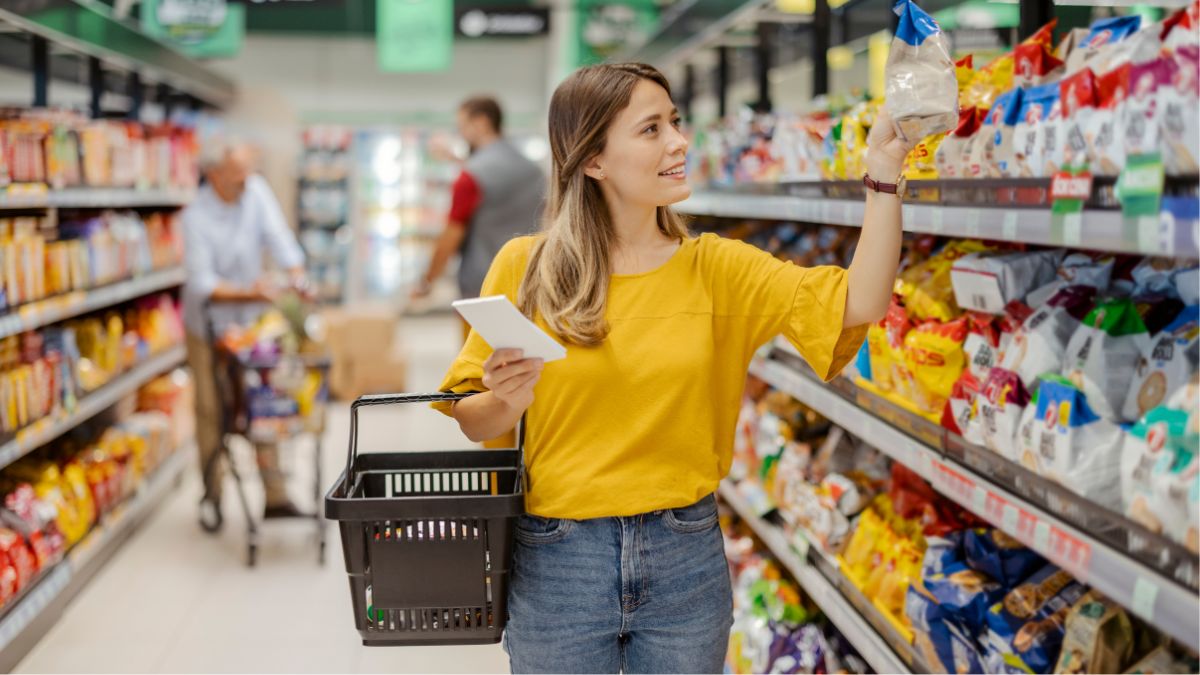
Supermarkets are expertly engineered environments designed to influence purchasing decisions at every turn. From the moment shoppers walk through the automatic doors, a carefully orchestrated series of psychological tactics begins working on the subconscious mind. Retail designers and food industry consultants spend enormous resources studying consumer behavior to maximize the likelihood that shoppers will fill their carts with high-margin, often unhealthy products. Understanding these strategies is the first step toward making more intentional choices during every grocery run.
Store Layout
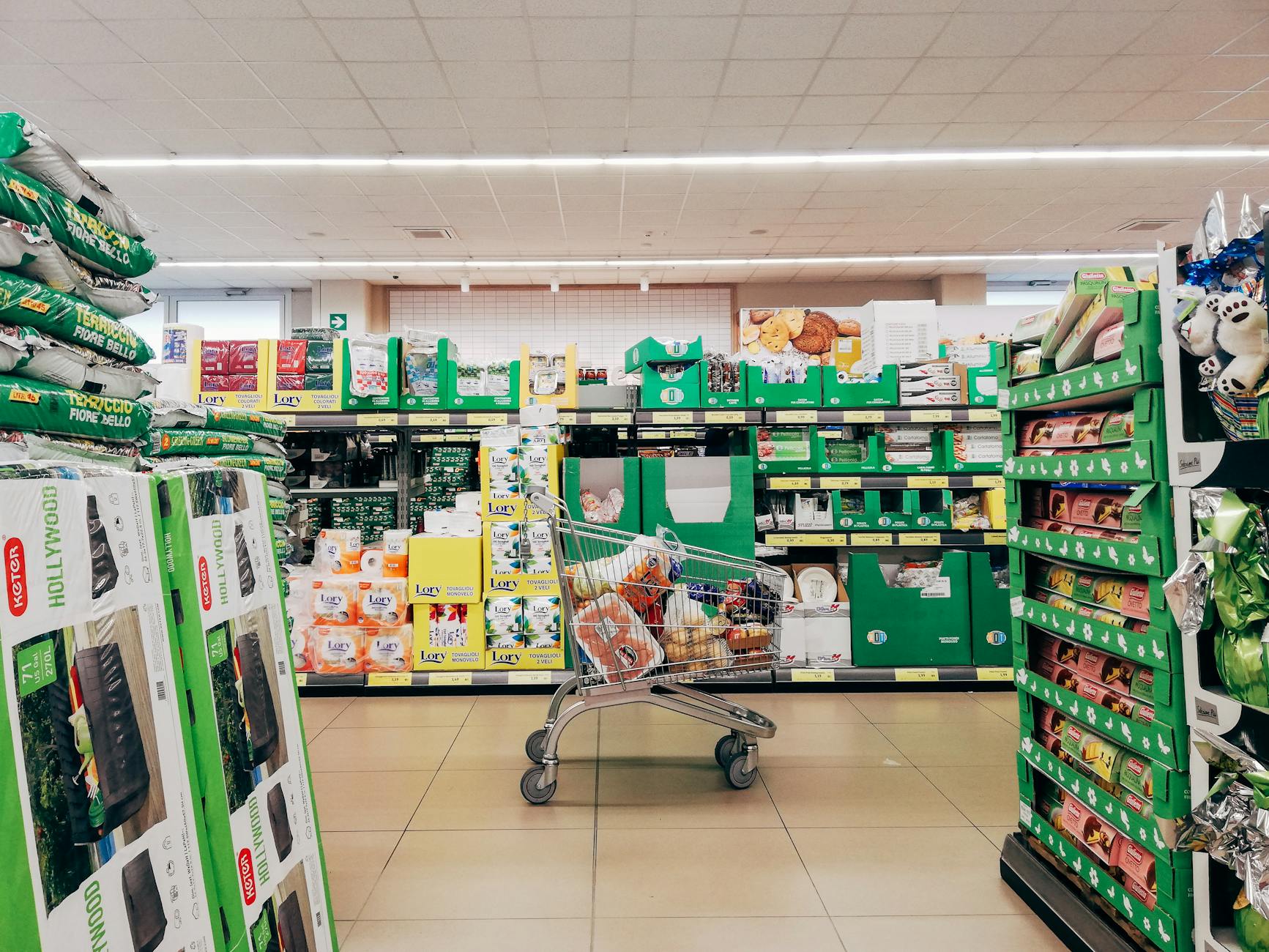
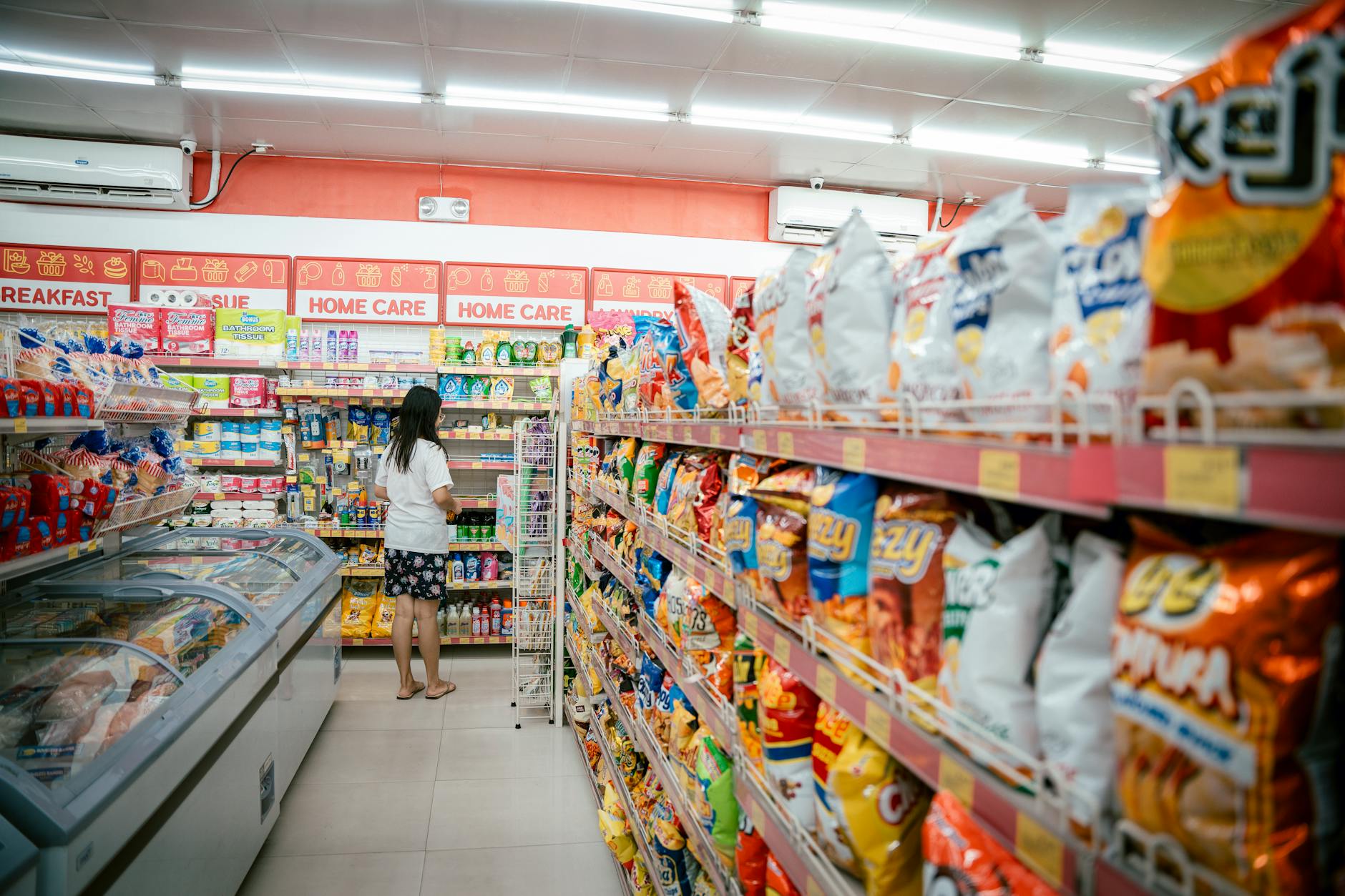
The physical design of a supermarket is never accidental or random. Staple items like milk, eggs, and bread are deliberately placed at the back of the store, forcing shoppers to walk past thousands of tempting products to reach them. This extended journey through the aisles dramatically increases the chances of impulse purchases along the way. Unhealthy snack foods are frequently positioned along the most heavily trafficked paths to exploit this captive audience. The winding layout is a masterclass in retail psychology that has been refined over decades of consumer research.
Eye-Level Shelving
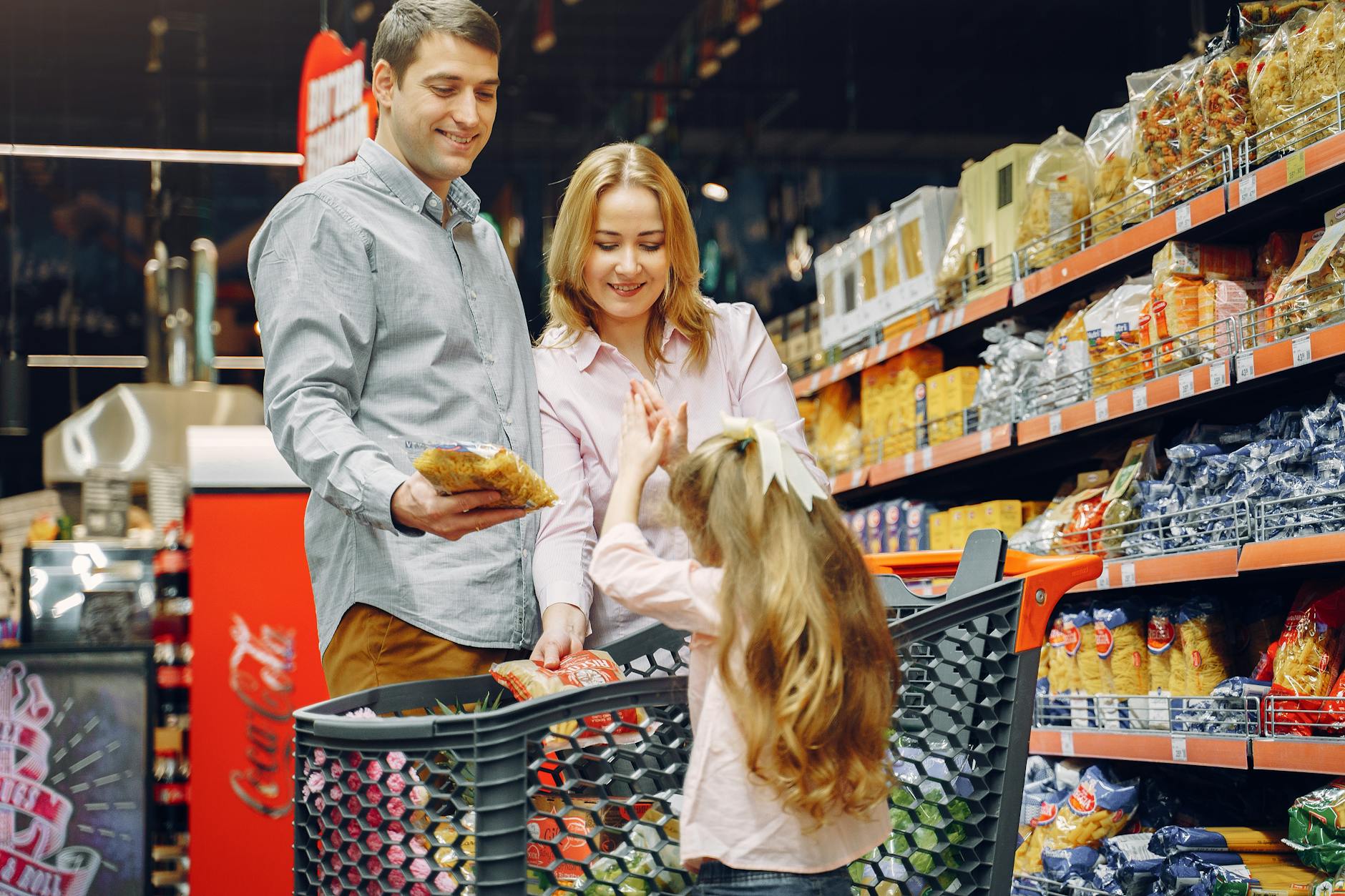
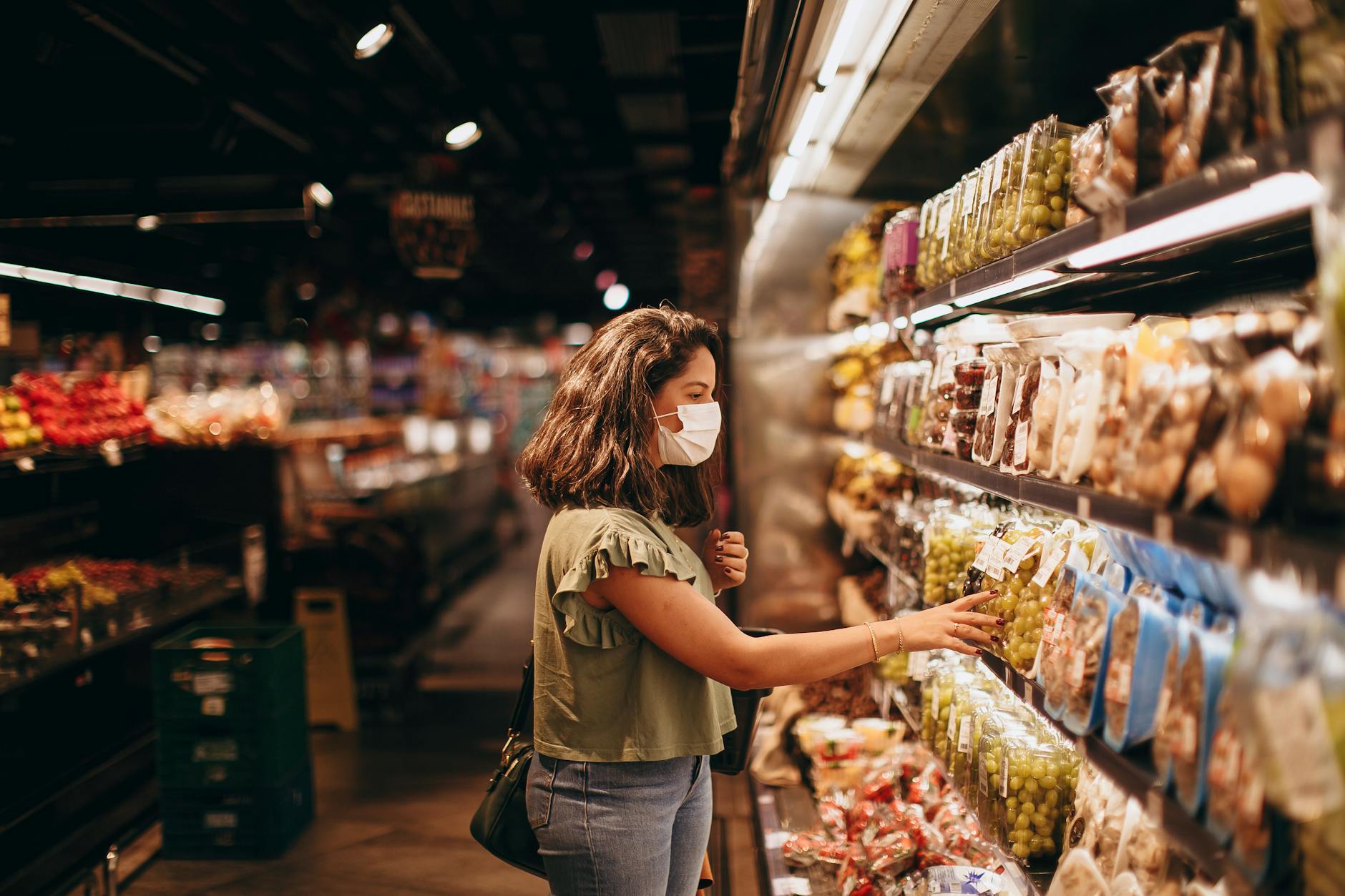
Product placement on supermarket shelves follows a strict hierarchy designed to influence what shoppers notice first. The most profitable and heavily processed foods are positioned directly at adult eye level, making them the easiest and most natural items to reach for. Healthier alternatives and store-brand products are often relegated to the bottom or top shelves, requiring extra effort to locate. Children’s cereals and snacks are strategically placed at a child’s eye level to encourage pestering and unplanned purchases. This vertical real estate is so valuable that food companies pay premium fees known as slotting fees to secure prime shelf positions.
Scent Marketing
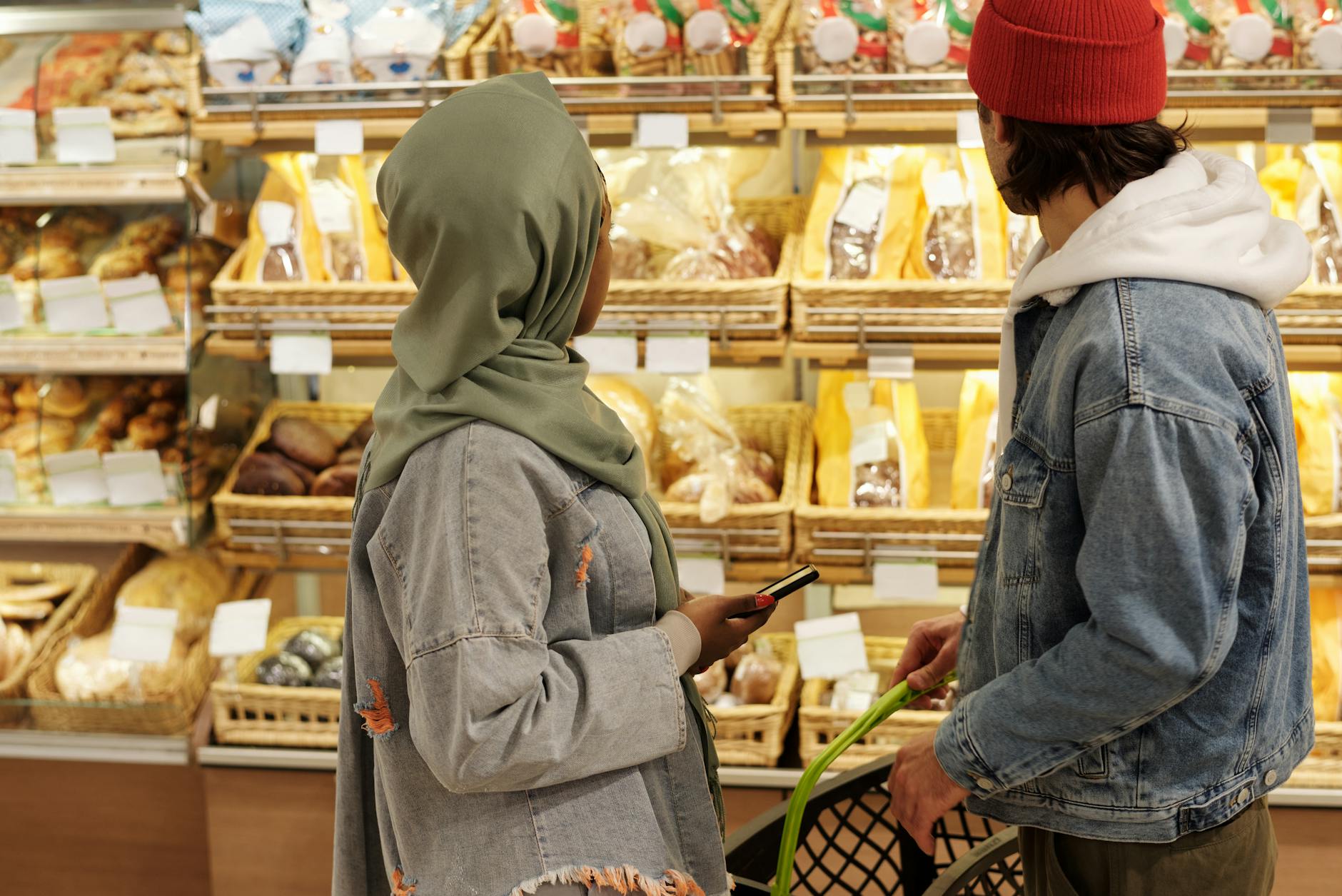
Supermarkets frequently pipe artificially enhanced aromas through their ventilation systems to stimulate appetite and increase purchasing. The smell of freshly baked bread or roasting chicken near store entrances triggers hunger responses even in shoppers who have recently eaten. Hungry shoppers are well-documented to spend significantly more money and select more calorie-dense foods than those who shop on a full stomach. In-store bakeries are often positioned near the entrance precisely because their aromas set an indulgent, comfort-driven tone for the entire shopping experience. This sensory manipulation begins working on the brain before a single item has been placed in the cart.
Cart Size
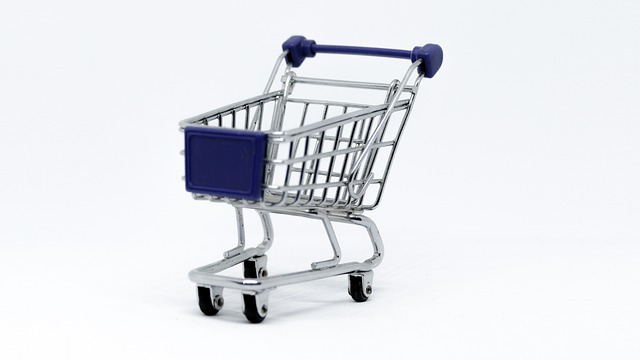
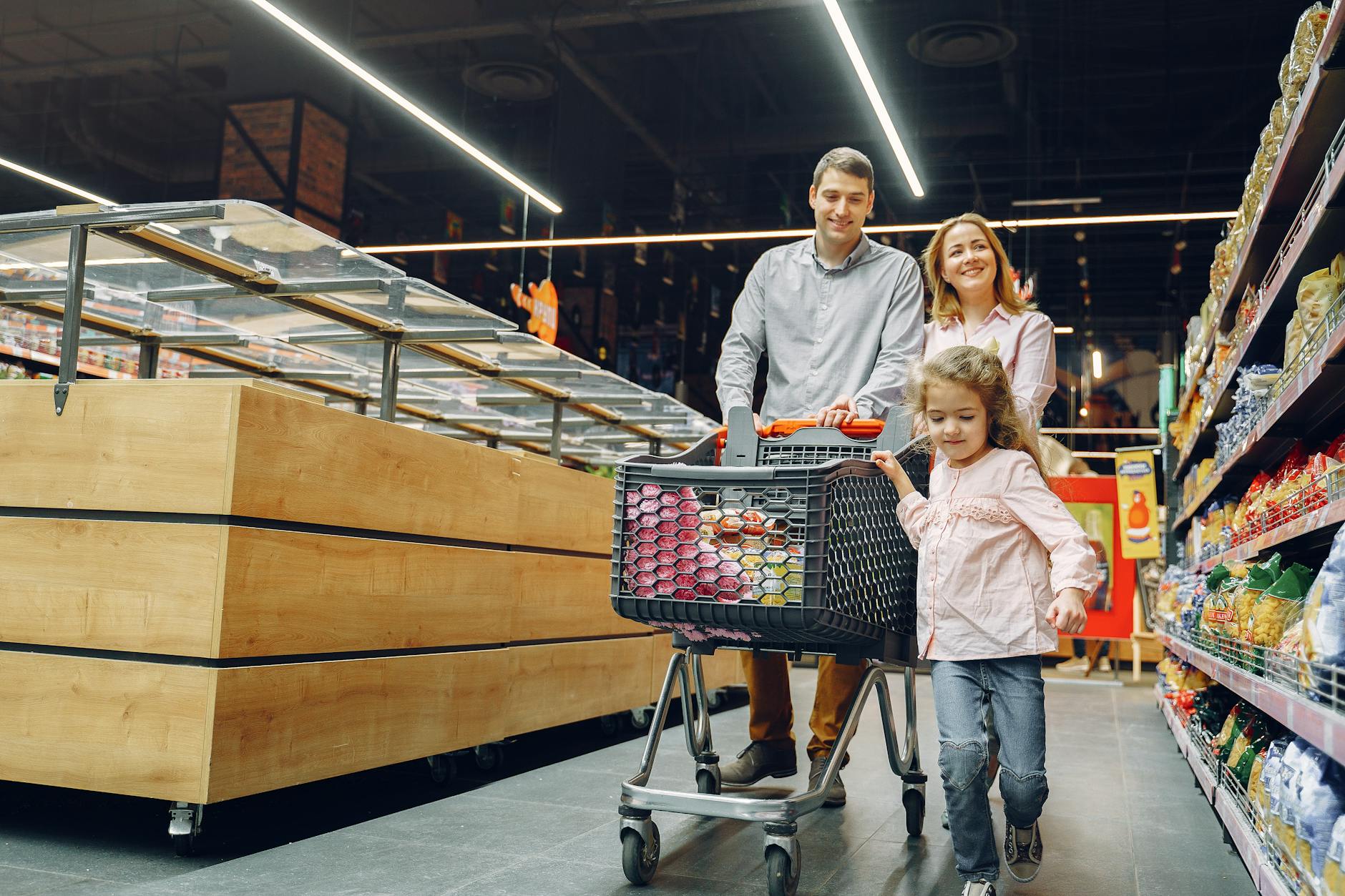
The dimensions of a standard supermarket shopping cart have grown considerably over the past several decades. Larger carts create a visual and psychological prompt to fill the space, as a half-empty cart feels incomplete to most shoppers. Studies have shown that shoppers using larger carts purchase significantly more items than those using smaller baskets or handheld carriers. Supermarkets have capitalized on this effect by phasing out smaller cart options or tucking them away in inconvenient locations near the entrance. Choosing a basket over a cart is one of the simplest ways shoppers can resist this form of behavioral manipulation.
Color Psychology

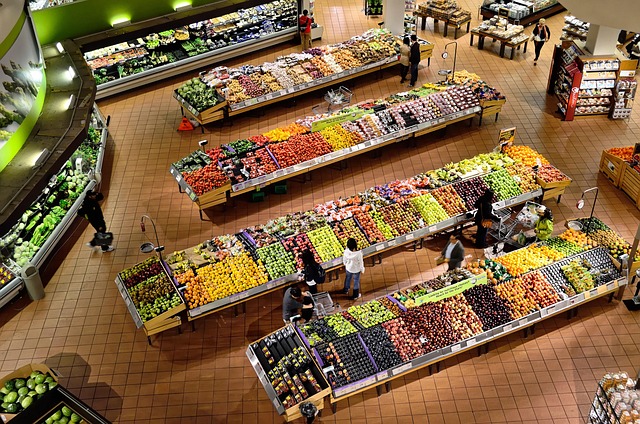
Every color used in supermarket signage, packaging, and promotional displays is chosen with deliberate psychological intent. Red and yellow are used extensively on sale tags and processed food packaging because they are scientifically proven to stimulate appetite and create a sense of urgency. Warm tones signal indulgence and excitement, making chips, candy, and fast-food-style products feel more appealing and approachable. Produce sections often use bright, saturated colors to simulate natural abundance and visual freshness. The careful application of color theory throughout the store is a continuous and largely invisible influence on purchasing decisions.
Checkout Lanes
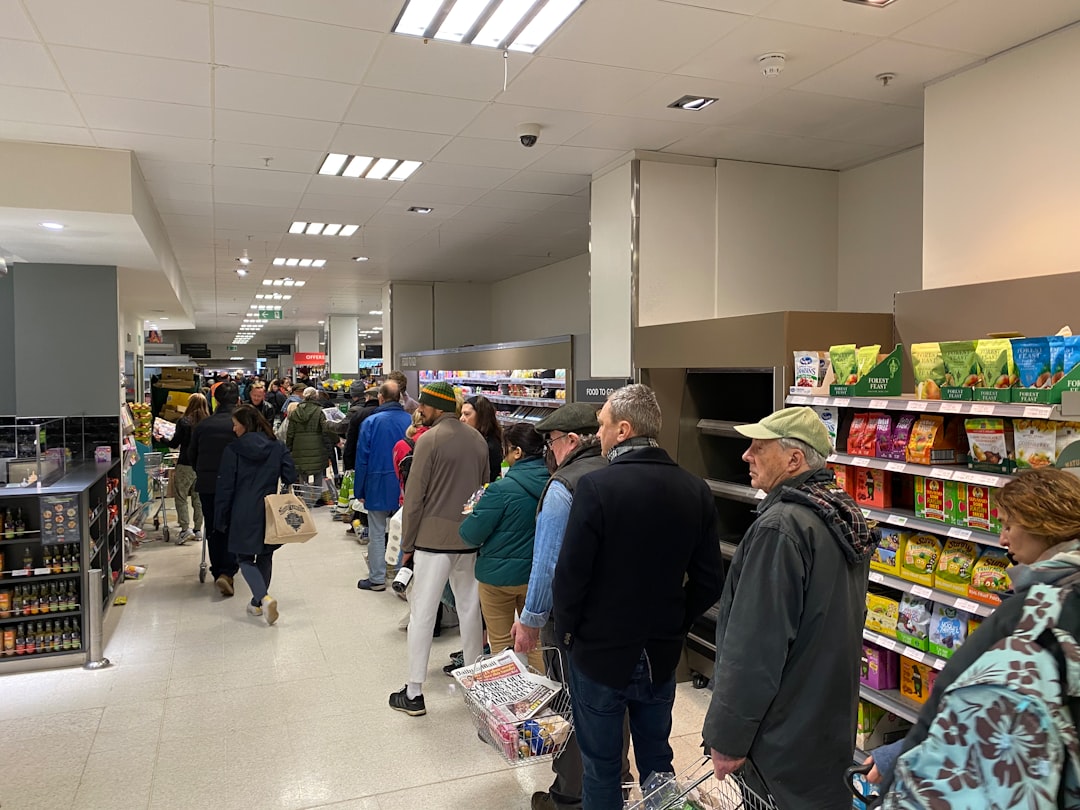
The area immediately surrounding checkout lanes represents some of the most aggressively monetized space in any supermarket. Rows of candy bars, energy drinks, gum, and impulse snacks line every checkout corridor at precisely the height most convenient for grabbing. Shoppers waiting in line are a captive audience with idle hands and lowered decision-making resistance after navigating an entire shopping trip. Self-checkout stations have not eliminated this strategy but have instead introduced smaller, tightly packed impulse displays angled directly toward the customer. The checkout zone is the final and often most effective gauntlet of temptation in the entire store.
Sale Signage

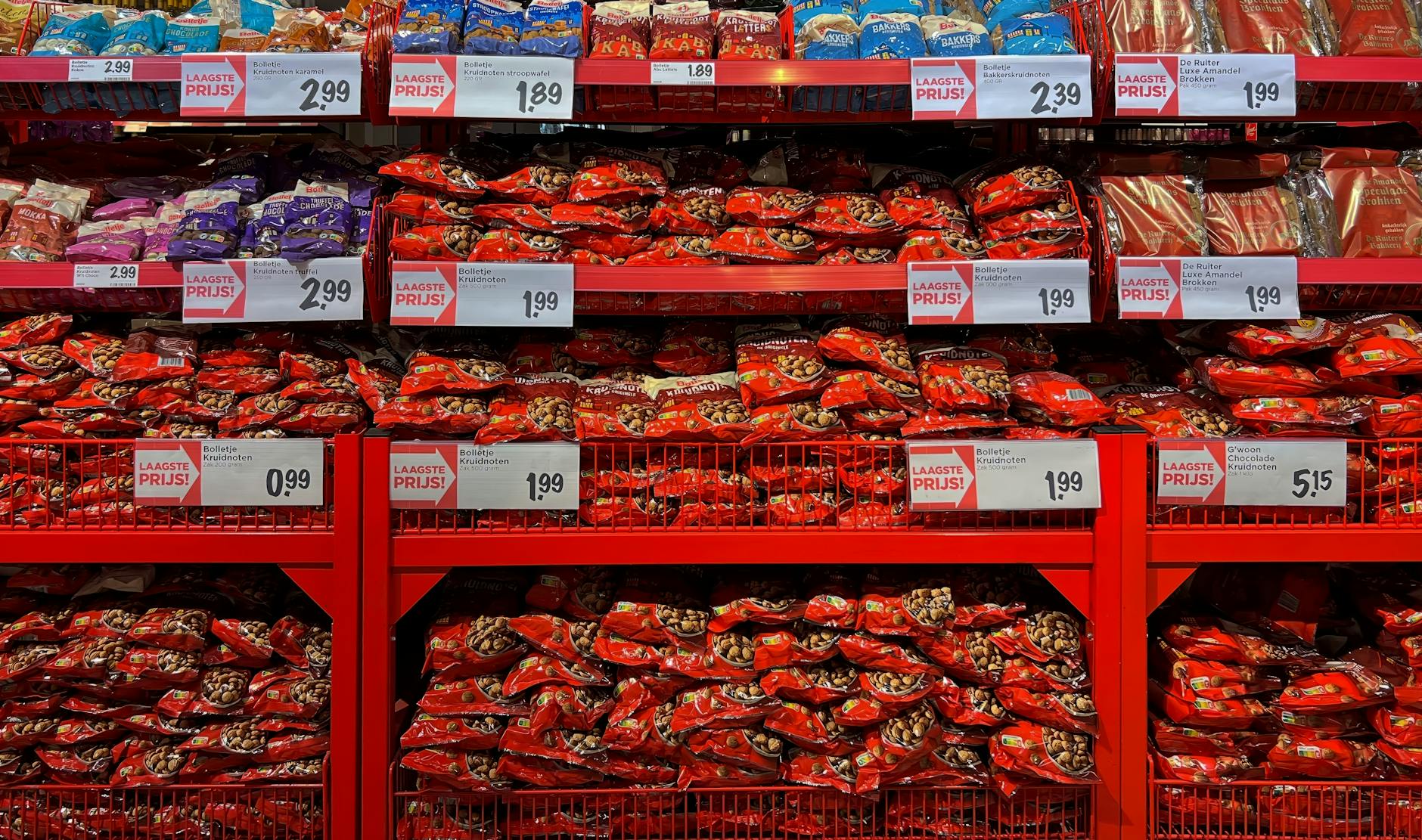
Bright promotional signs and percentage-off stickers create a powerful sense of urgency and perceived value in supermarket shoppers. Research consistently shows that products displayed with sale signage sell in higher quantities even when the actual discount is minimal or the regular price has been temporarily inflated. Bulk deal promotions such as “buy three for five dollars” encourage shoppers to purchase more units than they originally intended. Unhealthy snack foods and processed beverages are disproportionately featured in weekly sales circulars compared to fresh whole foods. The visual noise of promotional signage overwhelms rational decision-making and shifts the focus from nutritional value to perceived savings.
Store Lighting
Lighting inside supermarkets is carefully calibrated to make certain products look as appealing and fresh as possible. Warm amber lighting over bakery and deli sections gives processed and prepared foods a golden, appetizing glow that enhances their perceived quality. Meat counters use specific red-spectrum lighting to make cuts appear fresher and more vibrant than they might under neutral white light. Bright, flat overhead lighting in center aisles keeps shoppers alert and moving through packaged and processed food sections efficiently. The overall lighting design works as an invisible sales tool that shapes perception without shoppers ever being aware of its influence.
Loyalty Programs

Supermarket loyalty cards and app-based reward programs are sophisticated data collection tools that serve the retailer far more than the shopper. Purchase history is analyzed to generate personalized discount offers that are almost always targeted at the processed and branded foods a customer already buys. These tailored promotions reinforce existing unhealthy buying patterns while creating a sense of personalized value and exclusivity. Points systems and tiered rewards create an emotional attachment to the store that encourages repeat visits and larger basket sizes over time. The behavioral data gathered through these programs gives supermarkets an extraordinary advantage in predicting and influencing future purchasing decisions.
Free Samples
In-store sampling stations are a powerful retail strategy that leverages the psychological principle of reciprocity to drive sales. When shoppers accept a free sample from a staff member, they feel a subtle social obligation to consider purchasing the product in return. Tasting a food item also creates a moment of sensory engagement that dramatically increases the likelihood of an impulse purchase. Sample stations are most commonly set up for processed snacks, ready-made meals, and indulgent specialty foods rather than fresh produce or whole ingredients. The warm, personal interaction involved in sampling makes it one of the most effective and human forms of in-store persuasion.
Background Music
The tempo, volume, and genre of music playing throughout a supermarket are carefully chosen to influence the pace and mood of shoppers. Slow-tempo music has been shown in consumer research to cause shoppers to move through the store more slowly, increasing their exposure time to products on shelves. Longer time spent browsing consistently correlates with higher spending, particularly on unplanned and indulgent purchases. Upbeat, familiar music creates a positive emotional state that lowers critical thinking and makes shoppers more receptive to impulse buying. Supermarket playlists are not background noise but a deliberate component of the in-store sales strategy.
Bulk Bin Displays
Large, open bulk bins filled with nuts, dried fruits, candies, and trail mixes create an atmosphere of abundance and informality that encourages generous portions. The act of scooping and self-serving bypasses the portion-size awareness that pre-packaged products with clear labeling might otherwise trigger. Many bulk section items are coated in sugar, salt, or flavoring and are presented alongside genuinely healthy options in ways that blur the nutritional distinction. The tactile experience of handling and filling a bag creates a sense of engagement and ownership that makes shoppers less likely to return the item to the bin. Bulk displays are particularly effective at encouraging overconsumption of calorie-dense snack foods dressed up as wholesome choices.
End Cap Promotions
The shelving units at the end of each supermarket aisle, known as end caps, are among the most strategically valuable spaces in the entire store. Shoppers naturally glance toward these displays as they turn corners, giving featured products a level of visibility that mid-aisle placement cannot achieve. End caps frequently showcase new product launches, seasonal items, and high-margin snack foods rather than everyday healthy staples. The prominent placement creates an implied endorsement, as many shoppers assume end-cap products are on sale or especially recommended by the store. Food companies actively compete for this space because the sales uplift associated with end-cap placement is consistently significant.
Healthy Halo Packaging
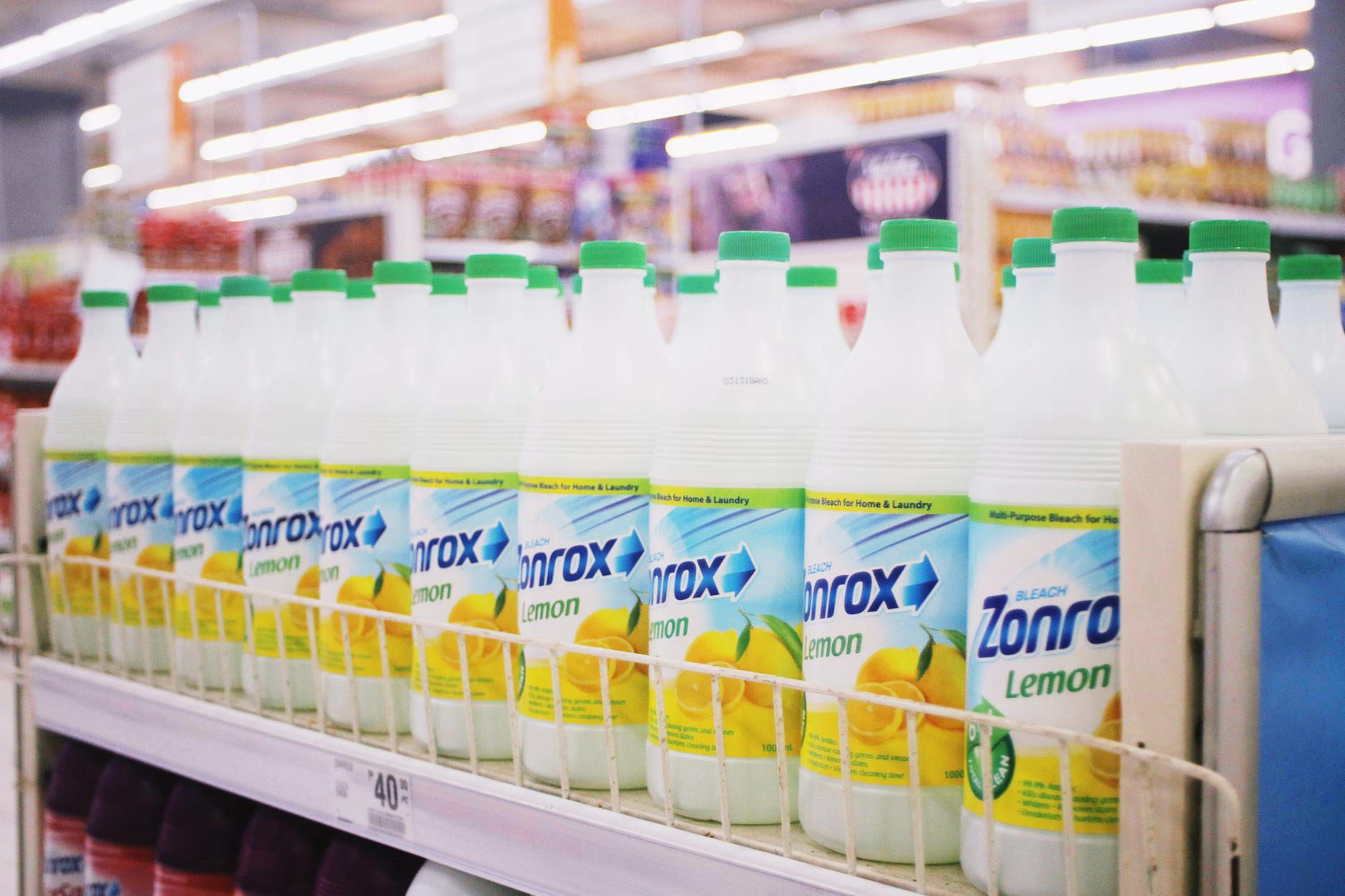
Many processed food products are designed with packaging that communicates health and wellness without the nutritional profile to justify those associations. Words like “natural,” “wholesome,” “artisan,” and “farm-fresh” appear on products that are highly processed and loaded with sugar, sodium, or artificial additives. Earthy color palettes, hand-drawn fonts, and imagery of farmland or sunlight are used to visually signal health in ways that bypass careful label-reading. Shoppers who perceive a product as healthy often consume more of it and think less critically about its actual ingredient list. This phenomenon is so well-documented that researchers have coined the term “health halo effect” to describe how misleading packaging distorts nutritional judgment.
Strategic Hunger Timing
Supermarkets extend their operating hours and schedule peak promotional activity to coincide with the times of day when shoppers are most likely to be hungry and emotionally fatigued. Late afternoon hours when blood sugar dips and decision fatigue peaks are prime shopping periods that consistently generate higher sales of comfort and convenience foods. Marketing research has long established that hunger dramatically impairs the brain’s ability to resist tempting, calorie-dense options in favor of more nutritious choices. Evening shoppers arriving after work are particularly susceptible to ready-made meal promotions, snack deals, and indulgent treats positioned near store entrances. By aligning store traffic patterns with known windows of reduced willpower, supermarkets create ideal conditions for selling the foods most likely to undermine healthy eating goals.
Share which of these supermarket tactics you have noticed on your own shopping trips in the comments.




