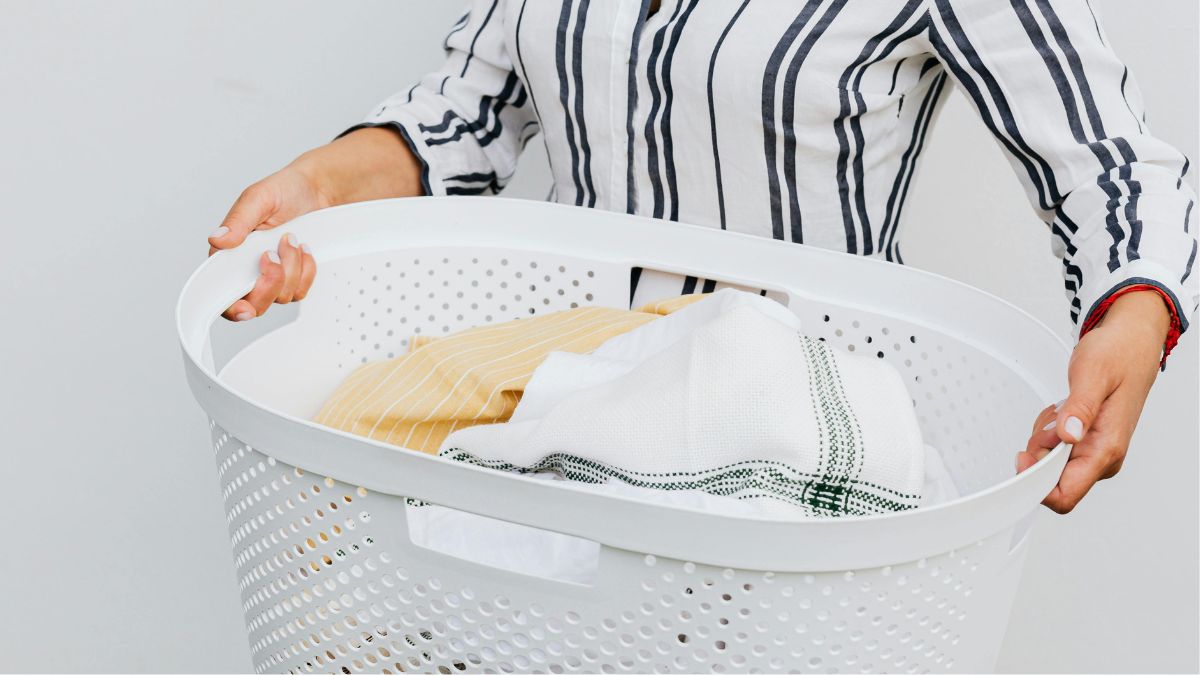
Many people follow the same laundry habits they learned years ago without realizing those routines are slowly destroying their favorite garments. Fabric damage rarely happens all at once and instead builds up over time through repeated exposure to harsh conditions. Understanding what goes wrong during a typical wash cycle can help preserve clothing quality and extend the life of an entire wardrobe. These common mistakes are worth addressing immediately to protect both everyday basics and investment pieces alike.
Hot Water
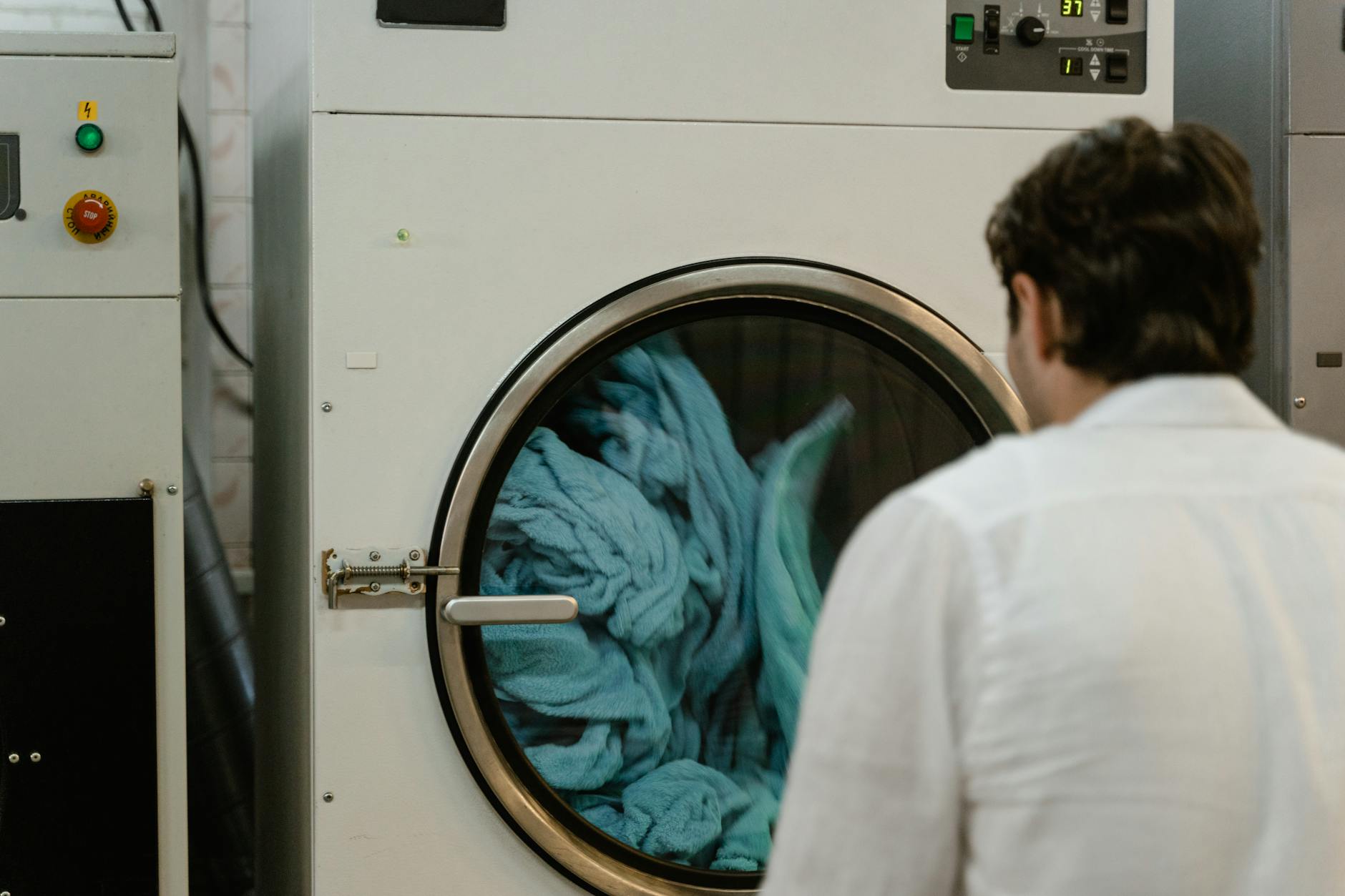
Washing clothes in hot water is one of the most damaging habits a person can develop when it comes to fabric care. High temperatures cause natural fibers like cotton and linen to shrink and lose their original shape after just a few washes. Synthetic fabrics such as polyester and nylon are particularly vulnerable to heat because it breaks down the molecular structure of the fibers over time. Colors fade significantly faster when exposed to hot water during regular wash cycles. Switching to cold or warm water for most laundry loads preserves both the shape and vibrancy of clothing.
Overloading
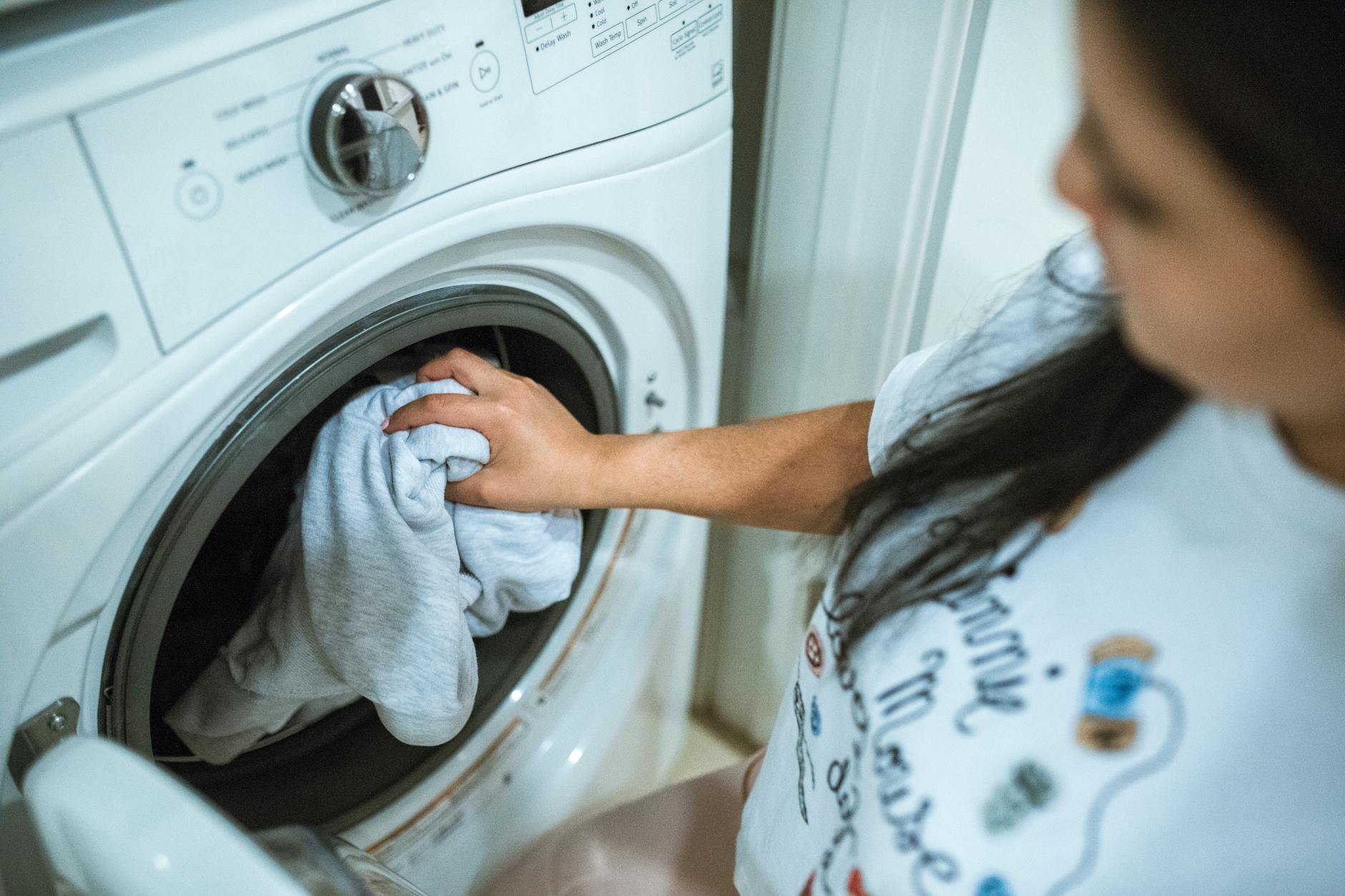
Stuffing too many items into a washing machine prevents clothes from moving freely through the water and detergent mixture. Without adequate space to circulate properly, fabrics rub aggressively against each other throughout the entire wash cycle. This constant friction weakens fibers and creates that worn and pilled appearance that makes clothing look old before its time. An overloaded drum also means clothes are never truly cleaned because water and detergent cannot penetrate the packed load effectively. Washing smaller loads more frequently is a far better approach for garment longevity.
Excess Detergent
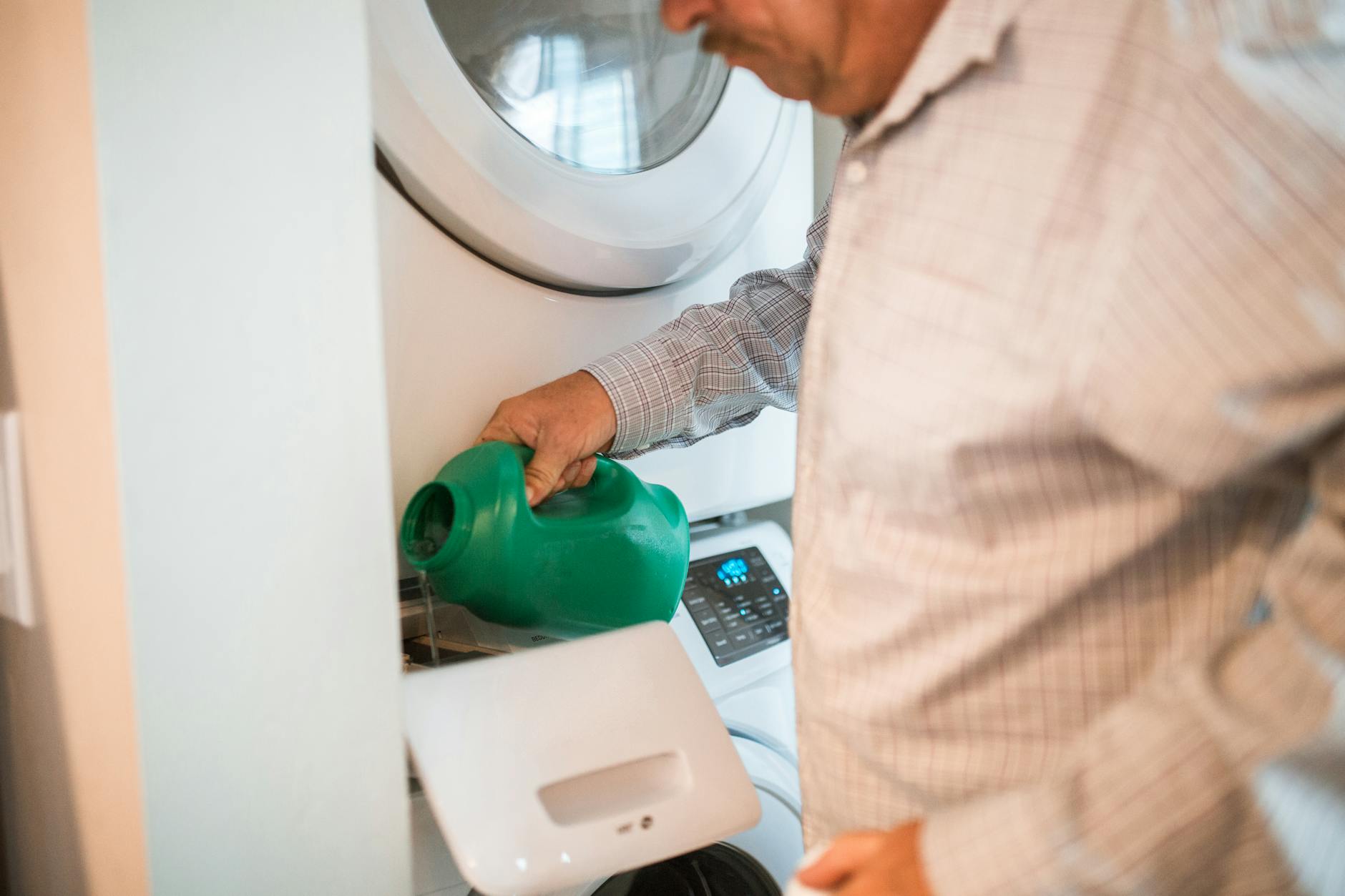
Using more detergent than recommended does not make clothes cleaner and actually causes significant harm to fabric over time. Surplus detergent leaves a sticky residue on fibers that attracts dirt and causes fabric to feel stiff and uncomfortable against the skin. This buildup traps bacteria and odors within the textile rather than washing them away as intended. Repeated exposure to detergent residue weakens the fiber structure and can cause color to appear dull and uneven. Following the manufacturer’s recommended amount and even using slightly less than suggested is sufficient for most everyday laundry.
Bleach
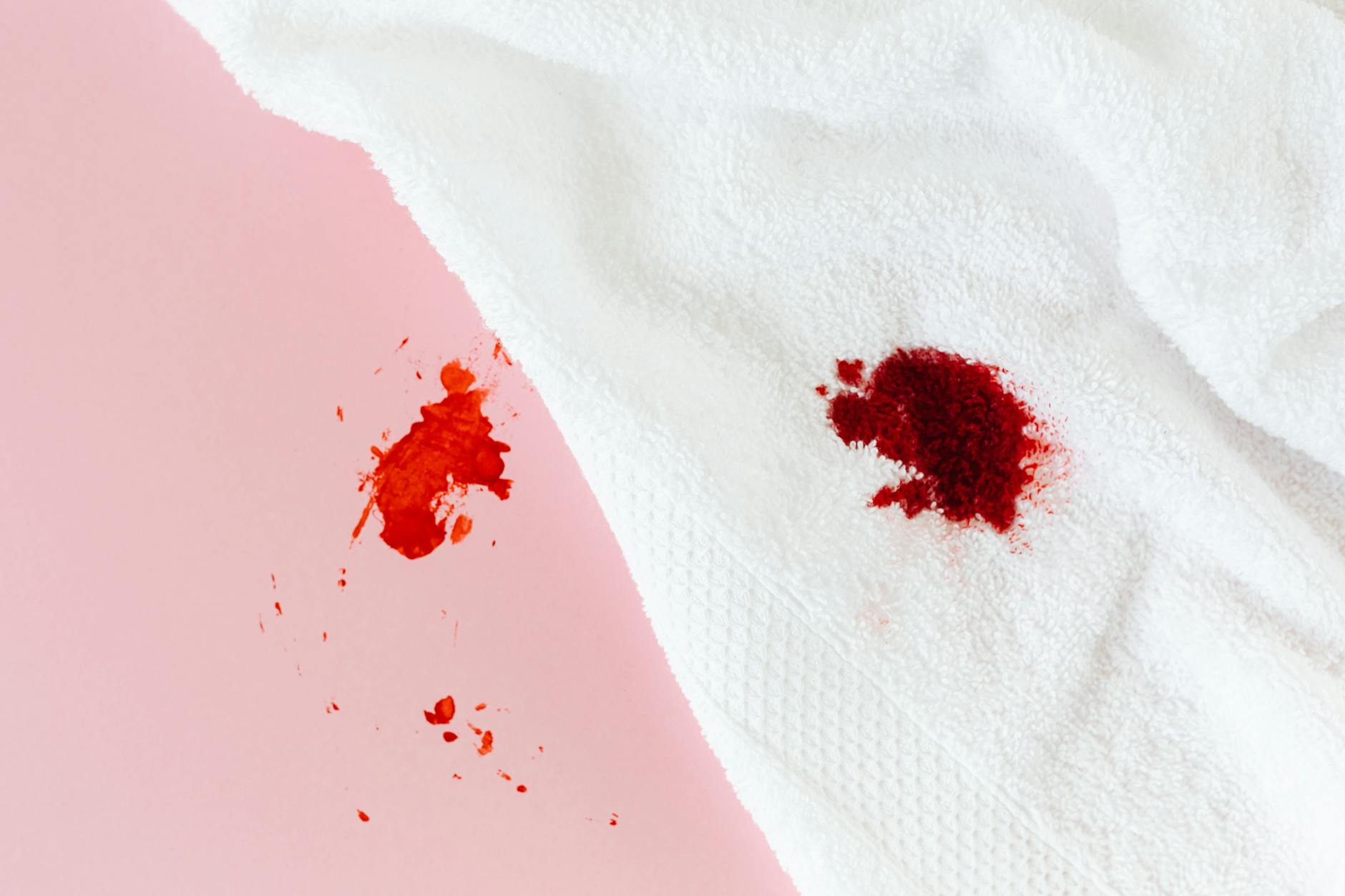
Chlorine bleach is an extremely harsh chemical that strips fibers of their natural strength even when used in small quantities. Regular bleach use breaks down the cellular structure of both natural and synthetic fabrics far faster than normal wear would. Whites treated repeatedly with bleach eventually develop a yellowish tinge rather than maintaining brightness because the chemical oxidizes the fibers themselves. The weakening effect of bleach also makes fabric more prone to tearing and developing thin spots during washing and everyday use. Oxygen-based alternatives are a much gentler option for brightening fabrics without causing structural damage.
Washing Too Often
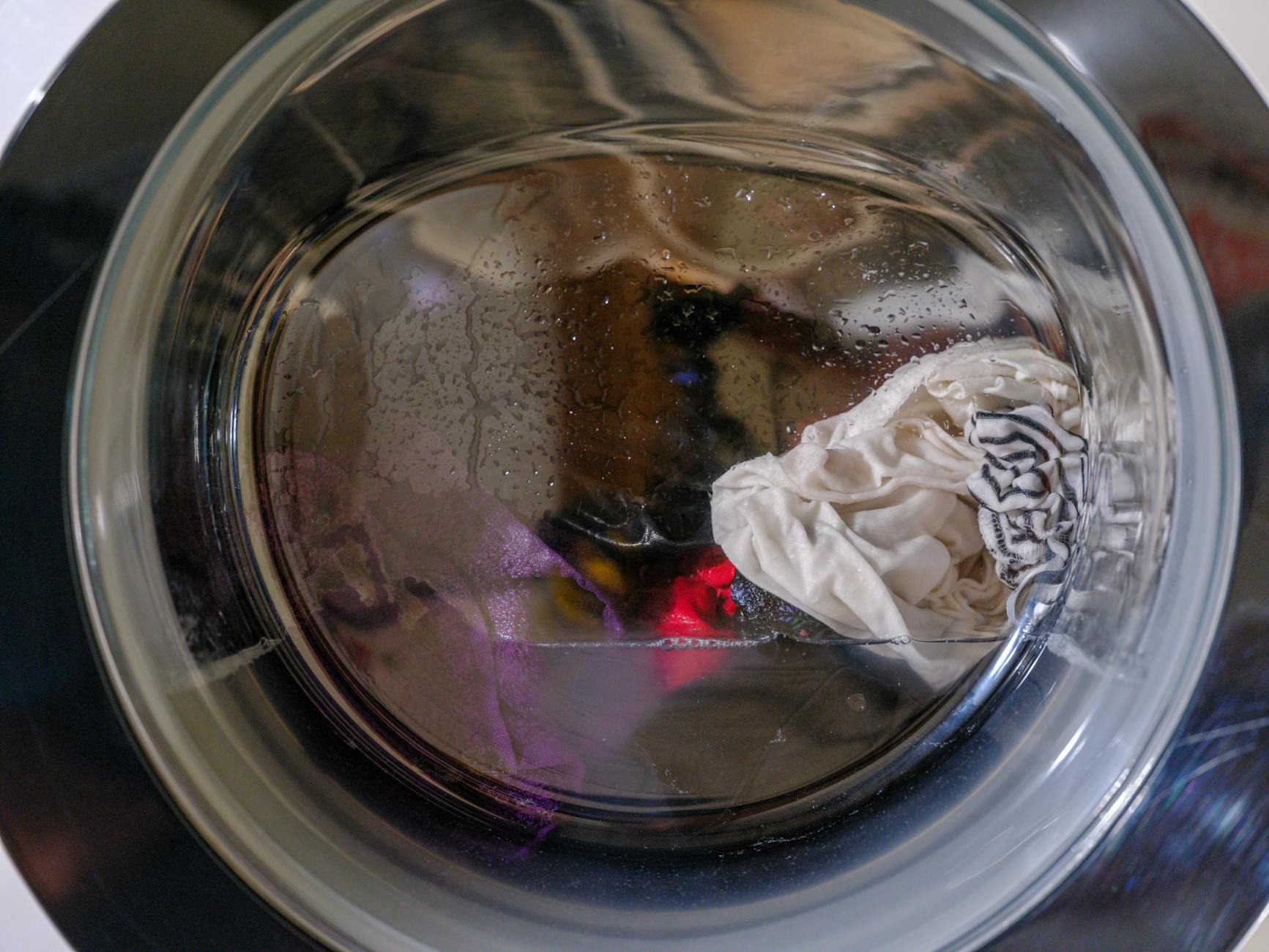
Laundering clothing after a single wear when it is not visibly soiled or odorous accelerates fabric breakdown unnecessarily. Each wash cycle subjects fibers to agitation, heat, chemicals, and friction that cumulatively degrade the quality of the textile. Denim and outerwear in particular are designed to be worn multiple times between washes without compromising hygiene or appearance. Airing garments out between uses and spot-treating small stains is a far more fabric-friendly approach for lightly worn pieces. Reducing overall wash frequency extends the life of clothing dramatically while also conserving water and energy.
Mesh Bags
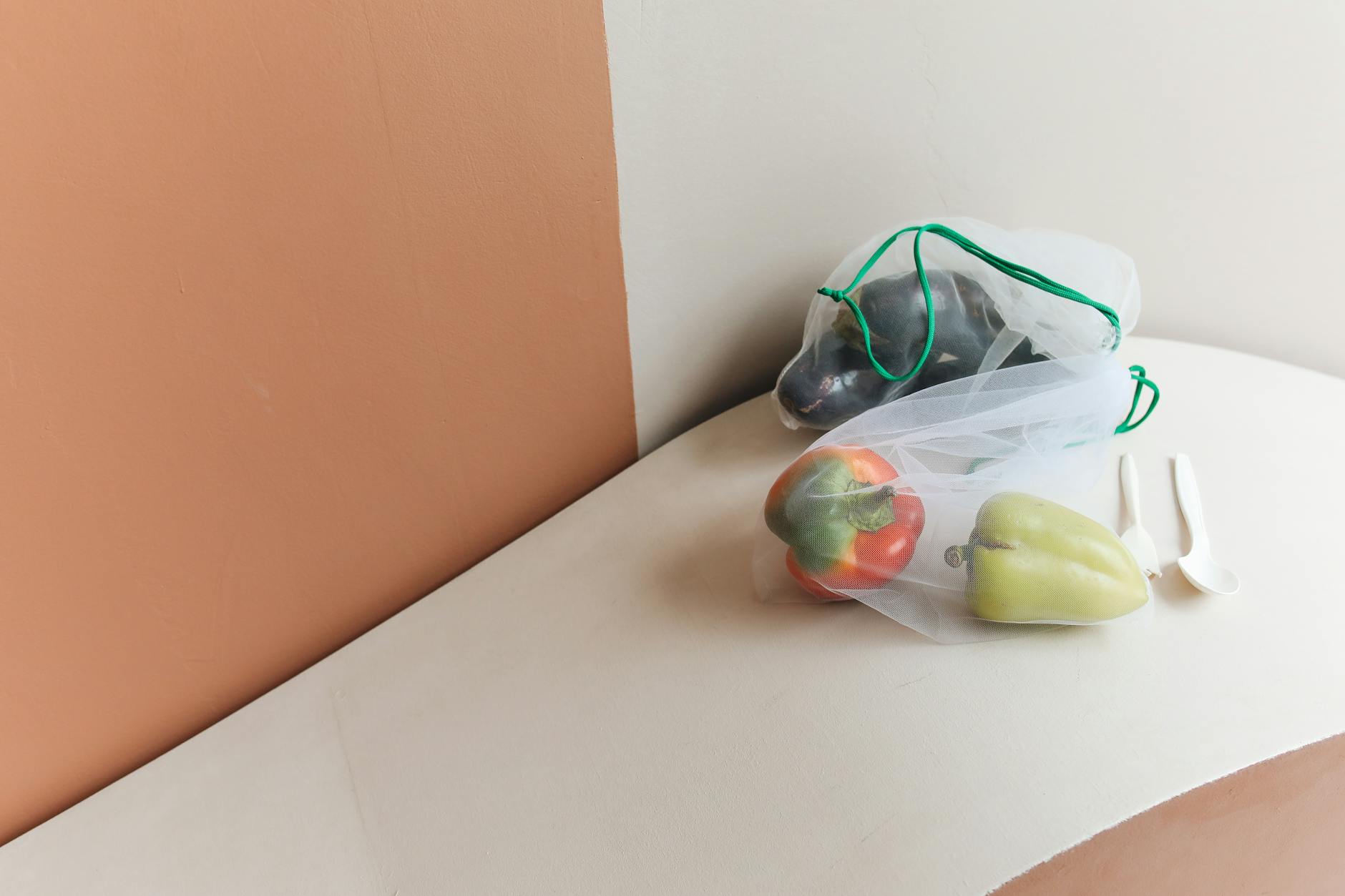
Skipping the use of mesh laundry bags for delicate items and lingerie is a mistake that leads to significant fabric damage. Without protection, delicate pieces become tangled with heavier garments and are subjected to far more agitation than their fragile construction can withstand. Lace, silk, and embellished items are especially prone to snagging on zippers and buttons belonging to other clothes in the load. The stretching and pulling that occurs during an unprotected wash distorts the shape of bras, knit tops, and fine-knit sweaters permanently. Placing delicates in a mesh bag before washing provides a simple barrier that significantly reduces wear during each cycle.
Wrong Spin Speed
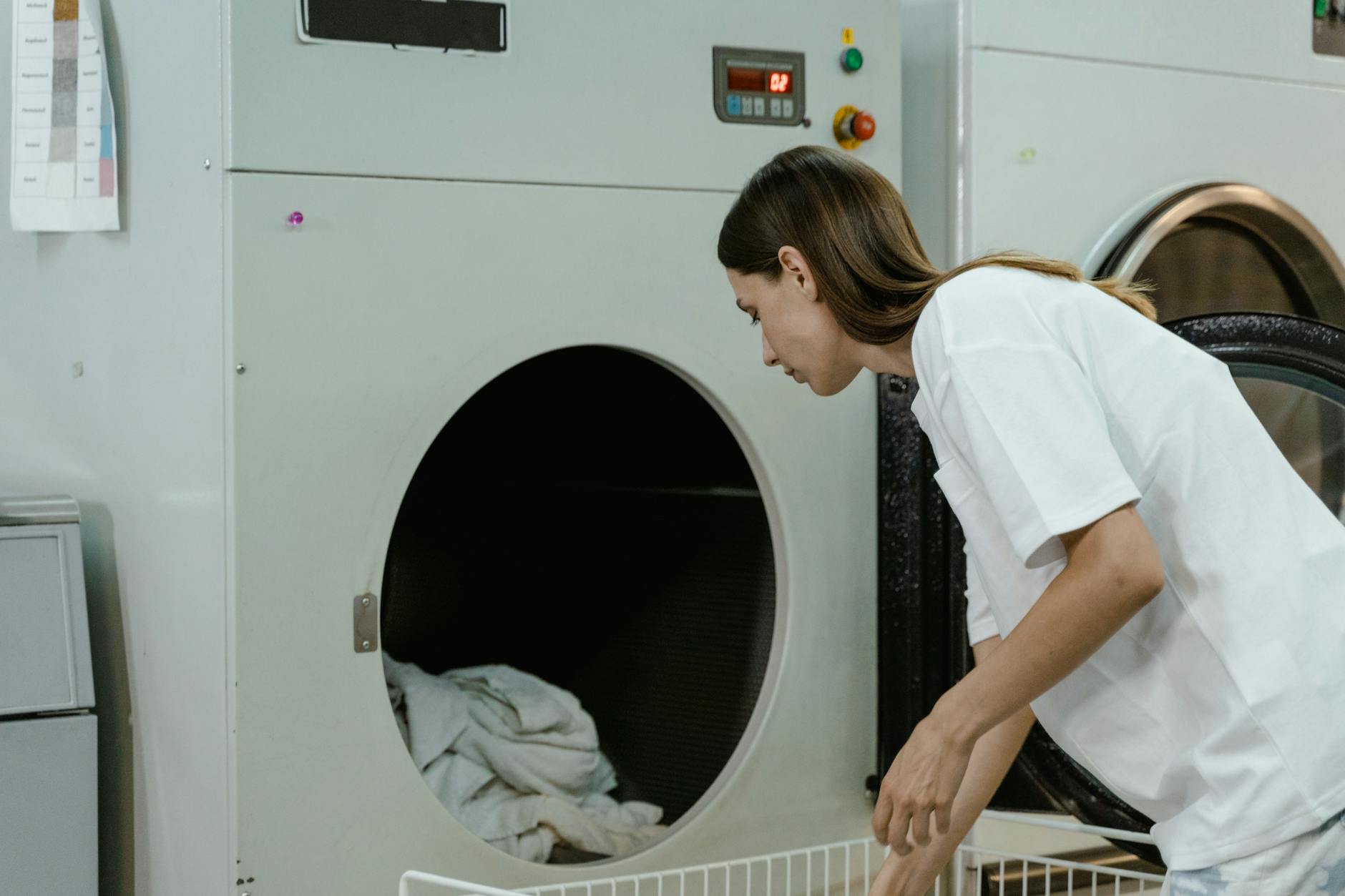
Selecting a high spin speed for every load regardless of fabric type is a widespread laundry error that many people overlook entirely. High-speed spinning subjects clothing to intense centrifugal force that stretches and distorts fibers as they are pressed firmly against the drum. Delicate fabrics like silk, wool, and rayon are particularly vulnerable and can lose their original shape after just one high-speed spin cycle. The intense wringing motion also causes unnecessary stress on seams and stitching which can lead to fraying and separation over time. Matching the spin speed to the specific fabric type recommended on the garment care label prevents this avoidable damage.
Zipper Care
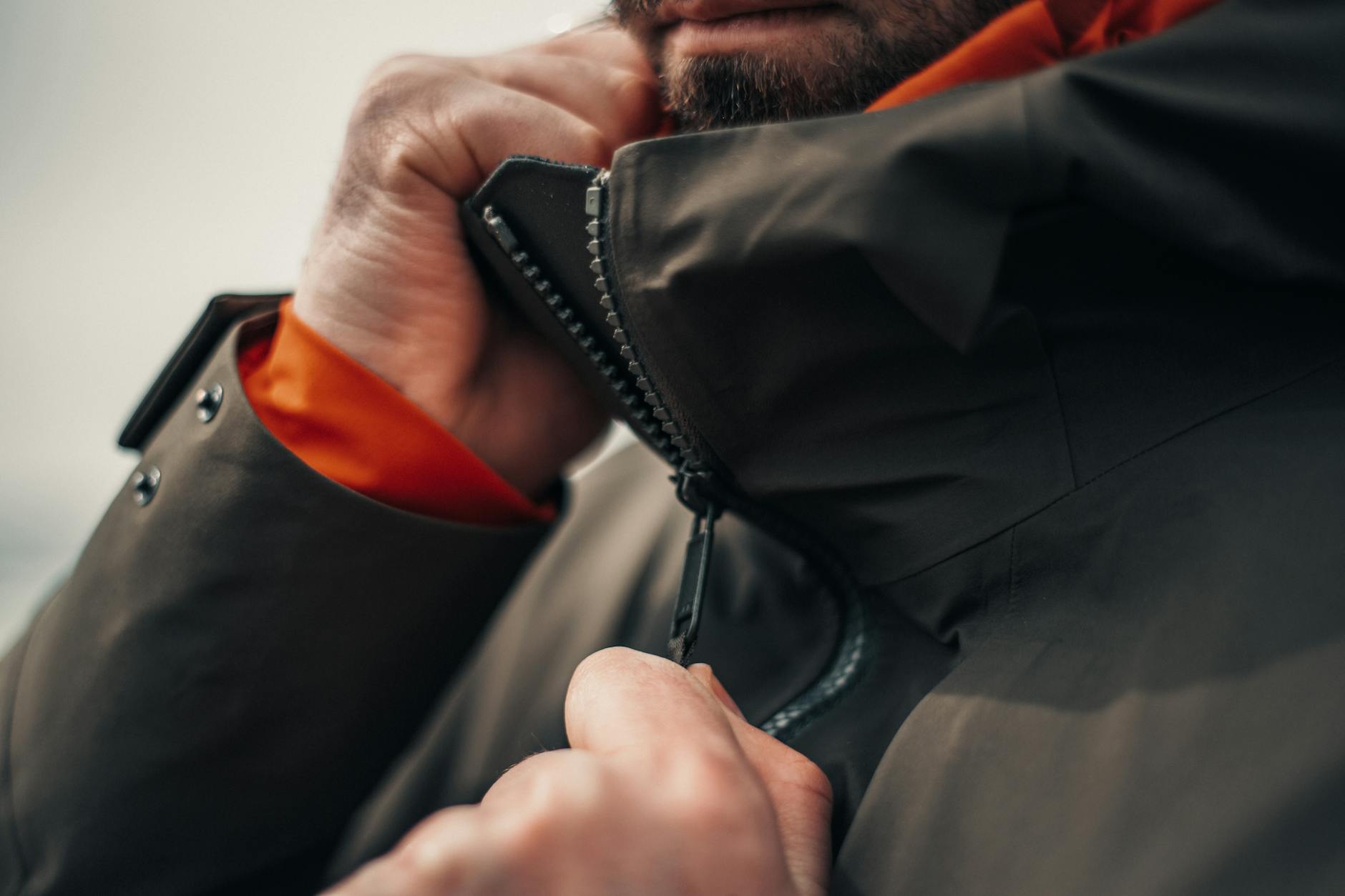
Leaving zippers undone during a wash cycle is a habit that causes widespread damage to surrounding garments without many people realizing the source. Open zipper teeth act like miniature blades inside the drum and snag on neighboring fabrics with every rotation of the machine. Knits, lace, and loosely woven fabrics are the most susceptible to pulls and runs caused by contact with an open metal zipper. The zipper itself also suffers during an open wash because the teeth can become bent or misaligned when subjected to the tumbling motion of the drum. Zipping up all clothing before placing it in the machine is a simple preventive step that protects every garment in the load.
Wrong Cycle
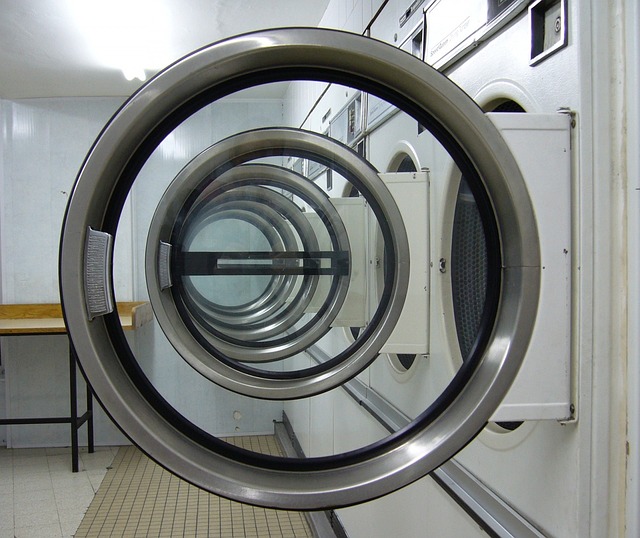
Choosing the standard or heavy-duty wash cycle for every item regardless of its care requirements exposes delicate and mid-weight fabrics to more mechanical agitation than they need. The normal cycle uses extended wash times and vigorous drum movement that gradually weakens fibers through repeated exposure. Garment care labels exist specifically to communicate the correct wash intensity for each fabric type and ignoring them leads to premature wear. Fine knits, blouses, and athletic wear all benefit from gentler cycles that use shorter wash times and reduced agitation. Taking an extra moment to select the appropriate wash setting preserves the integrity of each garment far more effectively over time.
Fabric Softener
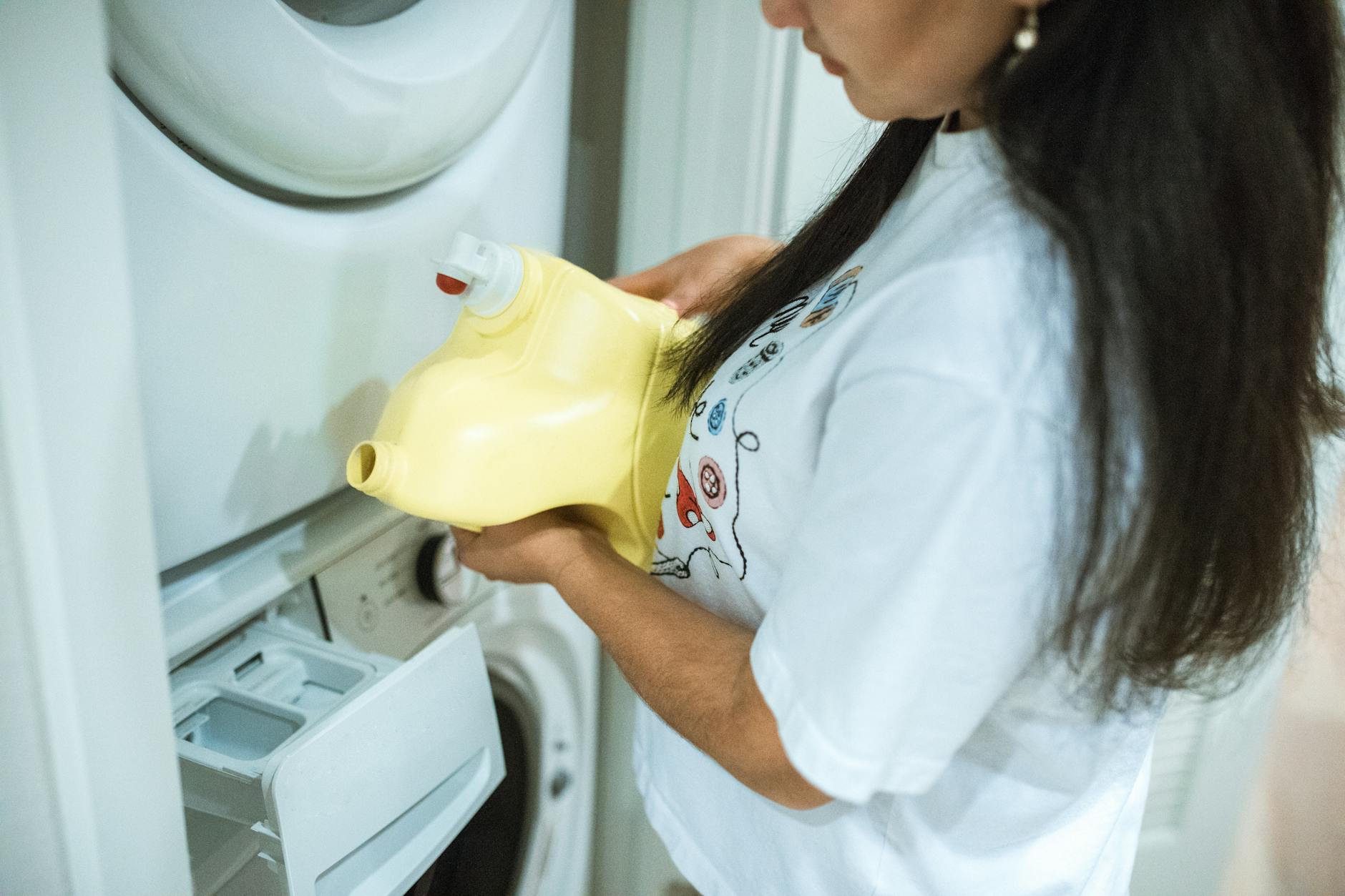
Fabric softener is widely marketed as a laundry essential but it causes measurable damage to certain fabrics when used consistently. The conditioning agents in fabric softener coat individual fibers with a waxy film that reduces absorbency and traps residue within the textile over time. Activewear and moisture-wicking fabrics are particularly affected because the coating interferes with their engineered ability to manage moisture and breathability. Towels treated repeatedly with fabric softener become less effective at absorbing water despite feeling softer immediately after washing. Wool dryer balls or a small amount of white vinegar added to the rinse cycle offer gentler alternatives that soften fabric without the long-term buildup.
Dryer Heat
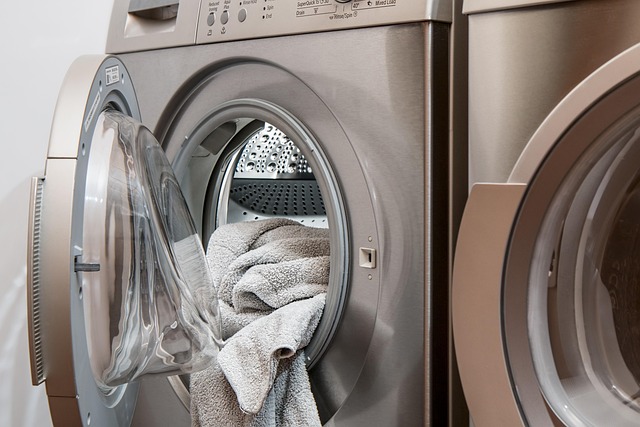
Placing nearly every item in a high-heat dryer is one of the fastest ways to degrade fabric quality across an entire wardrobe. Intense heat causes cotton to shrink and polyester to pill while also breaking down the elastic fibers found in waistbands and fitted garments. The tumbling action inside the dryer combined with heat creates friction that raises the surface of fabrics and produces the fuzzy worn texture that makes clothing appear old. Silk, wool, and linen are particularly heat-sensitive and should be air-dried flat to maintain their shape and surface texture. Lowering the dryer temperature or air-drying items whenever possible extends the life of clothing significantly.
Soaking Too Long
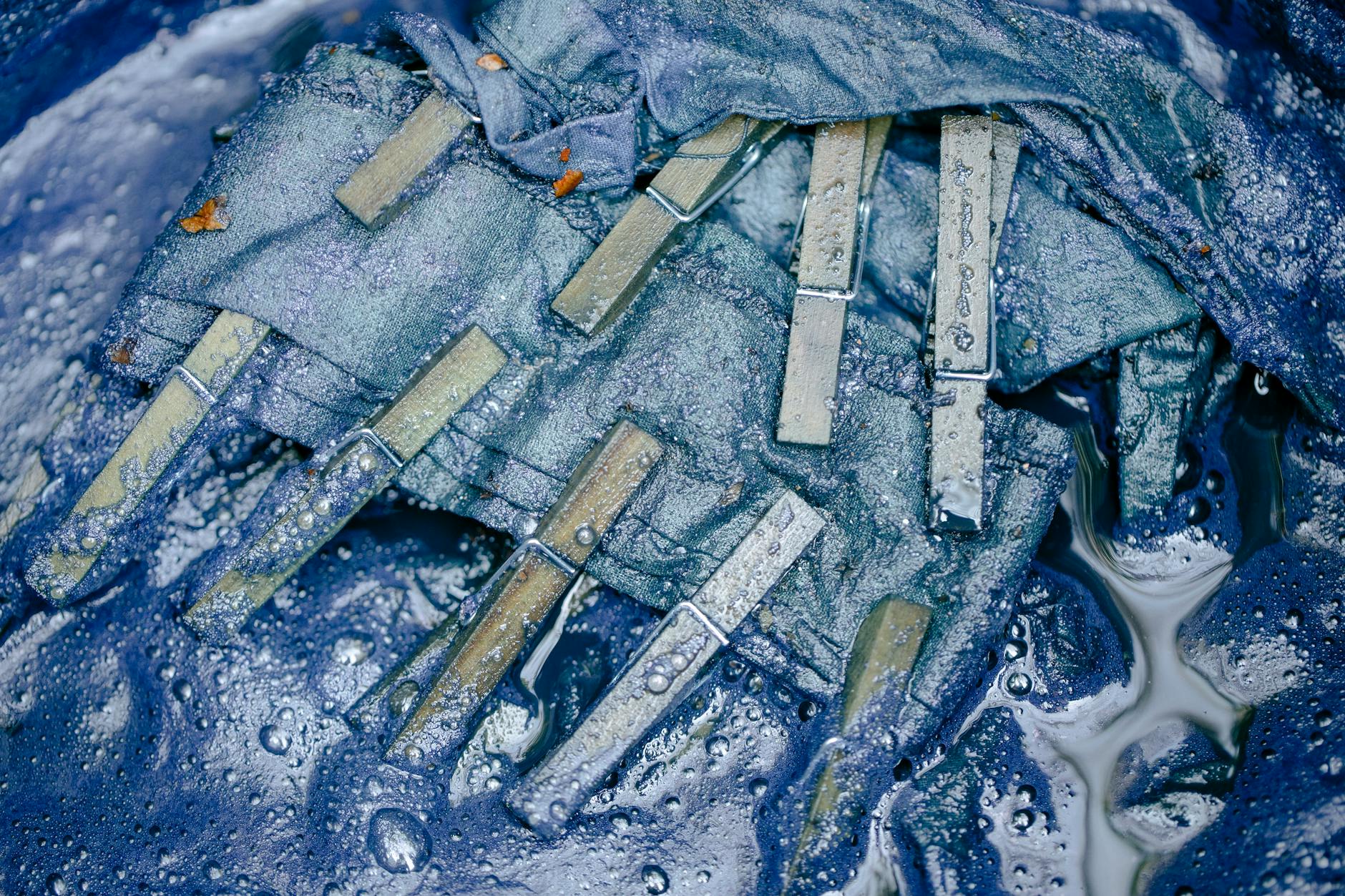
Leaving clothes to soak in water for extended periods beyond what is necessary for stain treatment causes the fibers to weaken and break down at an accelerated rate. Prolonged water exposure causes natural fibers like cotton and wool to swell and then contract in ways that distort the original shape of the garment. Colors that appear stable during a quick wash begin to bleed and fade when fabric is submerged in water for hours at a time. The seams and stitching of garments are also compromised by excessive soaking because the thread absorbs water and becomes fragile when agitated afterward. Limiting soaking time to thirty minutes or less and using only cool water for the process minimizes these risks effectively.
Ignoring Labels
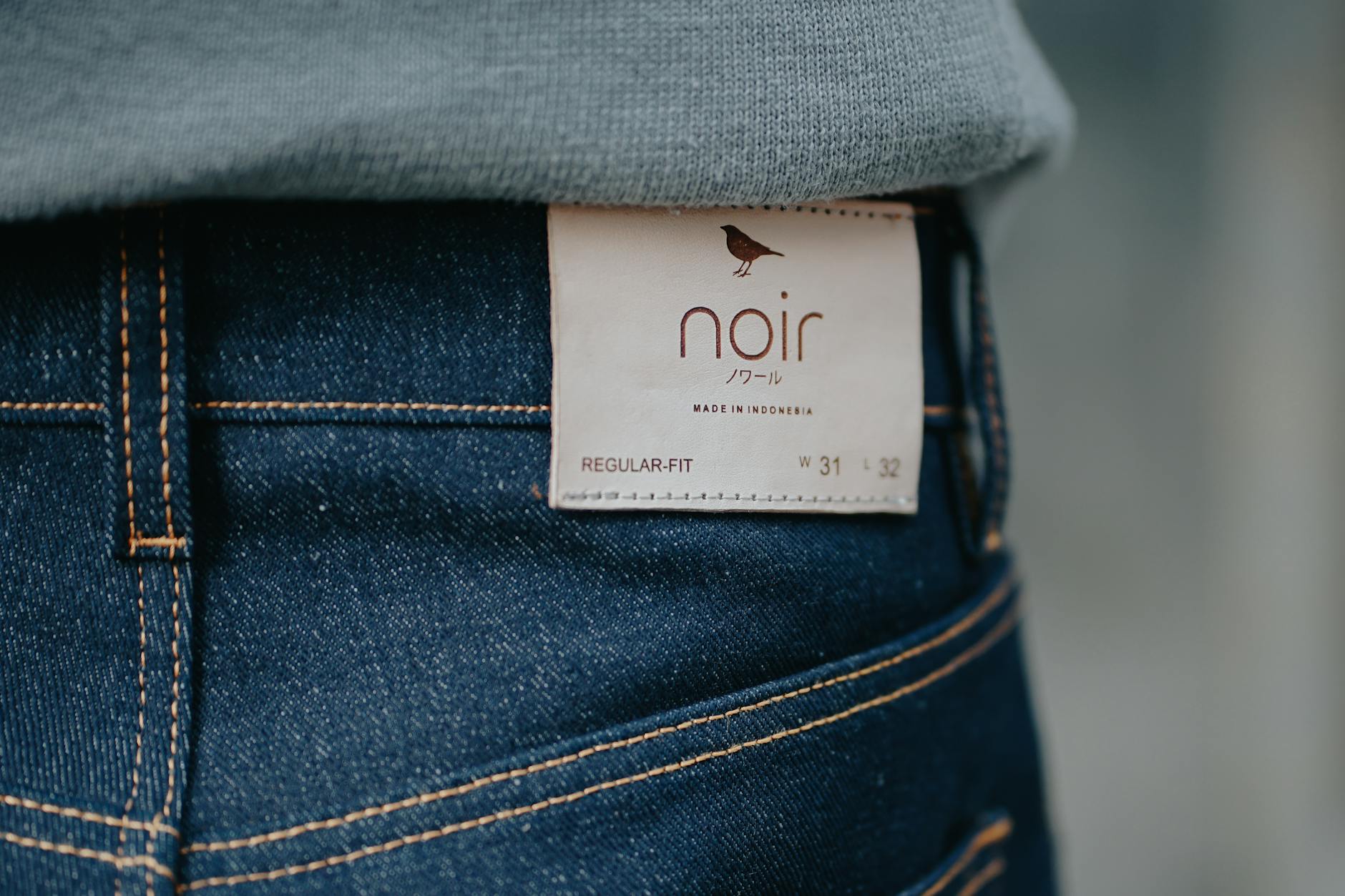
Care labels are placed in every garment for specific technical reasons related to the material composition and construction of that particular item. Ignoring these labels and defaulting to a universal wash routine causes damage that accumulates quietly until the garment is noticeably degraded. A label specifying dry clean only or hand wash only indicates that the fabric cannot withstand machine agitation without breaking down prematurely. Symbols on care labels communicate precise instructions about water temperature, drying method, and ironing temperature that are worth understanding and following consistently. Treating each garment according to its individual requirements rather than applying one universal routine is the most effective strategy for preserving quality.
Washing Dark Colors
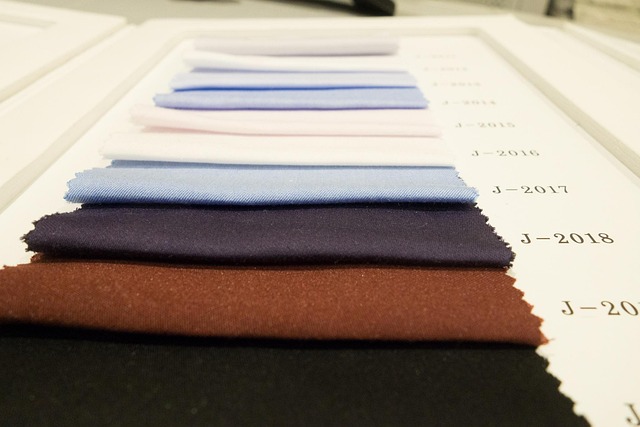
Washing dark garments too frequently and without proper precautions causes the rich color depth to fade within just a handful of wash cycles. Dark dyes are more susceptible to fading when exposed to regular detergents that are formulated for general use rather than specifically for dark fabrics. Turning dark clothing inside out before washing reduces direct friction against the outer dyed surface during the cycle and slows the fading process. Washing darks in cold water and using a detergent specifically designed for dark or color-treated fabrics helps lock in pigment over time. Keeping dark garments out of direct sunlight while drying also prevents the UV-related color loss that compounds the fading caused by repeated washing.
Hard Water
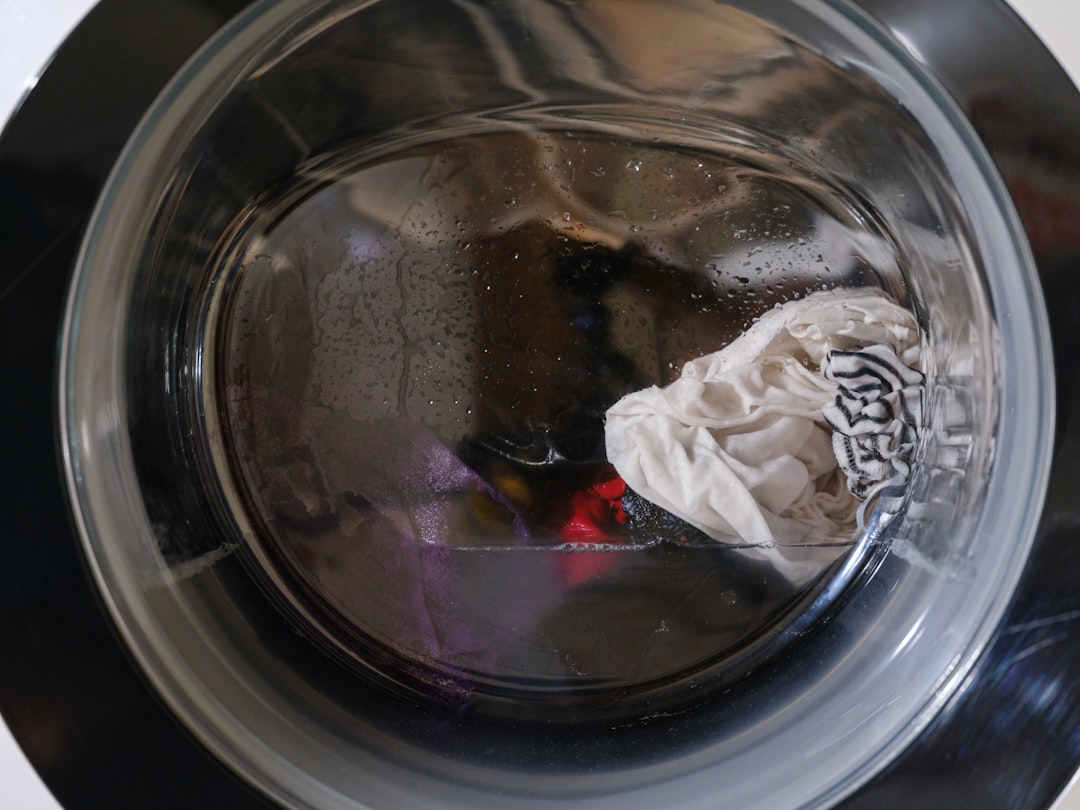
Washing clothes in hard water is an invisible fabric threat that many people never consider when troubleshooting laundry quality issues. Hard water contains elevated levels of minerals like calcium and magnesium that bind to fabric fibers during the wash cycle and accumulate over time. This mineral buildup makes fabrics feel stiff and scratchy even after they have been washed and dried thoroughly with fabric softener. Whites and light-colored garments are particularly affected because mineral deposits cause them to develop a dingy gray or yellow cast that is difficult to reverse. Using a water softener additive or installing a whole-home water softening system helps eliminate this source of ongoing fabric damage.
Share which of these laundry habits you have been guilty of and what changes you plan to make in the comments.




